Licensed Oregon Fishing Guide Requirements
It can feel like navigating a dense thicket of rules and regulations just to enjoy a simple day on the water, let alone dreaming of turning your passion into a profession. For those who aspire to guide anglers in Oregon, or for clients simply wanting to ensure they’re booking a legitimate, safe, and knowledgeable experience, understanding the requirements for licensed fishing guides is absolutely crucial. This comprehensive guide will untangle the various permits, certifications, and responsibilities that come with being a professional angling guide in the Beaver State, ensuring clarity for both current and aspiring guides, and peace of mind for their clients.
Why Licensing Matters for Guides and Clients Alike
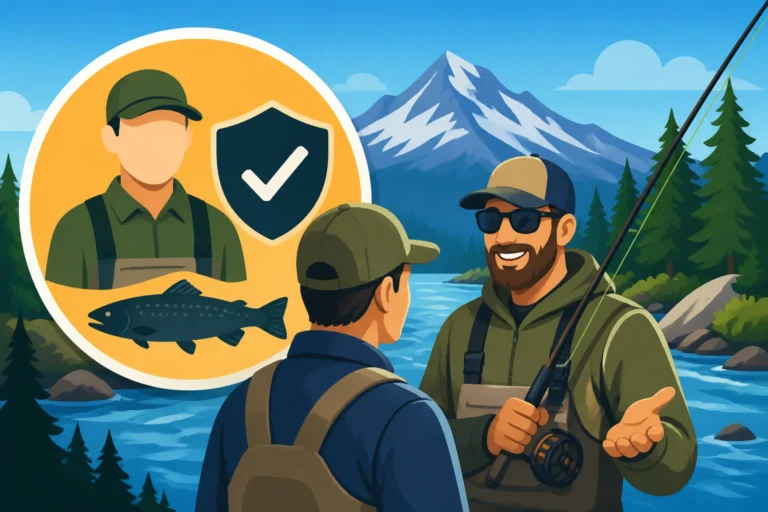
When you step onto a boat or meet a guide at a riverbank, there’s an inherent trust involved. You’re trusting them with your safety, your time, and often, a significant financial investment. For the guide, it's about reputation, legality, and contributing positively to the resource they cherish. This isn't just bureaucratic red tape; it's the foundation of a responsible and reputable fishing industry.
Protecting Your Investment and Safety
Imagine booking a trip, paying a deposit, only to find out your "guide" is operating illegally, perhaps without proper insurance or safety certifications. Not only could your trip be canceled, but you could also be putting yourself in a risky situation on the water. Licensed guides are required to meet specific safety standards, carry insurance, and often have first aid training, all of which are vital for mitigating unforeseen circumstances on the water. They're held accountable, providing a layer of protection for you, the client.
For guides, the investment in licensing protects their business. It establishes their credibility and signals to potential clients that they are legitimate and professional. Without proper licensing, a guide risks hefty fines, equipment seizure, and a permanent ban from guiding, essentially dismantling their livelihood.
Upholding Professional Standards
A fishing guide isn't just someone who knows how to catch fish. They are educators, safety officers, environmental stewards, and customer service professionals all rolled into one. The licensing process helps ensure that individuals entering the profession meet a baseline of knowledge and responsibility. This includes understanding Oregon Fishing Regulations Explained, ethical angling practices, and local conservation efforts.
Professionalism also extends to how guides interact with the environment and other users. A licensed guide knows the etiquette of sharing the river or ocean, respects private property, and avoids impacting sensitive ecosystems. This level of professionalism enhances the overall experience for clients and contributes to a positive reputation for the entire guiding community.
Ensuring Conservation and Fair Play
The act of fishing, especially for popular species like salmon and steelhead, has a direct impact on fish populations. Licensing helps ensure that guides are not only aware of, but actively uphold, conservation regulations such as bag limits, gear restrictions, and catch-and-release rules. This prevents overfishing and protects fragile ecosystems for future generations.
Furthermore, a regulated system ensures fair play among guides. It creates a level playing field where everyone operates under the same rules, preventing unfair advantages by those who might otherwise cut corners on safety or environmental compliance. This collective adherence helps preserve the resources that all anglers, guided or unguided, depend on.
Key Agencies and Their Roles in Guide Regulation
When you're dealing with fishing in Oregon, you're not just dealing with one set of rules; it's a tapestry woven by several agencies, each with its own jurisdiction and responsibilities. Understanding who regulates what is crucial for any aspiring guide.
Oregon Department of Fish and Wildlife ODFW
The Oregon Department of Fish and Wildlife (ODFW) is perhaps the most direct authority when it comes to fishing guides in Oregon. They are the ones who issue the core angling guide license and regulate what species can be targeted, when, and how. ODFW sets the Oregon Fishing Season Dates and Limits and enforces these rules on all public waters within the state, including rivers, lakes, and portions of the ocean out to three nautical miles.
An ODFW angling guide license certifies that the guide has met the state's requirements for knowing fishing regulations, ethical practices, and reporting obligations. It's a foundational piece of any guide's legal operation. ODFW also manages the state's fish stocking programs and habitat restoration efforts, meaning guides play a direct role in supporting these conservation initiatives through compliance and reporting.
U.S. Coast Guard USCG Regulations
If a guide plans to take clients on federal waters, which includes coastal bays, estuaries, and the open ocean beyond three nautical miles, they will also need to comply with U.S. Coast Guard (USCG) regulations. This is a significant step up in requirements, focusing heavily on maritime safety and navigation. USCG licenses, often referred to as "captain's licenses" or "Merchant Mariner Credentials," require specific sea time, extensive exams covering navigation, seamanship, rules of the road, and sometimes even medical certifications.
A USCG license is paramount for ocean charters, like those you might find for salmon or halibut out of Newport or Astoria. This ensures that the vessel is properly equipped and inspected, and that the person operating it is competent to handle it in potentially challenging offshore conditions. For those looking to book an offshore adventure, confirming your captain has a valid USCG license is a non-negotiable step. When you explore options on platforms like FishingBooker, you can often filter for guides with these specific credentials.
Oregon State Marine Board OSMB
The Oregon State Marine Board (OSMB) plays a vital role in regulating all recreational boats operating on Oregon's waterways, and that includes vessels used for guiding. While OSMB doesn't license the guide directly, they are responsible for boat registration, titling, and ensuring vessels meet safety equipment requirements. They also manage boating safety education and enforce state boating laws.
Every vessel used for guided fishing trips must be properly registered with the OSMB. This includes displaying valid registration decals and carrying the registration card onboard. Furthermore, OSMB sets the minimum safety equipment requirements, such as life jackets for every passenger, throwable devices, sound-producing devices, and fire extinguishers, depending on the boat's size and propulsion. Ensuring the vessel is up to code with the OSMB is a critical component of a safe and legal guided trip.
Core Guide Licensing Requirements
Becoming a licensed fishing guide in Oregon isn't a one-and-done application. It involves a combination of state and potentially federal permits, alongside crucial safety certifications. Each piece is designed to ensure a guide is knowledgeable, responsible, and prepared for any situation.
The ODFW Angling Guide License
The ODFW Angling Guide License is the fundamental state-level requirement for anyone charging a fee to take clients fishing in Oregon's fresh or state-controlled saltwater environments. To obtain this, an applicant typically needs to:
- Be 18 years of age or older: Basic adult responsibility is a given.
- Possess a valid Oregon fishing license: It might seem obvious, but you can't guide without being a legal angler yourself. This often includes a Oregon Annual Angling License and specific endorsements like the Oregon Combined Angling Tag Guide if you're targeting salmon, steelhead, or sturgeon.
- Pass a written examination: This test covers Oregon's fishing regulations, identification of fish species, ethical angling practices, and guide responsibilities. It’s crucial to study the current Oregon Fishing Regulations Explained booklet.
- Provide proof of insurance: Guides must typically carry liability insurance, demonstrating they are prepared for accidents or incidents that might occur during a trip. The specific coverage amounts are usually outlined by ODFW.
- Register their business name: If operating under a business name, it usually needs to be registered with the Oregon Secretary of State.
- Submit an application and pay fees: There are application fees and annual renewal fees associated with maintaining the license.
This ODFW license needs to be renewed annually. This process often includes affirming continued compliance with all regulations and payment of renewal fees.
Federal Permitting for Specific Waters
Beyond the ODFW license, certain waters demand additional federal permits. The most common scenario involves the Columbia River and ocean waters.
- Columbia River Basin Endorsement: If you're guiding for salmon or steelhead in the Columbia River Basin, which includes the Columbia River mainstem and many of its tributaries (like the Willamette, where it joins the Columbia), you'll need the Oregon Columbia River Basin Endorsement. This is an additional state-level tag that supports fisheries management in this vital interstate waterway. Guides must ensure their clients also have this endorsement if they are fishing in these waters.
- US Coast Guard (USCG) Captain's License: As mentioned, any guide operating a vessel for hire on navigable federal waters (most large bays, estuaries, and the open ocean) must hold a valid USCG Merchant Mariner Credential. The type of license depends on the size of the vessel and the number of passengers. The most common for charter fishing is an Operator of Uninspected Passenger Vessels (OUPV) license, often called a "Six-Pack" license because it allows up to six passengers. For larger vessels, a Master's license is required. Obtaining a USCG license involves:
- Demonstrating a certain amount of "sea time" (documented experience on a vessel).
- Passing extensive written exams.
- Undergoing a physical exam and drug test.
- Completing a first aid and CPR course.
- Passing a Transportation Worker Identification Credential (TWIC) background check.
Navigating these federal requirements can be complex, often requiring specialized courses and significant dedication. This is why when you look at Oregon Fishing Guide Services, you’ll see some specialize in rivers, while others are geared for ocean trips, reflecting their different licensing structures.
First Aid and CPR Certification
It’s not just about catching fish; it’s about getting everyone home safely. This is why current First Aid and CPR certification is a mandatory requirement for all ODFW licensed angling guides and all USCG licensed captains. On the water, away from immediate medical facilities, the ability to respond to an emergency can be the difference between a minor incident and a tragedy.
Guides are often in remote locations, whether it's deep in a coastal river canyon or miles offshore. Knowing how to administer CPR for a sudden cardiac event, treat severe bleeding, manage allergic reactions, or stabilize a broken bone before professional medical help arrives is absolutely critical. These certifications must be kept current, typically requiring renewal every two years, ensuring guides have up-to-date skills. This is a fundamental layer of safety that every client should expect and every guide must provide.
Vessel Requirements for Guided Trips
A guided fishing trip often means a boat, and those vessels aren't just any old craft. They're subject to specific safety, registration, and inspection standards to protect everyone on board. These requirements differ slightly based on whether you're on inland waters or venturing out into the ocean.
Registration and Safety Inspections
Every vessel used for guided fishing in Oregon must be properly registered with the Oregon State Marine Board (OSMB). This involves providing proof of ownership, filling out the necessary paperwork, and paying registration fees. Once registered, the boat will be assigned an Oregon registration number, which must be displayed prominently on the bow, along with a current registration decal. Think of it as a license plate for your boat.
For vessels operating under a USCG Captain's license (e.g., ocean charters), there are additional inspection requirements. While OUPV (6-pack) vessels are generally "uninspected" in the sense that they don't undergo formal annual inspections by the Coast Guard, the captain is still responsible for ensuring the vessel meets all safety requirements. Larger passenger vessels, however, undergo rigorous periodic inspections by the USCG to ensure structural integrity, machinery functionality, and compliance with all safety regulations. This distinction is key: an uninspected vessel still has safety requirements, just that the responsibility for adherence falls primarily on the licensed captain rather than a formal inspection regime.
Essential Safety Gear Onboard
No matter the body of water, safety gear is non-negotiable. Guides must ensure their vessel is equipped with all required safety items, which are dictated by the size of the boat and the waters it operates on.
Here’s a general rundown of common safety gear, though specific requirements vary:
| Item | ODFW (Inland) Requirements (Common) | USCG (Navigable Waters/Ocean) Requirements (Common) |
|---|---|---|
| Life Jackets (PFDs) | One wearable, approved PFD for each person on board. | One wearable, approved PFD for each person on board, readily accessible. |
| Children 12 and under must wear PFDs when underway on open deck. | Children 12 and under must wear PFDs when underway on open deck. | |
| Throwable Device | One throwable PFD (Type IV) if boat is 16 feet or longer. | One throwable PFD (Type IV) if boat is 16 feet or longer. |
| Sound-Producing Dev. | Whistle or horn (portable or fixed). | Whistle or horn capable of producing a 4-second blast audible for 0.5 nautical miles. |
| Fire Extinguisher | One Type B-I approved if boat has enclosed compartments or fuel. | Varies by boat size and engine type, usually B-I or B-II approved extinguishers. |
| Visual Distress Sigs. | Not typically required for recreational inland boats during day. | Required for vessels operating on federal waters (coastal, open ocean), includes flares. |
| Navigation Lights | Required for operation between sunset and sunrise. | Required for operation between sunset and sunrise, specific configurations. |
| First Aid Kit | Recommended, but not explicitly mandated by OSMB. | Mandatory for USCG licensed vessels, comprehensive kit. |
| Anchor and Line | Recommended for safety, especially on rivers. | Mandated for many USCG vessels, appropriate size for vessel and operating area. |
Note: This table provides common requirements. Always check current OSMB and USCG regulations for precise details based on vessel type and area of operation.
This isn't just a checklist; it's about preparedness. A guide on the Columbia River Fishing Guide needs different considerations than one on a smaller, calmer lake, but the core principle of safety remains.
Commercial Vessel Insurance Considerations
Just as with personal liability insurance for the guide, the vessel itself needs to be adequately insured for commercial operations. Standard recreational boat insurance policies typically do not cover commercial use. Guides must obtain specific commercial marine insurance policies that cover liability for passengers, property damage, and often, hull insurance for the vessel itself.
This insurance is a critical safety net. Accidents can happen – a client might slip and fall, gear might be lost overboard, or a collision could occur. Without proper commercial insurance, a guide could face significant financial ruin in the event of a serious incident. Ensuring your guide carries this specialized insurance is a smart question to ask when booking a trip.
Ongoing Responsibilities and Compliance
Earning the initial license is a significant achievement, but it's just the beginning. A truly professional guide understands that their responsibilities are ongoing, requiring continuous education, strict adherence to changing regulations, and meticulous record-keeping. It's a commitment to the craft and the resource.
Annual Renewals and Continuing Education
Oregon Angling Guide licenses are not permanent; they require annual renewal. This process usually involves submitting a renewal application, updating any personal or business information, and paying the associated fees. It’s a mechanism for the state to ensure guides remain current and active.
While explicit "continuing education" credits aren't always mandated in the same way they are for some other professions, the expectation is that guides stay abreast of changes. ODFW regulations can, and do, change frequently, sometimes even mid-season due to emergency closures or adjustments to bag limits. A responsible guide will actively monitor ODFW announcements, emergency regulations, and new advisories. This might involve subscribing to ODFW newsletters, regularly checking their website, or participating in guide association meetings. This proactive approach ensures they're always operating within the latest legal framework.
Understanding and Following Oregon Fishing Regulations
This is where a guide truly earns their stripes. It's not enough to just know the rules; you have to live them. Oregon's fishing regulations are complex, varying by water body, species, time of year, and even specific sections of a river. For example, the rules for Oregon Salmon and Steelhead Tag Requirements can be different from those for trout, and even within salmon, spring Chinook might have different rules than fall Chinook.
A guide must be intimately familiar with:
- Daily bag limits and possession limits: How many fish can be kept per day and how many can be possessed in total.
- Size limits: Minimum and sometimes maximum sizes for retention.
- Gear restrictions: Rules about hooks (barbless vs. barbed), bait use, and specific lure types allowed.
- Season dates and open areas: When specific fisheries are open and what sections of water are legal to fish.
- Catch-and-release rules: Protocols for handling and releasing fish safely, especially for protected species or those outside of retention limits.
A game warden can absolutely check a guide’s license and catch, just as they would any other angler. Can a game warden check your fishing license in Oregon? Yes, they can, and they often do. Being caught violating regulations, even inadvertently, can lead to severe penalties not just for the guide, but potentially for the clients as well. What happens if you get caught fishing without a license in Oregon highlights the seriousness of non-compliance, and for a guide, penalties can be even more severe, including suspension or revocation of their license.
Maintaining Client Records and Reporting Catches
Part of being a responsible guide in Oregon involves contributing to fisheries management through accurate reporting. ODFW often requires guides to maintain records of their trips, including client names, dates, waters fished, and the number and species of fish caught and kept (or released). This data is invaluable for ODFW biologists who use it to assess fish populations, monitor harvest rates, and make informed decisions about future regulations.
For species like salmon and steelhead, clients are often required to fill out Oregon Catch Record Card Requirements. Guides need to ensure their clients understand these requirements and assist them in correctly completing these cards, especially for fish like coho and Chinook. Timely and accurate reporting is a hallmark of a guide dedicated to the long-term health of Oregon's fisheries.
Finding and Verifying a Licensed Guide
So you're ready to book that dream fishing trip in Oregon, perhaps a Rogue River Guide Trips for steelhead or a Halibut Charter Trips off Newport. How do you ensure you're choosing a legitimate, licensed, and reputable professional? It's easier than you might think, but it requires a bit of due diligence.
Checking ODFW and USCG Credentials
The best way to verify a guide's legitimacy is to check their credentials directly with the issuing agencies.
- ODFW Angling Guide License: The Oregon Department of Fish and Wildlife often provides a public database or a way to contact them to verify if an individual holds a current ODFW Angling Guide License. You can usually call their main office or check their website for a list of licensed guides or a verification tool. Asking a guide for their ODFW license number is a perfectly reasonable request.
- US Coast Guard License: For ocean charters or any trip on navigable federal waters, you'll want to verify the captain's USCG Merchant Mariner Credential. The USCG has a public database called the Merchant Mariner Credential Verification portal where you can enter a captain's name or credential number to confirm its validity and endorsements. Any reputable ocean charter or captain will be happy to provide this information.
Always be wary of guides who are evasive or unwilling to provide their license numbers. Transparency is a good sign of professionalism.
Asking the Right Questions Before Booking
Beyond just checking licenses, a few key questions can help you gauge a guide's professionalism and suitability for your trip:
- "What specific licenses and permits do you hold for the waters we'll be fishing?" This directly addresses the topic of this guide.
- "Can you provide proof of your commercial insurance?" A legitimate guide will have this readily available.
- "What is your experience on these specific waters and for the species we're targeting?" Experience matters, especially in diverse Oregon fisheries.
- "What safety equipment do you have on board, and what is your safety briefing process?" A good guide prioritizes safety and will have a clear plan.
- "What is your policy regarding cancellations due to weather or other unforeseen circumstances?" Reputable guides will have a clear, written cancellation policy.
- "What is included in the trip price (e.g., gear, bait, snacks, fish cleaning)? What should I bring?" Clarifying expectations upfront prevents surprises.
Don't hesitate to ask these questions. A professional guide understands that clients want to feel secure and informed, and they'll appreciate your thoroughness.
Leveraging Online Platforms and Reviews
In today's digital age, online booking platforms and review sites are invaluable resources for finding and vetting guides. Websites like FishingBooker specialize in connecting anglers with charter captains and guides around the world, including a robust selection in Oregon. These platforms often list a guide's credentials, boat details, and customer reviews, making it easier to compare options.
When using platforms like FishingBooker:
- Look for verified licenses: Many platforms work to verify the licenses and insurance of their listed guides.
- Read customer reviews: Pay attention to comments about safety, professionalism, fish-catching success, and overall experience. Look for consistent positive feedback.
- Compare pricing and inclusions: Understand what you're getting for your money across different guides and trip types.
- Use the messaging system: Many platforms allow you to directly message guides with your questions before booking, which is a great way to get a feel for their responsiveness and personality.
While online platforms offer convenience, it's still wise to cross-reference information and potentially follow up directly with a guide if you have specific concerns. The goal is to feel completely confident and excited about your upcoming Oregon Fishing Charter Guide or guided river trip.
Disclaimer
This article is for general informational purposes only and does not constitute professional advice. Laws, prices and regulations vary by location and change over time. Consult a qualified professional for guidance on your specific situation.