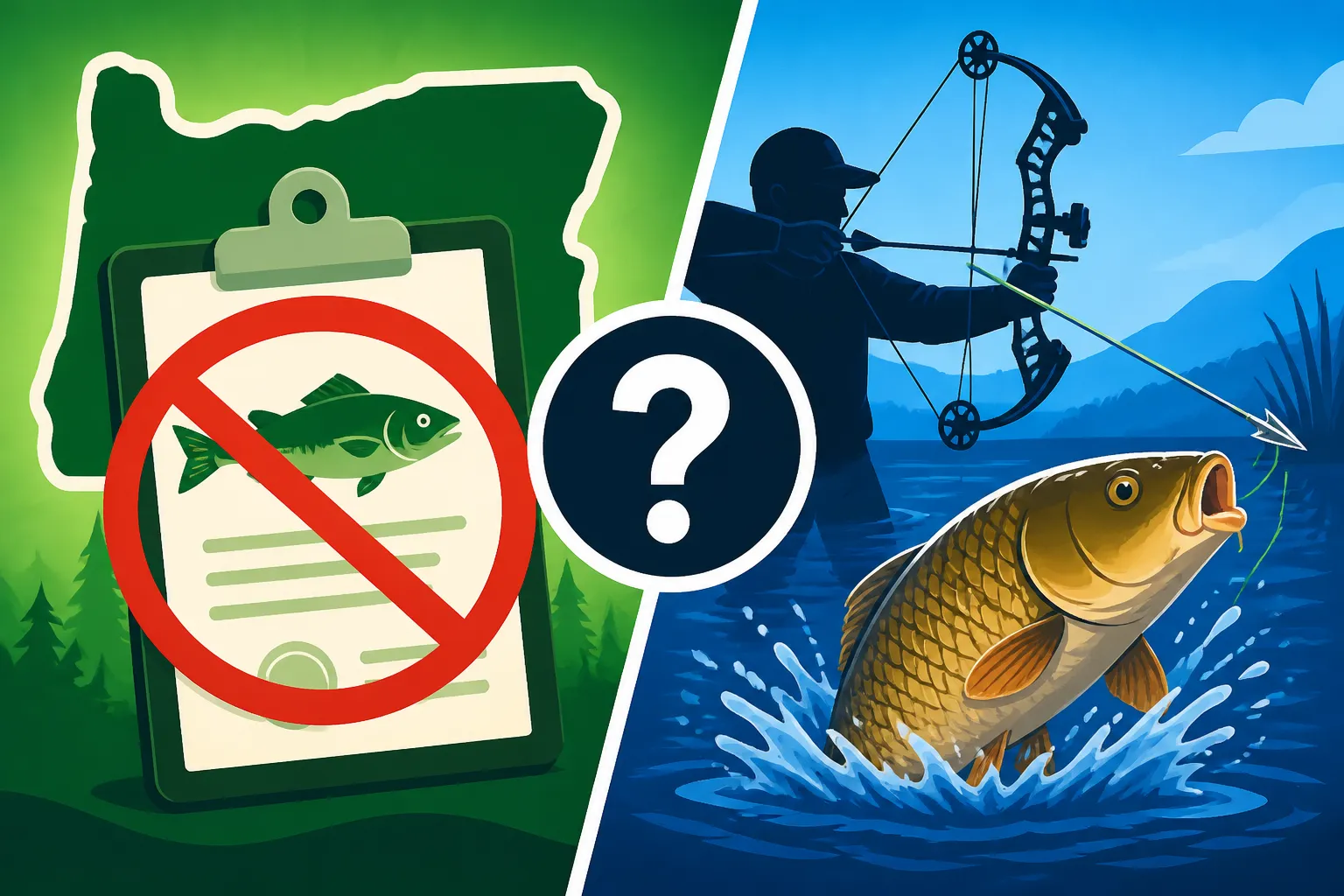
Is an Oregon fishing license needed for bowfishing carp?
Trying to figure out the ins and outs of fishing regulations in Oregon can feel like navigating a maze, especially when you're looking into something a bit unconventional like bowfishing. Many folks assume that because bowfishing targets "rough" fish like carp, the rules might be different, or perhaps even non-existent, compared to traditional rod and reel angling. This comprehensive guide will clear up any confusion you have about whether an Oregon fishing license is needed for bowfishing carp, and help you understand the other essential regulations to ensure your time on the water is legal and enjoyable.
Understanding Bowfishing in Oregon
Bowfishing is a unique and exciting method of fishing that combines elements of archery and angling. Instead of using a rod, reel, and hook, participants use a bow and arrow to target fish, often those considered less desirable or invasive. In Oregon, this pursuit has gained popularity, particularly for species like common carp.
What is Bowfishing?
Imagine stalking the shallow waters of a lake or slow-moving river, not with a fishing rod in hand, but with a bow, much like you would for hunting. That's bowfishing in a nutshell. The arrows used in bowfishing are specially designed with barbs to hold the fish and are attached to a line that is wound onto a reel mounted on the bow. When a fish is shot, the line is used to retrieve the arrow and the fish. It’s an active, visually engaging way to fish, often done in clear, calm waters where fish are visible near the surface. The thrill comes from the hunt, the precision of the shot, and the raw, hands-on experience of landing a fish.
This method typically involves wading, using a small boat, or even standing on shore, often in areas with abundant aquatic vegetation where target species like carp thrive. Unlike traditional angling where you try to trick the fish into biting, bowfishing is about precise aiming and quick reflexes. You're aiming at a moving target in water, which refracts light and makes the fish appear shallower than it actually is, adding an extra layer of challenge that bowfishers really enjoy.
Why Target Carp in Oregon?
In Oregon, common carp are often the primary target for bowfishers, and there are several good reasons for this. Firstly, carp are abundant in many of Oregon's warmer, shallower lakes, ponds, and slow-moving rivers. They can grow to impressive sizes, offering a substantial target and a real challenge for archers. These hardy fish are known for their strong fighting ability once struck, making the retrieve an exciting part of the process.
Beyond the sport, targeting carp through bowfishing also serves an ecological purpose. Common carp are non-native, invasive species in many Oregon waters. They can disrupt aquatic ecosystems by stirring up bottom sediments while feeding, which increases turbidity, degrades water quality, and uproots aquatic plants that native fish rely on for habitat and food. By reducing carp populations, bowfishers can actually contribute to the health and restoration of native fish habitats. This makes bowfishing a sport that many conservationists view favorably, as it helps manage invasive species while providing recreational opportunities. For more information on what constitutes an invasive species and why managing them is important, you might want to look into Oregon Warmwater Fish Species.
Oregon Fishing License Requirements for Bowfishing
Here's where we get to the heart of the matter. The critical question for anyone looking to try their hand at bowfishing in Oregon is whether a fishing license is required. The short answer is a resounding yes.
The General Rule for Fin Fish
In Oregon, any person 12 years of age or older who fishes for fin fish, including by bowfishing, must possess a valid Oregon fishing license. This isn't just for rod and reel anglers; the regulation applies to all methods of taking fish, unless specifically exempted. It doesn't matter if you're targeting trout, salmon, bass, or carp – if it's a fin fish, you need a license. This rule ensures that the Oregon Department of Fish and Wildlife (ODFW) can manage fish populations, fund conservation efforts, and track fishing activity across the state. Without a license, you're not only breaking the law but also missing out on contributing to the health of Oregon's fisheries. If you're new to the state or just getting into fishing, our comprehensive Oregon Fishing License Guide can provide all the details on various license types and what they cover.
Even if you intend to catch and release your quarry, the license requirement still stands. There’s no special exemption for specific techniques or intentions; the act of attempting to take fish is what triggers the need for a license. This is a common point of confusion, but it's crucial to understand: if your arrow is in the water aiming for a fish, you need that license in your possession.
Specifics for Carp and Other Invasive Species
While carp are indeed often considered rough fish or even invasive, the ODFW regulations do not provide a blanket exemption for bowfishing them without a license. You still need that valid angling license. This is important to remember because some states do have different rules for "rough fish" or "trash fish," but Oregon treats them as fin fish under the general angling regulations.
However, there's a significant difference in how carp and some other invasive species are managed once you do have your license. Unlike many native or game fish that have strict daily bag limits and size restrictions, common carp often have very liberal or even no limits when taken by bowfishing. This reflects the state's interest in controlling their populations. For instance, in many areas, there's no daily bag limit on common carp, meaning you can take as many as you can. This can be a huge draw for bowfishers who want to harvest a lot of fish for various uses or simply enjoy the prolific action.
It's absolutely essential to consult the current Oregon Fishing Regulations Explained booklet, or the ODFW website, for the most up-to-date and specific rules for the body of water you plan to fish. Regulations can change, and specific water bodies might have unique rules regarding methods, seasons, or species. For example, while carp might be fair game without a bag limit, other species in the same water body could be strictly protected. Understanding Oregon Daily Bag Limits Explained is crucial for any angler, regardless of their preferred method.
Here's a quick summary table regarding bowfishing license requirements for clarity:
| Activity / Species | License Required? | Additional Tags/Endorsements? | Typical Bag Limits for Carp (check current regs) |
|---|---|---|---|
| Bowfishing for Carp | Yes (Angling License) | No (typically) | Often unlimited or very generous |
| Bowfishing for Bass | Yes (Angling License) | No (typically) | Specific daily/size limits apply |
| Bowfishing for Catfish | Yes (Angling License) | No (typically) | Specific daily/size limits apply |
| Traditional Rod & Reel | Yes (Angling License) | Yes (e.g., Combined Angling Tag for Salmon/Steelhead) | Varies by species, location, season |
| Crabbing/Clamming | Yes (Shellfish License) | No | Specific daily/size limits apply |
Remember, while the angling license covers the general act of fishing, species like salmon, steelhead, and sturgeon often require additional tags or endorsements, even if you were hypothetically bowfishing for them (though bowfishing for these species is generally prohibited). Always check the specific regulations.
Beyond the License: Other Key Regulations for Bowfishing
Having your Oregon fishing license is the first step, but it's far from the only thing you need to consider. Bowfishing comes with its own set of rules and guidelines that are separate from those for traditional angling. Ignoring these can lead to fines, equipment confiscation, and a serious damper on your outdoor adventure. For more general guidance on fishing laws, you can always refer to Oregon Fishing Regulations Explained.
Legal Bowfishing Equipment
Oregon's fishing regulations are quite specific about the type of gear you can use for bowfishing. It's not just any old hunting bow or arrow.
- Bow Types: You can use a longbow, recurve bow, or compound bow. Crossbows are generally allowed for bowfishing in Oregon, but always double-check the current regulations for any specific limitations or areas where they might be restricted.
- Arrows: Bowfishing arrows must be specifically designed for fishing. This means they typically have a barbed head to hold the fish and are attached to a line. Crucially, broadheads used for hunting big game are not permitted for bowfishing. The arrow also needs to be tethered to your bowfishing reel by a line. You cannot shoot free-flying arrows at fish.
- Reels: Specialized bowfishing reels are essential. These can be simple hand-wind reels, bottle reels, or spin-cast reels mounted to your bow. The purpose is to store and deploy the line attached to your arrow and retrieve it once a fish is hit. Brands like AMS Bowfishing and Cajun Archery are popular choices for their robust equipment designed for the rigors of the sport. You can find a wide range of bowfishing gear, from basic setups to advanced kits, on platforms like Amazon, making it easy to get started.
Using illegal equipment is a serious violation and can result in significant penalties, including fines and confiscation of your bow and gear. When considering your setup, remember that different bowfishing techniques might call for different gear. For example, a heavy-duty bow and line are crucial when targeting large carp in deep water, while a lighter setup might suffice for shallower wading.
Permitted Waters and Restrictions
Not all waters are open to bowfishing, and even within open waters, there might be specific restrictions. This is a crucial point many new bowfishers overlook.
- General Restrictions: Bowfishing is typically restricted or prohibited in designated trout streams, salmon and steelhead rivers, and certain sensitive habitats. These areas are often managed for game fish or have unique ecological importance. Always check the ODFW regulations for the specific zone or water body you plan to fish. You might find this information under the "Special Regulations" section for various rivers and lakes.
- Safety Zones: Certain areas, especially those with high public use like swimming beaches, boat docks, or developed recreation sites, may have restrictions on projectile weapons, including bows and arrows used for fishing. Public safety is paramount, so always be aware of your surroundings and any posted rules.
- Night Bowfishing: While often a very productive time for carp, night bowfishing usually requires artificial lights to illuminate the water. Check if night fishing or the use of artificial lights is permitted in your chosen location. Some areas have restrictions on light use to minimize disturbance to wildlife or nearby residents.
A good example of a place where you'll want to check specific regulations is on the Columbia River Basin Endorsement, which covers unique rules for fishing in the Columbia River and its tributaries. Even if you're not targeting salmon or steelhead, understanding the broader regulatory framework for these major waterways is essential. Furthermore, staying informed about How to check Oregon emergency fishing closures is vital, as sudden changes due to water levels, fish health, or other factors can impact where and when you can bowfish.
Species-Specific Regulations and Daily Limits
While common carp often have liberal limits, this isn't true for all fish you might encounter. It's paramount to be able to identify your target species correctly.
- Target Species: In Oregon, common targets for bowfishing typically include common carp, chiselmouth, goldfish, and sometimes shad (check specific regulations for shad). These are generally species that are not native or are considered less desirable for traditional angling.
- Prohibited Species: You absolutely cannot bowfish for protected species, game fish (like trout, bass, walleye), salmon, steelhead, sturgeon, or any other species not specifically listed as legal for bowfishing. Accidentally (or intentionally) taking a protected species can lead to severe penalties. For instance, you absolutely cannot bowfish for a bull trout, as they are a protected species. Our Oregon Salmon Species Guide and Oregon Steelhead Guide provide detailed information on these protected fish.
- Size and Bag Limits: As mentioned, common carp often have no bag limit in many areas. However, for other species that are legal to bowfish, there may be specific daily bag limits or even size restrictions. For instance, if you're fishing in a water body where smallmouth bass are abundant, and they are legal to bowfish (which they are in some areas with specific limitations), you would still be subject to the published bag and size limits for bass. Always carry a copy of the current regulations, or have access to them digitally on your phone, so you can quickly confirm the rules for the specific species and location you are in.
The onus is entirely on the angler to know and follow these rules. "I didn't know" is not an acceptable excuse if a game warden checks your catch. Understanding Oregon Fishing Regulations Explained is your first line of defense against accidental violations.
Practical Tips for Aspiring Bowfishers
So you've got your license, you understand the regulations, and you're ready to hit the water. But what about the practical side of things? Bowfishing, while straightforward in concept, has its own learning curve and best practices.
Essential Gear and Where to Find It
Getting set up with the right gear is crucial for a successful and enjoyable bowfishing experience. Don't skimp on the essentials, but you also don't need the most expensive equipment to start.
- Bow: While any legal bow (recurve, longbow, compound) works, many bowfishers prefer a dedicated bowfishing bow. These often have lower draw weights, making it easier to shoot repeatedly, and are built to be durable in wet conditions. Brands like PSE Archery and Oneida Eagle Bows are well-known in the bowfishing community. If you're starting, a used compound bow with a light draw weight or an affordable recurve is a great option.
- Reel and Line: A good bowfishing reel is non-negotiable. Many beginners start with a simple bottle reel or hand-wind reel, which are robust and easy to operate. Spin-cast reels specifically designed for bowfishing are also popular and offer smoother line retrieval. Spool your reel with heavy-duty bowfishing line, typically 80 to 200-pound test braided line, as you'll be pulling fish out of thick cover and sometimes directly to you. You'll find these on specialized archery sites or general outdoor retailers like Bass Pro Shops or Cabela's, but also readily available on Amazon with reviews to help guide your choice.
- Arrows: As discussed, specialized barbed arrows are essential. Make sure to have a few spares, as arrows can get stuck in submerged logs or rocks.
- Polarized Sunglasses: These are perhaps one of the most underrated pieces of gear. They cut through the glare on the water, allowing you to see fish far more clearly beneath the surface. Without them, you're severely handicapped.
- Waders/Boots: Depending on where you plan to fish, waterproof boots or chest waders can be invaluable for stalking carp in shallow areas.
- Gloves: A sturdy pair of gloves can protect your hands when handling slimy fish and retrieving arrows.
- Fish Stringer or Cooler: Plan how you'll keep your catch. A durable fish stringer or a cooler with ice is essential, especially if you plan to harvest many carp.
- Light Source (for night fishing): If you plan to bowfish after dark, a powerful headlamp or boat-mounted lights are necessary. Check local regulations regarding their use.
Remember that when purchasing gear, ensure it complies with Oregon's specific requirements. Some novice anglers often wonder where to buy an Oregon fishing license, and it's good to know that many of these same outdoor retailers, both online and brick-and-mortar, can also process your license purchase.
Safety First on the Water
Bowfishing, like any outdoor activity involving projectile weapons and water, carries inherent risks. Prioritizing safety is paramount for yourself and anyone around you.
- Always be aware of your surroundings: Before drawing your bow, make absolutely certain no one is in your line of fire – this includes other anglers, boaters, swimmers, and even wildlife. Your arrow travels at high speeds and can cause serious injury.
- Never shoot at anything you don't intend to harvest: This is a fundamental rule of both hunting and fishing. Don't take "practice shots" into the water if you're not targeting a fish.
- Check your equipment: Before each outing, inspect your bow, line, and arrows for any damage. A frayed line could lead to a lost arrow or, worse, a dangerous rebound.
- Know your limits: Don't wade into water that's too deep or has strong currents. If you're bowfishing from a boat, ensure it's stable and you maintain balance, especially when drawing and shooting.
- Wear a PFD: If you're on a boat, especially a smaller one, a personal flotation device (PFD) is a smart choice.
- Respect private property: Ensure you have legal access to the waters you're fishing. Trespassing is illegal and can lead to confrontation.
Remember, a game warden can check your fishing license in Oregon at any time, and they're also looking for adherence to all safety and equipment regulations. Ignoring these rules can lead to serious consequences, including Fishing Without a License Penalties in Oregon or other violations.
Ethical Considerations and Best Practices
While bowfishing for carp is often encouraged for ecological reasons, ethical practices are still vital.
- Harvest what you shoot: Carp might be numerous, but it's generally considered unethical to shoot fish and leave them to waste. If you shoot a fish, retrieve it. If you don't plan to keep it for food, fertilizer, or other uses, then perhaps don't shoot it.
- Proper disposal: If you harvest carp, dispose of them responsibly. Do not just leave them on the bank. Many bowfishers use carp for fertilizer in gardens, compost, or even as bait for other species (where legal). Some communities have specific drop-off points for invasive species.
- Respect other anglers and users: Be mindful of others recreating on the water. Bowfishing can be noisy and visually impactful; avoid disrupting traditional anglers or those enjoying the peace of nature.
- Minimize disturbance: While bowfishing involves some disturbance, try to minimize your impact on the environment. Don't litter, avoid damaging sensitive aquatic vegetation unnecessarily, and leave the area cleaner than you found it.
For those interested in fishing with kids, bowfishing can be an exciting way to introduce them to the outdoors, but be sure to understand the Oregon Fishing License Age Requirements and ensure that all participants are properly licensed and understand the safety protocols. The thrill of the hunt combined with the responsibility of ethical practice makes bowfishing a rewarding pursuit in Oregon's diverse waterways.
Disclaimer
The information provided in this guide is for general informational purposes only and does not constitute legal advice. Fishing regulations in Oregon are subject to change by the Oregon Department of Fish and Wildlife (ODFW). It is the sole responsibility of each individual angler to consult the most current ODFW fishing regulations booklet and any emergency updates before engaging in any fishing activity. Failure to do so may result in fines or other penalties.