Best float tube fishing lakes near Bend
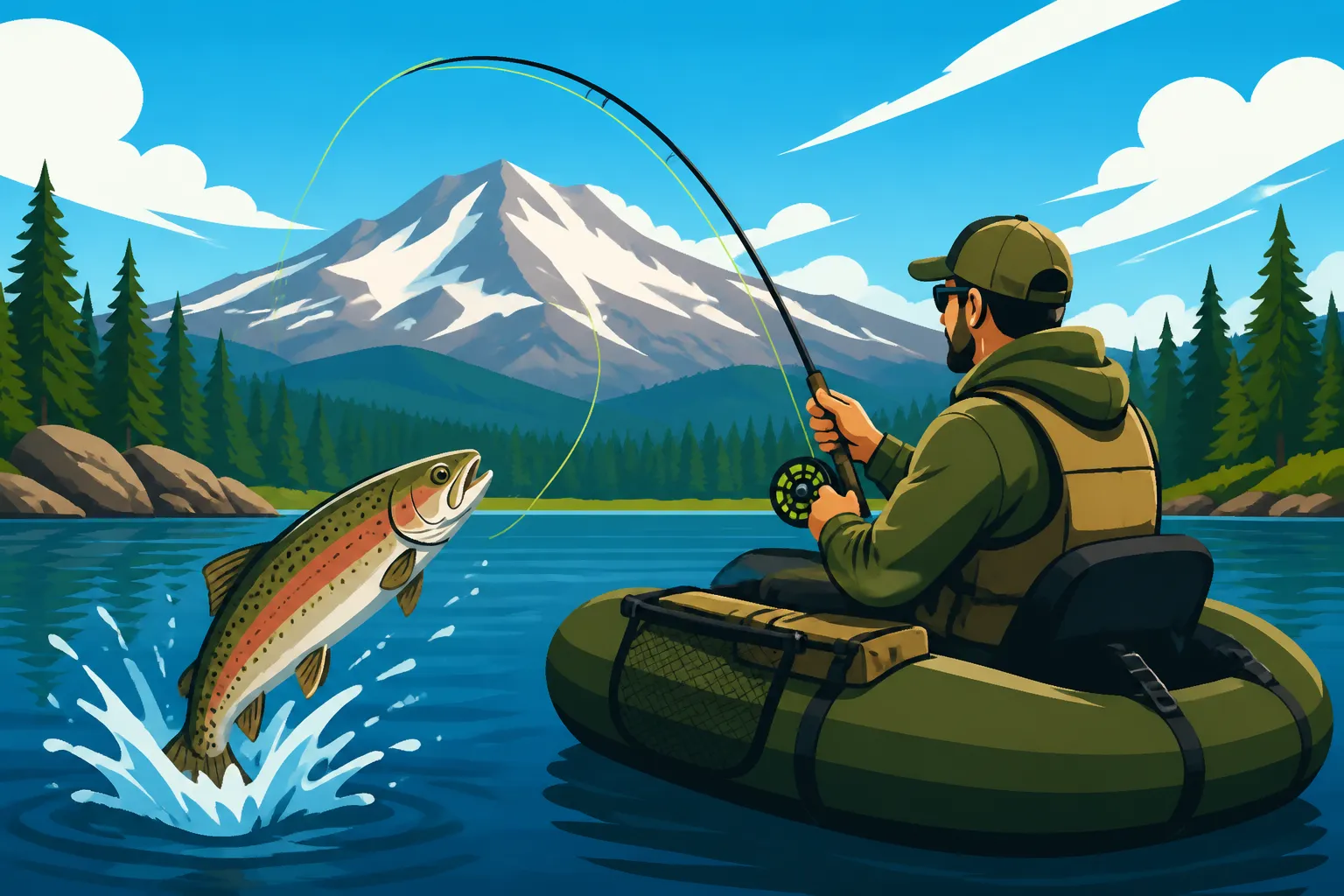
Oh, the sheer joy of float tube fishing near Bend! If you're anything like me, you've probably dreamed of those peaceful mornings, slowly kicking across a glass-smooth high mountain lake, casting to rising trout. But let's be real, with so many incredible waters in Central Oregon, figuring out the best spots for a float tube can feel a little overwhelming. This guide is here to cut through the confusion and get you onto some truly memorable waters, covering everything from easy-access gems to those slightly more adventurous paddles.
Why Float Tube Fishing is Perfect for Central Oregon's Lakes
There's something uniquely special about float tube fishing, especially in the breathtaking landscapes surrounding Bend. It's not just about catching fish; it's about the entire experience – the tranquility, the access to otherwise unreachable waters, and the feeling of being truly immersed in nature.
The Allure of Bend's High Lakes
Central Oregon is blessed with an abundance of stunning high mountain lakes, many of which are absolutely perfect for float tubing. These aren't your typical crowded boat launches; often, these are serene, pristine waters nestled amidst towering pines and volcanic peaks, offering a sense of solitude that's hard to find elsewhere. The air is crisp, the scenery is unparalleled, and the fish are often eager. Many of these lakes, like those within the Deschutes National Forest, offer excellent opportunities for rainbow trout, brook trout, and even kokanee salmon, making them prime targets for anglers seeking diverse experiences.
One of the biggest draws is the ability to escape the hustle and bustle. While larger lakes might see plenty of motorboat traffic, many of the smaller, more secluded high lakes are either restricted to non-motorized vessels or simply too small for anything but a float tube or kayak. This means less noise, less chop, and a much more peaceful fishing experience. Plus, these waters often hold robust insect hatches, providing fantastic dry fly opportunities if you're into that sort of thing. It's a true escape into the wild, even if you're just a short drive from Bend.
Advantages of Float Tubing
Float tubing offers a sweet spot between bank fishing and full-on boat fishing. You get incredible mobility without the hassle of launching a large craft. You can easily navigate shallow coves, glide silently along weed lines, and even get out to deeper channels where the bigger fish often lurk. For instance, think about those frustrating moments bank fishing when you see rises just out of casting range – a float tube solves that problem beautifully. It’s also incredibly cost-effective compared to owning a boat, and storage is a breeze.
Beyond the practicalities, float tubing provides an intimate connection with the water. You're sitting low, almost in the water, which gives you a unique perspective and makes every subtle tug on your line feel incredibly personal. It’s stealthy, allowing you to approach fish without spooking them, and you can cover a surprising amount of water with just a pair of fins. This often leads to more hook-ups and a more successful day on the water. For anyone looking for a relaxed yet productive fishing outing, a float tube is an absolute game-changer in this region.
Top Float Tube Lakes Near Bend for Every Angler
When it comes to picking a float tube destination near Bend, you've got options galore! From easily accessible, stocked lakes perfect for a quick afternoon outing to more remote, hike-in spots that reward the adventurous, there's a float tube experience for everyone.
Beginner-Friendly Spots
If you're new to float tubing or just looking for a hassle-free day, there are some fantastic choices close to Bend that offer easy access and consistent fishing. These spots are often stocked with trout, ensuring a higher chance of success, which is always a confidence booster!
Hosmer Lake: Located off the Cascade Lakes Highway, Hosmer Lake is a true gem and a favorite for many float tubers. It's strictly fly-fishing only, which means it’s always serene and generally attracts a respectful crowd. The lake is known for its Atlantic salmon (landlocked, of course), brook trout, and even a few cutthroat. The waters are crystal clear, and the fish can be quite visible, making for exciting sight-fishing opportunities. Parking is easy, and carrying your float tube to the water is a short, manageable walk. This is an ideal spot to hone your fly-casting skills from a float tube, and the lack of motorboats ensures a peaceful experience. Check current Oregon fishing regulations explained before heading out.
Sparks Lake: Another stunning lake on the Cascade Lakes Highway, Sparks Lake offers a more open, expansive feel. While it’s also a popular spot for scenic views and photography, its numerous channels and shallow bays are perfect for exploring by float tube. You'll primarily find brook trout and rainbow trout here. The access is relatively easy, though the launch areas might require a bit of navigating over uneven ground. Its relatively shallow nature and abundant insect life make it a fantastic lake for dry fly action during the warmer months, making it a great place to drift and cast, enjoying the iconic views of South Sister and Broken Top.
Advanced & Wilderness Adventures
For those who crave a bit more solitude and a challenge, Central Oregon offers several lakes that require a little more effort but deliver huge rewards. These spots often hold wilder, larger fish and offer a true wilderness experience.
Three Creek Lake: Located high in the Cascades near Sisters, this lake involves a drive up a winding mountain road that's usually only accessible in summer and early fall. But oh, what a reward! Three Creek Lake is simply breathtaking, surrounded by dramatic peaks. It holds rainbow trout and brook trout, many of which are wild and eager to take a well-presented fly or lure. Because of the limited access window and the slightly more remote feel, you’ll often find fewer people here, making it ideal for a tranquil float tube session. The water is often very clear, providing excellent visibility for spotting cruising fish, and the cool mountain air is incredibly refreshing.
Davis Lake: This unique lake, west of Sunriver, is another fly-fishing-only destination, renowned for its Lahontan cutthroat trout and abundant largemouth bass. Getting to Davis Lake requires navigating a gravel road, and the lake itself is quite large and shallow with extensive weed beds. This can make float tubing a bit more challenging, but it also creates fantastic habitat for trophy-sized fish. The cutthroat here can grow to impressive sizes, and fighting one from a float tube is an unforgettable experience. The sheer size and intricate channels mean you can spend an entire day exploring new water. If you’re planning a longer trip, you might consider booking a guided trip to help you navigate this particular water and understand its nuances. For more on getting guidance, you could explore options like an Oregon Fishing Guide Services.
Mixed Bag & Trophy Opportunities
Some lakes offer a diverse range of species or the chance at a truly memorable catch, making them exciting destinations for float tubers.
Crane Prairie Reservoir: This vast, shallow reservoir is legendary for its trophy rainbow trout and brook trout. While it’s large enough for boats, its countless stumps, submerged channels, and weed beds make it an ideal playground for float tubers who can silently maneuver into prime spots that larger boats can’t reach. Crane Prairie is known for its incredible insect hatches, especially damselflies and dragonflies, which can lead to explosive topwater action. The sheer size means you’ll want to pick a section to explore, perhaps focusing on the shallower, stump-filled areas where trout love to ambush prey. You'll want to review the Oregon fishing regulations explained carefully, as this body of water can have specific rules.
Paulina Lake and East Lake: These two caldera lakes, located within the Newberry National Volcanic Monument, offer fantastic and diverse float tubing opportunities. Paulina Lake boasts rainbow trout, brown trout, and kokanee salmon, while East Lake is famous for its large brown trout, rainbow trout, and even Atlantic salmon. Both lakes have relatively easy access points for float tubers, with plenty of coves and structure to explore. Paulina Lake, being deeper, often requires getting out over deeper water for kokanee, while East Lake’s extensive weed beds are perfect for trout cruising for insects. These lakes are perfect for those who want a chance at multiple species and the possibility of a true trophy. For a deeper dive into target species, check out the Oregon Salmon Species Guide.
Here's a quick comparison of some prime float tube lakes near Bend:
| Lake Name | Primary Species | Best Seasons | Access & Effort | Special Notes |
|---|---|---|---|---|
| Hosmer Lake | Atlantic Salmon, Brook Trout, Cutthroat | Spring, Summer, Fall | Easy walk from parking | Fly-fishing only, clear water, sight fishing |
| Sparks Lake | Brook Trout, Rainbow Trout | Late Spring, Summer | Relatively easy, short carry | Stunning views, shallow bays, dry fly heaven |
| Three Creek Lake | Rainbow Trout, Brook Trout | Summer, Early Fall | Seasonal road access, easy carry | Remote feel, mountain scenery, wild fish |
| Davis Lake | Lahontan Cutthroat, Largemouth Bass | Spring, Fall | Gravel road, long carry | Fly-fishing only, trophy cutthroat, extensive weeds |
| Crane Prairie Res. | Rainbow Trout, Brook Trout | Spring, Summer, Fall | Multiple access points, varies | Trophy trout, abundant structure, large water |
| Paulina Lake | Rainbow, Brown, Kokanee | Spring, Summer, Fall | Easy shoreline access | Diverse species, deep water kokanee |
| East Lake | Brown Trout, Rainbow, Atlantic Salmon | Spring, Summer, Fall | Easy shoreline access | Trophy brown trout, volcanic setting |
Essential Gear and Techniques for Float Tube Success
Getting out on a float tube is a fantastic way to fish, but having the right gear and knowing a few key techniques can make all the difference between a good day and a truly unforgettable one.
Must-Have Float Tube Equipment
First and foremost, you need a good quality float tube. Don't skimp here; a comfortable, durable tube with plenty of storage is worth its weight in gold. Brands like Classic Accessories, Outcast, and Fish Cat are popular choices. Look for models with an inflatable seat and backrest for comfort, and large storage pockets for your tackle, snacks, and water bottle. Many anglers find their perfect setup through specialized fishing outfitters or online marketplaces like FishingBooker, where you can also find reviews and compare different models.
Beyond the tube itself, you'll need:
- Fins: Crucial for propulsion. Wear them over your wading boots.
- Waders and Wading Boots: Even in summer, the water can be chilly. Breathable waders are great for warm weather, neoprene for colder. Wading boots protect your waders and provide traction.
- Life Vest (PFD): Non-negotiable for safety, especially on deeper or larger lakes. Always wear it.
- Pump: For inflating your tube. A double-action hand pump or a small electric pump are both good options.
- Anchor: A small, collapsible anchor can be incredibly useful for holding your position, especially on windy days or when you find a productive spot.
- Net: A small, rubberized landing net is essential for safely landing and releasing fish without damaging their slime coat.
- Rod Holders: Many float tubes come with integrated rod holders, which are a blessing when you need to switch flies or unhook a fish.
- Small Dry Bag: To keep your phone, keys, and wallet dry.
Having the right equipment not only enhances your comfort but also your safety and overall success. A simple checklist before you head out can save a lot of headaches later!
Strategies for Targeting Trout
Trout are the primary target in most of Bend's float tube lakes, and adapting your tactics to their behavior is key.
Understanding Trout Behavior: Trout are opportunistic feeders, constantly looking for insects, small fish, or other edibles. They are also highly sensitive to light, temperature, and pressure. Early mornings and late evenings are often the most productive times, as fish move into shallower water to feed. On sunny days, look for them in deeper water or shaded areas. Pay attention to any surface activity – rising fish indicate an insect hatch, which can be prime for dry fly fishing.
Presentation is Key: Whether you're fly fishing or using spinning gear, a natural, subtle presentation is crucial.
- Fly Fishing: For dry fly action, match the hatch if you can. Otherwise, try general patterns like an Adams, Elk Hair Caddis, or Parachute Adams. For subsurface, nymphs (Pheasant Tail, Hare's Ear, Prince Nymph) or streamers (Woolly Bugger, Sculpzilla) are deadly. Vary your retrieve speed and depth until you find what works. For specific advice on fly fishing, consider learning How to Fly Fish in Oregon.
- Spinning Gear: Small spinners (Rooster Tail, Panther Martin) or spoons (Kastmaster, Little Cleo) in silver, gold, or brass are highly effective. Vary your retrieve and try different depths. Small soft plastics rigged on a jig head can also be incredibly productive, especially for bass or larger trout hugging the bottom. PowerBait or worms suspended under a bobber can also be effective, particularly in stocked lakes.
Covering Water & Locating Fish: Use your fins to slowly cruise along weed lines, drop-offs, and submerged structures. These are prime ambush points for trout. Don't be afraid to move if a spot isn't producing. Float tubing allows you to explore vast areas silently, so take advantage of it. On larger lakes like Crane Prairie Reservoir, concentrating on specific features like river channels, submerged timber, or prominent weed beds will narrow down your search and increase your chances of finding feeding fish. A fish finder mounted on your float tube can also be a game-changer for identifying depth, structure, and even fish.
Planning Your Bend Float Tube Adventure
A little planning goes a long way when you're heading out for a float tube adventure in Central Oregon. Knowing when to go and how to stay safe can make all the difference.
Best Times to Go
Central Oregon's high mountain lakes are largely seasonal. The best window for float tubing typically runs from late spring through early fall.
- Spring (May-June): As the ice melts and roads become accessible, spring offers fantastic fishing. Trout are often hungry after the winter, and insect hatches are just starting. Water levels can be high, but the fish are active. This is a great time for both fly fishing and conventional gear, especially for rainbows and brook trout.
- Summer (July-August): This is prime time for many lakes, especially the higher elevation ones. The weather is warm, roads are fully open, and dry fly fishing can be excellent during hatches. Be aware that mid-day can be slow on sunny, warm days, so focus on early mornings and late evenings. Lakes like Paulina and East Lake are particularly popular during these months. For general timing, you can consult an Oregon Fishing Season Dates and Limits guide.
- Fall (September-October): Many anglers consider fall to be the absolute best time. The crowds thin out, the weather is cooler, and fish become very aggressive as they bulk up for winter. Fall colors make for a stunning backdrop, and brown trout can become particularly active. Access to some higher lakes might close by late October due to snow, so keep an eye on weather and road conditions.
Winter fishing from a float tube is generally not feasible or safe on most of these lakes due to ice formation and extreme cold. However, there are some unique Oregon Winter Fishing Options in other parts of the state for bank or boat anglers.
Safety Considerations
Safety should always be your top priority when float tubing. While it's a relatively safe activity, conditions can change rapidly in the mountains.
- Weather Awareness: Mountain weather is notoriously unpredictable. Always check the forecast before you go, and be prepared for sudden changes in temperature, wind, or even thunderstorms. Strong winds can quickly push a float tuber across a lake, making it difficult to return to your launch point. If the forecast calls for significant wind, consider rescheduling.
- Wear Your PFD: I cannot stress this enough. Even if you're a strong swimmer, a personal flotation device can save your life if your tube deflates, you get tangled, or you suffer an unexpected medical event.
- Tell Someone Your Plans: Let a friend or family member know where you're going, when you expect to return, and what your backup plan is. This is especially important if you're venturing to more remote lakes.
- Dress in Layers: Hypothermia is a real risk, even in summer. Wear layers that you can add or remove as conditions change. Avoid cotton; opt for synthetic or wool base layers that retain warmth when wet.
- Hydration and Snacks: Even if you're just sitting, you're exerting energy. Bring plenty of water and some high-energy snacks.
- First Aid Kit: A basic first aid kit is essential for any outdoor activity.
- Sun Protection: Sunscreen, a wide-brimmed hat, and polarized sunglasses are a must to protect yourself from the strong UV rays, especially at higher elevations.
- Know Your Limits: Don't attempt to float tube in conditions you're uncomfortable with, or on lakes that are too large or challenging for your skill level. If you're new to float tubing, start with smaller, calmer lakes with easy access. Some lakes, like Crane Prairie, can be very large and exposed, so choose your days wisely there.
- Respect Private Property: Always be mindful of land ownership and access points. Many of these lakes are within national forests, but some access points may border private land.
By keeping these points in mind, you can ensure your float tube fishing trips near Bend are not only productive but also safe and enjoyable. And remember, sometimes the best catches are the memories you make out on the water, regardless of what's on the end of your line! If you're looking for more local knowledge, consider tapping into resources like FishingBooker to find local guides who specialize in float tube trips.
Disclaimer
Please note that fishing regulations, access conditions, and fish stocking schedules can change. Always consult the latest Oregon Department of Fish and Wildlife (ODFW) regulations and local forest service advisories before planning your trip to ensure you have the most up-to-date information and the proper licenses, like the Oregon Fishing License Guide.