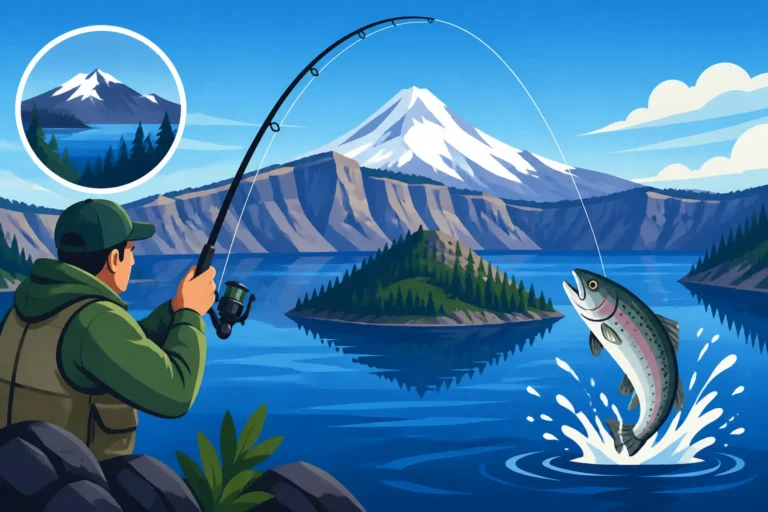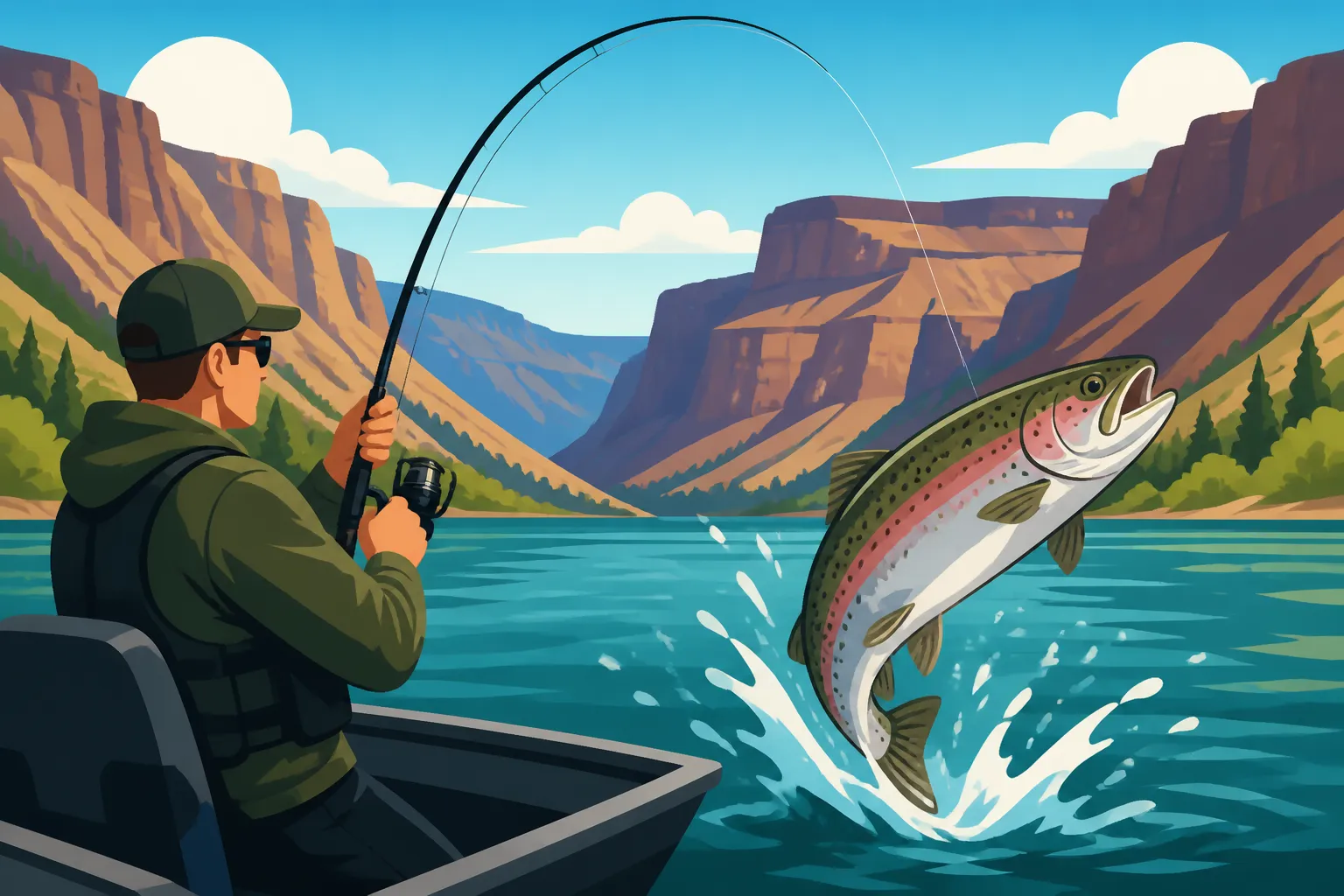
Lake Billy Chinook Fishing Guide
Picture this: you've heard the whispers of a truly unique fishing destination in Central Oregon, a place where three mighty rivers converge, creating an angler's paradise unlike any other. But then the questions start piling up. Where do you even begin? What fish are truly present? And how do you navigate the sometimes-tricky regulations of such a diverse fishery? This comprehensive guide is here to untangle all those knots, offering a deep dive into everything you need to know to make your Lake Billy Chinook fishing trip a resounding success.
Discovering the Unique Charm of Lake Billy Chinook Fishing
Lake Billy Chinook isn't just another reservoir; it's a testament to Oregon's engineering prowess and a vibrant ecosystem all its own. Nestled amidst towering canyon walls and high desert landscapes, its sheer beauty alone is enough to captivate any visitor. But for anglers, it offers something truly special: a chance to target a remarkable diversity of fish species in a singular, breathtaking setting. This isn't your average trout pond; this is an adventure waiting to happen.
What Makes Lake Billy Chinook So Special?
At its heart, Lake Billy Chinook is formed by the confluence of three distinct rivers: the Deschutes, the Crooked, and the Metolius. This unique geological setup, created by the Round Butte Dam, is what truly sets it apart. Each river arm brings its own characteristics and contributes to the lake's rich biodiversity. The Deschutes, famed for its wild steelhead and trout, pours in cold, clear water. The Crooked River, with its high desert canyons, adds a different flavor, while the Metolius River, a national wild and scenic river, introduces incredibly cold, pristine flows. This constant influx of diverse water creates varied habitats, from deep, cold pockets perfect for bull trout to warmer, shallower areas where smallmouth bass thrive. It's this intricate mix that allows for such a wide range of fishing experiences, from intense trolling battles to delicate fly fishing.
When you're out on the water, you'll notice the stark contrasts between the arms. The Deschutes arm is often wide and deep, carving through basalt cliffs. The Crooked arm feels more like a desert canyon, with exposed rock and less vegetation. And the Metolius arm, often the coldest and clearest, feels almost spiritual, with specific regulations in place to protect its unique character. This isn't a homogeneous body of water; it's a collection of distinct fisheries woven into one large lake, demanding different approaches and offering diverse rewards. The sheer volume of water and the depth of the lake in places mean that fish have ample room to grow, often reaching impressive sizes, adding to the allure for serious anglers.
A Brief History of This Central Oregon Gem
The creation of Lake Billy Chinook is a fascinating story tied to energy needs and conservation efforts. The lake came into existence with the completion of the Round Butte Dam in 1964, which impounded the waters of the Deschutes, Crooked, and Metolius rivers. This massive hydroelectric project was a marvel of engineering, creating a vast reservoir that not only generates power but also serves as a crucial irrigation source for the surrounding agricultural lands. Before the dam, these rivers flowed freely, and while fishing was undoubtedly popular, the dam transformed the landscape, creating the deep, sprawling lake we know today.
Over the decades, the lake's fishery has evolved. Initially, warmwater species like bass found a foothold, thriving in certain areas. However, with consistent stocking efforts and careful management by the Oregon Department of Fish and Wildlife (ODFW), the lake has become a premier destination for coldwater species as well, particularly kokanee salmon and the elusive bull trout. The dam itself has also seen significant upgrades over the years, including the installation of a revolutionary Selective Water Withdrawal Tower, designed to improve downstream water quality and aid in fish passage, underscoring the ongoing commitment to balancing power generation with ecological health. Understanding this history helps appreciate the dynamic and managed nature of the fishery you're about to explore.
Prime Fish Species You'll Encounter
Lake Billy Chinook is a truly multifaceted fishery, offering anglers the chance to target several highly prized species. Each one presents its own unique challenge and reward, making every trip an exciting exploration of techniques and tactics. From the vibrant red of a kokanee to the prehistoric power of a bull trout, there's something here for every angling preference.
Targeting Kokanee Salmon
Kokanee salmon are arguably the most popular target species in Lake Billy Chinook, and for good reason! These landlocked sockeye salmon are feisty fighters, provide excellent table fare, and their schooling behavior means that when you find them, you can often enjoy fast and furious action. They thrive in the lake's cold, deep waters, spending most of their lives in the open water column, feeding on zooplankton. As they mature, especially in the late summer and fall, they begin to take on their characteristic brilliant red spawning colors, a truly spectacular sight, though they are usually targeted before this color change when their meat is at its prime.
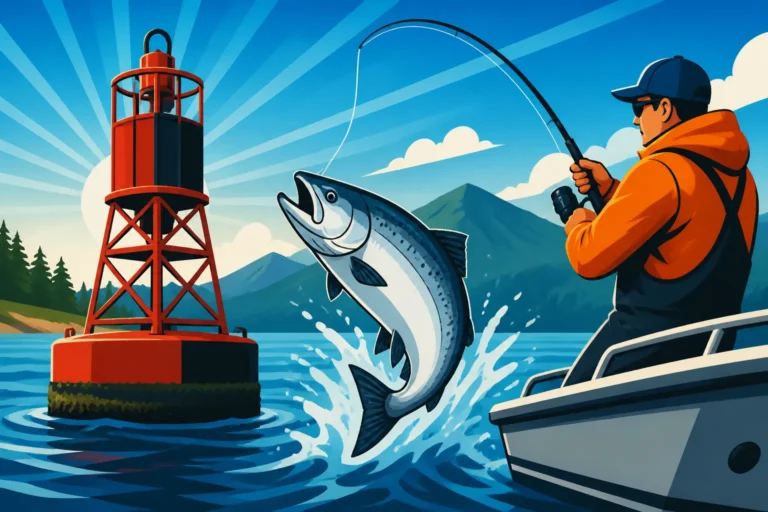
Successful kokanee fishing often involves trolling. Anglers typically use downriggers to get their lures down to the correct depth, which can vary significantly depending on the time of year and day. Small dodgers or flashers paired with mini hoochies, wedding rings, or small spoons are incredibly effective. Popular colors include various shades of pink, orange, and chartreuse. Adding a kernel or two of shoepeg corn to your hook, often soaked in an attractant, can make a huge difference in enticing a bite. The best time of year to fish for kokanee in Oregon is generally from spring through early fall, with July and August often being prime for size and numbers before they turn to spawn. You'll often find them schooled up in the main basin of the lake, especially near the dam and in the deeper sections of the Deschutes and Crooked River arms.
Chasing Bull Trout
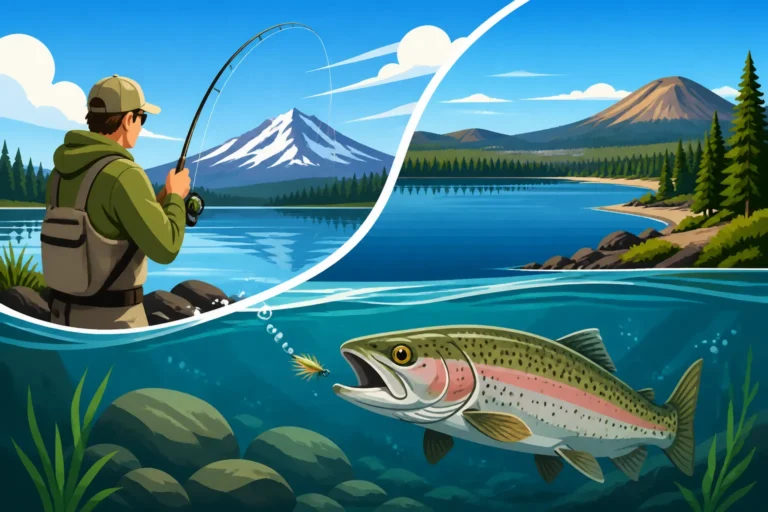
For many dedicated anglers, the chance to catch a bull trout is the ultimate prize at Lake Billy Chinook. These incredible native char are stunningly beautiful, powerful, and notoriously challenging to catch. Bull trout are a protected species in Oregon, and fishing for them comes with very strict regulations: it is strictly catch-and-release only for bull trout, and they must be handled with extreme care. This means no bait, barbless hooks only, and minimizing their time out of the water. Their diet primarily consists of other fish, making them an apex predator in the lake's ecosystem. They prefer very cold, deep water, often congregating near the mouths of the Metolius and Deschutes rivers where the coolest water enters the lake.
Targeting bull trout requires patience and a good understanding of their habitat. They are often found lurking near structure, deep ledges, and drop-offs. Trolling with large, flashy spoons or plugs that imitate baitfish can be effective. Jigging heavy spoons or soft plastics vertically over deep structure also works well. For fly anglers, large streamers fished on heavy sinking lines in deep pools or along canyon walls can trigger a strike. Remember, the goal isn't to harvest these magnificent fish, but to appreciate their wild beauty and release them unharmed. Always be mindful of the Oregon Fishing Regulations Explained for bull trout specifically, as they are among the most stringent.
Battling Smallmouth Bass
While kokanee and bull trout garner much of the coldwater attention, Lake Billy Chinook is also an outstanding warmwater fishery, particularly for smallmouth bass. These aggressive fighters are abundant throughout the lake, especially in the rocky, warmer sections of the Crooked and Deschutes River arms. They provide fantastic action, particularly during the warmer months, and are an excellent option for anglers looking for consistent bites. Unlike bull trout, there are often very generous, if any, bag limits for smallmouth bass in Oregon, with the ODFW often encouraging their harvest to reduce predation on native salmon and steelhead smolts.
Smallmouth bass are opportunistic feeders and will strike a wide variety of lures. Jigging with tubes, grubs, or creature baits around rocky points, submerged timber, and ledges is a classic and highly effective method. Crankbaits that mimic baitfish, spinnerbaits, and even topwater lures during low-light conditions can produce explosive strikes. When you hook into a smallmouth, prepare for a spirited fight, often involving acrobatic jumps. They are a fantastic species for beginners and seasoned anglers alike, offering plenty of action and a good opportunity to hone your bass fishing skills. Don't be surprised to find some impressively large smallmouth bass lurking in the depths of Lake Billy Chinook. If you're looking for more general guidance, our How to Fish for Smallmouth Bass in Oregon article offers additional strategies.
Other Exciting Catches
Beyond the main three, Lake Billy Chinook also offers opportunities for other exciting species. You'll find rainbow trout and brown trout, often caught incidentally while trolling for kokanee or specifically targeted in certain areas. While not as dominant as the kokanee, these trout add to the diversity of the catch. Some anglers also report catching an occasional crappie or other panfish, particularly in shallower, weedier areas if you know where to look.
The lake's unique confluence means that occasionally, you might even encounter a lost salmon or steelhead smolt making its way through. However, specific regulations apply to these anadromous fish, so always be aware of the rules. The beauty of Lake Billy Chinook lies in its unpredictability and the potential for a surprise catch around every bend, making it a truly dynamic fishing destination.
Navigating the Waters: Key Fishing Spots and Access
Understanding the layout of Lake Billy Chinook is crucial for a successful fishing trip. With its three distinct arms, each offering different conditions and target species, knowing where to go and how to access these spots can make all the difference. This isn't a simple, uniform lake; it's a collection of unique environments, each with its own character.
The Crooked River Arm
The Crooked River arm of Lake Billy Chinook extends southeast from the main body of the lake, carving its way through impressive desert canyons. This arm is generally shallower and warmer than the Metolius arm, making it a prime location for smallmouth bass, especially during the warmer months. The rocky shoreline, submerged ledges, and scattered timber create ideal habitat for bass to ambush their prey. You'll often find anglers casting jigs, crankbaits, or topwater lures along the cliff faces and around any visible structure. It's an active fishery, and the scenic beauty of the canyons adds to the experience.
While bass dominate here, you can also find rainbow trout and kokanee salmon in the deeper sections closer to the main lake basin. Trolling with downriggers in these areas can yield good results, particularly when the water cools down a bit in the spring and fall. Access to this arm is primarily by boat, with several ramps available, though shore access can be limited due to the steep canyon walls. Fishing around the confluence where the Crooked meets the Deschutes arm can be particularly productive as fish move between the different water conditions. For those interested in the broader picture of Central Oregon Fishing Spots, the Crooked River arm is a shining example of the region's diverse offerings.
The Deschutes River Arm
The Deschutes River arm is perhaps the most iconic, stretching north towards the famous Deschutes River Canyon. This arm is characterized by its deep, cold water and dramatic basalt cliffs. It's a critical area for kokanee salmon, which thrive in these conditions, and is also where many anglers focus their efforts on the elusive bull trout. The sheer depth in some areas of this arm can be astounding, requiring specialized gear like downriggers for effective trolling. The constant flow of cold, oxygenated water from the Deschutes River itself helps maintain the ideal habitat for these coldwater species.
Trolling for kokanee is highly popular in the Deschutes arm, particularly in the wide-open spaces closer to the dam. Anglers often work depths from 30 to 80 feet, depending on the season and time of day, using small dodgers and lures. For bull trout, the key is to target deep structure, current breaks, and the areas closer to the river's inflow, where the water is coldest. Jigging heavy spoons or casting large streamers (if fly fishing) in these deep pockets can be very effective. Boat access is excellent, with multiple ramps serving this arm, allowing anglers to explore its many promising spots.
The Metolius River Arm
The Metolius River arm is a truly special, and often challenging, part of Lake Billy Chinook. The Metolius River itself is renowned for its crystal-clear, incredibly cold water, and this clarity and temperature carry into the arm, making it a unique environment within the lake. Due to the sensitive nature of the Metolius River fishery, there are very specific and often more restrictive regulations in place, particularly concerning bait and tackle. For instance, much of the Metolius is fly-fishing only, and these restrictions can extend into parts of the arm.
This arm is a key area for bull trout, as they are drawn to the pristine, cold water. Anglers targeting bull trout here must be extra diligent about understanding and adhering to the regulations. Because of the clarity, stealth is paramount. Long casts, light lines, and subtle presentations are often required. While the Metolius arm is less about high-volume kokanee or bass fishing, it offers a truly rewarding experience for those seeking a challenge and the chance to catch a trophy bull trout in a stunning, wild setting. It’s important to always check current ODFW regulations for the Metolius arm before heading out, as they can differ significantly from other parts of the lake.
Essential Boat Ramps and Marinas
Accessing Lake Billy Chinook primarily means launching a boat, and thankfully, there are several well-maintained boat ramps and marinas around the lake to facilitate this. The main hub is Cove Palisades Resort & Marina, which offers multiple launch ramps, moorage, fuel, a general store, and even lodging and camping. This is often the most convenient and well-equipped option for visitors. You can launch here and easily access the main lake basin and the lower portions of the Crooked and Deschutes arms.
Another popular access point is the Deschutes River State Recreation Area, which offers ramps on the Deschutes arm, providing good access to the upper reaches of that section. For those accessing the Crooked River arm, the ramps at Skull Hollow or Crooked River Campground provide closer proximity to those fishing grounds. Given the lake's vast size and the often-windy conditions, it's always advisable to use a well-maintained boat and practice safe boating habits. Always check ramp conditions and any potential fees before you go.
Essential Techniques and Gear for Success
Fishing Lake Billy Chinook isn't a one-size-fits-all endeavor. The diverse species and varied environments demand a range of techniques and specialized gear. Knowing what to bring and how to deploy it will significantly increase your chances of success and make your time on the water more enjoyable.
Trolling for Kokanee and Trout
Trolling is hands down the most effective and popular method for targeting kokanee salmon and sometimes incidental rainbow trout in Lake Billy Chinook. These fish cruise the open water, often suspended at specific depths, and trolling allows you to cover vast amounts of water and present your lure directly in their feeding zone. A good trolling setup starts with a reliable boat equipped with a quality fish finder to locate schools of fish and identify the thermocline (where temperatures change dramatically and fish often hold).
Downriggers are practically essential for consistent kokanee success here. They allow you to precisely control the depth of your lure, dropping it exactly where the fish are. Pair your downriggers with light to medium-action trolling rods, typically 7-9 feet long, spooled with mainline (braid or monofilament) and a fluorocarbon leader. For lures, small dodgers or flashers (like those from Kokanee Kid or Shasta Tackle) are extremely effective when paired with mini hoochies, small spinnerbaits, or wedding rings. The dodger's action attracts fish, and the small lure behind it seals the deal. Trolling speeds typically range from 1.0 to 1.8 miles per hour, but it's crucial to experiment. Don't forget your shoepeg corn, often soaked in a scent like Anise or Krill, to tip your hooks; it's a game-changer! Our How to Fish for Kokanee in Oregon guide delves deeper into these specific tactics.
Targeting Bull Trout with Lures and Flies
Chasing bull trout is a different beast entirely. These powerful predators require a more deliberate approach, often focusing on deeper water, submerged structure, and current breaks. If you're using conventional gear, medium-heavy spinning or casting rods are appropriate, spooled with strong braided line and a fluorocarbon leader. Large spoons, like Kamloops or Little Cleos, in flashy silver or brass patterns, are excellent choices, mimicking the baitfish that bull trout feed on. Heavy jigs, swimbaits, or deep-diving crankbaits can also be very effective, especially when worked along steep drop-offs or over submerged rock piles.
For fly anglers, targeting bull trout is a highly specialized pursuit. You'll need a stout fly rod, typically an 8 or 9-weight, paired with a heavy sinking line or a sink-tip line to get your flies down quickly. Large, articulated streamers that imitate baitfish, such as sculpins or leeches, are the go-to patterns. Fishing these deep in the clear water requires patience and a good casting arm. Remember, bull trout are strictly catch-and-release, so barbless hooks are mandatory, and handling them minimally is crucial for their survival. Using a large, knotless rubber net helps protect their slime coat and fins.
Bass Fishing Strategies
Smallmouth bass fishing at Lake Billy Chinook is often about covering water and targeting rocky structure. For this, medium-light to medium-action spinning rods are perfect, offering sensitivity for detecting subtle bites and enough backbone to handle a fighting bass. Spool with 8-12 lb test fluorocarbon or monofilament line. Effective lures are plentiful. Soft plastics, such as tube jigs, grub tails, and creature baits, rigged on jig heads or Texas-rigged, are excellent for working along the bottom or through submerged cover. Focus on rocky points, steep banks, and areas with broken rock.
Crankbaits that dive to different depths are also a must-have, allowing you to imitate baitfish in various parts of the water column. Spinnerbaits and chatterbaits can be deadly when retrieved through cover or along shorelines, creating vibration and flash. And don't forget topwater lures, especially during early morning or late evening hours, for exhilarating blow-ups. Poppers, walk-the-dog baits, and prop baits can draw incredible strikes. The key with bass is often to vary your retrieve, experiment with colors, and constantly move until you find active fish. Our detailed Oregon Bass Fishing Guide has even more insights if you're looking to really dive into this exciting fishery.
Fly Fishing Considerations on the Metolius
The Metolius River arm of Lake Billy Chinook offers a distinctive fly-fishing experience, especially for those pursuing bull trout or exploring the river section above the lake. This area often has specific gear and fly restrictions, emphasizing single, barbless hooks and no bait. For the lake arm itself, a strong 6-8 weight rod with a sinking line is generally recommended for casting larger streamers to target bull trout in the deeper, clear waters. Pattern choices lean towards baitfish imitations in natural colors.
However, if you venture into the actual Metolius River upstream of the lake, the experience shifts dramatically. It's a renowned fly-fishing-only river, famous for its prolific hatches and challenging wild trout. Here, lighter rods (3-5 weight) with floating lines are typical, focusing on dry flies, nymphs, and emergers. Understanding the specific hatches (like the legendary Salmonfly hatch) and currents is critical. Always check the very latest Oregon Fishing Regulations Explained for the Metolius River specifically, as they are strictly enforced to protect this fragile ecosystem. It's a true gem for dedicated fly anglers seeking a serene and challenging experience.
Understanding Regulations, Seasons, and Conservation
Fishing at Lake Billy Chinook means you're engaging with a diverse and carefully managed ecosystem. To ensure you have a successful, legal, and responsible trip, it's absolutely vital to understand the local regulations, seasonal nuances, and the importance of conservation. Ignorance of the rules is never an excuse, and penalties can be steep for violations.
Navigating Special Regulations for Bull Trout and Metolius
When you're fishing Lake Billy Chinook, pay very close attention to the specific rules, especially concerning bull trout and the Metolius River arm. Bull trout are a protected species, and as such, there are strict catch-and-release rules in effect. This means no bull trout may be kept, and they must be released immediately and unharmed. Anglers are often required to use barbless hooks when targeting them, and bait is typically prohibited. The importance of proper handling cannot be overstated – minimize their time out of the water, use wet hands, and support their body to avoid internal injury. Understanding your Oregon Catch Record Card Requirements is also important, as you'll need to accurately record any kept fish, though bull trout would never be one of them.
The Metolius River arm also has unique regulations that can differ from the main body of the lake or other river arms. Because the Metolius River is a National Wild and Scenic River, and much of it is designated as "fly-fishing only," these restrictions can extend into the lake arm near its confluence. This often means that only artificial flies and lures with single, barbless hooks are permitted in certain sections. Always consult the current Oregon Sport Fishing Regulations booklet, available online through the ODFW website or at any license vendor, before fishing this sensitive area. Double-checking these specific rules is not just about avoiding fines; it's about respecting and preserving a truly unique and valuable fishery.
Peak Seasons for Each Species
Timing your trip to Lake Billy Chinook can significantly impact your success, as different species have their peak seasons. Understanding the rhythms of the lake and its inhabitants is key to maximizing your angling opportunities.
Kokanee Salmon: Generally, the best time to target kokanee is from late spring through early fall (May-September). As the water warms, they become more active, and their size steadily increases. July and August often see the biggest and most numerous kokanee before they start their spawning transition. During these months, they are typically found deeper in the water column, so trolling with downriggers is essential.
Bull Trout: These elusive predators can be targeted year-round, but they are often most accessible during the spring and fall when they may move into slightly shallower waters, or during the dead of summer when they are concentrated in the coldest, deepest parts of the lake. They prefer cold water, so targeting them in summer means focusing on the deep areas near the Metolius and Deschutes inflows.
Smallmouth Bass: The warmer months are prime for smallmouth bass. Late spring through early fall (April-October) offers excellent action. As the water temperatures rise, bass become very active, feeding aggressively and readily striking a variety of lures. Summer is particularly good for topwater action in the early mornings and late evenings.
Keep in mind that these are general guidelines, and fish behavior can fluctuate based on specific weather patterns, water levels, and even time of day. For a broader look at angling opportunities, refer to our Best Time of Year to Fish in Oregon guide, which covers seasonal fishing across the state.
Conservation Efforts and Responsible Angling
Lake Billy Chinook is a precious resource, and responsible angling is crucial for its long-term health and the sustainability of its diverse fish populations. Conservation efforts by the ODFW and local groups focus on managing fish populations, enhancing habitat, and educating anglers. For example, the careful management of bull trout is paramount, as they are a federally protected species. Your adherence to catch-and-release rules and proper handling techniques directly contributes to their survival.
Beyond specific regulations, responsible angling practices include:
- Leave No Trace: Pack out everything you pack in, including fishing line and bait containers.
- Know Your Limits: Adhere strictly to daily bag and possession limits for species like kokanee and bass.
- Respect Private Property: Be mindful of land ownership and access points.
- Prevent Invasive Species: Clean, drain, and dry your boat and gear to prevent the spread of aquatic invasive species.
- Report Violations: If you witness poaching or other illegal activities, report them to the Oregon State Police.
By practicing ethical and responsible angling, you're not just ensuring great fishing for yourself, but helping to preserve this incredible Central Oregon gem for future generations.
Planning Your Lake Billy Chinook Fishing Adventure
A successful fishing trip to Lake Billy Chinook involves more than just knowing where the fish are and what gear to use. It's about careful planning, considering local expertise, and ensuring your safety and comfort throughout your adventure. This lake is large and can be challenging, so being prepared makes all the difference.
Hiring a Local Guide
For many anglers, especially those visiting Lake Billy Chinook for the first time or wanting to specifically target a challenging species like bull trout, hiring a local fishing guide can be an invaluable investment. A professional guide brings years of experience on these specific waters, knows the current patterns, techniques, and where the fish are holding at any given time. They can provide specialized gear, help you navigate the lake safely, and teach you the nuances of this unique fishery. Guides often have the most up-to-date information on bite patterns, water conditions, and regulation changes.
Finding a reputable guide is easy with services like FishingBooker. You can browse various charters and guides specializing in Lake Billy Chinook, compare prices, read reviews from other anglers, and even book your trip directly online. A good guide will not only put you on fish but also share local knowledge about the lake's history, wildlife, and conservation efforts. Whether you're targeting kokanee, bull trout, or bass, a local expert can significantly enhance your experience. Looking for more options? Our general Oregon Fishing Charter Guide provides tips on what to look for when booking. It's truly a fantastic way to experience the best of Lake Billy Chinook fishing, especially if you're new to the area. Many satisfied customers use FishingBooker to connect with knowledgeable captains who know the lake like the back of their hand.
Accommodation and Amenities Nearby
Lake Billy Chinook is located in a somewhat remote but well-serviced part of Central Oregon, offering a range of accommodation options to suit different preferences. For those who love being close to nature, The Cove Palisades Resort & Marina offers cabins, RV sites, and tent camping right on the lake, complete with a general store, fuel, and boat rentals. This is often the most convenient option for anglers looking to spend multiple days on the water.
If you prefer more traditional lodging, the nearby towns of Madras, Redmond, and Prineville offer various hotels, motels, and vacation rentals. These towns are typically a 30-45 minute drive from the lake, providing access to more extensive dining options, grocery stores (like Safeway or Grocery Outlet in Madras), and sporting goods stores (like Bi-Mart in Redmond) where you can pick up any last-minute gear or bait. Planning ahead, especially during peak season, is always recommended to ensure you secure your preferred accommodation. Many visitors use online platforms to find suitable stays, and often, guides found on FishingBooker can offer recommendations for lodging as well.
Safety on the Water
Given Lake Billy Chinook's large size, deep waters, and the potential for changing weather conditions, safety should always be your top priority. Here are some essential safety tips:
- Life Jackets: Ensure everyone on board has a properly fitting life jacket and that children wear them at all times.
- Weather Watch: The weather in Central Oregon can change rapidly, with winds often picking up in the afternoon, creating significant chop on the lake. Check the forecast before you go and be prepared to head in if conditions deteriorate.
- Know Your Boat: Familiarize yourself with your boat's capabilities and limitations.
- Navigation: Carry up-to-date charts or use a reliable GPS/fish finder with mapping capabilities. Submerged hazards can exist.
- Communication: Have a fully charged cell phone (though service can be spotty in some areas) and consider a marine radio for emergencies.
- Tell Someone: Always let someone know your float plan, including where you're going and when you expect to return.
- Stay Hydrated: The high desert sun can be intense, so drink plenty of water, even on cooler days.
By keeping these safety precautions in mind, you can fully enjoy the incredible fishing and breathtaking scenery that Lake Billy Chinook has to offer.
| Species | Prime Season | Key Techniques | Typical Depth (Trolling) | Special Regulations (Summary) |
|---|---|---|---|---|
| Kokanee Salmon | May – September | Trolling (downriggers, dodgers, hoochies, corn) | 30-80 feet | Daily bag limit (check ODFW for current limits) |
| Bull Trout | Year-round (Spring/Fall often best) | Deep trolling (spoons, plugs), Jigging, Large streamers (fly) | 50-100+ feet | Strictly Catch-and-Release ONLY, Barbless hooks, No bait |
| Smallmouth Bass | April – October | Jigging (tubes, grubs), Crankbaits, Topwater lures | 5-30 feet | Generous or no bag limit (check ODFW) |
| Rainbow/Brown Trout | Spring/Fall (year-round present) | Trolling (spoons, wedding rings), Casting spinners/worms | 10-50 feet | General trout regulations (check ODFW for specific zone rules) |
Disclaimer
Please remember that fishing regulations, seasons, and access can change. Always consult the latest Oregon Department of Fish and Wildlife (ODFW) regulations before planning your trip to Lake Billy Chinook to ensure compliance and a safe, enjoyable experience.