Tillamook Bay Fishing Guide
Tillamook Bay is one of Oregon's most iconic and productive fishing destinations, but for many anglers, especially those new to its expansive waters, it can feel like a labyrinth of currents, tides, and varying regulations. It's easy to get overwhelmed trying to figure out where to launch, what to fish for, and when the best time is. This comprehensive guide is here to untangle the complexities, offering realistic, seasoned advice to help you maximize your success and truly enjoy everything this incredible bay has to offer.
Why Tillamook Bay is an Angler's Dream
Tillamook Bay isn't just a fishing spot; it's an experience, a sprawling estuary where five major rivers converge before emptying into the Pacific Ocean. This unique confluence of fresh and saltwater creates an incredibly rich and diverse ecosystem, making it a prime location for a variety of species throughout the year. But it's this very richness that can make it daunting – understanding the bay's geography and the cycles of its resident and migratory fish is key to unlocking its secrets.
The Bay's Unique Geography and Ecosystem
Imagine a vast, tidal bowl, constantly refreshed by the Kilchis, Trask, Tillamook, Miami, and Wilson Rivers, all bringing nutrients and, crucially, migratory fish down from the Coast Range. This constant mixing creates nutrient-dense waters, fostering a vibrant food web that supports everything from tiny baitfish to massive Chinook salmon and sturgeon. The bay itself is characterized by large, open areas, but also numerous channels, sloughs, and shallow flats that change dramatically with the tide. Knowing these features is paramount. For instance, the deep channels near Garibaldi are prime for boaters targeting salmon, while the shallower mud flats further upriver are ideal for clamming at low tide. This diverse environment means you can literally chase different species and use different techniques all within a few miles of each other, often on the same day if you time it right.
What truly sets Tillamook Bay apart is the sheer volume of water exchanged with the Pacific Ocean during each tidal cycle. These strong tidal flows act like a natural conveyor belt, bringing in saltwater species like Dungeness crab and pushing out anadromous fish returning to the rivers to spawn. Understanding these tidal dynamics isn't just a suggestion; it's a fundamental requirement for successful fishing here. A falling tide might concentrate baitfish, making salmon more active, while a high tide could open up new areas for crabbing. Ignoring the tide can mean a slow day, but embracing it can lead to a banner trip. The bay's sheer size, stretching approximately 68 square miles at high tide, also means that conditions can vary significantly from one section to another, so having a good map and local knowledge, or perhaps even a local guide, is invaluable.
Primary Fish Species You'll Encounter
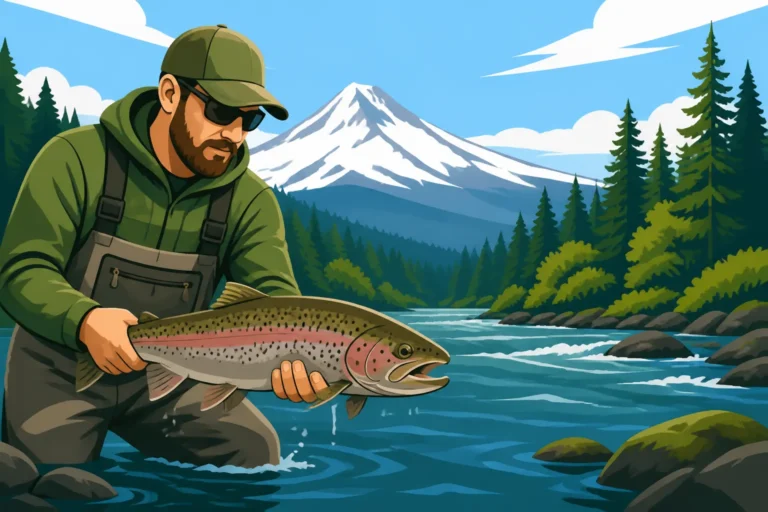
Tillamook Bay is famed primarily for its salmon runs, but it offers so much more. You've got distinct seasons for Chinook (Kings), Coho (Silvers), robust populations of Dungeness crab, and even some impressive sturgeon lurking in the deeper channels.
- Chinook Salmon: These are the kings of the bay, sought after for their size and fighting prowess. Spring Chinook make a brief appearance, but the fall run, particularly from August through October, is truly spectacular. These fish are typically found throughout the main channels, especially around the mouths of the major rivers as they stage before heading upstream to spawn.
- Coho Salmon: While perhaps not as large as Chinook, Coho are renowned for their acrobatic fights. The fall Coho run often coincides with the later part of the Chinook run, usually peaking from September into November. They are often found in the shallower sections of the bay and nearer the surface, making for exciting light-tackle action.
- Dungeness Crab: This is a year-round staple in Tillamook Bay, though fishing tends to be best in the late spring and summer after the commercial season closes and in the winter during the peak of their meat yield. Crabbing is incredibly popular here, and pots can be dropped almost anywhere in the bay, though channels and areas with good current flow tend to be more productive.
- Sturgeon: White sturgeon are a formidable opponent, known for their immense size and incredible strength. While not as plentiful as in the lower Columbia River, Tillamook Bay does offer opportunities for catch-and-release sturgeon fishing throughout the year, with occasional retention seasons depending on regulations. They prefer the deeper, calmer sections of the bay channels.
- Bottomfish and Others: You might also encounter bottomfish like flounder and sole, especially closer to the ocean entrance. Estuary species like perch can also be caught from docks and shorelines, offering a fun option for families or those seeking a more relaxed fishing experience.
Navigating the Seasons for Optimal Success
One of the biggest lessons you'll learn about fishing Tillamook Bay is that it's a completely different fishery depending on the time of year. What works in August won't necessarily work in January, and the target species will shift dramatically. Understanding these seasonal rhythms is absolutely critical for planning a successful trip. It’s not just about what fish are in the bay, but also about their behavior, where they’re likely to be, and what they’re willing to bite.
Spring and Summer Fishing: Chinook, Crabbing, and Bottomfish
Spring in Tillamook Bay, typically from April through June, brings the first major excitement with the arrival of Spring Chinook salmon. These early run fish are prized for their flavor and strong fight, but they can be a bit more elusive. They're often found moving through the deeper channels, making their way towards the rivers. Trolling with herring or anchovies is a common and effective technique for these fish. As the waters warm into summer (July and August), the bay really comes alive. This is when the Dungeness crab population truly flourishes, and recreational crabbing becomes a dominant activity. Crab pots can be dropped in many areas, and it’s a fantastic family-friendly outing, often yielding bountiful results.
Beyond salmon and crab, the late spring and summer months also offer decent opportunities for bottomfish, especially near the jetties and the bay's entrance. You might hook into some flounder or starry flounder, which provide fun light-tackle action. Many anglers combine a morning of salmon trolling or crabbing with a bit of bottom fishing. It's also a great time for exploring the bay's numerous sloughs and tributaries for resident trout or perch, especially for those looking for a more relaxed experience away from the main boat traffic. Remember that sunny, calm days are more prevalent in summer, making for more comfortable boating conditions, but also potentially clearer water that might require more subtle presentations for finicky fish.
Fall Fishing: Coho, Chinook, and Sturgeon Opportunities
Ah, fall in Tillamook Bay – this is often considered the peak season, the time when the bay truly earns its reputation. From late August through October, the bay is absolutely teeming with Fall Chinook salmon. These are the big ones, often weighing 20-40 pounds, staging up before their final push upriver. This period sees a flurry of activity, with boats crowding the main channels, trolling various baits and lures. The sheer volume of fish can be astounding, and the bite can be furious, especially around tidal changes. Coinciding with the Chinook run, the Coho salmon also make their strong showing, typically from September into November. These smaller, more acrobatic salmon offer excellent sport, often hitting spinners, spoons, and fly-fished presentations.
While salmon dominate the headlines, fall is also a fantastic time for Sturgeon in Tillamook Bay. As the salmon move through, baitfish are pushed around, and sturgeon often capitalize on the abundant food source. While retention seasons for sturgeon are highly regulated and often short (if they occur at all), the catch-and-release opportunities for these prehistoric giants are excellent. Anglers often target them using large baits like salmon scraps, herring, or squid, anchored in deeper holes and channels. The cooler air temperatures and often dramatic weather changes of fall add to the wild beauty of fishing this iconic Oregon bay, making it a favorite for many seasoned anglers. You'll want to keep an eye on the latest Oregon Fishing Season Dates and Limits to make sure you're compliant.
Winter Fishing: Steelhead and Dungeness Crabbing
Don't put your gear away just because the salmon runs have subsided! Winter in Tillamook Bay, from December through March, offers its own unique charm and challenges. While the main bay fishery slows down for salmon, the focus shifts to the incoming Winter Steelhead in the feeder rivers like the Wilson, Trask, and Kilchis. These magnificent fish enter the bay and then make their way upstream, providing incredible opportunities for drift boat anglers and those willing to brave the often-chilly weather. You might not catch them in the main bay often, but the rivers that flow into it become prime steelhead territory.
Alongside steelhead, Dungeness crabbing continues to be a popular and productive winter activity. In fact, many believe winter crabs are the fullest and tastiest as they recover from their molting cycle. You'll find crabbers out on the bay even on the coldest days, dropping pots and hoping for a bounty. While winter weather can be unpredictable, with storms and high winds, there are often calm, crisp days perfect for getting out on the water. When conditions allow, the bay can still offer some excellent fishing. Just be sure to dress warmly, check weather forecasts diligently, and always prioritize safety on the water.
Top Fishing Spots and Access Points in Tillamook Bay
Navigating Tillamook Bay means understanding its key areas. It's a large body of water, and knowing where to launch, where to cast from shore, and how the tide affects these spots is crucial for success. Each section of the bay has its own character and species it's known for.
Popular Boat Launches and Docks
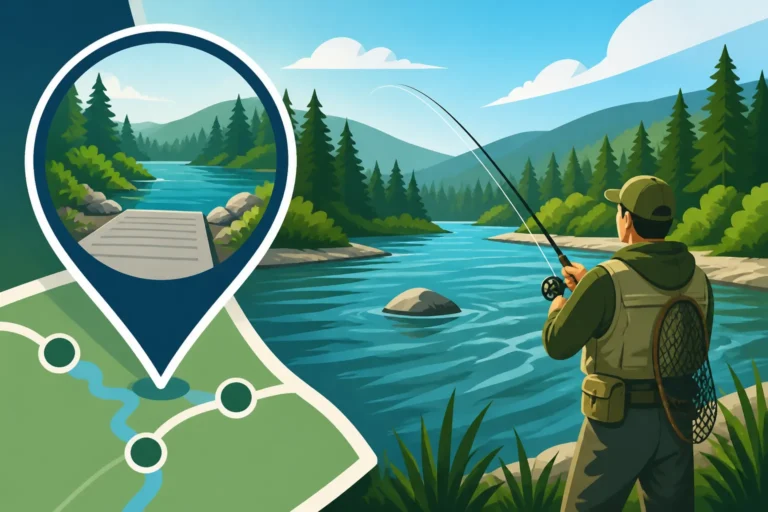
For those with a boat, Tillamook Bay offers several excellent access points, each providing a gateway to different parts of the fishery.
- Garibaldi Public Boat Launch: This is arguably the most popular and well-equipped launch on the bay, located in the charming town of Garibaldi. It offers multiple ramps, ample parking, and easy access to the deeper, main channels of the bay and the ocean entrance. Most anglers targeting salmon or heading out for bottomfish charters will launch from here. The proximity to the ocean makes it ideal for those quick morning runs when the bar is calm. You'll find plenty of amenities nearby, including bait shops and fish processing services. It's also a common pick-up point for many local Oregon Fishing Charter Guide services.
- Memaloose Boat Launch (Tillamook River): Situated further up the Tillamook River, this launch provides excellent access to the upper bay and the Tillamook River itself. It's a favored spot for those targeting salmon as they move into the river system, particularly later in the fall. The currents here can be a bit more manageable than near the ocean entrance, making it a good choice for smaller boats or less experienced bay navigators. It’s also a good starting point for exploring the quieter sloughs and channels of the upper bay.
- Netarts Bay (Nearby Option): While not in Tillamook Bay, Netarts Bay is just a short drive south and is worth mentioning for its excellent crabbing and clamming opportunities, especially if Tillamook Bay is experiencing rough weather. It's a much smaller, calmer bay, perfect for paddle craft or small boats, and offers a different, often more serene, experience. This is a great alternative for family outings or when you're looking for a change of pace.
Best Bank Fishing Locations for All Skill Levels
Not everyone has a boat, and thankfully, Tillamook Bay still offers some fantastic opportunities for shore anglers. You just need to know where to go and what to target.
- Garibaldi Pier and Jetties: The pier in Garibaldi is a fantastic, easily accessible spot for family fishing. You can often catch crab (with pots or snares), various species of perch, and occasionally even a salmon or flounder, especially around high tide. It's a safe, well-maintained area with plenty of space. The jetties, though requiring more caution due to slick rocks and waves, offer opportunities for rockfish and surfperch, and sometimes even salmon, especially if they are cruising near the entrance. Always prioritize safety when fishing near the jetties.
- Mouths of the Rivers (Kilchis, Trask, Wilson): As the salmon and steelhead runs progress, the areas where these rivers meet the bay become prime bank fishing locations. Anglers often use bait, spinners, or spoons from shore, especially during tidal changes when fish are moving. Access can sometimes be tricky due to private land, but there are often public access points or parks. For example, the Trask River County Park offers some bank access, particularly effective during the fall salmon runs. These spots are highly dependent on water levels and current strength, so scouting beforehand is recommended.
- Tillamook Bay City Docks and Shorelines: Throughout the various towns lining the bay, like Tillamook and Bay City, there are often public docks or small shoreline parks that offer great opportunities for light tackle fishing. You can target perch, small flatfish, and even Dungeness crab with snares or hand lines. These spots are usually calm and safe, making them perfect for beginners or kids. Just be mindful of local regulations and private property signage.
Tidal Influences and How They Affect Fishing
Understanding the tides isn't just helpful; it's absolutely essential for Tillamook Bay fishing. The bay experiences significant tidal swings, and these powerful movements of water dictate everything from fish behavior to safe navigation.
- Salmon Movement: For salmon, the tides are paramount. Incoming tides often bring fresh fish into the bay from the ocean, while outgoing tides can concentrate baitfish and create current seams that salmon ambush prey from. Many experienced salmon anglers will time their trips to coincide with the "turn of the tide," particularly the outgoing tide from high water, as this often triggers aggressive feeding behavior. The confluence of river currents and tidal push creates eddies and rips where salmon like to hold, making them prime targets.
- Crabbing Success: For Dungeness crab, strong tidal exchanges are generally good. They help move water, bringing in fresh food and distributing the crab scent, which helps them find your pots. However, extreme currents can also make it harder for crabs to enter pots or even drag pots away if they're not weighted sufficiently. Setting pots in channels where there's a good but not overwhelming current flow is usually the best strategy. Crabbing during slack tide can sometimes be less productive as the water is still.
- Navigation and Safety: Beyond fish behavior, tides dramatically affect navigation. Large outgoing tides can create a dangerous "bar" at the ocean entrance, making it unsafe for boats to cross. Inside the bay, strong currents can make anchoring challenging and drift fishing difficult. It's crucial to consult a tide chart before every trip and plan your movements accordingly. Shallow flats that are navigable at high tide can become impassable mud at low tide, stranding boats. Always give yourself plenty of depth and pay attention to marked channels. Services like FishingBooker often provide guides who are intimately familiar with these tidal intricacies.
| Month | Primary Target Species | Secondary Target Species | Common Techniques | Best Tidal Conditions |
|---|---|---|---|---|
| Jan-Mar | Dungeness Crab | Winter Steelhead (rivers) | Crabbing (pots), River fishing (drift, float) | Strong tides for crabbing; River flow for steelhead |
| Apr-May | Spring Chinook Salmon | Dungeness Crab | Trolling (herring, anchovy) | Incoming/outgoing tides |
| Jun-Jul | Dungeness Crab | Bottomfish, Perch | Crabbing (pots, snares), Bait fishing | Strong tides for crabbing |
| Aug-Sep | Fall Chinook Salmon | Coho Salmon, Sturgeon | Trolling, Bobber & Jig, Anchoring (sturgeon) | Outgoing tides (high to low) |
| Oct-Nov | Coho Salmon, Fall Chinook | Sturgeon, Dungeness Crab | Trolling, Bobber & Jig, Anchoring (sturgeon) | Outgoing tides, especially late runs |
| Dec | Dungeness Crab | Winter Steelhead (rivers) | Crabbing (pots), River fishing (drift, float) | Strong tides for crabbing; River flow for steelhead |
Essential Techniques and Gear for Tillamook Bay
Fishing Tillamook Bay isn't just about showing up; it's about understanding the specific techniques that work best for each species and having the right gear. From heavy-duty setups for trolling salmon to more delicate approaches for crabbing, being prepared makes all the difference.
Salmon Fishing Strategies: Trolling, Bobber & Jig, Plunking
Tillamook Bay is synonymous with salmon, and there are a few tried-and-true methods that consistently produce results.
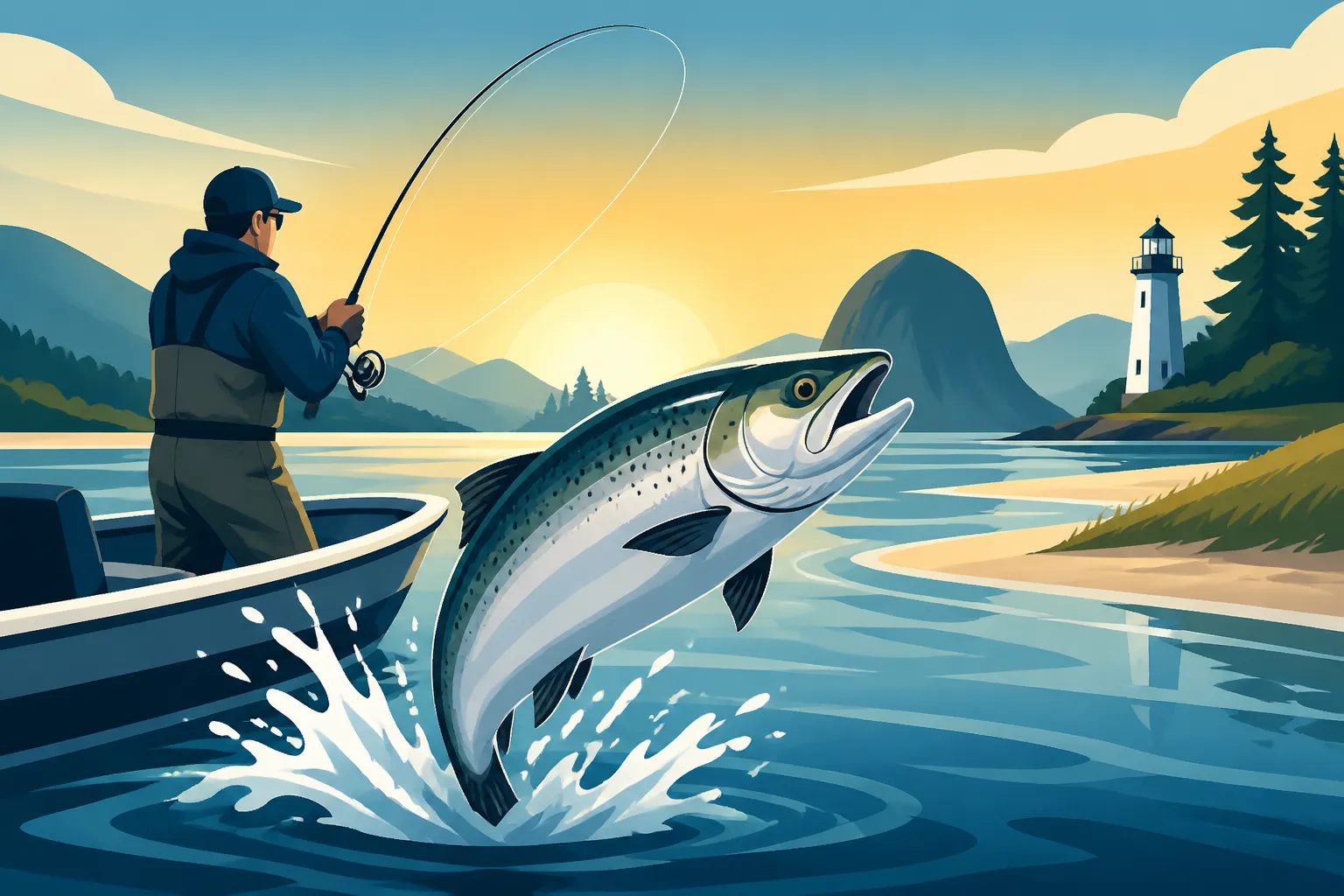
- Trolling: This is, without a doubt, the most popular and often most effective method for targeting both Chinook and Coho salmon in the bay. Trolling involves moving slowly through the water, dragging baits or lures behind the boat. For Chinook, anglers typically use downriggers to get their bait (often whole or cut-plug herring, anchovies, or large Brad's Super Baits) down to specific depths, usually near the bottom in the deeper channels. The goal is to cover ground and find where the fish are holding. For Coho, they often cruise higher in the water column, so divers or lead lines are used with smaller baits or spoons like a #3.5 spinner or a small Apex. Varying your speed and depth until you find the "zone" is key. Many anglers will also add a scent to their bait, like herring oil or anise, to draw in more strikes.
- Bobber and Jig: While more commonly associated with river fishing, the bobber and jig technique can be highly effective in the bay, particularly in areas where salmon are staging before entering the rivers or when fishing from shore near river mouths. This involves suspending a weighted jig (often a pink, chartreuse, or black Marabou jig) under a large float or bobber. The float allows the jig to drift naturally with the current, mimicking an injured baitfish. The key is to find current seams and eddies where salmon might be holding. This method requires a bit more finesse than trolling but can be incredibly rewarding, offering a direct, visual strike. It's especially popular when the fish are concentrated and not actively chasing moving baits.
- Plunking: Plunking is a stationary method, typically done from shore or anchored boats, often in areas with strong current, especially near river mouths. It involves casting a heavy lead weight (a "plunking sinker") and a baited presentation (often a "Spin-N-Glo" or a cluster of salmon eggs) into the current, letting it sit on the bottom. The current causes the spinner or bait to flutter enticingly. While it might seem passive, it can be highly effective when fish are moving upstream in a defined travel lane. It's a great choice for bank anglers and requires minimal specialized gear, making it accessible to many. However, you need to be patient, as strikes can sometimes be few and far between, but when they hit, they often hit hard.
Crabbing and Clamming: Gear and Best Practices
Tillamook Bay is famous for its Dungeness crab and plentiful clam beds. These activities are incredibly fun and often more social than fishing.
- Crabbing: The primary gear for Dungeness crabbing is a crab pot or ring. Pots are weighted, collapsible traps that you bait with fish carcasses (like salmon heads or chicken legs) and drop to the bottom, marked by a buoy. Crab rings lie flat on the bottom and are pulled up quickly, trapping any crabs feeding on the bait. You can also use crab snares if fishing from a pier or kayak, which are small cages that hold bait and are retrieved when a crab is feeding. When crabbing, remember to check your Oregon Fishing Regulations Explained for daily limits, size restrictions (males must be 5 3/4 inches across the back), and to release all females. Always make sure your pots are clearly marked with your ODFW ID. The best time for crabbing is often during a strong tidal exchange, which helps distribute the bait scent and move crabs around. Many people find success by dropping pots in the main channels or near structure.
- Clamming: Tillamook Bay is renowned for its softshell and butter clams. Clamming is done at low tide, typically on exposed mud flats. You'll need a shovel or clam gun, a bucket, and perhaps some waders. Look for small holes or "shows" in the mud, which indicate where clams are buried. Digging them up is a bit of a workout but incredibly rewarding. Softshells are generally found higher up in the intertidal zone, while butter clams are often found deeper. Always consult the most current regulations for daily limits and any potential health closures (like red tide warnings) before heading out. It’s also a good idea to bring a pair of gloves, as clamming can be tough on the hands, and the mud can be surprisingly cold. Remember, you'll need an Oregon Shellfish License for crabbing and clamming.
Sturgeon and Bottomfish Tactics
While salmon and crab get most of the attention, Tillamook Bay also offers exciting opportunities for sturgeon and various bottomfish.
- Sturgeon Fishing: Targeting sturgeon in Tillamook Bay typically involves anchoring your boat in a deep channel or hole and fishing on the bottom with large, scent-rich baits. Popular choices include salmon parts (belly, roe, or heads), herring, squid, or even sand shrimp. You'll need heavy-duty rods and reels capable of handling powerful fish, often spooled with 80-100 lb test braided line. Use a heavy pyramid sinker (8-12 oz or more, depending on current) to hold your bait on the bottom, with a short leader (2-4 feet) to a large, stout hook (5/0 to 8/0 circle hook is often preferred for easy release). It's almost exclusively a catch-and-release fishery in the bay, so be prepared for a long fight and have the proper tools (like a large net or cradle and pliers) for a safe release. Always check the current Oregon Sturgeon Tag Requirements and regulations, as retention seasons are very limited and specific.
- Bottomfish: Near the jetties and the mouth of the bay, especially during calmer weather, you can find various bottomfish species. Lingcod and several species of rockfish are possibilities, although they are more commonly targeted offshore in the ocean. From the bay, you might catch flounder, sole, or even greenling. Simple bait fishing with cut herring, shrimp, or squid on a bottom rig (a weight at the bottom with a couple of dropper loops for hooks) can be effective. Jigging with metal jigs or soft plastics near structure can also entice strikes. This kind of fishing can be a great way to fill some time, especially if the salmon bite is slow, and it's generally a more relaxed style of fishing than actively chasing salmon. Remember to check the Oregon Ocean Endorsement if you plan to fish outside the bay mouth.
Understanding Regulations and Conservation Efforts
Fishing in Oregon, especially in a dynamic environment like Tillamook Bay, requires a strong understanding of the regulations. These rules are in place not to make your life harder, but to ensure the sustainability of our precious fish and shellfish populations for generations to come. Ignoring them can lead to hefty fines and penalties, not to mention impacting the health of the fishery.
Key Oregon Fishing Regulations for Tillamook Bay
Oregon's fishing regulations are detailed and specific, varying by species, location, and season. It's absolutely crucial to consult the most current Oregon Department of Fish and Wildlife (ODFW) regulation booklet before every trip.
- Licenses and Endorsements: Anyone 12 years or older needs an Oregon fishing license. If you're targeting salmon or steelhead, you'll also need a Oregon Combined Angling Tag Guide. For crabbing and clamming, a shellfish license is mandatory. If you plan to venture out into the ocean beyond the bay mouth, an Oregon Ocean Endorsement is also required. There are different licenses for residents and non-residents, and various durations (daily, annual). Always carry your license with you and be prepared to show it to a game warden.
- Bag Limits and Size Restrictions: Every species has a daily bag limit, and many have minimum or maximum size restrictions. For example, Dungeness crab must meet a minimum size and all females must be released. Chinook and Coho salmon have specific daily limits, and sometimes only hatchery-marked (fin-clipped) fish can be retained. Sturgeon generally operate under strict catch-and-release rules in the bay, with very limited, short retention seasons outside. These limits are subject to change, sometimes even mid-season due to unexpected fish returns or environmental conditions, so staying informed is key. The Oregon Daily Bag Limits Explained will give you the general framework.
- Catch Record Cards: For salmon, steelhead, and sturgeon, you are required to have a Oregon Catch Record Card Requirements. You must immediately record your catch upon retention, before moving the fish or leaving the site. Failing to properly fill out your catch card is a common violation and can result in penalties. These cards are vital data collection tools for ODFW to manage fish populations effectively.
- Gear Restrictions: Some areas or times of year might have specific gear restrictions, such as "fly fishing only" waters, or prohibitions on certain types of bait or hooks (e.g., barbless hooks for wild steelhead). While Tillamook Bay itself is generally quite open, always be aware of rules that might apply to the specific rivers flowing into it if you venture upstream. For instance, many coastal rivers mandate the use of barbless hooks for salmon and steelhead.
Sustainable Fishing Practices and Limits
Beyond simply following the rules, a true angler understands the importance of sustainable practices. We want these fisheries to thrive for our children and grandchildren, and that means being responsible stewards of the resource.
- Know Your Fish: Be able to correctly identify the species you're catching, especially distinguishing between wild and hatchery salmon or steelhead. Hatchery fish are typically marked with a clipped adipose fin, making them legal to retain during certain seasons, while wild fish are often protected and must be released unharmed. Misidentification can lead to violations and harm wild populations.
- Careful Catch and Release: If you're practicing catch-and-release, do it quickly and carefully. Minimize the time the fish is out of the water, use appropriate gear (like circle hooks for sturgeon to reduce gut hooking), and handle the fish gently, supporting its body. Revive the fish in the water, facing it into the current, until it swims away under its own power. This is particularly important for sensitive species like wild steelhead or large sturgeon.
- Respect Limits: Never exceed your daily bag limit. These limits are based on scientific data to ensure a healthy population. "Catching and releasing" after you've kept your limit, if done excessively or carelessly, can still harm the fish. If you plan a trip using a guide service, many excellent options exist, and most are listed on platforms like FishingBooker. These professional guides are experts in local regulations and conservation, offering valuable insight.
- Protect the Environment: Always pack out everything you pack in. Dispose of fishing line, bait containers, and any other trash properly. Avoid disturbing sensitive wildlife habitats, especially during spawning seasons. Leave the bay cleaner than you found it. Our actions, however small, contribute to the overall health of this incredible ecosystem. By adhering to these practices, we ensure that Tillamook Bay remains a vibrant and productive fishery for years to come.
Disclaimer
Please note that fishing regulations, seasons, and access points can change frequently. While we strive to provide the most accurate and up-to-date information, it is always your responsibility to consult the current Oregon Department of Fish and Wildlife (ODFW) regulations before engaging in any fishing activities. This guide is for informational purposes only and should not be considered a substitute for official ODFW publications or professional advice. Fishing involves inherent risks; always prioritize safety on the water.