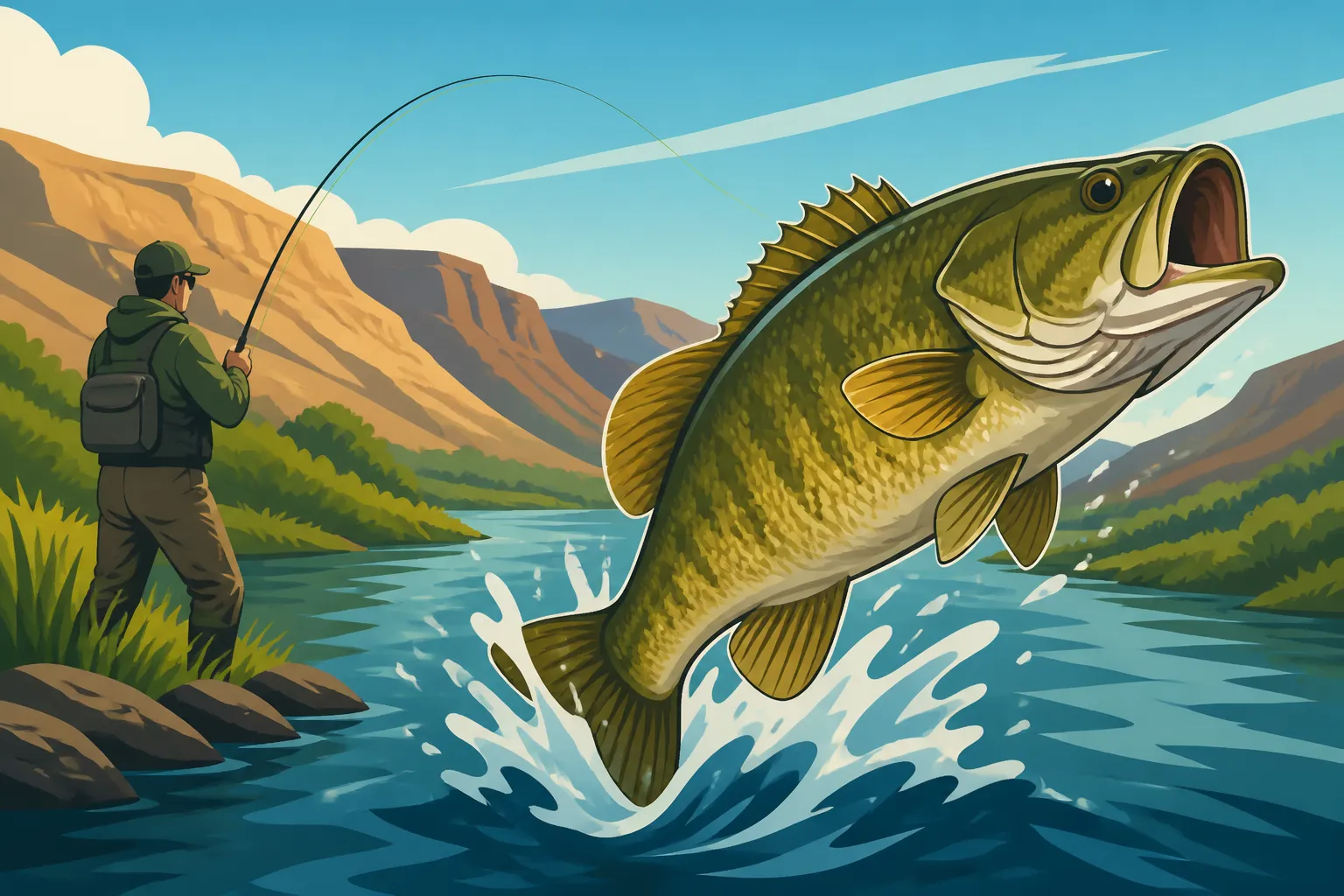
John Day River smallmouth bass fishing
There’s nothing quite like the feeling of heading out to fish a pristine river, only to find yourself wondering where the best spots are, what gear you really need, and if you’re even allowed to keep what you catch. It can feel like a maze of regulations and local knowledge, especially when targeting a specific species in a unique waterway like the John Day River for smallmouth bass. This guide is here to untangle all that for you, making your next smallmouth adventure on the John Day as smooth and successful as possible.
Why the John Day River is a Smallmouth Bass Haven
The John Day River, winding through eastern Oregon, is a truly special place, and it has carved out a reputation as one of the premier smallmouth bass fisheries in the Pacific Northwest. If you're looking for consistent action and a beautiful, wild setting, this river absolutely delivers. But what makes it so ideal for these feisty fighters? It's a combination of its unique geology, abundant food sources, and the kind of water conditions smallmouth bass dream of.
Understanding the River's Unique Ecosystem
Unlike many of Oregon's glacial-fed, colder rivers, the John Day boasts warmer water temperatures, particularly in its middle and lower stretches during the warmer months. This is crucial because smallmouth bass thrive in warmer, rocky environments. The riverbed is often a mosaic of basalt formations, gravel bars, and scattered boulders, creating countless pockets, eddies, and current breaks that offer perfect ambush points for bass. These features aren't just random; they're the result of millions of years of geological activity, providing a stable and diverse habitat that has allowed smallmouth populations to flourish. The water clarity can vary throughout the year, but often, it's clear enough to sight-fish in many areas, adding an exciting visual element to the angling experience.
Moreover, the John Day is one of the longest free-flowing rivers in the continental United States, meaning it lacks dams that would otherwise impede fish migration and alter natural flow patterns. This unhindered flow helps maintain a healthy, dynamic ecosystem that benefits all its inhabitants, including the smallmouth bass. The river’s character shifts as it flows from its headwaters in the Blue Mountains down to its confluence with the Columbia River, offering different types of smallmouth habitat, from faster riffles and runs to deeper, slower pools. Understanding these shifts is key to locating concentrations of bass.
Abundance of Food and Habitat
A thriving fish population needs a robust food web, and the John Day River delivers in spades. Smallmouth bass are opportunistic predators, and they find a buffet here. Crayfish are a primary food source, scuttling among the rocks, making them irresistible to hungry bass. You'll also find a healthy population of various aquatic insects, minnows, and juvenile fish, all contributing to the bass diet. These readily available food sources mean the bass are well-fed, healthy, and aggressive – perfect for anglers seeking action.
The river's structure also plays a huge role in creating prime habitat. Deep pools offer refuge during hot weather and winter, while rocky riffles and runs provide oxygenated water and ideal feeding lanes. Undercut banks, fallen timber, and shaded areas created by streamside vegetation offer crucial cover where bass can hide from predators and ambush prey. For anglers, this means you can often "read the water" to identify likely holding spots. Areas where current breaks against structure, where a riffle dumps into a deeper pool, or where shadows fall on the water are all prime targets. Knowing how to identify these features, much like learning how to read water for trout fishing, will greatly increase your chances of success for smallmouth.
Best Times and Seasons for John Day Smallmouth Bass
Timing your trip to the John Day River is crucial for maximizing your chances of hooking into some aggressive smallmouth bass. While you can find them throughout the warmer months, different seasons offer unique opportunities and require slight adjustments to your approach. The John Day truly comes alive when the water warms up, signaling a surge in bass activity.
Springtime Action: Pre-spawn and Spawn
Spring, typically from late April through June, is an electrifying time to target smallmouth bass on the John Day. As water temperatures climb into the 50s and 60s Fahrenheit, the bass become incredibly active, feeding aggressively to prepare for the spawn. This pre-spawn period is characterized by fish moving into shallower areas, often near rocky points, gravel beds, and protected coves, where they'll eventually build nests. They're hungry and willing to chase down a meal, making them susceptible to a variety of presentations.
Once the water hits the mid-60s, usually in late May and June, the smallmouth begin to spawn. Males will fan out circular nests on gravelly bottoms in shallower water, often visible from the surface if the clarity is good. During the spawn, bass become highly territorial and will strike at anything they perceive as a threat to their nest. This can make for some incredible fishing, though many anglers choose to avoid directly targeting spawning fish to allow them to reproduce undisturbed. If you do fish during the spawn, practicing careful catch-and-release is essential to ensure the future health of the fishery. During this time, look for fish in 2-6 feet of water, especially near slower current areas adjacent to faster water.
Summer Heat: Prime Fishing
Summer, from July through early September, represents the absolute peak of the smallmouth bass fishing season on the John Day River. The long, warm days mean consistent water temperatures, often in the 70s, which keeps smallmouth metabolism high and their appetites voracious. This is when the bass spread throughout the river, actively feeding on crayfish, minnows, and anything else that crosses their path. Whether you're planning a multi-day float trip or just hitting some accessible spots for a few hours, summer is a fantastic time.
During the summer, the bass will often hold in and around current breaks, rocky structures, and deeper pools, especially during the brighter parts of the day. Early mornings and late evenings can be particularly productive as bass move into shallower feeding zones. Midday, you might find them tucked into shaded areas or deeper water, seeking refuge from the sun. This is also a fantastic time for topwater action – imagine a John Day smallmouth exploding on a popper or walking bait! The river flows are generally lower and more stable in summer, making navigation, whether by boat or by wading, much easier. For those looking for a truly immersive experience, a multi-day float is hard to beat, allowing you to explore miles of untouched river. If you're considering a longer excursion, reputable guides often post their availability on platforms like FishingBooker, making it easier to plan.
Fall Fishing: Cooler Water Opportunities
As autumn arrives, usually from late September through October, the John Day River undergoes a beautiful transformation, and the smallmouth bass fishing remains strong. The air cools, the leaves begin to change, and the water temperatures gradually drop back into the 60s and 50s. This triggers a "fall feed" as bass sense the approaching winter and begin to gorge themselves, building up reserves. They're still very active and aggressive, often grouping up in preparation for wintering in deeper pools.
Fall fishing can be incredibly rewarding, sometimes offering larger, fatter fish than you'd find earlier in the year. The key is to adapt your tactics slightly. As the water cools, bass may become less willing to chase fast-moving lures from a distance. Slower presentations, such as jigs, tubes, and suspending jerkbaits, become highly effective. Look for bass to be concentrated in deeper pools and transitional areas where deeper water meets rocky structure. The crowds also tend to thin out in the fall, providing a more peaceful angling experience. Always keep an eye on river conditions, as how river flow affects steelhead fishing is also true for bass; significant rain can bring cooler water and increased turbidity, which might change fish behavior.
Essential Gear and Techniques for Success
Success on the John Day River for smallmouth bass isn't just about showing up; it's about being prepared with the right gear and knowing how to use it. These aren't your pond-dwelling largemouth; John Day smallmouth are current-loving, structure-oriented fish that demand a slightly different approach. Getting your setup dialed in will make all the difference between a few nibbles and a day filled with bent rods.
Rods, Reels, and Line Choices
For John Day smallmouth, a medium-light to medium-power spinning or casting rod, typically 6'6" to 7'6" in length, is your workhorse. This range offers a good balance of casting distance, sensitivity for feeling subtle bites, and enough backbone to handle a hard-fighting bass in current. A fast action tip is usually preferred, as it allows for quick hooksets and good feel. For reels, a 2500-3000 series spinning reel or a baitcasting reel with a smooth drag system is ideal. You want a reel that can handle repeated casting and retrieve line efficiently.
Line choice is critical. Most anglers opt for a main line of 8-12 lb monofilament or fluorocarbon, or 15-20 lb braided line with a fluorocarbon leader. Braided line offers superior sensitivity and casting distance, especially when throwing lighter lures, but its visibility means a fluorocarbon leader (6-10 lb test) is almost always a good idea in the John Day's often clear waters. Fluorocarbon leaders are nearly invisible underwater and offer good abrasion resistance, which is important when fishing around rocky structure. Monofilament is a classic choice for its stretch and forgiving nature, while fluorocarbon main line offers low stretch and good sensitivity, though it can be pricier.
Top Lures and Baits
When it comes to best lures for smallmouth bass on the John Day River, variety is key, but some stand out as consistent producers.
Soft Plastics:
- Tube Jigs: These mimic crayfish perfectly, especially in olive, brown, or green pumpkin colors. Rig them on a 1/8 to 1/4 ounce jig head and drag, hop, or swim them along the bottom.
- Creature Baits/Crawfish Imitations: Soft plastic craws like a Berkley PowerBait Chigger Craw or Zoom Critter Craw in natural colors are deadly. Rigged on a Texas rig or Ned rig, they are incredibly effective for mimicking the bass's favorite meal.
- Grubs/Swim Baits: Single-tail or paddle-tail grubs on a light jig head (1/8 oz) can be deadly when retrieved slowly near structure, imitating baitfish.
Hard Baits:
- Crankbaits: Small, shallow-diving crankbaits in crawfish patterns or natural baitfish colors are excellent for covering water. Look for those that dive 3-6 feet.
- Jerkbaits: Suspending jerkbaits can be incredibly effective, especially in cooler water. A "twitch, twitch, pause" retrieve can often trigger strikes from hesitant bass.
- Topwater Lures: Poppers, walking baits, and buzzbaits can provide explosive surface strikes, particularly during low light conditions in summer.
Live Bait:
While artificials are highly effective, live bait such as small crayfish (check regulations for taking live bait from the river) or minnows can also be very productive. Rig them simply with a small hook and a split shot or under a bobber. However, artificial lures allow you to cover more water and are often preferred by many anglers.
Effective Fishing Techniques
Fishing the John Day River for smallmouth bass often involves a combination of techniques, depending on the river section and current conditions.
Float Fishing: This is arguably the most popular and effective way to cover significant stretches of the John Day. Whether in a raft, drift boat, or pontoon boat, floating allows you to access remote areas and present lures to undisturbed fish. When float fishing, focus on casting to eddies, current seams, around boulders, and into shaded pockets. You'll want to cast ahead of your boat's drift, allowing your lure to sink or swim naturally into the strike zone. Many guided trips offered on platforms like FishingBooker specialize in these multi-day floats, providing excellent opportunities for a best float trip for smallmouth bass in Oregon.
Bank Fishing: For anglers without a boat, bank fishing can still be very productive, especially if you focus on accessible spots near bridges, campgrounds, or public land where the river slows down or offers good structure. Look for areas with deep pools, large rock formations, or significant current breaks close to shore. Casting parallel to the bank or fan-casting to cover varied depths are good strategies.
Wade Fishing: When flows are moderate to low, wade fishing can be incredibly rewarding. It allows for stealthy approaches and precise presentations to specific pieces of structure. Always prioritize safety when wading: wear appropriate footwear with good grip, use a wading staff for stability, and be aware of slippery rocks and sudden drop-offs. Focus your efforts on riffles, runs, and the heads and tails of pools. Remember that Oregon Fishing Techniques for Beginners often start with simpler methods like spin casting from the bank or wading in safe areas before graduating to more complex float trips.
Navigating the John Day River: Access and Logistics
Getting onto and around the John Day River can be a bit of an adventure, but with a little planning, it’s a totally manageable and incredibly rewarding experience. This isn’t a river with a boat ramp every few miles; its wild nature is part of its charm. Understanding your access options and how to plan your trip effectively is key to a successful outing.
Key Access Points and Boat Ramps
Public access to the John Day River is somewhat limited compared to more developed rivers, which helps preserve its wild character. Most access points are managed by the Bureau of Land Management (BLM) or Oregon State Parks. Popular spots include:
- Cottonwood Bridge Recreation Site: This is a common put-in or take-out point, offering good access and a developed boat ramp. It’s a great starting point for many float trips.
- Clarno Bridge: Another significant access point, often used as a take-out for upstream floats or a put-in for downstream sections. The scenery around Clarno is particularly stunning with its unique rock formations.
- Service Creek: A well-known put-in for multi-day trips. Services like shuttle providers often operate from here.
- John Day City Park: In the town of John Day, this offers some bank access, particularly for the upper river sections, which are quite different from the middle and lower river's smallmouth hotbeds.
- Kimberly and Monument: These towns also offer some local access points, but they tend to be less developed.
Before you go, it's always wise to check the specific conditions and access rules for your chosen spot, as they can change due to weather or seasonal conditions. The Oregon Department of Fish and Wildlife (ODFW) and the BLM websites are excellent resources for up-to-date information. Remember, some sections of the river flow through private land, so always be respectful of property boundaries and only access the river through designated public easements.
Planning a Float Trip
A float trip is the quintessential John Day smallmouth bass experience. Most popular floats range from one to five days, covering anywhere from 20 to 80 miles. Shorter floats, like a day trip from Cottonwood Bridge, are perfect for a taste of the action, while longer trips offer a truly immersive wilderness experience. Outfitters and shuttle services are available in towns like Fossil, Mitchell, and Spray, and they can be invaluable for transporting your vehicle from your put-in to your take-out point. Many anglers book through services like FishingBooker to find guides who offer fully outfitted float trips, handling all the logistics including boats, camp gear, and meals. This is an excellent option for those new to multi-day river trips or simply wanting to maximize their fishing time.
When planning your float:
- Boat Choice: Rafts, drift boats, and inflatable kayaks are common. Choose one appropriate for the river’s class and the gear you’re bringing.
- Permits: While a special permit isn't typically required for non-commercial floats on the John Day, it's always good to check with the BLM, especially for larger groups or during peak season.
- Camping: Dispersed camping is allowed on public lands along the river. Practice "Leave No Trace" principles rigorously – pack out everything you pack in, including human waste using a portable toilet system.
- Water Levels: Always check river flows before your trip. The ODFW and USGS provide real-time data. Too high, and it can be dangerous; too low, and you'll be dragging your boat. Spring often sees higher flows from snowmelt, while late summer and fall flows are generally lower and more stable.
Considerations for Bank and Wade Anglers
If a multi-day float isn't in the cards, don't despair! The John Day still offers excellent opportunities for bank and wade anglers. The key is to do your homework and pinpoint spots with good public access that also offer varied structure. Many of the bridges and developed recreation sites offer decent bank access, allowing you to target eddies, current seams, and drop-offs without a boat.
For wade anglers, summer and early fall are generally the best times due to lower, more stable flows and warmer water temperatures. Always wear sturdy wading boots with good ankle support, as the river bottom can be slick and uneven with basalt rocks. A wading staff is highly recommended for safety, especially when probing unfamiliar waters. Be mindful of private property – look for clear signs of public access or consult maps. While you won't cover as much water as a float trip, the intimacy of wade fishing allows for a more focused approach, dissecting specific runs and pools for holding bass. These accessible spots are often where beginner anglers learn their craft, perhaps after reviewing an Oregon Fishing License Guide to ensure they're compliant with all regulations before heading out.
| Season | Best Time of Day | Water Temp Range (F) | Key Techniques | Target Depth (Approx.) |
|---|---|---|---|---|
| Spring | Mid-morning, late afternoon | 50s – low 60s | Tube jigs, creature baits, shallow crankbaits | 2-8 feet |
| Summer | Early morning, late evening | Mid 60s – low 70s | Topwater, crankbaits, swimbaits, senkos | 3-12 feet |
| Fall | Midday | Low 60s – 50s | Jigs, suspending jerkbaits, slower retrieves | 5-15 feet |
Conservation and Regulations for Smallmouth Bass
Fishing the John Day River is an incredible privilege, and it comes with a responsibility to understand and adhere to the regulations designed to protect this unique ecosystem. While smallmouth bass are generally abundant here, and even encouraged for removal in some areas, responsible angling practices are always paramount. Always remember to check the current Oregon Fishing Regulations Explained before heading out, as rules can change seasonally or annually.
Understanding Bag Limits and Catch-and-Release
Interestingly, smallmouth bass in much of the John Day River are managed differently than many other fish species in Oregon. The Oregon Department of Fish and Wildlife (ODFW) often encourages the harvest of smallmouth bass from the John Day. This is primarily because smallmouth bass are a non-native species in the river. They can compete with, and prey upon, native species like juvenile steelhead and Chinook salmon, both of which are critical to the river's ecological balance and are often protected with strict Oregon Salmon and Steelhead Tag Requirements. Because of this, why does Oregon encourage removing smallmouth bass is a frequently asked question, and the answer lies in balancing the ecosystem.
Therefore, you'll often find generous or even no daily bag limits for smallmouth bass in certain stretches of the John Day. For example, some areas might have a "no limit" policy, allowing anglers to keep as many smallmouth as they wish, or very liberal limits like 10 per day with no size restrictions. Always verify the specific regulations for the section of the river you plan to fish, as rules can vary by zone (e.g., above or below specific bridges) and are subject to change. Even with liberal limits, practicing selective harvest—keeping smaller, younger bass for consumption and releasing larger, older bass—can contribute to a healthy population structure. If you do practice catch-and-release, handle fish gently with wet hands, minimize their time out of water, and use barbless hooks to reduce injury.
Minimizing Environmental Impact
Beyond adherence to fishing regulations, minimizing your environmental impact is crucial on a wild river like the John Day. This means strictly following "Leave No Trace" principles. Pack out all your trash, including fishing line, bait containers, and any food wrappers. Human waste management is particularly important on multi-day float trips; utilize portable toilets and proper disposal methods to keep the river corridor clean and healthy for everyone.
Be mindful of the riverbanks and surrounding vegetation. Avoid trampling sensitive areas and stick to established trails or natural rock formations when accessing the water. If you're using a boat, be aware of prop wash in shallow areas which can disturb spawning beds or stir up sediment. Preventing the spread of invasive species is also vital. Always clean your boat, waders, and fishing gear thoroughly after each trip, especially if you're moving between different bodies of water, to avoid transporting aquatic invasive species that could harm the John Day's delicate ecosystem.
The Role of Smallmouth Bass in the John Day
While smallmouth bass are not native to the John Day River, they have become a deeply entrenched part of its recreational fishery. Their aggressive nature and fighting spirit make them a favorite target for many anglers, drawing significant recreational tourism to the area. However, their presence does present ongoing management challenges for wildlife agencies, particularly concerning their interaction with native salmon and steelhead populations. This is why you see the unique management strategy of encouraging harvest.
As anglers, our role is not just to enjoy the fishing but also to be informed participants in the conservation efforts. By understanding the reasons behind the regulations—even those that encourage harvesting a particular species—we contribute to the broader health of the river. Enjoy the incredible smallmouth fishing that the John Day River offers, but always do so with a deep respect for the river itself and all its inhabitants. This approach ensures that this remarkable waterway will continue to provide fantastic angling opportunities for generations to come.
Disclaimer
Fishing regulations and conditions in Oregon can change. Always check the latest official regulations from the Oregon Department of Fish and Wildlife (ODFW) before planning your trip. This guide is for informational purposes only and should not be considered legal advice. Stay safe on the water and be aware of your surroundings.