Wallowa Lake Fishing Guide
There's nothing quite like the feeling of heading out to a new fishing spot, full of anticipation, only to realize you don't actually know the first thing about where to cast your line or what the fish are even biting on. It's a common frustration, especially when you're visiting a gem like Wallowa Lake in Oregon, which is as renowned for its stunning beauty as it is for its diverse fishing opportunities. This comprehensive guide is here to cut through that confusion, giving you all the insider knowledge you need to confidently tackle Wallowa Lake and make your next angling adventure a resounding success.
Getting to Know Wallowa Lake: The Gem of Northeast Oregon
Wallowa Lake, often called the "Switzerland of Oregon," is a truly magnificent body of water nestled in the Wallowa Mountains of northeastern Oregon. It's a place that captivates you with its sheer majesty, from the towering peaks that cradle its shores to the impossibly clear, deep waters. But beyond the picture-postcard views, Wallowa Lake is a vibrant aquatic ecosystem, offering some of the most exciting and diverse fishing experiences in the state. Understanding its unique characteristics is the first step to unlocking its angling potential.
Location and Landscape
Located just south of the charming town of Joseph, Wallowa Lake is a glaciated lake, carved out by ancient ice flows, giving it its distinctive long, narrow shape and impressive depth. The surrounding landscape is dominated by the dramatic Wallowa Mountains, part of the Eagle Cap Wilderness, which are often snow-capped well into the summer. This mountainous backdrop doesn't just provide breathtaking scenery; it also influences the lake's water temperature, nutrient flow, and overall ecosystem. The runoff from melting snow brings fresh, cold water into the lake, contributing to the health of its cold-water fish populations.
The lake itself is approximately 4.5 miles long and about a mile wide, tapering at both ends. Its shores feature a mix of developed areas, like the Wallowa Lake State Park, and more secluded, forested stretches. You’ll find everything from boat launches and docks to hiking trails that offer stunning views of the lake and mountains. The clarity of the water is often remarkable, allowing you to see surprisingly deep on calm days, which can be a double-edged sword for anglers – beautiful to look at, but sometimes making fish a bit warier!
Depth and Water Characteristics
Wallowa Lake is deep, really deep. With an average depth of around 150 feet and reaching depths of over 290 feet in some spots, it's one of Oregon's deepest lakes. This profound depth is crucial for understanding its fishery. It provides vast stretches of cold, oxygen-rich water that are perfect habitats for species like Lake Trout (Mackinaw) and Kokanee Salmon, especially during the warmer months when shallower lakes might struggle with oxygen depletion or overly warm temperatures.
The water temperature fluctuates throughout the year, but even in summer, the deeper sections remain consistently cold, creating thermal refuges for fish. This stratification means that fish will move to different depths depending on the season, time of day, and even weather patterns. For anglers, this means adjusting your presentation and depth carefully. Often, the fish might be suspended far below the surface, requiring specialized gear like downriggers or weighted lines to reach them effectively. The cold, clean water also contributes to the excellent quality and flavor of the fish caught here.
Unique Ecosystem and History
Wallowa Lake's ecosystem is a fascinating blend of native species and introduced populations, managed carefully by the Oregon Department of Fish and Wildlife (ODFW). Historically, it was home to native Kokanee and a variety of trout. Over the years, other species have been introduced, some intentionally to enhance the sport fishery, and others less so. The lake is fed primarily by the Wallowa River and several smaller streams, and its outflow eventually joins the Grande Ronde River system.
One of the most intriguing aspects of Wallowa Lake's history is its connection to the Nez Perce Tribe, who traditionally lived in the Wallowa Valley. This land holds deep cultural significance, and understanding that history adds another layer to the experience of visiting. Environmentally, the lake remains largely pristine, with ongoing efforts to protect its water quality and surrounding habitats. This management ensures that it continues to be a fantastic destination for outdoor enthusiasts and anglers for generations to come.
The Bountiful Waters: What You'll Catch in Wallowa Lake
Wallowa Lake is a true multi-species fishery, offering something for almost every angler, whether you're chasing trophy-sized predators or looking for a steady bite. The diverse depths and habitat types support a rich array of fish, but a few species truly stand out as the primary targets for those wetting a line here. Knowing what to expect and where to find them is key to a successful outing.
Kokanee Salmon: The Lake's Silver Jewels
Kokanee salmon, the landlocked sockeye, are arguably the star attraction for many anglers at Wallowa Lake. These vibrant silver-sided fish are known for their feisty fight and excellent table fare. Wallowa Lake has a robust population of Kokanee, thanks to natural reproduction and regular stocking efforts by ODFW. They typically average around 10-14 inches, but anglers often pull out larger specimens, especially in good forage years.
Kokanee are schooling fish, meaning if you find one, you've likely found a whole group! They primarily feed on zooplankton, which is why they are often found suspended in the water column rather than hugging the bottom. Their movements are highly influenced by light levels, water temperature, and the availability of their food source. Anglers targeting Kokanee often describe it as a thrilling experience, requiring a combination of patience, proper gear, and a bit of detective work to locate the schools. For more on catching these elusive fish, check out our guide on How to Fish for Kokanee in Oregon.
Rainbow Trout: Abundance and Accessibility
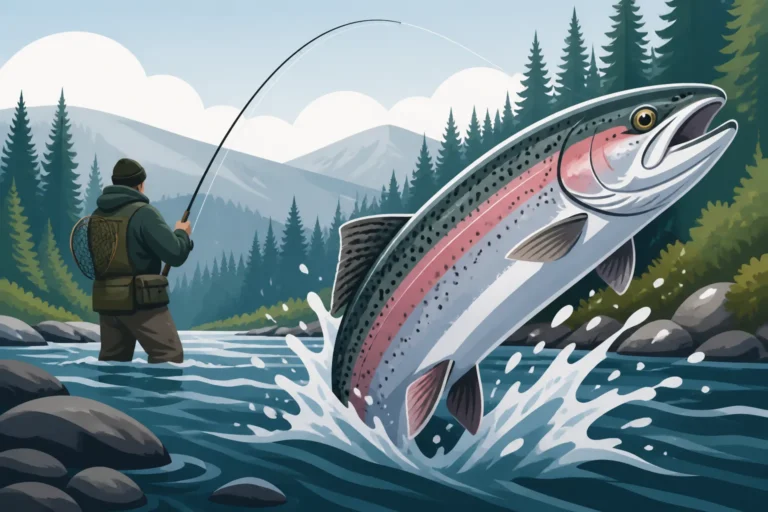
Rainbow trout are another staple of the Wallowa Lake fishery, providing accessible angling opportunities for everyone from beginners to seasoned veterans. The lake is regularly stocked with hatchery rainbow trout, ensuring a healthy population, especially near access points and popular shore fishing spots. These stocked fish are often eager to bite and are a fantastic target for a fun day on the water, particularly for families or those just starting out.
Beyond the stocked fish, Wallowa Lake also supports a population of wild rainbow trout, though these are typically more challenging to catch and are often found in areas less impacted by human activity or closer to feeder streams. Rainbows in Wallowa Lake can range from pan-sized "stockers" of 8-12 inches up to wild fish or holdovers pushing several pounds. They're opportunistic feeders, which means they'll respond to a wide variety of baits and lures, making them a very forgiving species to pursue. If you’re planning a trip with kids, targeting rainbows from the dock or shore can be incredibly rewarding.
Lake Trout Mackinaw: The Deep-Water Challenge
For those seeking a true trophy fish and a challenge, the Lake Trout (or Mackinaw as they're commonly known in the West) of Wallowa Lake are the ultimate prize. These are cold-water predators that thrive in the lake's immense depths. While smaller Mackinaw might be caught closer to the bottom in shallower areas, the true monsters, often exceeding 20 pounds, lurk in the deepest parts of the lake. Catching one requires specialized techniques and a lot of patience.
Mackinaw are notoriously long-lived and slow-growing, making the large ones very old fish indeed. They feed on other fish, including Kokanee, so understanding the movements of their prey is often key to finding the Mackinaw. These fish put up an incredible fight, and landing a big one from the depths is an accomplishment many anglers dream of. If you’re serious about chasing these giants, you might want to delve into our specific guide on Mackinaw (Lake Trout) Fishing.
Smallmouth Bass and Other Panfish
While not as prominent as the salmon and trout, Wallowa Lake does offer some opportunities for smallmouth bass and various panfish, though they are generally less targeted. Smallmouth bass tend to prefer the warmer, shallower rocky areas of the lake, particularly during the summer months. They provide a different kind of fight – aggressive and hard-hitting – which can be a welcome change from the more subtle bites of Kokanee or the deep-water tug of Mackinaw.
Anglers targeting smallmouth bass will often find success casting jigs, crankbaits, or soft plastics near rocky points, submerged timber, or along the rip-rap near developed areas. You might also encounter yellow perch, which, while not numerous, can provide some fun action for those using small baits and light tackle. These species often appeal to anglers looking for a more relaxed, less gear-intensive fishing experience, or those simply wanting to explore the lake's diverse offerings.
Prime Fishing Seasons and Best Times to Visit
Understanding the seasonal patterns and daily rhythms of Wallowa Lake is paramount to a successful fishing trip. Like any large body of water, fish activity here is heavily influenced by water temperature, weather, and spawning cycles. Knowing when to go and what to expect during each part of the year can dramatically increase your chances of finding fish and having an enjoyable experience.
Spring Awakening: Post-Spawn Feasts
Spring at Wallowa Lake is a time of transition and renewed activity for anglers. As the last vestiges of winter ice recede (if it froze at all, which isn't always a given due to its depth and elevation), the water begins to warm, albeit slowly. This warming trend, typically from late March through May, signals a surge in fish activity. Many fish species become more active and move into shallower waters to feed after the slower winter months.
For trout and Kokanee, spring can be an excellent time. Hatchery rainbow trout are often stocked in spring, providing a fresh influx of catchable fish that are eager to bite. These fish can be found cruising near the surface or in shallower bays, making them accessible to both boat and shore anglers. Kokanee, too, will start to feed aggressively as their food sources become more abundant. Trolling shallow or fishing with light tackle from shore can be very productive during this period. The weather can be variable, ranging from crisp, sunny days to chilly, rainy ones, so dressing in layers is always a smart move.
Summer Sizzlers: Deep Water Action
Summer, from June through August, is when Wallowa Lake truly comes alive with visitors, and the fishing can be fantastic if you know where to look. As the surface waters warm, many of the prized cold-water species, like Kokanee and Mackinaw, will retreat to the cooler, deeper sections of the lake. This means that successful summer fishing often involves sophisticated techniques to reach those greater depths.
Trolling with downriggers for Kokanee and Mackinaw becomes the dominant strategy. Anglers will carefully monitor their fish finders to locate schools of Kokanee, often suspended anywhere from 30 to 100 feet down, and then present their lures at that specific depth. Mackinaw will typically be found even deeper, often near the bottom in the deepest parts of the lake, requiring heavy jigs or large trolling spoons. Early mornings and late evenings tend to be the most productive times during summer, as the lower light levels can encourage fish to move slightly shallower or become more active. While the midday sun can be intense, the deeper you fish, the less impact it has on the fish.
Fall Frenzy: Pre-Winter Prep
Autumn at Wallowa Lake, usually from September through November, is a magical time both for scenery and fishing. The summer crowds thin out, the surrounding mountains burst into vibrant fall colors, and the fish prepare for winter. This pre-winter feeding frenzy can provide some of the best angling of the year, especially for larger fish.
Kokanee salmon, in particular, undergo a dramatic transformation in the fall as they near their spawning cycle. Their silver bodies turn to a brilliant red, and the males develop a pronounced kype (hooked jaw). While these spawning fish are visually stunning, they often stop feeding, making them challenging to catch. However, the non-spawning Kokanee and especially the larger Mackinaw will be actively gorging themselves to build up fat reserves for winter. This is prime time for targeting big Mackinaw, as they often move shallower in pursuit of Kokanee and other forage fish before the deep freeze sets in. Trolling and jigging remain effective, with fish potentially being found at more varied depths.
Winter Wonders: Ice Fishing Potential
Winter on Wallowa Lake, from December through February, is a quiet affair, and for good reason: the lake rarely freezes over completely due to its immense depth and the consistent flow of water. While shallower coves or nearby smaller lakes might offer ice fishing opportunities in severe winters, Wallowa Lake itself is generally not considered an ice fishing destination.
However, open-water fishing is still possible for the dedicated angler, provided the boat launches are accessible and weather conditions are safe. With fewer boats on the water and colder temperatures, the fishing can be slow, but often rewarding for those who brave the elements. Trout and Mackinaw can still be caught, typically requiring deep presentations and slower retrieves. This is a time for solitude and patience, often rewarded with robust, cold-water fish. Always check local conditions and ODFW regulations for any specific winter closures or safety advisories before venturing out in the colder months.
Mastering the Techniques: How to Fish Wallowa Lake
Wallowa Lake's diverse fishery requires anglers to be versatile in their approach. What works for Kokanee in the summer won't necessarily work for Mackinaw in the fall, or for rainbow trout from the shore. Having a good understanding of the primary techniques employed here will greatly enhance your success and enjoyment on the water.
Trolling for Kokanee and Trout
Trolling is undeniably the most popular and effective method for catching Kokanee salmon and many of the lake's trout, especially when fishing from a boat. The idea is to cover a lot of water and present your lure or bait at a specific depth, enticing cruising fish. Because Kokanee are often suspended at certain depths, mastering your depth control is critical.
For Kokanee, small dodgers or flashers paired with wedding rings, small hoochies, or kokanee jigs tipped with shoepeg corn are incredibly effective. The corn acts as both an attractant and a scent carrier. Trolling speeds are generally slow, typically between 0.8 to 1.5 miles per hour. Downriggers are essential for consistently reaching the desired depths, especially in summer. Pay close attention to your fish finder; when you mark a school, adjust your depth and maybe even your speed to stay in the zone. You'll often see other boats in the popular Kokanee lanes, which can give you a clue as to where the fish are holding. Remember to check out Trolling Techniques for Oregon Reservoirs for more in-depth knowledge on optimizing your setup.
Trout, particularly holdover rainbows, will also readily hit trolled offerings. They might be found shallower than Kokanee, so flat-lining (trolling without a downrigger) or using small weights can work. Popular trout lures include small spoons like Needlefish or Dick Nites, or even Wedding Ring spinners.
Jigging and Downrigging for Mackinaw
Targeting the behemoth Lake Trout (Mackinaw) at Wallowa Lake demands a different strategy, often centered around jigging or deep trolling with larger presentations. These fish are bottom dwellers in the deepest parts of the lake for much of the year, feeding on Kokanee and other prey.
When jigging for Mackinaw, you'll want heavy lead jigs, often 1-2 ounces or more, in patterns that imitate Kokanee or other forage. Common jig colors include white, chartreuse, or natural baitfish patterns. Find a promising deep spot on your fish finder, often a drop-off, submerged structure, or deep flat, and then drop your jig straight down to the bottom. Aggressively jig it up and down, creating a commotion, and then let it sit briefly before jigging again. Mackinaw strikes can be subtle at times, so a sensitive rod is helpful despite the heavy gear.
Deep trolling for Mackinaw involves using large spoons or plugs, often over 5 inches long, again mimicking their prey. These lures are typically trolled very slowly, often just enough to give the lure its action. Heavy weights or downriggers are a must to get these lures down to depths of 100-200 feet or even more. Sometimes, anglers will even use live bait, like sculpins, if allowed by regulations, presenting them on heavy rigs near the bottom. The fight from a large Mackinaw is legendary, so be prepared for a long, powerful battle!
Shore and Dock Fishing Strategies
Not everyone has a boat, and thankfully, Wallowa Lake offers great opportunities for fishing from shore or docks, especially for rainbow trout. The most accessible spots are typically within Wallowa Lake State Park, where you'll find numerous docks, a designated fishing area, and plenty of shoreline access.
For shore fishing, simple bait setups are often the most effective. PowerBait, worms, or corn fished on a slip-sinker rig with a small hook (size 8-12) will attract stocked rainbow trout. Cast out a decent distance, let your bait settle on the bottom (or suspend it a foot or two off the bottom), and wait for a bite. Early mornings and late evenings tend to be the most productive times, especially during spring and fall. These periods also see less boat traffic, making for a more peaceful experience.
Spinners (like Roostertails or Mepps) and small spoons can also be very effective when cast and retrieved from shore, especially if you're trying to cover more water or target more active fish. Keep your retrieve varied, experimenting with speed and occasional pauses. This is a fantastic way to introduce kids to fishing, as the action can be fairly consistent, and the gear is minimal.
Fly Fishing Opportunities
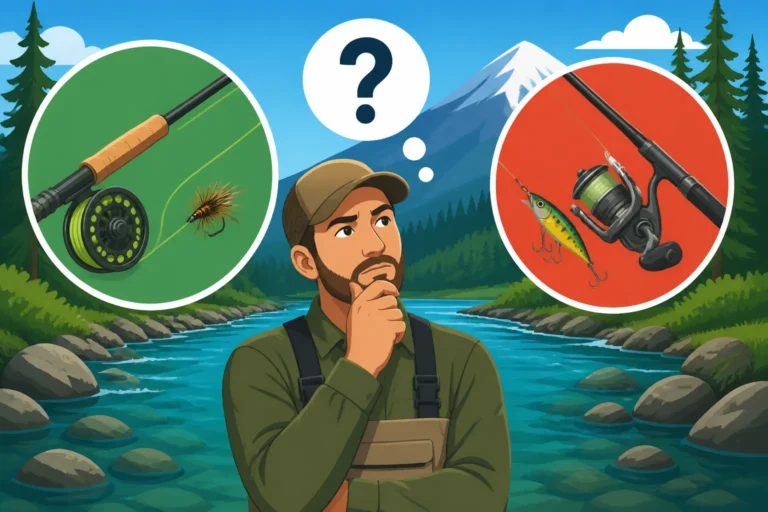
While Wallowa Lake isn't primarily known as a fly-fishing destination in the same vein as some of Oregon's famous rivers, it does offer some compelling opportunities, particularly in specific areas and seasons. Fly anglers will find their best chances targeting rainbow trout, especially during the spring and fall.
The shallower coves, the mouth of the Wallowa River, and areas with aquatic vegetation can be prime spots. For trout, try stripping streamers (like Woolly Buggers in olive, black, or brown) along drop-offs or near structure. During insect hatches, dry flies can be incredibly exciting, though hatches on a large, deep lake can be sporadic. Nymphing with patterns that imitate chironomids or caddis larvae can also be productive when fished under an indicator.
For the adventurous fly angler, even Kokanee can be targeted with specialized fly gear. This usually involves trolling small, brightly colored nymphs or micro-leeches with a sinking line or lead core line to get them to the proper depth. It's a challenging but highly rewarding experience when you hook into a feisty Kokanee on a fly rod. Always be mindful of other boaters if you're fly fishing from a float tube or kayak.
Planning Your Wallowa Lake Fishing Adventure
A successful fishing trip to Wallowa Lake, like any grand adventure, requires a bit of planning. From understanding where to launch your boat to navigating the local regulations and even considering a professional guide, preparing beforehand will ensure your time on the water is as enjoyable and productive as possible.
Boat Launches and Access Points
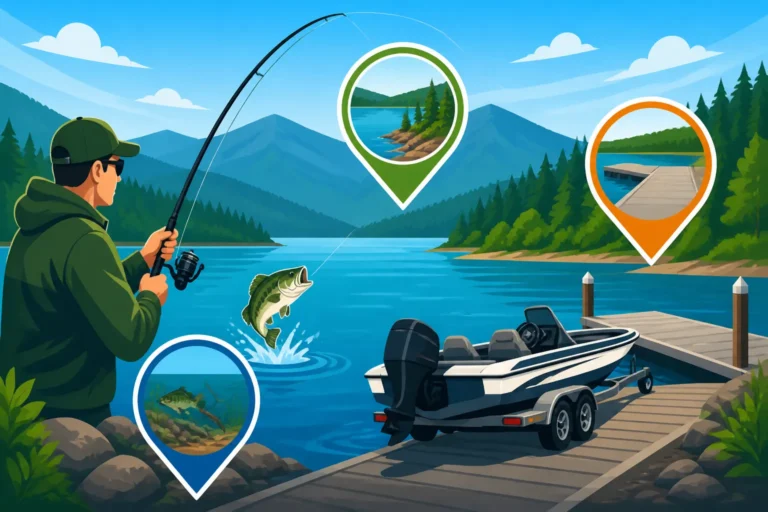
Wallowa Lake offers several key access points, primarily centered around Wallowa Lake State Park at the southern end of the lake. This is where you'll find the main public boat launch, which is well-maintained and provides ample parking for trailers. During peak season, this launch can get busy, so arriving early is often a good strategy, especially on weekends. There's usually a small fee required for launching your boat.
For shore anglers, the State Park also provides excellent access with various docks, designated fishing areas, and shoreline paths. The town of Joseph, at the north end of the lake, also has some limited access points, though these are typically smaller and might be less suitable for larger boats. If you're staying at one of the many cabins or vacation rentals around the lake, inquire about private dock access, which can offer convenient fishing right from your doorstep. Kayak and canoe enthusiasts can launch from most accessible points, providing a quieter way to explore the lake's edges.
Gear Essentials and Local Supplies
Before heading out, make sure your gear is up to snuff for Wallowa Lake's demands. For Kokanee and trout, a medium-light to medium action rod paired with a spinning or level-wind reel spooled with 8-12 lb test monofilament or braided line is a good starting point. If you're serious about deep-water trolling, a downrigger setup is almost a necessity. For Mackinaw, you'll want a heavier setup—a medium-heavy rod with a robust baitcasting or conventional reel capable of handling 15-30 lb test line, plus leaders of 20-40 lb fluorocarbon.
Don't forget the terminal tackle: a good selection of dodgers, flashers, Kokanee jigs, wedding rings, various spoons, and heavy jigs for Mackinaw. Bait like shoepeg corn (often soaked in scents), worms, and PowerBait are always good to have. Always pack layers of clothing, rain gear, sunscreen, a hat, and plenty of water, as mountain weather can change quickly.
If you find yourself needing supplies or forgot something crucial, the town of Joseph and Enterprise nearby have a few local sporting goods stores or general stores that often carry basic fishing tackle, bait, and local advice. These local shops can be invaluable resources for up-to-the-minute fishing reports or specific lure recommendations for the current bite.
Understanding Oregon Regulations Specific to Wallowa Lake
One of the most critical aspects of any fishing trip in Oregon is understanding and adhering to the regulations. The Oregon Department of Fish and Wildlife (ODFW) publishes comprehensive regulations annually, and Wallowa Lake often has specific rules that differ from statewide general regulations. Ignorance of the rules is not an excuse, and violations can lead to hefty fines or even loss of fishing privileges, as outlined in our guide to Oregon Fishing Violations and Penalties.
You will definitely need an Oregon Fishing License Guide, and depending on what you're targeting, you might need additional tags or endorsements. For example, while a combined angling tag is often required for salmon and steelhead, Kokanee are often under a separate daily bag limit which can be quite generous at Wallowa Lake. Mackinaw also have specific size and bag limits. Always check the current ODFW Sport Fishing Regulations booklet, specifically for the Northeast Zone and any Wallowa Lake-specific entries, before you even cast your first line. You can often find a physical copy at license vendors or download it directly from the ODFW website. Pay close attention to bag limits, size restrictions, and any gear restrictions.
Hiring a Guide: Making the Most of Your Trip
For many, especially those unfamiliar with Wallowa Lake or deep-water trolling techniques, hiring a professional fishing guide can be an invaluable investment. A local guide brings years of experience, intimate knowledge of the lake, and specialized equipment like top-tier boats, electronics, and downriggers. They know where the fish are holding, what they're biting on, and the nuances of presenting a lure effectively.
A guide can teach you techniques, help you understand fish behavior, and put you on fish faster than you might manage on your own. This is particularly beneficial if you're targeting species like Kokanee or Mackinaw that require specific methods. Many guides offer half-day or full-day trips, and it's a fantastic way to learn the ropes. When looking for a guide, check out resources like FishingBooker, where you can find reputable local guides specializing in Wallowa Lake. Reading reviews and comparing offerings will help you choose the right fit for your group and target species. Whether you're a seasoned angler looking to refine your skills or a complete novice, a guided trip can transform your Wallowa Lake experience from a hopeful outing into a successful and educational adventure. It's often worth the cost to maximize your enjoyment and learning curve on the water, especially on a unique fishery like this.
Wallowa Lake Fishing Quick Reference
To help you quickly glance at some key information, here’s a table summarizing the main species, ideal seasons, and primary fishing methods at Wallowa Lake. This is a general guide; always consult current ODFW regulations for specifics.
| Fish Species | Best Seasons | Primary Techniques | Typical Size Range (inches) | Notes |
|---|---|---|---|---|
| Kokanee Salmon | Spring, Summer, Early Fall | Trolling (dodger/flasher with corn) | 10-14, up to 18+ | Feisty, excellent table fare. Found suspended. |
| Rainbow Trout | Spring, Summer, Fall | Trolling, Shore/Dock Fishing (bait/lures) | 8-16, up to several pounds | Regularly stocked, accessible. |
| Lake Trout (Mackinaw) | Summer, Fall, Winter | Deep Trolling (large spoons/plugs), Jigging | 15-30, up to 40+ lbs | Deep water, trophy fish. Requires heavy gear. |
| Smallmouth Bass | Summer | Casting (jigs, crankbaits, plastics) | 10-16 | Warmer, shallower rocky areas. Aggressive fighters. |
| Yellow Perch | Summer | Light Tackle (worms, small jigs) | 6-10 | Less common target, can provide panfish action. |
Remember, this table is a snapshot. Conditions can vary, so local knowledge, current fishing reports, and consulting the official Oregon Fishing Regulations Explained are always recommended.
Disclaimer
Fishing conditions and regulations in Oregon, including at Wallowa Lake, can change frequently due to environmental factors, fish stock assessments, and management decisions by the Oregon Department of Fish and Wildlife (ODFW). While we strive to provide the most accurate and up-to-date information, it is essential that all anglers consult the current official ODFW Sport Fishing Regulations booklet and any in-season updates before planning and executing their fishing trips. Always prioritize safety, practice ethical angling, and respect the natural environment.