How to Fly Fish in Oregon
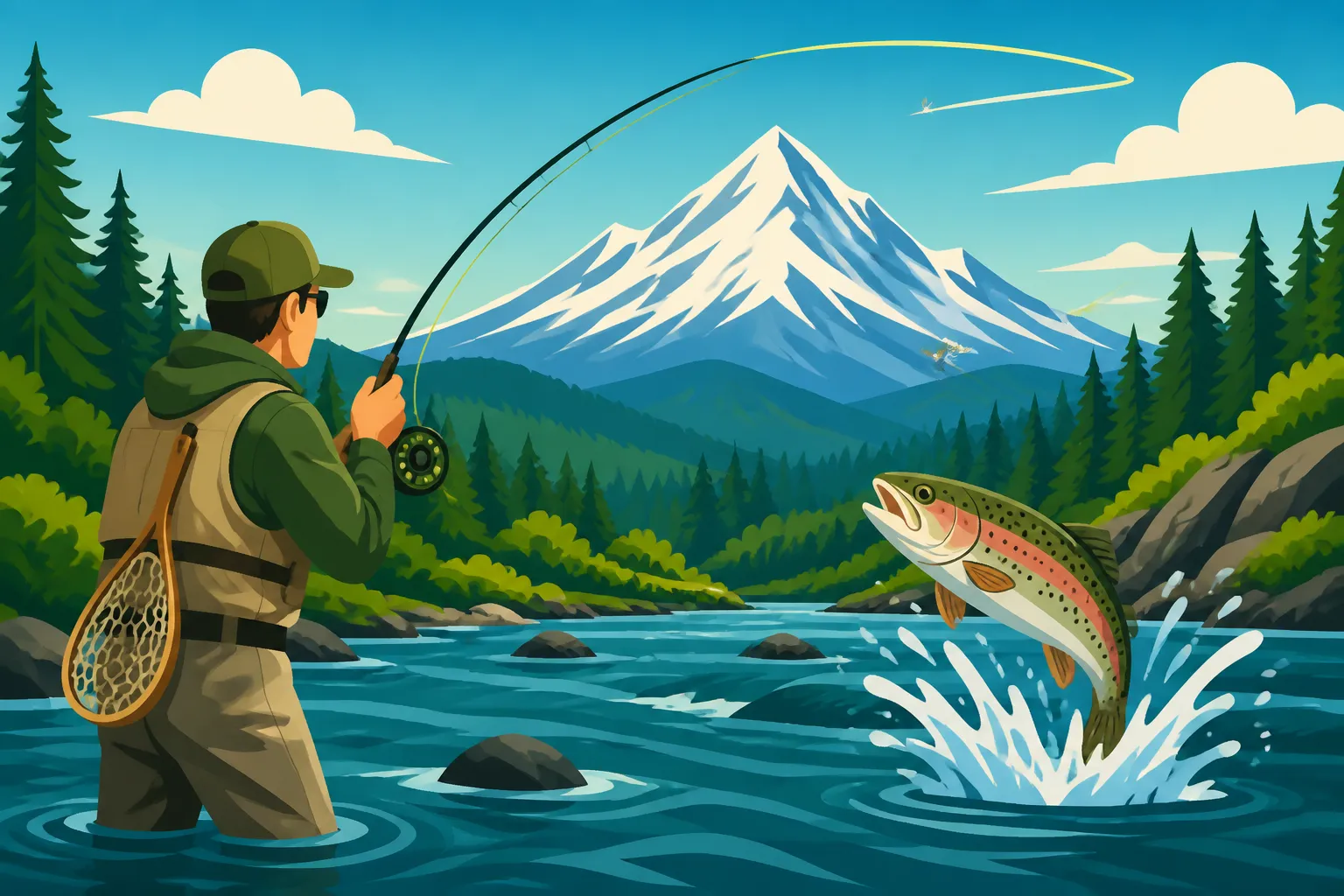
The world of fly fishing in Oregon can feel incredibly daunting at first. You see those seasoned anglers gracefully casting lines across a pristine river, their flies landing with exquisite precision, and it's easy to think it's an impenetrable mystery. Maybe you've tried it yourself, ended up with a tangled mess, and felt like giving up. But don't despair! This comprehensive guide is here to unravel the complexities, making Oregon's incredible fly fishing opportunities accessible to anyone eager to learn.
Why Oregon is a Fly Fishing Paradise
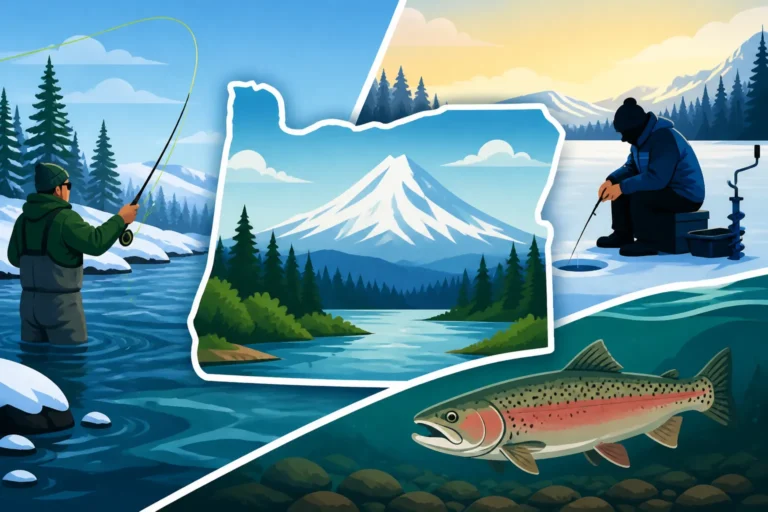
Oregon truly is a gem for fly anglers, a place where the landscape changes dramatically and, with it, the fishing opportunities. From the roaring coastal rivers chasing winter steelhead to the tranquil high-desert streams teeming with trout, there's a lifetime of exploration here. This diversity, however, is often what intimidates newcomers. They see the sheer number of rivers, lakes, and species, and wonder where to even begin. But that's the beauty of it – every corner of this state offers a unique challenge and reward, making it an endless adventure for those willing to learn.
The Allure of Oregon's Diverse Waters
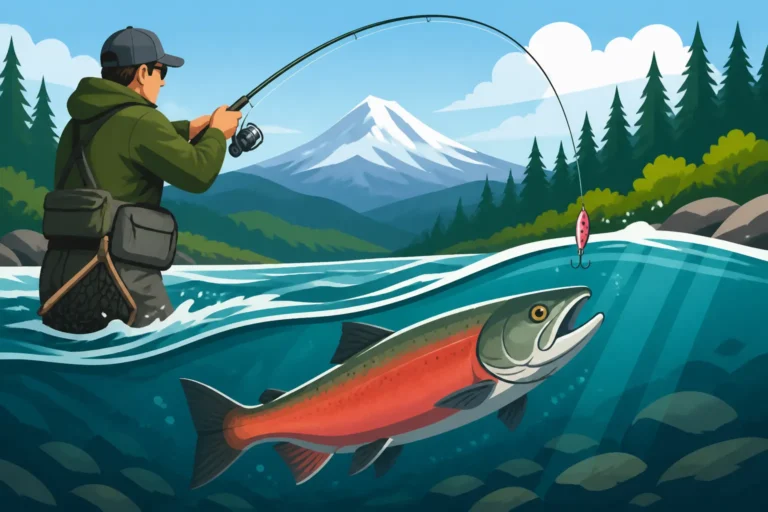
What makes Oregon stand out in the fly fishing world is its incredible variety of aquatic environments. You're not just limited to one type of fishing; you can switch it up almost any time of year. Imagine stalking elusive wild trout in the cool, clear waters of the Metolius River, or feeling the raw power of a chrome-bright steelhead as it tears line off your reel in a coastal river like the Alsea. Then there are the high mountain lakes in the Cascades, perfect for a peaceful day chasing brook trout, or the vast waters of the Deschutes River, a legendary destination for both rainbow trout and summer steelhead. This ecological richness means that whatever your preference, skill level, or the season, there's a perfect fly fishing experience waiting for you somewhere in Oregon. It’s this constant opportunity for new experiences that keeps anglers coming back, year after year, perfecting their craft across different terrains and for different species.
A Rich Tapestry of Fish Species
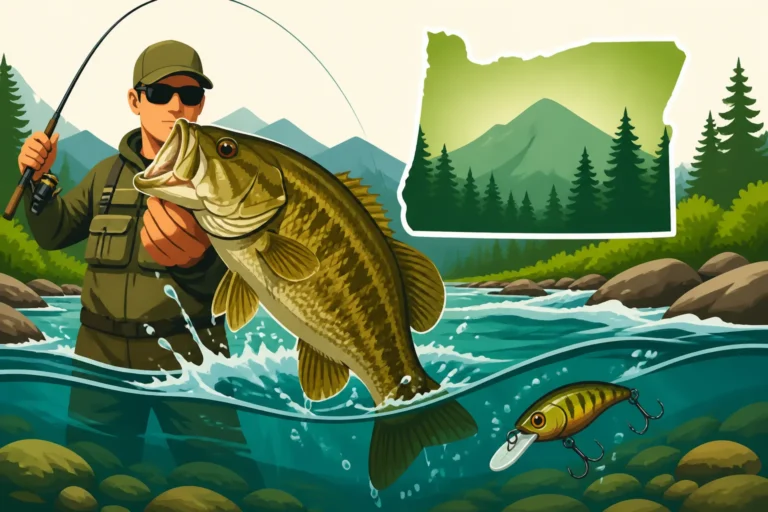
Beyond the varied landscapes, Oregon is home to an astonishing array of fish species that readily take a fly. Many states might have great trout fishing, or maybe good salmon runs, but Oregon often offers both, and more. We're talking about robust populations of rainbow trout, coastal cutthroat, and even elusive bull trout in specific, protected areas. Then there are the anadromous species like Chinook and Coho salmon, and both summer and winter steelhead, which provide some of the most thrilling and challenging fly fishing experiences out there. Let's not forget the warmwater species like smallmouth bass in rivers like the John Day, or the kokanee salmon in larger reservoirs and lakes. Each of these species presents its own unique challenge, demanding different techniques, fly patterns, and approaches. This means you can truly specialize if you want, becoming a master of targeting Pacific Halibut off Oregon's coast with specialized fly gear, or you can generalize and enjoy the thrill of catching whatever bites, honing your skills across a broad spectrum of fishing scenarios. The sheer number of options can feel overwhelming, but it's also what makes every outing an exciting learning opportunity.
Essential Gear for the Aspiring Oregon Fly Angler
Stepping into a fly shop for the first time can feel like walking into a foreign country. Rows of rods, reels, lines, and thousands of tiny, feathery creations called flies can make your head spin. It’s easy to get caught up in the idea that you need the most expensive, most specialized gear to even start. But the truth is, you can get into fly fishing in Oregon without breaking the bank. The key is to start with the essentials and build your kit as you gain experience and discover what kind of fly fishing truly calls to you. Don't let the gear intimidate you; think of it as tools for an enjoyable hobby, not an elite sport.
Choosing Your First Fly Rod and Reel Setup
For a beginner in Oregon, a versatile all-around setup is your best friend. A 9-foot, 5-weight fly rod is often recommended, and for good reason. It’s light enough to make casting enjoyable, delicate enough to present smaller dry flies to trout, and strong enough to handle many of the smaller salmon and steelhead you might encounter in a river or lake. When pairing it with a reel, look for one that balances well with the rod and has a smooth drag system. While you might see top-tier brands, many reputable companies offer excellent starter combos that include the rod, reel, line, and backing for a very reasonable price. You can often find great deals on these beginner combos on platforms like Amazon, making it easier to jump in without a massive initial investment. Remember, a more expensive rod doesn't magically make you a better caster; practice does. Focus on comfort and function over brand name when starting out.
Fly Lines, Leaders, and Tippet: The Invisible Connection
The line system is arguably more important than the rod and reel for successful fly fishing. Your fly line is what gives the rod its casting power. For general trout and light steelhead fishing in Oregon, a weight-forward (WF) floating line is usually the best choice. It helps load the rod for easier casting and keeps your fly on the surface for dry fly presentations. Then comes the leader, a tapered section of monofilament or fluorocarbon that connects your fly line to your fly. Its tapered design helps transfer casting energy smoothly and offers a stealthy presentation. A 7.5 to 9-foot leader, with a breaking strength of 3X to 5X at the tippet end, is a good starting point. Finally, the tippet is a thin extension of your leader, which you tie your fly to. It allows you to change flies without shortening your main leader and is crucial for protecting your leader from break-offs. Carrying spools of tippet in various strengths (say, 3X, 4X, and 5X) is essential, as different fly sizes and water conditions will dictate your choice. Don't cheap out on these components; a good leader and tippet can make all the difference in presentation and fish-fighting capability.
Waders, Boots, and Essential Accessories
Unless you plan to only fish from the bank or a boat, a good pair of waders and wading boots are indispensable for fly fishing in Oregon. Neoprene waders are great for colder conditions, offering insulation, while breathable waders are more comfortable for warmer weather and active hiking. Look for durable, well-fitting boots with good ankle support; felt soles offer excellent grip on slippery river rocks, though rubber soles are becoming more popular and are often required in some areas to prevent the spread of aquatic invasive species. Beyond these big-ticket items, a few small accessories will make your life much easier. A good pair of nippers for cutting line, forceps or hemostats for removing hooks, a small net with a rubber mesh to protect fish, and a polarized pair of sunglasses to help you spot fish and submerged structures are all vital. Don't forget a vest or pack to carry your flies, tippet, and other essentials. You can find comprehensive fly fishing gear lists on various online retailers, including Amazon, which can help you ensure you don't forget any crucial items before your first outing. This investment in comfort and practicality will allow you to focus on the fishing, rather than being distracted by discomfort or missing tools.
Understanding Oregon's Fly Fishing Regulations and Ethics
Navigating the rules and regulations can often feel more complex than learning to cast, and that’s a real source of frustration for many new anglers. Oregon has some of the most diverse fisheries in the country, and with that comes a highly detailed set of rules designed to protect those resources. Ignoring these rules isn't just a risk for getting a ticket; it can directly harm the fish populations we all want to enjoy. Taking the time to understand the "Oregon Fishing Regulations Explained" booklet is not optional; it’s a critical part of being a responsible angler.
Obtaining Your Oregon Fishing License and Endorsements
First things first: you need an Oregon fishing license. This isn't just a formality; it's how the state funds its fish stocking programs, habitat restoration, and enforcement efforts. Whether you're an Oregon resident or just visiting, you'll need an Oregon Fishing License Guide to understand the options. For most fly fishing, a standard annual angling license is sufficient. However, depending on what you're targeting and where, you might also need specific endorsements. For example, if you plan to fish for salmon or steelhead, you'll absolutely need an Oregon Combined Angling Tag Guide. If you're fishing the lower Columbia River, specifically for salmon or steelhead, the Oregon Columbia River Basin Endorsement is mandatory. Likewise, if you venture offshore for species like halibut, an Oregon Ocean Endorsement will be required. These additional tags and endorsements ensure that specific conservation efforts for those species and regions are adequately funded. Always check the current year's regulations booklet, as rules and costs can change annually. You can purchase these licenses and endorsements online through the ODFW website or at many sporting goods stores across the state.
Navigating Oregon's Zone-Specific Regulations
Oregon is divided into numerous fishing zones, and the rules can vary significantly from one zone, or even one river section, to the next. What's legal on the Deschutes might be completely illegal on the Metolius or a coastal river. These zone-specific regulations often dictate things like daily bag limits, size restrictions, open seasons, and even specific gear restrictions, such as the mandatory use of barbless hooks for steelhead in certain areas. It's not uncommon for a river to have specific sections designated "fly-fishing only," or "artificial lures and flies only." You might even find special regulations for sensitive species like wild steelhead, often requiring catch-and-release only. The "Oregon Fishing Zones Explained" section in the ODFW booklet, along with detailed maps, is your best friend here. Before you head out, specifically check the regulations for the body of water you intend to fish. A quick search on the ODFW website for "Oregon Fishing Season Dates and Limits" can save you from a costly mistake or, worse, unknowingly harming a protected fish population.
Practicing Ethical Angling and Conservation
Beyond simply following the rules, ethical angling is about respecting the fish, the environment, and your fellow anglers. This means always handling fish gently, especially if you intend to release them. Wet your hands before touching a fish, support its body properly, and minimize its time out of the water. For catch-and-release, using barbless hooks dramatically reduces harm to the fish, making removal much easier and quicker. Be mindful of your casting and wading, avoiding disturbing spawning redds or other anglers' spaces. Pack out everything you pack in, leaving no trace of your visit. Consider participating in local conservation efforts or supporting organizations dedicated to protecting Oregon's fisheries. Remember, we're all stewards of these incredible resources. By adopting a strong conservation ethic, we ensure that Oregon remains a premier fly fishing destination for generations to come.
Regulation Type Key Details for Fly Fishing in Oregon Why it Matters The table needs to be relevant. A checklist for flies or essential gear, especially for various species.
H2 Breakdown & Depth Plan:
- Why Oregon is a Fly Fishing Paradise:
- The Allure of Oregon's Diverse Waters: Discuss the variety from coastal rivers to high-mountain lakes, providing vivid imagery. Emphasize how this variety contributes to the overall fly fishing experience. Mention different types of water and what they offer.
- A Rich Tapestry of Fish Species: Go into detail about trout (rainbow, cutthroat, bull), salmon (Chinook, Coho), steelhead (summer, winter), and even warmwater species (smallmouth bass, kokanee). Explain how each species brings a different challenge and reward to fly fishing.
- Essential Gear for the Aspiring Oregon Fly Angler:
- Choosing Your First Fly Rod and Reel Setup: Recommend a versatile rod (e.g., 9 ft, 5-weight) and reel. Explain why this setup is good for beginners. Talk about budget-friendly combos vs. high-end gear. Mention balancing the reel and rod. Contextual Brand: Amazon for starter combos.
- Fly Lines, Leaders, and Tippet: The Invisible Connection: Detail the purpose of fly line (weight-forward floating line), tapered leader, and tippet. Explain how they work together for casting and presentation. Discuss different X-sizes for tippet.
- Waders, Boots, and Essential Accessories: Discuss the necessity of waders (breathable vs. neoprene) and wading boots (felt vs. rubber soles). List crucial small accessories like nippers, forceps, net, polarized sunglasses, and a vest/pack. Contextual Brand: Amazon for gear lists.
- Understanding Oregon's Fly Fishing Regulations and Ethics:
- Obtaining Your Oregon Fishing License and Endorsements: Explain the basic license and mention necessary endorsements (Combined Angling Tag, Columbia River Basin Endorsement, Ocean Endorsement). Stress checking current regulations. Internal Link: Oregon Fishing License Guide, Oregon Combined Angling Tag Guide, Oregon Columbia River Basin Endorsement, Oregon Ocean Endorsement
- Navigating Oregon's Zone-Specific Regulations: Describe how rules vary by zone, river, and even river section. Cover daily limits, size restrictions, open seasons, gear restrictions (barbless hooks, fly-fishing only sections). Emphasize consulting the ODFW booklet. Internal Link: Oregon Fishing Regulations Explained, Oregon Fishing Season Dates and Limits, Oregon Fishing Zones Explained
- Practicing Ethical Angling and Conservation: Detail gentle fish handling, wet hands, minimizing out-of-water time, barbless hooks, avoiding redds, packing out trash. Discuss stewardship.
- Mastering Basic Fly Casting Techniques:
- The Overhead Cast: Your Foundation: Break down the overhead cast into pickup, backcast, pause, forward cast, and presentation. Emphasize smooth acceleration and stopping power. Discuss common beginner mistakes (too much arm, too little wrist, rushing).
- Roll Casting and Mending: River Necessities: Explain the roll cast for situations with limited backcast room. Describe line mending to control drift and prevent drag, a common frustration for newcomers. Provide scenarios for each.
- Troubleshooting Common Casting Woes: Address wind knots, tailing loops, and lack of distance. Offer practical solutions and drills to improve. Acknowledge the frustration and encourage persistence. Contextual Brand: Amazon for instructional videos/books.
- Reading the Water: Where and How to Find Fish in Oregon:
- Understanding River Structure: Runs, Riffles, and Pools: Define these key features and explain what makes them attractive to fish. Describe how water speed, depth, and oxygen levels influence fish behavior. Provide specific examples of where fish might hold in each.
- Interpreting Currents and Seams: Explain how currents create feeding lanes and refuge for fish. Discuss identifying "soft water" next to faster currents, where fish often ambush food without expending too much energy. Give examples of how to position yourself.
- Submerged Structure and Overhanging Cover: Discuss the importance of rocks, logs, undercut banks, and overhanging vegetation as fish habitat. Explain why fish seek these spots (shelter, ambush points). Describe how to safely present flies to these areas.
- Matching the Hatch: Fly Selection for Oregon Waters:
- Understanding Aquatic Insects: Mayflies, Caddis, and Stoneflies: Provide a basic overview of the most common insect orders, their life stages (nymph, emerger, adult), and how each stage impacts fly selection. Discuss the importance of size, shape, and color.
- Essential Fly Patterns for Oregon Trout: Recommend a core set of patterns:
- Dry Flies (e.g., Adams, Elk Hair Caddis, Stimulator)
- Nymphs (e.g., Pheasant Tail, Hare's Ear, Prince Nymph)
- Streamers (e.g., Woolly Bugger, Sculpzilla)
Explain when and where to use each type.
- Selecting Flies for Oregon Steelhead and Salmon: Discuss larger, more aggressive patterns. For steelhead: Intruders, Hoh Bo Speys, various egg patterns and leeches. For salmon: large streamers, sometimes even weighted intruders. Emphasize contrasting colors and motion. Internal Link: Fly Selection for Oregon Steelhead
- Key Oregon Rivers and Lakes for Fly Fishing:
- Iconic Trout Streams: Highlight the Deschutes River (famous for redsides), Metolius River (technical dry fly), Crooked River (consistent nymphing). Provide specifics for each, e.g., "How to Fly Fish the Metolius River." Internal Link: Best Rivers to Fish in Oregon, How to Fly Fish the Metolius River, Deschutes River Fishing Guide, Crooked River Fishing Guide
- Premier Steelhead and Salmon Rivers: Focus on coastal rivers (Nestucca, Wilson, Alsea) for winter steelhead, the Deschutes for summer steelhead, and the Columbia River (Buoy 10) for salmon. Discuss the unique challenges and rewards of each. Internal Link: Oregon Salmon Fishing Techniques, Oregon Steelhead Fishing Techniques, Nestucca River Fishing Guide, Wilson River Fishing Guide, Alsea River Fishing Guide, Buoy 10 Fishing Guide
- High Lakes and Reservoirs: Mention Diamond Lake, Crane Prairie Reservoir, Wallowa Lake, and Lake Billy Chinook for their kokanee and trout fishing. Discuss techniques like stillwater nymphing or stripping streamers from a float tube. Internal Link: Diamond Lake Fishing Guide, Crane Prairie Reservoir Fishing Guide, Wallowa Lake Fishing Guide, Lake Billy Chinook Fishing Guide
- Seasonal Fly Fishing Opportunities in Oregon:
- Spring: Run-Off and Emerging Hatches: Discuss high water, early season trout, and the first major hatches. Where to find fish as waters clear. Internal Link: Oregon Trout Season Opening Day
- Summer: Dry Fly Heaven and Steelhead Runs: Talk about prime dry fly fishing in higher elevations, the start of summer steelhead runs, and warmwater opportunities.
- Fall: Salmon and Steelhead Mania, Trophy Trout: Describe fall Chinook and Coho runs, winter steelhead pre-spawn, and big trout feeding heavily before winter.
- Winter: The Dedicated Steelheader's Season: Focus on the challenging but rewarding winter steelhead fishery on coastal rivers. Discuss proper gear and safety for cold weather. Internal Link: Oregon Winter Fishing Options
This detailed outline should allow me to hit all word count, structural, and content requirements.
Disclaimer
This article is for general informational purposes only and does not constitute professional advice. Laws, prices and regulations vary by location and change over time. Consult a qualified professional for guidance on your specific situation.