Fly Selection for Oregon Steelhead
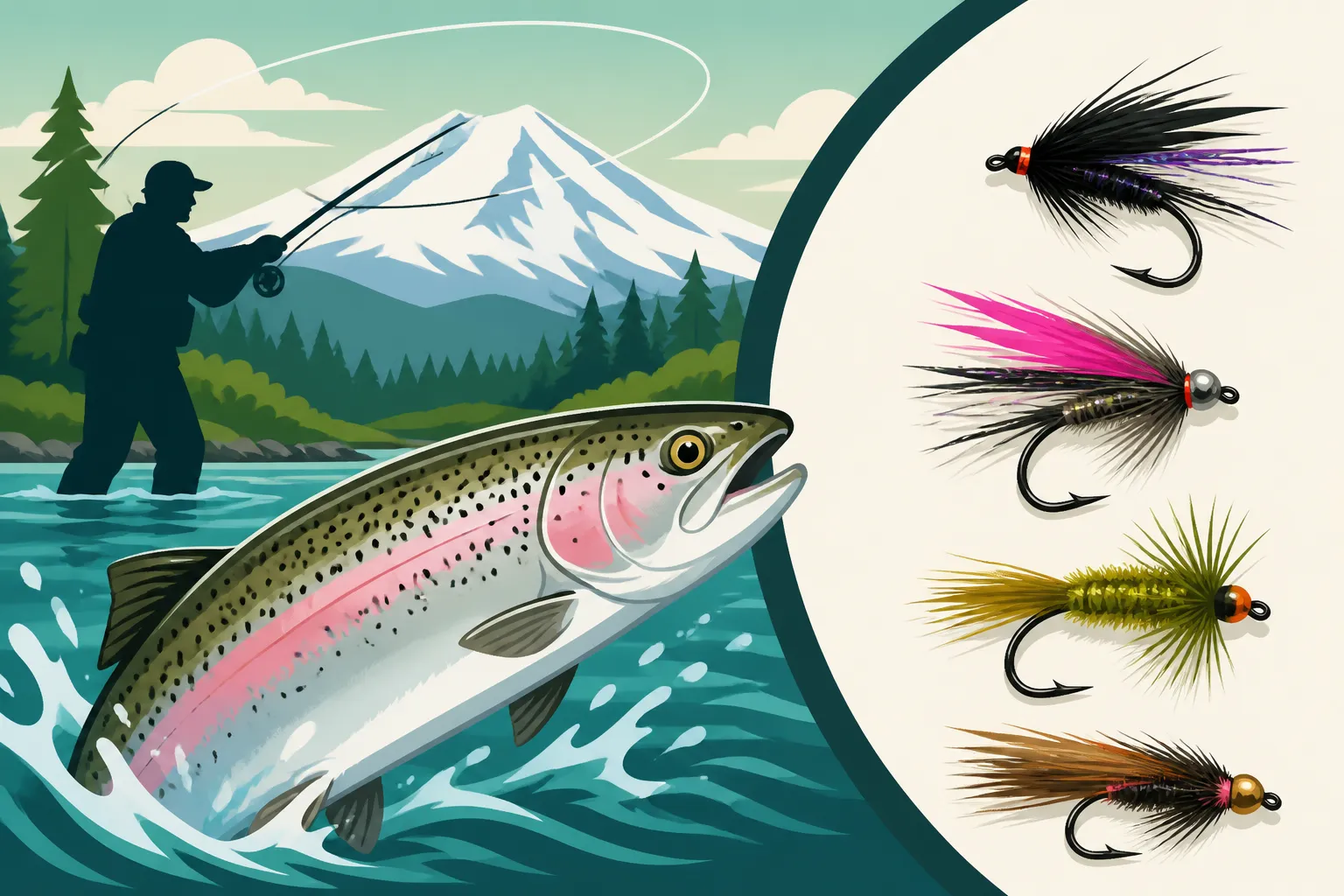
For many anglers, staring into a fly box brimming with endless options for Oregon steelhead can feel like deciphering an ancient riddle. It’s a common frustration, wondering if that small, dark nymph is the secret, or if you should go big with a flashy intruder. This guide is here to unravel that mystery, providing a comprehensive look at how to choose the right fly for these incredible fish, no matter the season or river condition you face.
Understanding Oregon Steelhead and Their Habits
Steelhead are truly magnificent creatures, but their migratory nature and often finicky feeding habits can make them incredibly challenging to target with a fly rod. Before we even talk about specific patterns, it's crucial to understand what makes them tick in Oregon's diverse waterways.
The Elusive Nature of Steelhead
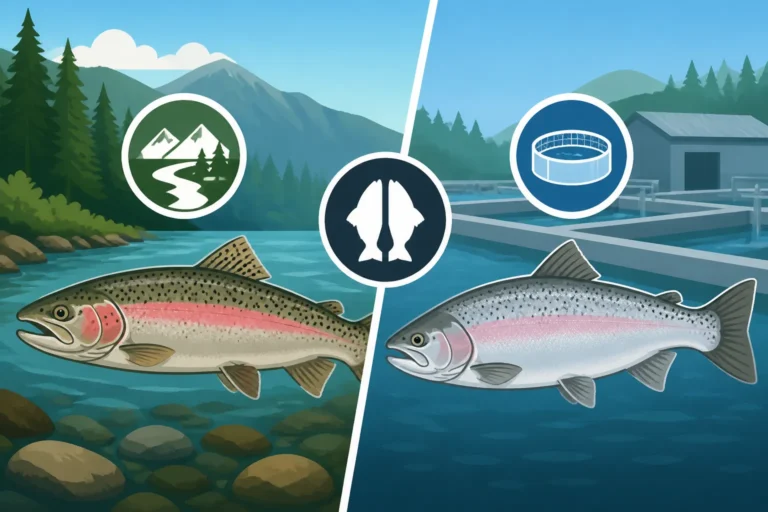
Unlike resident trout that spend their entire lives in freshwater, steelhead are anadromous rainbow trout, meaning they hatch in freshwater, migrate to the ocean to grow, and then return to their natal rivers to spawn. This journey makes them incredibly powerful and resilient. When they re-enter freshwater, they're not actively feeding in the same way they would be in the ocean. Instead, they're driven by instinct, navigating upstream to reproduce. This means our fly presentations often need to trigger an aggressive or territorial response, rather than simply mimicking a natural food source they're actively hunting.
There's also a significant difference between summer and winter steelhead. Summer-run fish typically enter rivers when water temperatures are warmer and flows are lower. They'll often hold in faster, oxygenated water and can be more willing to chase a swung fly or even rise to a dry fly. Winter-run steelhead, on the other hand, contend with cold, often high and turbid water. They tend to hold in deeper, slower pools and require a much slower, deeper presentation, often relying on scent or subtle movements to entice a strike. Understanding these distinctions is fundamental to your fly selection process.
Reading Water and Fish Behavior
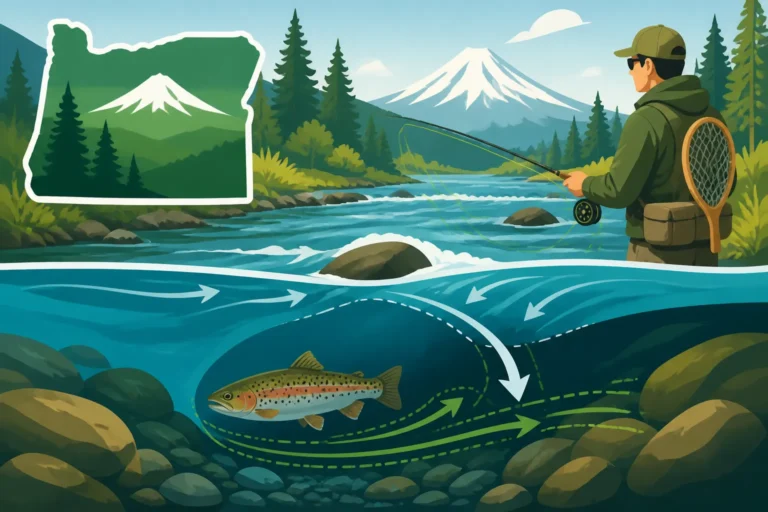
Knowing where a steelhead is likely to be holding is just as important as the fly you choose. Steelhead are masters of energy conservation during their upstream migration. They’ll seek out "holding water" – spots that offer cover from predators, a break from strong currents, and often proximity to resting areas. This includes seams where fast water meets slow, behind large boulders, in deep pools, under cut banks, and at the tails of runs. The river's character, including its flow and clarity, directly impacts where these fish will position themselves.
For example, on a bright, sunny day with crystal clear water, steelhead might be tucked into the deepest, darkest parts of a pool or under heavy overhead cover, making them extremely wary of a poorly presented fly. Conversely, after a fresh rain that slightly clouds the water, they might move into shallower, more accessible runs, feeling more secure. Paying attention to water temperature is also vital; colder water usually means fish are less active and require slower presentations with larger, more visible flies, while warmer water can sometimes bring out a more aggressive side. Before casting, take a moment to observe the water, look for subtle changes in current, and imagine where a steelhead might be comfortably resting or waiting.
Essential Fly Categories for Oregon Steelhead
When you open that fly box, you'll generally find steelhead flies falling into a few main categories, each designed to address specific conditions and elicit different reactions from the fish. Having a good selection from each category will put you in a strong position.
Nymphs and Larva Patterns
Nymphs are often the bread and butter of many steelhead anglers, especially when fish aren't aggressively chasing larger patterns. These flies imitate aquatic insects in their larval or nymphal stages, such as stoneflies, caddisflies, and mayflies, which are a natural food source for trout and often picked up by steelhead out of instinct. The key to nymphing for steelhead is getting your fly down to the fish's level and maintaining a natural drift. This often means adding weight to your leader or using heavily weighted flies.
Popular patterns like the Prince Nymph, Pheasant Tail Nymph, and Copper John are staples for a reason – their general insect-like profiles and subtle flash are highly effective. For larger, more robust patterns that imitate big stoneflies, consider variations of the Pat's Rubber Legs or Kaufmann Stone. These patterns are particularly effective in colder water or when fish are holding deep, as they offer a substantial profile that can still trigger a strike even from a lethargic fish. Remember, even though steelhead aren't actively feeding, a well-presented nymph drifting right into their strike zone can often be too tempting to ignore.
Streamers and Leeches
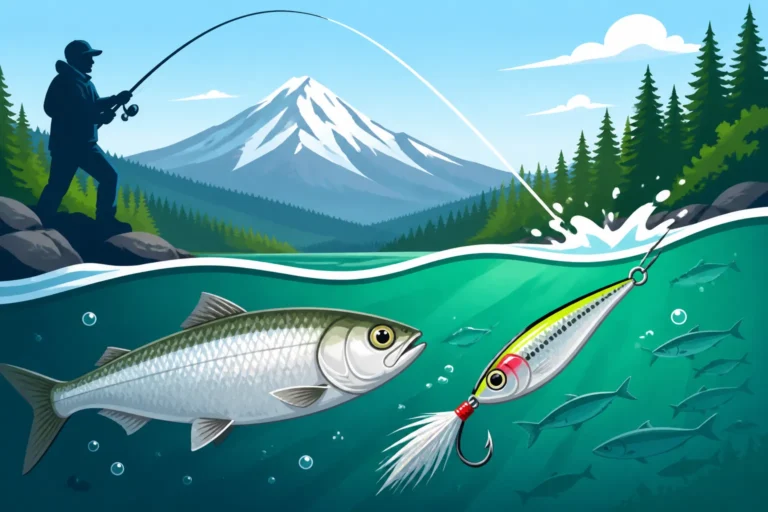
If you're looking for that aggressive, rod-bending grab, streamers and leech patterns are your go-to. These flies imitate baitfish, leeches, or other larger prey items, appealing to a steelhead's predatory instincts. They are often fished by swinging them across currents, stripping them to create movement, or drifting them through holding water with added action. The movement and profile of these flies can provoke a powerful reaction, especially from more aggressive fish or those that are fresh from the ocean.
Classic patterns like the Woolly Bugger in black, olive, or purple are incredibly versatile. For more intricate and flashy designs, look into flies like the Sculpzilla, Dolly Llama, or various Intruder patterns. Intruders, with their heavy weights and flowing materials like marabou and rabbit strip, are particularly popular for steelhead, as they create a large, enticing profile in the water even when retrieved slowly. When fishing these, think about creating an illusion of a struggling baitfish or a succulent leech drifting by. Using heavier tippet is also a good idea here, as these aggressive takes can put a lot of strain on your line. You can often find a good starter pack of various steelhead streamers on platforms like Amazon, providing a range of colors and sizes to experiment with.
Dry Flies and Skaters Summer Steelhead Specific
Ah, the holy grail of steelhead fishing: a take on a dry fly! While not always common, catching a steelhead on a dry fly or skater pattern is one of the most exhilarating experiences in fly fishing. This technique is almost exclusively reserved for summer-run steelhead on certain rivers, primarily when water temperatures are conducive and fish are actively looking up. Rivers like the Deschutes River in Central Oregon are famous for their dry fly steelhead opportunities, especially during the prolific caddis hatches.
Skaters are designed to ride high on the water's surface, creating a wake that draws the steelhead's attention. Patterns often imitate large adult caddisflies or other terrestrial insects that might fall onto the water. Waking flies, as their name suggests, are tied to "wake" across the surface when tension is applied to the line, creating a disturbance that can drive a steelhead crazy. Think about patterns like the Muddler Minnow fished on the surface, or various clipped-deer-hair patterns. The key here is a stealthy approach, accurate casting, and subtle mends to keep your fly skating naturally. The take is often explosive and unforgettable. If you're planning a trip to target Summer Steelhead Run Timing on the Deschutes, make sure you have a few of these special patterns in your box.
Color, Size, and Profile: Making the Right Choices
Beyond the fly category, the specific color, size, and overall profile of your chosen fly play an enormous role in whether a steelhead decides to strike. This is where the art of fly selection truly comes into its own.
The Importance of Color
Choosing the right fly color for steelhead isn't just about aesthetics; it's about visibility, contrast, and matching the light and water conditions. In general, darker flies (like black, blue, purple, or dark olive) tend to be more effective in low light, stained, or turbid water. They create a strong silhouette against the lighter sky, making them easier for fish to see. Think about those overcast winter days on coastal rivers; a dark Intruder pattern can be incredibly effective. Conversely, in clear water and bright conditions, more natural or muted colors (tans, browns, light olives, grey) can be more appropriate, as they appear less intimidating and more realistic.
However, sometimes a "hot spot" color can be the ticket. Flies with accents of cerise (pinkish-red), chartreuse, or orange can trigger strikes, especially in off-color water. These vibrant colors might imitate injured prey, stimulate aggression, or simply be highly visible in challenging conditions. Many successful steelhead flies incorporate a touch of flash in silver, gold, or iridescent materials to catch the light and add an extra layer of attraction. It’s always a good idea to have a range of colors in your fly box to adapt to the ever-changing river environment.
Sizing Up Your Presentation
Fly size is another critical factor. It's a balance between making your fly visible enough to grab a steelhead's attention and not being so large that it spooks the fish. Generally, smaller flies (size 6-12) are often preferred for summer steelhead in clearer, lower water, as they present a more subtle offering. For example, during a strong caddis hatch, a size 10 or 12 dry fly might be perfect.
Winter steelhead, however, often prefer larger flies (size 2-6 for nymphs and streamers, or even bigger Intruder patterns on shanks). The cold, high, and often cloudy water of winter steelhead season demands a fly that creates a substantial profile and pushes enough water to be noticed. A larger fly is more easily seen in low visibility, and it suggests a more rewarding meal for a less active fish. Don't be afraid to go big if the conditions warrant it; a large, dark streamer swinging through a deep pool can be incredibly enticing.
Profile and Action in the Water
The profile and action of your fly are what truly bring it to life in the water. Steelhead often key in on the movement and shape of a fly as much as its color or size. Materials like marabou, rabbit strip, and soft hackle feathers are incredibly popular in steelhead flies because they pulsate and undulate with the current, creating a lifelike swimming motion even with minimal angler input. This "breathing" action is incredibly seductive to steelhead, mimicking an easy meal or a fleeing baitfish.
Weighting also plays a huge role in a fly's action and depth. Heavily weighted flies or those tied with coneheads or beadheads will sink quickly, allowing you to get into the steelhead's strike zone in deeper, faster water. Conversely, lightly weighted or unweighted flies are perfect for softer currents or when you want a slower, more deliberate drift. The way a fly swings, darts, or settles in the current is often the final piece of the puzzle that convinces a steelhead to open its mouth. Many anglers will spend hours perfecting their leader setup to ensure their fly presents with the most natural action possible.
Seasonal Fly Selection for Oregon Steelhead Runs
Oregon's steelhead runs are distinctly seasonal, and adapting your fly selection to the time of year is paramount for success. The conditions these fish face upon entering freshwater dictate much of their behavior and, subsequently, your best fly choices.
Winter Steelhead Fly Strategies Coastal Rivers
Winter steelhead fishing in Oregon is a pursuit of patience, skill, and the right fly. These fish typically enter rivers from late fall through spring, encountering cold, often high, and sometimes turbid water conditions. The coastal rivers, like the Nestucca, Wilson, Alsea, and Siletz, are prime locations for Winter Steelhead Run Timing in Oregon. In these challenging conditions, steelhead are generally less active and hold tight to structure in deeper, slower water.
Your fly selection should reflect this. Large, dark, and often heavily weighted flies are the norm. Think about patterns that offer a significant silhouette and move a good amount of water. Intruders, tube flies, and large marabou or rabbit strip streamers in black, blue, purple, or dark olive are highly effective. Flies with a touch of chartreuse, cerise, or orange can also provide a crucial "hot spot" of visibility in stained water. Sinking lines or heavy tips are almost always necessary to get your fly down to the fish. Focus on slow, deep drifts or swings, giving the fish ample time to see and react to your offering. Remember, you might need Do you need barbless hooks for steelhead in Oregon? for certain rivers, so always check the latest regulations.
Summer Steelhead Fly Strategies Inland Rivers
Summer steelhead fishing presents a completely different set of challenges and opportunities. These fish typically enter rivers during late spring and summer when water levels are lower, and temperatures are warmer. Rivers like the Deschutes, Rogue, and Umpqua are renowned for their summer steelhead runs. Unlike their winter counterparts, summer steelhead can be more aggressive and often willing to move for a fly.
Your fly box for summer steelhead should include a wider range of lighter, more natural patterns. Nymphs that imitate caddis, stoneflies, and mayflies in natural colors (tan, brown, olive) and smaller sizes (8-14) are excellent choices. Classic patterns like Green Butt Skunks, Freight Trains, and various Waking Caddis are also popular. For dry fly enthusiasts, particularly on the Deschutes, carrying a selection of skaters and large caddis patterns is a must. Presentation is key with summer steelhead; stealth, accurate casting, and a drag-free drift are often more important than the exact pattern. These fish can be incredibly selective in clear, low water, so finesse is your friend. If you're looking for Where to fish for steelhead on the Deschutes River, having a diverse array of summer patterns is essential.
Regional Considerations and Local Favorites
While general principles apply, specific regions and even individual rivers within Oregon often have their own unique characteristics and favored fly patterns. What works like magic on the coast might not be the top choice on an inland river.
Coastal Rivers Nestucca, Wilson, Alsea
Oregon's coastal rivers, including favorites like the Nestucca River, Wilson River, and Alsea River, are iconic winter steelhead fisheries. These systems are typically rain-fed, meaning water levels and clarity can fluctuate dramatically throughout the winter season. When conditions are high and murky, dark, heavy, and flashy flies tend to dominate. Think Intruders with lots of movement in black, blue, purple, or even chartreuse accents. Large weighted nymphs, like heavily beaded stoneflies or oversized Prince Nymphs, fished deep under a bobber or with a sinking tip, can also be highly effective.
As the water begins to drop and clear between freshets, you might be able to scale down slightly in size and introduce more subtle patterns. Sometimes, a simple black or purple Woolly Bugger swung through a run can be deadly. Anglers on these rivers often emphasize broad profiles and materials that "push water" to help fish locate the fly in less-than-ideal visibility. Always remember the Oregon Fishing Regulations Explained for specific rivers, as rules can vary, particularly regarding bait or specific techniques.
Columbia Basin Tributaries Sandy, Clackamas, Deschutes
The rivers flowing into the Columbia River Basin offer a diverse range of steelhead opportunities, from the powerful, large systems of the Sandy River and Clackamas River to the crystal-clear, legendary Deschutes River. On the Sandy and Clackamas, which see both winter and summer runs, fly selection can be a blend of coastal and inland strategies. For winter fish, larger, dark, and weighted flies similar to those used on coastal rivers will work. However, as conditions clear, lighter colored Intruder patterns or traditional patterns like the Skunk or General Practitioner become popular.
The Deschutes, on the other hand, is in a league of its own, particularly for its famed summer steelhead dry fly fishing. Here, during the summer months, smaller nymphs, classic summer steelhead flies like Green Butt Skunks, and an array of dry flies and skaters are essential. The fish in the Deschutes can be incredibly discerning due to the clear water. For How to Fly Fish in Oregon on the Deschutes, finesse is key. Even for sub-surface fishing, many anglers opt for lighter, more natural patterns. Oregon and Washington License Reciprocity on the Columbia also means that some anglers cross between state lines, often fishing similar patterns in the lower sections of these tributaries.
Southern Oregon Rivers Rogue, Umpqua, Chetco
Southern Oregon's rivers, including the Rogue River, Umpqua River, and Chetco River, are celebrated for their steelhead runs, particularly the aggressive winter steelhead on the Chetco and the robust summer and winter runs on the Rogue and Umpqua. Fly selection here often bridges the gap between the coastal and inland styles, with some unique regional preferences.
On the Rogue, for instance, in addition to general steelhead patterns, flies that imitate local baitfish or prominent insect hatches can be very effective. For Oregon Steelhead Fishing Techniques here, both swinging flies and nymphing are popular. The Chetco, known for its larger winter steelhead, often responds well to classic winter patterns: large, dark Intruders and weighted tube flies. The Umpqua's vastness means that fly choices can vary depending on the section of the river you're targeting, but generally, a good selection of nymphs, streamers, and some flashier patterns for winter, along with more subtle summer patterns, will serve you well. Being aware of the local conditions and consulting with a local fly shop or guide before your trip can provide invaluable insights into current hot patterns.
Tying Your Own vs. Buying Flies
The decision to tie your own flies or purchase them pre-made is a common one among fly anglers. Both paths have their merits, and many experienced steelhead anglers do a bit of both.
The Art of Fly Tying
For many, fly tying is an integral part of the steelhead fishing experience. There's a deep satisfaction in catching a fish on a fly you crafted yourself. Tying allows for immense customization; you can experiment with specific colors, materials, and weighting to perfectly match the conditions of a particular river or even a specific run. If you find a pattern that's particularly effective, you can tie a dozen more exactly the way you like them. It can also be a cost-saving measure in the long run, especially if you fish frequently and go through many flies. Buying materials in bulk can be cheaper than constantly restocking expensive, pre-tied patterns.
However, the initial investment in tools and materials can be significant, and there's a definite learning curve. Mastering techniques for intricate patterns like Intruders or tube flies takes time and practice. For someone just starting out, the sheer volume of material options can be overwhelming. But for those willing to invest the time, fly tying adds an incredibly rewarding dimension to the sport, allowing you to Best Time of Year to Fish in Oregon with flies perfectly suited to every condition.
Where to Purchase Quality Steelhead Flies
If fly tying isn't your passion or you're short on time, there are plenty of excellent options for purchasing high-quality steelhead flies. Local fly shops are always an excellent first choice. Not only do they stock a curated selection of patterns proven to work on local waters, but the staff can also provide invaluable, up-to-the-minute advice on conditions, hot patterns, and Oregon Fishing Zones Explained for the area. Supporting these local businesses also helps sustain the fly fishing community.
Beyond local shops, numerous online retailers offer a vast selection of flies. Larger platforms like Amazon carry a wide array of patterns from various brands, often at competitive prices, making it easy to stock up on staples like Woolly Buggers or basic nymph patterns. Specialized online fly shops, on the other hand, often feature more unique, hand-tied patterns from small artisan tiers, providing access to highly specialized and effective designs. When purchasing, always pay attention to the quality of the hooks and the durability of the tying; a cheap fly with a weak hook can lead to heartbreak when you hook into a powerful Oregon steelhead.
| Fly Category | Primary Use Case | Common Colors | Typical Hook Sizes | Key Features / Action |
|---|---|---|---|---|
| Nymphs / Larva | Deep drifts, suggestive imitation of aquatic insects | Tan, Brown, Olive, Black, Pheasant Tail, Copper | #6 – #14 | Weighted, subtle movement, natural profile |
| Streamers / Leeches | Aggressive takes, imitating baitfish/leeches | Black, Olive, Purple, Blue, White, Chartreuse | #2 – #8 | Pulsating materials (marabou, rabbit), strong silhouette |
| Intruders / Tube Flies | Winter Steelhead, large profile in cold/dirty water | Black/Blue, Black/Purple, Chartreuse, Cerise | Shank sizes 1"-3" | Large, bulky, highly mobile materials, often flashy |
| Dry Flies / Skaters | Summer Steelhead, surface takes, clear water | Tan, Brown, Gray (Caddis, Stoneflies), Black | #8 – #14 | High floating, wake-creating, minimal material |
Disclaimer
Please note that fishing regulations in Oregon can change frequently. Always consult the latest Oregon Department of Fish and Wildlife (ODFW) regulations before heading out on the water. This guide is for informational purposes only and does not supersede official regulations.