How deep do you fish for lingcod off the Oregon coast
It can be incredibly frustrating to head out to the abundant waters off the Oregon coast, knowing those feisty lingcod are down there, but having no idea exactly where "down there" is. You've heard they're deep, but how deep is "deep"? Fishing blind is a quick way to burn fuel and enthusiasm, leaving you wondering if you're even in the right zip code for these bottom-dwelling predators. This guide is going to clear up the mystery, breaking down the typical depths where you can find lingcod and offering practical advice to help you hook into some of these fantastic fish.
Decoding Lingcod Depth Preferences Off the Oregon Coast
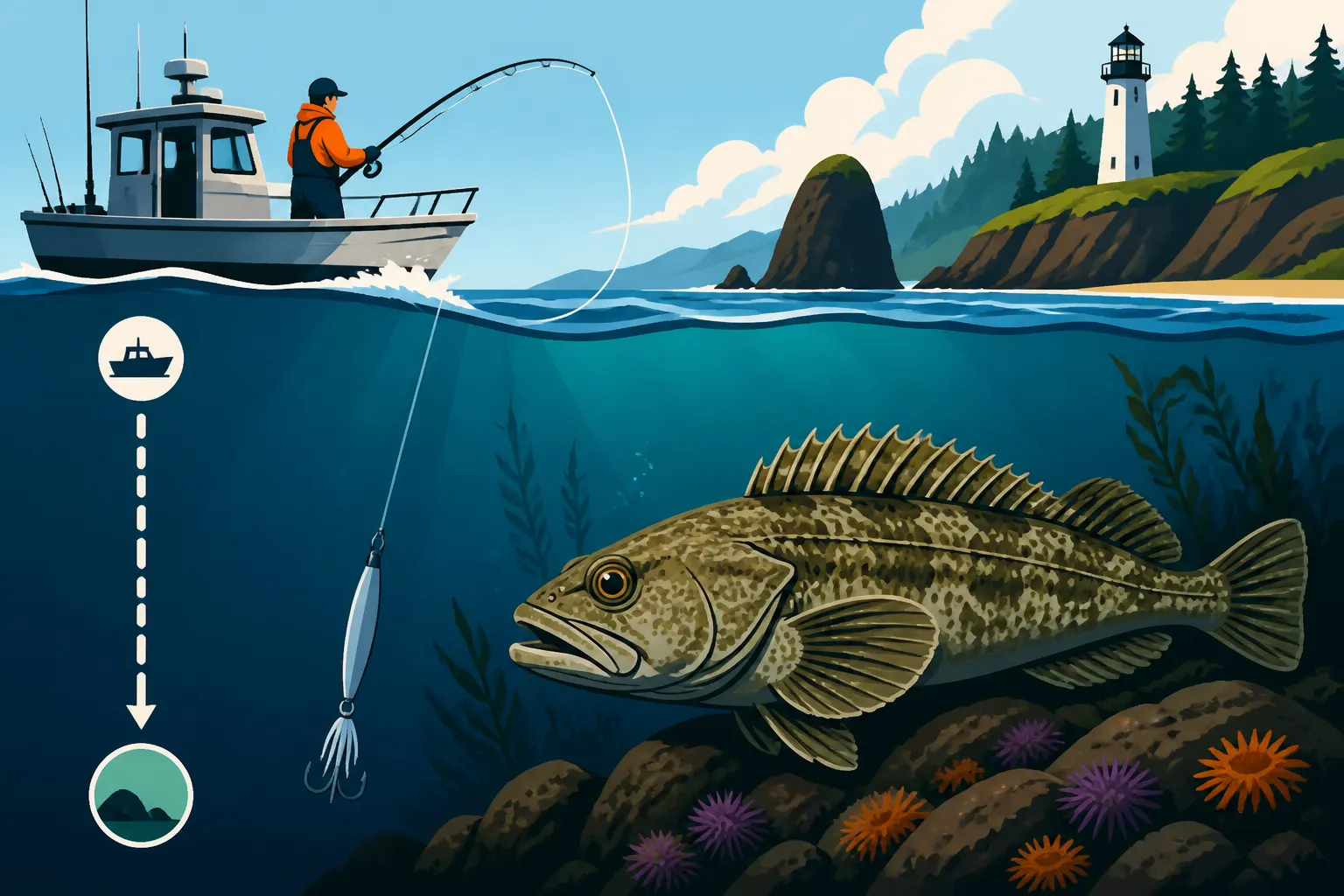
Lingcod are masters of camouflage and ambush, making their home in the rugged, rocky terrain that characterizes much of the Oregon coast's underwater landscape. Unlike salmon or tuna that roam the open water, lingcod are structure-oriented, meaning they're almost always found close to the seabed, tucked into crevices, lurking near rocky ledges, or camouflaged amongst boulders and reefs.
Generally speaking, you'll find lingcod in waters ranging from 60 to 400 feet deep. However, the sweet spot for most recreational anglers, where these fish are most concentrated and accessible, tends to be between 80 and 250 feet. This isn't a hard and fast rule, of course. During certain times of the year, especially spawning seasons, lingcod can be found in shallower waters, sometimes as shallow as 30 feet, particularly around rocky shorelines and jetties, though these shallower fish are often smaller. Conversely, commercial operations might target them in much deeper offshore canyons. For the average angler hitting the Pacific out of ports like Newport, Depoe Bay, or Garibaldi, focusing on that 80-250 foot range around known rock piles and reefs will yield the best results.
Think of it like this: a lingcod needs a place to hide, a vantage point to surprise its prey, and a consistent food source. These conditions are most prevalent in those mid-range depths where kelp forests meet rocky reefs, and where currents bring plenty of baitfish. They aren't just lying on a flat sandy bottom waiting for something to swim by; they are actively seeking out irregular bottom structures that provide cover and ambush points.
Factors Influencing Lingcod Location and Depth
While there's a general depth range, pinpointing exactly how deep to drop your line on any given day involves a few key variables. Lingcod aren't robots; their behavior, and therefore their depth, can shift based on environmental conditions and biological needs.
The Importance of Bottom Structure
This cannot be stressed enough: structure is paramount. Lingcod are ambush predators that rely on their surroundings to hide from prey and launch surprise attacks. This means they are almost always found on or near rocky bottoms, reefs, pinnacles, ledges, and wrecks. If you're drifting over a vast, featureless sandy or muddy bottom, your chances of encountering a lingcod plummet dramatically. Your fishfinder should be your best friend here, helping you identify those crucial changes in depth and bottom composition.
Many popular fishing spots off the Oregon coast, like those near the famous "rockpile" areas or specific reefs identified on marine charts, are known for their rugged bottom. These spots attract a variety of marine life, including the smaller fish and crustaceans that make up a lingcod's diet. As part of our comprehensive guide to Oregon Saltwater Fish Species Guide, we often highlight how important structure is for many of these bottom dwellers.
Seasonal Movements and Spawning
Lingcod exhibit seasonal movements, which can influence the depths they occupy. During the winter months, typically from December through March, male lingcod move into shallower, rocky areas to guard nests of eggs. This is a critical time for their reproduction, and while they can be caught then, it's often recommended to avoid targeting them directly on their nests to protect future populations. After spawning, they disperse back into deeper waters.
In spring and summer, as water temperatures rise, lingcod tend to be more active and spread out across their preferred rocky habitats. This is generally considered the prime season for targeting them, as they are actively feeding. Understanding these seasonal patterns, as detailed in our Oregon Fishing Season Dates and Limits article, can help you adjust your depth strategy throughout the year.
Baitfish Presence and Water Temperature
Like any predator, lingcod follow their food. If there's a significant concentration of baitfish—like herring, anchovies, or even smaller rockfish—at a particular depth, lingcod will often be found nearby. Your fishfinder might show schools of baitfish, which is a strong indicator that predators are lurking below.
Water temperature also plays a role, though less directly than for pelagic species. Lingcod prefer cooler, stable bottom temperatures. While the surface temperature can fluctuate wildly, the deep water temperatures remain more consistent. However, extreme fluctuations due to upwellings or major ocean currents can sometimes push bait, and thus lingcod, to different depths or even different areas.
Effective Techniques for Targeting Lingcod at Depth
Catching lingcod in their deep, rocky lairs requires specific techniques designed to get your presentation down to where they live and entice a strike. It's not just about finding the right depth; it's about how you fish once you're there.
Vertical Jigging
Vertical jigging is arguably the most popular and effective method for targeting lingcod. This involves dropping a heavy metal jig (often weighing 8-16 ounces, sometimes more depending on current and depth) straight down to the bottom and then working it with a series of lifts and drops. The goal is to imitate a wounded baitfish or squid, creating a fluttering, erratic action that triggers a lingcod's predatory instinct.
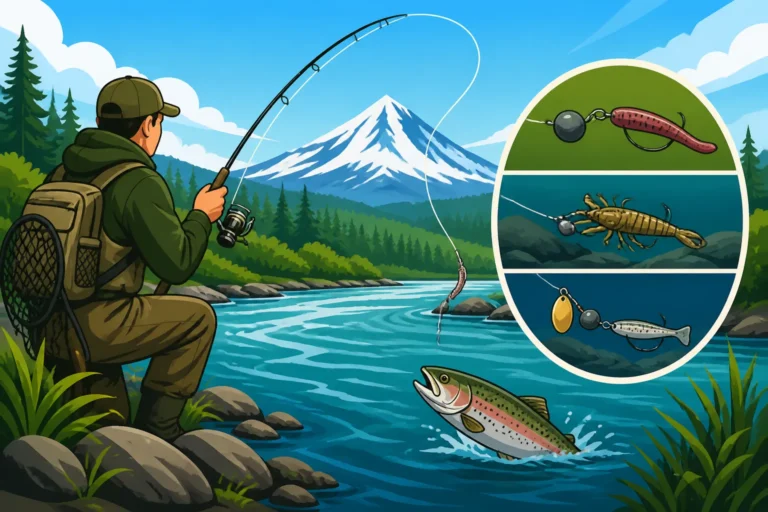
Many anglers prefer large, heavy lead jigs like the P-Line Laser Minnow or even specialized lingcod jigs from brands like Gibbs Delta. You can find a fantastic selection of these on Amazon, often with varying colors and finishes. The key is to make sure your jig hits the bottom, then lift it a few feet and let it fall, repeating the motion. Lingcod often strike on the fall, so pay close attention to any sudden slack in your line. Adding a piece of bait, like a strip of squid or a chunk of herring, to the jig's hook can sometimes increase its effectiveness, especially on slower days. For more on this, check out our guide on Oregon Bait and Lure Guide.
Live Bait and Cut Bait
Fishing with live bait, especially smaller rockfish (where legal) or even large anchovies and herring, can be incredibly productive for lingcod. The natural movements of live bait are irresistible. Typically, a single large hook (e.g., a 7/0 to 10/0 circle hook) is used with a heavy sinker on a dropper loop rig or a three-way swivel rig, designed to keep the bait near the bottom.
If live bait isn't available, large pieces of cut bait like squid, herring, or even a whole small mackerel can work wonders. The scent trail from cut bait can draw lingcod out of their hiding spots. The same heavy sinker and bottom-oriented rigs apply. Remember to always check current regulations on bait use and species-specific rules for Oregon Fishing Regulations Explained.
Drifting and Bouncing the Bottom
Whether you're jigging or using bait, a slow drift is often more effective than anchoring, as it allows you to cover more ground and present your offering to multiple potential lingcod hiding spots. As your boat drifts, you'll want to continuously adjust your line to ensure your weight or jig is always making contact with the bottom. This "bouncing" action keeps your lure or bait in the strike zone and helps you feel the rocky contours of the seabed.
It's a delicate dance: too much line out, and you risk snagging; too little, and you're not in the fish's face. The optimal technique is to drop your offering to the bottom, then reel up a few feet, letting it gently "bounce" along with the boat's drift. This is particularly effective when targeting How to Fish for Lingcod and Rockfish in Oregon because both species often inhabit similar rocky structures.
Gearing Up for Successful Deepwater Lingcod Fishing
Deepwater lingcod fishing isn't for ultralight tackle. These fish can grow quite large, and combined with the heavy weights needed to reach them, your gear needs to be robust and reliable.
Rods and Reels
You'll want a sturdy conventional rod, typically 6 to 7.5 feet in length, with a fast action and a heavy power rating. Look for rods rated for 50-100 lb test line and capable of handling lure weights of 8-32 ounces. The backbone of the rod is crucial for lifting heavy weights from the deep and muscling a stubborn lingcod out of the rocks.
Pair this with a conventional reel, preferably a star drag or lever drag model, capable of holding at least 250-300 yards of 50-80 lb braided line. Reels like the Penn Squall or Shimano Tekota are popular choices. Braided line is almost a necessity because its thin diameter and zero-stretch properties give you excellent sensitivity to feel bites and bottom structure, even in hundreds of feet of water. You can often find great deals on these kinds of heavy-duty setups on Amazon.
Line and Terminal Tackle
As mentioned, braided line in the 50-80 lb test range is ideal for your main line. For your leader, use a heavy monofilament or fluorocarbon, typically 60-100 lb test. This heavier leader provides abrasion resistance against the sharp rocks and the lingcod's formidable teeth. A general rule of thumb is a leader length of 3-6 feet.
Sinker weights will vary significantly based on depth, current, and drift speed. You'll likely need 8-24 ounces of lead, but sometimes even more, to maintain bottom contact. Pyramid sinkers or cannonball sinkers are common. For hooks, use stout, sharp, J-hooks or circle hooks in sizes 7/0 to 10/0, depending on your bait size.
A good selection of swivels, snap swivels, and split rings is also helpful for quickly changing jigs or rigs. When buying these, make sure they are rated for heavy use in saltwater conditions; cheap components will fail when you're battling a big lingcod.
Essential Tools and Safety
Deepwater fishing means you'll be handling heavy weights, large fish, and sharp hooks. A good pair of heavy-duty gloves is essential, especially for handling the abrasive braid and rough lingcod skin. A fish club or 'priest' is useful for dispatching larger fish quickly and humanely. A gaff can also be invaluable for bringing bigger lingcod over the rail safely, though some anglers prefer to net them.
Don't forget the practicalities! A cooler with ice is critical for preserving your catch. Sunscreen, a hat, and appropriate foul-weather gear are non-negotiable for a day on the Pacific. And, of course, ensure you have your valid Oregon Fishing License Guide and any necessary endorsements like the Oregon Ocean Endorsement before you even leave the dock. Safety equipment like life jackets, flares, and a VHF radio are also paramount, particularly if you're venturing far offshore.
Here's a quick reference for common lingcod depths:
| Season | Typical Depth Range (feet) | Preferred Bottom Type | Key Considerations |
|---|---|---|---|
| Winter (Dec-Mar) | 30-100 (Spawning) | Rocky, Ledges | Males guarding nests; may be in shallower areas. |
| Spring (Apr-May) | 80-200 | Rocky Reefs, Pinnacles | Post-spawn, actively feeding, moving deeper. |
| Summer (Jun-Aug) | 100-250 | Offshore Reefs, Wrecks | Very active, spread out, following bait. |
| Fall (Sep-Nov) | 80-250 | Rocky, Structures | Active feeding before winter spawning movements. |
Remember, these are general guidelines. Local knowledge, current conditions, and your fishfinder will always be your best tools for finding where the lingcod are holding on any given day. You can often glean valuable insights from charter captains or experienced anglers at local tackle shops, or even by reviewing reports from Bottom Fishing Charters in Oregon. The more time you spend on the water, experimenting and observing, the better you'll become at cracking the code of lingcod depth.
Disclaimer
Fishing regulations and conditions in Oregon can change frequently. Always consult the latest Oregon Department of Fish and Wildlife (ODFW) regulations before heading out. This guide is for informational purposes only and should not replace official ODFW publications or professional advice.