Oregon Trout Season Opening Day
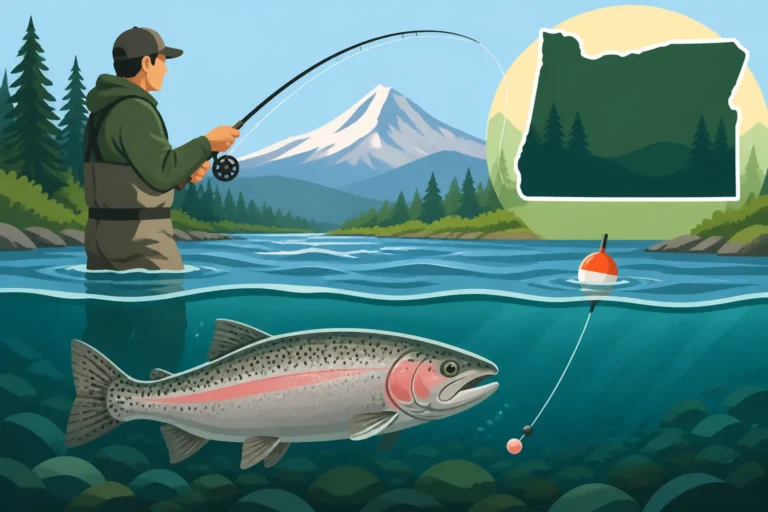
There’s nothing quite like the collective buzz that starts building in the weeks leading up to Oregon's trout season opening day. For many of us, it marks a real turning point, a hopeful signal that spring has truly arrived and the long, dark days of winter are finally behind us. But if you’ve ever found yourself scratching your head, wondering if there’s a single, magical date everyone else seems to know, or felt overwhelmed by conflicting information, you're definitely not alone. This guide is here to unravel the mysteries of Oregon trout season, help you pinpoint those crucial dates, and get you fully prepped for a successful and enjoyable angling adventure.
The Excitement and Reality of "Opening Day"
The idea of a grand "opening day" for trout fishing is deeply ingrained in the culture of anglers, conjuring images of eager crowds lining the banks of their favorite lakes and streams. For many years, and in many states, this was the reality – a singular, highly anticipated date when trout season officially kicked off across the board. However, modern fisheries management in Oregon has become much more nuanced, leading to a more complex, yet ultimately more accessible, system.
Understanding the Traditional "Opener" Mentality
Historically, the "opening day" was often a statewide event, typically in late April or early May, where lakes and streams that had been closed for winter or spawning periods would suddenly become fair game. This created a palpable sense of anticipation and camaraderie. Anglers would meticulously prepare their gear, often planning family trips around this specific date. It was a pilgrimage, almost a holiday, marking the start of warmer weather and the joy of fresh trout. This tradition is still very much alive in the hearts of many, and for certain waters, particularly popular lowland lakes that are heavily stocked, it still holds true, creating bustling scenes of eager anglers on that designated morning.
For folks who grew up with this tradition, the modern system can sometimes feel a bit confusing. You might hear whispers of an "opening day" on a specific lake while another lake has been open for weeks, or a river seems to be open year-round. It’s a perfectly valid frustration to feel like you're missing out or not quite understanding the full picture. The truth is, while a distinct opening day exists for many popular, stocked waters, Oregon’s regulations are tailored to protect specific fish runs and habitats, which means "opening day" isn't always a one-size-fits-all event across the entire state.
The Nuance of Year-Round and Staggered Seasons
Oregon's diverse geography and varied fish populations mean that trout seasons are far from uniform. Many rivers and streams across the state actually remain open for trout fishing year-round, especially those managed for wild trout or where catch-and-release is emphasized. For instance, sections of the Crooked River or Metolius River might have specific regulations, but they often allow angling throughout the year, albeit with varying techniques or bait restrictions depending on the specific zone. This year-round access is a fantastic benefit for dedicated anglers, but it certainly blurs the lines of that traditional "opening day" concept.
Then there are the high-elevation lakes and reservoirs, which often have staggered opening dates. These beautiful, often remote, waters might not open until late May, June, or even July, simply because they remain iced over or inaccessible due to snowpack well into spring. This means that while anglers are happily pulling trout from Henry Hagg Lake in May, someone planning a trip to a high Cascade lake might have to wait another month or two. This staggered approach is vital for managing fish populations and ensuring that fish have time to spawn before angling pressure begins, especially in these delicate alpine environments. It also ensures that the fishing is good when you get there!
Navigating Oregon's Trout Season Dates
Understanding when and where you can fish for trout in Oregon requires a bit of homework, but it's completely manageable once you know where to look. The Oregon Department of Fish and Wildlife (ODFW) is your absolute best friend in this endeavor, providing all the critical information you need.
Key Dates for Popular Lowland Lakes
For many recreational anglers, especially families and beginners, the most anticipated "opening day" typically refers to the traditional last Saturday in April. This is when a large number of lower elevation, easily accessible lakes and ponds, particularly those frequently stocked with rainbow trout, officially kick off their general trout season. Think popular spots like Henry Hagg Lake, Detroit Lake (though recovery efforts are still ongoing there), or smaller community ponds near urban centers. These spots often see heavy stocking by ODFW in the weeks leading up to this date, ensuring plenty of eager trout for anglers to pursue.
This annual event is a huge deal for many communities. Towns near these popular fishing destinations often see an influx of visitors, and local tackle shops will be buzzing with activity. If you're planning on hitting one of these spots on the actual opening weekend, be prepared for crowds! It's part of the fun for many, but definitely something to factor into your plans. Arrive early, be patient, and enjoy the shared excitement. These lakes are often family-friendly, making them perfect for introducing kids to the joys of fishing.
| Lake Type/Location | Typical Opening | Notable Examples | Common Experience |
|---|---|---|---|
| Lowland Stocked Lakes | Last Saturday in April | Henry Hagg Lake, Diamond Lake, Local Community Ponds | Crowded, exciting, good for beginners/families, heavy ODFW stocking |
| High Cascade Lakes | Late May – Early July | Trillium Lake, Odell Lake, Paulina Lake | Staggered, depends on snow/ice, often wilder trout, less crowded |
| Year-Round Rivers | Open year-round | Deschutes River (sections), Crooked River, Metolius River | Specific regulations (bait, tackle), focused on wild trout, less "opener" feel |
| Coastal Streams/Lakes | Varies, often May | Nestucca River (sections), Siletz River (some lakes) | Dependent on specific coastal zone rules, can involve sea-run cutthroat |
Consulting the ODFW Regulation Book
Seriously, this cannot be stressed enough: the official ODFW Oregon Sport Fishing Regulations book is your bible. It's updated annually, usually available online as a PDF, and in print at license vendors (like Bi-Mart or independent tackle shops) by late December or early January for the upcoming year. Don't rely on old information or what your buddy heard last year. Regulations change! You can find the most up-to-date guide on the ODFW website, and it's always a good idea to download it to your phone or print out the relevant sections for your specific fishing zone.
The regulation book breaks down the state into various fishing zones (e.g., Northwest Zone, Central Zone, Southwest Zone), and within each zone, it lists specific water bodies (lakes, rivers, reservoirs) and their unique regulations, including open seasons, bag limits, size restrictions, and gear restrictions (e.g., fly fishing only, bait allowed). If you're targeting a specific body of water, you must look it up in the regulation book. For more detailed information on specific rules, you might want to check out our comprehensive guide on Oregon Fishing Regulations Explained. It can feel a bit like reading legal jargon at first, but with a little practice, you'll become a pro at navigating it.
Preparing for Your Opening Day Adventure
A successful trout opening day isn't just about showing up; it's about being prepared. From your gear to your paperwork, a little forethought goes a long way in ensuring a fun, frustration-free experience.
Essential Gear Checklist
Before you even think about hitting the water, take stock of your fishing gear. This isn't the time to discover your reel is seized or your line is brittle.
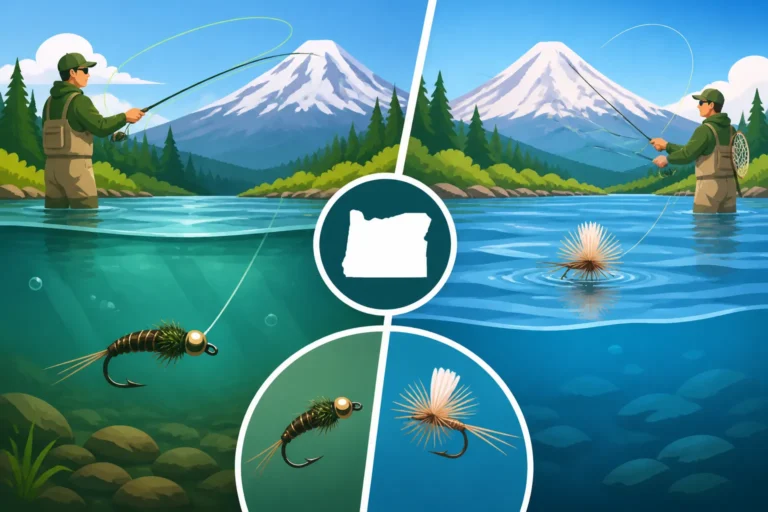
- Rod and Reel: A light to ultralight spinning rod (5-7 feet) paired with a small spinning reel (1000-2500 size) spooled with 4-6 pound monofilament or fluorocarbon line is perfect for most trout applications. If you're a fly angler, a 3 to 5-weight fly rod will cover most trout scenarios.
- Tackle Box Basics: Stock up on hooks (size 8-12 for bait, various dry flies/nymphs for fly fishing), sinkers (split shot or sliding weights), swivels, and bobbers. Don't forget a small pair of pliers or forceps for hook removal.
- Lures and Bait: For stocked trout, common baits include power bait (especially Berkley PowerBait Dough), worms, corn, and salmon eggs. Small spinners (like Rooster Tails or Mepps) and spoons (like Thomas Buoyants) are also highly effective. For fly fishing, having a selection of dry flies, nymphs, and streamers that mimic local insect life is key. You can find many of these essentials, often in multi-packs, on platforms like Amazon, which can be a real time-saver if you’re trying to gather supplies quickly before the big day.
- Landing Net: A small, soft-mesh landing net is invaluable for safely landing and releasing fish.
- Stringer or Cooler: If you plan on keeping fish within your daily bag limit, have a stringer or a cooler with ice ready to keep your catch fresh.
- Waders and Boots: Depending on where you plan to fish, waders might be necessary to access certain areas or stay warm in cold water. Otherwise, waterproof boots are a must for dew-covered banks.
- Rain Gear and Layers: Oregon weather is famously unpredictable. Always pack rain gear and dress in layers. A sunny morning can quickly turn into a chilly, wet afternoon.
- Sun Protection: Hat, sunglasses (polarized are a game-changer for spotting fish), and sunscreen.
Securing Your Oregon Fishing License and Tags
This is non-negotiable! You absolutely need a valid Oregon fishing license if you're 12 years old or older. You can purchase your license online through the ODFW website, at any authorized license vendor (sporting goods stores like Bi-Mart, Fred Meyer, or many independent tackle shops), or through the MyODFW app. Don't wait until the last minute – get it a few days in advance. Many anglers also need a Combined Angling Tag if they plan to keep salmon, steelhead, or sturgeon, so be sure to check the regulations for your target species. For a detailed breakdown, check out our guide on Oregon Fishing License Guide.
Make sure you have a physical copy or a clearly accessible digital copy on your phone. Game wardens will check, and fishing without a license can lead to hefty fines, as detailed in Fishing Without a License Penalties in Oregon. It’s just not worth the risk, especially when it’s so easy to get one. Plus, the funds from licenses directly support ODFW's stocking and conservation efforts, so it's a great way to contribute to the future of fishing in Oregon.
Stocking Reports and Conditions
The ODFW publishes weekly or bi-weekly stocking reports, especially leading up to and during the peak trout season. These reports are gold! They tell you which lakes and ponds have been stocked, when they were stocked, and how many fish were planted. This is invaluable information for planning your opening day strategy, particularly if you're targeting those heavily stocked, easily accessible fisheries.
Beyond stocking reports, always check current weather conditions, water levels, and any emergency regulations or closures. ODFW's website often has an "In-Season Regulation Updates" page that highlights any last-minute changes due to wildfires, low water, or other environmental factors. Local tackle shops are also fantastic resources for up-to-the-minute local conditions and tips. A quick call or visit can save you a lot of wasted time and frustration.
Key Regulations and Considerations
Oregon's fishing regulations are designed to sustain healthy fish populations while providing ample opportunities for anglers. Knowing the rules before you go is not just about avoiding a ticket; it's about being a responsible steward of our natural resources.
Daily Bag Limits and Size Restrictions
For most general trout fisheries in Oregon, particularly those that are heavily stocked, the statewide daily bag limit for trout is typically 5 fish, with a minimum size of 8 inches. However, this is a general guideline, and it's incredibly important to note that many specific water bodies have their own unique limits. Some high lakes, for example, might have higher bag limits to encourage harvest of overpopulated brook trout, while other sensitive areas might be catch-and-release only or have even stricter size requirements.
For certain species, like native cutthroat trout or bull trout, regulations are much tighter, often requiring catch-and-release or specific tags and permits. Bull trout, being a protected species, requires a special permit and has very limited opportunities, if any, for retention. Always refer to the ODFW regulation book for the specific body of water you intend to fish. Our guide on Oregon Daily Bag Limits Explained offers a broader overview, but the detailed book is always the final word.
Understanding Gear and Bait Restrictions
Gear and bait restrictions are another critical aspect of Oregon trout fishing regulations. These rules are put in place to protect specific fish populations, especially wild salmon and steelhead, which often share the same waters as trout.
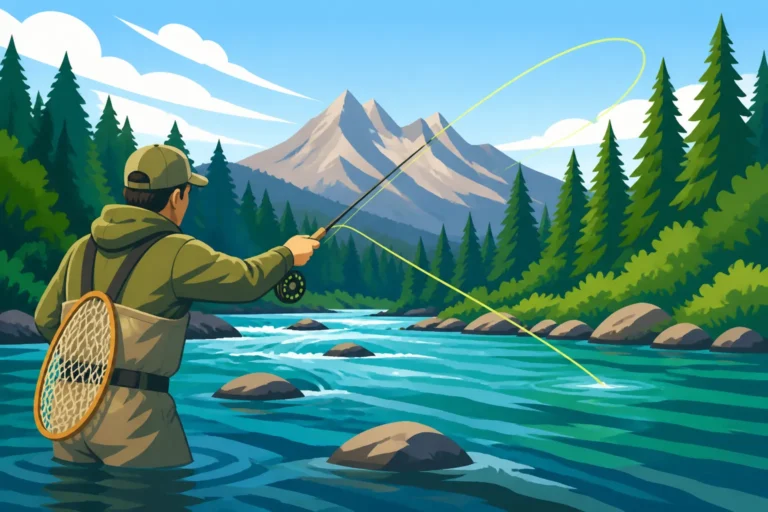
- Fly Fishing Only: Many pristine rivers and streams, such as sections of the Metolius River or the Deschutes River, are designated as "fly fishing only." This means you can only use artificial flies and a fly rod. No bait, no spinners, no weights on your leader.
- Artificial Lures and Flies Only: In these areas, you can use spinners, spoons, and jigs, but no organic bait (like worms or PowerBait). Often, these regulations also require the use of single, barbless hooks to minimize harm to fish during catch and release. This is particularly common in steelhead rivers during trout season.
- Barbless Hooks: The requirement for barbless hooks is becoming increasingly common, especially in waters where catch-and-release of wild fish is prevalent. It reduces injury to the fish and makes for an easier, safer release. You can buy barbless hooks or simply crimp down the barb on your existing hooks with a pair of pliers. Many anglers even pinch their barbs on hooks they order from Amazon, just to be sure.
- Bait Allowed: In many stocked lakes and ponds, bait is perfectly legal and often the most effective method for catching trout, especially for beginners and kids.
Always double-check the specific regulations for your chosen fishing spot. Misunderstanding these rules is a common mistake and can lead to fines, even if unintentional.
Catch-and-Release Practices
Even if you plan to keep a limit of trout for dinner, practicing proper catch-and-release is vital for the health of fish populations, especially for larger or wilder trout you might encounter.
- Minimize Handling: Try to handle the fish as little as possible. If you need to pick it up, do so with wet hands to avoid removing its protective slime layer.
- Use a Net: A soft, knotless landing net will protect the fish's fins and scales.
- Barbless Hooks: As mentioned, these make hook removal much easier and quicker.
- Quick Release: Remove the hook gently and quickly, preferably while the fish is still in the water. If the hook is deep, cut the line and leave the hook rather than tearing the fish's gills.
- Revive the Fish: Hold the fish gently in the water, facing upstream, allowing water to flow over its gills until it swims away under its own power. Don't just toss it back; make sure it's strong enough to survive.
Being mindful of these practices ensures that future generations can enjoy the same fishing opportunities we do. More on ethical fishing can be found in our detailed post, Oregon Catch-and-Release Rules.
Finding Your Perfect Opening Day Spot
Oregon is a treasure trove of trout fishing opportunities, offering everything from serene alpine lakes to bustling urban ponds. Choosing the right spot for opening day depends on your personal preferences, skill level, and what kind of experience you're seeking.
High-Traffic Stocked Lakes for Beginners and Families
If you're looking for a high-probability day, especially with kids or if you're a beginner, target one of the many ODFW-stocked lowland lakes. These waters are designed for accessibility and success, often featuring paved access, docks, and easy bank fishing opportunities.
- Henry Hagg Lake (near Forest Grove): A perennial favorite, Henry Hagg Lake is heavily stocked and offers great bank access, boat launches, and even a fishing pier. It's close enough to Portland for a day trip.
- Diamond Lake (Southern Oregon): A truly iconic trout fishery, Diamond Lake is consistently stocked with large rainbow trout and offers breathtaking scenery. It's further afield but well worth the drive for a multi-day trip.
- Local Community Ponds: Many smaller cities and towns have dedicated fishing ponds that ODFW stocks regularly. These are perfect for a quick outing and often less intimidating for new anglers. Check the ODFW stocking schedule for ponds in your area.
- Sauvie Island ponds (near Portland): Just a short drive from Portland, these ponds provide convenient and often fruitful fishing.
These spots are fantastic for guaranteed action, but be prepared for company! Sharing the bank and being respectful of other anglers is part of the opening day experience here. Consider arriving early to secure a good spot, and if you’re fishing with kids, bring plenty of snacks and games for downtime.
High-Elevation Lakes for Solitude and Adventure
For those seeking a more adventurous and tranquil experience, the high-elevation lakes of the Cascades and other mountain ranges are calling. As mentioned, these often open later in the spring or early summer, once snowmelt has receded.
- Trillium Lake (Mount Hood National Forest): A classic, scenic lake with stunning views of Mount Hood. It’s stocked with rainbow trout and also holds wild brook trout. Accessible by car, but still offers a more "wilderness" feel than lowland lakes.
- Odell Lake (Willamette National Forest): Known for its large Mackinaw (lake trout) and kokanee, Odell Lake also offers good rainbow trout fishing. It's a large, deep lake suitable for boat fishing but also has some bank access.
- Paulina Lake and East Lake (Newberry National Volcanic Monument): These twin lakes offer incredible fishing for rainbow trout, brown trout, and kokanee. They provide a truly immersive natural experience, often requiring a bit more effort to access.
These lakes often require more planning, including checking road conditions and potentially hiking to your chosen spot. The reward, however, is often breathtaking scenery, fewer crowds, and the chance to catch larger, wilder trout. Before you head to these more remote spots, it’s a good idea to research Best high mountain lake fishing near Bend or Best alpine lake fishing in the Cascades.
Rivers and Streams for the Experienced Angler
While many rivers have year-round trout fishing, specific regulations for trout often kick in or change during the traditional "opening day" period. These waters typically hold wild trout populations (rainbow, cutthroat, brown, brook trout) and often require more refined techniques like fly fishing or drift fishing with artificial lures.
- Deschutes River: World-renowned for its redband trout and summer steelhead, specific sections of the Deschutes are open year-round for trout, often with fly-fishing-only or artificial-lure-only rules. It's a challenging but incredibly rewarding fishery.
- Crooked River: Another excellent Central Oregon option, known for its prolific wild rainbow trout. Much of the river is fly-fishing only, offering superb dry fly and nymphing opportunities.
- McKenzie River: Famous for its "redside" rainbow trout, the McKenzie offers beautiful drift boat fishing and wading opportunities. It’s also home to bull trout, which are strictly catch-and-release and require a permit.
Fishing rivers demands a different skillset than stillwater fishing, often requiring knowledge of reading water, currents, and insect hatches. If you're new to river fishing, consider hiring an Oregon Fly Fishing Guides for a day to learn the ropes. They can teach you everything from casting to fly selection, making your experience far more successful and enjoyable.
Troubleshooting Common Opening Day Challenges
Even the most seasoned angler can face unexpected hurdles on opening day. Being prepared for these common issues can make all the difference between a frustrating trip and a fantastic one.
Dealing with Crowds
It's opening day! You're going to have company, especially at popular stocked lakes. Embrace it!
- Arrive Early: The early bird catches the worm, and often, the best spot. Getting to your chosen location before dawn can give you a prime position.
- Be Patient and Respectful: Everyone is there to have fun. Give other anglers space, avoid casting over their lines, and be friendly. A simple nod or "good morning" can go a long way.
- Scout Alternative Spots: Have a backup plan. If your primary spot is too crowded, have another nearby lake or a different section of the same lake in mind.
- Fish During Off-Peak Hours: If you can swing it, try fishing later in the afternoon or on the following weekday. The initial rush often subsides quickly.
Weather Variability
Oregon's weather is a wild card, especially in spring. A beautiful sunny morning can turn into a downpour or even hail.
- Dress in Layers: This is always the golden rule. Start with a moisture-wicking base layer, add insulating layers, and top it with a waterproof and windproof outer shell.
- Pack for All Scenarios: Even if the forecast looks good, throw in that extra fleece and your best rain gear. You'll thank yourself later. You can always get reliable, inexpensive rain gear on Amazon if you're not ready to invest in high-end technical wear.
- Check Forecasts Frequently: Keep an eye on the most up-to-date weather reports right up until you leave.
Snags and Lost Gear
It happens to the best of us. Hooks get snagged, lines break, and lures disappear.
- Bring Extra Tackle: Always have more hooks, sinkers, and lures than you think you'll need. Nothing kills momentum like running out of tackle.
- Check Your Line: Before you start fishing, and periodically throughout the day, check your fishing line for nicks or abrasions. A weak spot is a guaranteed break.
- Learn to Tie Good Knots: A strong knot is crucial. Practice knots like the Palomar or Improved Clinch knot at home.
- Utilize Line Cutter/Shears: Keep a small pair of scissors or nail clippers handy for clean line cuts.
By anticipating these common challenges, you can minimize stress and maximize your enjoyment of Oregon’s trout season opening day. The goal is to be out there, enjoying nature, and hopefully, bringing home some delicious trout!
Disclaimer
Fishing regulations are subject to change. Always consult the most current Oregon Department of Fish and Wildlife (ODFW) regulations before heading out to fish. This guide provides general information and should not be used as the sole source for legal compliance.