Wilson River Fishing Guide
Ah, the Wilson River. If you've ever cast a line in Oregon, chances are you've heard tales, both glorious and grim, about this iconic coastal stream. It's a river that draws anglers in with the promise of spectacular salmon and steelhead, but it can also hand out a healthy dose of humility and frustration. Between ever-changing water conditions, intense fishing pressure, and the notoriously fickle nature of anadromous fish, navigating the Wilson can feel like a real challenge. This guide is here to unravel some of the mysteries of the Wilson River, offering practical advice and insight to help you make the most of your time on its beautiful, yet demanding, waters.
Why the Wilson River Captures Anglers' Hearts and Frustrations!
There's something undeniably captivating about the Wilson River, nestled in the Coast Range just a stone's throw from Tillamook. For many, it's the quintessential Oregon coastal fishing experience. You’ve got those towering evergreen forests, the crisp, clean water, and the tantalizing possibility of a fresh-from-the-ocean chrome bright fish at the end of your line. It’s a place steeped in tradition, where generations of anglers have chased the same elusive quarry. But let's be real, the same things that make it so alluring also make it incredibly challenging. The very popularity of its runs means you're often sharing prime spots, and those "perfect conditions" can vanish in a flash.
The Iconic Salmon and Steelhead Runs
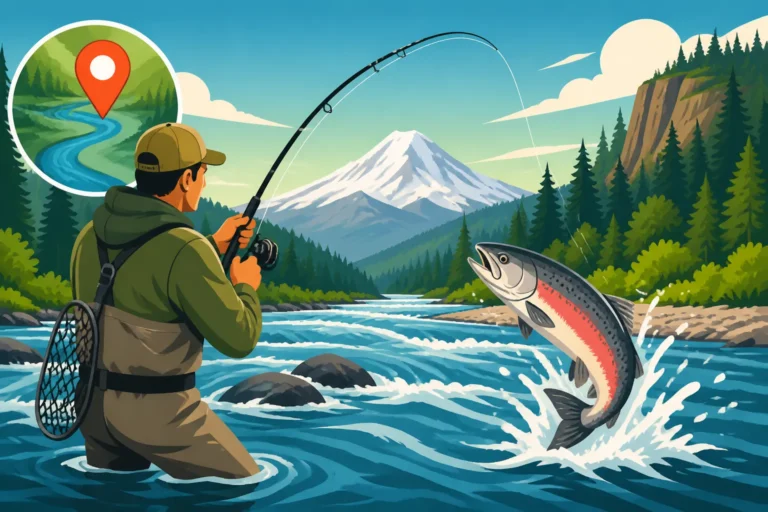
The Wilson River is practically synonymous with salmon and steelhead. These incredible migratory fish are the main draw, fueling dreams and sometimes, outright obsession, among Oregon anglers. Every year, thousands of Chinook and coho salmon, along with winter and summer steelhead, push their way upriver from the Pacific Ocean, driven by instinct to spawn. The sheer size and power of a fresh Chinook, the acrobatic leaps of a steelhead, or the aggressive bite of a coho make for unforgettable moments.
However, the reality of fishing for these magnificent creatures can be a stark contrast to the idyllic images in our minds. Steelhead, in particular, are known for being incredibly moody. One day they'll hit anything you throw at them, the next they'll ignore the most perfectly presented offering. Salmon, while often more aggressive, can be just as particular about water temperature, clarity, and flow. The constant battle between angler expectation and the fish's unpredictable nature is a frustration every Wilson River regular knows well. It's a humbling experience that keeps us coming back, year after year, hoping to crack the code.
A Coastal Gem with Year-Round Potential
While salmon and steelhead grab the headlines, the Wilson River system actually offers fishing opportunities throughout most of the year, even if they aren't always for the marquee species. The changing seasons bring different fish, different water levels, and different challenges, ensuring that there's rarely a truly "off" season if you know where to look and what to target. This river is truly a year-round playground for those who love the pursuit.
Even in the heart of summer, when the big anadromous runs are taking a break, the upper reaches of the Wilson and its tributaries can offer decent fishing for resident cutthroat and rainbow trout. These smaller fish might not offer the same trophy potential, but they provide a fantastic opportunity for light tackle or fly fishing in a more tranquil setting. Plus, the river's lower stretches sometimes hold smallmouth bass, especially during warmer months. Understanding the full spectrum of what the Wilson has to offer means you can diversify your angling pursuits and keep your skills sharp between those intense salmon and steelhead pushes.
Navigating the Wilson: Key Fishing Zones and Access Points
Understanding the layout of the Wilson River is crucial for maximizing your success and minimizing frustration. It’s a diverse river, with character changing dramatically from its mouth at Tillamook Bay all the way up into the Coast Range. Each section presents its own unique challenges and rewards, from the wide, tidal lower river to the intimate, boulder-strewn upper reaches. Knowing where to go, and how to get there, can save you a lot of time and boost your chances of finding fish.
Lower River: Tidal Influence and High Traffic
The lower stretch of the Wilson River, from its confluence with Tillamook Bay up to around the Tillamook city limits, is heavily influenced by tides. This area is generally wider, slower-moving, and often holds concentrations of fresh-from-the-ocean salmon and steelhead pushing upstream. It's also where you'll find the most access, which, predictably, leads to the highest fishing pressure. Don't be surprised to see a flotilla of boats and lines of bank anglers during peak season.
Popular boat launches like the one near the Tillamook County Fairgrounds or Memaloose Boat Launch offer easy access for drift boats and powerboats, especially when the river is up. For bank anglers, spots along the public access points near Highway 6, such as Sollie Smith, Alderbrook, and various pull-offs, are common. The tidal influence here means that fish movement can be highly dependent on the tides, with incoming tides often bringing in fresh fish and encouraging them to travel. However, the strong currents can also make certain techniques, like drift fishing, more challenging, requiring heavier weights and precise presentations. You'll often find anglers here plunking or using divers and baits, hoping to intercept fish as they funnel through the system.
Mid-River: Drifting and Bank Angling Opportunities
Moving upstream from the Tillamook area, roughly from Lee's Camp to the confluence with the Trask River (or even a bit beyond), you enter the mid-river section. This stretch is characterized by more defined pools, riffles, and runs, making it prime water for drift boat fishing and offering excellent bank angling in many spots. The water clarity tends to be better here than in the lower river after heavy rains, and the current is more consistent, making it ideal for classic steelhead and salmon techniques.
Access points are numerous along Highway 6. Well-known spots include Mills Bridge, Jordan Creek, and various turnouts that lead to stretches of promising water. This section is a favorite for those employing Drift Fishing Techniques for Oregon Rivers, where carefully weighted baits, eggs, or lures are allowed to tumble naturally along the river bottom. Side drifting with small boats or rafts is also highly effective here, covering water efficiently. While still popular, the pressure can feel a bit more spread out compared to the lower river. It's also a great section for exploring new water, as many smaller trails lead to productive holes. Be sure to check land ownership and respect private property.
Upper River: Smaller Water, Wilder Fish
Above Lee's Camp, the Wilson River transforms into a much smaller, more intimate stream. The gradient increases, the water becomes faster and rockier, and the overall character is wilder. This is where you'll find more solitude, and often, a greater concentration of wild, native fish alongside the hatchery returns. Access becomes more challenging, often requiring some hiking or navigating rougher roads, but the reward can be worth it.
While primarily focused on hatchery fish during open seasons, the upper river also supports healthy populations of wild coastal cutthroat trout and can hold wild steelhead. Fly fishing can be particularly productive here, especially for resident trout or for swinging flies for steelhead during lower, clearer water conditions. Areas like the Wilson River Highway (Hwy 6) at mile markers 20-30 offer some pull-offs and trails. It's important to remember that regulations can vary in these upper stretches, sometimes with different gear restrictions or catch limits, so always consult the current Oregon Fishing Regulations Explained before heading out. The wild beauty of this section is unparalleled, offering a truly immersive angling experience away from the crowds.
Seasonal Strategies: When and How to Fish the Wilson River
The Wilson River is a dynamic fishery, with opportunities shifting dramatically depending on the time of year. Knowing what to target and when, and having the right strategies in your arsenal, is key to success. You wouldn't use the same tactics for a fresh winter steelhead as you would for a fall Chinook, and understanding these nuances will put you a step ahead.
Winter Steelhead: The Main Event
For many Oregon anglers, winter steelhead is what the Wilson River is all about. These magnificent fish, fresh from the ocean, start to enter the river in late November and continue their push through March, with peak runs typically from late December through February. They are powerful, beautiful, and notoriously challenging, making them a coveted prize. The cold, often high, and turbid water of winter demands specific techniques and robust gear.
When fishing for winter steelhead, common methods include drift fishing with cured roe, Cheaters, or yarn balls, often tipped with a coon shrimp or scent. Bobber-dogging, where your bait or lure drifts downstream under a buoyant float, is incredibly popular and effective, especially when fish are holding in deeper slots. Side drifting from a boat, meticulously covering every inch of promising water, is another go-to tactic. During lower, clearer water conditions, especially in the mid and upper river, swinging flies or even casting small spinners can also entice a bite. Remember, these fish are often holding close to the bottom, so getting your presentation down to their level is paramount. Always check the current Oregon Fishing Season Dates and Limits for specific regulations on retention and bait use.
Fall Chinook and Coho: Big Fish, Big Fights
As summer fades into fall, the Wilson River comes alive with the powerful runs of fall Chinook salmon and the spirited Coho salmon. Fall Chinook typically enter the river from late August through October, with Coho often peaking a bit later, into November. These are aggressive fish, often fresh from feeding heavily in the ocean, and they put up an incredible fight. Catching one is a true test of strength and tackle.
For fall Chinook, many anglers in the lower river opt for trolling techniques, especially near the bay, using herring, anchovies, or large plug-cut baits behind flashers. As the fish move upriver, plunking with Spin-N-Glos or Wiggle Warts anchored to the bottom becomes a popular bank fishing method, particularly when the river is high and dirty. From a drift boat, back-trolling with Kwikfish, Brads Wiggler, or similar diving plugs can be deadly. Coho, often more aggressive, will readily hit spinners, spoons, and jigs, especially in brighter colors like chartreuse or pink. Fly anglers can also find success swinging large, flashy flies for Coho. Always be mindful of the difference between hatchery and wild salmon, as retention rules often differ. You can often find great guide services listed on platforms like FishingBooker if you're looking for an expert to show you the ropes during these exciting runs.
Summer Trout and Resident Species
While the big migratory fish dominate the narrative, the Wilson River system isn't just about salmon and steelhead. During the warmer months, especially from late spring through early fall, the upper reaches and smaller tributaries offer delightful opportunities for resident fish, primarily coastal cutthroat trout and rainbow trout. These fish provide a different kind of angling experience – often more peaceful, more technical, and less focused on sheer size.
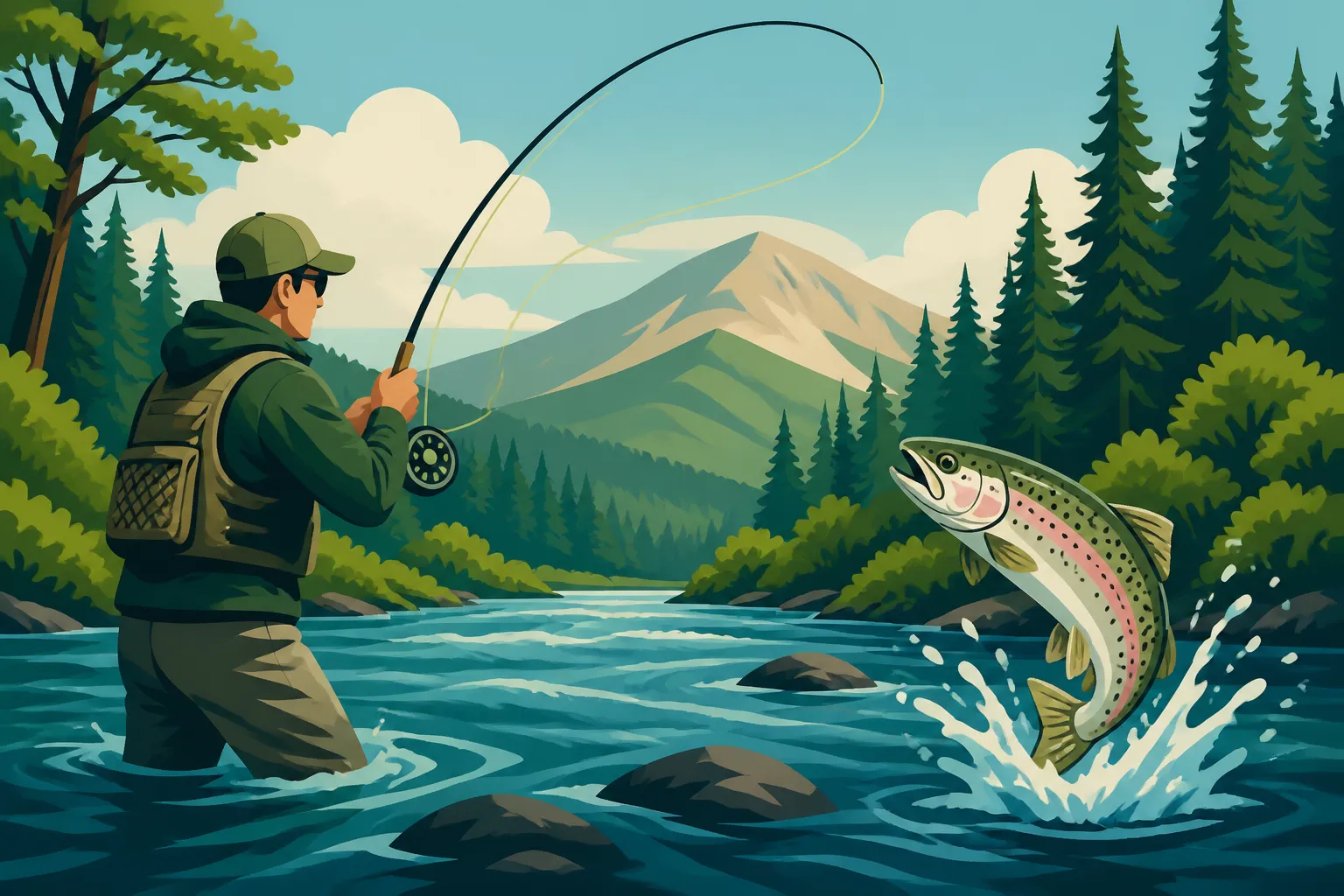
These resident trout are often eager to strike small spinners, spoons, or dry flies and nymphs, especially during morning and evening hatches. Light tackle is the name of the game here, with ultra-light spinning gear or a 3- to 5-weight fly rod being perfect choices. Access often involves hiking along trails or navigating logging roads (be aware of active logging operations). In the lower river, some anglers also target smallmouth bass, which thrive in warmer water and will readily hit jigs, crankbaits, or soft plastics. While not typically a destination for trophy bass, they offer a fun, fast-paced fight on light gear. This is also a good time to sharpen your skills with general Oregon Trout Fishing Techniques before the intense winter and fall runs begin.
Essential Gear and Techniques for Wilson River Success
Having the right tools for the job can make all the difference on the Wilson River. The varying conditions, from roaring winter flows to gentle summer glides, and the different species you'll encounter, all demand specific setups. Beyond the tackle, understanding how to apply techniques and, crucially, how to stay safe, are paramount.
Rods, Reels, and Line: Matching Your Quarry
For serious salmon and steelhead angling on the Wilson, you'll want gear that can handle powerful fish and heavy currents. For drift fishing or bobber-dogging for steelhead, a medium-heavy action spinning or casting rod, typically 9 to 10.5 feet long, is ideal. This length helps with line control, mending, and absorbing the shock of a head shake. Pair this with a reliable reel spooled with 15-20 lb monofilament or braid, usually with a fluorocarbon leader of 10-15 lb test.
When targeting fall Chinook, especially if back-trolling plugs or plunking, heavier gear is a must. Rods in the 8.5 to 10-foot range with a medium-heavy to heavy action are common, capable of handling 20-40 lb line. Braided mainline is often preferred for its sensitivity and strength, again with a robust fluorocarbon leader. For the lighter pursuits of trout in the upper river, a 6 to 7.5-foot ultra-light or light action spinning rod with 4-6 lb line is perfect. Fly anglers might opt for a 7 to 9-weight rod for steelhead and salmon, or a 4 to 6-weight for trout. Getting advice from local tackle shops is always a great idea, as they know exactly what's working with the current conditions.
Baits, Lures, and Flies: What the Fish Are Hitting
The Wilson River offers a smorgasbord of choices when it comes to tempting fish, and what works best often depends on the species, water conditions, and time of year. For winter steelhead, cured salmon roe (often dyed bright colors), soft plastic worms, Cheaters, and yarn balls are staples. Many anglers will also tip their offerings with a small coon shrimp or a dab of scent gel to increase attraction. In clearer water, jigs fished under a float are highly effective, as are small spinners like a #3 or #4 Mepps or Blue Fox.
For salmon, particularly fall Chinook, large, diving plugs such as Kwikfish or Wiggle Warts in metallic or bright colors are popular for back-trolling. Plunking setups often feature Spin-N-Glos with a generous chunk of cured roe or an anise-soaked sardine fillet. Herring and anchovies, trolled or drifted, are also deadly, especially when rigged in a rotating cut-plug style. Coho salmon are often less picky, eagerly hitting spinners, spoons, and jigs. For trout, classic offerings include worms, PowerBait, small spinners, and a variety of dry flies, nymphs, and streamers if you're fly fishing. Consult the comprehensive Oregon Bait and Lure Guide for more detailed information on specific brands and presentations.
Reading the Water and Safety First
Beyond the gear, knowing where to cast and how to fish specific types of water is a learned skill. Steelhead and salmon often hold in specific areas: behind boulders, in seams where fast water meets slow, at the head or tail-out of a deep pool, or in depressions along the river bottom. Look for changes in current, depth, and structure. Reading the water effectively comes with experience, but spending time observing the river and talking to experienced local anglers (respectfully, of course!) can accelerate your learning.
Safety on the Wilson River cannot be overstated. Water levels can rise rapidly after heavy rains, making wading treacherous. Always wear a wading belt if you're in a drift boat or wading, and consider a PFD (Personal Flotation Device), especially during high flows. The banks can be slippery, and the currents surprisingly strong. When fishing from a boat, ensure you have all required safety gear, and always let someone know your float plan. Hypothermia is a real risk in winter, so dress in layers of waterproof, warm clothing. The Wilson is a beautiful river, but it demands respect. Before you head out, checking river flows and weather forecasts is a non-negotiable step. For those looking for guided experiences, many excellent guides on FishingBooker prioritize safety as much as catching fish.
Regulations and Responsible Angling on the Wilson
Fishing on the Wilson River, like any Oregon waterway, comes with a set of rules and responsibilities. These regulations are designed to protect the fragile fish populations and ensure sustainable angling for future generations. It’s not just about avoiding a fine; it’s about being a good steward of the resource.
Understanding Current ODFW Rules
The Oregon Department of Fish and Wildlife (ODFW) sets the rules for fishing throughout the state, and these rules can be complex and subject to change. For the Wilson River, specific regulations regarding salmon and steelhead can vary greatly by season, species, and even sometimes by section of the river. It's absolutely crucial to consult the most current ODFW fishing regulations pamphlet or their online resources before every trip. Don't rely on old information or hearsay.
Key regulations often include: daily and seasonal bag limits (how many fish you can keep), size limits, gear restrictions (e.g., barbless hooks for certain species or times of year), and whether wild fish can be retained or if they are strictly Oregon Catch-and-Release Rules. Many hatchery salmon and steelhead are fin-clipped, meaning a small adipose fin has been removed, differentiating them from their wild counterparts. Understanding how to identify a fin-clipped fish is essential, as wild fish are often protected. You will also need an Oregon Fishing License Guide and often a Combined Angling Tag for salmon and steelhead. Ignorance of the rules is not an excuse, and game wardens do frequent the Wilson River to ensure compliance.
Protecting the Resource: Catch and Release Best Practices
Even when you're legally allowed to retain fish, responsible angling includes practicing good catch and release techniques, especially for wild fish or those you don't intend to keep. The survival of released fish depends heavily on how they are handled. Minimize the time the fish is out of the water – keep it wet! If possible, unhook the fish while it's still in the water. Use knotless rubber landing nets to protect their slime coat and fins.
When handling fish, especially larger ones like salmon and steelhead, support their body horizontally rather than vertically by the tail, which can damage their internal organs and spine. Avoid squeezing them tightly, particularly around the gills. If you need a photo, make it quick, get low to the water, and release the fish gently, allowing it to recover in the current before swimming away. Using barbless hooks, often required by regulation anyway, makes unhooking much easier and less traumatic for the fish. Every effort you make to protect the fish you release contributes to the health and future of the Wilson River fishery.
| Season | Target Species | Primary Techniques | Typical Gear |
|---|---|---|---|
| Winter (Dec-Mar) | Winter Steelhead | Drift Fishing, Bobber-Dogging, Side Drifting | 9-10.5' Medium-Heavy Rod, 15-20lb Line, Roe/Jigs |
| Spring (Apr-May) | Spring Chinook (limited), Resident Trout | Back-Trolling Plugs, Spinners (trout) | Heavy Rods for Chinook; Light Rods for Trout |
| Summer (Jun-Aug) | Resident Trout, Smallmouth Bass | Fly Fishing, Light Spinners, Jigs (bass) | Ultra-Light Spin, 3-5wt Fly Rod |
| Fall (Sep-Nov) | Fall Chinook, Coho Salmon | Trolling Bait/Plugs, Plunking, Spinners, Jigs | Heavy Rods for Chinook, Medium-Heavy for Coho |
Disclaimer
The information provided in this guide is for general informational purposes only and is subject to change. Fishing regulations, seasons, and conditions can vary significantly and are regularly updated by the Oregon Department of Fish and Wildlife (ODFW). Always consult the most current official ODFW regulations before engaging in any fishing activities. We are not responsible for any incidents, violations, or changes in regulations that may occur.