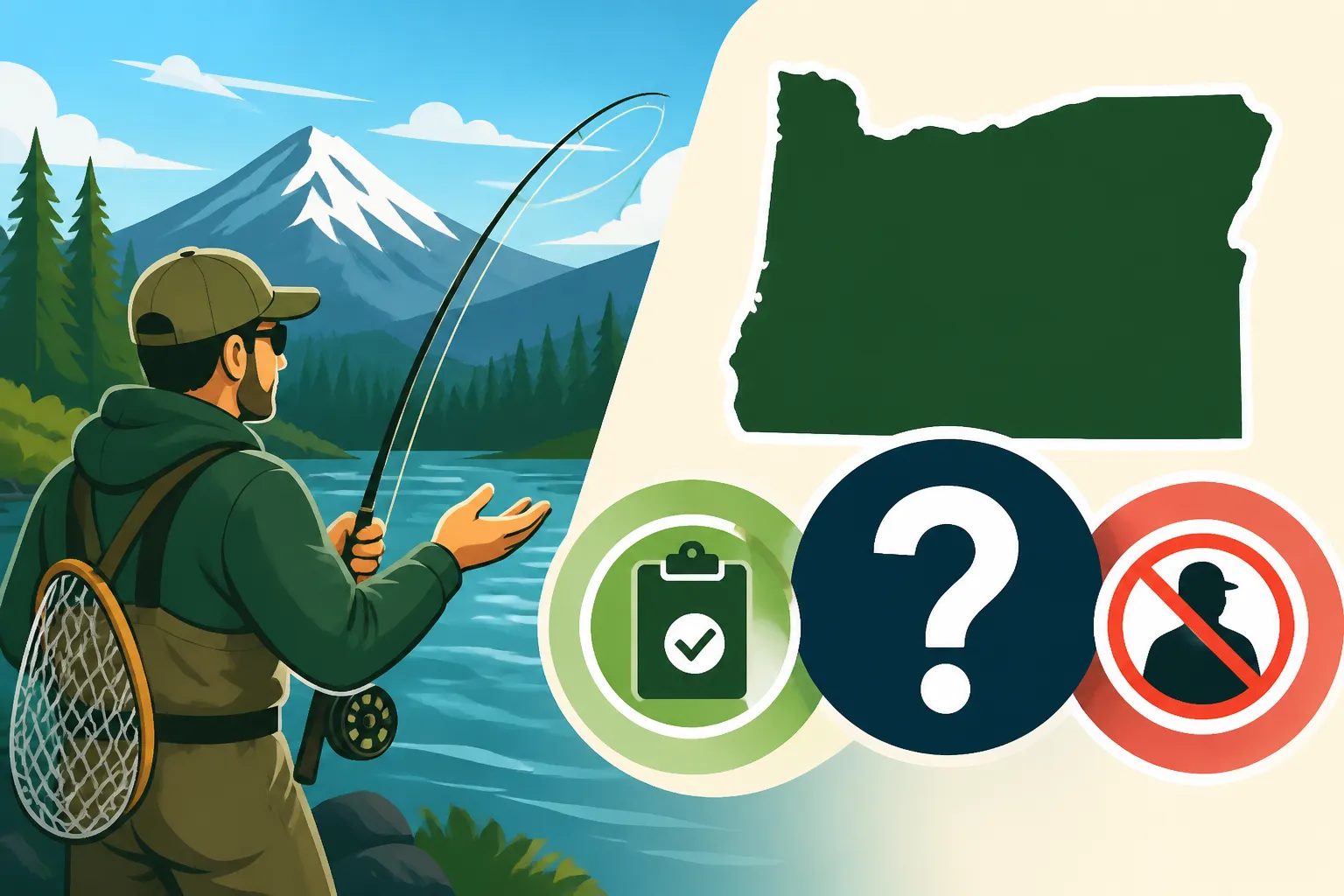
Are Oregon fishing guides required to be licensed?
It can be incredibly frustrating to plan that dream fishing trip to Oregon, pour over all the incredible opportunities from salmon to steelhead, and then wonder if the guide you're considering is even legitimate. The last thing any of us wants is to get out on the water, only to find ourselves in a murky situation with someone who isn't playing by the rules, or worse, putting us at risk. This guide is here to cut through that confusion, clarifying the essential licensing requirements for fishing guides in Oregon so you can book your next adventure with confidence.
The Essentials of Oregon Fishing Guide Licensing
Let's be clear from the start: yes, fishing guides in Oregon are absolutely required to be licensed. This isn't just a suggestion or a "good idea"; it's a legal mandate that helps protect you, the fish, and the integrity of the sport. Understanding these requirements isn't just about avoiding trouble; it's about ensuring you have a safe, successful, and ethical experience on Oregon's beautiful waters.
Why Licensing Matters for Your Trip
When you hire a fishing guide, you're not just paying for their knowledge of where the fish are biting; you're also putting your safety and the legality of your trip into their hands. A licensed guide offers a level of assurance that an unlicensed one simply cannot. Think of it like hiring a contractor for your home – you want to know they're bonded and insured, right? The same principle applies here, but with the added layers of navigating dynamic natural environments and complex regulations.
Firstly, safety is paramount. A properly licensed guide often has to meet certain safety standards, which can include things like holding current first-aid and CPR certifications. They're also expected to operate a vessel that meets Coast Guard safety requirements, carrying all the necessary safety equipment from life jackets to communication devices. An unlicensed guide might cut corners here, either out of ignorance or a desire to save money, potentially putting you in a dangerous situation far from shore or medical help. Knowing your guide is vetted means they've likely demonstrated competence in boat handling, navigation, and emergency procedures.
Secondly, legitimacy and adherence to fishing regulations are crucial. Oregon has a robust set of fishing regulations designed to protect fish populations and ensure sustainable angling for everyone. Oregon Fishing Regulations Explained A licensed guide is expected to be intimately familiar with these rules, including daily bag limits, size restrictions, open seasons, and gear restrictions for specific waters or species. They act as your expert navigator through these regulations, ensuring that every fish you catch and keep (or release) is done so legally. Using an unlicensed guide means you're trusting someone who may not have this fundamental knowledge, and ultimately, you as the angler can also face consequences if rules are broken, even unknowingly.
Finally, there's the aspect of insurance and accountability. Reputable, licensed guides carry liability insurance. This isn't something they do just for fun; it's a critical safety net. In the unfortunate event of an accident, injury, or damage to property during your trip, this insurance provides a layer of protection. An unlicensed guide, operating under the radar, almost certainly won't have this coverage, leaving you with no recourse if something goes wrong. This lack of accountability can turn a dream trip into a financial nightmare or worse.
Who Needs a License in Oregon?
Oregon's definition of a "fishing guide" is quite broad, and for good reason. Essentially, anyone who offers services to take people fishing in Oregon waters for compensation needs to be licensed. This isn't just for big charter boats out on the ocean; it includes individuals running drift boat trips on rivers, small lake excursions, or even those offering shore-based guiding services for a fee. If money changes hands for their expertise and presence on the water with you, they need a license.
This typically means that most professional fishing guides, whether they specialize in fly fishing the Deschutes or trolling for salmon on the Columbia, will fall under these requirements. It's their livelihood, and the state wants to ensure that these professionals operate safely and legally, contributing to the management of Oregon's natural resources. It also ensures a level playing field among guides.
There are, of course, some common-sense exceptions. If you're simply going fishing with a friend or family member who isn't charging you for the experience, they don't need a guide license. Similarly, if you're fishing on private land where the landowner allows you access without charging for a "guiding" service, that's generally fine. The key differentiator is the commercial aspect: is someone receiving payment or other valuable consideration for guiding services? If so, they need to be licensed. Beyond the state-issued Oregon Department of Fish and Wildlife (ODFW) guide license, many guides also need federal licensing, particularly if they operate on navigable waters that fall under U.S. Coast Guard jurisdiction, such as the lower Columbia River or the Pacific Ocean. This might include a U.S. Coast Guard (USCG) Captain's License, which has its own rigorous requirements for sea time, testing, and physicals.
What to Look For When Choosing a Licensed Guide
Now that we know why licensing is important and who needs it, let's talk about how you, as an angler, can spot a legitimate guide. Knowing what credentials to look for and how to verify them will empower you to make an informed decision and ensure a worry-free fishing experience. You don't want to get caught up in Oregon Fishing Violations and Penalties because your guide wasn't properly credentialed.
Key Credentials and Permits
A truly professional and legitimate Oregon fishing guide will typically hold several key credentials. The most fundamental is the Oregon State Guide License, issued by the Oregon Department of Fish and Wildlife (ODFW). This license signifies that the guide has met the state's specific requirements, which often include passing exams on regulations, reporting catch data, and maintaining proper insurance. It's their primary stamp of approval from the state itself. You can learn more about general license requirements in our Oregon Fishing License Guide.
For guides operating on larger bodies of water like bays, the ocean, or significant portions of major rivers (like the Columbia or the Willamette), a U.S. Coast Guard (USCG) Captain's License is absolutely essential. This federal license is a much higher bar, requiring extensive documented sea time, comprehensive exams on navigation, rules of the road, safety, and seamanship, along with strict physical and drug testing. A USCG license indicates a higher level of professional marine training and competence, which is incredibly reassuring when you're out on potentially unpredictable waters. This is particularly relevant for any Oregon Ocean Charter Fishing trips.
Beyond these primary licenses, look for guides who also boast current First Aid and CPR certifications. While not always a direct requirement for all guide licenses, it's a testament to their commitment to client safety. In an emergency, having a guide who knows how to respond can make all the difference. Furthermore, confirm that your guide carries adequate liability insurance. This isn't just for their protection; it's for yours. A reputable guide will be happy to confirm they have this coverage, providing peace of mind should any unforeseen incident occur. Finally, their boat should be properly registered and equipped with all required safety gear as per ODFW and USCG regulations, which includes things like serviceable life jackets for every passenger, throwable flotation devices, fire extinguishers, and emergency signaling equipment.
How to Verify a Guide's Credentials
It's perfectly acceptable, even encouraged, to ask your potential guide about their credentials. Any reputable guide will be transparent and proud to share their licensing information. Don't be shy; it's your safety and investment on the line. You can politely ask to see their ODFW Guide License and, if applicable, their USCG Captain's License. They should be able to produce these documents, either physically or digitally.
For deeper verification, the ODFW often maintains an online database or list of licensed fishing guides, which can be a great resource. While I don't have direct web access to provide a link, a quick search on the ODFW website for "licensed fishing guides" should point you in the right direction. Similarly, the USCG has public databases where you can verify captain's licenses, though this can sometimes be a bit more complex to navigate.
Another excellent method is to use reputable online booking platforms. Services like FishingBooker often have a robust vetting process for guides and charters listed on their site. They require guides to upload and verify their licenses and insurance, offering an extra layer of confidence that the guide you're considering is legitimate. This can save you a lot of individual legwork. While word-of-mouth recommendations and online reviews are valuable for gauging a guide's personality and fishing prowess, they should always be combined with official verification of licenses to ensure full compliance and safety.
The Risks of Hiring an Unlicensed Guide
Choosing to go with an unlicensed guide, perhaps because they offer a slightly cheaper trip, might seem appealing on the surface. However, the potential pitfalls and risks far outweigh any perceived savings. It's a gamble with your safety, your money, and even your legal standing.
Legal Repercussions for Anglers and Guides
The most immediate and severe consequence of operating as an unlicensed guide in Oregon is for the guide themselves. They face significant fines and penalties, which can range from monetary fines to potential legal charges for operating an illegal business. Repeated offenses can lead to even harsher consequences, impacting their ability to ever obtain a license in the future. The state takes these regulations seriously because they are fundamental to managing shared natural resources and ensuring fair play among commercial operators.
However, it’s not just the guide who faces legal trouble. As the angler, you could also find yourself in a bind. If a game warden or law enforcement officer discovers you are fishing with an unlicensed guide, your entire trip could be invalidated. This might mean your fish are seized, and you could potentially face fines yourself for being complicit in an illegal operation. Imagine catching the salmon of a lifetime, only to have it confiscated because your guide wasn't legitimate. It's a disheartening scenario that's entirely avoidable. These situations not only ruin your day but can also result in a lasting stain on your fishing record, making future license purchases or interactions with wildlife officials more difficult. The integrity of Oregon's fishing industry relies on everyone, guides and anglers alike, respecting and adhering to the rules.
Safety Concerns and Lack of Protections
Beyond the legal headaches, the safety implications of an unlicensed guide are perhaps the most concerning. An unlicensed guide, by definition, has not proven to the state or federal authorities that they meet certain competency and safety standards. This can translate directly into real-world dangers. They might lack proper first-aid training, making them ill-equipped to handle medical emergencies on the water, which could be hours from help. Their boat might not meet safety standards, potentially lacking essential gear or proper maintenance, increasing the risk of mechanical failure or capsize.
Perhaps most critically, the lack of liability insurance leaves you completely exposed. If you're injured, or if your personal property is damaged during the trip due to the guide's negligence, you would likely have no financial recourse. You'd be left to cover medical bills, lost wages, or replacement costs out of your own pocket. This financial vulnerability alone should give any angler pause. Moreover, an unlicensed guide may simply disregard fishing regulations, either out of ignorance or intentional circumvention. This could lead to fishing in closed areas, using illegal gear, or exceeding bag limits, all of which not only harm fish populations but also put you at risk of fines and legal action. The peace of mind that comes with a licensed, insured, and safety-conscious guide is truly invaluable.
Finding Your Next Licensed Oregon Fishing Adventure
Now that you're well-versed in the importance of licensed guides, let's talk about how to actually find one for your next incredible Oregon fishing trip. There are many fantastic, ethical guides out there who would love to share their passion and knowledge with you.
Utilizing Trusted Resources
When you're ready to book, start with trusted resources that actively promote or verify licensed professionals. The Oregon Department of Fish and Wildlife (ODFW) website is an excellent starting point, as they are the issuing authority for state guide licenses. While they may not directly recommend specific guides, they often provide lists or searchable databases of currently licensed operators. This is the official source for verification and can give you peace of mind.
Local tackle shops, marinas, and sporting goods stores along Oregon's coast or popular river systems (like those near the Deschutes River Fly Fishing Guides or Columbia River Salmon Guide Trips) are also fantastic resources. These businesses often have long-standing relationships with local guides and can provide genuine, firsthand recommendations based on reputation and client feedback. They often have business cards or flyers from guides they trust.
Online marketplaces have also become a popular and efficient way to connect with guides. Platforms like FishingBooker specifically cater to booking fishing charters and guides, and they often highlight guides who are fully licensed and insured as part of their service. These platforms streamline the process by presenting a range of options, complete with reviews, photos, and detailed descriptions of services, making it easier to compare and choose a guide who fits your needs. This can be a great way to explore various Oregon Fishing Guide Services available. Don't forget, professional guide associations might also have directories of their members, all of whom are typically required to meet specific licensing and ethical standards.
Here's a quick comparison of what separates a licensed guide from an unlicensed one:
| Feature | Licensed Fishing Guide | Unlicensed Fishing Guide |
|---|---|---|
| Legality | Operates legally, follows ODFW & USCG regulations | Operates illegally, risks fines for self & clients |
| Safety | Often First Aid/CPR certified, vessel meets standards | No proven safety training, vessel status unknown |
| Insurance | Carries liability insurance for client protection | Highly unlikely to carry insurance, no client protection |
| Accountability | State-regulated, formal complaint process possible | No formal oversight, little to no accountability |
| Expertise | Vetted on regulations, often experienced | Expertise not formally verified, may disregard rules |
| Client Risk | Minimal legal/financial risk for client | High legal/financial risk for client |
Questions to Ask Before Booking
Once you've identified a few potential guides, engage them in conversation. This is your chance to vet them thoroughly. Don't hesitate to ask direct questions about their credentials. Start with something simple and direct like, "Are you fully licensed and insured for this type of trip?" They should readily answer yes and be prepared to elaborate. Follow up by asking specifically what licenses they hold – "Do you have an Oregon State Guide License and a USCG Captain's License?" – especially if you're looking at a bay or ocean trip or even a big river like the Columbia for Sturgeon Guide Trips on the Columbia.
Further inquiries about their insurance are also appropriate: "Can you confirm you carry liability insurance?" While they won't give you policy details, they should assure you it's in place. Beyond the licensing, ask about their experience. "What's your experience specifically with Oregon Salmon Fishing Techniques or Oregon Steelhead Fishing Techniques on this river at this time of year?" is a great way to gauge their expertise for your desired trip. Finally, inquire about practical matters like their cancellation policy, what gear is provided, and what you should bring. A professional guide will be transparent and eager to answer all your questions, demonstrating their commitment to a high-quality, safe, and legitimate experience.
By taking these steps, you'll not only secure a guide who is legally compliant but also one who is dedicated to providing a memorable and safe fishing adventure in the incredible waters of Oregon.
Disclaimer
This article is for general informational purposes only and does not constitute professional advice. Laws, prices and regulations vary by location and change over time. Consult a qualified professional for guidance on your specific situation.