Oregon Ocean Charter Fishing
Oh, the Oregon Coast! There's something truly magical, yet sometimes intimidating, about the vast Pacific Ocean. Many aspiring anglers dream of reeling in a trophy salmon or a massive halibut, but the thought of navigating open waters, understanding complex regulations, or even just owning all the right gear can feel overwhelming. That's where an Oregon ocean fishing charter truly shines, transforming what might seem like an impossible dream into an accessible, exhilarating adventure for anyone, regardless of their experience level. This comprehensive guide is here to demystify the world of Oregon ocean charter fishing, helping you prepare for an unforgettable trip.
Why Choose an Oregon Ocean Charter?
Let's face it, getting out on the ocean to fish is a whole different ballgame than casting a line in a calm river or lake. The sheer logistics can be daunting: owning a seaworthy boat, knowing the ever-changing ocean conditions, having all the specialized gear, and, most importantly, understanding where the fish are and how to catch them. This is precisely why so many anglers, from seasoned veterans to complete newbies, choose to book an Oregon ocean charter. It's not just about catching fish; it's about the experience, the expertise, and the freedom from all the usual headaches.
The Allure of Offshore Fishing
There’s a unique thrill that comes with ocean fishing that you just don’t get anywhere else. The vastness of the Pacific, the salty air, the chance encounters with marine wildlife like whales and seals – it’s an immersive experience. For many, the biggest draw is the pursuit of larger, more powerful fish that simply aren't found in freshwater. We're talking about king salmon, robust lingcod, and the mighty halibut. These species offer incredible fights and provide an unparalleled sense of accomplishment when you finally bring one to the boat.
Beyond the size of the fish, offshore fishing often means getting away from the crowds that can sometimes accumulate on popular riverbanks or lake shores. It’s an opportunity for a true escape, a chance to feel connected to the raw power of nature. Even on a shared charter, the camaraderie with fellow anglers is often a huge part of the fun, sharing stories and celebrating each other's catches against the backdrop of Oregon's stunning coastline.
Hassle-Free Fishing
One of the biggest pain points for many would-be anglers is the sheer amount of gear required. Boats, rods, reels, tackle, bait, safety equipment – the list goes on, and the cost adds up fast. With an ocean charter, all of that worry is stripped away. Your charter captain provides everything you need: a fully equipped boat, top-of-the-line fishing rods and reels, all the necessary lures and bait, and even the specialized downriggers or deep-dropping gear required for different species.
This means you don't need to spend countless hours researching the best setup for salmon or halibut, nor do you need to invest a small fortune in equipment you might only use a few times a year. You simply show up, step aboard, and the guide handles the rest. This convenience is a game-changer, making ocean fishing accessible to families, tourists, or anyone who just wants to enjoy the fishing without the logistical burden.
Safety and Expertise
The ocean can be unpredictable, and safety is always paramount. Charter captains are highly experienced, licensed professionals who know the local waters like the back of their hand. They monitor weather patterns, understand ocean swells, and navigate safely, ensuring your trip is not only productive but also secure. Their boats are regularly inspected and equipped with all required safety gear, from life jackets to advanced navigation and communication systems.
Beyond safety, you're tapping into a wealth of local knowledge. These captains spend hundreds of days a year on the water, honing their skills and understanding fish movements, feeding patterns, and the best techniques for each species. They know precisely where the hot spots are, what bait is working, and how to help you land that dream fish. This expertise significantly increases your chances of success and turns what could be a frustrating day into a memorable one filled with action. They are your personal fishing mentors for the day, happy to share tips and tricks, whether you’re a beginner learning to set a hook or an experienced angler wanting to refine your technique.
Popular Oregon Ocean Fishing Destinations and What They Offer
Oregon's coastline is dotted with vibrant fishing ports, each offering a slightly different flavor of ocean adventure. From the bustling harbors with large fleets to smaller, more intimate operations, there’s a perfect launching point for your ocean charter experience. The species available and the typical trip types can vary by location, largely influenced by geography and seasonal fish runs.
Newport: A Hub for Diverse Charters
Newport, often considered the Dungeness crab capital, is also a prime destination for ocean fishing. Its large, protected harbor provides easy access to a variety of fishing grounds, making it a favorite for charters targeting multiple species. Here, you'll find a wide array of charter boats, from smaller vessels suitable for private groups to larger party boats that can accommodate many anglers.
Newport is particularly well-known for its excellent bottom fishing opportunities, with easy access to rocky reefs and pinnacles teeming with lingcod and various rockfish species. When the seasons are open, salmon fishing (Chinook and Coho) is also a major draw, with boats heading out to the nearshore waters. And, of course, Newport is a fantastic base for venturing further offshore in pursuit of halibut when the seasons allow. Many charters here offer combination trips, allowing you to try for both salmon and bottom fish in a single outing, or even combine a morning of fishing with an afternoon of crabbing. Newport Oregon Fishing Charters are truly diverse.
Astoria and the Lower Columbia: Fall Chinook Mecca
Up near the mouth of the mighty Columbia River, Astoria holds a special place in the hearts of salmon anglers, especially during the legendary "Buoy 10" fishery. While it's technically still the Columbia River, the sheer size and tidal influence here make it feel very much like ocean fishing, particularly for fall Chinook salmon. During peak season, this area becomes a bustling hub, with hundreds of boats vying for the biggest salmon.
Charters from Astoria primarily focus on salmon fishing, especially from August through September when the massive runs of fall Chinook and coho enter the river. Many of these fish are staging in the ocean just outside the mouth before making their upstream journey. Beyond salmon, the Astoria area can also offer opportunities for sturgeon fishing in the lower river, providing a unique freshwater-saltwater transition experience. While less common for dedicated bottom fish or halibut trips due to the Columbia's influence, the sheer volume of salmon makes Astoria Oregon Fishing Charters a must-experience for any serious angler during the right time of year.
Depoe Bay, Garibaldi, and Other Coastal Gems
While Newport and Astoria are major players, don't overlook the charm and excellent fishing opportunities offered by smaller coastal towns. Depoe Bay, known as the "whale watching capital of the Oregon Coast," also has a dedicated fleet of charter boats. Its unique harbor, often described as the smallest navigable harbor in the world, adds to its quaint appeal. Charters here often target bottom fish and salmon, with some offering halibut trips during open seasons. Depoe Bay Oregon Fishing Charters offer a fantastic experience.
Further north, Garibaldi on Tillamook Bay is another popular spot, particularly for salmon and crabbing within the bay, and bottom fishing and halibut just offshore. Each of these ports provides a slightly different coastal vibe and access to various fishing grounds. Places like Winchester Bay, Florence, Charleston, and Brookings further south also host active charter fleets, each with its local hotspots and specialties, whether it’s tuna runs, rockfish havens, or seasonal salmon activity. Checking out Oregon Fishing Charter Guide can help you find the perfect launch point.
| Port | Primary Species Targeted | Typical Trip Focus | Notable Features |
|---|---|---|---|
| Newport | Halibut, Salmon, Lingcod, Rockfish, Tuna | Diverse, Combo Trips | Large fleet, Dungeness crab, easy ocean access |
| Astoria | Chinook Salmon, Coho Salmon, Sturgeon (river) | Salmon-centric | Buoy 10 fishery, Columbia River mouth, fall runs |
| Depoe Bay | Bottom Fish, Salmon, Halibut | Bottom & Salmon | "Smallest harbor," whale watching |
| Garibaldi | Salmon, Bottom Fish, Crabbing | Bay & Ocean Combo | Tillamook Bay access, diverse fishing |
| Brookings | Salmon, Albacore Tuna, Rockfish | Offshore Tuna, Rockfish | Southern coast, good for warmer water species |
Key Fish Species Targeted on Oregon Ocean Charters
When you head out on an Oregon ocean charter, you're embarking on a quest for some of the most sought-after game fish in the Pacific. Each species presents its own unique challenge and reward, making every trip a diverse and exciting experience. Understanding what you might be targeting can help you choose the right charter and prepare for the kind of action you're hoping for.
Chasing Pacific Salmon
The Pacific Northwest is synonymous with salmon, and Oregon's coastal waters host strong runs of both Chinook (King) and Coho (Silver) salmon. Chinook salmon are prized for their immense size, powerful fights, and rich, red meat, making them a top target for many anglers. Coho salmon, while generally smaller, are known for their acrobatic jumps and aggressive strikes, providing a thrilling battle on lighter tackle.
Salmon fishing charters typically involve trolling with downriggers, using a variety of baits like herring or anchovies, or artificial lures that mimic smaller baitfish. The bite can be subtle or explosive, and reeling in a chrome-bright salmon from the ocean is an experience like no other. Keep in mind that salmon seasons and bag limits are highly regulated and can change frequently, so it's always best to check the current Oregon Fishing Regulations Explained or confirm with your charter captain what the current rules are. You can find more specific guidance on Oregon Salmon Fishing Techniques if you're keen to learn more.
The Thrill of Halibut Fishing
For many, the ultimate prize in Oregon ocean fishing is the Pacific halibut. These enormous, flat-bodied bottom dwellers can grow to incredible sizes, offering an epic tug-of-war that tests an angler's strength and endurance. Halibut fishing is typically done in deeper offshore waters, often involving heavy tackle and large baits dropped to the ocean floor. The season for halibut is usually limited and quota-dependent, making these trips highly sought after and often booked well in advance.
The anticipation of a halibut bite is palpable, as you wait for that distinct thud and steady pull that signals a big one has taken the bait. Bringing a large halibut to the surface is a monumental task, often requiring the combined efforts of the angler and the crew. If you're hoping to land a true trophy fish and don't mind the deeper water and potentially longer travel times, a dedicated halibut trip is an absolute must. Check out How to Fish for Halibut off the Oregon Coast for more detailed information.
Abundant Bottom Fishing Opportunities
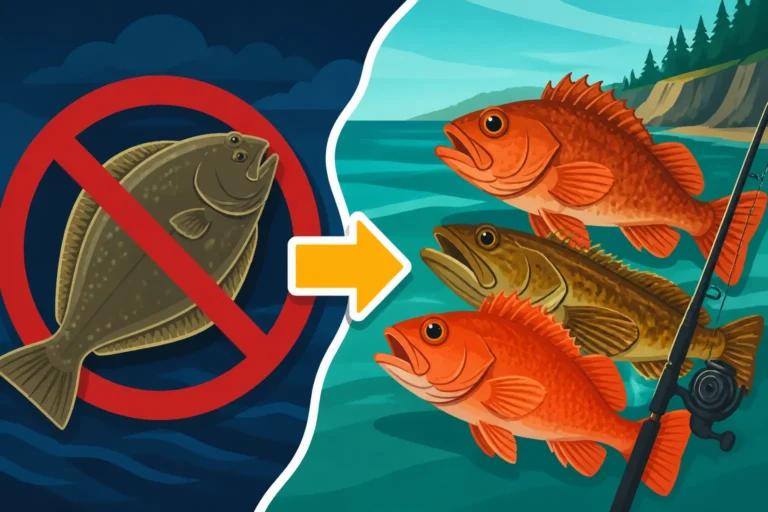
If consistent action and a diverse cooler of fish are what you're after, then bottom fishing is your best bet. The rocky reefs, wrecks, and underwater structures along the Oregon Coast are teeming with a variety of delicious species, making bottom fishing charters a popular choice, especially when salmon or halibut seasons are limited. The stars of the show are typically lingcod and various species of rockfish, including Black Rockfish, Vermilion Rockfish, and China Rockfish.
Lingcod are aggressive predators with impressive teeth and a voracious appetite, providing powerful strikes and a challenging fight. Rockfish, while generally smaller, are incredibly abundant and offer steady action, perfect for keeping everyone on the boat engaged. Bottom fishing usually involves drifting over rocky structure while dropping jigs or bait to the seafloor. It's a great option for families or beginners, as the action is often fast-paced, and you're almost guaranteed to bring home a tasty catch. Plus, the fight from a good-sized lingcod is something you won't soon forget! For tactics, refer to How to Fish for Lingcod and Rockfish in Oregon.
The Adrenaline of Albacore Tuna
For the adventurous angler seeking high-speed action and a truly offshore experience, the seasonal albacore tuna runs are an exhilarating option. These pelagic powerhouses migrate through Oregon's offshore waters during the late summer and early fall, offering some of the most intense fishing available. Tuna trips typically venture much further offshore, often 30 to 60 miles or more, in search of warmer water breaks where these schooling predators feed.
Albacore are often caught by trolling a spread of lures behind the boat, and when a school is found, the action can be furious, with multiple rods going off at once. Known for their incredible speed and stamina, albacore provide a relentless fight that will leave your arms burning. Landing a tuna is a true test of angling skill, and the reward is not just the fight, but also some of the freshest, most delicious sashimi-grade fish you can imagine. These trips are an all-day commitment and can involve navigating larger swells, but for those who love high-octane fishing, it's an unforgettable adventure. Learn more about the Albacore Tuna Fishing Season to time your trip perfectly.
Types of Oregon Ocean Charter Trips Available
One of the great things about Oregon ocean charter fishing is the variety of trip options designed to suit different preferences, schedules, and budgets. Whether you're looking for a quick outing, an all-day deep-sea adventure, or a specialized hunt for a particular species, there's likely a charter trip that fits your needs. Understanding these options will help you make the best choice for your group.
Half-Day and Full-Day Trips
The most common types of charters are half-day and full-day trips, each with its own advantages.
-
Half-Day Trips: These are typically shorter, lasting around 4-6 hours. They are an excellent option for beginners, families with young children, or anyone who wants a taste of ocean fishing without committing to a full day on the water. Half-day trips usually focus on nearshore bottom fishing for rockfish, as these grounds are closer to port, minimizing travel time and maximizing fishing time. While you might not venture as far out or target the biggest trophy fish, you'll still get plenty of action and a good chance to bring home a cooler full of fresh fillets. They are also generally more affordable than full-day excursions.
-
Full-Day Trips: Lasting anywhere from 8 to 12 hours (and sometimes longer for tuna), full-day charters offer a more comprehensive fishing experience. These trips allow the captain to run further offshore, accessing deeper waters and a wider variety of fishing grounds. This opens up opportunities for targeting species like halibut, offshore salmon, or, seasonally, albacore tuna. While longer, they provide ample time to explore different techniques and locations, increasing your chances of landing that dream catch. If you're serious about targeting specific, larger species or simply want to maximize your time on the water, a full-day trip is often the way to go.
Combo Trips for Varied Action
Sometimes, you just can't decide! Or perhaps the conditions are better for one species in the morning and another in the afternoon. That's where combo trips come in, offering the best of both worlds. These charters are designed to target two different species or types of fishing during a single outing, providing a diverse and exciting experience.
A popular combo trip might involve starting the day trolling for salmon in the morning, and then switching gears in the afternoon to bottom fish for lingcod and rockfish. This strategy allows anglers to enjoy the thrill of salmon fishing while also guaranteeing some steady action from bottom fish. It’s an ideal choice if you want to diversify your catch, experience different fishing techniques, or simply increase your chances of bringing home a full cooler, especially when specific seasons for highly sought-after species might be shorter or more unpredictable.
Private vs. Open/Shared Charters
Deciding between a private charter and an open (or shared) charter often comes down to budget, group size, and desired flexibility.
-
Open/Shared Charters: These are individual spots booked on a boat that will have other paying customers who aren't part of your group. They are usually the most budget-friendly option, as the cost of the boat, captain, and crew is split among all passengers. Shared charters are great for solo anglers, couples, or small groups who don't fill a boat entirely but still want the charter experience. The downside is less flexibility; you'll fish according to the captain's plan for the group, and you'll be sharing the deck and fish-fighting opportunities with others. However, the camaraderie can be a real plus, meeting fellow fishing enthusiasts. Many operators, like those found through FishingBooker, offer shared trip options.
-
Private Charters: Booking a private charter means you're reserving the entire boat for just your group, whether it's family, friends, or colleagues. This offers maximum flexibility in terms of target species, fishing locations (within reason and regulation), and even departure and return times. While more expensive upfront, for a larger group, the per-person cost can sometimes be comparable to or even less than individual spots on a shared boat. Private charters are perfect for celebrating special occasions, ensuring a more intimate experience, or catering to specific fishing goals without compromise. You have more one-on-one time with the captain and crew, making it ideal for beginners seeking personalized instruction or experienced anglers wanting to focus on a particular technique.
Specialized Trips: Tuna, Crabbing, and Sightseeing
Beyond the core fishing trips, some Oregon charters offer specialized experiences for truly unique adventures:
- Albacore Tuna Trips: As mentioned, these are dedicated, long-range excursions, often venturing 30-70 miles offshore. They are physically demanding but incredibly rewarding for those seeking fast-paced, big-game action and excellent table fare.
- Crabbing Charters: While many fishing charters will drop a crab pot or two on the way out or back, some operations offer dedicated crabbing-focused trips, especially in bays like Tillamook or Yaquina Bay. This is a fantastic family-friendly activity, and the reward is fresh Dungeness crab for dinner!
- Sightseeing and Whale Watching: Some charter boats double as eco-tour or whale watching vessels. While not primarily fishing trips, they offer a chance to experience the ocean's beauty and wildlife from a comfortable, guided platform. These are excellent options for non-anglers in your group or for a relaxing alternative on a non-fishing day.
When considering the cost, remember that Oregon Fishing Charter Costs can vary greatly depending on trip duration, target species, and whether it's a private or shared excursion. It's always best to check with the specific charter company for their current rates and what's included.
Preparing for Your Oregon Ocean Charter Fishing Adventure
Even though a charter provides most of the heavy lifting in terms of gear and expertise, a little preparation on your part can go a long way in ensuring you have a comfortable, enjoyable, and successful trip. Think of it as setting yourself up for success, minimizing potential discomforts, and maximizing the fun!
Essential Gear to Bring
While the boat provides the fishing gear, there are several personal items you absolutely need to bring to make your day on the water pleasant:
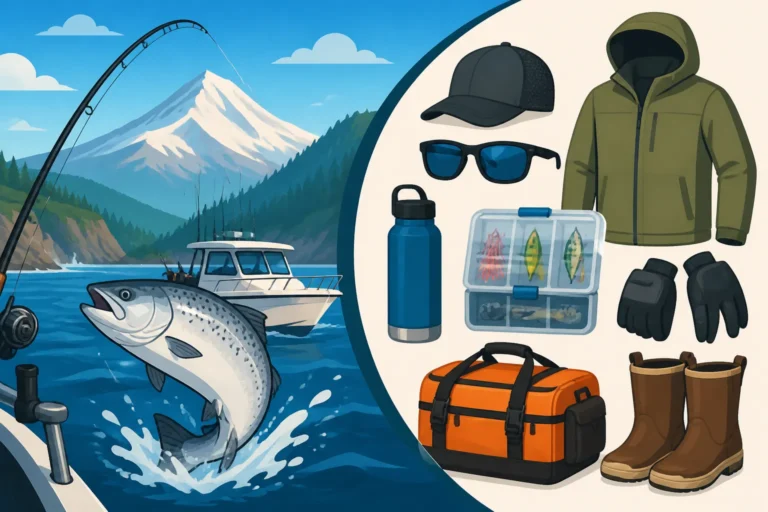
- Appropriate Clothing: The weather on the Oregon Coast can change in an instant, and it's almost always cooler and windier on the ocean than on land. Layering is key! Think waterproof outer shells, warm mid-layers (fleece or wool), and a base layer. Even on a sunny summer day, a warm hat and gloves can be a lifesaver. Waterproof shoes or boots with good grip are also highly recommended to keep your feet dry and prevent slips on a wet deck.
- Food and Drink: Most charters don't provide meals, so pack a lunch, snacks, and plenty of water or other non-alcoholic beverages. Stay hydrated, especially if you're prone to seasickness. Avoid overly greasy or spicy foods right before or during your trip.
- Cooler and Ice: Bring a cooler to transport your catch home. While some charters might have fish bags, having your own cooler ensures your fillets stay fresh for the journey. Make sure it's clearly labeled.
- Sun Protection: Even on cloudy days, UV rays reflect off the water. Sunglasses, a wide-brimmed hat, and plenty of sunscreen are essential to prevent sunburn and eye strain.
- Camera: You'll want to capture those trophy shots and the stunning ocean scenery. Just be mindful of keeping it protected from spray and splashes.
- Small Backpack or Dry Bag: A small bag can keep your essentials like phone, wallet, and keys dry and secure.
Navigating Licenses and Endorsements
This is a crucial step that many first-timers overlook, but it's non-negotiable for legal fishing in Oregon. Everyone fishing from a charter boat, regardless of age (unless specifically exempt), needs a valid Oregon fishing license. For ocean trips, you will also need an Oregon Ocean Endorsement.
- Oregon Fishing License: This is your basic permit to fish in Oregon. You can usually purchase an annual license, or for shorter visits, a one-day, two-day, or multi-day license. If you're planning more than one trip, an annual license might be more cost-effective. You can buy these online through the Oregon Department of Fish and Wildlife (ODFW) website, or from licensed vendors like sporting goods stores and some coastal tackle shops. It's wise to purchase it before your trip, as doing it last-minute at the dock can be stressful.
- Oregon Ocean Endorsement: This is an additional stamp or endorsement required specifically for fishing in the ocean. It's usually purchased alongside your angling license.
- Combined Angling Tag: If you're targeting salmon or steelhead, a Oregon Combined Angling Tag Guide is also required. Even on a charter, you need this tag, and it's essential for properly recording any salmon or steelhead you retain.
Important Note: Your charter boat captain and crew are not permitted to sell you a license or endorsement on the boat. You are responsible for having these in hand before you depart. Always double-check the current requirements for Oregon Fishing License Guide and the Oregon Ocean Endorsement to ensure you're fully compliant.
Battling Seasickness: Prevention and Remedies
Seasickness can absolutely ruin an otherwise fantastic day on the water, and it's a common concern, especially for those new to ocean fishing. The good news is there are several strategies you can employ to prevent or mitigate it:
- Medication: Over-the-counter medications like Dramamine or Bonine are very effective for many people. It's crucial to take these the night before your trip and again a couple of hours before departure, allowing them to get into your system. Don't wait until you feel sick! Prescription patches or medications are also options if you know you're particularly susceptible.
- Scopolamine Patches: These are often prescribed by doctors and worn behind the ear. They can be very effective but require a prescription and should be used as directed.
- Dietary Choices: Avoid heavy, greasy, or acidic foods before and during your trip. Opt for bland, easily digestible snacks like crackers or toast. Ginger (ginger ale, ginger chews, ginger capsules) is a natural remedy that works for some.
- Stay Hydrated and Well-Rested: Dehydration and fatigue can exacerbate seasickness symptoms.
- Fresh Air and Horizon: Once on the boat, try to stay on deck in the fresh air and keep your eyes fixed on the horizon. Avoid reading or looking at your phone for extended periods, as this can confuse your inner ear.
- Mid-Ship Position: If possible, try to stay mid-ship, as this area tends to have less motion than the bow (front) or stern (back) of the boat.
Don't let the fear of seasickness deter you; with proper planning, most people can enjoy their ocean adventure without issue. A quick search on FishingBooker can often provide tips from captains on how they help their guests manage seasickness.
Understanding Regulations and Best Practices on Charters
Fishing, especially in a dynamic environment like the ocean, isn't just about catching fish; it's also about doing it responsibly and ethically. Your charter captain is your primary guide for navigating the complex world of Oregon fishing regulations, but having a basic understanding yourself will enhance your trip and ensure you're contributing to sustainable practices.
Daily Bag Limits and Size Restrictions
Oregon fishing regulations are designed to protect fish populations and ensure healthy fisheries for future generations. This means there are strict rules regarding how many fish of a certain species you can keep (daily bag limits) and how large or small those fish must be (size restrictions).
- Species-Specific Rules: These limits vary significantly by species. For example, the daily limit for salmon might be one or two fish, while for certain rockfish, it could be much higher. Halibut seasons are often very short and quota-driven, with precise size slots. Your captain will be intimately familiar with the current regulations for the species you are targeting.
- Retention vs. Release: Some species or sizes might be catch-and-release only, especially for wild populations or those under conservation efforts (e.g., wild steelhead, certain protected rockfish).
- Catch Record Cards/Tags: For salmon, steelhead, and sturgeon, a special tag (like the Combined Angling Tag) is required, and you must immediately record any kept fish on it. This helps ODFW monitor harvest levels.
It's critical to listen to your captain and crew regarding what fish can be kept and what must be released. They are ultimately responsible for ensuring the boat operates within the law. Trying to hide an illegal fish or disregard size limits can result in significant fines for you and the captain.
Ethical Angling and Conservation
Beyond simply following the rules, ethical angling practices are about respect for the resource and the environment. Charter captains are often passionate conservationists and will guide you on best practices:
- Careful Handling of Released Fish: If you catch a fish that needs to be released (due to size, species, or exceeding your limit), the crew will show you how to handle it gently to maximize its survival chances. This often involves keeping the fish in the water as much as possible, using barbless hooks, and minimizing handling time.
- Respect for Habitat: Charters operate with an awareness of sensitive marine habitats, avoiding damage to reefs or other crucial areas.
- Waste Management: All trash, fishing line, and other waste should be kept on the boat and disposed of properly back at the dock. The ocean is not a garbage can.
- Understanding "Fin Clipping": For salmon and steelhead, many hatchery-raised fish are "fin-clipped" (usually the adipose fin) before release. This allows anglers to distinguish them from wild fish, which are often protected and must be released. Your crew will help you identify these.
Participating in ethical angling ensures that these incredible fishing opportunities remain available for generations to come. Your captain is a wealth of knowledge on Oregon Fishing Regulations Explained and best practices, so don't hesitate to ask questions.
The Role of Your Captain and Crew
Your captain and crew are not just steering the boat and baiting hooks; they are the heart of your charter experience. They are licensed professionals with a multitude of responsibilities:
- Safety First: Their number one priority is the safety of everyone on board. They monitor weather, navigate skillfully, and ensure all safety equipment is accessible and in working order. They also provide a safety briefing before departure.
- Expert Guides: They bring years of experience and local knowledge to put you on the fish. They know the tides, currents, hot spots, and techniques for each species.
- Regulation Enforcement: They ensure that all fishing activity on their vessel complies with ODFW regulations, including bag limits, size restrictions, and gear requirements.
- Instruction and Assistance: They'll teach you how to use the gear, assist with baiting hooks, and help you land and net your fish. They are there to make your trip successful and enjoyable, regardless of your experience level.
- Fish Processing: Once back at the dock, most charters offer fish cleaning and filleting services, often for an additional fee. This saves you the messy work and ensures you take home ready-to-cook fillets.
Listen closely to their instructions, ask questions, and follow their guidance. A good relationship with your crew will significantly enhance your fishing adventure and ensure a smooth, productive day. Remember, they are working hard to give you the best possible experience!
Choosing the Right Oregon Ocean Charter
With so many charter operators along the Oregon Coast, how do you pick the one that's perfect for your adventure? It can feel a bit like sifting through a tackle box full of options, but with a bit of research and knowing what questions to ask, you can confidently book a trip that meets your expectations.
Researching Charter Companies and Captains
This is your first and most important step. Don't just pick the first one you see. A little due diligence here will pay off immensely.
- Online Presence and Reviews: Start by looking at charter company websites. Do they look professional? Is their information clear? More importantly, check out online reviews on platforms like Google, Yelp, or dedicated fishing booking sites like FishingBooker. Pay attention to recurring themes in the reviews – do people consistently praise the captain's knowledge, the crew's friendliness, the boat's condition, or the overall catch rates? Be wary of companies with consistently poor reviews or a complete lack of reviews.
- Experience and Specialization: How long has the captain been operating in the area? Do they specialize in the type of fishing you're interested in (e.g., deep-sea halibut, river mouth salmon, offshore tuna)? A captain who specializes in bottom fishing might not be the best choice for a dedicated fly-fishing trip, for example.
- Boat Condition: While you won't get a full inspection, photos on their website or social media can give you a sense of the boat's cleanliness, size, and amenities. A well-maintained boat is usually a sign of a professional operation that prioritizes safety and comfort.
- Communication: How responsive are they to inquiries? Clear and prompt communication is a good indicator of a well-run business.
Asking the Right Questions
Once you've narrowed down a few options, don't hesitate to call or email them with specific questions. This helps clarify expectations and ensures there are no surprises on the day of your trip.
- What's Included in the Price? This is crucial. Does the listed Oregon Fishing Charter Costs include bait, tackle, fuel, and fish cleaning? Or are these extra? What about licenses and endorsements – are they available for purchase on board or do you need to acquire them beforehand? Clarifying this can prevent unexpected costs at the end of the day.
- What Species Are You Targeting and What Are the Current Regulations? Confirm what fish you'll be going after and the current bag limits and size restrictions. Seasons change, and a captain will know what’s currently open and biting.
- What's the Typical Schedule? How long is the trip? What time do you depart and return? This helps you plan your day around the charter.
- What's the Cancellation Policy? Weather on the Oregon Coast can be unpredictable. Understand their policy for cancellations due to weather, mechanical issues, or if you need to cancel yourself.
- What Should I Bring? Confirm their recommendations for clothing, food, drinks, and any other personal items.
- What Amenities Does the Boat Have? Is there a restroom ("head") on board? Is there covered seating? These comfort factors can be important, especially on longer trips.
- How Many People Will Be on Board (for shared trips)? Knowing the maximum capacity can help you gauge how much space you'll have to fish.
Booking Your Trip
Once you've made your decision, booking is usually straightforward.
- Directly with the Charter: Many people prefer to book directly through the charter company's website or by phone. This allows for direct communication and sometimes more flexibility.
- Online Booking Platforms: Websites like FishingBooker act as aggregators, allowing you to browse many charters in one place, compare prices, check availability, and read reviews. These platforms can be very convenient, especially if you're comparing options across different ports like Newport Oregon Fishing Charters or Astoria Oregon Fishing Charters.
- Deposit: Expect to pay a deposit to secure your booking, with the balance due on the day of the trip.
- Book in Advance: Especially for popular seasons (like fall salmon or summer halibut) or during peak weekends, charters can book up quickly. It's always a good idea to book several weeks or even months in advance to get your preferred date and captain.
By taking these steps, you'll feel much more confident and excited about your upcoming Oregon ocean fishing adventure, knowing you've chosen a reputable and suitable charter.
The Ocean Charter Experience: From Dock to Dinner
Stepping onto an ocean charter for the first time is an exciting moment, often filled with anticipation. Knowing what to expect throughout the day can help you relax, enjoy the process, and make the most of every moment, from the early morning departure to the triumphant return with your catch.
The Morning Routine and Boat Briefing
Your adventure typically begins bright and early, often before the sun fully rises. You'll usually be asked to arrive at the dock about 30-45 minutes before the scheduled departure time. This allows for check-in, payment of any remaining balance, and a crucial safety briefing.
- Check-in: The crew will likely meet you on the dock, confirm your booking, and direct you to load your gear onto the boat. This is a good time to ask any last-minute questions.
- Safety Briefing: Before the lines are cast off, your captain will gather everyone for a comprehensive safety talk. This will cover the location of life jackets, emergency procedures, how to move safely around the boat, and what to do in case of an emergency. Pay close attention – it’s for your well-being!
- Journey Out: Once everyone is briefed and settled, the boat will depart the harbor, slowly making its way through the calm waters of the bay or river mouth. As you clear the jetties and enter the open ocean, you'll feel the gentle (or sometimes not-so-gentle!) sway of the waves. This journey to the fishing grounds can take anywhere from 30 minutes to a couple of hours, depending on the target species and where the fish are biting. Enjoy the views, keep an eye out for marine wildlife, and if you’re prone to seasickness, this is when you’ll be glad you took your medication early!
On the Water: Fishing in Action
Once you reach the fishing grounds, the real fun begins! The crew will spring into action, getting the lines in the water and providing instructions.
- Setting Up: The crew will hand out rods and explain the technique for the day – whether it's dropping jigs for bottom fish, setting up downriggers for salmon, or deploying a trolling spread for tuna. They'll bait hooks, explain how to operate the reel, and tell you what to do when you get a bite. Don’t be shy about asking for help; that’s what they’re there for!
- The Bite!: The most exciting moment, of course, is when a fish strikes. For bottom fishing, it might be a sharp tug; for salmon, a rod might suddenly double over as a downrigger trips; for tuna, an alarm might scream as line peels off a reel. The crew will be quick to assist, often shouting "Fish on!" to alert everyone.
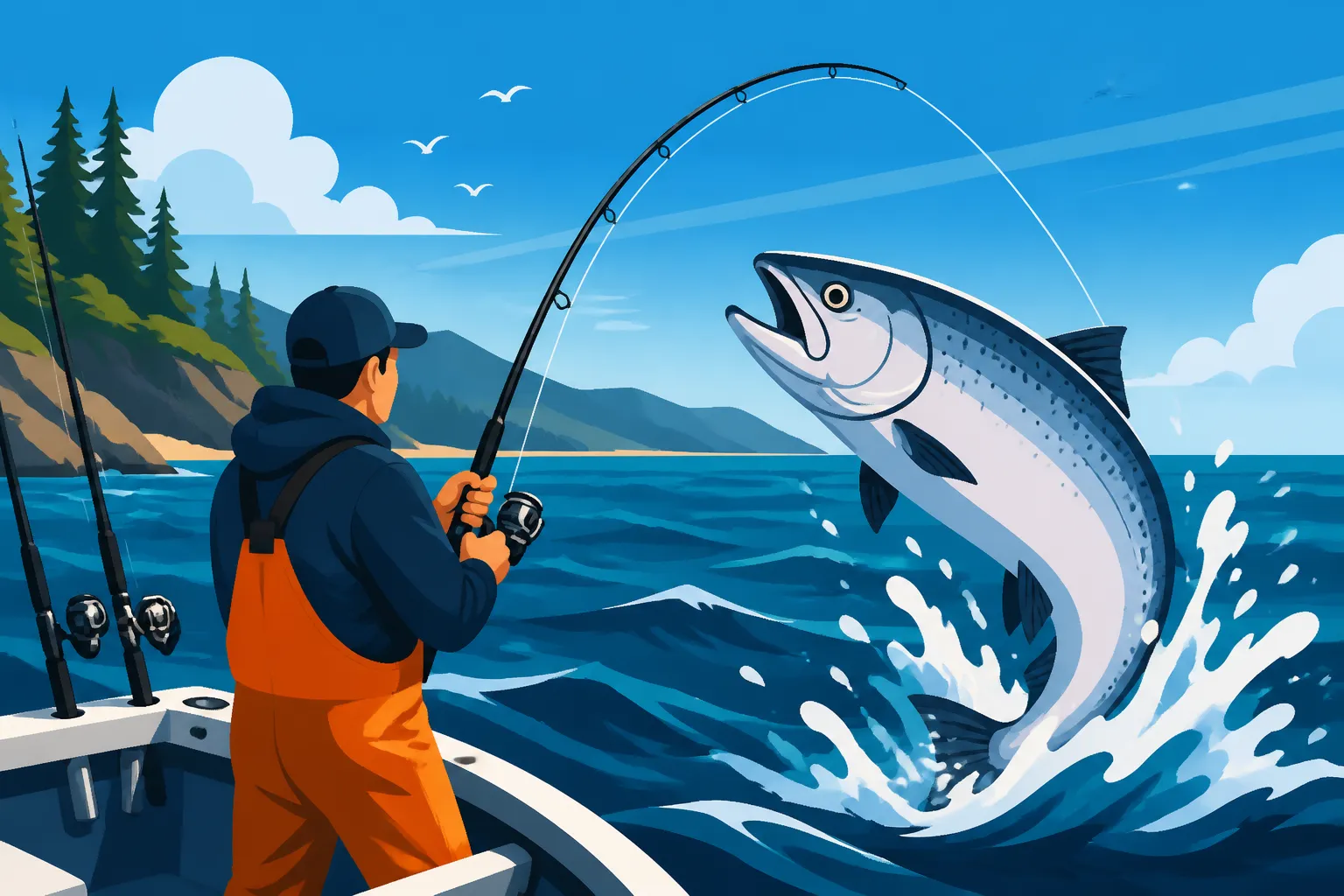
- Fighting the Fish: This is your moment! The crew will guide you on how to properly fight the fish, keeping the rod tip up, reeling steadily, and applying pressure. It’s a physical battle, and sometimes fish win, but often with guidance, you'll bring it to the boat.
- Landing the Catch: Once the fish is close, the crew will net it or gaff it and bring it onto the boat. This is when the excitement peaks! You'll likely get a chance for a photo with your prize before it's either placed in a cooler or released carefully back into the ocean, depending on regulations and your limits.
- Continuous Action: Throughout the trip, the captain will constantly be looking for signs of fish, whether it's marks on the sonar, baitfish activity, or bird concentrations. If one spot isn't producing, they'll move to another, always striving to maximize your chances of success.
The rhythm of ocean fishing, from the quiet anticipation to the sudden adrenaline rush of a hook-up, is truly captivating.
The Return: Filleting, Photos, and Farewell
As the day winds down and your cooler fills (hopefully!), the captain will turn the boat towards home. The journey back to port is often a time for sharing stories, recounting the day's highlights, and enjoying the scenic coastline.
- Dockside Processing: Once you're back at the dock, the crew will typically take over the messy work of cleaning and filleting your catch. This service is usually offered for an additional fee, but it's incredibly convenient, transforming your whole fish into neat, ready-to-cook fillets. Many anglers swear it's worth every penny! Make sure your cooler is ready for those fresh fillets.
- Souvenir Photos: This is your last chance for group photos with the crew and your impressive haul. These memories will last a lifetime.
- Tipping: It's customary to tip your captain and crew for their hard work, expertise, and excellent service. A standard gratuity is usually 15-20% of the trip cost, especially if they worked hard to put you on fish and provided great service. This is a significant part of their income and a way to show your appreciation.
- Departing: With your cooler full of fresh fish and your mind full of memories, you'll head home, already dreaming of your next Oregon ocean charter adventure.
An Oregon ocean charter offers far more than just fishing; it’s a full-sensory experience, a chance to connect with nature, challenge yourself, and create lasting memories with friends and family.
Disclaimer
This article is for general informational purposes only and does not constitute professional advice. Laws, prices and regulations vary by location and change over time. Consult a qualified professional for guidance on your specific situation.