How far offshore do Oregon tuna charters travel
One of the most thrilling experiences you can have as an angler in Oregon is heading offshore in pursuit of albacore tuna. But for many folks, especially those new to this kind of big game fishing, the biggest question isn't about lures or bait, it's about distance: just how far offshore do these Oregon tuna charters actually travel? It’s a valid concern, as the journey can be a significant part of your day, impacting everything from seasickness to fuel costs, and understanding it helps you prepare for an unforgettable adventure. This guide will take you through the typical distances, what drives them, and what to expect when you embark on an offshore tuna quest from Oregon’s coast.
The Lure of the Offshore Horizon: Why Tuna Travel So Far
When you dream of battling a hard-fighting albacore, you're usually picturing the vast, open ocean, far from the sight of land. There's a good reason for that: albacore tuna are pelagic fish, meaning they live in the open ocean, far from coastal waters. They're constantly on the move, chasing baitfish and seeking out the specific oceanic conditions that make their lives comfortable. This natural migration means that finding them often requires a substantial journey from shore.
The Elusive Tuna Grounds
Unlike salmon or steelhead that hug the coastline or run up rivers, albacore tuna are drawn to specific offshore conditions that aren't typically found close to shore. They thrive in warmer, clear blue water, usually found beyond the continental shelf. This is where ocean currents like the California Current bring nutrient-rich waters that create feeding frenzies for schools of baitfish, which in turn attract the hungry tuna.
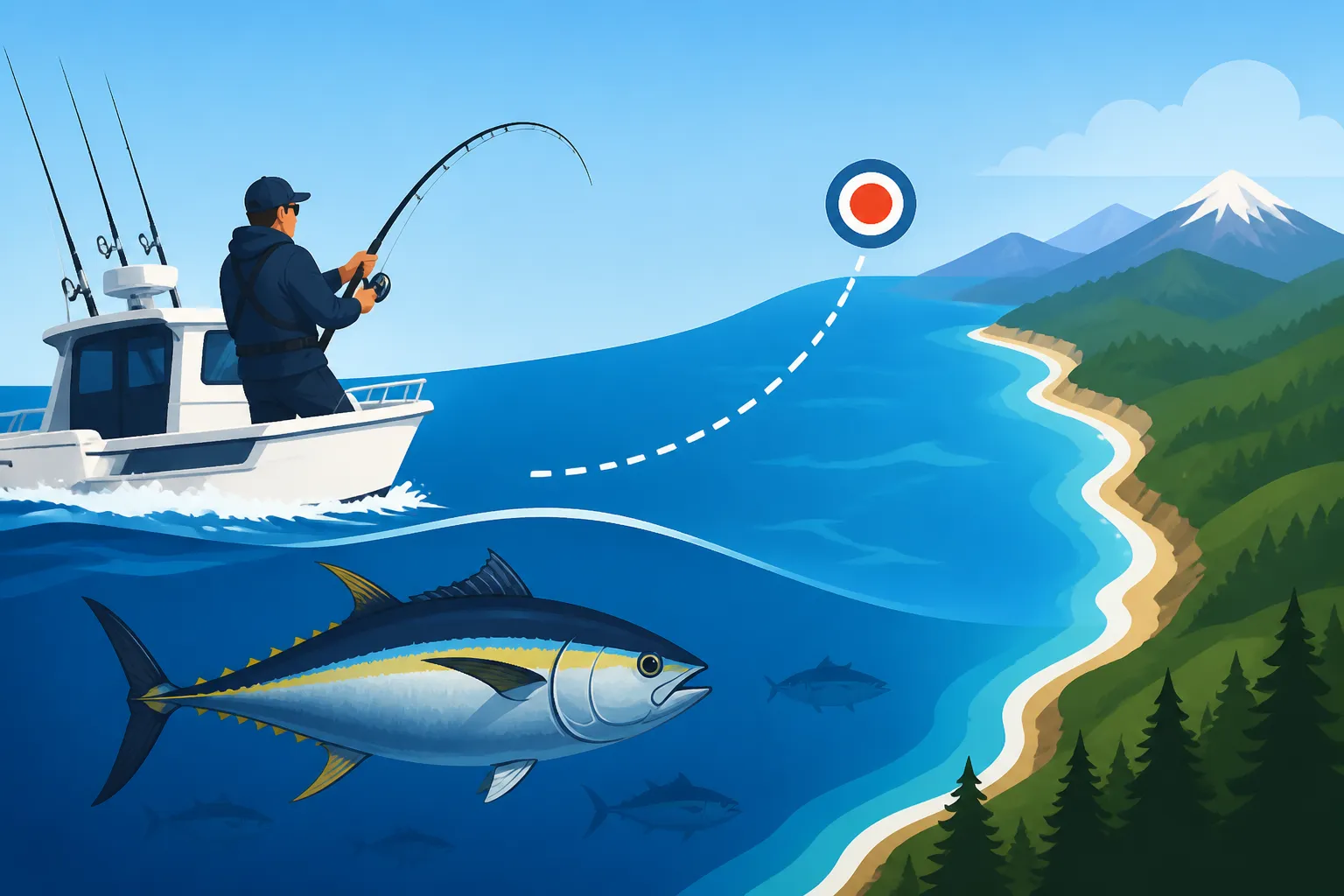
So, when we talk about "how far offshore," we're not just talking about random miles. We're talking about seeking out these specific, often moving, oceanic sweet spots. While there's always the hope for an "inshore bite" – where tuna surprise everyone by showing up within 20 or 30 miles – these are more the exception than the rule. Typically, Oregon tuna charters are traveling much further. It’s not uncommon for captains to run anywhere from 30 to 70 miles offshore to find the prime tuna grounds. Sometimes, especially later in the season or if the bite is particularly far out, you might even push beyond 70 miles. It all depends on where the fish are holding and where the best water conditions exist on any given day.
Fuel, Weather, and Time
The distance a charter boat travels offshore is a complex calculation that involves more than just locating the fish. Captains are constantly weighing factors like current fuel prices, weather forecasts, and the amount of time they have in a day. A longer run means more fuel burned, more time spent traveling rather than fishing, and a greater exposure to changing ocean conditions. Rough seas further offshore can make for an uncomfortable ride and potentially unsafe conditions, so captains always prioritize safety and a reasonable chance of success.
For you, the angler, this translates into managing expectations. A 10-hour charter day might involve 3-4 hours of travel time (one-way, depending on speed and distance), leaving 2-4 hours for actual fishing, plus time for lunch, rigging, and fish handling. It's a significant commitment, but the reward of a deck full of fresh tuna is often well worth the journey. Make sure you understand the Oregon Ocean Endorsement requirements, as it's typically needed for these offshore adventures.
Typical Distances for Oregon Tuna Charters
So, let's get down to the brass tacks: what's the typical range? While it varies, you can generally expect to cover a good chunk of ocean.
Early Season and Closer Bites
When the albacore first start showing up off the Oregon coast, typically in late June or July, they sometimes pop up closer to shore. These "early season" fish might be found anywhere from 20 to 40 miles offshore. This is often due to a strong push of warm water currents closer to the coast, bringing bait and tuna with them. These closer bites are golden opportunities because they mean less travel time, more fishing time, and a slightly calmer ride, often making them popular for families or those prone to seasickness.
However, relying on an early, close bite is wishful thinking. While it can happen, experienced tuna anglers know to prepare for the long haul.
Peak Season and the Deep Blue
As the summer progresses into August and September, which is often the peak Albacore Tuna Fishing Season, the tuna are typically found further out. This is when those 40 to 70-mile runs become common. The sweet spot of warm, blue water and abundant baitfish often establishes itself well beyond the sight of land. From ports like Newport, Astoria, or Depoe Bay, charter captains will make their way west-southwest, sometimes even northwest, following the temperature breaks and current lines.
Consider a typical day out of Newport. Your charter might leave the dock before dawn, and you could be running for two to three hours before the captain even spots the first signs of tuna activity – maybe a flock of working birds, a temperature break on the sonar, or a ripple on the surface from feeding fish. How much does a tuna charter cost out of Newport can give you an idea of the investment for these long-haul trips.
Factors Influencing the Day's Run
The decision on how far to travel isn't static. It changes daily, even hourly, based on several key factors:
- Water Temperature: Tuna are extremely sensitive to water temperature. They prefer specific ranges, usually between 60-70 degrees Fahrenheit. Captains use satellite imagery and sea surface temperature charts to find these thermal breaks, which are often far offshore.
- Baitfish Presence: Tuna follow their food. If anchovies, sardines, or squid are congregating in a particular area, the tuna won't be far behind. Captains constantly look for signs of bait on their sonar.
- Ocean Currents: Strong currents can concentrate bait and tuna, creating productive fishing zones that might be closer or further depending on the day's flow.
- Weather and Swell: Safety first! No captain will risk a long run in dangerous conditions. If significant swells or high winds are forecast offshore, the trip might be canceled or limited to closer grounds. This is why it's important to keep an eye on marine forecasts.
- Captain's Experience and Network: A seasoned captain with years of experience knows the usual haunts and has a network of other captains sharing intel, allowing them to pinpoint productive zones more efficiently.
What to Expect on an Offshore Tuna Trip
Embarking on an Oregon tuna charter is an adventure, but it's crucial to know what you're signing up for. The long runs offshore mean a full day on the water, often with considerable travel time.
The Time Commitment
Most offshore tuna charters are full-day trips, typically lasting 10 to 12 hours from dock to dock. This accounts for the significant travel time to the fishing grounds, which, as we've discussed, can be 30-70+ miles each way. For a trip that's 50 miles out, you're looking at potentially 4-5 hours of just running time, round trip, even at good cruising speeds. This leaves 5-7 hours for actual fishing, which sounds like a lot, but time flies when the bite is on!
It's a different rhythm than a shorter, inshore trip. You'll spend a good portion of the morning watching the horizon, feeling the boat cut through the swells, and anticipating the moment the captain yells "Fish On!" This extended time on the water also means you need to be prepared. Bring plenty of snacks and drinks. Consider how this compares to other trips like How long is a typical salmon charter trip in Oregon, which might involve shorter runs depending on the target species.
The Boat and the Ride
Tuna charters operate on larger, more stable vessels designed to handle offshore conditions. These boats are typically well-equipped with powerful engines for speed, ample deck space for multiple anglers, and advanced electronics for navigation and fish finding. However, even on a big boat, the Pacific Ocean can be unpredictable. Expect swells and a rocking motion, especially when you're far from the protected bays.
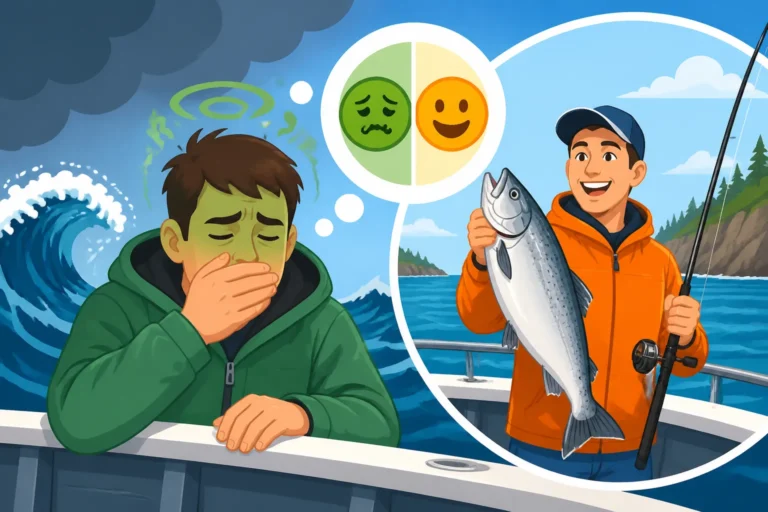
Seasickness is a real concern for many, and it can quickly ruin an otherwise fantastic day. If you're at all susceptible, take preventative measures. Best seasickness medicine for an ocean fishing charter can provide some excellent advice on remedies and precautions. Many charters will have a head (restroom) onboard, but facilities are usually basic.
Preparing for a Long Day at Sea
Being prepared makes all the difference for a comfortable and successful tuna trip. Here's a quick checklist:
- Layered Clothing: Even on a hot summer day, the ocean air can be chilly, especially at dawn and dusk, or when the boat is running at speed. Waterproof outer layers are a must for spray.
- Sun Protection: Sunscreen, a wide-brimmed hat, and sunglasses are non-negotiable. The sun reflects off the water, intensifying its effects.
- Food and Drink: Pack more than you think you'll need. Hydration is key.
- Seasickness Medication: Take it before you board, as directed.
- Cooler with Ice: Most charters will have space for your catch, but having your own cooler in your vehicle for the ride home is smart.
- Camera: Capture those epic moments!
- Fishing Gear (if bringing your own): While most charters provide rods, reels, and tackle, if you prefer your own, double-check with the captain beforehand. For advice on what to bring generally, check out What should I bring on an Oregon fishing charter.
Choosing Your Tuna Charter for the Offshore Journey
Selecting the right charter is paramount for a successful tuna fishing experience, especially given the distances involved. You want a captain and crew who are experienced, safety-conscious, and knowledgeable about chasing tuna far offshore.
Asking the Right Questions
Before you book, don't be shy about asking questions. A good charter operator will be happy to answer them honestly.
- "What's your typical range for tuna trips?" This will give you a baseline expectation for how far out you'll likely go.
- "How long is the trip, and how much of that is travel time versus fishing time?" Understanding this breakdown helps manage your expectations for the day.
- "What happens if the weather turns bad while we're far offshore?" Good captains have contingency plans and will prioritize safety.
- "Do you have a fish guarantee, or is it more about the experience?" Offshore fishing is never a guarantee, but some operators have better track records due to their dedication and equipment.
- "What's your policy on seasickness?" While they can't cure it, knowing if they have a comfortable cabin or tips helps.
Researching Charters
There are many excellent Newport Oregon Fishing Charters, Astoria Oregon Fishing Charters, and Depoe Bay Oregon Fishing Charters that specialize in tuna. Doing your homework is key. Read reviews, look at photos of past trips, and check their websites. Platforms like FishingBooker can be a fantastic resource for comparing different charter options, reading reviews from other anglers, and seeing what specific amenities and services each charter offers. They often list trip durations and typical target species, which can give you clues about how far offshore they generally run.
When you're looking for a charter, prioritize experience and safety. An experienced captain knows how to navigate changing ocean conditions, how to find the fish efficiently, and how to safely handle the gear and the catch.
Understanding Trip Length Options
While most tuna trips are full-day adventures, some charters might offer extended trips, especially if the bite is particularly far out or if they want to maximize fishing time.
- Full-Day (10-12 hours): This is the standard for offshore tuna. It allows for a substantial run out, several hours of fishing, and the run back.
- Extended or "Long Range" Trips (14+ hours or overnight): These are less common but do exist for dedicated anglers. They allow for even longer runs to distant grounds or more fishing time. This is usually for the serious tuna enthusiast who wants to push the boundaries and isn't concerned about the extra time and cost.
- Multi-Day Trips: Some larger operations might offer multi-day tuna trips, but these are rare for albacore in Oregon and typically reserved for further offshore species like bluefin or yellowfin in other regions.
When you book, make sure you're clear on the duration and what's included. A quick chat with the captain or booking agent can clarify all these details. Remember, the goal is to have a memorable, safe, and productive day on the water, even if it means putting some serious miles under the keel.
| Factor | Typical Offshore Distance (Miles from Shore) | Why the Distance? | Key Considerations for Anglers |
|---|---|---|---|
| Early Season (June/July) | 20-40 miles | Warm water pushes closer to shore, bringing bait and tuna. | Shorter travel time, potentially calmer seas. Good for beginners/families. |
| Peak Season (Aug/Sept) | 40-70+ miles | Tuna follow optimal water temperatures (60-70°F) and major bait concentrations, often beyond the continental shelf. | Longer travel time (2-3 hrs each way), higher chance of rougher seas. Prepare for a full day. |
| Ocean Conditions | Variable (closer in rough weather, further in calm) | Safety is paramount; captains avoid dangerous conditions far offshore. Fish move with currents/bait. | Be flexible with trip plans; seasickness prevention is crucial. |
| Captain's Expertise | Variable (efficient routing to fish) | Experienced captains use technology and networks to minimize unproductive travel. | Choose reputable charters with good reviews, especially those specializing in tuna. |
No matter how far offshore your Oregon tuna charter travels, the anticipation, the fight, and the reward of fresh albacore are an experience that makes every mile worth it.
Disclaimer
This article is for general informational purposes only and does not constitute professional advice. Laws, prices and regulations vary by location and change over time. Consult a qualified professional for guidance on your specific situation.