Oregon Fly Fishing Guides
The majestic rivers and pristine lakes of Oregon offer some of the most incredible fly fishing experiences in the Pacific Northwest, but let's be honest, figuring out where to go, what flies to use, and how to read the water can feel like learning a whole new language. It's easy to get overwhelmed, especially when you dream of hooking into a feisty steelhead or a leaping trout but aren't sure where to start. This comprehensive guide is here to demystify the world of Oregon fly fishing guides, showing you why they're invaluable resources and how to choose the perfect one for your next adventure.
Why Hire an Oregon Fly Fishing Guide?
You might be thinking, "Do I really need a guide? Can't I just grab a rod and figure it out?" And sure, you can try. But Oregon's waters are vast and varied, from the big, broad Deschutes to the intimate coastal rivers. A guide isn't just about catching fish; it's about unlocking knowledge, enjoying the experience without the stress of planning every detail, and truly immersing yourself in the moment. It's an investment in your passion.
Expertise and Local Knowledge
Imagine spending days researching fishing reports, pouring over maps, and still showing up to a river only to find the fish aren't biting where you expected. It's a common frustration, and one that an experienced local guide can almost entirely eliminate. These folks spend countless hours on the water, observing patterns, understanding hatches, and tracking fish movements throughout the seasons. They know the subtle seams, the deep pockets, and the hidden riffles where fish like to hold.
This isn't just about secret spots – it's about real-time, adaptive knowledge. A guide can tell you why a certain fly pattern is working today, what depth to present your nymph, or how to properly mend your line in a tricky current. Their local expertise is invaluable, especially when you're targeting elusive species like winter steelhead or native redband trout that demand a nuanced approach. They've seen it all, and they're there to share that wisdom with you.
Accelerated Learning Curve
For many of us, fly fishing is a lifelong journey of learning. But that journey can be steep and frustrating when you're going it alone. A good fly fishing guide acts as a patient, hands-on instructor, offering real-time coaching that's nearly impossible to replicate through books or videos. They'll watch your casting stroke, pinpoint subtle flaws, and offer immediate corrections that can dramatically improve your technique in a single day.
Whether you're a complete novice struggling with your roll cast or an intermediate angler trying to master a perfect double haul, a guide can tailor their instruction to your specific needs. They can teach you how to read different types of water, identify insect hatches, tie essential knots, and understand fish behavior. This personalized mentorship not only helps you catch more fish on the day of your trip but also equips you with skills and confidence that will serve you well on future solo outings. Think of it as a master class on the water.
Access to Prime Waters and Gear
Some of Oregon's most productive fly fishing waters can be tricky to access without the right equipment or permits. Guides often have access to private launches, specialized drift boats designed to navigate specific river sections, or knowledge of less-traveled public access points that are harder for the general public to find. This means less time struggling with logistics and more time with your line in the water, in prime fishing territory.
Beyond access, guides typically provide all the necessary high-quality gear – rods, reels, lines, leaders, and an array of flies perfectly suited for the day's conditions. This is a huge benefit, as purchasing all this equipment yourself can be a significant investment, especially if you're just starting out or only fish a few times a year. You won't have to worry about whether you packed the right fly box or if your waders have a leak; the guide handles all the minutiae, leaving you free to focus solely on the fishing. It makes for a truly hassle-free experience, allowing you to try different setups and techniques without committing to buying all the gear yourself.
Types of Oregon Fly Fishing Guide Experiences
Just like the diverse fisheries themselves, fly fishing guide trips in Oregon come in many flavors. What suits one angler perfectly might not be the best fit for another. Understanding the different types of experiences available will help you narrow down your choices and find a trip that matches your physical capabilities, your fishing goals, and your preferred style of angling.
Walk-and-Wade Trips
Walk-and-wade trips are fantastic for anglers who love the intimacy of being directly connected to the river. On these trips, you'll typically spend the day on foot, moving along the banks or wading into the shallower sections of a river or stream. This is a great option for targeting trout in smaller, more accessible rivers, or even for some stealthier steelhead tactics where a quiet approach is key. These trips allow for focused instruction on casting, presentation, and reading water in a very hands-on way.
The guide will lead you to productive stretches, helping you navigate the terrain and identify prime holding lies. It's often a more physically demanding option, as you'll be walking and wading throughout the day, sometimes over uneven riverbeds. However, for those who enjoy the solitude and the feeling of directly interacting with the water, a walk-and-wade trip offers an incredibly rewarding and personal fly fishing experience. Many guides offer half-day or full-day options, making them flexible for different schedules.
Drift Boat and Raft Trips
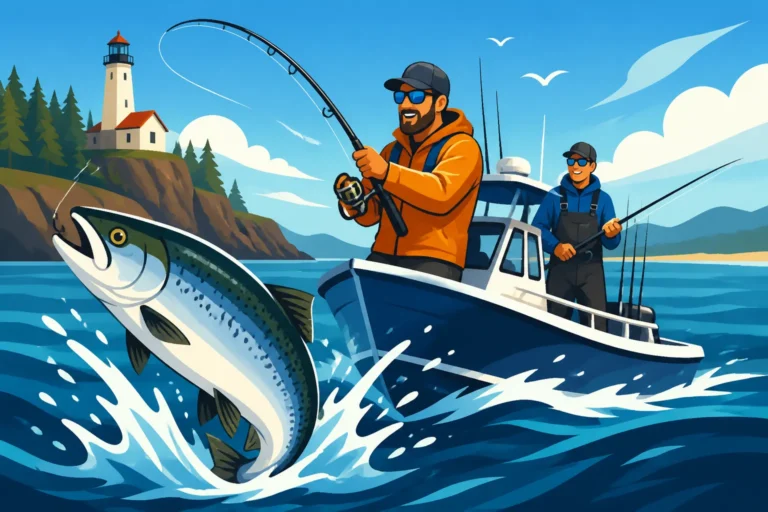
If you picture yourself gliding silently down a scenic river, casting to rising fish from the comfort of a boat, then a drift boat or raft trip is likely for you. These trips are incredibly popular on Oregon's larger rivers like the Deschutes or the Rogue, allowing guides to cover significant stretches of water and access areas that would be impossible to reach on foot. The guide skillfully oars the boat, positioning you perfectly for drifts and presentations, while you focus on casting and fighting fish.
These trips are often less physically strenuous than walk-and-wade, as you spend much of the day sitting, though you'll still stand to cast and fight fish. They're ideal for anglers looking to cover diverse water, from deep runs to swift riffles, and are particularly effective for targeting species like salmon, steelhead, and larger trout that inhabit these larger systems. Plus, the views from the middle of an Oregon river can be absolutely breathtaking, offering a unique perspective you won't get from the bank. It's an immersive experience that combines fishing with a scenic journey downriver.
Specialty and Multi-Day Trips
Oregon's fly fishing offerings go beyond the standard day trip. Many guides specialize in particular techniques, target specific species, or offer multi-day excursions into remote wilderness areas. For instance, if your dream is to chase elusive winter steelhead on the coast, you might look for a guide specifically known for their expertise in Oregon Steelhead Fishing Techniques. Similarly, some guides specialize in dry fly fishing for trout during specific hatches, or even tenkara-style fishing for those interested in a minimalist approach.
Multi-day trips are fantastic for those looking for a more in-depth adventure, perhaps exploring different sections of the same river or even different rivers within a region. These trips often include lodging and meals, providing a fully immersive experience where you can truly disconnect and focus on the fishing. They might involve camping on a riverside gravel bar or staying in a rustic lodge. These specialized and extended trips are perfect for anglers seeking a deeper dive into a particular fishery or a more adventurous, off-grid experience.
Choosing the Right Fly Fishing Guide for Your Trip
Deciding to hire a fly fishing guide is the first step; the next, and arguably most crucial, is choosing the right guide. This isn't just about finding someone with a boat and a license; it's about finding a personality that meshes with yours, an instructor who can help you achieve your goals, and an outfitter who prioritizes your overall experience. A little homework upfront can make all the difference between a good trip and a truly memorable one.
Factors to Consider: Experience, Personality, Focus
First and foremost, consider the guide's experience. How long have they been guiding in Oregon, and specifically on the waters you're interested in? A guide with years of local experience will undoubtedly have a deeper understanding of the fishery's nuances. Equally important, however, is their personality. Do you want a quiet, observant teacher, or a boisterous, encouraging cheerer? Read reviews, check out their social media, and if possible, have a brief phone conversation before booking. You're going to spend a full day with this person, so a good personal connection is key.
Also, think about their focus. Are they primarily a "fish counter" who measures success solely by the number of fish in the net, or do they prioritize the educational aspect, the beauty of the surroundings, and the overall enjoyment of the day? If you're a beginner, you might prefer someone who emphasizes teaching and patience over pure numbers. If you're an experienced angler chasing a trophy, you might want a guide known for their dedication to that specific pursuit. Clarifying these preferences upfront will help ensure your expectations align with what the guide typically offers.
Researching and Booking a Guide
In today's digital age, finding a guide is easier than ever. Start by searching online for "Oregon fly fishing guides" or guides specific to the river you're interested in, such as "Deschutes River fly fishing guide." Many independent guides have their own websites, detailing their services, experience, and contact information. You can also leverage online platforms like FishingBooker, which aggregates listings for guides across the region, often including reviews from past clients. This can be a great way to compare different guides side-by-side, check availability, and read testimonials that offer insights into their guiding style.
Once you have a few potential guides in mind, don't hesitate to reach out directly. A quick email or phone call can often provide a much better sense of their personality and availability than just browsing their website. Be prepared to share your experience level, what species you hope to target, and your goals for the trip. A good guide will listen carefully and help you plan a trip that fits your aspirations. Remember, demand for quality guides can be high, especially during peak seasons, so booking well in advance is often a good idea.
Questions to Ask Before Booking
To ensure you're making an informed decision, always come prepared with a list of questions for your prospective guide. This is your chance to clarify expectations and avoid any surprises. Here are a few essential questions:
- What's included in the trip price? (e.g., gear, flies, lunch, drinks, transportation from a meeting point). Knowing this upfront helps you budget and avoid hidden costs.
- What's your cancellation policy? (Especially important for Oregon's unpredictable weather or if your plans might change).
- What should I bring? (Besides your personal fishing license and tags, which are always your responsibility, what else do they recommend for clothing, snacks, etc.?)
- What's your philosophy on guiding? (This can give you insight into whether they prioritize teaching, catching, or the overall experience).
- What's the typical schedule for the day? (Knowing when you'll meet, when lunch will be, and when the trip concludes helps you plan your day).
- Are you licensed and insured? (Always confirm they meet all Licensed Oregon Fishing Guide Requirements).
- What are the current fishing conditions and expected targets for our trip date? (A good guide will be honest about what's realistic).
| Trip Type | Description | Ideal For | Physical Demands | Advantages |
|---|---|---|---|---|
| Walk-and-Wade | Anglers fish on foot, moving along riverbanks and wading into shallow water. | Trout anglers, those seeking intimacy with the river, focused casting lessons. | Moderate to High (walking, wading over uneven terrain) | Close interaction with the environment, stealthy approach, focused instruction. |
| Drift Boat/Raft | Anglers fish from a boat expertly maneuvered by the guide, covering more water. | Anglers covering large rivers, targeting salmon/steelhead, less strenuous. | Low to Moderate (sitting, standing to cast/fight fish, occasional wading). | Covers extensive water, access to remote spots, comfortable, scenic views. |
| Multi-Day | Extended trips over several days, often including lodging/meals. | Deep immersion, exploring multiple waters, remote experiences, adventurous. | Varies (can include wading, hiking, or boat fishing) | Comprehensive experience, fully catered adventure, deeper learning. |
Popular Oregon Rivers and Their Fly Fishing Guide Scene
Oregon is a fly fishing paradise, boasting an incredible array of rivers, each with its unique character and target species. While a good guide can find fish in many places, certain rivers have become iconic destinations, drawing anglers from around the world. Understanding what makes these rivers special and what guide services typically offer on them can help you plan your dream trip.
The Mighty Deschutes River
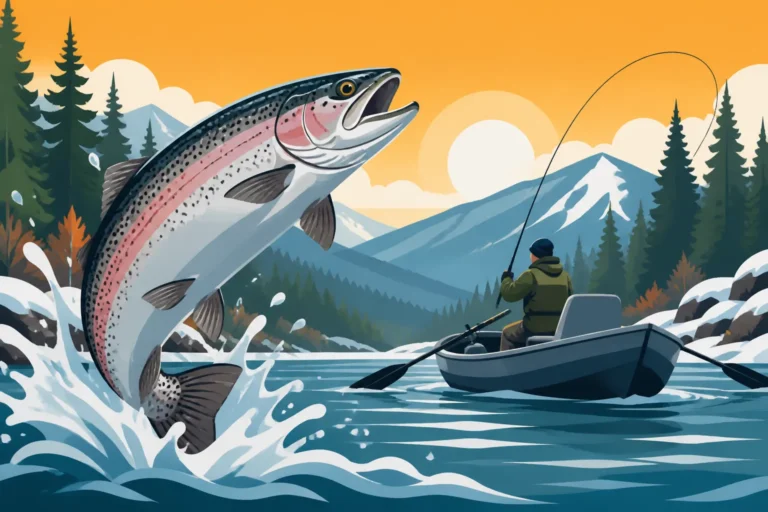
The Deschutes River is arguably Oregon's most famous fly fishing destination, renowned for its incredible redband trout and legendary summer steelhead runs. Flowing through a high-desert canyon, its freestone waters offer diverse fishing opportunities, from dry fly action during the famous salmonfly hatch to nymphing deep runs. Guides on the Deschutes are masters of drift boat trips, skillfully navigating its powerful currents and positioning anglers to target fish in prime lies. They also often guide walk-and-wade trips in certain sections, particularly for trout.
A guided trip on the Deschutes is more than just fishing; it's an experience of dramatic landscapes and abundant wildlife. Guides know the specific sections that are fishing best, the hatches to anticipate, and the precise techniques needed for the river's often challenging, yet rewarding, fish. You might find yourself casting large dry flies for aggressive trout or swinging a two-handed rod for a chrome bright steelhead. Many guides also offer multi-day camping trips, floating down the river and sleeping under the stars, providing an unforgettable wilderness fly fishing adventure. You can learn even more by checking out a Deschutes River Fishing Guide.
Coastal Rivers for Steelhead
Oregon's Coast Range is crisscrossed by a network of stunning rivers that tumble from the mountains to the Pacific Ocean, serving as vital highways for steelhead. Rivers like the Wilson, Nestucca, Siletz, and Trask are legendary for their winter and summer steelhead runs. These rivers are often smaller and more intimate than the Deschutes, lending themselves well to both drift boat and walk-and-wade trips, depending on water levels and specific sections.
Guiding for steelhead on these coastal rivers requires immense skill and patience. Steelhead are often called "the fish of a thousand casts," and a good guide's knowledge of holding water, preferred fly patterns, and subtle presentation techniques is absolutely critical. They'll help you understand the nuances of swinging flies, nymphing indicator rigs, or even bobber-dogging for these incredible migratory trout. A guided trip on a coastal river, especially during the peak winter steelhead season, is a truly special experience, offering a chance at a fish of a lifetime in a stunning, rain-kissed forest setting. To maximize your chances, understanding Oregon Steelhead Fishing Techniques is key.
Willamette Valley and Southern Oregon Rivers
While the Deschutes and coastal rivers get a lot of attention, Oregon's central and southern regions also boast fantastic fly fishing opportunities, often with less crowded waters. The Willamette Valley's tributaries, like the McKenzie River and the Santiam River, offer excellent trout fishing and host runs of spring Chinook salmon that can be targeted on the fly. Guides here often operate drift boat trips, allowing anglers to cover diverse sections of these picturesque rivers. A McKenzie River Fishing Guide can offer insight into those waters specifically.
Further south, rivers like the Rogue and Umpqua are iconic for their summer and winter steelhead runs, as well as resident trout and smallmouth bass. A Rogue River Fishing Guide can introduce you to the unique swing water and spectacular scenery of this historic fishery. These southern rivers often have a longer fishing season for various species, providing year-round opportunities. Guides in these regions are adept at switching gears between species and techniques, making them versatile choices for anglers looking for a diverse fly fishing experience. They know the subtle shifts in water conditions and how different species react to them, providing a flexible and productive outing regardless of the season.
What to Expect on a Guided Fly Fishing Trip in Oregon
Stepping into a guide's drift boat or meeting them riverside for a walk-and-wade trip can feel a bit like the first day of school – exciting, a little nervous, and full of anticipation. Knowing what to expect regarding logistics, etiquette, and the overall flow of the day can help you relax and make the most of your adventure. Remember, the guide is there to ensure you have a safe, fun, and productive time.
Gear, Logistics, and Safety
Before your trip, your guide will likely provide a list of what you need to bring. This almost always includes your valid Oregon Fishing License Guide and any necessary tags (like a Oregon Combined Angling Tag Guide if you're targeting salmon or steelhead). Beyond that, expect to bring appropriate clothing for Oregon's often variable weather – layers are key! Rain gear, warm hats, polarized sunglasses, and sunscreen are essential. Your guide will typically provide all the fishing gear, including rods, reels, lines, and flies. Don't be shy about asking questions beforehand if you're unsure about anything.
On the day of the trip, you'll usually meet your guide at a predetermined location, often a boat ramp, a local tackle shop, or a convenient roadside pull-off near the river. From there, they'll handle all the logistics: launching the boat, shuttling vehicles, and getting you safely to the water. Safety is paramount, and your guide will review essential protocols, including wearing life jackets (if on a boat), safe wading practices, and proper fish handling techniques. They are trained professionals, so trust their judgment and instructions throughout the day.
Etiquette and Tipping
Just like in any service industry, a certain level of etiquette is expected on a guided trip. Be punctual, follow your guide's instructions, and be respectful of the equipment and the environment. A guided trip is a partnership; your guide is working hard to put you on fish and enhance your skills, and your cooperation helps them do their best. Don't be afraid to ask questions, but also be mindful of unnecessary distractions that might pull the guide away from focusing on the fishing.
Tipping is customary and a significant part of a guide's income, reflecting their hard work, expertise, and dedication. While there's no hard-and-fast rule for the exact amount, a typical range for a full-day trip is around 15-25% of the trip's cost, depending on your satisfaction with the experience. If you had an exceptional day, learned a lot, and felt well cared for, a more generous tip is always appreciated. Handing the tip directly to the guide at the end of the day is generally preferred.
The Learning Process and Catching Fish
It's important to set realistic expectations for your trip. While guides work incredibly hard to put you on fish, fly fishing is still fishing, and there are no guarantees. Weather, water conditions, and fish moods can all play a role. However, what is guaranteed is a learning opportunity. Your guide will teach you about the local ecosystem, share casting tips, help you understand fly selection, and guide you through various fishing techniques. Embrace the process, ask questions, and focus on improving your skills, not just the catch count.
For beginners, the day might involve more instruction on casting and line management. For experienced anglers, it might be about refining a specific technique or targeting a challenging species. Regardless of your skill level, a good guide will adapt their approach to maximize your enjoyment and learning. Even on slower fishing days, the camaraderie, the scenery, and the lessons learned can make the trip incredibly rewarding. Remember that the journey of fly fishing is often as fulfilling as the destination.
Preparing for Your Oregon Fly Fishing Adventure
So you've booked your guide and the date is set! Now it's time to shift your focus to preparing for the trip. A little foresight and preparation on your part can significantly enhance your comfort, safety, and overall enjoyment on the water. Oregon's weather can be notoriously fickle, and being ready for anything is half the battle.
Essential Personal Gear
Beyond the fishing equipment your guide provides, there are several personal items you absolutely must bring to ensure a comfortable day on the water. Layers, layers, layers! Even on a sunny summer day, mornings can be chilly, and afternoon winds can pick up. Start with a moisture-wicking base layer, add a fleece or wool mid-layer, and top it with a waterproof and windproof outer shell. Quick-drying fabrics are always a good idea.
Don't forget sun protection: a wide-brimmed hat, sunglasses (polarized are a must for spotting fish and protecting your eyes from errant hooks), and plenty of sunscreen. Insect repellent can be a lifesaver, especially during warmer months or on certain river sections. Comfortable, waterproof wading boots (if it's a walk-and-wade trip) or sturdy non-marking shoes (for a drift boat) are also crucial. Lastly, a small waterproof bag or backpack for your personal items can keep your phone, camera, and extra layers dry. Many guides mention what to bring when you book, and it's always a good idea to confirm.
Physical Preparation and Expectations
Fly fishing, particularly walk-and-wade or larger river trips, can be more physically demanding than some people anticipate. Wading through currents, walking over uneven terrain, and repetitive casting can take a toll. While you don't need to be an Olympic athlete, a reasonable level of fitness will definitely make your day more enjoyable. If you're planning a walk-and-wade trip, consider doing some light hiking or even just walking on uneven surfaces in the weeks leading up to your trip.
It's also important to manage your expectations. A guided trip is a fantastic opportunity, but it's not a guarantee of catching a trophy fish. Focus on the experience: learning from your guide, enjoying the stunning scenery, mastering new techniques, and embracing the challenge of the chase. Some days the fish bite like crazy, and other days they are incredibly finicky. A positive attitude and an openness to learning will ensure you have a great time, regardless of the fish count. Remember, enjoying the journey is what fly fishing is truly all about.
Understanding Oregon's Regulations
Before you even think about packing, the absolute most critical piece of preparation is ensuring you have the correct and current Oregon fishing license and any necessary endorsements or tags. Oregon's fishing regulations can be complex, with specific rules for different species, river sections, and times of year. Your guide will be well-versed in these rules, but ultimately, it's your responsibility as the angler to be legal. You can generally purchase licenses online through the Oregon Department of Fish and Wildlife website, or at many sporting goods stores.
Pay close attention to details like Oregon Fishing Season Dates and Limits, Oregon Daily Bag Limits Explained, and specific tag requirements for species like salmon, steelhead, and sturgeon. If you're planning to fish for trout, understanding Oregon Trout Fishing Techniques will be helpful, but also be aware of specific bait restrictions or catch-and-release rules on certain waters. Don't be afraid to ask your guide about any regulations you're unsure of. They are a valuable resource and can help you navigate the legalities, ensuring a compliant and enjoyable trip.
Cost of Oregon Fly Fishing Guide Services
Let's talk brass tacks: the cost. Investing in a fly fishing guide can feel like a significant expense, especially when you're just looking at the number. However, it's important to view it as an investment in an experience, education, and access that would be incredibly difficult, if not impossible, to achieve on your own. Understanding what drives these costs and what you're getting for your money can help you appreciate the value of a guided trip.
Factors Influencing Guide Rates
The price of an Oregon fly fishing guide trip can vary widely depending on several key factors. First, the duration of the trip: a half-day trip will naturally cost less than a full-day, and multi-day excursions will be significantly more. Second, the type of trip influences cost. A drift boat trip, which requires specialized equipment, fuel, and vehicle shuttles, often costs more than a walk-and-wade trip.
Third, the reputation and experience of the guide can play a role. Highly sought-after guides with years of experience and a track record of success may command higher rates. Fourth, the target species can sometimes influence the price; trips targeting more challenging or highly prized species like trophy steelhead or specific salmon runs might be priced differently. Finally, location matters; guides operating in more remote or popular destinations might have different overhead costs reflected in their pricing. Always check with the guide or booking platform, like FishingBooker, for their current rates.
What's Typically Included
While rates vary, most full-day Oregon fly fishing guide trips typically include a comprehensive package to ensure a seamless experience. This almost always covers the use of high-quality fishing gear, including rods, reels, lines, and an extensive selection of flies tailored to the day's conditions. You won't have to worry about bringing your own expensive equipment or wondering if you have the right flies.
Many guides also provide a riverside lunch, snacks, and non-alcoholic beverages. Transportation for the day's fishing, including shuttles if you're doing a drift trip, is usually part of the service. Most importantly, you're paying for the guide's invaluable expertise: their local knowledge, their ability to read the water, their teaching skills, and their dedication to making your day successful and enjoyable. What's usually not included are your personal fishing license and tags, and a tip for the guide. Always clarify these inclusions before booking.
Making the Investment Worthwhile
To truly make your investment in an Oregon fly fishing guide worthwhile, approach the trip with an open mind and a willingness to learn. Don't just show up expecting to be handed a fish. Engage with your guide, ask questions, pay attention to their instructions, and practice the techniques they teach you. The knowledge and skills you gain are perhaps the most valuable takeaway from a guided trip, equipping you to be a more effective angler on your own in the future.
Think of it as an accelerated course in Oregon fly fishing. The cost covers not just a day on the water, but a transfer of knowledge, a reduction in the learning curve, and access to an experience you might not be able to replicate independently. For many anglers, the memories made, the skills acquired, and the sheer enjoyment of a stress-free day on a beautiful Oregon river far outweigh the monetary cost, making it an investment in a lifelong passion.
Disclaimer
This article is for general informational purposes only and does not constitute professional advice. Laws, prices and regulations vary by location and change over time. Consult a qualified professional for guidance on your specific situation.