Oregon Fishing License at Sporting Goods Stores
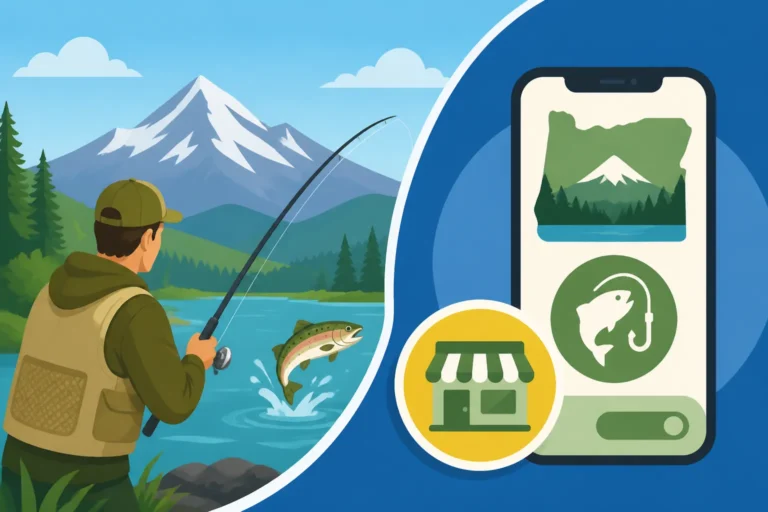
There’s nothing quite like the sudden realization that your fishing license is expired, or worse, that you forgot to get one entirely before heading out on your eagerly anticipated Oregon fishing trip. That sinking feeling in your stomach as you picture a game warden asking for your papers can really put a damper on things. Luckily, grabbing your Oregon fishing license at a local sporting goods store is a convenient and often preferred option for many anglers, offering more than just a piece of paper. This guide will walk you through everything you need to know about securing your license at these community hubs.
Why Choose Sporting Goods Stores for Your License?
When it comes to getting your fishing license, you've got a few options, but visiting a sporting goods store often hits the sweet spot for convenience and added value. It’s not just about getting the document; it’s about the whole experience surrounding your fishing preparations.
Immediate Gratification and Expert Advice
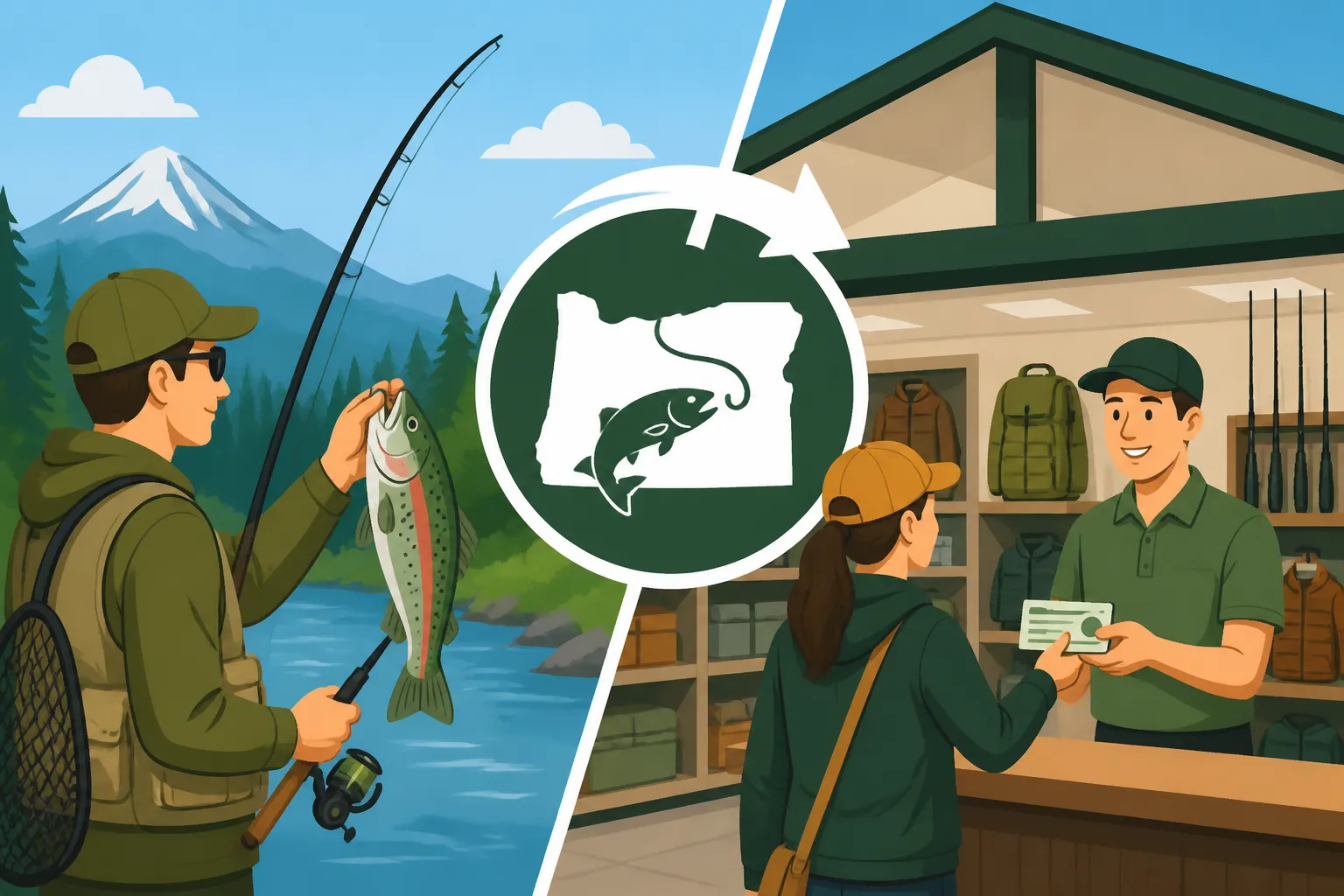
One of the biggest advantages of heading to a physical store like Dick's Sporting Goods, Bi-Mart, or a local tackle shop is the immediate gratification. You walk in, handle the transaction, and walk out with your license in hand. No waiting for mail, no messing with printers that run out of ink at the worst possible moment. This can be a huge relief, especially if you're making a last-minute decision to hit the water. Beyond just getting the paper, these stores are often staffed by fellow anglers who live and breathe fishing. You can ask a quick question about the best bait for a particular species in a local lake, or get a hot tip on where the steelhead might be running. This kind of real-time, local advice is invaluable and something you simply can't get from an online purchase. They can also clarify nuances, like if you need an Oregon Combined Angling Tag Guide for the type of fishing you plan to do.
Convenience and Accessibility
Sporting goods stores are typically well-distributed throughout Oregon, making them easily accessible whether you're in a big city like Portland or a smaller town near a prime fishing spot. Think about it: you're likely already swinging by for bait, tackle, or maybe even a new lure you saw reviewed online. Adding a license purchase to that existing errand just makes sense. You can often find these stores with ample parking, and their operating hours are usually quite generous, often extending into the evenings and weekends, which is perfect for those of us with busy schedules during the typical 9-to-5 workday. It significantly cuts down on the stress of juggling multiple stops before your outing.
Stocking Up on Essentials
Let’s be honest, few of us only go into a sporting goods store for a license. It’s an opportunity to stock up on all those little things you might need or have forgotten. From fresh fishing line and hooks to a new fishing hat or a cooler to keep your catch fresh, these stores have it all. While you might browse fishing gear on Amazon at home, there's something to be said for physically examining a new rod or reel, getting a feel for its balance, and knowing exactly what you're buying. This synergy of purchasing your license and gathering all your supplies in one go makes the sporting goods store a one-stop shop for your angling adventures, ensuring you're fully prepared before you even get to the water.
What You'll Need to Bring for Your Purchase
Getting your fishing license at a sporting goods store is a pretty straightforward process, but like any official transaction, there are a few key things you’ll need to have with you. Being prepared will make the whole experience quick and seamless, getting you out on the water faster.
Essential Identification and Information
First and foremost, you'll need a valid form of identification. For most adults, this means a current state-issued driver's license or an Oregon ID card. This is crucial for verifying your identity and determining your residency status, which directly impacts the price of your license. For example, the cost of an Oregon Resident Fishing License Cost is typically much lower than an Oregon Nonresident Fishing License Cost. If you're under 18, you might not need a full ID, but it's always good to have some form of identification on hand, especially if there's any confusion about your age. You’ll also need to provide some basic personal information, such as your full name, date of birth, and address. This information is entered into the Oregon Department of Fish and Wildlife (ODFW) licensing system to create or update your angler profile. Making sure all your details are accurate helps prevent any issues down the line.
Payment Methods Accepted
Most sporting goods stores are pretty flexible when it comes to payment. You can generally expect to pay with cash, debit cards, or major credit cards like Visa, MasterCard, American Express, and Discover. Some stores might also accept mobile payment options like Apple Pay or Google Pay. It’s always a good idea to have a backup payment method, just in case there’s an issue with your primary choice. Remember that the cost of your license can vary based on your residency, age, and any additional tags or endorsements you might need. For instance, an Oregon 1-Day Fishing License will have a different price point than an Oregon Annual Angling License, and adding an Oregon Ocean Endorsement or a Oregon Columbia River Basin Endorsement will increase the total. Having a clear idea of the type of license you need and its approximate cost can help you budget accordingly before you get to the checkout counter.
Proof of Residency for Oregonians
If you’re an Oregon resident, you’ll want to make sure you have solid proof of residency, as this is what qualifies you for the often significantly lower resident rates. A valid Oregon driver's license or state ID card is usually sufficient, as it typically includes your current Oregon address. If your driver’s license is from another state but you believe you qualify as an Oregon resident (perhaps you just moved here or are an out-of-state student who meets specific criteria), you might need additional documentation. This could include things like voter registration, property tax receipts, a utility bill with your name and address, or a current Oregon hunting or fishing license from a previous year. The ODFW has specific guidelines for what constitutes residency, so if you're unsure, it's a good idea to check their official website before heading to the store. This ensures you’re not caught off guard and end up paying nonresident prices unnecessarily.
The Step-by-Step Purchase Process
Once you’ve gathered your identification and decided on your payment method, buying your Oregon fishing license at a sporting goods store is remarkably straightforward. The staff are typically well-versed in the ODFW system, making it a quick and efficient transaction.
Finding the Right Department and Clerk
When you walk into a larger sporting goods store, you might wonder where exactly to go. Typically, fishing licenses are handled at the customer service desk, the hunting and fishing department counter, or sometimes even at the main checkout registers. Look for signs, or simply ask an employee. Stores like Cabela's, Bass Pro Shops, or even larger retailers like Fred Meyer with a dedicated sporting goods section, will usually have specific counters for these transactions. The clerks at these counters are usually trained on the ODFW licensing system. They're there to help you navigate the options, whether you need a basic annual license, a youth license for your child, or specific tags for salmon and steelhead. Don't hesitate to ask questions, especially if you're new to fishing in Oregon or unsure about the specific regulations for certain species or areas. They can be a great resource for understanding what an Oregon Salmon and Steelhead Tag Requirements or an Oregon Sturgeon Tag Requirements might entail.
Filling Out the Application and Choosing Your License
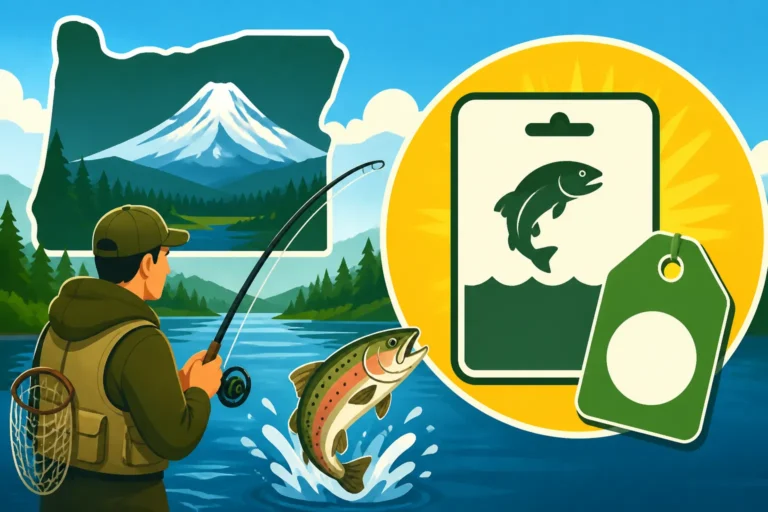
The clerk will guide you through the digital application process, which usually involves entering your personal information into a dedicated ODFW terminal. They’ll ask for your name, address, date of birth, and any other necessary details to verify your identity and residency. This is where you'll specify the type of license you need. Do you want an annual license, or perhaps a shorter-term option if you're just visiting for a few days? Are you an Oregon resident, or do you need a nonresident license? You’ll also choose any additional endorsements or tags, such as the Oregon Shellfish License if you plan on crabbing or clamming, or tags for specific species like salmon, steelhead, or halibut. The system is designed to walk through these choices, and the clerk can help explain what each option covers. For example, they can clarify whether you need a combined angling tag to fish for trout in Oregon, or what exactly the What does the Oregon combined angling tag cover means for your fishing plans.
Printing Your Temporary and Permanent License
Once all your information is entered and the payment is processed, the system will typically print out a temporary license right there on the spot. This temporary license is immediately valid, meaning you can head straight to the water after leaving the store. It's crucial to keep this paper copy with you, as it serves as your official documentation until your permanent license arrives. The ODFW usually mails out the official, more durable license card to your provided address within a few weeks. However, in today’s digital age, many anglers prefer to use their phone as proof of an Oregon fishing license, displaying the digital version from the ODFW app. While the paper copy is always a good backup, the ability to show your license on your phone offers incredible convenience. Always double-check that all the information on your temporary license is correct before you leave the store, especially your name, address, and the types of licenses and tags you purchased. This small step can prevent a lot of headaches later on.
Beyond the License: More Reasons to Visit
Buying your fishing license at a sporting goods store isn't just a transactional necessity; it's an opportunity to immerse yourself in the angling community and get properly outfitted for your adventures. These stores offer much more than just a license.
Picking Up Gear and Bait
Let's face it, one of the best parts about hitting a sporting goods store is browsing all the shiny new gear! While you're there for your license, it's the perfect chance to pick up any forgotten essentials or indulge in a new piece of equipment. Need fresh bait? Most stores will have a good selection of live worms, PowerBait, or even frozen herring for salmon. Did your fishing line get a nasty kink last trip? Grab a new spool. Perhaps you've been eyeing a new fishing vest or a tackle box. This is your moment. You can compare different brands and models right there in person, feel the weight of a rod, or test the smoothness of a reel, something you can't quite do when shopping online, even if you find great deals on Amazon. Having the ability to physically inspect the gear ensures you're happy with your purchase and confident it will perform well on the water.
Local Fishing Reports and Expert Advice
Beyond the tangible products, sporting goods stores are treasure troves of local knowledge. The staff, especially those working in the fishing department, are often avid anglers themselves. They're usually dialed into the local fishing scene and can offer invaluable insights that you won't find in a general guide. "Where are the salmon biting today?" "What's the water level like on the Sandy River?" "What kind of lure has been most effective for trout at Henry Hagg Lake lately?" These are the kinds of questions they can often answer, giving you a serious edge. They might even have a local fishing report board with recent catch photos or written updates. This localized, real-time advice can be the difference between a frustrating day on the water and a truly memorable one. It's like having a trusted fishing buddy working behind the counter.
Community and Connection
In an increasingly digital world, there's something truly special about the sense of community you find in a local sporting goods store. It’s a place where anglers, hunters, and outdoor enthusiasts gather, share stories, and connect over a shared passion. You might overhear conversations about recent catches, discover new fishing spots, or even learn about upcoming local tournaments or fishing clinics. For a new angler or someone just moving to Oregon, these stores can be a welcoming entry point into the local fishing culture. They often host events, workshops, or even fishing rod and reel demonstrations. This connection to a broader community of outdoor lovers can enrich your fishing experience far beyond just the act of casting a line. It transforms a simple errand into an opportunity to be part of something bigger.
Common Questions and Troubleshooting
Even with the best intentions, purchasing a fishing license can sometimes lead to a few head-scratching moments. Whether it's a hiccup with the system or a question about specific endorsements, it’s good to know how to troubleshoot common issues.
What if My Information Isn't in the System?
This can be a common point of frustration, especially if you're a returning angler or you've moved recently. You might walk up to the counter expecting a quick renewal, only to find the system doesn't immediately recognize your previous license history or details. Don't panic! This usually happens due to a simple data entry error from a previous purchase, a change in your name or address, or sometimes if you've used different forms of ID in the past. The clerk will likely ask for additional identifying information, such as your previous address, your ODFW ID number (if you have it), or perhaps even your social security number (which is used for identification purposes in the licensing system, not for credit checks). Be patient and provide as much detail as you can. They are trained to search for existing profiles using various parameters. In some rare cases, if they truly can't find your old record, they might have to create a new one, but this is usually a last resort after attempting to locate your previous profile. This is why keeping a record of your ODFW ID number, often printed on your physical license, is incredibly helpful.
Dealing with Special Endorsements and Tags
Oregon's diverse fisheries mean there are often specific rules and requirements beyond just a basic angling license. For instance, if you're targeting salmon or steelhead, you absolutely need an Oregon Salmon and Steelhead Tag Requirements. Planning to fish for sturgeon? You'll need an Oregon Sturgeon Tag Requirements. And if you're venturing out into the ocean for halibut, there's an Oregon Halibut Tag Requirements. The nuances can be confusing, especially for newcomers. When purchasing your license at a sporting goods store, the clerk can guide you through these options. They often have quick reference guides or direct access to the ODFW system that prompts them about necessary tags. If you're unsure, clearly state your fishing intentions (e.g., "I'm going salmon fishing on the Columbia," or "I want to go crabbing in Tillamook Bay"). They can then ensure you purchase all the required endorsements, like the Oregon Ocean Endorsement for saltwater fishing or an Oregon Shellfish License for crabbing and clamming. This prevents you from inadvertently violating regulations due to missing a crucial tag.
Renewing Your License In-Store
Renewing your Oregon fishing license at a sporting goods store is just as easy, if not easier, than buying a new one. Once you've purchased a license in the past, your information is typically stored in the ODFW system. When you go to renew, the clerk can usually pull up your existing profile using your name and date of birth, or your ODFW ID number. This streamlines the process considerably, as you won't have to re-enter all your personal details from scratch. They'll confirm your current address and then help you select your desired license type for the new season. While you can How to Renew an Oregon Fishing License Online, many people appreciate the in-person touch of a store, especially if they have questions about upcoming seasons or need to grab some new tackle at the same time. Just make sure to check the Oregon Fishing License Expiration Date on your current license, as they generally expire at the end of the calendar year, regardless of when you bought them. Renewing before January 1st ensures you're legal for those early-season opportunities.
Comparing In-Store to Other Options
While sporting goods stores offer a fantastic blend of convenience and hands-on help, they're not the only place to get your Oregon fishing license. Understanding the other options can help you decide which method best suits your needs, depending on how you like to shop and what your priorities are.
The Online Purchase Experience
Buying your Oregon fishing license online has become incredibly popular, especially for those who prefer the comfort of their home or need to make a purchase outside of business hours. The ODFW website provides a direct portal where you can buy licenses, tags, and endorsements 24/7. It's fast, efficient, and lets you print a temporary license instantly, much like you would in a store. You can also view your license history, check drawing results, and manage your account. For many, the convenience of avoiding a trip to a physical location is paramount. However, the online experience isn't without its potential drawbacks. You're responsible for having a working printer and ink, which can be a last-minute headache. There's also no one to ask questions if you're confused about license types or regulations. If you're trying to decide between Buying an Oregon Fishing License Online vs In Person, consider your tech comfort level and whether you value personalized advice or ultimate digital convenience.
ODFW Offices and Other Vendors
Beyond sporting goods stores, Oregon fishing licenses are also available at ODFW offices and various other licensed vendors, such as some general stores, marinas, and even convenience stores in smaller towns. ODFW offices often have the most knowledgeable staff, as they are directly employed by the state's fish and wildlife department. They are excellent resources for complex questions about Oregon Fishing Regulations Explained, specific zones, or even how to get a Free Fishing License for Disabled Veterans in Oregon. However, ODFW offices typically have more limited hours and fewer locations compared to sporting goods stores, making them less convenient for many. Other vendors, like small-town stores, can be very convenient if you're already in a remote area and need a license quickly. They usually offer the same ODFW system access as sporting goods stores, but their staff might have less specialized fishing knowledge. This option is great for accessibility in rural areas but might not offer the same extensive gear selection or expert advice you'd find at a dedicated sporting goods retailer.
Which Option Is Best for You?
The "best" way to get your Oregon fishing license really depends on your individual preferences and circumstances. If you're someone who loves to browse gear, wants immediate advice, enjoys the tactile experience of shopping, and doesn't mind a quick trip, then a sporting goods store is likely your ideal choice. It's also perfect if you're making a last-minute purchase and need that physical proof of license right away. If you're tech-savvy, prefer to handle things digitally, and don't need additional gear or advice, then purchasing online is probably your go-to. It offers unparalleled flexibility. And if you have very specific questions about regulations, need assistance with a unique permit like an Oregon Disabilities Hunting and Fishing Permit, or are in a remote area, an ODFW office or local general store might be the most practical choice. No matter which route you take, the most important thing is that you secure your license and any necessary tags before you cast a line, ensuring you comply with the Oregon Fishing License Guide.
Oregon Fishing License Purchase Comparison Table
To help you quickly compare your options for purchasing an Oregon fishing license, here's a table summarizing the pros and cons of the most common methods:
| Feature/Method | Sporting Goods Stores (e.g., Dick's, Bi-Mart) | Online (ODFW Website) | ODFW Offices / Other Vendors (e.g., small general stores) |
|---|---|---|---|
| Convenience | High: Widespread locations, extended hours, one-stop for gear | Very High: 24/7 access, from home, instant temporary print | Moderate: Limited hours/locations for ODFW; variable for others |
| Expert Advice | High: Knowledgeable staff, local tips, gear recommendations | None: Self-service | High (ODFW offices): Direct state experts; Low (other vendors): Variable |
| Immediate Proof | Yes: Printed temporary license on site | Yes: Print temporary license at home | Yes: Printed temporary license on site |
| Gear/Bait Access | Excellent: Wide selection of fishing gear, bait, tackle | None: Separate shopping required | Limited: Varies greatly, often basic bait/tackle only |
| Troubleshooting | Good: Clerks can assist with system issues, look up profiles | Self-service: FAQ section, customer service line (during hours) | Excellent (ODFW offices): Direct help; Moderate (other vendors) |
| Residency Proof | Clerk verifies ID, may ask for additional docs | Self-certification initially, system flags potential issues | Direct verification |
| Payment Options | Cash, credit/debit, mobile pay (most) | Credit/debit card only | Cash, credit/debit (most) |
| Community Feel | High: Interact with other anglers, local reports | None | Low: Functional transaction |
| Potential Drawbacks | Can be crowded, might incur impulse gear purchases | Requires working printer, no in-person support for questions | Limited hours, potentially fewer locations, less gear selection |
This table highlights that each method has its own strengths, making the choice a personal one based on what you prioritize most for your next Oregon fishing adventure.
Disclaimer
Please note that fishing regulations, license requirements, and pricing can change. While every effort has been made to provide accurate and up-to-date information in this guide, it is crucial for anglers to consult the official Oregon Department of Fish and Wildlife (ODFW) website or their current regulations booklet for the most precise and current rules before engaging in any fishing activities. Relying solely on third-party information may lead to inadvertent violations.