Oregon fishing zones map explained
Trying to make sense of Oregon's fishing regulations can feel like trying to untangle a particularly stubborn bird's nest. Between licenses, endorsements, and species-specific rules, one of the most common head-scratchers for both new and seasoned anglers is the state's intricate system of fishing zones. It's not just about knowing where you can cast your line, but which rules apply to that specific patch of water. This comprehensive guide is here to demystify the Oregon fishing zones map, helping you understand why they exist, what they cover, and how to navigate their unique regulations so you can spend less time scratching your head and more time reeling in your next big catch.
The Purpose Behind Oregon's Fishing Zones
Oregon is an incredibly diverse state, boasting everything from rugged coastline and vast ocean to lush temperate rainforests, towering mountain ranges, and arid high desert. This incredible variety isn't just beautiful; it creates a multitude of distinct ecosystems, each with its own unique fish populations, environmental pressures, and management needs. The Oregon Department of Fish and Wildlife (ODFW) developed the fishing zone system to effectively manage these diverse resources, ensuring sustainable fisheries for generations to come.
Ecological Diversity and Species Management
Think about it: the habitat and life cycle of a steelhead navigating a coastal river are vastly different from a trout thriving in a high mountain lake, or a smallmouth bass in a warm, slow-moving eastern Oregon river. Trying to apply a single set of rules across such varied environments would be like trying to wear the same pair of shoes for a marathon, a deep-sea dive, and a hike up Mount Hood—it simply wouldn't work. The zone system allows ODFW to tailor regulations to the specific species and conditions found in each area. For instance, some zones might have special rules for particular runs of salmon, while others focus on protecting native trout populations. This granular approach is critical for effective conservation and promoting healthy fish stocks. It means that while you might be pursuing spring Chinook on the Willamette River, the rules for that specific pursuit are carefully crafted for that environment, rather than a one-size-fits-all approach that could harm other species or habitats elsewhere.
Protecting Sensitive Habitats and Spawning Grounds
Beyond species management, fishing zones are vital for protecting sensitive habitats and critical spawning grounds. Certain areas, due to their unique ecological value or fragility, require stricter controls. For example, some stretches of river might be designated as "fly-fishing only" to reduce impact, or have specific bait restrictions. Spawning areas, particularly for anadromous fish like salmon and steelhead, are often subject to temporary or permanent closures to ensure successful reproduction. Without these zone-specific protections, these vital areas could be overfished or damaged, leading to long-term declines in fish populations. It's a proactive measure, ensuring that the fish have the best chance to reproduce and thrive, ultimately benefiting anglers in future seasons. Understanding these protective measures helps us all be better stewards of Oregon's natural resources, ensuring that popular fishing spots remain viable.
Understanding Oregon's Major Fishing Zones
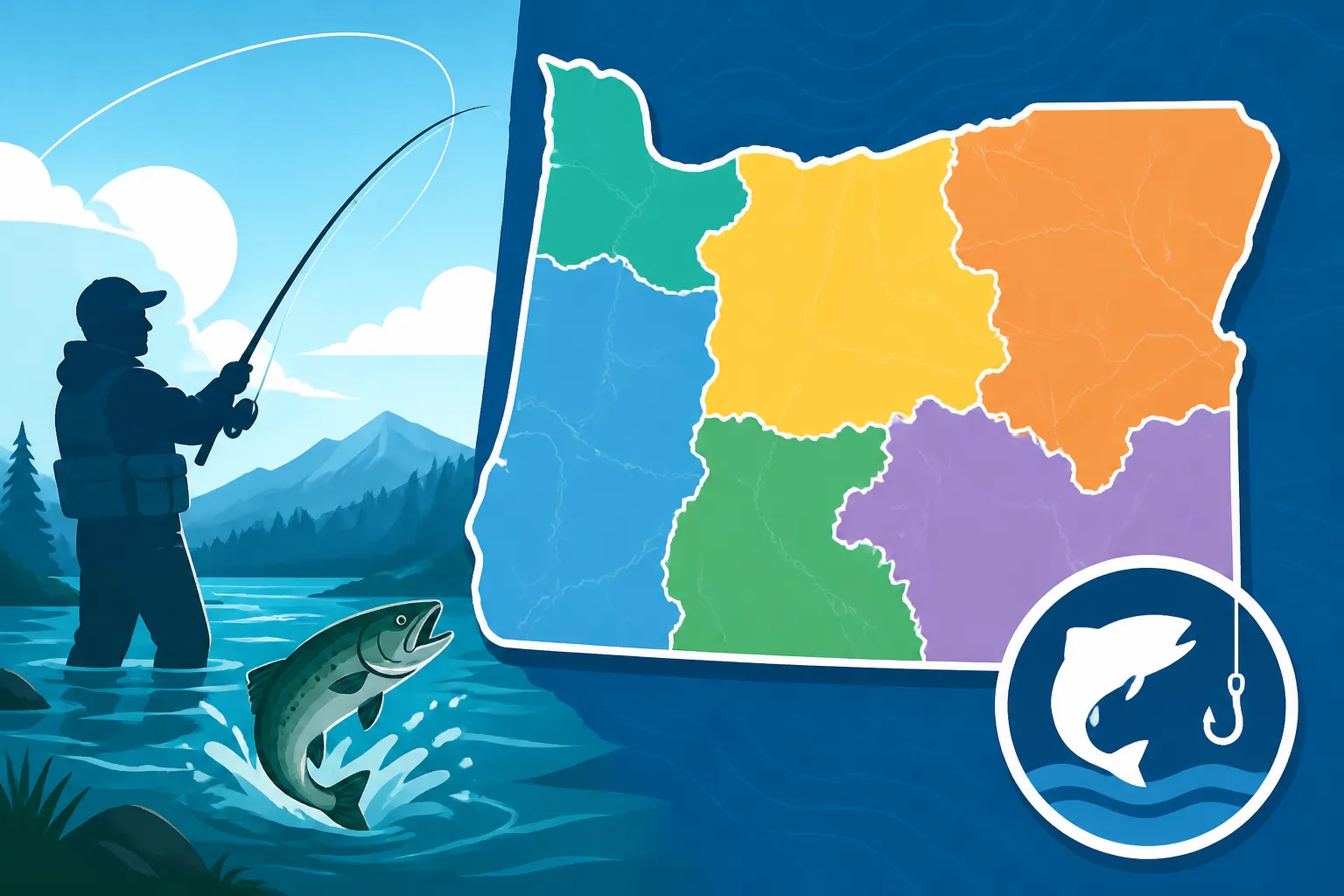
Oregon is typically divided into several major fishing zones, each encompassing a distinct geographical area with its own characteristic waters and fisheries. While the exact boundaries can sometimes seem a bit nebulous on a standard map, they are clearly delineated in the official ODFW regulations. Getting a mental picture of these zones is the first step toward understanding the rules that apply to your chosen fishing destination.
Coastal Rivers and Marine Zone
This zone is all about the Pacific Ocean, its estuaries, bays, and the rivers that drain directly into it from the Coast Range. From the mighty Columbia River estuary down to the Chetco River near the California border, this zone offers diverse angling opportunities. Here, you'll find incredible salmon and steelhead runs, abundant bottom fish like lingcod and rockfish, and popular crabbing and clamming in bays like Tillamook Bay or Yaquina Bay. The regulations here are often highly dynamic, influenced by ocean conditions, federal management guidelines for marine species, and specific river conditions for anadromous fish. For instance, the ocean bottom fishing season can change annually, and daily bag limits explained for salmon and steelhead vary greatly by river and time of year. If you're planning a trip to the coast, remember that you might need an Oregon Ocean Endorsement in addition to your standard fishing license.
Willamette Zone
Nestled in the heart of Oregon, the Willamette Zone centers around the sprawling Willamette River system, including its many tributaries like the McKenzie, Santiam, and Clackamas rivers. This zone is a powerhouse for spring Chinook salmon fishing, especially in the lower river and its major tributaries. Beyond salmon, the Willamette and its connected waters also offer excellent opportunities for steelhead, trout, smallmouth bass, and even sturgeon. Many popular urban and easily accessible fishing spots fall within this zone, making it a favorite for local anglers. Regulations here often focus on managing these anadromous runs, as well as protecting native trout populations in the upper reaches of some tributaries. It's a busy zone, with a lot of pressure, so understanding specific river regulations is absolutely key.
Northwest Zone
The Northwest Zone generally covers the area north of the Willamette Zone, extending east from the Coast Range and encompassing waters like the lower Columbia River tributaries (excluding the mainstem Columbia itself, which has its own special rules), and the northern Cascades. This zone includes areas like the Sandy River and Hood River systems, known for their steelhead and salmon. It also features numerous lakes and reservoirs that are regularly stocked with trout, providing fantastic opportunities for family fishing trips. Anglers here might find regulations similar to the coastal rivers for anadromous species but also deal with lake-specific rules for trout and warm water species.
Southwest Zone
Heading south from the Willamette Zone and extending down to the California border, the Southwest Zone is defined by its rugged landscape and iconic rivers such as the Rogue River and Umpqua River. This region is famous for its powerful salmon and steelhead runs, particularly on the Rogue, which draws anglers from around the world. The zone also features numerous lakes and reservoirs, offering diverse fishing for trout, bass, and panfish. Due to the presence of wild and sensitive fish populations, regulations in the Southwest Zone can be particularly strict, often including catch-and-release rules for wild steelhead and specific gear restrictions. If you're heading to a river like the Rogue, studying the detailed rules is essential.
Central Zone
The Central Zone spans the high desert and eastern slopes of the Cascade Mountains, including the Deschutes River, Metolius River, and countless high-elevation lakes and reservoirs like Lake Billy Chinook, Crane Prairie Reservoir, and the famous Diamond Lake. This zone is a mecca for trout fishing, offering everything from trophy rainbow trout to an outstanding summer steelhead fishery on the Deschutes. Kokanee salmon are also a popular target in many of its larger reservoirs. Regulations often focus on protecting these valuable trout and steelhead resources, with many rivers having specific gear, bait, and fly-fishing-only restrictions. The Deschutes River Fishing Guide is a must-read if you plan on visiting this iconic river.
Southeast Zone
This expansive, often remote zone covers the vast, arid landscapes of southeastern Oregon. Fishing opportunities here are generally centered around smaller rivers, reservoirs, and isolated lakes, often in very scenic, less-traveled areas. While not as famous for salmon or steelhead, the Southeast Zone offers excellent fishing for various trout species, especially rainbow trout in stocked lakes, and warmwater species like bass and crappie in suitable reservoirs. Due to its remote nature, checking specific access points and conditions is particularly important here. This zone is perfect for anglers looking for solitude and a different kind of Oregon fishing experience.
Columbia River Zone Special Considerations
The Columbia River itself, from the mouth to the Idaho border, is often treated as a special entity within Oregon's fishing regulations, sometimes even crossing into multiple broader zones. Its immense size and the fact that it forms the border with Washington State mean that fishing here is governed by a unique set of joint Oregon and Washington regulations. These rules can be incredibly complex and are subject to frequent in-season changes, especially for salmon and steelhead. You might need an Oregon and Washington License Reciprocity on the Columbia or a Columbia River Basin Endorsement depending on where and what you're fishing for. Always, always consult the most current ODFW and WDFW regulations when planning a Columbia River trip. The complexity here is a prime example of why understanding zones is not just a suggestion, but a necessity.
Here's a quick overview of some key zones and their primary fishing focus:
| Fishing Zone | General Location | Primary Species Focus (Examples) | Key Regulatory Aspects |
|---|---|---|---|
| Coastal Rivers & Marine Zone | Oregon Coast, Pacific Ocean, coastal rivers/bays | Salmon, Steelhead, Halibut, Crab | Ocean endorsements, tide/seasonal closures |
| Willamette Zone | Willamette River Valley, Portland, Salem | Spring Chinook, Sturgeon, Trout | Anadromous fish run timing, tributary regulations |
| Northwest Zone | Northern Oregon (east of Coast Range), Sandy River | Steelhead, Trout, Bass | Stocked lakes, specific river restrictions |
| Southwest Zone | Southern Oregon, Rogue & Umpqua Rivers | Salmon, Steelhead, Trout, Bass | Wild fish protection, gear restrictions |
| Central Zone | Central Oregon, Deschutes River, high lakes | Trout, Steelhead, Kokanee | Fly-fishing only, catch-and-release for natives |
| Southeast Zone | Southeastern Oregon, high desert | Trout, Warmwater Species | Remote access, unique local regulations |
| Columbia River Zone | Mainstem Columbia River | Salmon, Steelhead, Sturgeon | Joint OR/WA regulations, frequent in-season changes |
Navigating Zone-Specific Regulations
Understanding that zones exist is one thing; knowing how to find and interpret the regulations for the specific spot you want to fish is another challenge entirely. This is where many anglers, even experienced ones, can get tripped up. The key is to always consult the most current and official sources.
Checking the Current Regulation Booklet
The absolute gospel for Oregon fishing regulations is the annual ODFW Sport Fishing Regulations booklet. You can usually pick up a physical copy at any license vendor, ODFW office, or sporting goods store. Many anglers, myself included, like to keep a physical copy in their tackle box or glove compartment for quick reference, especially in areas with spotty cell service. You can also download a digital copy from the ODFW website, which is incredibly handy to have on your phone or tablet. I've found it useful to have a durable, waterproof version or case for my phone if I'm relying on the digital regs on the water. You can often find waterproof cases that are perfect for this on sites like Amazon. Don't just skim it; read the sections pertaining to your chosen zone, target species, and the specific body of water you intend to fish. Remember, while zones provide a broad framework, many waters within a zone will have their own unique rules regarding open seasons, bag limits, gear restrictions, and bait use. This booklet will be your best friend, clarifying everything from Oregon Salmon and Steelhead Tag Requirements to Oregon Daily Bag Limits Explained.
Using Online Resources and ODFW Tools
Beyond the printed booklet, ODFW offers excellent online resources that are constantly updated. The ODFW website has a dedicated section for "recreational fishing regulations," where you can access the current rule book digitally. More importantly, they often post in-season regulation updates and emergency closures, which are critical for staying legal, especially for fisheries like salmon and steelhead that can change rapidly based on run forecasts and harvest quotas. Imagine heading out for a day of Oregon Salmon Fishing Techniques only to find the river unexpectedly closed. Checking these online updates before every trip is non-negotiable. Additionally, ODFW has an online "Where to Fish" map tool that can help you locate specific waterbodies and often link directly to their specific regulations within the broader zone. This tool can also provide information on fish stocking schedules, access points, and boat ramps, which is invaluable when planning your next adventure. Some dedicated fishing apps also pull data from ODFW, but always cross-reference with the official ODFW site for the most accurate and up-to-the-minute information.
Practical Tips for Anglers in Different Zones
Once you grasp the concept of fishing zones and where to find the rules, you can start to think strategically about your angling approach. The zone you're in will heavily influence not only the regulations you follow but also the gear you bring and the way you plan your trip.
Gear Considerations by Zone
The geographical and ecological differences between zones naturally mean different types of fishing and, consequently, different gear. For example, if you're hitting the Coastal Rivers Zone for winter steelhead, you'll likely need heavier spinning or baitcasting gear, perhaps a drift setup, and waders to navigate the often chilly, swift currents. Conversely, if you're exploring high mountain lakes in the Central Zone for trout, a lighter fly rod or ultralight spinning gear would be more appropriate. I always recommend checking regional fishing forums or local tackle shops, which often have excellent insights into what's currently working and what gear is essential for their specific waters. For specific regional guides or specialized tackle, sites like Amazon can be a great place to research and acquire items like specialized flies for the Metolius River or heavy-duty raingear for a winter outing.
| Zone Category | Common Gear Needs | Example Scenario |
|---|---|---|
| Coastal/River | Heavy action rods, waders, rain gear, drift gear, durable line | Winter steelhead on the Wilson River: you'll need sturdy gear for strong currents and big fish. |
| Lake/Reservoir | Medium to light rods, boat/kayak, trolling gear, bait/lures | Kokanee fishing on Wallowa Lake: downriggers, small flashy lures, sensitive rods. |
| High Mountain | Ultralight spinning, fly rod, hiking boots, backpack gear | Backpacking to a remote Cascade lake for brook trout: lightweight, versatile gear. |
| Columbia River | Heavy rods, large reels, stout line, specialized sturgeon/salmon rigs | Sturgeon fishing: heavy tackle for large, powerful fish; specific baits. |
Planning Your Trip Around Zones and Seasons
Effective trip planning in Oregon means thinking about both the calendar and the map. Fish behavior, migrations, and even regulatory windows are inextricably linked to specific times of year and locations. The "Best Time of Year to Fish in Oregon" often depends entirely on which zone you're talking about and what species you're after. Spring Chinook fishing on the Willamette might peak in May, while prime summer steelhead on the Deschutes is July and August. Coastal crabbing seasons have their own specific timing, and many high mountain lakes in the Central Zone might not even be accessible until late spring or early summer due to snow.
Beyond simply knowing the season, consider logistical aspects. Road access can vary widely by zone and season. Remote areas in the Southeast Zone might require specific vehicle types, and campgrounds fill up fast in popular Central Zone spots during peak trout season. Always check local weather, road conditions, and any fire restrictions before you go. This holistic approach to planning, integrating your knowledge of Oregon Fishing License Guide requirements, species-specific behaviors, and zone regulations, will dramatically increase your chances of a successful and enjoyable outing in Oregon's incredibly diverse fisheries.
Final Thoughts on Oregon Fishing Zones
Navigating Oregon's fishing zones and their associated regulations might seem like a daunting task at first, but it's a skill that pays dividends for any angler eager to explore the state's incredible fisheries. By understanding why these zones exist—to protect and manage our diverse aquatic resources—and how to access the most current information, you're not just staying legal; you're becoming a more informed and responsible steward of Oregon's natural beauty. So, grab your Oregon Fishing Regulations Explained booklet (or load up that ODFW app!), pinpoint your desired zone, and get ready to create some unforgettable fishing memories in the Beaver State.
Disclaimer
The information provided in this guide is intended for general informational purposes only and does not constitute legal advice. Fishing regulations in Oregon are subject to frequent changes by the Oregon Department of Fish and Wildlife (ODFW). It is the angler's sole responsibility to consult the most current and official ODFW Sport Fishing Regulations booklet and online resources before engaging in any fishing activity. Failure to comply with current regulations can result in fines and penalties.