Oregon sturgeon slot limit explained
There’s nothing quite like hooking into a powerful white sturgeon, feeling that incredible pull, and seeing one of these ancient giants come to the boat. It’s an experience etched in the memory of any angler who’s been lucky enough to tangle with one. But let’s be honest, figuring out the specific regulations for sturgeon in Oregon, especially that tricky slot limit, can feel like navigating a maze. It’s a common frustration, and this guide is here to untangle the complexities, explaining exactly what the Oregon sturgeon slot limit means for you, where it applies, and how to stay on the right side of the rules.
Understanding Oregon's Sturgeon Management
For many of us, fishing is about connecting with nature, and there are few fish that embody that connection to ancient times more than the sturgeon. These incredible creatures have been around for millions of years, outliving the dinosaurs! But their longevity also means they're slow to mature and reproduce, making them particularly vulnerable to overfishing. That's why Oregon, along with Washington, has some pretty strict, but absolutely necessary, rules in place to protect these magnificent fish. It's not about making things hard for anglers; it's about ensuring future generations can experience the thrill of sturgeon fishing too.
The Importance of Slot Limits
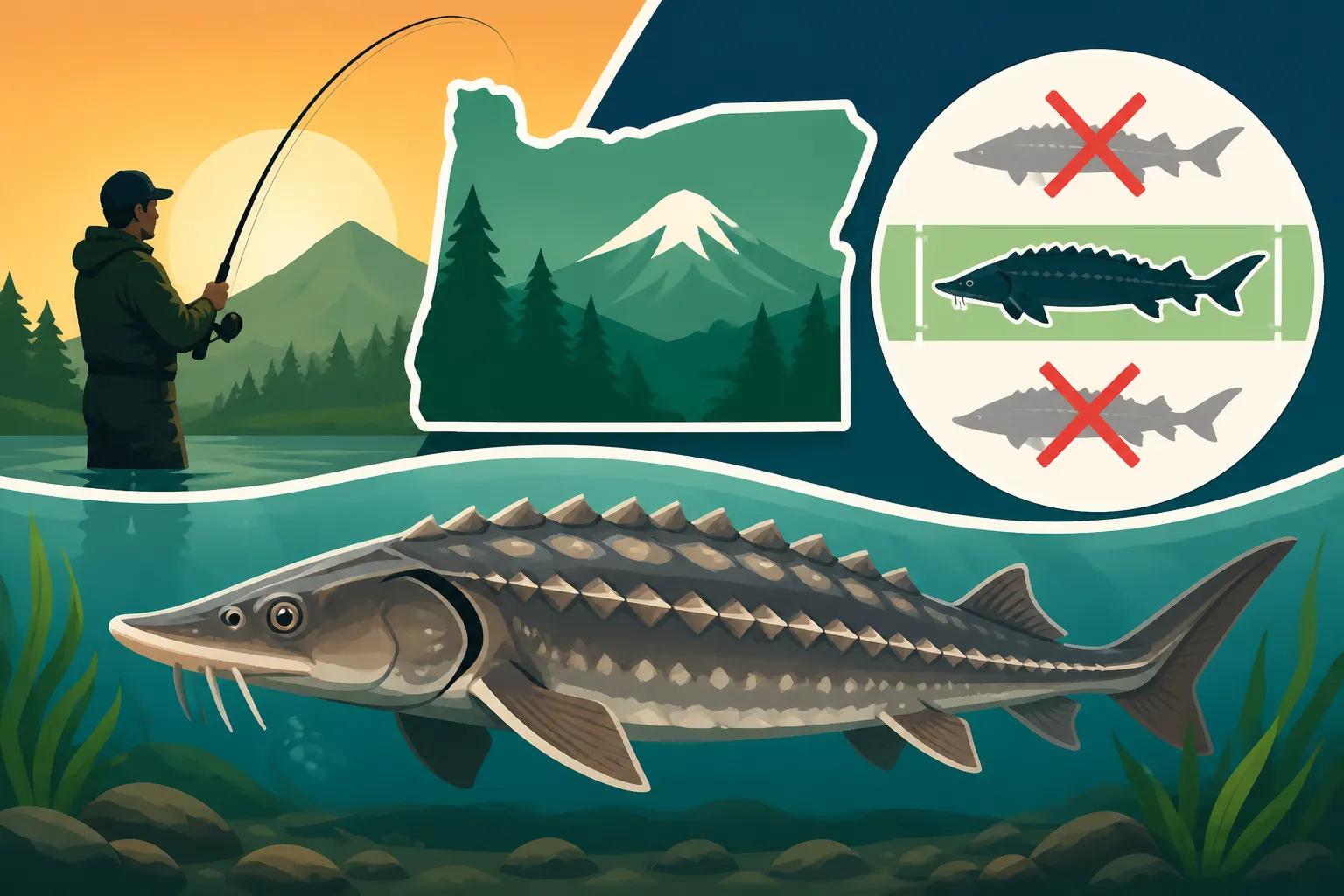
You might have heard of slot limits before, perhaps in reference to bass or other species, but they are particularly critical for sturgeon. A slot limit is essentially a size range where fish can be legally kept. Fish that are too small or too large must be released. It's a highly effective conservation tool because it achieves a few key things:
- Protects Juveniles: The lower end of the slot ensures that young sturgeon, which haven't had a chance to reproduce, are protected and allowed to grow. Imagine taking all the young players off a team before they even learn to play – eventually, there wouldn't be any experienced players left!
- Safeguards Breeding Stock: The upper end of the slot protects the largest, most mature sturgeon. These big "broodstock" fish are vital for the population, as they produce the most eggs and contribute significantly to future generations. They are the backbone of the population, and without them, the species simply couldn't thrive.
- Spreads the Catch: By focusing harvest on mid-sized fish, it helps distribute the fishing pressure and allows a healthy mix of sizes to exist within the population. This balances recreational opportunity with long-term sustainability. It's a win-win, really, when it works as intended.
The Vulnerability of White Sturgeon
While there are several sturgeon species globally, Oregon focuses primarily on white sturgeon for recreational fishing. These fish have an exceptionally long lifespan, often living for 80-100 years, sometimes even longer! They don't reach sexual maturity until they're quite old – males typically around 7-15 years, and females much later, often 10-20 years. This slow growth and late maturity mean that if too many are harvested, especially the large, reproductive females, it takes decades for the population to recover.
Think about it: a Chinook salmon might spawn at 3-5 years old and then die. A sturgeon, however, might not even start to contribute to the next generation until it’s older than most salmon live. This biological reality is why the Oregon Department of Fish and Wildlife (ODFW) implements such careful regulations, including the sturgeon slot limit. It's a testament to the effort to keep these living fossils around for everyone to enjoy.
Decoding the Oregon Sturgeon Slot Limit
Okay, let's get down to the nitty-gritty of the actual numbers. This is where it can get a little confusing because regulations can vary by body of water and specific zones. However, the most commonly discussed and widely applicable sturgeon slot limit in Oregon is for the Columbia River and its tributaries, particularly in zones where retention is allowed.
Current Slot Limit Specifics for the Columbia River
Historically, and currently for most retention seasons on the Columbia River, the legal sturgeon slot limit for keeping a white sturgeon is 38 to 54 inches fork length.
Now, let's break that down:
- 38 inches (minimum): Any sturgeon shorter than 38 inches fork length must be immediately released unharmed. These are the juvenile fish we discussed, crucial for future populations.
- 54 inches (maximum): Any sturgeon longer than 54 inches fork length must also be immediately released unharmed. These are the precious breeding adults.
- Fork Length: This is a super important detail! When measuring a sturgeon, you measure from the tip of the nose (snout) to the fork in the tail. It's not the overall length to the tip of the tail, which can be slightly longer and lead to an illegal catch. Make sure your measuring device clearly indicates fork length or you know how to compensate. Many anglers use a soft, flexible measuring tape, like those you might find on Amazon, to conform to the sturgeon's body when taking the measurement.
For example, if you catch a sturgeon that measures 37 inches to the fork of its tail, you must release it. If you catch one that measures 55 inches fork length, you must also release it. Only those robust fish squarely in the 38-54 inch range can be considered for retention, and then only if the season is open for retention. You can find more details on this and other rules in the general Oregon Fishing Regulations Explained which is a crucial read for any angler.
It's absolutely essential to consult the latest ODFW regulations, either online or by picking up a physical pamphlet, before heading out. Emergency closures or rule changes can occur, and ignorance of the law is never an excuse. Always check the specific zone you plan to fish, especially for tributaries like the Willamette River, where rules can sometimes differ or be entirely catch-and-release.
Why Those Specific Measurements Matter
The 38-54 inch slot isn't just an arbitrary number; it's the result of extensive biological research and data analysis by fisheries managers.
- Protecting the Young (Below 38 inches): Sturgeon below 38 inches are typically younger fish that are still growing and have not yet reached sexual maturity. Allowing them to grow larger and contribute to the spawning population is fundamental for the species' long-term health. Think of them as the future of the fishery.
- Safeguarding the Breeders (Above 54 inches): Sturgeon over 54 inches, particularly the females, are usually mature, highly fecund individuals that produce a large number of eggs. These larger, older fish are the genetic powerhouses of the population. Removing them would have a disproportionately negative impact on future generations. They are the grand dames and patriarchs, ensuring the lineage continues. These large fish also often carry valuable genetic traits that help the species adapt and survive.
This two-pronged approach ensures that the population has both a strong base of young fish coming up and a healthy core of reproductive adults to sustain it. It’s a delicate balance, and these measurements are a key part of maintaining it.
Catch-and-Release vs. Retention Seasons
It’s vital to understand that the slot limit only applies during designated retention seasons. For much of the year, and in many specific zones within the Columbia River system, sturgeon fishing is strictly catch-and-release. This means that all sturgeon caught, regardless of size, must be immediately released unharmed.
Retention seasons for sturgeon are often very short, sometimes lasting only a few days or even just a few hours, and are subject to immediate closure if quotas are met. These quotas are set to ensure that only a sustainable number of fish are harvested each year. For instance, the Bonneville Pool sometimes has a very limited retention season, and knowing the precise Oregon Fishing Season Dates and Limits is paramount. Always, always check the current ODFW fishing regulations before you go, because even if you know the slot limit, it might be a catch-and-release day! Also, remember you’ll need to have an Oregon Sturgeon Tag Requirements in addition to your regular license if you intend to retain a fish.
Practical Tips for Anglers Navigating Sturgeon Regulations
Okay, so you understand the slot limit in theory. Now, how do you put that knowledge into practice on the water, especially when you've got a powerful sturgeon tugging on your line?
Measuring Your Catch Accurately
This is where many anglers can run into trouble. A sturgeon can be a handful, and trying to get an accurate measurement on a thrashing fish can be tough. Here’s how to do it safely and accurately for both you and the fish:
- Preparation is Key: Before you even cast, have your measuring device ready. A flexible measuring tape or a marked measuring board that can handle lengths up to 60 inches is ideal. Many boaters will mark their gunwales or a specific spot on their boat with permanent marker at the 38-inch and 54-inch fork length marks. This makes for quick, stress-free measurement.
- Keep it in the Water (if possible): For smaller sturgeon, especially those clearly under the slot, try to measure them in the water next to the boat or on a wet, soft measuring mat if you bring them aboard. This reduces stress and injury.
- Secure the Fish Gently: If you bring the fish into the boat, do so carefully. Use heavy-duty gloves and cradle the fish. Never hang a sturgeon by its gills or tail, as this can cause severe internal damage. A good pair of heavy, rubberized gloves can also be handy for grip, and you can often find them at sporting goods stores or even on Amazon.
- Measure Quickly and Release: Place the sturgeon flat on its side or back. Locate the tip of its nose and the fork of its tail. Measure straight from nose to fork. If it's outside the slot, or if it's within the slot but you're in a catch-and-release only area, get it back in the water as quickly and gently as possible. For detailed information on proper release, check out our guide on How to catch and release sturgeon safely.
Remember, these fish are slippery and strong. Being prepared with the right tools and a plan for measurement will save you a lot of hassle and ensure the fish's well-being.
Gear for Responsible Sturgeon Fishing
Responsible sturgeon fishing isn't just about knowing the rules; it's about having the right gear to ensure a clean fight, safe handling, and a healthy release for any fish you can't or choose not to keep.
- Rods and Reels: You'll want stout gear! Heavy-action rods (often 7-10 feet) paired with large, robust baitcasting or conventional reels spooled with strong braided line (80-120 lb test is common) are essential. This allows you to land the fish efficiently, minimizing the fight time and exhaustion for the sturgeon.
- Strong Terminal Tackle: Use heavy swivels, strong leaders (often 80-150 lb monofilament or fluorocarbon), and appropriate sinkers to hold your bait in the current.
- Barbless Hooks: Oregon regulations often require barbless hooks for sturgeon. This is a non-negotiable for good reason! Barbless hooks make removal much easier and cause significantly less damage to the fish, especially when practicing catch-and-release. You can buy barbless hooks, or simply crimp down the barb on your barbed hooks with pliers. It’s a simple step that makes a world of difference for the fish.
- Sturgeon-Specific Tools: A large, sturdy net designed for sturgeon (with a rubberized mesh to protect fins and slime coat) is incredibly helpful. Additionally, a pair of long-nose pliers or a hook-remover tool is crucial for quickly and safely dislodging hooks. Some anglers even carry a small, non-abrasive mat to lay the fish on if it must be brought into the boat for photos or measurement.
Essential Resources for Up-to-Date Information
The Oregon sturgeon slot limit, along with other regulations, can change. Seasons open and close, and emergency rules can be implemented quickly due to biological concerns or harvest quotas being met. You cannot rely on last year's regulations or what your buddy told you.
Here's where you must go for the most current information:
- ODFW Official Website: The Oregon Department of Fish and Wildlife website is the authoritative source. Look for the "Fishing and Angling" section, specifically the "Regulation Updates" and the current "Recreational Fishing Regulations" synopsis. They update these regularly.
- ODFW Regulation Booklets: Pick up a physical copy of the Oregon Sport Fishing Regulations handbook wherever you buy your Oregon Fishing License Guide. Read it cover to cover, especially the sections pertaining to sturgeon and the specific body of water you intend to fish (e.g., Columbia River, Willamette River).
- ODFW News Releases: Sign up for ODFW email updates or follow their social media channels. They often release immediate news about season openings, closures, and rule changes.
- Local Bait and Tackle Shops: These places are often hubs of local knowledge. Staff at shops like Fisherman's Marine & Outdoor or Bob's Sporting Goods stay very informed about local fishing conditions and regulatory changes. They can be an excellent resource, but always cross-reference with official ODFW channels.
Make it a habit to check the regulations immediately before every sturgeon fishing trip, even if you just went last week. Conditions change, and so do the rules!
Common Mistakes and Misconceptions
Even experienced anglers can sometimes stumble when it comes to sturgeon regulations. It's easy to make assumptions or misunderstand a specific rule. Let's tackle some of the most common pitfalls.
Misidentifying Sturgeon Species
In Oregon, especially on the lower Columbia River and in coastal estuaries, you primarily encounter white sturgeon. However, there's another species, the green sturgeon, which occasionally enters these waters. Green sturgeon are a federally protected species and cannot be retained, period. Catching one is a catch-and-release situation every single time, even if it falls within the white sturgeon slot limit.
How do you tell the difference?
- Scutes: White sturgeon have bony plates (scutes) that are generally in continuous rows along their sides. Green sturgeon have a distinct, often single, large scute in the middle of their back, and their lateral scutes are often fewer and more widely spaced.
- Coloration: Green sturgeon tend to have a more olive-green or dark grey coloration, whereas white sturgeon are typically lighter, with a greyish-white belly.
- Snout: Green sturgeon often have a shorter, blunter snout compared to the more elongated, pointed snout of a white sturgeon.
If you are unsure, always err on the side of caution and release the fish immediately. It's better to lose a potential keeper than to face serious penalties for retaining a protected species.
Forgetting Endorsements and Tags
Having your basic Oregon Fishing License Guide is a given, but for sturgeon, especially on the Columbia River, you'll likely need additional endorsements or tags.
- Columbia River Basin Endorsement: If you're fishing for sturgeon in the Columbia River or its tributaries (including the Willamette up to Willamette Falls), you almost certainly need a Columbia River Basin Endorsement in addition to your regular angling license. This endorsement helps fund management and restoration efforts in the basin. Don't overlook this crucial piece of paper (or digital proof!).
- Sturgeon Tags/Catch Cards: For any sturgeon that you legally retain within a retention season, you are required to immediately record it on a valid sturgeon catch card or tag. This is how ODFW tracks harvest and ensures quotas aren't exceeded. Failure to immediately record your catch can result in a citation, even if the fish was legally caught. Make sure you understand the Oregon Catch Record Card Requirements.
These extra requirements aren't just bureaucratic hurdles; they're essential tools for managing fisheries and ensuring the longevity of these incredible species. Forgetting them can turn a great day on the water into a legal headache. In fact, if you're caught fishing without the proper licenses or tags, you could face significant Fishing Without a License Penalties in Oregon, which no one wants.
The Dangers of "Just One More Inch"
It's a common human tendency to push the limits, but with sturgeon slot limits, "just one more inch" can lead to serious consequences. If a sturgeon is even slightly over the 54-inch maximum, or under the 38-inch minimum, it is illegal to retain it. There's no gray area, no "close enough."
This often comes into play with a fish that's right on the cusp. Maybe it's 54.5 inches. That fish must go back. Game wardens are very strict about these measurements, and for good reason. Violating the slot limit, whether intentionally or accidentally, can lead to substantial fines, forfeiture of your catch and gear, and even suspension of your fishing privileges. It's simply not worth the risk. Measure twice, release if in doubt, and protect these valuable fish.
Remember, the regulations are there for a reason: to protect the species. By adhering strictly to the slot limit and all other rules, you're doing your part to ensure healthy sturgeon populations for generations to come.
| Regulation Aspect | Detail | Why it's Important |
|---|---|---|
| Slot Limit (Fork Length) | 38 to 54 inches | Protects juvenile fish (under 38") and large breeding adults (over 54"), focusing harvest on mid-sized, reproductive fish. |
| Measurement Method | From tip of snout to the fork in the tail | Ensures consistency and accuracy; full length can be misleading. |
| Seasonality | Only during designated retention seasons (often short & quota-based) | Prevents overharvest; sturgeon fishing is catch-and-release only outside these windows. |
| Required License | Oregon Angling License + Columbia River Basin Endorsement (for Columbia River) | Funds fisheries management and habitat restoration; mandatory for legal fishing. |
| Required Tags | Sturgeon Catch Record Card/Tag (for retention) | Tracks harvest to ensure quotas are not exceeded and provides vital data for population assessment. |
| Hook Type | Barbless hooks generally required | Minimizes injury to fish, especially during catch-and-release, allowing for higher survival rates. |
| Species ID | Must be White Sturgeon; Green Sturgeon are federally protected and must be released | Avoids serious penalties for retaining a protected species; requires careful identification. |
| Information Source | ODFW Official Website/Regulation Booklets | Regulations can change quickly; always verify before fishing to ensure compliance. |
Disclaimer
Please remember that fishing regulations, including sturgeon slot limits, can change without notice. While we strive to provide the most accurate and up-to-date information, it is ultimately your responsibility as an angler to consult the official Oregon Department of Fish and Wildlife (ODFW) regulations before each fishing trip. This guide is for informational purposes only and should not be considered a substitute for the official ODFW regulations.