Best lake for trophy largemouth bass in Oregon
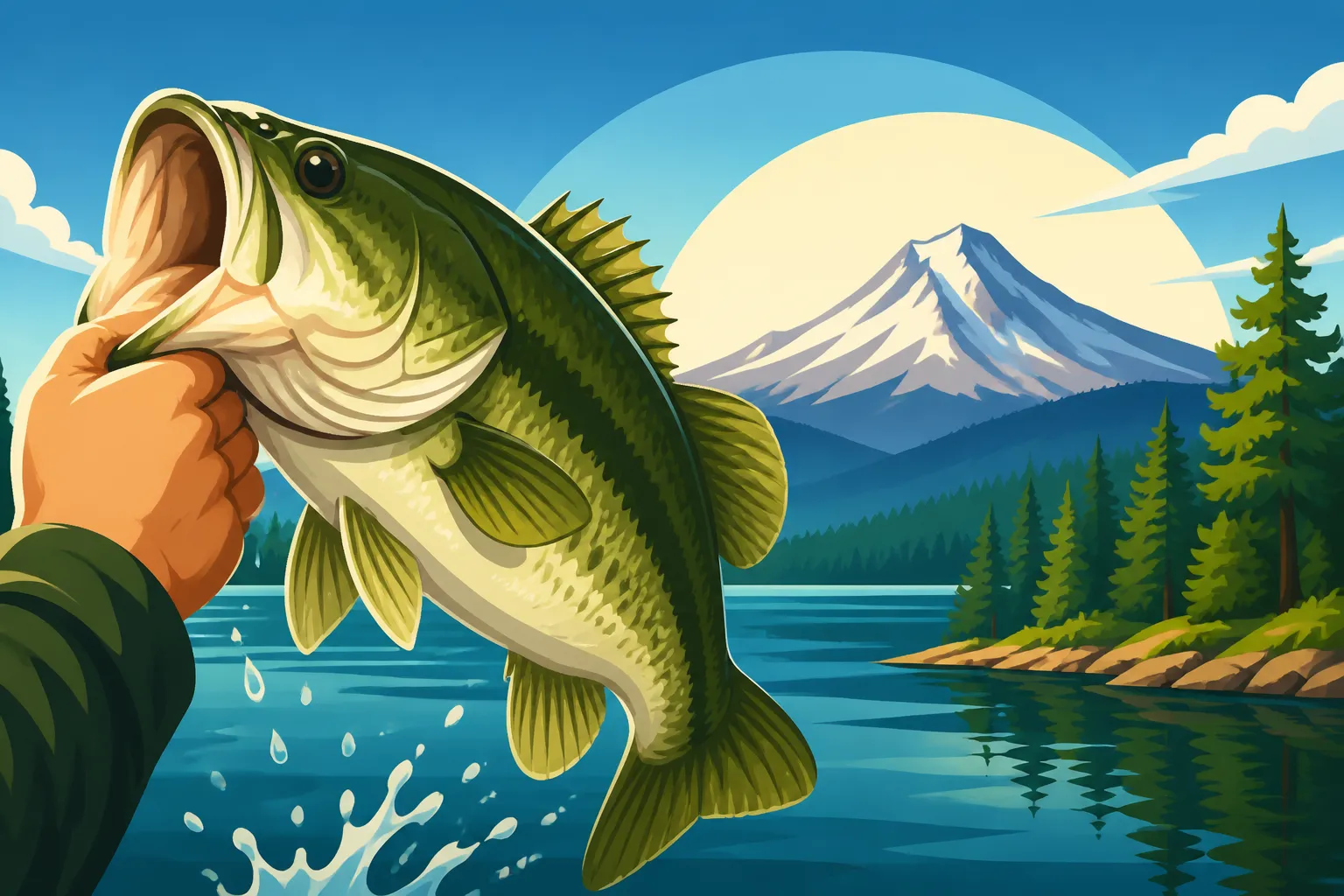
Ah, the quest for that true trophy largemouth bass in Oregon! It's a dream many of us anglers share, that moment when your line goes taut, and you know you've hooked into something special. Oregon might not be universally famous for its monstrous bass like some southern states, but don't let that fool you – we have some hidden gems and fantastic opportunities if you know where to look and how to approach the challenge. This guide is all about helping you zero in on those prime locations and arming you with the knowledge to land that bucket-list bass.
Understanding Trophy Largemouth Bass in Oregon
Before we dive into specific locations, let's get on the same page about what we mean by a "trophy" largemouth bass here in Oregon. It’s not just about size; it's about the entire experience of targeting and successfully catching a truly impressive specimen.
What Makes a Largemouth "Trophy" Caliber?
For many anglers, a trophy largemouth in Oregon might not always be a double-digit behemoth, though those certainly exist. Often, a bass pushing the 5-pound mark, or especially one over 7 pounds, is considered a significant achievement. These fish are older, wiser, and have survived countless encounters with lures and natural predators. They possess a certain gnarly look, with battle scars and a deep, powerful build that screams "survivor." Catching one feels like solving a complex puzzle, a testament to your patience, skill, and understanding of their habitat. It's not just about the numbers on the scale, but the sheer satisfaction of besting a truly mature fish.
Factors for Big Bass Growth in Oregon
So, why do some lakes produce bigger bass than others? It boils down to a few critical factors that create the perfect nursery and hunting grounds for these apex predators.
- Water Temperature and Growing Season: Largemouth bass thrive in warmer waters. Lakes and reservoirs that maintain suitable temperatures for longer periods throughout the year allow bass to feed and grow for more months, accumulating significant size over time. Oregon's often cooler climate means our growing seasons can be shorter than in, say, Florida or Texas, making those larger fish here even more special.
- Abundant Forage Base: Big bass need big meals. Lakes with a rich and diverse food supply are essential. This could include a healthy population of baitfish like shad, sculpin, or juvenile trout, as well as crawfish, frogs, and even smaller panfish. The more protein available, the faster and larger bass can grow.
- Complex Habitat and Cover: Trophy bass are masters of ambush. They need plenty of places to hide, stalk prey, and feel secure. This means submerged timber, dense weed beds (lily pads, hydrilla, coontail), rock piles, deep drop-offs, and even man-made structures like docks or brush piles. Lakes that offer a variety of these features provide ideal hunting grounds and sanctuaries for big fish.
- Angler Pressure and Management: Heavily fished lakes can have their big bass populations impacted. Lakes with responsible angler practices, particularly strong catch-and-release ethics for larger bass, tend to sustain better trophy opportunities. Sometimes, specific regulations or management efforts by the Oregon Department of Fish and Wildlife (ODFW) can also contribute to a healthy, large bass population. Understanding Oregon Fishing Regulations Explained is key here.
Oregon's Prime Candidates for Trophy Largemouth
When it comes to the pursuit of a true trophy largemouth in Oregon, one name consistently rises to the top, but several other bodies of water also offer fantastic potential for those willing to explore.
Tenmile Lake: The Undisputed King for Oregon Largemouth
If there's one lake in Oregon that anglers point to when talking about the best chance for a trophy largemouth, it's Tenmile Lake. Located on the southern Oregon Coast near Lakeside, this extensive, shallow, and fertile lake system is practically legendary.
Imagine vast stretches of lily pads, emergent vegetation, and flooded timber—it's a bass angler's paradise. The lake is relatively shallow, which means it warms up nicely, extending the growing season for its bass. It boasts an incredibly rich food chain, including plenty of yellow perch, crawfish, and other forage that big bass absolutely gorge themselves on. The sheer amount of cover makes it challenging to fish, but that also provides sanctuary for the biggest, smartest fish.
Anglers here often target the dense mats of vegetation with heavy-duty gear, punching through the cover with weighted Texas-rigged plastics or fishing topwater frogs and rats right over the pads. Spinnerbaits and crankbaits worked along the edges of the weed lines can also be very effective, especially during low light conditions or when the bass are actively cruising for a meal. Early morning and late evening are prime times, particularly in the warmer months when the biggest bass move out of the deepest cover to feed. The challenge of navigating the dense cover and finding the subtle patterns is part of what makes catching a trophy here so rewarding. For a deeper dive into methods, you might find some crossover tips in Oregon Bass Fishing Guide.
Other Notable Lakes and Reservoirs with Big Bass Potential
While Tenmile might wear the crown, Oregon has several other excellent fisheries that consistently produce quality largemouth bass, and sometimes, that unexpected giant.
- Lake Billy Chinook: Up in Central Oregon, this large reservoir formed by the confluence of the Deschutes, Crooked, and Metolius Rivers is well-known for kokanee salmon and bull trout. However, the warmer, shallower arms and coves of Lake Billy Chinook can hold some impressive largemouth. The deep, clear water gives way to areas with rocky points, submerged structure, and some scattered timber, providing ambush points for bass. Spinnerbaits, jigs, and dropshot rigs are often effective here, especially when targeting fish holding to structure in slightly deeper water. While not typically a numbers lake for bass, the potential for a quality fish is definitely there. You can learn more about this fishery in Lake Billy Chinook kokanee and bull trout fishing, though the techniques for bass would differ.
- Henry Hagg Lake: Located west of Forest Grove, Hagg Lake is a popular spot for a variety of species, including some solid largemouth bass. Its irregular shoreline, numerous coves, and varying depths offer a diverse habitat. There's plenty of submerged timber and brush piles, particularly in the upper reaches of the lake and in the old creek channels, which are prime spots for bass. Flipping and pitching jigs or plastic worms into cover, or throwing crankbaits and spinnerbaits along contour lines, can entice bigger fish. The lake sees a lot of recreational use, so targeting less pressured areas or fishing during off-peak times can increase your odds for a trophy. For those looking at this local gem, check out Henry Hagg Lake fish species list.
- Fern Ridge Reservoir: Near Eugene, Fern Ridge is another vast, relatively shallow impoundment that can get quite weedy, creating excellent largemouth habitat. When water levels are up, especially in spring and early summer, the flooded vegetation and timber provide endless cover. This lake can be fantastic for pitching and flipping jigs or soft plastics into heavy cover, or working topwater frogs over the thick mats. Like Tenmile, understanding the movements of bass within the dense vegetation is crucial. It’s a lake that demands patience and a willingness to explore, but the rewards can be significant. While known for bass, it also holds other species, as discussed in Fern Ridge Reservoir crappie fishing.
- Prineville Reservoir: In Central Oregon, this reservoir offers a different kind of bass fishing experience with more rocky structure and less dense vegetation than the coastal lakes. It's renowned for its smallmouth bass, but the largemouth in Prineville Reservoir can grow to impressive sizes, particularly in the warmer, shallower coves and feeder creeks. Target areas with submerged brush, rocky ledges, and transition zones where rock meets mud or scattered weeds. Jigging, Texas-rigging, and crankbaits can be very effective here. The clear water sometimes demands a stealthier approach and more subtle presentations. If you're interested in all the bass action here, take a look at Prineville Reservoir smallmouth bass fishing for a broader perspective.
| Lake Name | Primary Habitat | Known Forage | Best Techniques for Trophy Bass | Unique Challenge/Tip |
|---|---|---|---|---|
| Tenmile Lake | Dense lily pads, emergent weeds, flooded timber | Yellow perch, crawfish, shiners | Punching, frog fishing, heavy spinnerbaits | Navigating vast, thick cover; heavy tackle is essential. |
| Lake Billy Chinook | Rocky points, submerged structure, varied depth | Crawfish, various baitfish | Jigs, dropshot, spinnerbaits along structure | Finding the right depth; clear water can mean finicky fish. |
| Henry Hagg Lake | Submerged timber, brush piles, coves | Bluegill, crawfish, planted trout | Flipping & pitching, crankbaits, topwater | Public pressure; early/late fishing can be key. |
| Fern Ridge Reservoir | Extensive shallow weeds, flooded vegetation | Perch, crawfish, panfish | Frog fishing, punching, swim jigs | Varying water levels; can be very weedy. |
| Prineville Reservoir | Rocky ledges, scattered brush, coves | Crawfish, chub, other baitfish | Jigs, Texas-rigs, crankbaits, finesse | Clear water often demands subtle presentations. |
Tactics and Gear for Landing a Trophy Largemouth
Chasing a trophy largemouth is different from simply catching a limit of smaller fish. It requires a specific mindset, the right tools, and an understanding of how these larger, older fish behave.
Essential Lures and Baits for Big Bass
Big bass often prefer a big meal, and they're usually less intimidated by larger presentations. When you're on the hunt for a true lunker, you want to focus on baits that mimic their natural prey or trigger an aggressive strike.
- Jigs (Football, Flipping, Swim Jigs): Jigs are arguably one of the most consistent big bass baits. A football jig dragged along rocky bottoms or a flipping jig pitched into heavy cover with a bulky creature bait trailer can perfectly imitate a crawfish or a stunned baitfish. Swim jigs, when retrieved through sparse cover, can mimic a fleeing bluegill. Look for jigs in natural colors like green pumpkin, brown, or black and blue. You can always find a great selection of quality jigs and trailers on Amazon to fill out your tackle box.
- Soft Plastics (Texas Rigs, Senkos, Swimbaits): The versatility of soft plastics is unmatched. Texas-rigged worms or creature baits are weedless and excel in dense cover, presenting a subtle yet appealing meal. Larger Senko-style baits, fished weightless or lightly weighted, have an incredible shimmy on the fall that big bass can't resist. Big paddle-tail swimbaits, retrieved slowly, mimic larger baitfish and are fantastic for drawing aggressive strikes from trophy-sized fish. Ensure you have a variety of sizes and colors, and don't be afraid to go with a 6-inch or 8-inch worm when chasing that monster.
- Topwater Baits (Frogs, Buzzbaits, Poppers): The explosive strike of a big bass on topwater is one of the most exciting experiences in fishing. Frogs and hollow-body rats, fished over lily pads and heavy matted vegetation, are irresistible to bass hiding below. Buzzbaits create a commotion on the surface that can call in fish from a distance, while poppers and walk-the-dog baits can work wonders in open pockets or along weed lines. These are especially effective during low light conditions or cloudy days.
- Crankbaits and Spinnerbaits: While often thought of as baits for active, schooling fish, larger lipless crankbaits, deep-diving crankbaits, and big spinnerbaits can entice trophy bass, particularly when they're feeding aggressively along drop-offs, points, or the edges of weed beds. They excel at covering water and triggering reaction strikes.
No matter the bait, always consider matching the hatch – use baits that resemble the primary forage in the lake you're fishing. For instance, if a lake has a lot of crawfish, a brown or green pumpkin jig is a solid choice. Many anglers purchase their trusted go-to lures and refresh their stock easily through retailers like Amazon.
Targeting Structure and Cover
Trophy largemouth are creatures of habit and prefer to relate to structure and cover. They use these features for ambush, protection, and to regulate their body temperature.
- Weed Lines and Mats: This is classic big bass territory. Bass will patrol the edges of weed lines, waiting for prey to pass by. Dense mats of lily pads, hydrilla, or coontail offer shaded cover and camouflage. Punching through these mats with heavy weights and strong line is a proven technique for pulling out monsters.
- Submerged Timber and Brush Piles: Fallen trees, stumps, and intentionally placed brush piles are magnets for bass. These provide complex ambush points and vertical cover. Flipping and pitching jigs or soft plastics into these snags requires precision and a good understanding of how to extract a big fish quickly before it wraps you up.
- Docks and Man-made Structures: Docks, especially those with plenty of pilings, cross-beams, or adjacent brush, offer shade and structure. Skipping jigs or soft plastics far back under docks can often yield big bass that rarely see a bait. Boat houses and submerged cribs are also worth exploring.
- Deep Drop-offs and Ledges: While largemouth prefer shallower, warmer water, in the heat of summer, bigger fish will often retreat to cooler, deeper water, relating to drop-offs, ledges, and submerged humps. Deep-diving crankbaits, heavy jigs, and Carolina rigs can be effective for targeting these deeper fish. Consider a How to Fish for Largemouth Bass in Oregon lakes article for more localized tactics.
Seasonal Strategies for Big Bass
The behavior of trophy largemouth changes significantly throughout the year, driven primarily by water temperature and their spawning cycle.
- Spring (Pre-spawn and Spawn): This is often considered the best time to catch a trophy. As water temperatures rise into the 50s and 60s, big females move from their deeper wintering grounds to shallower staging areas. During pre-spawn, they are actively feeding to build energy for spawning. Spinnerbaits, jigs, and lipless crankbaits can be very effective as they move towards spawning flats. During the actual spawn, sight fishing for bedding bass or working slow, subtle presentations like Senkos or lizards on beds can be productive, though many ethical anglers choose to leave bedding fish undisturbed to protect the spawn.
- Summer (Post-spawn and Summer Heat): After spawning, bass move into their summer patterns. Early in the summer, they might still be recovering and spread out. As temperatures soar, big bass often become nocturnal or feed during low-light periods (dawn and dusk). During the day, they will seek cooler, deeper water or dense, shaded cover. Topwater lures are excellent during low light. During bright, hot days, focus on deep structure, thick weed mats, or shaded docks with jigs and heavy soft plastics. This is where patience really pays off.
- Fall (Autumnal Feeding Frenzy): As water temperatures begin to cool and days shorten, big bass enter a "feeding frenzy" to bulk up for winter. This can be another fantastic time for trophy fish. Bass will often chase schools of baitfish, making crankbaits, spinnerbaits, and larger swimbaits highly effective. Look for them on points, creek channel bends, and along the edges of remaining healthy vegetation. The fish are often aggressive and willing to chase. For general fishing season information, consult Oregon Fishing Season Dates and Limits.
Conservation and Responsible Trophy Bass Fishing
Catching a trophy largemouth is a memorable experience, but it comes with a responsibility to protect these valuable resources for future generations. These big fish are often the cornerstone of a healthy bass population, and their careful handling is paramount.
Catch and Release Best Practices
When you land that impressive bass, your actions immediately following can greatly impact its survival.
- Minimize Handling Time: Get the fish in, snap a quick picture if you desire, and get it back into the water as quickly as possible. Every second out of water is stressful.
- Wet Hands: Always wet your hands before touching a fish. Dry hands can remove the protective slime coat, leaving the fish vulnerable to infection.
- Support the Fish's Weight: Never hold a large bass horizontally by just its jaw without supporting its body. This can dislocate its jaw or damage internal organs. Support the belly with one hand while gripping the jaw (lip-lock) with the other. For truly giant bass, consider leaving them mostly in the water for photos.
- Use Barbless Hooks: Crushing the barbs on your hooks or using barbless hooks makes removal much easier and less damaging to the fish.
- Revive If Necessary: If the fish seems sluggish or disoriented, gently hold it upright in the water, facing into any current, until it regains its strength and swims away on its own.
Practicing careful catch and release, especially for the largest breeding fish, ensures that these giants can continue to reproduce and contribute their strong genetics to the lake's population. This is a critical part of sustainable fishing and something all anglers, especially those targeting trophy fish, should embrace. For more on ethical practices, look into Oregon Catch-and-Release Rules.
Understanding Oregon's Largemouth Regulations
While this guide provides general advice, specific regulations for largemouth bass, including bag limits and size restrictions, can vary from lake to lake and may change over time. It is absolutely essential to consult the current Oregon Department of Fish and Wildlife (ODFW) fishing regulations before you head out. These regulations are designed to manage fish populations and ensure healthy fisheries.
Sometimes, lakes with excellent trophy potential might have specific slot limits or reduced bag limits designed to protect larger fish and promote their growth. Ignoring these regulations isn't just illegal; it's detrimental to the very trophy fishery you're hoping to enjoy. Always keep a copy of the regulations handy, whether it's the physical booklet or accessible on your phone, and make sure you have the correct Oregon Fishing License Guide and any necessary endorsements for the waters you're fishing. Being informed and compliant is part of being a responsible angler.
Disclaimer
This article is for general informational purposes only and does not constitute professional advice. Laws, prices and regulations vary by location and change over time. Consult a qualified professional for guidance on your specific situation.