How to catch largemouth bass in Oregon lakes
Catching largemouth bass in Oregon lakes can sometimes feel like trying to solve a cryptic puzzle, especially with our state's reputation for trout and salmon. Many anglers get frustrated because they know these hard-fighting fish are out there, but they just can't seem to consistently connect with them. This guide is here to unravel that mystery, providing you with detailed, actionable strategies, gear recommendations, and seasonal insights to help you successfully land largemouth bass in Oregon's diverse waters.
Understanding Oregon's Largemouth Bass Habitats
Largemouth bass are fascinating creatures, and understanding where they live and why they choose those spots is the first big step toward consistent catches. Unlike their smallmouth cousins who prefer rocky rivers and cooler temperatures, largemouth bass are all about warmth, cover, and ambush points. Oregon has a surprising number of lakes and reservoirs that fit this bill perfectly, even if they aren't always in the spotlight.
Where Largemouth Bass Thrive in Oregon Lakes
When you're searching for largemouth bass, think "structure" and "cover." These fish are apex predators in their aquatic world, and they love to hide, waiting for an unsuspecting meal to swim by. In Oregon, this often means looking for specific types of features in our lakes and ponds. Submerged timber, like old downed trees or brush piles, are absolute magnets. These underwater forests provide shade, protection, and prime ambush locations. Similarly, vast beds of lily pads, cattails, or other aquatic vegetation offer a dense canopy where bass can lurk, staying cool in summer and hidden from prey. Think about those shallow coves and backwater areas that get plenty of sun and warm up quickly; these are often teeming with life and, consequently, bass.
Beyond natural cover, human-made structures are also key. Old docks, boat ramps, discarded tires, or even submerged foundations from old buildings can create excellent bass habitat. These structures break up the monotonous bottom, providing vertical and horizontal cover. Many of Oregon's central and southern lakes, as well as some in the Willamette Valley, offer these conditions. Lakes like Henry Hagg Lake, Fern Ridge Reservoir, and Tenmile Lake are excellent examples where you'll find these classic largemouth hideouts. You might also want to check out some of the Best Places to Fish in Oregon for more ideas on where to find these ideal bass hangouts.
Seasonal Movements and Patterns
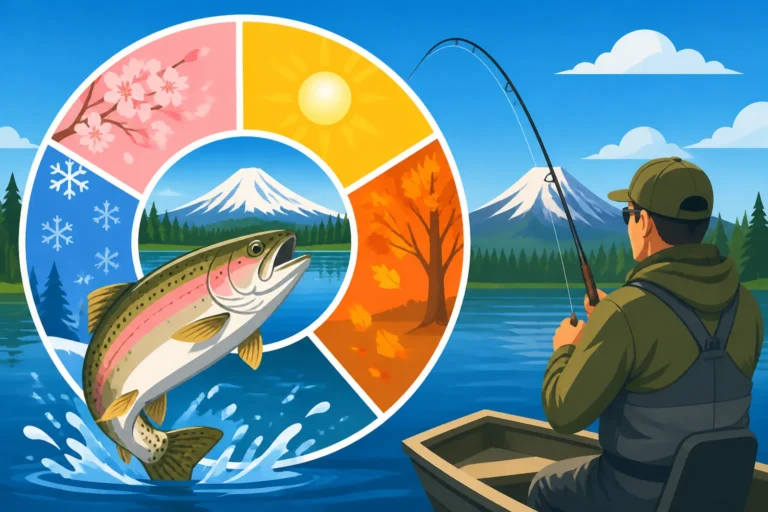
Largemouth bass are highly tuned to water temperature and light conditions, which dictate their movements throughout the year. Their behavior changes dramatically with the seasons, and understanding these patterns is crucial for successful angling. In the pre-spawn phase (late winter to early spring), as water temperatures begin to climb, bass move from deeper wintering holes into shallower, warmer flats and coves. They're looking to feed heavily to build energy for spawning, becoming quite aggressive.
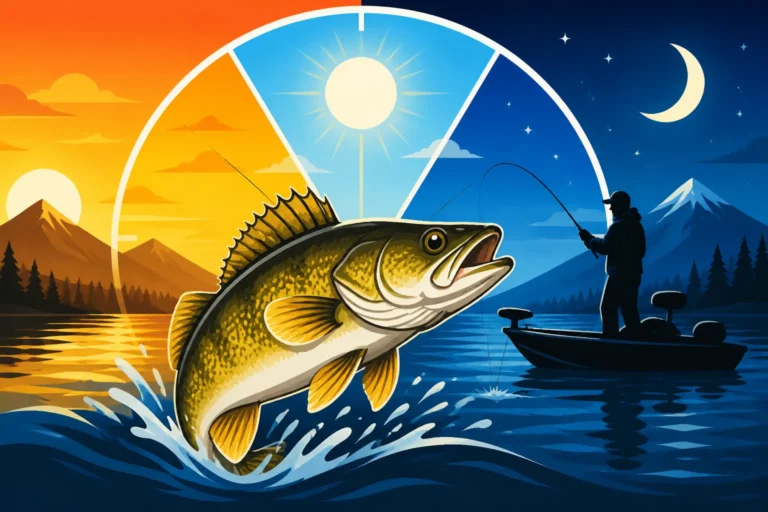
During the spawn (late spring to early summer), when water temperatures hit their ideal range, male bass create nests in shallow, protected areas, guarding eggs and fry. They become incredibly territorial and will strike at anything perceived as a threat. Post-spawn, the fish are often exhausted but quickly resume feeding, sometimes lingering near spawning beds before dispersing. In summer, as waters warm significantly, bass tend to move to deeper, cooler water during the day, seeking shade under thick cover or in thermal refuges. They'll often feed most actively during low-light conditions like dawn, dusk, or even at night. Fall sees bass becoming highly active again, gorging themselves in a "feeding frenzy" before winter sets in, often chasing schools of baitfish. Finally, in winter, they retreat to deeper, stable water, becoming lethargic and requiring very slow, subtle presentations. Knowing these cycles will drastically improve your chances, as you'll be fishing where the bass are and how they want to be caught. For a broader understanding of how these patterns affect different species, our guide on Oregon Fishing Seasons Explained can offer additional context.
Essential Gear and Tackle for Oregon Bass Anglers
You wouldn't bring a butter knife to a steak fight, and the same goes for bass fishing. Having the right tools for the job can make all the difference, especially when you're trying to pull a chunky largemouth out of heavy cover. The good news is, you don't need a boatload of expensive equipment to get started, but a few key pieces will put you on the fast track to success.
Rods, Reels, and Line Selection
For largemouth bass, versatility is key, but so is power. You'll typically want a medium-heavy to heavy action rod. This allows you to cast heavier lures, set the hook firmly, and pull bigger fish out of thick vegetation or submerged wood without the rod buckling. A fast action tip is also desirable, as it provides sensitivity to detect subtle bites while retaining backbone for hooksets. Rod lengths usually range from 6'6" to 7'6", with longer rods offering better casting distance and leverage. You can find excellent options on online marketplaces like Amazon, often with detailed reviews to help you choose.
When it comes to reels, you generally have two main choices: baitcasting or spinning. Baitcasting reels are fantastic for accuracy, heavy lines, and specific techniques like flipping and pitching into tight spots. They offer more power and control, which is great for battling stubborn bass. Spinning reels are often more user-friendly, especially for beginners, and excel at casting lighter lures or fishing with lighter lines. Many anglers use both, dedicating a baitcaster to heavier techniques and a spinning setup for finesse presentations. Your line choice is equally critical. For power techniques where you're fishing in heavy cover, braided line (30-50 lb test) is often preferred due to its strength, sensitivity, and resistance to abrasion. For more subtle presentations or clear water, fluorocarbon (10-20 lb test) is a fantastic option because it's nearly invisible underwater and sinks, helping your lure get down. Monofilament (10-20 lb test) is a good all-around choice for its stretch and ease of handling, especially for topwater baits where the line's buoyancy is an advantage.
Must-Have Lures and Baits
The world of bass lures is vast and can be overwhelming, but a few categories are indispensable for Oregon largemouth.
- Topwater Lures: These are pure excitement! Think frogs, poppers, and walking baits. They work best in low-light conditions (dawn, dusk) or when bass are active in shallow, weedy areas. A frog lure worked over lily pads can produce explosive strikes you'll never forget. For more on these, check out our guide on Best topwater lures for Oregon bass.
- Crankbaits: These diving lures imitate baitfish and are excellent for covering water quickly and probing different depths. Shallow-diving crankbaits are great for flats, while deep-diving models can reach bass holding on offshore humps or ledges. Experiment with different colors and dive depths to match the conditions.
- Spinnerbaits & Chatterbaits: With their flashing blades and vibrating skirts, these lures are fantastic search baits, particularly in stained water or around sparse cover. They create a lot of commotion and are incredibly effective for active bass.
- Jigs: From football jigs for rocky bottoms to flipping jigs for heavy cover, jigs are incredibly versatile. They often imitate crawfish or baitfish and can be tipped with soft plastic trailers for added bulk and action. Jigs are phenomenal for working structure slowly and methodically.
- Soft Plastics: This category is huge, encompassing worms, creature baits, senkos, and swimbaits. Rigged Texas-style (weedless), they can be fished in virtually any cover without snagging. They offer a natural, subtle presentation that bass often can't resist, especially when fish are finicky. Many anglers stock up on a variety of soft plastics from major retailers, and you can often find great bulk deals on sites like Amazon.
- Live Bait: While many bass anglers prefer artificials, live bait like shiners or crawfish can be incredibly effective, especially for wary bass. Fished under a bobber or on the bottom, they offer a natural scent and movement that can tempt even the most reluctant fish. Just be sure to check Oregon Fishing Regulations Explained for any restrictions on bait use in specific waters.
Building a diverse tackle box that includes a few options from each of these categories will ensure you're prepared for whatever Oregon's largemouth bass throw your way.
Top Techniques for Landing Largemouth Bass in Oregon
Now that you know where they live and what gear to use, let's talk about the "how." Catching largemouth bass isn't just about casting a lure; it's about presenting it correctly, understanding fish behavior, and adapting to the conditions. These techniques are your roadmap to consistent success.
Mastering Specific Lure Presentations
Each lure type demands a specific presentation to unlock its full potential. For topwater frogs, imagine a real frog hopping across lily pads. A "walk-the-dog" retrieve, created by twitching your rod tip while reeling in slack, makes walking baits dart side-to-side, mimicking a struggling baitfish. Poppers require a "pop and pause" retrieve, letting the ripples die down before the next pop. With crankbaits, a simple steady retrieve works, but varying your speed, pausing, or hitting submerged structure to create deflections often triggers strikes. Remember, many effective retrieves are designed to make the lure look injured or fleeing, which triggers a bass's predatory instincts.
For spinnerbaits and chatterbaits, a slow roll along the bottom or a medium retrieve just above submerged grass can be deadly. The key is to feel the blades vibrating and ensure the lure is working correctly. When fishing jigs, it's often a slower game. "Flipping" and "pitching" jigs into heavy cover require precision casts and a subtle retrieve, hopping the jig along the bottom or through branches. For soft plastics, especially Texas-rigged worms or creature baits, slow is usually the way to go. Let it sink, twitch it, drag it, pause it. Most bites are subtle—a slight tap, a spongy feeling, or just a sudden weight. It takes practice to distinguish a bite from snagging a weed, but patience pays off. You'll find these nuances make a huge difference, whether you're fishing for bass or adapting techniques for other species like those mentioned in Oregon Salmon Fishing Techniques.
Reading the Water and Approaching Productive Spots
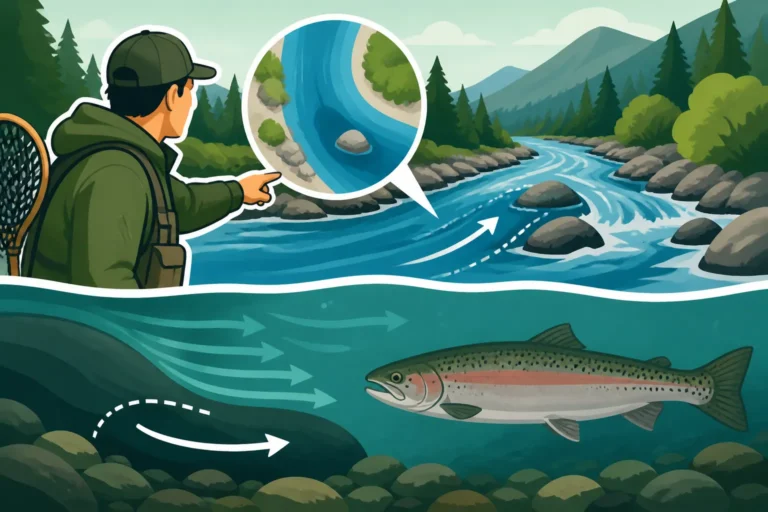
Simply put, "reading the water" means understanding where fish are likely to be based on visible cues and prevailing conditions. Look for changes in depth, water clarity, temperature, and current. Areas where clear water meets muddy water, or where current breaks occur around points or submerged obstacles, are often feeding zones. Bass, especially largemouth, love edges: the edge of a weed line, the edge of a drop-off, or the edge of a dock.
Approach these spots stealthily. Bass are highly sensitive to vibrations and shadows. If you're in a boat, use your trolling motor sparingly and keep your distance. If bank fishing, stay low and cast parallel to the shoreline or structure rather than directly at it, to avoid spooking fish. Pay attention to wind direction, as it can push baitfish into certain areas, and also concentrate warmer surface water, attracting bass. For deeper understanding, you'll benefit from watching others, perhaps even hiring one of the many Oregon Fishing Guide Services available to learn from experienced professionals on your local waters. Always remember, the calmer and more observant you are, the better your chances of connecting with a trophy.
Bank vs. Boat Fishing Strategies
Oregon offers fantastic opportunities for both bank and boat anglers. If you're bank fishing, focus on accessible areas with visible cover. Docks, fallen trees near the shore, lily pad fields within casting distance, or even riprap along causeways are prime targets. Since you have limited mobility, making accurate casts to maximize your lure's time in the strike zone is critical. Finesse techniques with soft plastics, smaller jigs, or even bobber-and-worm setups can be highly effective. Early morning and late evening are often the best times, as bass move shallower to feed under lower light conditions. You might find a good "bank fishing spot for largemouth bass" on a quick online search related to your local lake.
For boat fishing, your world opens up significantly. You can reach offshore humps, deeper weed lines, isolated submerged timber, and the far side of expansive lily pad fields. Using a fish finder to locate schools of baitfish, changes in bottom contours, or submerged structures will give you a massive advantage. Trolling motors allow for precise boat positioning, letting you pick apart cover with flipping jigs or slow-rolling spinnerbaits. Keep a keen eye on your electronics, as they can reveal thermoclines (layers of water at different temperatures) or schools of baitfish, which are often key indicators of where the bass are holding. Whether you're in a kayak, float tube, or bass boat, understanding your vessel's capabilities and limitations will help you choose the best strategy for your chosen water.
Seasonal Strategies for Consistent Largemouth Bass Success
One of the biggest mistakes anglers make is fishing the same way all year long. Largemouth bass are creatures of habit, but those habits change dramatically with the seasons. Dialing into these shifts is what separates a good bass angler from a truly successful one.
Spring (Pre-spawn & Spawn)
Ah, spring! This is arguably one of the most exciting times to target largemouth bass in Oregon. As water temperatures begin to rise, typically from 45-60°F, bass start to shake off their winter lethargy and move towards shallower, warmer areas. During the pre-spawn phase, they're hungry and aggressive, actively feeding to gain energy for the upcoming spawn. Focus on transitional areas: points, coves, and flats adjacent to deeper water. Lures that cover water quickly and elicit a reaction strike are excellent here. Think spinnerbaits, crankbaits, and lipless crankbaits in shad or crawfish patterns. Look for the warmest water available, often in the northernmost coves or areas protected from the wind, where sunlight can penetrate and warm the shallows.
Once the water temperature consistently hits the mid-50s to low-60s, the spawn begins. Male bass will be on beds, typically in 1-5 feet of water, often near protected banks, docks, or submerged logs. They are highly territorial. While some anglers target these bedding bass directly, many prefer to let them spawn undisturbed. If you do fish during this time, consider sight-fishing with soft plastics (like a Senko or creature bait) or small jigs, casting past the bed and slowly working your lure into the strike zone. The key is to irritate the bass into striking. Remember that fish handling should always be gentle, especially during spawning times, to ensure the health of the population. For more on general fishing timings, check our article on Spring Chinook Season Timing in Oregon, which while for salmon, shows how timing is everything for specific species.
Summer (Post-spawn & Deep Water)
Summer fishing for largemouth bass in Oregon can be challenging, but highly rewarding if you know where to look. As the water warms significantly, bass often move into deeper, cooler water during the heat of the day. They'll seek refuge in deeper weed lines, submerged timber, rock piles, or shaded areas under docks. Your best bet for active, shallow-water bass will be during low-light conditions—early morning, late evening, or even at night. Topwater lures can be incredibly effective during these times, especially over thick vegetation or around boat docks.
During the bright, hot parts of the day, you'll need to go deep. Look for bass relating to offshore structure: submerged humps, ledges, or channels. Carolina rigs, deep-diving crankbaits, football jigs, and drop shot rigs are excellent for probing these deeper zones. Flipping and pitching heavy jigs or creature baits into dense cover, like lily pads or thick cattails, can also produce strikes from bass seeking shade and ambush points. Pay attention to your fish finder to identify these deeper structures and any associated baitfish schools. Sometimes, a slow, methodical presentation is required to coax a strike from a heat-stressed bass.
Fall (Feeding Frenzy)
Fall is a favorite season for many bass anglers, and for good reason! As water temperatures cool down, bass sense the approaching winter and enter a frantic feeding frenzy. They become highly active and aggressive, trying to pack on as much weight as possible. This is when you can find bass schooling up, chasing baitfish in open water or along prominent points.
Focus on lures that imitate baitfish: crankbaits, spinnerbaits, swimbaits, and even topwater lures on warmer days. Cast these lures around schooling baitfish, along main lake points, channel swings, and over dying weed beds. The bass will often be shallower than in summer, but still relating to cover that provides ambush opportunities. Look for birds diving on baitfish, as this can be a huge indicator of bass activity below. The bites are often strong and unmistakable during this period, making it a fantastic time for both quantity and quality.
Winter (Slow & Subtle)
Winter largemouth bass fishing in Oregon demands patience and a nuanced approach. As water temperatures drop below 50°F, bass become much less active and seek out the deepest, most stable water available. They'll often school up in deep holes, channel bends, or around vertical structure like bridge pilings or submerged trees in deeper water. Their metabolism slows down, and they're not going to chase a fast-moving lure.
The key to winter success is slow, subtle presentations. Vertical jigging with small spoons, blade baits, or heavy jigs can be effective when you've pinpointed a school of bass on your electronics. Drop shot rigs with small soft plastics are also excellent for tempting inactive fish, allowing you to present a bait directly in their face. Focus on detecting very light bites, as bass will often just "mouth" the bait rather than aggressively strike. Even something like the Best time of day to fish for walleye can offer parallels, as many species become less active in cold weather, requiring similar slow-down tactics. Fish during the warmest part of the day, typically late morning to mid-afternoon, when the sun might slightly warm the water and briefly increase bass activity.
Advanced Tips and Ethical Angling for Oregon Bass
Beyond the basics, a few advanced tips can really elevate your game, and practicing ethical angling ensures our bass fisheries remain healthy for future generations.
Enhancing Your Bass Fishing Strategy
To truly up your bass fishing game, start paying closer attention to the little details. Keep a detailed fishing log: record the date, time, weather conditions, water temperature, moon phase, specific lures used, and the results. Over time, you'll start to see patterns emerging that are unique to your favorite Oregon lakes. This data-driven approach can be invaluable. Experiment with colors – sometimes a slight shift from green pumpkin to junebug, or from a chrome to a blueback crankbait, can make all the difference on a given day. Don't be afraid to slow down or speed up your retrieve until you figure out what the fish want. Sometimes, a long pause after a twitch is what it takes; other times, a frantic, erratic retrieve triggers strikes.
Consider investing in quality electronics if you're a boat angler. A good fish finder with side-imaging or down-imaging can reveal submerged structure and individual fish you'd never see otherwise. For bank anglers, consider using a portable castable sonar device to scout depths and structure. Lastly, sharpen your hooks! A dull hook is one of the quickest ways to miss a fish, especially with softer-mouthed fish like bass. Regularly check and sharpen your hooks, or replace them if they're too far gone.
Promoting Healthy Largemouth Bass Fisheries
As passionate anglers, we all have a responsibility to protect the resources we enjoy. For largemouth bass in Oregon, practicing catch-and-release for larger, older fish is highly recommended. These trophy bass are crucial for the gene pool and for attracting other anglers. While Oregon often has generous limits on bass, especially smaller ones which are often encouraged for harvest to manage populations, releasing the big ones ensures sustained quality fishing. When practicing catch-and-release, handle the fish as little as possible. Use wet hands to protect their slime coat, support their body horizontally, and if using a landing net, choose a knotless, rubberized mesh net to minimize scale and fin damage.
Additionally, always be mindful of your impact on the environment. Pack out everything you pack in, avoid leaving fishing line or plastic baits behind, and respect private property. Be aware of and abide by all Oregon Fishing Regulations Explained regarding specific gear, bait, and limits for the waters you're fishing. Being a responsible angler means more than just catching fish; it means preserving the experience for everyone, now and in the future.
By understanding their habitats, using the right gear, mastering various techniques, adapting to seasonal changes, and embracing ethical practices, you'll not only improve your catch rate but also become a more skilled and responsible angler on Oregon's beautiful waters.
| Season | Typical Water Temps | Key Locations | Recommended Lures/Baits | Presentation Style |
|---|---|---|---|---|
| Spring | 45-60°F | Shallow coves, points, flats, spawning beds | Spinnerbaits, crankbaits, jigs, soft plastics, lipless crankbaits | Aggressive retrieve, slow presentations on beds |
| Summer | 70°F+ | Deep structure, dense cover, shaded areas (docks, lily pads) | Deep-diving crankbaits, Carolina rigs, jigs, topwater (low light) | Slow and methodical in deep/cover, fast during low light |
| Fall | 50-70°F | Main lake points, channel swings, baitfish schools, dying weed lines | Crankbaits, spinnerbaits, swimbaits, topwater (warm days) | Fast, erratic, covering water, mimicking fleeing bait |
| Winter | Below 50°F | Deep holes, channels, vertical structure | Small jigs, blade baits, spoons, drop shot rigs | Very slow, subtle, vertical jigging, dead sticking |
Disclaimer
This article is for general informational purposes only and does not constitute professional advice. Laws, prices and regulations vary by location and change over time. Consult a qualified professional for guidance on your specific situation.