Prineville Reservoir smallmouth bass fishing
Many anglers, especially those new to Oregon's diverse waters, often feel a bit overwhelmed when trying to pinpoint the perfect spot for consistent bass action, wondering where they can actually put their skills to the test without coming up empty-handed. If you're looking to reel in some feisty smallmouth bass, Prineville Reservoir is an absolute gem, and this comprehensive guide will walk you through everything you need to know to make your next trip a smashing success.
Why Prineville Reservoir is a Smallmouth Bass Haven
Prineville Reservoir, nestled in the high desert landscape of Central Oregon, might not be the first place that comes to mind for bass fishing compared to some of the state's more famous salmon and steelhead rivers. But for those in the know, this reservoir offers some truly exceptional opportunities for smallmouth bass. It’s a place where the scenery alone is worth the drive, with juniper-studded hillsides meeting the clear, cool waters, creating a serene backdrop for a day of fishing.
The Unique Habitat of Prineville
What makes Prineville Reservoir so special for smallmouth bass? It's largely due to its unique geological features and water characteristics. The reservoir was formed by damming the Crooked River and Ochoco Creek, creating a sprawling body of water with plenty of submerged structure. Think about it: ancient riverbeds, rocky ledges, steep drop-offs, and countless boulders left behind by erosion and construction. These aren't just random features; they are prime real estate for smallmouth bass looking for ambush points and comfortable holding areas.
Unlike many of Oregon's deep, cold glacial lakes, Prineville Reservoir tends to warm up nicely in the spring and stay consistently warm throughout the summer, which is crucial for bass metabolism and activity. The water clarity is generally good, allowing sight fishing in some areas and forcing bass to rely heavily on their lateral lines and keen eyesight to hunt prey. This combination of abundant structure and suitable water temperatures creates an almost perfect environment for smallmouth to thrive, grow large, and reproduce successfully, offering anglers a fantastic experience.
Why Smallmouth Thrive Here
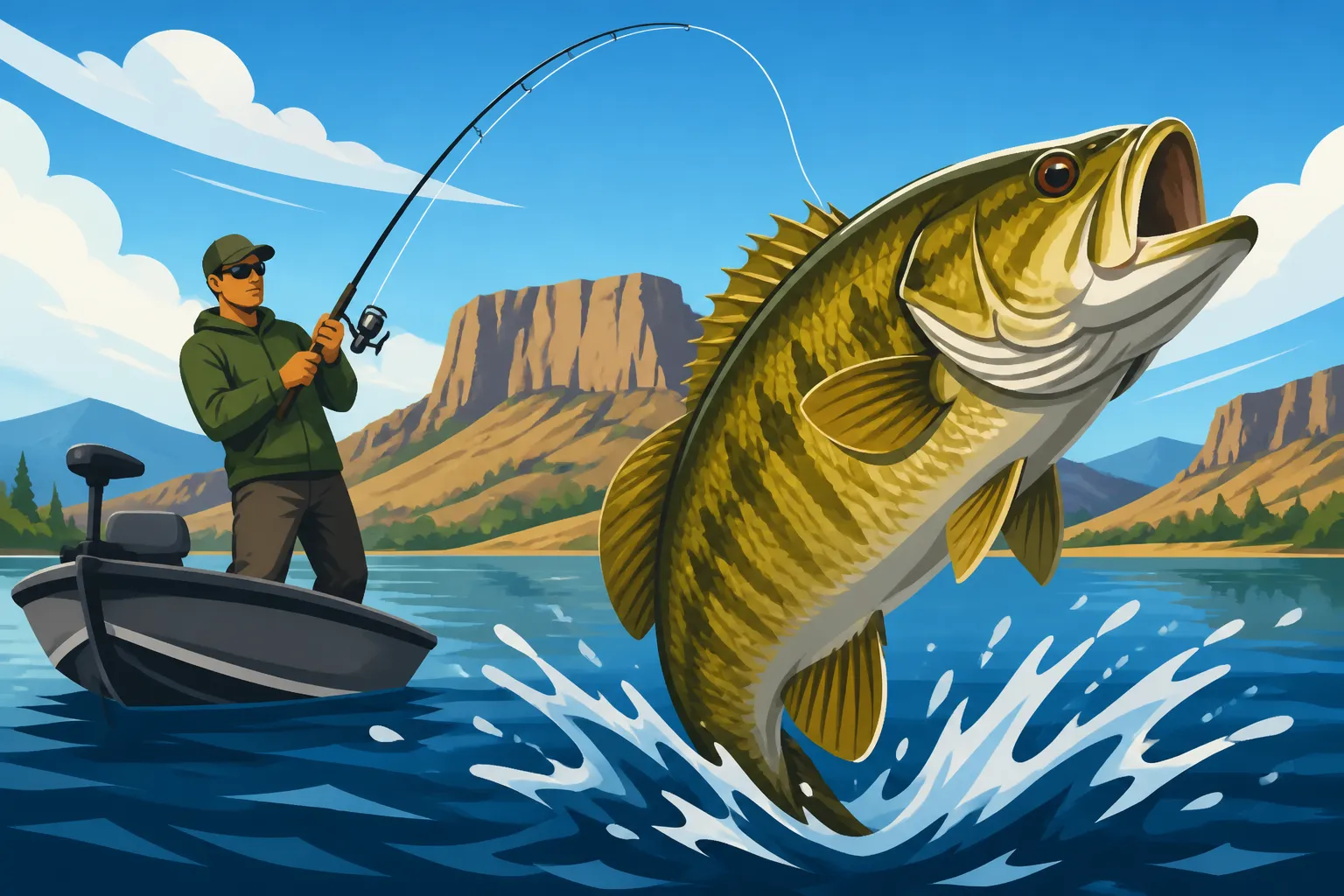
Smallmouth bass, often affectionately called "bronze backs" for their distinct coloring, absolutely flourish in Prineville Reservoir because it mimics their ideal natural habitat so well. They are structure-oriented fish, meaning they love to hang out near rocky points, submerged timber, and ledges where they can hide from predators and ambush their meals. Prineville is practically built for this, with its rocky shorelines and underwater topography providing endless nooks and crannies.
Furthermore, the reservoir boasts a healthy population of forage fish and crayfish, which are staples of a smallmouth's diet. These abundant food sources mean the bass here are well-fed, aggressive, and grow to impressive sizes. It’s not uncommon to pull 2-3 pound smallmouth out of Prineville, and larger fish are certainly present for those who put in the time. The robust ecosystem means these fish are active and eager to strike, making for exciting and productive fishing trips for anglers of all skill levels. If you're looking for more general information on these incredible fish, our detailed Oregon Bass Fishing Guide covers everything you need to know.
Best Times and Seasons for Smallmouth at Prineville
Timing is everything when it comes to smallmouth bass fishing, and Prineville Reservoir is no exception. Understanding the seasonal patterns of these fish can dramatically increase your chances of success, whether you're targeting pre-spawn giants or aggressive fall feeders. The desert climate means distinct seasons that directly influence bass behavior.
Spring into Action: Pre-spawn and Spawn
Spring is arguably the most anticipated season for smallmouth bass anglers at Prineville Reservoir. As the water temperature begins to creep up from the chilly winter lows, typically starting in late March and continuing through May, the bass become incredibly active. This is the pre-spawn period, when they're gorging themselves, building up energy for the upcoming spawn. They’ll move from deeper wintering holes into shallower, sun-warmed areas, especially rocky points and coves where they'll eventually build their nests. This is often the best time to catch some of the biggest bass of the year, as they are at their heaviest.
Once the water temperature consistently hits the mid-50s to low-60s Fahrenheit, usually around late April to early June, the spawn begins. Smallmouth will fan out beds in gravelly or rocky areas in shallower water, often 2-10 feet deep. Male bass are particularly aggressive during this time, fiercely protecting their nests from anything that gets too close, making them very susceptible to a well-placed lure. While it's tempting to target fish directly on beds, many anglers prefer to catch pre-spawn or post-spawn fish to minimize disturbance to the reproductive cycle. Knowing these key periods is vital, and for a broader understanding, you might want to check out our guide on Oregon Fishing Seasons Explained.
Summer Heat: Post-spawn and Deep Water Tactics
As summer fully sets in, usually from June through August, the smallmouth bass transition into their post-spawn and summer patterns. Immediately after spawning, some fish might be a bit lethargic, recovering their energy. However, once they bounce back, they tend to move into deeper, cooler water during the heat of the day, particularly focusing on structures like ledges, submerged humps, and the shade created by steep canyon walls. In the early mornings, late evenings, or on overcast days, they might move into shallower water to feed.
During the summer, you'll want to focus your efforts on these deeper structures. Drop-shotting, Carolina rigging, and deep-diving crankbaits become incredibly effective for reaching these suspended or bottom-hugging fish. While the sheer numbers might not be as high as during the peak pre-spawn, the fish you do catch can still be quite large and put up a fantastic fight. Staying hydrated and being aware of the hot desert sun is crucial for both you and any fish you plan to release.
Fall Feast: Aggressive Bites Before Winter
Fall, from September through November, is another fantastic time for smallmouth bass fishing at Prineville Reservoir. As the water temperatures begin to cool down, the bass enter a "feeding frenzy" phase, aggressively putting on weight for the lean winter months ahead. They become incredibly active and often less finicky about lures. This period can offer some of the most consistent and exciting action of the entire year.
During the fall, smallmouth will often spread out more, feeding in both shallower and moderately deeper water, chasing schools of baitfish. Look for them on points, humps, and along channel edges. Topwater action can be phenomenal in the mornings and evenings, and spinnerbaits, jerkbaits, and crankbaits fished aggressively can draw explosive strikes. As the water continues to cool, they will eventually move back to their deeper wintering areas, but until then, fall provides a glorious window of opportunity for active and hungry smallmouth.
Top Techniques and Lures for Prineville Smallmouth
Successfully catching smallmouth bass at Prineville Reservoir often comes down to matching the hatch, so to speak, and using the right techniques for the conditions. These aren't timid fish, but they can be particular about presentation. Having a diverse tackle box and a willingness to adapt is key.
Essential Lures and Baits
For smallmouth bass in Prineville, you'll want a versatile selection of lures. These fish are opportunists, but they often key in on specific prey. Here's a rundown of the must-haves:
- Jigs: Football jigs, finesse jigs, and hair jigs are absolute killers around rocky structure. Tip them with a soft plastic craw or creature bait. Colors like green pumpkin, brown, and black/blue are consistently effective.
- Crankbaits: Both shallow-diving and deep-diving crankbaits are essential. Look for models that mimic crayfish or baitfish. Early in the season, lipless crankbaits can also be very productive.
- Soft Plastics: This is a broad category, but key players include tubes (mimicking crayfish or goby), grubs (single-tail or double-tail), senkos, and creature baits. Wacky rigging, Texas rigging, and Carolina rigging are all effective presentations.
- Spinnerbaits and Bladed Jigs: Especially useful during the pre-spawn and fall, these lures create flash and vibration that can trigger aggressive reaction strikes. White, chartreuse, and natural baitfish colors work well.
- Topwater Lures: Poppers, walking baits, and prop baits can provide heart-stopping action, particularly during low-light conditions or on overcast summer days. The visual strike of a smallmouth exploding on a topwater is truly unforgettable.
When considering your arsenal, remember that smallmouth in Prineville often feed on crayfish, so lures that imitate these crustaceans are particularly effective. If you need more specific recommendations for what's biting, a local guide found on a platform like FishingBooker might offer invaluable, real-time advice. For a deeper dive into general lure types, our Oregon Bait and Lure Guide offers comprehensive insights.
Proven Techniques: From Shore to Boat
Whether you're casting from the bank or drifting from a boat, there are specific techniques that consistently produce smallmouth at Prineville.
From a Boat:
- Drifting/Trolling: In open water or over larger flats, slow trolling or drifting with crankbaits or tubes can cover a lot of water and locate active fish.
- Drop-shotting: This finesse technique is deadly for suspended fish or those hugging deeper structure. It allows your bait to hover precisely in the strike zone.
- Carolina Rigging: Excellent for covering rocky bottoms and detecting subtle bites. It keeps your bait above the snags while still presenting it naturally.
- Casting to Structure: Target visible points, rock piles, submerged timber, and drop-offs. Cast jigs, crankbaits, or soft plastics and work them slowly, feeling for any bumps or taps. If you're new to the area, consulting a guide through a service like FishingBooker could give you a massive head start on where and how to present your lures most effectively.
From Shore:
- Fan Casting: When fishing from shore, try fan-casting your lure to cover as much water as possible. Focus on areas with visible rocks, ledges, or sudden depth changes.
- Jigging and Slow Rolling: Jigs and spinnerbaits can be effectively worked from shore by letting them sink and then slowly retrieving them, bouncing them off the bottom.
- Soft Plastic Presentations: Wacky-rigged senkos or Texas-rigged worms cast near cover and allowed to slowly fall can be irresistible to cruising smallmouth.
Remember that patience and a willingness to experiment with retrieves are crucial. Sometimes a slow, deliberate crawl is what they want, other times a fast, erratic twitch. These are intelligent fish, so keep them guessing!
Reading the Water for Success
Understanding how to "read the water" at Prineville Reservoir is a skill that will pay dividends. Smallmouth bass are creatures of habit, and they often relate to specific types of structure and depth depending on the season and time of day.
- Identify Structure: Look for obvious rocky points, underwater humps, drop-offs, and even isolated boulders. Use a good fish finder if you're in a boat, but even from shore, you can often discern changes in bottom composition or subtle contours. Smallmouth love to ambush prey from behind cover.
- Watch for Baitfish Activity: If you see schools of baitfish dimpling the surface or scattering, there's a good chance smallmouth are nearby, actively feeding. Cast to these areas with baitfish-imitating lures.
- Consider Sun and Shade: Especially in summer, smallmouth will often seek out shade along steep canyon walls or under submerged trees. These cooler, darker areas provide comfort and ambush opportunities.
- Current and Wind: While a reservoir doesn't have strong river currents, wind can create current lines and push baitfish, concentrating bass. Pay attention to wind-blown points or shorelines. For more general advice on understanding fish behavior, a guide like How to read water for trout fishing can offer transferable skills.
By combining the right lures, techniques, and an understanding of the environment, your chances of a successful smallmouth bass outing at Prineville Reservoir will skyrocket.
Navigating Prineville: Access and Etiquette
Getting to Prineville Reservoir and making the most of your time there involves knowing the access points, understanding basic boating facilities, and respecting local regulations. It’s not just about catching fish, it’s about enjoying the entire experience responsibly.
Boat Launch Access and Facilities
Prineville Reservoir State Park offers several excellent access points for anglers looking to launch a boat or enjoy the shoreline. The main boat launch facilities are typically found within the state park areas, particularly at the Jasper Point and Prineville Reservoir Campground areas. These spots usually feature paved ramps, ample parking, and often amenities like restrooms and fish cleaning stations.
- Jasper Point: This is a popular and well-maintained launch with multiple lanes, making it easier to get your boat in and out, even on busy weekends. It's also a great spot if you're planning an extended stay, as there's camping available.
- Prineville Reservoir Campground (near the dam): Another good option, offering access closer to the dam area, which can hold deeper water bass.
Always check the Oregon State Parks website or local conditions before you go, as water levels can fluctuate, sometimes impacting ramp accessibility, especially in late summer or fall. For those interested in extended stays or finding accommodations near prime fishing spots, services like FishingBooker can help locate fishing-friendly lodging and local amenities.
Prime Shore Fishing Locations
Even without a boat, Prineville Reservoir offers fantastic shore fishing opportunities for smallmouth bass. The rocky shorelines provide plenty of access, and the bass often cruise relatively close to the bank, especially during the spring and fall.
- Rocky Points and Coves: Walk along the shoreline and look for prominent rocky points that jut out into the water. These are natural fish magnets. Coves with some vegetation or deeper water nearby can also be productive.
- Dam Area: The areas around the dam often provide deeper water access from shore and can be good for targeting bass when they move deeper in the summer. Always respect restricted areas and signage.
- State Park Day-Use Areas: Jasper Point and other day-use sections of the park often have accessible shorelines where you can cast a line. These are often well-maintained and offer convenient parking.
Remember to bring comfortable walking shoes, as you might need to hike a bit to find your perfect spot. Always pack out whatever you pack in, leaving the shoreline cleaner than you found it.
Important Regulations and Conservation
Before you even wet a line at Prineville Reservoir, it's absolutely crucial to have your Oregon Fishing License Guide in order. Every angler 12 years and older needs a valid Oregon fishing license. Familiarize yourself with the current Oregon Fishing Regulations Explained, which you can often find in a booklet at license vendors or online through the Oregon Department of Fish and Wildlife (ODFW) website.
For smallmouth bass at Prineville, the regulations are generally quite liberal, often encouraging harvest due to their non-native status and potential impact on native species. However, it's always wise to double-check specific bag limits and size restrictions, as these can change. For example, some species might have an Oregon Daily Bag Limits Explained page that changes annually. Currently, there are no daily bag or size limits on smallmouth bass statewide in Oregon, reflecting the ODFW's management strategy to control their populations, particularly in waters where they might compete with native trout and salmon. This is a significant difference from many other game fish.
Remember, even when regulations are liberal, practicing ethical angling is important. If you plan to release fish, handle them gently with wet hands, minimize their time out of water, and ensure they swim away strongly. By understanding and following the rules, you help ensure that fishing opportunities remain excellent for everyone, for years to come.
| Season | Water Temperature | Key Smallmouth Behavior | Recommended Lures/Depths |
|---|---|---|---|
| Spring | 50-65°F | Pre-spawn feeding, spawning | Jigs (craws), lipless/shallow crankbaits, tubes, spinnerbaits (5-15 ft) |
| Summer | 65-75°F+ | Post-spawn recovery, deeper structure | Drop-shot, Carolina rig, deep crankbaits, topwater (low light) (15-30+ ft) |
| Fall | 55-65°F | Aggressive feeding frenzy | Spinnerbaits, jerkbaits, crankbaits, topwater (all depths, chasing bait) |
Disclaimer
The information provided in this guide is for general informational purposes only and is subject to change. Fishing regulations, seasons, and access points can vary. Always consult the official Oregon Department of Fish and Wildlife (ODFW) regulations and local authorities before planning your fishing trip.