Henry Hagg Lake fish species list
Many anglers, especially those new to exploring Oregon's vast fishing opportunities, often wonder what treasures lie beneath the surface of popular spots like Henry Hagg Lake. It can be incredibly frustrating to head out with your gear, full of anticipation, only to realize you don't even know what fish species you should be targeting or what bait might work best. This guide aims to pull back the curtain on Henry Hagg Lake, providing a detailed breakdown of the diverse fish species you can expect to find, along with insights to help you make your next fishing trip a successful and enjoyable one.
A Closer Look at Henry Hagg Lake's Fishery
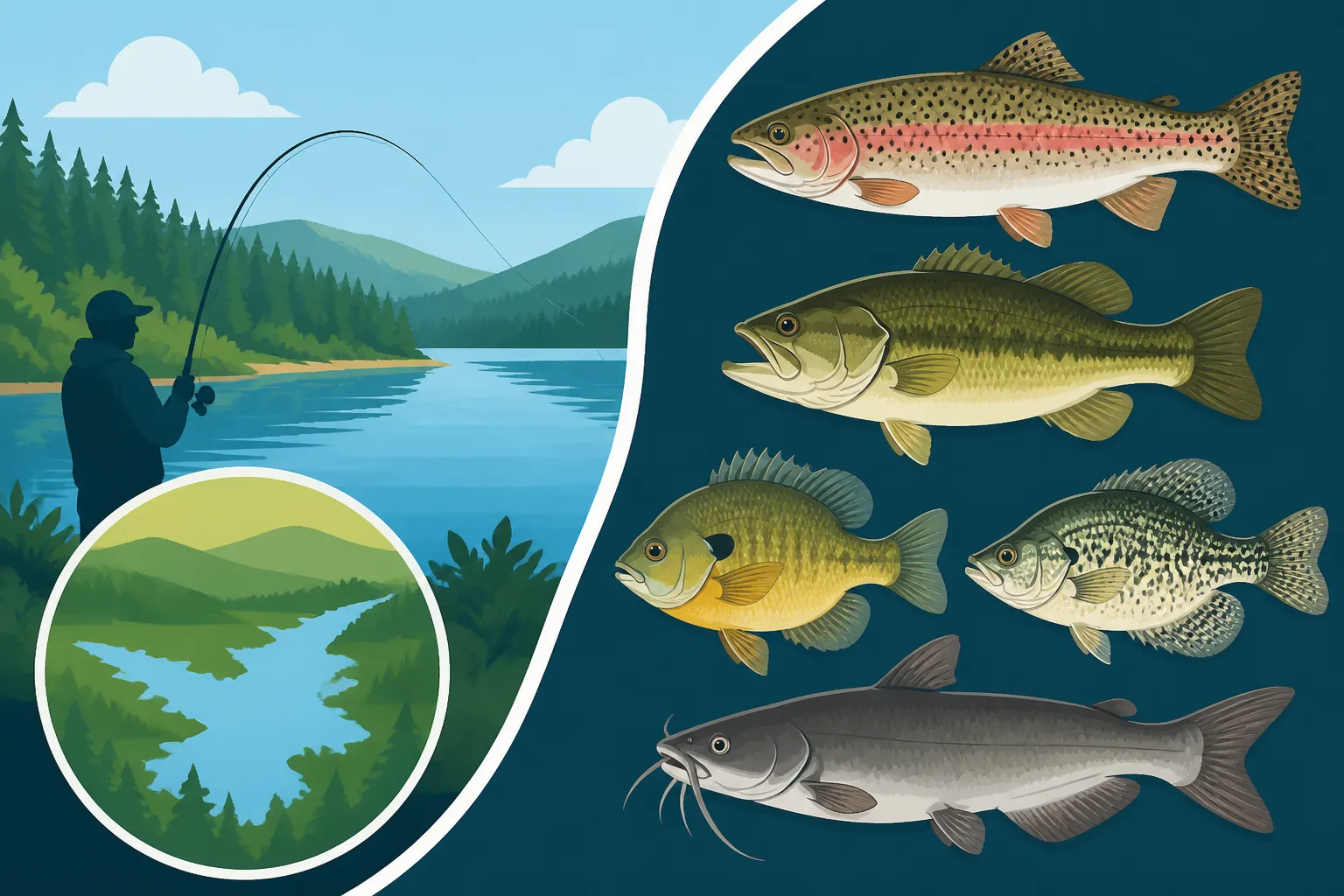
Henry Hagg Lake, often simply called Hagg Lake by locals, is a sprawling reservoir nestled in the scenic hills of Washington County, just a short drive from Forest Grove. It's a massive body of water, covering over 1,100 surface acres with more than 16 miles of shoreline, making it a true angler's paradise in the greater Portland area. Its sheer size and varied depths create a multitude of habitats, supporting a rich diversity of fish species, from cold-water favorites to warm-water fighters.
The Lake's Unique Ecosystem for Anglers
What makes Hagg Lake so special for fishing is its dual nature. It's primarily managed as a trout fishery, with the Oregon Department of Fish and Wildlife (ODFW) regularly stocking it with thousands of rainbow trout each year. But beyond the trout, the lake's warmer, shallower coves and vast main body also provide ideal conditions for a thriving population of various warmwater species. This blend means you can visit Hagg Lake with different angling goals in mind and still find plenty of action. The lake's structure, with its numerous arms, submerged timber, and rocky points, offers endless opportunities for exploration, whether you're casting from the bank or cruising in a boat.
Why Hagg Lake is a Go-To Spot for Many
Hagg Lake isn't just popular for its fish; it's also incredibly accessible and well-equipped for a full day (or weekend) of outdoor adventure. It boasts two main boat ramps, several picnic areas, and numerous access points for bank anglers. For families, it’s a fantastic choice, as many of the stocked trout are eager biters, providing plenty of action for younger anglers. The ease of access, combined with the consistent stocking efforts and diverse fish populations, makes it a perennial favorite for both seasoned anglers and those just starting out. You'll often see families casting lines from the shore near one of the many day-use areas, or boats trolling the main lake. If you’re planning a trip and want to explore different options, remember that platforms like FishingBooker can sometimes help you connect with local guides who specialize in fishing these productive waters.
The Primary Residents: Trout Species at Hagg Lake
When most people think of fishing at Henry Hagg Lake, their minds immediately go to trout. And for good reason! Trout are the backbone of this lake's fishery, providing consistent opportunities throughout much of the year.
Rainbow Trout – The Main Attraction
Rainbow trout are undoubtedly the stars of the show at Henry Hagg Lake. The ODFW stocks this lake heavily, often multiple times a year, with hatchery-reared rainbow trout. These fish are typically pan-sized, ranging from 8 to 15 inches, making them perfect for a tasty meal. However, holdovers from previous stockings can grow much larger, sometimes reaching impressive sizes of 20 inches or more, offering a real challenge.
Anglers targeting rainbow trout here have great success with a variety of methods. PowerBait, worms, and corn are perennial favorites when fished off the bottom with a sliding sinker rig. Trolling with small spoons or spinners, like Dick Nite or Wedding Ring lures, behind a dodger or flasher is also incredibly effective, especially in the deeper sections of the lake. Fly anglers can find success with imitations of aquatic insects, especially during hatches. The best time to target these spirited fighters is generally in the cooler months of spring and fall, and even into early winter, as the water temperatures are ideal. If you're looking for more specific advice on techniques, our guide on Oregon Trout Fishing Techniques offers a lot of useful tips.
Coastal Cutthroat Trout – Native Fighters
While rainbow trout are frequently stocked, Henry Hagg Lake also harbors a healthy population of native coastal cutthroat trout. These beautiful fish, distinguished by the characteristic red or orange slash marks under their jaws, are often a bit more elusive than their hatchery-raised rainbow cousins. They tend to be wilder and more wary, preferring cooler, shallower areas, especially around any natural inlets or shaded points.
Coastal cutthroat in Hagg Lake typically range from 10 to 16 inches, but like rainbows, can grow larger if they find ample food. They respond well to small spinners, spoons, and flies that imitate natural forage like minnows or insects. Unlike the pellet-fed hatchery rainbows, cutthroat are true predators. Catching a native cutthroat from Hagg Lake is often considered a special prize due to their wild nature and beauty. Understanding Oregon Fishing Regulations Explained is particularly important when targeting native species, as rules can sometimes differ from hatchery fish.
Beyond Trout: Warmwater Species You'll Encounter
While trout get a lot of the spotlight, Henry Hagg Lake is a fantastic warmwater fishery, offering exciting opportunities for a different kind of angling challenge. The shallow, vegetated coves and warmer summer temperatures allow these species to thrive, providing diverse options for anglers.
Largemouth Bass – The Predatory Challenge
For many anglers, the pursuit of largemouth bass is an addiction, and Hagg Lake delivers. The lake has an excellent population of largemouth, particularly in the upper arms and shallow, brushy coves where they can ambush prey. These powerful predators can grow quite large here, with fish over 5 pounds being a realistic possibility, and trophy-sized bass occasionally caught.
Targeting largemouth bass at Hagg Lake typically involves using artificial lures that mimic their natural prey. Spinnerbaits, crankbaits, plastic worms, jigs, and topwater lures are all effective. Look for them around submerged timber, weed lines, and rocky structures. The best time to pursue largemouth is from late spring through early fall when the water temperatures are warmer and they are most active. Our comprehensive Oregon Bass Fishing Guide has even more strategies for landing these exciting fish. For those seeking specialized guidance, a quick search on platforms like FishingBooker might reveal local guides focusing on bass fishing in the area.
Smallmouth Bass – Agile and Abundant
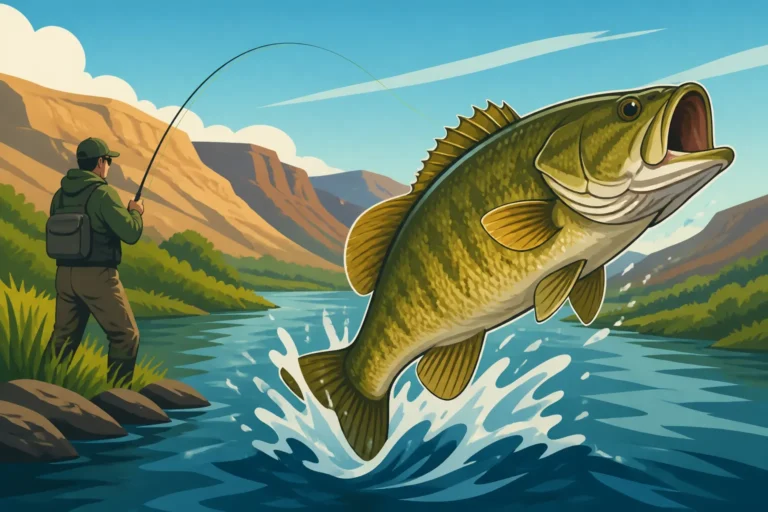
In addition to largemouth, Henry Hagg Lake also holds a robust population of smallmouth bass. Often found in slightly deeper, rockier areas than their largemouth cousins, smallmouth are known for their incredible fighting ability and acrobatic jumps when hooked. They might not always reach the same trophy sizes as largemouth, but a 2-3 pound smallmouth provides an exhilarating battle.
Smallmouth bass in Hagg Lake will readily strike at small crankbaits, tube jigs, grub tails, and spinnerbaits. They are schooling fish, so where you find one, you'll often find more! Look for them around rocky outcrops, points, and transition areas between shallow and deeper water. Much like largemouth, their activity peaks in the warmer months. These fish are a blast on light tackle and offer a consistent bend in the rod.
Crappie – Panfish Perfection
Crappie are another popular warmwater species at Hagg Lake, highly prized for their delicious white meat and relatively easy-to-catch nature. Both black crappie and white crappie can be found here, though black crappie tend to be more prevalent. These panfish are known for schooling, especially around submerged brush, fallen trees, and docks. They typically average 8-12 inches, with larger slabs occasionally making an appearance.
Anglers targeting crappie often use small jigs, minnows, or even tiny spinners. The key is to find their schools, which can be done using a fish finder or by slowly working likely areas. Crappie fishing is particularly popular in the spring when they move into shallower waters to spawn, and they can provide fast action, making them an excellent choice for a family fishing trip. To learn more about targeting these fun fish, check out our Oregon Panfish Guide.
Yellow Perch – Another Tasty Panfish
Yellow perch are another common and enjoyable panfish species found in Henry Hagg Lake. Easily recognizable by their distinctive vertical stripes, these fish are abundant and eager biters, making them ideal for beginner anglers or kids. They typically run from 6-10 inches but can sometimes exceed a foot in length.
Perch are often found in schools, similar to crappie, and prefer areas with some vegetation or structure. Small worms, pieces of nightcrawlers, or tiny jigs are usually all it takes to entice a bite. They are delicious table fare, and a day spent catching a cooler full of perch can be incredibly rewarding. If you're bringing the family, this is one of the best species to target for consistent action. Many online resources, including potentially local charter listings on FishingBooker, can point you to the best spots for panfish.
Bullhead Catfish – Bottom Dwellers
For those who enjoy a different kind of fight and don't mind fishing after dark, Henry Hagg Lake is home to brown bullhead catfish. These bottom-dwelling fish are recognizable by their smooth, scaleless skin and prominent barbels around their mouths. While not typically large, often ranging from 10-14 inches, they put up a surprisingly strong fight and are excellent eating.
Catfish are most active from late spring through fall, particularly during low-light conditions or at night. They are opportunistic feeders, so stinky baits like chicken livers, nightcrawlers, or even hot dogs fished on the bottom are highly effective. Find them in deeper holes or near submerged structures. For a relaxed evening of fishing with the chance of a good fight, bullhead catfish are an excellent target at Hagg Lake.
Bluegill – A Colorful Favorite
Bluegill, with their vibrant colors and distinctive "gill flap," are yet another delightful panfish species that call Henry Hagg Lake home. Like yellow perch, they are excellent for introducing new anglers to the sport due to their abundance and willingness to bite. They are generally smaller, often 4-8 inches, but what they lack in size, they make up for in sheer numbers and beauty.
Bluegill are found in shallow, weedy areas, especially around docks, fallen trees, and lily pads. They readily take small pieces of worm, crickets, or tiny artificial jigs and flies. A simple bobber setup is often all you need, making it perfect for a leisurely day on the water. Fishing for bluegill is a quintessential experience for families, offering consistent entertainment and teaching kids the basics of angling. Don't forget, if you're taking kids, they might need an Oregon Youth Fishing License.
Seasonal Considerations and Best Practices
Knowing what fish live in Henry Hagg Lake is just the first step. Understanding when and how to target them effectively can make all the difference in your fishing success.
When to Target Different Species
The best time to fish Henry Hagg Lake largely depends on what species you're after.
- Trout: Spring (March-May) and Fall (September-November) are prime seasons for rainbow and cutthroat trout. The cooler water temperatures make them more active, and ODFW stocking efforts are usually in full swing during these periods. Winter can also be productive, especially on milder days. For up-to-date stocking information, always check the ODFW website to see their Oregon Trout Stocking Schedule.
- Bass (Largemouth & Smallmouth): Late spring (May) through early fall (October) is peak bass season. As water temperatures rise, bass become more aggressive and active, particularly during the early morning and late evening hours. During the heat of summer, they might move to deeper water during midday.
- Panfish (Crappie, Perch, Bluegill): Spring (April-June) is fantastic for crappie as they move into the shallows to spawn. Perch and bluegill are active throughout the warmer months, offering consistent action from spring through fall.
- Catfish: Summer and early fall, especially at night, are the best times for bullhead catfish, as they thrive in warmer waters.
Always be sure to check the Oregon Fishing Season Dates and Limits for specific regulations, as these can change by year or even by specific body of water.
Essential Gear and Techniques for Hagg Lake
While specific gear depends on your target, a few general tips can help you prepare for a successful trip to Henry Hagg Lake:
- Rods & Reels: A medium-light spinning rod (6-7 feet) with 6-8 pound test line is versatile enough for most species you'll encounter. For larger bass, a medium-heavy baitcasting setup might be preferred.
- Bait & Lures:
- Trout: PowerBait (various colors), nightcrawlers, small spinners (Rooster Tail, Panther Martin), and trolling spoons are highly effective.
- Bass: Plastic worms, jigs, spinnerbaits, crankbaits, and topwater lures work wonders. Live worms and minnows can also be very productive.
- Panfish: Small worms, pieces of nightcrawlers, tiny jigs (1/32 oz to 1/16 oz), and small inline spinners are ideal.
- Catfish: Chicken livers, large nightcrawlers, or specially formulated catfish baits.
- Techniques: Trolling is excellent for trout in open water. Bank fishing with bait on the bottom or under a bobber works for nearly all species. Casting and retrieving lures is key for bass and often panfish. Fly fishing can be very rewarding, especially for trout and sometimes bass.
No matter what you're targeting, always ensure you have the proper Oregon Fishing License Guide and any required endorsements. Many local tackle shops in towns like Forest Grove can also offer up-to-the-minute advice on what's biting and what gear is working best.
| Fish Species | Typical Size (Inches) | Primary Habitat | Best Baits/Lures | Peak Season |
|---|---|---|---|---|
| Rainbow Trout | 8-15 | Open water, coves, near boat ramps | PowerBait, Worms, Spinners, Trolling Lures | Spring, Fall, Winter |
| Coastal Cutthroat Trout | 10-16 | Shaded coves, inlets, rocky areas | Small Spinners, Spoons, Flies | Spring, Fall |
| Largemouth Bass | 12-20+ | Shallow, brushy coves, submerged timber | Plastic Worms, Jigs, Crankbaits, Topwater | Late Spring, Summer, Early Fall |
| Smallmouth Bass | 10-16 | Rocky points, deeper structure | Tube Jigs, Small Crankbaits, Grubs | Summer, Early Fall |
| Crappie | 8-12 | Submerged brush, docks, fallen trees | Small Jigs, Minnows, Small Spinners | Spring, Summer |
| Yellow Perch | 6-10 | Vegetated areas, coves | Worms, Tiny Jigs | Spring, Summer, Fall |
| Bullhead Catfish | 10-14 | Deep holes, soft bottoms, structure | Chicken Liver, Nightcrawlers, Stink Bait | Summer, Night |
| Bluegill | 4-8 | Shallow, weedy areas, docks | Worms, Crickets, Tiny Jigs | Spring, Summer, Fall |
Disclaimer
The information provided in this guide is for general informational purposes only and is subject to change. Fishing regulations, seasons, and stocking schedules are determined by the Oregon Department of Fish and Wildlife (ODFW) and can be modified at any time. Always consult the most current ODFW regulations, available on their official website or at licensed vendors, before planning any fishing trip. Adherence to all local, state, and federal laws is the sole responsibility of the angler.