Fern Ridge Reservoir crappie fishing
So, you're looking to chase some panfish, specifically those elusive (or sometimes, not-so-elusive!) crappie, and you've heard whispers about Fern Ridge Reservoir. It can be frustrating trying to sift through scattered information, wondering if it's truly worth the drive, and exactly how to tackle this large body of water for the best crappie fishing experience. Well, cast your worries aside, because this guide is designed to give you the inside scoop on everything you need to know to make your Fern Ridge Reservoir crappie fishing trip a success.
Why Fern Ridge Reservoir is a Crappie Angler's Dream
Fern Ridge Reservoir, nestled just west of Eugene in the beautiful Willamette Valley, is truly a gem for anglers, and especially for those with a penchant for crappie. Many folks hear "reservoir" and immediately think deep, vast, and intimidating. While Fern Ridge is certainly large, covering around 9,360 acres at full pool, its shallower, timber-filled areas and consistent forage make it an ideal habitat for thriving crappie populations. It’s not just a place to catch a crappie; it’s a place where you can often find numbers of them, making for a truly enjoyable and productive day on the water.
The Allure of Abundant Crappie
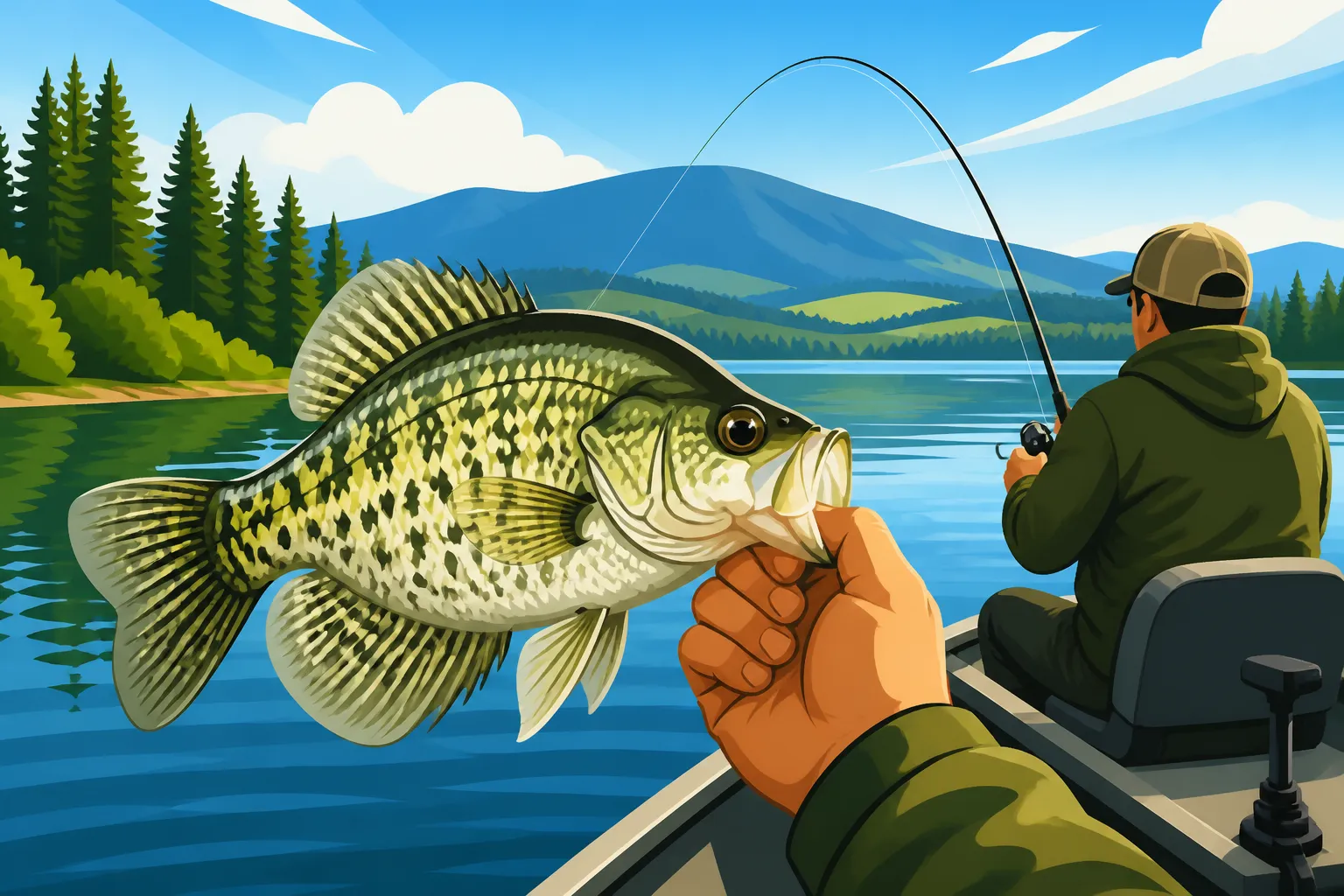
What makes Fern Ridge stand out for crappie isn't just that they're present; it's that they are often quite numerous and can grow to a respectable size. The reservoir is a consistent producer, year after year, offering opportunities for both black crappie and white crappie. Anglers here aren't just hoping for a bite; they're often anticipating a good haul, especially during peak seasons. There's a real sense of accomplishment when you locate a school of hungry crappie, and Fern Ridge regularly delivers on that promise. It's the kind of place that turns a casual fishing trip into a memorable angling adventure, perfect for families or solo outings.
One of the biggest frustrations for crappie anglers in other waters can be the unpredictability – you might spend hours without a nibble. Fern Ridge, however, offers a much higher chance of success due to its robust ecosystem. The sheer volume of structure, from standing timber to submerged brush piles, creates countless hiding and feeding spots for crappie, concentrating them in areas that are accessible to anglers. This abundance contributes to a vibrant fishing scene, where locals and visitors alike often share stories of impressive catches, fueling the reservoir's reputation as a top crappie destination in Oregon.
Habitat and Forage for Thriving Populations
The ecosystem of Fern Ridge Reservoir is perfectly suited to support healthy crappie populations. It’s a relatively shallow impoundment, especially compared to some of Oregon's deeper lakes, which means more sunlight penetrates the water, encouraging prolific aquatic vegetation growth. This vegetation, along with the numerous flooded timber stands and brush piles left over from its creation, provides excellent cover for juvenile crappie to hide from predators and for adult crappie to ambush their prey.
Furthermore, the reservoir is teeming with various baitfish, such as juvenile minnows and shad, which form the primary diet of crappie. This abundant food source allows crappie to grow quickly and maintain good health, contributing to their size and fighting spirit. The U.S. Army Corps of Engineers, which manages the reservoir, also plays a role in maintaining water levels that generally benefit fish populations, though water levels can fluctuate, particularly later in the summer. Understanding these fluctuations can be key to adapting your fishing strategy, as crappie will move with the rising and falling water to find optimal cover and feeding grounds. If you're looking for more general information on Oregon Fishing Regulations Explained, it's always a good idea to check before you head out, as regulations can sometimes be tied to specific water bodies or species.
Essential Techniques for Fern Ridge Crappie
Catching crappie at Fern Ridge Reservoir isn't rocket science, but having a few tried-and-true techniques in your arsenal will definitely boost your success. These fish can be a bit finicky at times, especially under different weather conditions or water temperatures, so being adaptable is a huge plus. Whether you're a seasoned angler or just starting out, mastering these methods will put more crappie in your cooler.
Mastering the Basics: Jigs and Minnows
When it comes to crappie fishing, sometimes the simplest approaches are the most effective. Jigs and live minnows are absolute staples for a reason – they work!
Jigs: Small jigs, typically 1/32 to 1/8 ounce, are incredibly versatile. Crappie are visual feeders, and the subtle action of a small jig imitating a baitfish is often irresistible. Popular choices include curly-tail grubs, tube jigs, and spider jigs in colors like chartreuse, white, pink, or combinations thereof. The key is to present the jig slowly, often suspending it just above or within structure where crappie are hiding. A popular method is "jigging" – gently lifting and dropping your rod tip to make the jig dance. In cooler water, a slower retrieve is usually best, while in warmer water, you might find a slightly more aggressive jigging motion gets their attention. Many anglers will also tip their jigs with a crappie nibbler or a small piece of live bait to add scent and extra appeal.
Live Minnows: You can't beat the real thing for a guaranteed bite. Live minnows are incredibly effective, especially when crappie are less active or in clear water. A common setup involves a small hook (size 4 or 6, Aberdeen style is popular) fished under a bobber or float. Adjust the depth so the minnow is suspended right at the level where crappie are holding, usually near brush piles, submerged trees, or dock pilings. The minnow's natural swimming action is often all it takes to trigger a strike. It's a fantastic technique for kids or beginners, as it requires less active manipulation than jigging, yet yields great results. Just remember to check your Oregon Fishing License Guide requirements, as certain bait types or quantities might have regulations.
Advanced Strategies: Spider Rigging and Trolling
For those looking to cover more water or present multiple baits simultaneously, "spider rigging" and slow trolling can be incredibly effective on Fern Ridge.
Spider Rigging: This method involves using multiple rods (often 4-8 or more, depending on regulations and personal preference) extending out from the front and sides of the boat, much like the legs of a spider. Each rod typically has a light line with a crappie rig, often consisting of two small jigs or a jig and a minnow, weighted to keep them at a specific depth. The boat is then moved very slowly, either with a trolling motor or by drifting. This allows you to present a wide spread of baits at different depths and locations, effectively searching for schools of crappie. It's especially useful in open water or when crappie are scattered, and it's a favorite technique for finding those larger slab crappie that might be suspended away from dense cover.
Slow Trolling: Similar to spider rigging but often with fewer rods and a more direct presentation, slow trolling jigs or small crankbaits can be deadly. Using your trolling motor, you slowly move along contours, channel edges, or around submerged timber lines, dragging your baits behind the boat. The key is to match your trolling speed to the crappie's activity level and the lure's intended action. Small, shallow-diving crankbaits that mimic baitfish are excellent for covering water and often entice aggressive strikes. This technique is particularly effective when crappie are chasing baitfish in open water or when you're trying to locate where they're concentrated before anchoring down to jig. Don't forget that if you’re planning a multi-day trip or need to rent a boat, platforms like FishingBooker can help you find local resources and even potential guides who specialize in these advanced techniques, making your trip planning smoother.
Locating Crappie Hotspots at Fern Ridge
Finding crappie at Fern Ridge really comes down to understanding their behavior and where they prefer to hang out. These fish are creatures of structure and comfort, always seeking cover, shade, and access to food.
Structure is Key: Look for standing timber, submerged brush piles, old roadbeds, creek channels, and even dock pilings. The reservoir has a lot of flooded trees, particularly in the western and northern arms, which are prime crappie territory. These areas provide both protection from predators and ambush points for baitfish. Using a good fish finder is invaluable here to pinpoint submerged structure and even mark schools of fish.
Depth and Temperature: Crappie are highly sensitive to water temperature. In spring, they'll move into shallower, warmer water for spawning. In summer, they tend to move deeper to find cooler, more oxygenated water, often suspending over structure. During fall, they might move shallower again to feed aggressively before winter. Knowing the general water temperature and depths they prefer for each season (which we'll discuss next) will help you narrow down your search. Focusing on transition areas, like where a flat drops off into a channel, is often a very productive strategy. For a comprehensive look at the different fish species you can find, consult an Oregon Panfish Guide which will offer even more detailed insights into crappie habits.
Best Times and Seasons for Crappie at Fern Ridge
Just like with any fishing, timing is everything when it comes to Fern Ridge Reservoir crappie. The crappie here follow fairly predictable seasonal patterns, largely dictated by water temperature and their spawning cycle. Knowing when and where to find them throughout the year can make the difference between a few nibbles and a truly epic day on the water.
Spring Spawning Frenzy
Without a doubt, spring is prime time for crappie fishing at Fern Ridge. As water temperatures begin to rise, typically from April through early June, crappie move from their deeper wintering holes into shallower waters to spawn. This is when they are most aggressive and concentrated, making them easier to target.
During this period, look for them in water depths of 2 to 10 feet, especially around submerged brush, cattails, and flooded timber in the calmer, warmer coves and bays. The northern and western arms of Fern Ridge are particularly productive during the spawn. This is a fantastic time for bank anglers as well, as crappie will often move close to shore. Small jigs, particularly those in bright colors, and live minnows fished under a bobber are exceptionally effective. The fish are often so focused on spawning that they'll readily strike at anything that looks like a threat or a meal. It's often the best chance to catch your personal best or to fill a stringer, but remember to respect daily bag limits as outlined in the Oregon Fishing Regulations Explained.
Summer Patterns and Early Mornings
As summer temperatures soar, crappie at Fern Ridge tend to shift their behavior. They'll move out of the very shallow spawning grounds to deeper, cooler water, often suspending over submerged structures or along channel edges. This doesn't mean the fishing stops; it just requires a change in tactics.
During the summer months (late June through August), your best bet is often to fish early in the morning or late in the evening when the water is cooler and the crappie are more active. During the heat of the day, they might be deeper and less inclined to bite. Look for crappie suspended anywhere from 10 to 25 feet deep, often relating to the main lake channel or deeper timber stands. Slow trolling with small crankbaits or spider rigging with jigs and minnows are highly effective techniques for locating these deeper, scattered fish. Pay close attention to your fish finder to identify schools or individual fish holding near structure. For information on specific statewide dates and what fish are in season, checking Oregon Fishing Season Dates and Limits can be very helpful.
Fall and Winter Opportunities
Don't hang up your crappie gear just because summer is over! Fall can be another fantastic time to fish Fern Ridge. As water temperatures start to cool down in September and October, crappie become very active again, feeding heavily in preparation for winter. They'll often move back into shallower to mid-depth ranges, similar to spring, but might be more dispersed.
During fall, look for crappie around the same structures you targeted in spring, but be prepared to cover more water. Jigs, minnows, and small spinners are all excellent choices. They'll be feeding aggressively, so a slightly faster retrieve might be in order.
Winter fishing (November through March) for crappie at Fern Ridge can be a bit tougher, but it’s certainly not impossible, especially on milder days. Crappie will retreat to their deepest wintering holes, often congregating in large schools near the main channel or deep timber. They become much less active, so a very slow, subtle presentation is crucial. Vertical jigging with tiny jigs or minnows directly over the schools you mark on your fish finder is usually the most productive method. Patience is key during winter, but when you find them, you can often catch several in one spot. Planning your trip with resources like FishingBooker can help you identify local experts who guide during these less popular but often rewarding times.
Navigating Fern Ridge: Access and Amenities
Getting onto Fern Ridge Reservoir is straightforward, with several public access points that make it easy for both boaters and bank anglers. Knowing where to launch your boat, where to find bait, and what other amenities are available can significantly improve your fishing experience, especially if you're visiting for the first time.
Public Access Points and Boat Launches
Fern Ridge Reservoir offers excellent public access, primarily managed by the U.S. Army Corps of Engineers. The two most popular and well-equipped access points are:
- Richardson Park: Located on the north side of the reservoir, Richardson Park is a full-service park featuring multiple boat ramps, ample parking, a campground, day-use areas, and restrooms. It's a fantastic spot for families and provides easy access to some of the reservoir's prime crappie waters. The boat ramps here are well-maintained and can accommodate various boat sizes.
- Orchard Point Park: Situated on the eastern side, Orchard Point also offers boat launches, parking, and day-use facilities. It provides convenient access to different sections of the reservoir, particularly the eastern and central areas which also hold good crappie. Like Richardson Park, it's generally well-kept and provides a comfortable entry point for your fishing adventure.
Beyond these main parks, there are other smaller access points and pull-offs around the reservoir, though they might offer more limited amenities or be suitable only for kayaks and smaller boats. Always check current conditions, especially water levels, as some ramps might become difficult to use during periods of low water, typically in late summer and fall when the reservoir is drawn down for flood control. For those who prefer to fish from shore, both Richardson and Orchard Point Parks offer plenty of bank access, along with picnicking areas. If you're looking for other great places to cast a line, check out our guide to Best Places to Fish in Oregon.
Local Resources and Bait Shops
While Fern Ridge is a bit removed from the hustle and bustle of downtown Eugene, you’re still within easy reach of essential supplies. Before you head to the reservoir, a quick stop in Junction City, which is just north of Fern Ridge, or the larger city of Eugene, will equip you with everything you need.
In Junction City, you'll find a few local stores that often carry live bait, tackle, and basic fishing supplies. These smaller, community-focused shops are great for getting up-to-date local fishing reports and tips from the folks who fish there regularly.
In Eugene, which is a short drive away, you’ll have a wider array of options. Larger sporting goods stores like Cabela's or Dick's Sporting Goods will have extensive selections of rods, reels, line, crappie jigs, and all manner of tackle. They'll also carry live bait, including minnows, which are crucial for crappie fishing. Remember to purchase your live bait from a reputable source to ensure its health and vitality. Additionally, these larger stores are where you can pick up or renew your Oregon Annual Angling License if you haven't done so online.
Don't forget essentials like plenty of water, sunscreen, a hat, and a cooler for your catch. Local cafes and diners in Junction City or Veneta (another small town nearby) are great places to grab a bite before or after your fishing trip, adding to the local experience. Whether you’re a seasoned angler or a beginner, remember that Oregon Fishing Techniques for Beginners can help make your trip even more successful.
| Season | Typical Water Temp Range | Best Depths (feet) | Recommended Techniques | Key Areas | Notes |
|---|---|---|---|---|---|
| Spring | 50-65°F (10-18°C) | 2-10 | Jigging, Bobber & Minnow | Shallow coves, bays, flooded timber | Crappie move shallow for spawning; aggressive bites |
| Summer | 70-80°F (21-27°C) | 10-25 (suspended) | Slow Trolling, Spider Rigging | Main channel, deeper timber, shade | Early morning/late evening best; fish deeper structure |
| Fall | 55-65°F (13-18°C) | 5-15 | Jigging, Minnows, Small Spinners | Similar to spring, but fish more scattered | Crappie feed heavily before winter; good activity |
| Winter | 40-50°F (4-10°C) | 20-35+ (deep holes) | Vertical Jigging, Very Slow Minnow | Deepest channels, large timber piles | Less active, but can find large schools; patience needed |
Disclaimer
Fishing regulations are subject to change. Always consult the latest Oregon Department of Fish and Wildlife (ODFW) regulations booklet or their official website before heading out on any fishing trip. This guide is for informational purposes only and does not supersede official ODFW regulations.