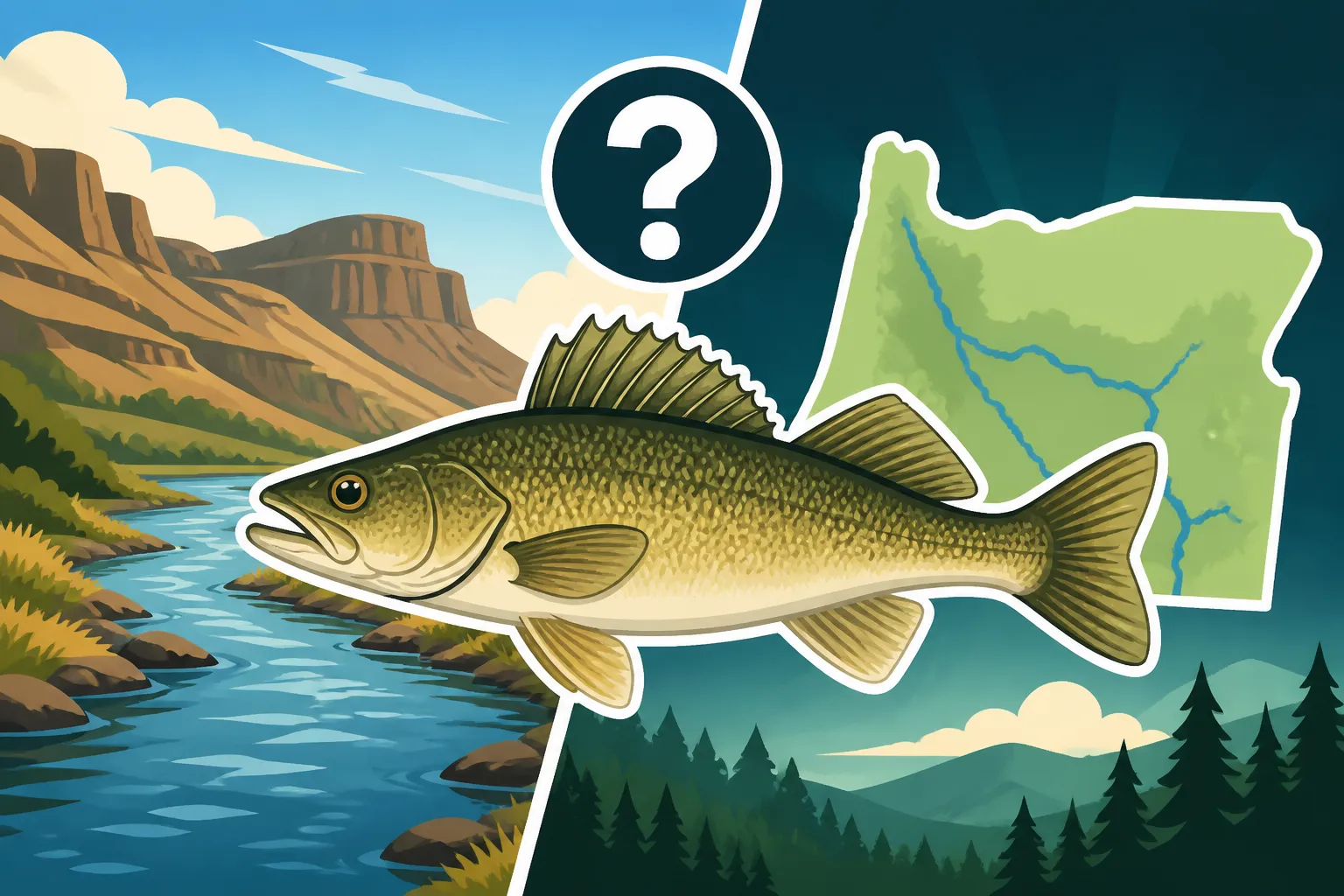
Is walleye native to the John Day River?
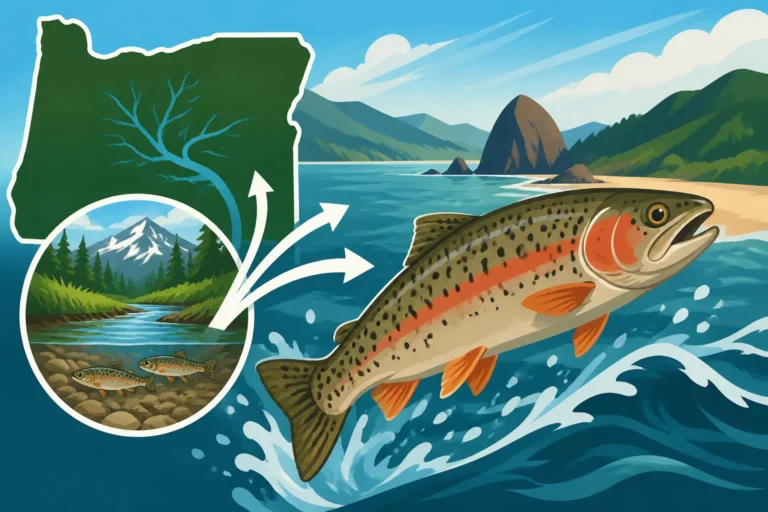
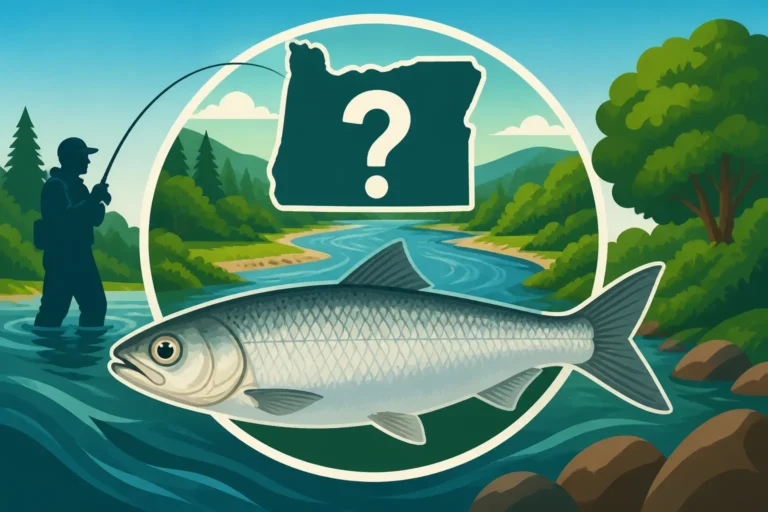
It's a question many anglers ponder when they're casting a line into the beautiful, wild waters of the John Day River: "Are walleye supposed to be here?" It’s an understandable curiosity, especially with the variety of fish you can encounter in Oregon. Let's get right to it: no, walleye are absolutely not native to the John Day River. This guide will dive deep into why they're not, how they ended up here, and what their presence means for the river and its precious native fish populations.
The Straight Answer: Walleye Are Not Native to the John Day River
When we talk about a fish being "native" to a river, we mean it naturally evolved there, or its ancestors migrated through that system over countless generations without human intervention. Think of the iconic salmon and steelhead of the Pacific Northwest – they are truly native, intrinsically linked to these waters for millennia. Walleye, on the other hand, have a very different story here in Oregon, and particularly in a pristine watershed like the John Day.
Understanding Native vs. Non-Native Species
Imagine a puzzle where every piece fits perfectly, developed over thousands of years of natural selection. That's a native ecosystem. Each species, from the tiniest invertebrate to the largest predator, plays a specific role, honed by local conditions and interactions. A "native" species is one that has naturally occurred in a region, evolving with the local climate, landscape, and other plants and animals. They belong.
A "non-native" species, often called an "introduced" or "invasive" species, is one that has been brought into an area where it doesn't naturally occur. Sometimes this happens accidentally, like through ballast water in ships. Other times, it's intentional, often for sport fishing or to control other populations, but without a full understanding of the potential consequences. When a non-native species establishes itself, it can sometimes integrate benignly, but often, it disrupts that delicate ecological puzzle, causing a cascade of problems for the native inhabitants and the health of the entire ecosystem. This distinction is incredibly important for rivers like the John Day, which is renowned for its wild, undammed character and native fisheries.
How Walleye Arrived in Oregon
Walleye are originally from the Great Lakes region and the central United States, where they are a highly prized sport fish. Their journey to Oregon didn't happen overnight, nor was it a natural migration. Walleye were introduced into the Columbia River system, primarily in the Bonneville Pool and upstream reservoirs, in the mid-20th century. This introduction was largely driven by anglers who enjoyed catching them and wished to establish a fishery for them in the Pacific Northwest.
The initial stockings, whether official or unofficial, took hold. Walleye are highly adaptable and prolific, quickly establishing populations in the vast, dammed stretches of the Columbia River. From there, they began to expand their range. The John Day River, being a major tributary of the Columbia, became a natural pathway for walleye to move upstream and establish themselves. They are not swimming against insurmountable odds to get there; the lower John Day, especially where it meets the Columbia, provides easy access. It's a classic example of an introduced species finding suitable habitat and thriving, even if their presence isn't ideal for the local ecology. You can learn more about general fish origins in our guide on Oregon Warmwater Fish Species.
Why Their Non-Native Status Matters for the John Day
The John Day River is truly unique. It boasts the longest free-flowing river system in Oregon and the second-longest undammed river in the continental United States. This means its ecological processes are largely intact, providing crucial habitat for wild steelhead, spring Chinook salmon, and native redband trout. These species depend on specific conditions – cool, clean water, complex river habitats, and a balanced food web – to complete their life cycles.
The introduction of a non-native predator like the walleye, especially one that can grow large and eats other fish, throws a wrench into this delicate balance. It introduces a new variable that the native species are not evolved to handle. This isn't just about competition for food or space; it's about a fundamental shift in the predatory landscape that can put immense pressure on already vulnerable native fish populations. Anglers who care about the long-term health of our rivers understand that every species has a role, and when a new player is introduced, it often comes at the expense of those who were there first. It's why there's a strong emphasis on understanding Oregon Fishing Regulations Explained and why certain management strategies are in place.
The Journey and Impact of Walleye in Oregon's Waters
Once introduced into the Columbia River, walleye didn't just stay put. They are opportunistic and excellent at finding new habitats. Their presence in the John Day is a testament to their adaptability and the interconnectedness of river systems. Understanding their spread and the consequences of their establishment is key to appreciating the challenges facing Oregon's native fisheries.
From the Columbia to the John Day
The journey of walleye into the John Day River is a direct consequence of their success in the main stem Columbia. The lower John Day, near its confluence with the Columbia, offers a wide, slower moving section that can be quite appealing to walleye. During certain times of the year, particularly when water temperatures are favorable, walleye will move out of the Columbia and up into the lower stretches of the John Day in search of food and spawning grounds. They don't necessarily populate the entire length of the John Day in significant numbers, but their presence in the lower and middle sections is well-documented.
This movement isn't unique to the John Day; other Columbia River tributaries can experience similar incursions. However, the John Day's reputation as a stronghold for wild salmon and steelhead makes the presence of a non-native predator like the walleye a particular concern. These fish are not only competing for food and space with native species, but they are also actively preying on them.
The Ecological Ripple Effect
The introduction of walleye creates a significant "ripple effect" through the aquatic ecosystem. Their impact is multifaceted:
- Predation on Juvenile Salmonids: This is perhaps the most concerning aspect for conservationists and native fish advocates. Walleye are voracious predators, and they especially love to eat smaller fish. When juvenile spring Chinook salmon, fall Chinook salmon, and steelhead smolts are migrating downriver towards the ocean, they become easy targets for hungry walleye. These young salmonids are already facing numerous challenges, from habitat loss to dams, and adding a new, effective predator can severely reduce their survival rates. Oregon's commitment to native salmon and steelhead is unwavering, and anything that threatens those populations is taken very seriously.
- Competition for Resources: Walleye compete with native fish like redband trout, smallmouth bass (also a non-native, but with different impacts), and even juvenile salmon for food resources such as insect larvae, crustaceans, and smaller fish. This competition can stress native populations, making them less resilient to other environmental pressures.
- Habitat Alteration (Indirectly): While walleye don't typically alter physical habitat directly, their presence can shift the dynamics of how different species use the river. Native fish might be forced into less optimal areas, increasing their vulnerability to other predators or environmental stressors.
The presence of species like the smallmouth bass, another non-native that has also found a home in the John Day, creates a complex web of interactions. While bass also prey on juvenile salmonids, walleye often occupy deeper, slower water sections where salmon smolts might concentrate, making them particularly effective at predation. You can read more about other non-native species in our John Day River Smallmouth Bass Fishing guide, and understand the bigger picture of Why does Oregon encourage removing smallmouth bass.
| Species | Native to John Day? | Primary Food Source | Ecological Impact (General) | Angler Focus in Oregon |
|---|---|---|---|---|
| Walleye | No | Fish, crustaceans | Predation on juvenile salmonids, competition | Encouraged retention |
| Spring Chinook | Yes | Insects, crustaceans, smaller fish | Indicator species, vital food source | Highly regulated |
| Summer Steelhead | Yes | Insects, crustaceans, smaller fish | Indicator species, challenging sport fish | Highly regulated |
| Redband Trout | Yes | Insects, small fish | Keystone species, local sport fish | Regulated catch/release |
| Smallmouth Bass | No | Insects, crustaceans, smaller fish | Predation on juvenile salmonids, competition | Encouraged retention |
Management and Conservation Efforts
Given the ecological concerns, the Oregon Department of Fish and Wildlife (ODFW) and other conservation groups actively manage and monitor walleye populations, especially in sensitive areas like the John Day River. The goal is to protect native species and restore ecological balance where possible.
For anglers, this often translates into specific regulations that differ significantly from native species. For instance, while strict limits and often catch-and-release rules apply to native salmon and steelhead, anglers are generally encouraged to harvest walleye from the John Day and other Columbia River tributaries where they are non-native. In many cases, there are no bag limits for walleye, and anglers are asked to keep all legal-sized walleye they catch. This management strategy aims to reduce the predatory pressure on native fish. It’s a collective effort, and anglers play a crucial role in these conservation initiatives. You might find similar advice when looking into How to catch walleye on the John Day River.
Fishing for Walleye: Opportunity and Responsibility
While walleye aren't native, their presence in the John Day River does offer a unique opportunity for anglers. Not only are they a fantastic-eating fish, but by targeting and harvesting them, you're directly participating in conservation efforts to help protect native salmon and steelhead runs. It's a win-win: enjoy a great fishing experience and contribute to a healthier ecosystem.
Target Walleye in the John Day
If you're looking to catch walleye in the John Day, you'll generally find them in the lower sections of the river, closer to its confluence with the Columbia. They prefer deeper, slower-moving water, often around submerged structure like ledges, rock piles, or current seams. During the warmer months, they can be quite active, moving into shallower feeding areas during low light conditions or at night.
It’s important to remember the spirit of targeting walleye here: it’s about responsible angling that contributes to the health of the river. You're not just fishing for sport; you're helping manage an invasive species. This makes the experience even more meaningful for many anglers who care deeply about Oregon's natural resources. For specific techniques, our Oregon Fishing Techniques for Beginners might offer a good starting point, though walleye fishing has its own nuances.
Recommended Gear and Techniques
Walleye can be targeted with a variety of gear and techniques, making it accessible to many anglers. Here are some common approaches:
- Jigging: One of the most popular methods. A lead-head jig tipped with a plastic grub, minnow, or a piece of nightcrawler can be incredibly effective. Cast it out, let it sink to the bottom, and work it back with a series of hops and pauses. Colors like chartreuse, white, or dark browns often work well.
- Bottom Bouncing/Trolling: If fishing from a boat, bottom bouncers with spinner rigs or a worm harness are excellent. These rigs keep your bait near the bottom where walleye typically feed. Trolling at slow speeds allows you to cover a lot of water.
- Crankbaits: Diving crankbaits that imitate baitfish can also be very productive, especially when cast towards structure or trolled along drop-offs. Look for lures that dive to the depth where you expect walleye to be.
- Live Bait: Nightcrawlers, shiner minnows, or leeches can be incredibly effective, fished under a bobber or on a slip-sinker rig. Sometimes the simplest approach is the best!
For tackle, a medium-light to medium action spinning rod, 6 to 7 feet long, paired with a reliable spinning reel spooled with 8-12 lb test monofilament or braided line, is a versatile setup. You can find a lot of great options for these types of rods, reels, and baits on sites like Amazon, which offers a wide array of fishing gear that can be shipped directly to your door, making it easy to stock up before your next trip to the John Day. Don't forget to check out Best lures for smallmouth bass on the John Day River for some crossover lure ideas that might attract walleye too.
The Role of Anglers in Ecosystem Health
As anglers, we are often the first line of defense and observation for our natural waters. Our actions, from following regulations to practicing ethical catch-and-release (for native species) or responsible harvest (for non-native species), directly impact the health of the ecosystems we cherish. By understanding that walleye are not native to the John Day River and choosing to harvest them, you're becoming an active participant in maintaining the ecological integrity of this magnificent waterway.
So, while the answer to "Is walleye native to the John Day River?" is a clear "no," their presence presents a unique challenge and opportunity. It highlights the delicate balance of nature and the ongoing efforts required to protect our wild fish populations. Get out there, enjoy the fishing, and know that every walleye you catch from the John Day is a step towards helping its native inhabitants thrive.
Disclaimer
This article is for general informational purposes only and does not constitute professional advice. Laws, prices and regulations vary by location and change over time. Consult a qualified professional for guidance on your specific situation.