Best tide for fishing Tillamook Bay
Fishing Tillamook Bay can be an incredibly rewarding experience, but if you've ever spent hours on the water without a bite, you know how frustrating it can be when you're not in sync with the fish. Many anglers just show up and cast, completely missing the crucial role that tides play in how, when, and where fish feed. This comprehensive guide is here to unravel the mysteries of Tillamook Bay's tides, helping you understand how to use them to your advantage for a much more successful and enjoyable fishing adventure.
Understanding Tillamook Bay's Tides and Why They Matter for Fishing
Tillamook Bay isn't just a big puddle; it's a dynamic estuary where freshwater from multiple rivers meets the Pacific Ocean. This constant ebb and flow creates a unique environment that fish respond to directly. Ignoring the tides is like trying to drive a car blindfolded – you might get lucky, but you're probably going to miss your destination.
The Basic Mechanics of Tides in an Estuary
Think of Tillamook Bay as a giant bathtub with a sloshing mechanism. The moon's gravitational pull, combined with the sun's, dictates the rise and fall of the ocean. When this oceanic water pushes into the relatively confined space of an estuary like Tillamook Bay, it creates currents, eddies, and changes in water depth that are absolutely vital to fish. High tide is when the water level is at its peak, while low tide is when it recedes. The periods in between are when the water is either coming in (flood or incoming tide) or going out (ebb or outgoing tide). The "slack" tide refers to the brief period when the water movement nearly stops before reversing direction. In Tillamook Bay, because of its relatively narrow mouth and large interior, these tidal exchanges can be quite dramatic, creating strong currents, especially around the jetties and main channel.
For example, on a strong incoming tide, you'll feel the push of the ocean water entering the bay, bringing with it cooler, saltier water and often baitfish. Conversely, a strong outgoing tide will pull warmer, fresher bay water and detritus out towards the ocean. These movements aren't just about water levels; they're about the entire ecosystem shifting. The speed and direction of these currents, particularly during what we call "tidal exchanges," are what really get things happening for fish, whether they are predators or prey. Understanding this fundamental dance is the first step to unlocking consistent success on the bay.
The bay's geography also plays a significant role. The mouth of Tillamook Bay, where it meets the Pacific, experiences the full brunt of oceanic tides. As the water pushes further inland, especially into the various river mouths like the Trask, Wilson, Miami, Kilchis, and Tillamook Rivers, the tidal influence can change. The timing might be slightly delayed, and the currents might become more focused or diffuse depending on the specific channel or mudflat. This means that a "high tide" at the mouth might not perfectly coincide with "high tide" deep within one of the river estuaries, leading to subtle but important differences in fishing conditions and requiring careful study of localized tide charts.
How Tide Influences Fish Behavior in Tillamook Bay
Fish are creatures of habit, and their habits are largely dictated by their environment. Tides are arguably the most significant environmental factor in an estuary. When the tide is moving, it creates currents that dislodge bait, concentrate prey, and create feeding lanes. Think of it like a conveyor belt for fish food. Predatory fish, like salmon and sturgeon, will often position themselves to ambush unsuspecting prey being carried by the current.
During an incoming tide, fresh ocean water brings in baitfish, shrimp, and other marine organisms. This influx can invigorate salmon, signaling a fresh push of food and often providing a "highway" for them to move further into the bay and upriver towards their spawning grounds. Coho salmon, known for their aggressive bites, can become particularly active during these periods. Sturgeon, being bottom feeders, will often use the currents to stir up the bottom, exposing clams and worms, or simply wait for dead or injured baitfish to drift by.
Conversely, a strong outgoing tide can pull baitfish and nutrients out of the rivers and into the main bay, creating different feeding opportunities. It also uncovers mudflats and shallow areas, restricting fish to deeper channels. Understanding these behavioral shifts is paramount. If you're fishing for salmon on an outgoing tide, for instance, you might focus on the edges of deeper channels where fish might be staging, rather than shallower areas they've abandoned. The key is to think like a fish: where would you go if the water was moving this way? What food would be available?
The Role of Freshwater Inflow and River Systems
Tillamook Bay is fed by five major rivers: the Tillamook, Trask, Wilson, Kilchis, and Miami. These rivers contribute a significant amount of freshwater, especially during periods of heavy rain or snowmelt. This freshwater inflow doesn't just dilute the saltwater; it creates crucial stratification layers and can dramatically impact current strength and clarity, which in turn affects fish behavior and your fishing strategy.
During periods of high freshwater flow, the bay can become murky, reducing visibility for both fish and anglers. This can sometimes make fish rely more on scent and lateral line senses than sight. It can also create strong outgoing currents that make it difficult to effectively present your bait or lure. On the other hand, a good freshwater flow can also attract salmon upriver, especially if they've been waiting for a "freshet" to signal it's time to move upstream to spawn. An important consideration for any angler is checking current reports on river levels before heading out. Sometimes, a big rain can completely change the bay's character for days, turning a typically productive tidal swing into a difficult slog.
The confluence of these river systems with the bay's tidal influence creates complex patterns. For instance, an incoming ocean tide pushing against a strong outgoing river current can create a "seam" or current break where fish love to hold. These are prime spots to target, as fish can conserve energy while waiting for food to be delivered to them. This interplay is especially important when fishing the inner bay or near the river mouths. For those targeting salmon, understanding how freshwater influences their migration is just as important as knowing the tides. You might find more success by checking resources like the Oregon Fishing Seasons Explained to understand typical run timings relative to river conditions.
The Best Tides for Targeting Key Species in Tillamook Bay
Now that we've dug into why tides matter, let's get specific. Different fish species respond to tides in unique ways. What works for a Chinook salmon might not be ideal for crabbing, and vice versa. Knowing the preferred tidal conditions for your target species is your secret weapon.
Chinook Salmon: The Power of Incoming and High Slack Tides
For many anglers, Chinook salmon are the kings of Tillamook Bay, and their presence is heavily influenced by tides. Generally, the incoming tide is considered prime time for Chinook. As the cooler, saltier ocean water pushes into the bay, it's like a welcome mat for salmon migrating from the ocean. They ride this incoming current, using it as a highway to move deeper into the bay and towards the river mouths. The currents during an incoming tide also help to disorient baitfish and circulate scent, triggering a feeding response or at least making the salmon more receptive to your offerings.
I've had some of my most memorable Chinook days during the first half of a strong incoming tide, especially if it coincides with dawn or dusk. The fish are often aggressive, fresh from the ocean, and actively moving. You'll want to focus on main channels, structure like jetties or deeper edges, and the mouths of the major rivers. Techniques like trolling with bait, spinners, or plug-cut herring, or even How to fish an incoming tide for salmon from anchor, can be incredibly effective. Consider checking out various options for Best Lures for Oregon Salmon Fishing on retailers like Amazon before your trip to ensure you have the right gear for the conditions.
The high slack tide can also be very productive, especially for anchored anglers. As the current slows, salmon might mill around, rest, or become less wary. This brief period of calmer water often allows for more precise bait presentation and can be excellent for mooching or anchoring with cut bait. However, the window of opportunity can be short, so be ready to capitalize on it. Once the tide turns and starts to ebb strongly, the bite often slows down as the salmon either push further upriver or simply hunker down in deeper holes, making them less accessible.
Coho Salmon: Capitalizing on Tidal Movement for Active Biters
Coho salmon, often arriving a bit later in the season than Chinook, are renowned for their aggressive and acrobatic fights. While they also appreciate incoming tides, they tend to be more responsive to strong tidal movement overall, whether incoming or outgoing, as long as there's a good current to concentrate bait. Their smaller size and higher energy levels mean they're often more actively chasing baitfish pushed by currents.
I've found Coho to be particularly receptive during the first few hours of an incoming tide and often the last couple of hours of an outgoing tide, especially if the outgoing water is pushing bait out of the rivers. They are less prone to "holding" in deep holes like Chinook and will actively patrol current seams and baitfish schools. Trolling with spinners, small plugs, or spoons is a fantastic way to cover water and intercept these active biters. Oregon Salmon Fishing Techniques often highlight their preference for flashy, fast-moving presentations.
During these active tidal periods, focus on the middle to upper water column, as Coho often feed higher than Chinook. Look for areas where baitfish are congregating or being flushed out. If you're seeing birds diving or baitfish scattering, you're likely in a good Coho zone, and the tidal current is probably playing a big part in concentrating that activity. Their willingness to chase makes them a blast to fish for, and strong tidal movement helps to trigger that chase instinct.
Sturgeon and Bottom Fish: Focusing on Slower, Deeper Water Movement
Sturgeon are ancient, bottom-dwelling fish that rely heavily on their keen sense of smell and barbels to locate food. Unlike salmon, who actively migrate with strong currents, sturgeon often prefer the slower, more manageable currents or the periods around slack tide to feed. The slack tide—both high and low—can be excellent for sturgeon in Tillamook Bay.
During slack tide, bait, like sand shrimp, herring, or anchovies, can settle on the bottom more easily, making it accessible for sturgeon to root around. The calmer currents also allow for better bait presentation, keeping your bait in place without it being constantly swept away. As the tide begins to move, either incoming or outgoing, the currents can stir up the bottom, making it easier for sturgeon to find buried clams and worms, or dislodge other food sources. I often target the hour before and two hours after slack tide for sturgeon, focusing on deep holes and channels. For those curious about these impressive fish, our Oregon Sturgeon Guide has a wealth of information.
For other bottom fish, like flounder or various perch species you might target from docks or the shoreline, the principles are similar. They often prefer slower tidal movement or slack water where they can easily forage without fighting strong currents. Incoming tides can bring in fresh bait to shallower areas, while outgoing tides might concentrate them in deeper pockets. Knowing the Tillamook Bay fishing spots that offer sheltered deep water during strong currents can be key.
Crabs and Clams: The Art of Timing for Shellfish Success
Tillamook Bay is also famous for its Dungeness crabbing and clamming. For these activities, tides are not just important; they are absolutely critical, though in a slightly different way than for fish.
For crabbing, the best tide is typically a slack high tide. As the tide comes in and peaks, the water is at its deepest and calmest. This is when Dungeness crabs are often most active, moving around and foraging for food. Dropping your crab pots an hour or two before high slack tide allows the pots to soak during this peak activity period. An outgoing tide can also be productive as crabs get washed out, but the strong currents can make it difficult to set and retrieve pots effectively, and they might tumble. Check out Oregon Crabbing Season Timing to perfectly align your crabbing with the best tidal window.
Clamming, particularly for cockles and butter clams on the exposed mudflats, demands the lowest possible low tide. You need the water to recede as far as possible to expose the clam beds. A "minus tide" – where the water level drops below the average low tide mark – is the Holy Grail for clam diggers. This usually happens during new and full moons. The lower the tide, the more ground you can cover, and the better your chances of finding productive clam beds. Always check the tide charts carefully and arrive well before the absolute low tide mark so you have plenty of time to dig before the water starts coming back in. A simple bucket and shovel from a local hardware store or even Amazon will do the trick! Remember, you'll need an Oregon Shellfish License to partake in these activities.
Here's a quick summary table for common Tillamook Bay targets:
| Target Species/Activity | Optimal Tide | Why it Works |
|---|---|---|
| Chinook Salmon | Incoming & High Slack | Incoming current acts as a migration highway and concentrates bait; high slack offers resting and feeding opportunities. |
| Coho Salmon | Active Incoming/Outgoing | Strong currents push bait, triggering aggressive chases from these active predators. |
| White Sturgeon | Slack (High & Low) & early movement | Slower currents allow bottom feeding; early movement stirs up bottom food sources. |
| Bottom Fish (Flounder, Perch) | Slower movement, Slack | Easier foraging without fighting strong currents; bait concentrated. |
| Dungeness Crabs | High Slack Tide | Crabs are most active and foraging during deep, calm water periods. |
| Clams | Lowest Low Tide (Minus Tides) | Exposes the maximum amount of clam beds for digging access. |
Reading the Tide Charts and Planning Your Tillamook Bay Fishing Trip
Knowing which tide is best is only half the battle; you also need to know when those tides are happening. This is where tide charts become your best friend, and a little planning goes a long way.
Interpreting Tide Tables and Current Information
Tide tables are readily available online, through fishing apps, or even in local sporting goods stores. They list the times and heights of high and low tides for specific locations. For Tillamook Bay, you'll want to look for tables specific to the bay itself, rather than just a general coastal Oregon tide table, as there can be slight variations. Key things to look for:
- High and Low Tide Times: This tells you when the water will be at its peak and lowest.
- Tide Heights: Pay attention to the numbers. A "minus" low tide (e.g., -1.0 feet) means the water will be exceptionally low, perfect for clamming. Conversely, very high tides can cover areas you might typically fish.
- Tidal Exchange (or Range): This is the difference in height between a high and a low tide. A large exchange (e.g., a 7-foot difference) indicates strong currents, while a small exchange (e.g., a 2-foot difference) suggests weaker currents and longer slack periods. Strong exchanges are great for active fish like salmon, while weaker exchanges are often better for sturgeon or bottom fishing.
Don't just look at the high and low tide times; consider the entire cycle. For instance, if you want to fish the first two hours of an incoming tide for Chinook, you'll need to know when the low tide is so you can be on the water and ready to cast as the water starts to push in. Getting your timing right is crucial. Many anglers also check current charts, which show the speed and direction of water flow, often indicating "maximum flood" or "maximum ebb" times, which correlate to the strongest currents. Apps like those found on Amazon or popular marine weather sites can provide real-time data and forecasts.
Practical Tips for Maximizing Your Time on the Water
Once you've deciphered the tide chart, it's time to put that knowledge into action. Here are a few practical tips to make the most of your Tillamook Bay fishing trip:
- Arrive Early: This is crucial. If you're targeting an incoming tide, you want to be at your spot and set up before the tide truly starts pushing. Getting there an hour before low tide means you're ready for the first flush of incoming water, which can be highly productive. The same goes for outgoing tides; be there for the turn.
- Observe and Adapt: The tide chart is a guide, but conditions can vary. Watch the water. Are there strong current lines? Are baitfish jumping? Are birds feeding? These are all indicators that fish might be active, and you might need to adjust your strategy or location based on what you're seeing in real-time. Sometimes, the fish don't get the memo about the exact predicted bite window.
- Think About Access: Especially for bank anglers, tides dictate access. Low tide can expose vast mudflats, making some spots unreachable or making others newly accessible. High tide can inundate areas, cutting off fishing spots. Always consider how the tide will affect your ability to get to and from your desired fishing location safely. Our Oregon Fishing License Guide is an essential read for understanding all necessary regulations before you even step foot on the bank.
- Have a Backup Plan: If the tide for your primary target isn't ideal, or if conditions are too rough, consider what other species might be active. If the salmon bite is slow on a strong outgoing tide, maybe it's a good time to try for sturgeon in a deeper hole or even drop some crab pots. Versatility is a key trait of a successful Tillamook Bay angler.
Gear Considerations for Different Tidal Conditions
Tides don't just affect fish; they affect your gear too. Strong currents require different setups than slack water.
- Weights: For strong incoming or outgoing tides, especially when targeting bottom dwellers like sturgeon or when trying to hold bait in a specific spot for salmon, you'll need heavier weights. A 6-12 oz lead can be common in Tillamook Bay's main channels during peak tidal flow. For slack water, you can often get away with much lighter weights, allowing for a more natural bait presentation. Having an assortment of weights on hand, easily purchased from Amazon or your local tackle shop, is always a good idea.
- Line Strength: Stronger currents put more strain on your line, especially if you're using heavy weights. Consider bumping up your main line or leader strength if you're fishing in intense current. While not specific to Tillamook, generally, What pound test line for Chinook salmon would suggest a heavier setup for the powerful current and fish of the bay.
- Boat Control: If you're boat fishing, understanding how to use your motor or anchor to counteract or work with the current is crucial. For trolling, you might need to adjust your speed to maintain proper lure depth and action against a strong tide. For anchoring, make sure you have enough anchor line and a sturdy anchor to hold your position in moving water.
- Waders and Footwear: If you're a bank angler, especially during clamming or fishing lower tides, good waders and appropriate footwear (like wading boots with good grip) are essential. The mudflats can be soft and slick, and you'll want to protect yourself from the elements and potential hazards.
Common Misconceptions and Advanced Tidal Strategies
Even with all the information out there, anglers can fall into common traps or miss opportunities by not thinking beyond the basics of tide charts. Let's bust some myths and look at how to really dial in your tidal game.
Dispelling the "Any Tide is Good" Myth
One of the biggest misconceptions, especially for newer anglers, is that "any tide is good if you're fishing." While it's true that you can catch fish on any tide, consistently successful anglers know that certain tides are far better for specific species and locations. Just showing up at the ramp whenever it's convenient, without checking the tides, is a recipe for frustration.
I've seen it countless times: a boat launches at dead low tide, struggles to find water in the channels, then complains the fishing is slow. Meanwhile, another boat that launched an hour before the incoming tide started is already into their second or third fish. It's not magic; it's planning. The "any tide is good" mentality ignores the fundamental biological responses of fish to their environment. Would a deer feed in the middle of a bustling highway? Probably not. Fish are similar; they have preferred conditions. By understanding and respecting the tidal patterns, you're not just fishing; you're hunting in the most effective way possible. This detailed approach is what separates a truly informative guide from a general one, helping anglers delve deep into topics like Oregon Fishing Techniques for Beginners to learn the nuances.
Moreover, the "any tide" myth often leads to inefficient use of time and resources. Fuel, bait, and effort are all precious. Maximizing your chances by aligning your trip with optimal tidal windows means more hookups, more memories, and less wasted effort. It truly makes a difference in your overall success and enjoyment on the water.
Adjusting to Extreme Tidal Swings and Neap Tides
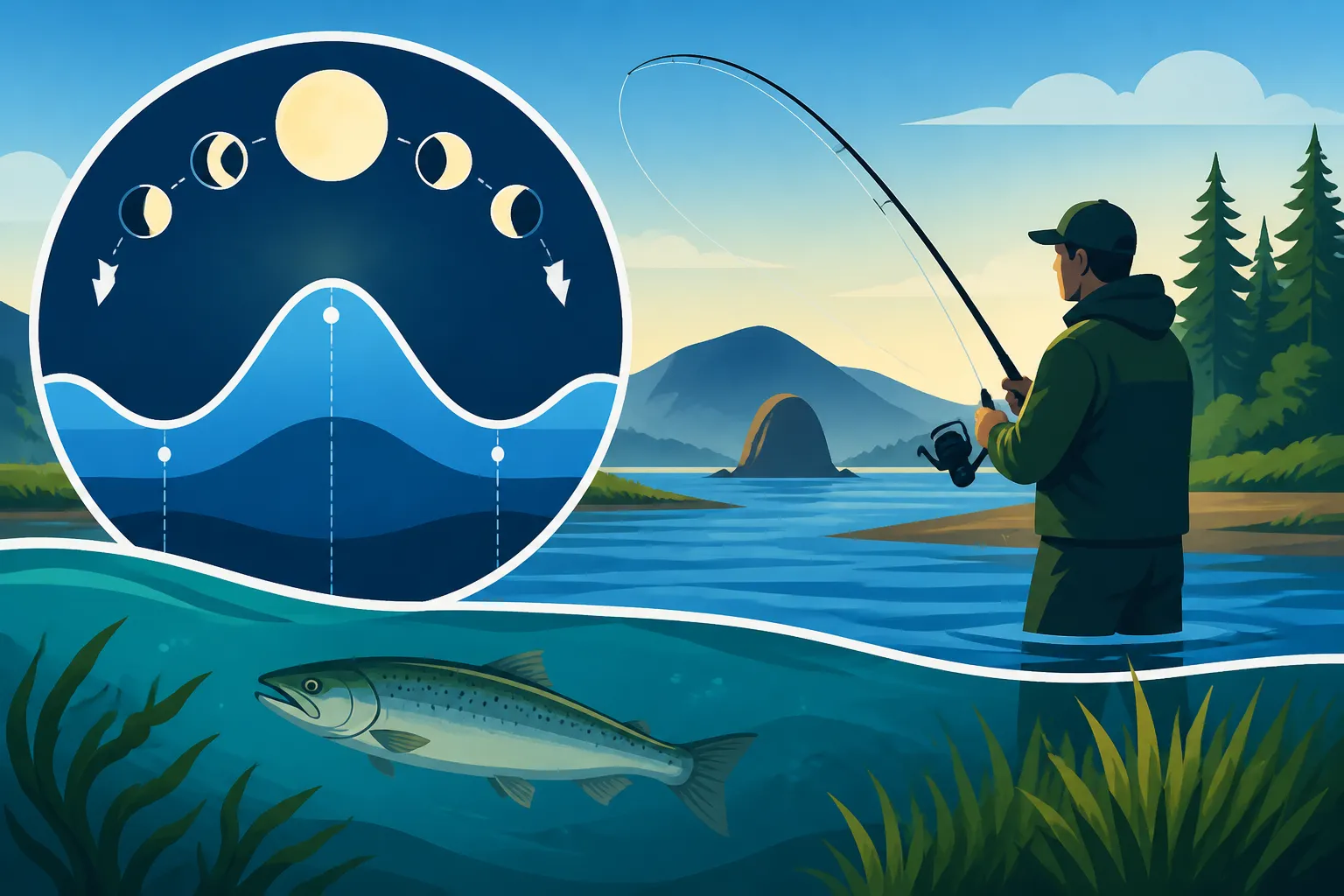
Tillamook Bay experiences varying tidal ranges throughout the lunar cycle. Sometimes you'll have massive tidal swings (spring tides), creating powerful currents, and other times, very subtle changes (neap tides). A skilled angler knows how to adapt.
- Spring Tides (Large Exchange): These occur during new and full moons, where the gravitational pull of the sun and moon combine to create higher high tides and lower low tides. This means stronger currents. For salmon, these strong incoming tides can be phenomenal, pushing in fresh fish and bait. However, the strong currents can make fishing difficult for sturgeon or for anchoring in specific spots. You might need heavier weights, more precise boat control, or focus on current breaks and eddies where fish can escape the main flow.
- Neap Tides (Small Exchange): These occur during the quarter moons, when the sun and moon's gravitational pulls are at right angles, resulting in less extreme high and low tides and weaker currents. For sturgeon and bottom fish, neap tides can be fantastic. The longer periods of slack water and gentler currents make it easier for them to feed without expending too much energy. For salmon, a weak incoming tide might mean a slower push of fish, and they might be more spread out or less aggressive. During neap tides, you might need to actively seek out areas where even subtle current is present, rather than relying on a strong tidal highway.
The important takeaway here is that "best" isn't always the same. What's best during a spring tide for salmon might be detrimental to sturgeon fishing. Your strategy needs to be flexible, considering the specific tidal conditions of the day. Having a versatile tackle box with various lure types (check out Oregon Bait and Lure Guide) will allow you to quickly adjust to these changing conditions.
Combining Tides with Other Environmental Factors
While tides are paramount, they aren't the only factor. The truly advanced angler integrates tidal knowledge with other environmental cues to create the most productive fishing plan.
- Time of Day: Dawn and dusk often coincide with peak feeding times for many species, regardless of the tide. If an optimal tide coincides with one of these "low light" periods, you've hit a jackpot. This combination creates a perfect storm for active fish. Our guide on Best Time of Year to Fish in Oregon often emphasizes these factors.
- Weather Conditions: Overcast skies can sometimes prolong a bite, as fish are less wary. A light rain can increase freshwater flow, which, as discussed, impacts salmon migration. Wind can be a double-edged sword: a light breeze can create a desirable "chop" on the water that makes fish feel secure, but strong winds can make fishing impossible or dangerous. Always check the marine forecast in addition to the tide chart.
- Water Clarity and Temperature: These can fluctuate with tides and river inflow. Clearer, cooler incoming ocean water can sometimes spark a salmon bite. Murky, warm outgoing river water might make fish more sluggish or require a different approach, like using noisier lures or scented baits. A quick check of a portable sonar/fish finder from Amazon can give you real-time water temperature readings.
- Baitfish Presence: Ultimately, fish go where the food is. If you're seeing schools of baitfish, or signs of baitfish (like diving birds or splashes), that location is likely to be productive, regardless of the exact tide. The tide might be concentrating the bait, but the presence of the bait itself is the strongest indicator. For instance, Tillamook Bay salmon fishing spots are often where baitfish school up naturally with the current.
By weaving together these different elements with your understanding of Tillamook Bay's tides, you'll elevate your fishing game from simply "going fishing" to strategically hunting for success. It's about becoming a student of the water, and every trip becomes a valuable lesson that brings you closer to consistent catches.
Disclaimer
This article is for general informational purposes only and does not constitute professional advice. Laws, prices and regulations vary by location and change over time. Consult a qualified professional for guidance on your specific situation.