How to fish an incoming tide for salmon
There’s a unique thrill that comes with chasing salmon in Oregon, but it can also be incredibly frustrating when you’re out on the water, feeling like you’re doing everything right, and still not getting any bites. One of the biggest secrets to unlocking consistent success, especially for our magnificent Pacific salmon, often lies in understanding and strategically fishing the incoming tide. This guide is all about demystifying the power of the incoming tide and giving you the actionable steps, gear insights, and local knowledge you need to turn those slow days into memorable catches.
Understanding Oregon's Tides and Salmon Behavior
If you’ve ever spent time on Oregon’s coastal rivers and estuaries, you’ve felt the rhythmic push and pull of the ocean's influence. It's more than just water moving; it's a dynamic system that dictates everything from baitfish movement to predator behavior, and for salmon, it's a huge factor in their migration and feeding patterns. Ignoring the tide is like trying to guess the winning lottery numbers blindfolded – you might get lucky, but you're probably just making it harder on yourself.
The Power of the Push: How Tides Influence Salmon
Think of the incoming tide as nature's conveyor belt, bringing a fresh supply of ocean water, baitfish, and nutrients into the estuaries and lower river systems. Salmon, especially Chinook and Coho making their journey upstream to spawn, are incredibly sensitive to these changes. As the tide pushes in, several critical things happen that make it prime fishing time:
- Baitfish Movement: The rising water tends to push schools of baitfish, like herring and anchovies, further into the bays and rivers. This creates a moving buffet for hungry salmon who are often looking for a last good meal before their arduous spawning migration. Imagine a dinner bell ringing – that's what an incoming tide sounds like to a salmon.
- Current Concentration: The incoming current, particularly in constricted areas like river mouths, channels, and around points, can concentrate both salmon and their prey. Fish will often hold in seams and eddies, expending less energy while waiting for food to be swept past them. These current breaks become key ambush points.
- Increased Water Depth and Access: As the tide rises, it covers shallower flats, sandbars, and rocky areas that might have been inaccessible at low tide. This not only opens up new feeding grounds but also provides salmon with safer, deeper pathways to move further upstream, away from potential predators. For anglers, this means more water to explore and often better boat access.
- Oxygenation and Water Quality: While less dramatic than the other factors, the influx of fresh, often cooler and more oxygenated ocean water can also stimulate salmon activity, especially during warmer periods when river temperatures might be on the rise.
Reading the Water: Predicting Salmon Movement
You don't need a degree in oceanography to read the tides, but a little understanding goes a long way. The key is to get a tide chart for your specific fishing location – whether it's the Yaquina Bay, Tillamook Bay, or the lower Columbia River. These charts will show you the times for high tide, low tide, and importantly, the "slack" water periods at the top and bottom of the tide.
- Early Incoming (Low to Mid-Tide): This is often when salmon first start to move in. The current might be picking up, and fish are often found along the edges of channels, following the deepest contours as the water rises. They might be more spread out but actively searching for food. This is a great time to be near the mouth of an estuary or where the river meets the bay.
- Mid-Incoming (Mid-Tide to High-Tide): The current is usually at its strongest during this phase. Salmon will often push hard upstream, taking advantage of the strong current. This is when they might be more concentrated in deeper channels, around prominent points, or along steep drop-offs where the current provides a clear path and washes food past them. You’ll want to be vigilant for current seams and underwater structure.
- Late Incoming (Near High Tide Slack): As the tide approaches its peak, the current will begin to slow down, eventually reaching "high slack." This can be a tricky time. Some salmon might continue to move, but others might settle into deeper holes or slack-water areas to rest before the outgoing tide pushes them back or they continue their journey. This is a good time to focus on deeper holding water or areas just before the main current completely dies.
Understanding these phases for specific locations is crucial. For instance, the dynamics of an incoming tide on the expansive Columbia River Fishing Guide are vastly different from the more confined channels you might find in a smaller coastal bay. Always check the local tide charts and observe how the water moves in your chosen spot.
Strategic Approaches for Incoming Tide Salmon Fishing
Alright, so you know why the incoming tide is important. Now, let’s talk about how to fish it effectively. This isn’t a one-size-fits-all game; different conditions, locations, and even salmon species call for varied tactics.
Targeting the Estuaries and Tidal Influence Zones
When the tide starts to push in, these are the areas that truly come alive. Estuaries, which are the transition zones where freshwater rivers meet saltwater bays, are magnets for salmon as they prepare to move upstream.
- River Mouths and Jetties: These are often the first points of contact for ocean-migrating salmon. As the tide floods in, salmon will stage here, often holding just outside or within the mouth, waiting for the right moment to push further in. Fishing near the jetties or the confluence of the river and bay can be incredibly productive, especially during the early to mid-incoming tide. Deep trolling with divers and bait, or casting heavy spoons and jigs, can be effective here.
- Main Channels and Deep Water: Once salmon enter the estuary, they tend to follow the main, deepest channels. The incoming tide provides a strong current in these areas, and salmon will use it to their advantage. Trolling with cut-plug herring or anchovies, often behind a diver or flasher, is a classic and highly effective method. Pay close attention to your depth finder to locate any subtle changes in contour or bait balls. Check out our guide on Oregon Salmon Fishing Techniques for more advanced strategies.
- Points and Current Seams: Look for areas where the main current of the incoming tide creates distinct seams or eddies, such as around prominent points of land, islands, or submerged structures. Salmon will often stage in the slower water of an eddy, darting out into the current to intercept baitfish. Anchoring and Drift Fishing Techniques for Oregon Rivers can work wonderfully here, allowing your bait to naturally waft into the salmon’s strike zone.
Bait, Lures, and Presentation for Incoming Water
The moving water of an incoming tide demands specific presentations to get your offering noticed. You're trying to mimic distressed baitfish or present something irresistible that takes minimal effort for a salmon to grab.
- Cut-Plug Herring and Anchovies: These are absolute staples for salmon fishing, and they excel on an incoming tide. The rolling action of a properly cut bait fish, especially when paired with a flasher or dodger, is incredibly enticing. The flash and vibration of the attractor, combined with the natural scent and action of the bait, can be deadly. You can find high-quality bait rigging tools and scent additives on Amazon to ensure your presentation is perfect.
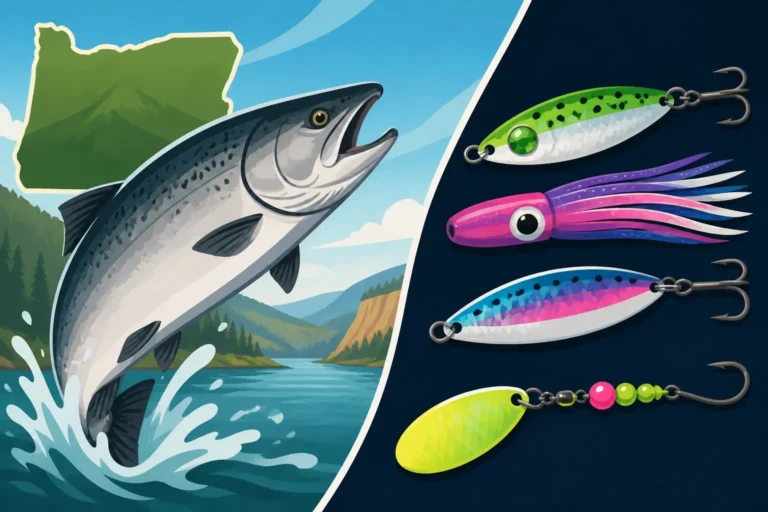
- Spinners and Spoons: Heavy spinners and spoons, particularly in chrome, brass, or bright colors, are excellent choices, especially when casting from shore or trolling in faster currents. The flash and vibration can mimic a fleeing baitfish. Ensure your lures are heavy enough to get down to where the fish are holding without being swept away too quickly by the current.
- Plugs: Diving plugs, especially those designed for trolling, can be highly effective, particularly for Chinook salmon. Their aggressive wobble and dive can trigger an instinctual strike. Experiment with different colors and sizes based on water clarity and baitfish present. Many anglers have a go-to plug they swear by, and exploring new options on Amazon can be a fun way to find your next secret weapon.
- Jigs: For vertical jigging in deeper holes or casting from shore into current seams, heavy jigs tipped with a piece of bait or a grub can be very productive. Let the jig sink, then use a retrieve that mimics a dying baitfish, allowing the current to impart action.
Table: Incoming Tide Gear & Technique Match-Up
| Tide Phase | Common Location | Preferred Technique | Recommended Baits/Lures | Key Considerations |
|---|---|---|---|---|
| Early Incoming | Estuary Mouths, Channel Edges | Trolling, Casting (Shore) | Cut-plug herring, Anchovy, Heavy Spoons | Fish tend to be spread out; cover ground, target current breaks. |
| Mid-Incoming | Main Channels, Deep Runs, Points | Trolling, Drift Fishing | Cut-plug herring/anchovy (with flasher), Diving Plugs, Heavy Spinners | Strong current; focus on depth, current seams, and clear travel lanes. |
| Late Incoming | Deeper Holes, Slack Water near High | Anchoring & Mooching, Jigs | Live/cut herring, Prawns, Gooey-Bobs, Jigs | Current slows; fish might hold deeper or rest. Look for concentrations. |
| High Slack | Deep Pools, Eddies | Anchoring & Mooching, Jigs | Live bait, Prawns, Jigs | Often a slower period; focus on scent and slower presentations in known holding areas. |
Positioning Your Boat or Shoreline Setup
Your position relative to the incoming current is paramount. You need to present your bait or lure naturally to the salmon.
- Boat Trolling: When trolling, try to position your boat to move with or slightly against the incoming current, especially if you’re trying to cover ground. If you’re targeting a specific current seam or drop-off, make passes that run parallel to it. Watch your speed – the current will influence your effective lure speed, so adjust your motor accordingly. Many successful anglers use downriggers or divers to get their gear to the precise depth where salmon are feeding.
- Anchoring: If you’ve found a promising hole, a current seam, or a point where salmon are holding, anchoring can be incredibly effective. Position your boat upstream of the target area, allowing your bait or lure to drift back naturally into the fish's strike zone. Remember to account for current changes as the tide progresses; what was a perfect drop at mid-tide might be too far or too close an hour later. Always use a proper anchor system, especially in strong tidal flows.
- Shore Fishing: For bank anglers, the incoming tide can also be fantastic. Look for prominent points, jetties, or public docks that extend into the main current. Cast out into current seams or areas where the incoming tide creates a natural funnel for baitfish. Heavy spoons, jigs, or even plunking rigs with bait can be productive. Knowing Best bank fishing spots near Portland Oregon will give you a head start.
Essential Gear for Targeting Salmon on an Incoming Tide
Having the right equipment can make all the difference between a frustrating tangle and landing a trophy salmon. The dynamic nature of incoming tides means your gear needs to be robust and adaptable.
Rods, Reels, and Line for Tidal Salmon
You're not catching panfish here; Oregon salmon are powerful fighters, and the current adds another layer of challenge.
- Rods: For trolling or drift fishing from a boat, a medium-heavy to heavy action rod, typically 8 to 10.5 feet long, is ideal. These rods have enough backbone to handle large salmon and heavy weights (divers, flashers), yet enough flex to absorb powerful runs. For shore casting with heavy lures, a surf rod or a heavy spinning rod, often 9-12 feet, will give you the casting distance and power you need.
- Reels: A high-quality level-wind baitcasting reel is preferred for boat fishing, especially for trolling, as it offers better line control and drag performance under pressure. Look for reels with a smooth, reliable drag system and good line capacity. For casting from shore, a sturdy spinning reel capable of handling heavy lines and lures is necessary. Many anglers look for durable options on Amazon, often reading reviews to find reels known for their robust construction.
- Line: Mainline choices typically range from 20-40 lb test monofilament or braided line. Braided line offers superior sensitivity and strength for its diameter, which is great for feeling subtle bites in current. However, a monofilament or fluorocarbon leader is almost always used, ranging from 20-50 lb test, depending on water clarity and target species. Fluorocarbon leaders are nearly invisible underwater and offer good abrasion resistance against rocks and oyster beds often found in estuaries.
Tackle Box Must-Haves
Beyond the rod and reel, a well-stocked tackle box is your best friend.
- Attractors: Flashers and dodgers are crucial for trolling. They create a visual flash and vibration that draws salmon to your bait or lure. Carry a variety of sizes and colors to match different water conditions and light levels.
- Weights and Divers: To get your offering down to the fish in varying currents and depths, you’ll need a selection of lead weights (cannonball, pyramid, or banana weights) or diving devices (like a Deep Six or Jet Diver). The heavier the current, the more weight you'll need.
- Hooks and Swivels: Sharp, strong hooks are non-negotiable. Carry a variety of sizes to match your bait. Quality barrel or ball-bearing swivels are essential to prevent line twist, especially when using rolling baits or flashers.
- Bait Prep Tools: If you're using cut-plug herring or anchovies, a good bait knife, bait cutters, and a brining solution (or ingredients for one) are vital. A properly prepared bait makes a huge difference. You can often find specialty bait brines and other fishing accessories, including tools like bait holders, conveniently on Amazon.
- Landing Net: A large, sturdy landing net with a long handle is indispensable for safely landing big salmon, especially from a boat in choppy tidal waters.
Remember, always check the current Oregon Fishing Regulations Explained for specifics on hook types, bait restrictions, and daily limits for the area you plan to fish.
Safety and Regulations on Tidal Waters
Fishing in tidal waters, particularly on Oregon's coast and larger river systems, comes with its own set of challenges and responsibilities. The power of the ocean and the sheer force of water movement demand respect.
Navigating Tidal Currents Safely
Tidal currents can be incredibly strong and change rapidly. What starts as a gentle push can quickly turn into a raging torrent, especially during peak tidal exchanges.
- Know Your Boat and Its Limits: If you're fishing from a boat, understand its capabilities and limitations in strong currents. Always keep an eye on upstream conditions and be aware of how quickly the current is moving.
- Anchor Safely: When anchoring, ensure you have sufficient anchor line (at least a 7:1 scope in strong currents) and that your anchor is properly set. Always have a knife ready to cut your anchor line in an emergency. Being able to quickly pull anchor is crucial if conditions change or another boat creates a dangerous situation.
- Watch for Debris: Incoming tides, especially after heavy rains, can bring a lot of debris (logs, branches, sometimes even entire trees) into the waterways. This poses a significant hazard to boaters, particularly at night or in low visibility.
- Life Jackets: This should go without saying, but always wear appropriate personal flotation devices (PFDs) for everyone on board, especially in challenging conditions or when near strong currents.
- Weather Conditions: Oregon's coastal weather can change in an instant. A calm morning can turn into a windy, choppy afternoon. Always check marine forecasts before heading out and be prepared to head in if conditions deteriorate. Know How to check Oregon emergency fishing closures and weather alerts.
Understanding Local Regulations and Zones
Oregon has specific regulations that vary greatly depending on the body of water, the time of year, and even the specific species you’re targeting. Tidal zones are often subject to different rules than purely freshwater sections of a river.
- Fishing Licenses and Endorsements: Make sure you have the correct Oregon Fishing License Guide and any necessary endorsements, such as an Ocean Endorsement or a Columbia River Basin Endorsement, if you're fishing in those specific waters. These are essential, and game wardens do check.
- Species-Specific Regulations: Salmon regulations are highly dynamic. Daily bag limits, minimum size requirements, and whether you can retain wild vs. hatchery fish often change. For example, the Oregon daily bag limit for salmon on the Columbia can be different from a coastal river. Always consult the most current Oregon Sport Fishing Regulations booklet or the Oregon Department of Fish and Wildlife (ODFW) website before each trip.
- Open and Closed Seasons/Areas: Some areas may be closed to fishing for certain species, or specific techniques might be prohibited during certain times. Tidal boundaries for these regulations are usually clearly defined. For example, some sections of rivers might be closed to salmon fishing upstream of a specific bridge or landmark. Familiarize yourself with the Oregon Fishing Season Dates and Limits for your chosen location.
- Catch Record Cards: For salmon and steelhead, you'll likely need an Oregon Catch Record Card Requirements to record your catches. This data is vital for fisheries management, so fill it out accurately and completely.
Always be a responsible angler. Practice good catch-and-release techniques if you're not retaining fish, dispose of your waste properly, and respect private property. The health of Oregon’s fisheries depends on all of us doing our part.
Fishing the incoming tide for salmon in Oregon is a rewarding pursuit that combines skill, knowledge, and a deep appreciation for the natural world. By understanding how tides influence salmon behavior, employing strategic fishing techniques, and gearing up appropriately, you'll significantly increase your chances of success. It's about more than just catching fish; it's about connecting with the rhythm of the water and the incredible journey of these magnificent creatures.
Disclaimer
This article is for general informational purposes only and does not constitute professional advice. Laws, prices and regulations vary by location and change over time. Consult a qualified professional for guidance on your specific situation.