How often are Oregon lakes restocked with trout
It can be incredibly frustrating to plan a perfect fishing trip, only to arrive at your favorite lake and find the trout bite slow or non-existent. You might wonder, "Was it just stocked? Has it been weeks?" Understanding Oregon's trout stocking schedule is key to better success and less disappointment. This comprehensive guide will pull back the curtain on how often Oregon lakes are restocked with trout, giving you the insider knowledge to plan your next adventure effectively.
The ODFW Stocking Program: How It Works
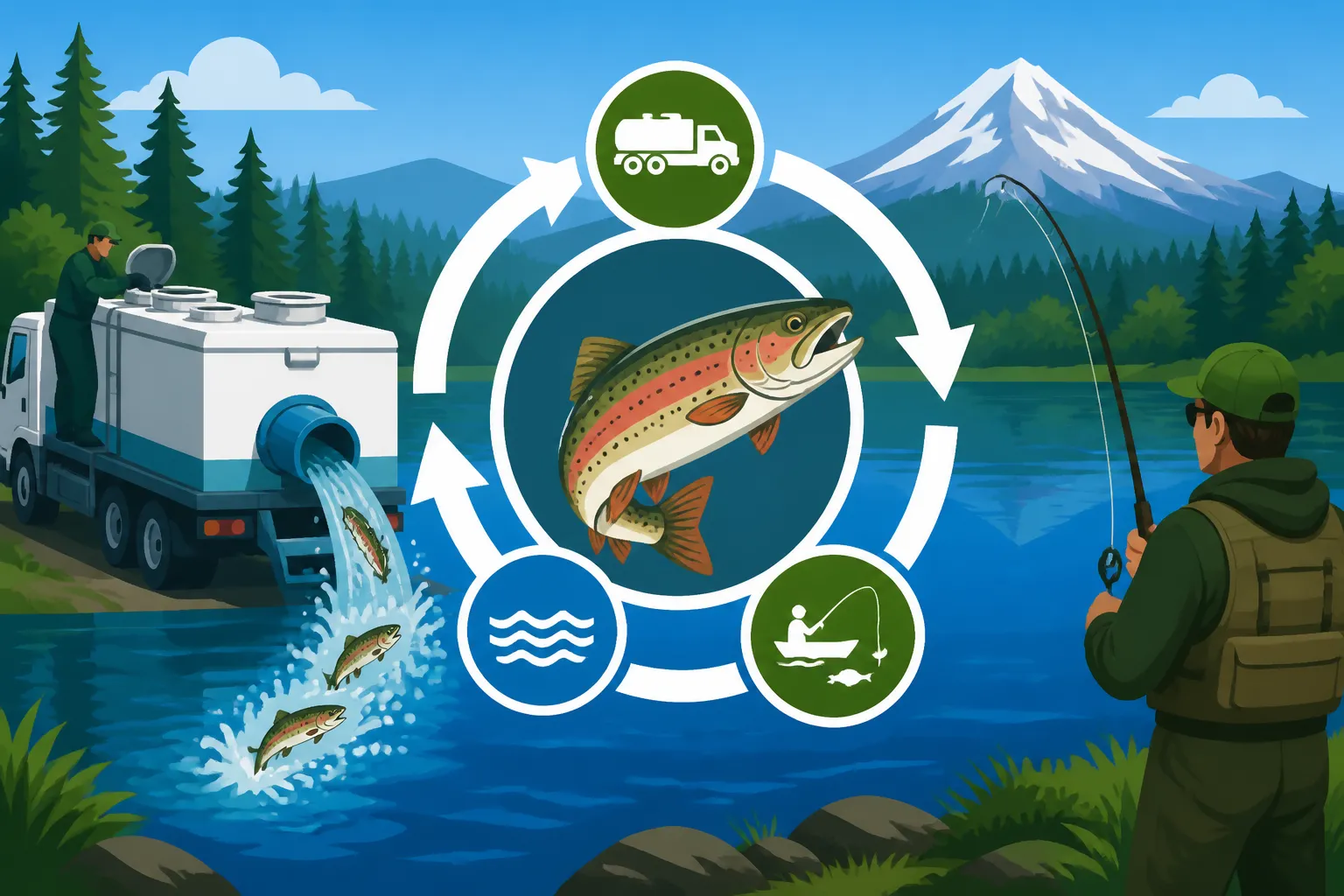
Many anglers assume trout stocking is a simple, uniform process, but it's actually quite nuanced! The Oregon Department of Fish and Wildlife (ODFW) manages a complex stocking program designed to provide diverse fishing opportunities across the state. They're not just dumping fish; they're strategically enhancing fisheries for everyone from seasoned fly-anglers to families with kids just starting out. It's important to remember that this isn't about creating "wild" fisheries, but rather "put-and-take" opportunities that ensure there are fish to be caught, especially in urban ponds and high-use lakes that see a lot of recreational use.
Understanding Stocking Schedules and Factors
The frequency of trout stocking isn't arbitrary; it's a careful calculation influenced by a multitude of factors. ODFW biologists consider everything from the specific characteristics of a waterbody to the anticipated angler pressure it will receive. For instance, smaller urban ponds often experience significantly higher fishing pressure and faster catch rates, necessitating more frequent stocking to maintain a healthy population for anglers. Conversely, larger, colder lakes with robust natural trout reproduction might receive less frequent supplemental stocking, or even none at all if they are managed primarily for wild fish populations.
Seasonal changes play a huge role in determining when and how often lakes are stocked. The bulk of trout stocking efforts typically occur in the spring and fall. Spring is a critical period because rising water temperatures invigorate trout, making them more active and eager to feed, which perfectly aligns with school breaks and families flocking outdoors. Fall stocking, on the other hand, helps extend the angling season into the cooler months and can provide fish for ice fishing opportunities in areas where conditions allow. During the peak of summer, stocking often slows down considerably due to warmer water temperatures, which can cause significant stress to trout and reduce their survival rates after release.
It's also worth noting that not all stocked trout are created equal. ODFW predominantly stocks rainbow trout, which are a popular sport fish, but occasionally other species like brook trout or coastal cutthroat trout might be introduced in specific, suitable locations. They also stock fish of various sizes: "legal-sized" catchable trout, typically 8-10 inches long, are released for immediate angling gratification, while larger "trophy-sized" fish, often 15 inches or more, are stocked to add an exciting challenge and create memorable experiences. The size of the fish stocked can definitely influence how quickly a lake's population might be depleted and, consequently, when it might need to be restocked.
Finally, the realities of ODFW's budget and the capacity of its various hatcheries (like Alsea, Roaring River, or Oak Springs Hatcheries) directly dictate the scale of the stocking program. The number of fish that can be raised, transported, and distributed is constrained by hatchery infrastructure, staffing levels, and, of course, available funding. These logistical considerations are fundamental to how many fish can be stocked and, crucially, how often. This is a clear example of how your investment in an Oregon Fishing License Guide directly supports the recreational fisheries across the state.
Different Stocking Categories and Their Frequency
Oregon's stocking program isn't a one-size-fits-all approach; it's strategically divided to serve various angling needs and waterbody types. Understanding these categories will give you a better idea of what to expect at your chosen fishing destination.
First up are the high-use urban ponds and community fisheries. These are the shining stars of the stocking program when it comes to frequency. Places like Henry Hagg Lake near Forest Grove, Junction City Pond, or many of the smaller community ponds close to population centers, are often stocked weekly or bi-weekly during peak seasons, which typically run through spring and early summer, and then again in the fall. These locations are specifically managed to provide easy access, high catch rates, and fantastic family-friendly fishing experiences, often receiving thousands of "catchable" trout in each plant. They are the perfect spots for beginners and those looking for consistent action.
Next, we have the popular lakes and reservoirs that might be a bit larger or require a short drive, but are still very accessible. Think about iconic spots like Diamond Lake, Detroit Lake, or even Foster Reservoir. These waterbodies might not get new fish every week, but they often see stocking efforts monthly or several times throughout a particular season, especially if they don't have strong natural trout populations capable of sustaining heavy angler pressure. The objective here is to supplement existing populations or to establish a viable fishery where natural reproduction is limited. These stockings can be quite substantial, sometimes involving tens of thousands of fish, ensuring that anglers have a good chance of success.
Then there are the remote lakes and high mountain lakes. These destinations offer a different kind of angling experience, often requiring a hike or a more adventurous journey. Because of their remoteness and often pristine, self-sustaining ecosystems, they typically see much less frequent stocking. Many of these lakes are managed for wild trout populations, meaning they might not be stocked at all. However, some remote lakes do receive periodic aerial stockings, usually once a year or every few years, where tiny fingerlings (very young fish) are carefully dropped from planes. These fish then grow naturally over time, providing a more "wild" feel to the fishing experience, albeit with potentially fewer fish per acre.
Lastly, while the focus is heavily on lakes, ODFW also stocks some rivers and streams. However, this is generally less frequent and far more targeted than lake stocking. Many of Oregon's renowned rivers are managed primarily for wild steelhead and salmon, and introducing hatchery trout could interfere with these crucial wild fish recovery efforts. When rivers are stocked, it's typically in specific "put-and-take" sections in easily accessible areas, often near urban centers or designated family fishing zones, to accommodate high angler use without impacting sensitive wild populations upstream or downstream. Always consult the Oregon Fishing Regulations Explained for any specific river you plan to fish, as rules can vary greatly.
Finding the Latest Stocking Information
Waiting for news about a fresh trout drop can feel like you're trying to crack a secret code, but thankfully, ODFW makes it pretty accessible! Staying informed is your absolute best bet for getting in on the action shortly after a stocking. Nobody wants to spend their precious weekend casting into empty waters, only to find out a big plant happened across town yesterday.
Navigating the ODFW Website and Resources
Your primary resource for trout stocking information in Oregon is undoubtedly the ODFW's official website. This isn't just a basic overview; they maintain an incredibly detailed and frequently updated online stocking schedule. This schedule usually gets refreshed weekly, providing not only a look at past stockings but also crucial information on planned future stockings. You can often filter this information by region, county, or even specific waterbody, making it super easy to pinpoint exactly when and where the fish are going. I remember once planning a trip to a familiar river, but after checking the ODFW schedule, I saw a small, overlooked pond nearby had just received a massive plant of trophy trout. My plans shifted in an instant, and it paid off beautifully! This resource is genuinely invaluable for any trout angler. If you're wondering Where to find the Oregon trout stocking schedule, their website is the first place to look.
Beyond the specific stocking schedule, ODFW also publishes a fantastic weekly recreation report. This report is a goldmine because it doesn't just confirm recent stockings; it often provides a wealth of supplementary information. You'll find insights into current fishing conditions, which spots are particularly hot, and even recommended techniques that are working well in various areas. These reports are frequently written by local ODFW biologists or experienced staff, giving you a real, on-the-ground edge. The report is easily accessible online and you can often sign up to receive it via email, so it lands right in your inbox.
While the internet is incredibly convenient, don't underestimate the power of a good old-fashioned phone call to your local ODFW office. These offices are staffed by people who live and breathe Oregon's fish and fisheries. They can sometimes offer more granular, day-of information or provide clarifications on the online schedule, especially for smaller or less predictable stockings. They might even share helpful tips tailored to the very latest conditions in your specific area, information that might not make it into the broader online reports. Having a direct line to local expertise can make all the difference.
Local Insights and Community Forums
While official sources are paramount, tapping into local networks can give you an invaluable edge. Think of it as your unofficial intelligence network for all things fishing.
One of the best places to get real-time, local intel is at your local bait and tackle shops or sporting goods stores. Shops like Fisherman's Marine & Outdoor, or even larger retailers like Bass Pro Shops and Cabela's, often employ staff who are avid local anglers themselves. They're constantly hearing chatter from customers, seeing live reports, and sometimes even receive direct calls from ODFW or local guides about stocking events. Plus, they can tell you what specific bait or lures are currently performing best, saving you time and money. It's not just about buying gear; it's about gathering information.
In today's digital age, online fishing forums and social media groups are thriving communities for anglers to connect and share. A quick search for "Oregon fishing forum" or "Oregon trout fishing group" on platforms like Facebook will reveal numerous active groups where local anglers enthusiastically share tips, post photos of their catches, and provide up-to-the-minute reports on stocking activities. While some anglers might be a bit secretive about their absolute favorite honey holes, many are incredibly generous with general information, especially when it comes to broader stocking news. Just remember, while these community sources are fantastic, it's always a good idea to cross-reference any critical information with official ODFW sources to ensure accuracy.
Ultimately, the best way to stay consistently informed in the long run is to cultivate your own network. Strike up conversations with other anglers you meet on the bank, chat with people at the boat ramp, and generally be friendly and approachable. You'll be absolutely amazed at how much valuable information gets shared when you become an active part of the angling community. This kind of organic, word-of-mouth intelligence is often the most current and hyper-local, providing insights that formal reports might miss.
Maximizing Your Chances After a Stocking
Knowing when a lake is stocked is only half the battle. To really make the most of those freshly introduced fish, you need a strategy tailored to their behavior. These trout are often hatchery-raised and, consequently, behave quite differently than their wild counterparts. Understanding these nuances and adjusting your approach is key to consistently filling your stringer or enjoying plenty of bites. It's about thinking like a recently stocked trout!
Best Times and Techniques Post-Stocking
The absolute best time to hit a recently stocked lake is within 24-48 hours of the stocking truck making its delivery. These fish are usually disoriented from their journey, often quite hungry, and haven't yet become wary of predators or various lures. Think of it as them hitting a fast-food drive-thru after a long road trip! While early mornings and late evenings are typically productive fishing times, right after a fresh plant, even midday can be fantastic, as the fish are still settling in and actively looking for food. Don't be shy about getting there as soon as you hear the news.
When you arrive, focus your efforts on shallower areas, especially near where the fish were likely released. Stocked trout tend to congregate in these zones as they adjust to their new environment and search for easy meals. Target shorelines, accessible coves, and any areas with submerged structure like logs, rock piles, or weed beds in water generally ranging from 5 to 15 feet deep. There's often no need to cast to the middle of the lake right away; many of your bites will come from surprisingly close to the bank. This makes it a great opportunity for bank anglers or those with limited casting range.
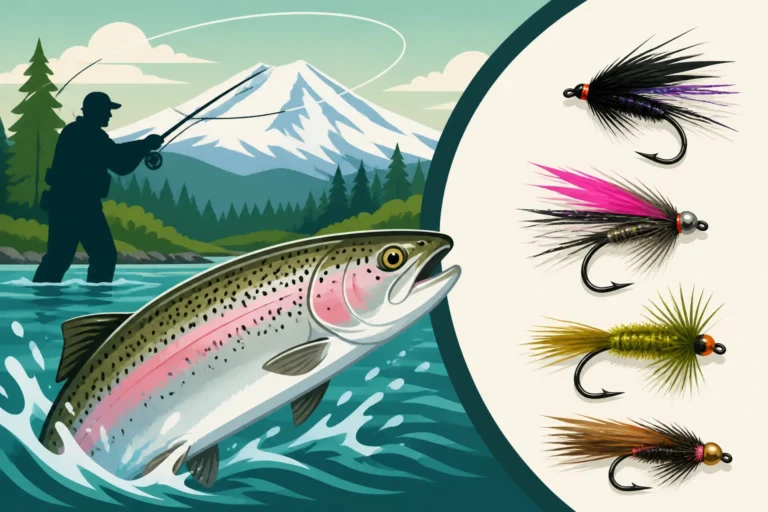
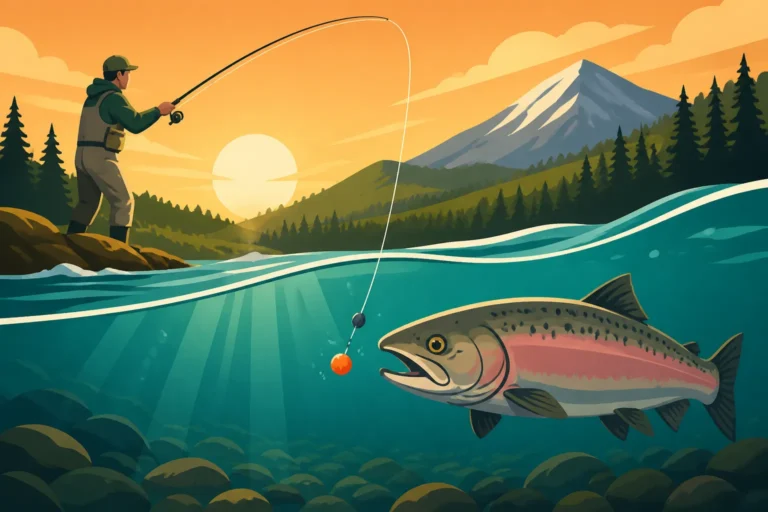
For bait anglers, some classic go-to methods are incredibly effective. PowerBait, in various vibrant colors like chartreuse, rainbow, or those infused with garlic scent, along with corn or simple worms, are highly recommended. These are typically fished off the bottom with a small sinker and a short leader, often rigged to float just off the lakebed. For those who prefer lures, small spinners such as a Rooster Tail, Mepps, or shiny Kastmasters in silver or gold finishes are excellent choices that mimic fleeing prey. If you're a fly angler, don't overthink it; small Woolly Buggers, basic nymph patterns like a Prince Nymph, or even simple wet flies can be incredibly deadly on freshly stocked fish. For more detailed advice, check out Oregon Trout Fishing Techniques and Best Bait for Oregon Trout Fishing.
Don't just cast and reel in a monotonous fashion; experimentation is your friend when fishing for stocked trout. Vary your retrieve speed – try a fast reel-in, then a slow, methodical one. If you're using bait, let it sit for a while, then give your rod tip a gentle twitch to impart some movement. If you're fishing with PowerBait, try adjusting how far off the bottom your bait floats. If you're not getting bites after a few casts, don't be afraid to switch things up entirely – change colors, try a different bait, or even swap out your lure. These hatchery-raised fish haven't seen a lot of variety, so a new presentation can often trigger a strike.
Gear Recommendations for Stocked Trout
You absolutely don't need to break the bank for fancy gear when targeting stocked trout; simplicity and sensitivity are your best friends. A light to ultralight spinning rod, typically between 5 and 7 feet long, paired with a small spinning reel spooled with 4-6 pound test monofilament or fluorocarbon line is practically perfect. This setup offers incredible sensitivity, allows for delicate presentations, and makes even smaller trout feel like a respectable fight. For fly anglers, a 3-5 weight fly rod is generally considered ideal for these fish. If you're just starting out or looking for an affordable upgrade, many excellent starter combos are available on Amazon that include a rod, reel, and even some basic line, making it easy to get equipped quickly.
When it comes to terminal tackle, stocked trout aren't typically leader-shy, but using lighter line is always an advantage for more natural presentations. Make sure you have a good selection of small hooks (sizes 8-12 are usually ideal), a variety of split shot weights, and a few bobbers if you prefer the simplicity of float fishing. Don't forget swivels to prevent line twist, especially if you're using lures that spin. It's always a smart move to have a small, organized tackle box packed with these essential items so you're ready for anything.
Beyond the absolute basics, a few additional items can greatly enhance your comfort and success. A small cooler for your catch (if you plan on keeping them within the Oregon Daily Bag Limits Explained), a pair of needle-nose pliers for safe hook removal, and a net with a rubberized mesh (which is much gentler on the fish if you're practicing catch-and-release, and less prone to tangling hooks) are all useful additions. A quality pair of polarized sunglasses will help you cut through the water's glare, allowing you to spot cruising fish or subtle rises. If you anticipate a long day of bank fishing, a lightweight, portable chair can make a world of difference. For more details on what works best, explore our guide on How to Catch Trout in Stocked Oregon Lakes.
Finally, never forget the importance of safety and comfort on any fishing trip. Always check the local weather forecast before you head out; Oregon weather can be unpredictable, even on seemingly warm days. Dress in layers, bring a hat, and don't forget sunscreen. Staying hydrated is crucial, so pack plenty of water. If you're bringing children, snacks are non-negotiable! And of course, always ensure you have your current Oregon Fishing License Types Explained and understand the specific Oregon Fishing Regulations Explained for the waterbody you're fishing, as rules can vary by zone. Always double-check current regulations for bag limits and specific waterbody rules before you cast your line.
| Stocking Category | Typical Frequency (Peak Season) | Target Locations (Examples) | Primary Goal | Notes |
|---|---|---|---|---|
| High-Use Urban Ponds | Weekly to Bi-Weekly | Henry Hagg Lake, Junction City Pond, Benson Lake | Maximize catch rates, family-friendly | Heaviest stocking, often thousands of "catchable" trout. Very popular immediately post-stocking. |
| Popular Lakes/Reservoirs | Monthly to Several Times/Season | Diamond Lake, Detroit Lake, Foster Reservoir, ODFW pond system | Supplement natural populations, create opportunities | Large volumes of "catchable" and "trophy" trout. Can attract significant angler pressure. Watch for Oregon Trout Season Opening Day announcements. |
| Remote/High Mountain Lakes | Annually to Bi-Annually | High Cascade Lakes (many unnamed), some wilderness lakes | Develop self-sustaining populations, remote experience | Often stocked with fingerlings (young fish) via aerial drops. Fish grow naturally. Fishing can be excellent but requires more effort to access. |
| Rivers & Streams | Infrequent, Targeted | Specific "put-and-take" sections, easy access points | Create accessible angling for specific segments | Less common than lake stocking. Often focuses on specific stretches for youth events or high-pressure areas. Always check local regulations for specific rivers, especially in different Oregon Fishing Zones Explained. |
Disclaimer
The information provided in this guide is for general informational purposes only and is subject to change. While we strive to offer the most accurate and up-to-date details regarding Oregon trout stocking and regulations, fishing conditions, stocking schedules, and regulations are determined by the Oregon Department of Fish and Wildlife (ODFW) and can be modified at any time. Always consult the official ODFW website or contact your local ODFW office for the most current regulations, stocking schedules, and emergency closures before planning any fishing trip. Fishing responsibly and safely is your responsibility.