Summer Steelhead Run Timing on the Deschutes
One of the biggest head-scratchers for anglers dreaming of a Deschutes River summer steelhead trip is figuring out when to actually go. It's a vast, dynamic river, and those elusive chrome beauties don't just appear on a fixed schedule. Many folks book trips too early or too late, missing the prime window, or they arrive confused about where to even start. This comprehensive guide is here to unravel the mysteries of the Deschutes summer steelhead run timing, helping you plan your adventure with confidence and maximize your chances of connecting with these incredible fish.
Decoding the Deschutes River Summer Steelhead Migration
The Deschutes River is legendary for its summer steelhead, a unique anadromous rainbow trout that spends years in the Pacific Ocean before returning to its natal river to spawn. Understanding their incredible journey and the subtle differences between them is key to appreciating and successfully pursuing these magnificent fish.
The Incredible Journey Upstream
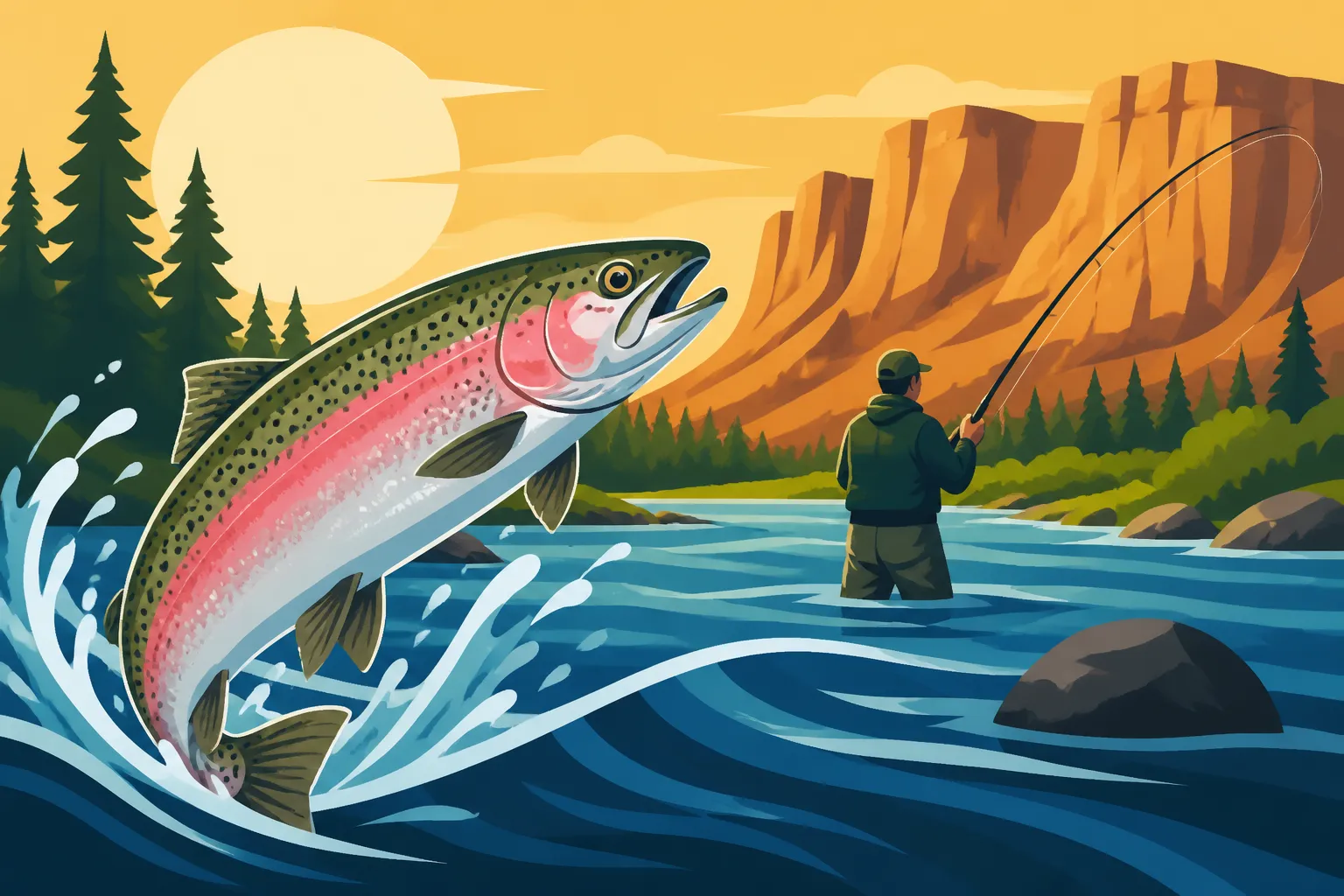
Imagine spending two to three years growing fat and strong in the nutrient-rich waters of the Pacific, only to turn around and swim hundreds of miles upstream, battling currents, navigating dams, and avoiding predators, all to return to the gravel beds where you were born. That's the life of a Deschutes summer steelhead. Their journey typically begins in late spring or early summer as they enter the Columbia River. They then peel off into the Deschutes and begin their long ascent, often holding in cooler, deeper pools during the warmest parts of the summer.
This upstream migration isn't a single, massive wave. Instead, it's a continuous, staggered process that can last for months. The fish entering the lower river in July might not reach the upper stretches, say near Maupin or above, until much later in the season, or even the following spring. They are driven by an innate biological clock, but also influenced by environmental cues like water temperature and flow. It’s a true testament to nature's resilience and a journey that inspires awe in every angler fortunate enough to witness it.
Hatchery vs. Wild Steelhead on the Deschutes
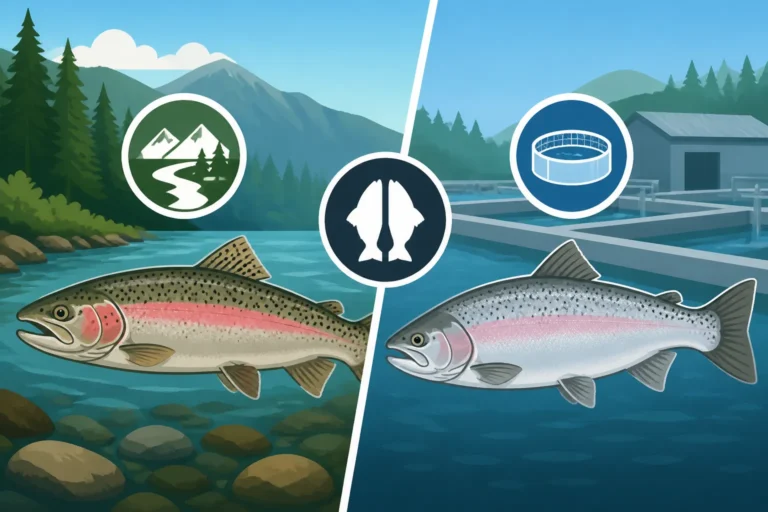
When you’re out on the Deschutes, you'll encounter two types of steelhead: hatchery-reared and wild. The distinction is crucial, not just for conservation, but also for understanding fishing regulations. Wild steelhead are the natural product of the river, born and raised in its pristine waters. They are generally larger, stronger, and, due to conservation efforts, are almost exclusively catch-and-release only on the Deschutes. You can identify them by their intact adipose fin, a small fleshy fin on their back between the dorsal and tail fins.
Hatchery steelhead, on the other hand, are raised in a hatchery setting before being released into the river system. These fish typically have their adipose fin clipped, making them easily identifiable. The purpose of hatchery programs is to supplement fishing opportunities and often relieve pressure on wild populations. While both offer an incredible fight, many anglers hold a special reverence for wild steelhead. Always be sure to check the latest "Oregon Fishing Regulations Explained" to understand the specific rules regarding retention for each type of fish, as they can vary by river section and season.
Pinpointing Peak Season: When to Find Summer Steelhead
While steelhead are present in the Deschutes for a good portion of the year, there are definite windows when your chances of encountering them are significantly higher. Timing your trip to coincide with these peak periods can make all the difference.
Early Arrivals: The First Push in Summer
The first summer steelhead typically start making their way into the lower Deschutes River, near its confluence with the Columbia, in late June and early July. These are the vanguard, often eager to take a swung fly or well-presented bait after their long ocean journey. During this early season, the fish tend to be concentrated in the lower river, from the mouth up to around the Macks Canyon area. The water temperatures are usually still quite warm, especially in the afternoon, so focusing your efforts during the cooler parts of the day, like dawn and dusk, can be highly effective.
Fishing during this initial push can be rewarding, but it’s often a game of patience. The numbers aren't as dense as they will be later in the season, and the fish can be spread out. However, if you hit it right, you might find some of the freshest, brightest steelhead of the year. It's a great time for those who enjoy having more water to themselves, as the crowds haven't fully arrived yet.
The Prime Window: Fall Fishing Extravaganza
Without a doubt, September and October represent the absolute prime time for summer steelhead fishing on the Deschutes. By this point, significant numbers of fish have pushed further upriver, populating many of the classic steelhead runs between Macks Canyon and Maupin, and even beyond. The water temperatures begin to cool significantly, making the fish more active and willing to chase down offerings. The fall colors along the canyon walls add to the spectacular experience, making it a favorite time for many anglers.
During this peak, both fly fishing and spin fishing techniques truly shine. Anglers wading into the river or drifting in boats will find fish in a wider variety of water types, from faster riffles to deeper pools. The sheer volume of fish means more opportunities, and the cooler weather means more comfortable fishing throughout the day. This is when you'll see a vibrant angling community along the river, with guides and independent fishermen alike, all chasing that chrome dream. If you're planning a trip and can only pick one window, the fall months are often your best bet for a quintessential Deschutes steelhead experience.
Late Season Opportunities and Winter Holdovers
Even as November rolls around and the weather turns decidedly colder, the Deschutes still offers compelling opportunities for summer steelhead. These are the late arrivals, or "holdovers," fish that have entered the river system earlier but have yet to complete their full migration or are settling into wintering lies. The crowds thin out considerably, offering a more solitary experience for those willing to brave the chill. The fishing can be slower, and the fish more sluggish, but the rewards can be significant, often in the form of larger, more mature steelhead.
By December and into the early winter, true "summer" steelhead are still technically in the river, though they are firmly in their wintering patterns. These fish become part of the general "winter fishing" landscape. Fishing for these holdovers requires slower, more deliberate presentations and a keen understanding of where fish seek refuge from cold temperatures and high flows. While not typically considered "summer steelhead season," these months offer a unique challenge and a chance to catch fish that have been in the river for months, often showing vibrant spawning colors.
Key Factors Influencing Deschutes Steelhead Runs
The migration of summer steelhead isn't a perfectly predictable event. Several environmental and human-made factors can significantly influence when fish enter the river, how quickly they move upstream, and where they hold.
The Critical Role of Water Conditions
Water temperature and river flows are paramount in dictating steelhead behavior. Steelhead are cold-water fish, generally preferring water temperatures between 45°F and 65°F. When summer temperatures soar, especially in the lower Deschutes, fish can become lethargic and seek refuge in cooler, deeper pools or near cold-water tributaries. This can slow their upstream migration considerably. Conversely, a drop in water temperature, often brought by fall rains or cooler nights, can trigger a renewed push upstream and increase their activity levels.
River flow rates also play a significant role. High flows, often due to heavy rains or snowmelt, can make upstream migration easier by increasing water velocity, but they can also make fishing more challenging by reducing visibility and pushing fish into less accessible areas. Low flows, on the other hand, can concentrate fish in smaller areas, making them easier to locate but also more vulnerable to angling pressure. Keeping an eye on real-time river data, which is readily available online, is crucial for planning any trip. For more insights into how these factors play into different seasons, check out our guide on "Best Time of Year to Fish in Oregon".
Dam Operations and Their Impact
The Deschutes River is a working river, and its flow is regulated by a series of dams, particularly the Pelton Park and Round Butte Dam complex upstream. These dams play a critical role in managing water for irrigation and power generation, and their operations can directly affect steelhead migration. Fish ladders and collection facilities are in place to help steelhead navigate these barriers, but dam operations, particularly changes in water release schedules, can sometimes impact fish passage and holding patterns downstream.
Understanding the general operational patterns of these dams, even at a high level, can give anglers an edge. For instance, consistent flows are generally better for fish movement than erratic fluctuations. While anglers have no control over dam operations, being aware of them helps contextualize why fish might be behaving a certain way or why a particular run might be slower than expected.
Ocean Survival and Return Numbers
Before they even reach the Columbia, the fate of Deschutes summer steelhead is heavily influenced by conditions in the Pacific Ocean. Factors like ocean temperatures, food availability, and predation rates significantly impact their survival and, consequently, the number of fish that return to the river. Years with favorable ocean conditions often see robust returns, while poor ocean conditions can lead to reduced runs.
These large-scale environmental factors are beyond an individual angler's control, but they are vital to the overall health of the steelhead population and dictate the size of any given year's run. Wildlife agencies, like the Oregon Department of Fish and Wildlife (ODFW), monitor these trends closely and provide forecasts for expected returns, which can be valuable information when planning your trip.
Essential Gear and Techniques for Success
Chasing summer steelhead on the Deschutes is a unique experience that often requires specialized gear and specific techniques. Whether you're a seasoned fly angler or prefer spin fishing, having the right setup is paramount. Many essential items, from quality waders to specialized fly lines, are readily available on platforms like Amazon.
Fly Fishing for Deschutes Summer Steelhead
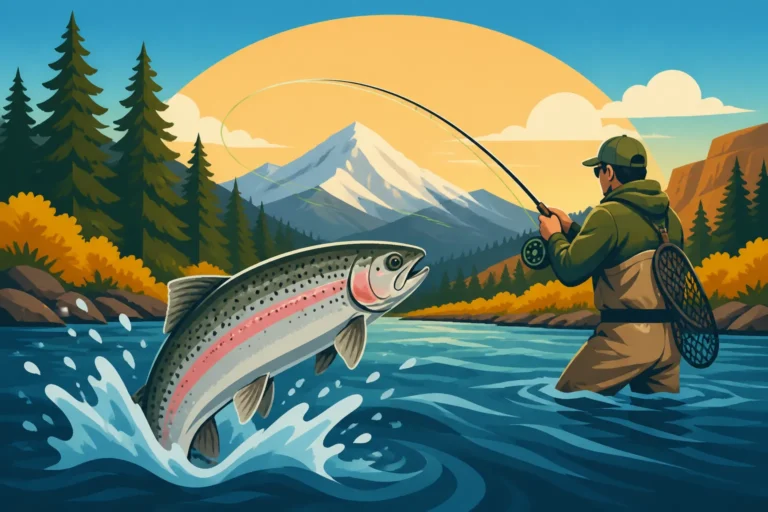
Fly fishing is arguably the most iconic method for targeting Deschutes summer steelhead. The vast open spaces, the challenging currents, and the sheer power of a steelhead on a fly rod create an unforgettable experience. Most fly anglers opt for two-handed spey or switch rods, typically in 7- or 8-weight, ranging from 11 to 13 feet. These longer rods excel at casting heavy lines and flies across wide runs without excessive back-casting, which is often difficult given the river's steep banks. Skagit or Scandi style lines, paired with various sinking tips, are common choices to get flies down to the fish.
Presentation is key, and the "swing" is the hallmark technique. This involves casting across or slightly downstream and allowing the current to sweep the fly in an arc, presenting it broadside to any waiting steelhead. Mastering the nuances of mending your line, controlling the swing speed, and detecting subtle takes takes practice but is incredibly rewarding. Our comprehensive guide on "How to Fly Fish in Oregon" provides an excellent foundation for those new to the sport.
Spin Fishing and Other Effective Methods
While fly fishing often takes center stage, spin fishing is an incredibly effective and enjoyable way to catch Deschutes summer steelhead, especially for those who prefer conventional gear or are just starting out. A medium-action spinning rod, around 8.5 to 9.5 feet in length, paired with a reliable reel spooled with 10-15 pound monofilament or braided line, is a good starting point. Spin anglers typically focus on casting lures like spinners, spoons, or drift gear into likely holding water.
Techniques like drift fishing with a float and jig or bait (where legal) can also be highly productive. The key is to present your offering naturally and get it into the strike zone where steelhead are resting. Popular lures include classic Rooster Tails, Blue Fox Vibrax, and various sizes of Dardevle spoons. Remember to always check current "Oregon Fishing Regulations Explained" to ensure your chosen method and bait are permitted in the specific section of the Deschutes you are fishing.
Must-Have Flies and Lures
For fly anglers, a diverse fly box is essential. Popular summer steelhead patterns often imitate baitfish or prominent insect hatches, but many are simply "attractor" patterns designed to provoke a strike. Some go-to flies include traditional steelhead patterns like the Green Butt Skunk, Black Spey, Winter's Hope, and various Intruder patterns. Dry flies, while less common, can be incredibly exciting when conditions are right, with patterns like the Chernobyl Ant or large stimulators enticing surface strikes. For a deeper dive into specific patterns, check out "Fly Selection for Oregon Steelhead".
Spin fishermen should stock up on a variety of inline spinners in sizes #3 and #4, in colors like chartreuse, orange, and black. Spoons in silver, brass, or painted with red and white combinations are also highly effective. Small plugs or wobblers, retrieved slowly through deeper pools, can also tempt reluctant steelhead. Whatever your preferred method, having a range of colors and sizes allows you to adapt to changing water conditions and fish preferences.
Navigating Regulations and River Access
Fishing on the Deschutes River, especially for a prized species like summer steelhead, comes with specific rules and access considerations. Being prepared and informed will ensure a smooth and enjoyable trip, free from unwelcome surprises.
Understanding Deschutes-Specific Rules and Zones
The Deschutes River is a significant fishery, and as such, it has its own set of detailed regulations that go beyond the general statewide rules. These often include specific daily bag limits, size restrictions, and gear restrictions (e.g., barbless hooks only, no bait in certain sections) that can vary depending on the section of the river you are fishing and the time of year. For instance, the section below the Pelton Park Dam is known for its excellent steelhead fishing but also has strict rules.
It’s absolutely critical to consult the most current "Oregon Fishing Regulations Explained" booklet or the ODFW website before every trip. These regulations are designed to protect the fishery and ensure its sustainability. Ignoring them can lead to serious penalties, including fines and loss of fishing privileges. Pay close attention to rules regarding wild versus hatchery fish retention, as most wild steelhead on the Deschutes are strictly catch-and-release.
Public Access Points and Considerations
Access to the Deschutes River for summer steelhead fishing is generally good, but it often involves navigating rugged terrain and understanding different access points. The lower 100 miles of the river, from its mouth to the Pelton Park Dam, are the primary focus for steelhead anglers. Key access points include the Deschutes River State Recreation Area, the BLM land along the lower river (often accessed via the Deschutes River Trail), and various points near Maupin, such as the Maupin City Park and the various BLM boat ramps.
Many anglers choose to float the river, often with a guide, using drift boats or rafts, which allows them to cover extensive sections and access water not reachable by foot. For bank anglers, the trails can be challenging, requiring sturdy hiking boots and a willingness to walk. Be mindful of private property, especially as you move upstream from Maupin. Respecting the land, packing out all your trash, and leaving no trace are paramount for preserving access for all. Knowing "Where to find the Oregon fishing regulations booklet" is also a great resource for maps and detailed access information.
Planning Your Deschutes Steelhead Adventure
A successful summer steelhead trip to the Deschutes involves more than just knowing when the fish are running; it's about meticulous planning, from choosing your lodging to understanding the fickle nature of Oregon weather.
Choosing a Guide and Accommodations
For many, especially first-time visitors or those new to steelhead fishing, hiring an experienced "Oregon Fishing Guide Services" on the Deschutes is an invaluable investment. A good guide knows the river intimately, understands the nuances of the run, has the right gear, and can significantly increase your chances of success. They also handle the logistics, often including lunch and transportation on the river. Be sure to book guides well in advance, especially for prime fall dates, as the best ones fill up quickly.
Accommodation options along the Deschutes vary. In and around Maupin, you'll find a range of lodges, motels, and vacation rentals. Camping is also a popular option, particularly at the Deschutes River State Recreation Area and various BLM campgrounds along the river. Some outfitters offer multi-day float trips that include riverside camping. Consider your budget and desired level of comfort when making your choice. For instance, if you're planning a trip with a focus on "Best Rivers to Fish in Oregon" like the Deschutes, local expertise is invaluable.
Weather Preparedness and Safety Tips
Oregon weather, especially in the Deschutes Canyon, can be highly unpredictable. Summer days can be scorching hot, with temperatures well over 90°F, while evenings can cool down dramatically. Fall can bring crisp, sunny days, but also sudden, cold rainstorms. Being prepared for all conditions is crucial. Layered clothing is your best friend: bring moisture-wicking base layers, insulating mid-layers, and a waterproof, windproof outer shell. Don't forget a wide-brimmed hat, sunglasses, and plenty of sunscreen for sunny days.
Safety on the river is paramount. Always let someone know your float plan or where you intend to fish. Wear a personal flotation device (PFD) if you're in a boat or even wading in strong currents. The Deschutes can be swift and deep in places, and its basalt rock bottom can be slippery. Wading staffs are highly recommended for bank anglers. Carry enough water, snacks, and a basic first-aid kit. Cell service can be spotty in the canyon, so don't rely solely on your phone for emergencies. Being prepared ensures you can focus on the fishing and enjoy the stunning scenery. For those interested in deeper safety aspects, consider resources like those about "How to Fish for Summer Steelhead on the Deschutes", which often include safety recommendations.
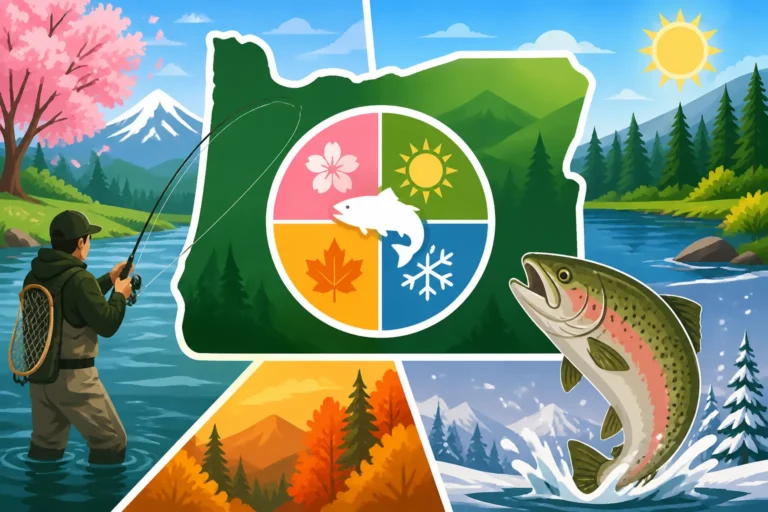
Deschutes Summer Steelhead Run Timing Overview
Here's a quick look at the typical summer steelhead run timing on the Deschutes River, keeping in mind that actual conditions can always vary.
| Month | Steelhead Presence | Peak/Transition | Typical Conditions | Recommended Approach |
|---|---|---|---|---|
| July | Early Arrivals | Transition | Warm, good clarity, lower river focus | Focus on cooler parts of day, lower river sections |
| August | Building Numbers | Transition | Warm, stable flows, fish pushing up | Deeper runs, morning/evening, mid-river sections |
| September | Peak Run | Peak | Cooling water, consistent flows | All river sections, active fish, prime fly fishing |
| October | Peak Run | Peak | Cooler, potential for rain, good clarity | Swinging flies, drift fishing, varied techniques |
| November | Late Run/Holdovers | Late | Cold, higher flows possible, fewer anglers | Slower presentations, focus on winter lies |
| December | Winter Holdovers | Late | Cold, often slower fishing, challenging | Persistence, knowledge of winter holding water |
Disclaimer
The information provided in this guide is for general informational purposes only and is subject to change. Fishing regulations, run timings, and river conditions can vary greatly. Always consult the official Oregon Department of Fish and Wildlife (ODFW) regulations and local resources before planning any fishing trip to ensure compliance and safety.