Where do surfperch live on the Oregon coast
Oh, the Oregon coast! There's nothing quite like the bracing ocean air, the roar of the waves, and the sheer anticipation of a tug on your line. But let's be honest, standing on a vast, open beach, it can feel a little overwhelming trying to figure out where those elusive surfperch are hiding. You're wondering, "Where do I even start?" This guide is here to demystify the surfperch habitat, helping you pinpoint the best spots along Oregon's stunning coastline so you can spend less time guessing and more time reeling in those feisty fish.
Understanding Surfperch and Their Coastal Habitat
Before we dive into specific locations, it’s really helpful to understand what surfperch are all about and why they choose particular spots along the vast stretches of sand and rock. Knowing their habits gives you a huge advantage, turning a random casting session into a targeted hunt.
What Exactly Are Surfperch?
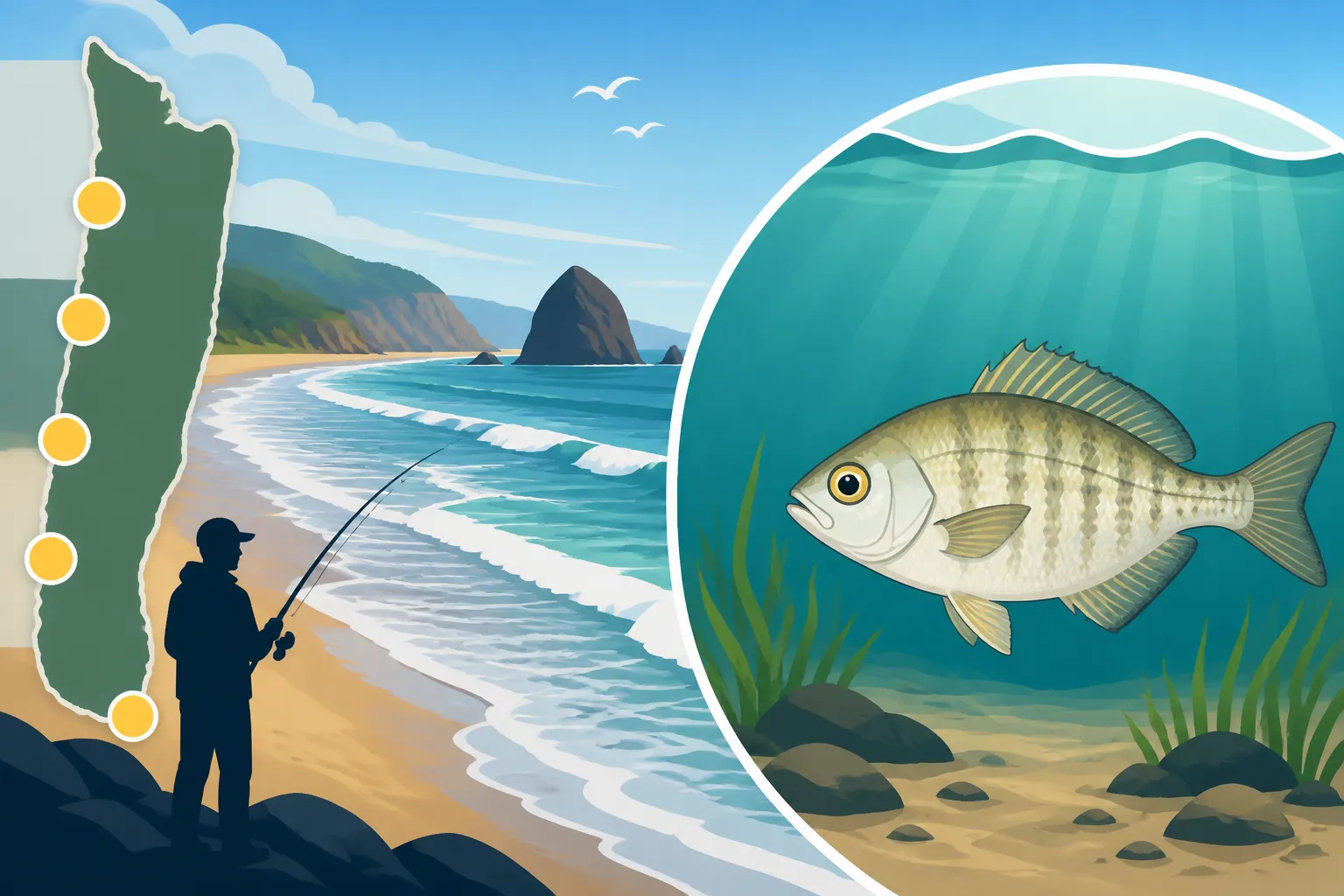
Surfperch are a fascinating group of fish perfectly adapted to life in the turbulent nearshore ocean. When most people talk about surfperch on the Oregon coast, they're usually referring to Redtail Surfperch, which are by far the most common and sought-after species for shore anglers. They’re chunky, silver-bodied fish with distinctive reddish fins, and they put up a surprisingly strong fight for their size. Beyond the Redtail, you might also encounter other species like Silver Surfperch, Striped Surfperch, and Walleye Surfperch, each with their own subtle variations in appearance and preferred microhabitats. What they all share, however, is a love for the frothy surf zone.
These fish are livebearers, meaning they give birth to fully formed, miniature versions of themselves instead of laying eggs. This unique reproductive strategy is just one of the many ways they've adapted to their dynamic environment. They tend to school up, especially during feeding times, which means if you find one, there's a good chance there are more nearby! Understanding their nature helps you appreciate why they gravitate towards certain areas and how to best approach them.
Why the Sandy Beaches Are Home
Surfperch are masters of the surf zone, that active, often chaotic area where waves break and recede. This isn't just a random preference; it's a strategic choice for survival and sustenance. The churning water of the surf zone provides a constant buffet of food, as the waves dislodge and carry small crustaceans, marine worms, and other invertebrates from the sand. Think of it like a conveyor belt of snacks!
Beyond the food, the wave action itself offers a degree of protection. The turbulence makes it harder for larger predators to spot and target the surfperch. They're built for this environment, with strong, compact bodies that allow them to hold their position against the current and dart in and out of the wave wash. You'll often find them congregating in specific depressions, troughs, and cuts in the sandy bottom, which act like natural holding areas where food collects and they can ambush unsuspecting prey. This constant interaction with the shifting sands and powerful waves defines their existence.
Prime Locations for Surfperch on the Oregon Coast
The entire Oregon coast, stretching for hundreds of miles, offers opportunities for surfperch fishing. However, some areas consistently produce better results due to their specific geological features, tidal patterns, and general accessibility. When you’re looking for Best Surf Fishing Spots on the Oregon Coast, it often comes down to finding that sweet spot of sandy beaches with good structure nearby.
North Coast Hotspots
The North Oregon Coast, from Astoria down to Pacific City, is a beloved stretch for many anglers, both locals and visitors. It boasts long, expansive sandy beaches that are perfect for surfperch. Locations like Seaside, Cannon Beach, and the areas around Tillamook Bay are particularly renowned.
At Seaside, for example, the wide, flat beaches are famous for their razor clams, but they also hold abundant surfperch. Anglers often find success targeting the deeper troughs that form parallel to the shore after storms or during significant tidal swings. Access is easy, and you can often find good spots near the main promenade or by walking a bit further north or south. Over at Cannon Beach, the iconic Haystack Rock draws crowds, but the sandy stretches on either side offer excellent surfperch opportunities. The currents around the rock formations can create natural food traps, making them prime areas. For those willing to explore a bit further, the beaches near Rockaway Beach or Nehalem Bay often have less pressure and equally productive fishing, especially where the ocean meets river mouths, creating interesting current seams and deeper channels. Remember, beaches are dynamic, so what was a great spot yesterday might have shifted slightly today, but the general characteristics of these areas make them consistently good.
Central Coast Favorites
Moving down to the Central Oregon Coast, encompassing towns like Lincoln City, Newport, and Florence, you’ll find a diverse mix of long sandy beaches interspersed with rocky headlands and bays. This variety often means equally varied fishing experiences, but surfperch remain a consistent target.
Lincoln City offers several public beach access points, and its miles of sand are a surfperch angler's dream. Look for the stretches where the sand transitions to a slightly steeper slope, indicating a potential drop-off or trough where fish might congregate. The areas around the Siletz Bay estuary, while tidal, can also hold good numbers of fish that move with the currents. Newport is another excellent hub. While many focus on the bay for crabbing or boat fishing for bottom fish, the beaches on either side of Yaquina Head Lighthouse, or down towards South Beach, are fantastic for surfperch. The gentle slopes and consistent wave action provide ideal habitat. And as you head further south towards Florence, the beaches near the Siuslaw River mouth, like those in the South Jetty area, can be extremely productive. The outflow of the river often brings nutrients and baitfish into the surf, attracting predatory species like surfperch. For the best chances, always look for subtle changes in the sand—areas where the waves break differently, indicating hidden structure or deeper water.
Southern Coast Gems
The Southern Oregon Coast, from Florence down to the California border, tends to be a bit wilder, often characterized by dramatic cliffs, smaller coves, and less crowded beaches. This can make for a more adventurous fishing experience, and the surfperch are just as plentiful, if not more so in some less-pressured spots.
Bandon is a standout, famous for its picturesque sea stacks and rugged beauty. The sandy beaches around Face Rock and the Bandon Jetty offer prime surfperch habitat. The jetties themselves create currents and eddies that concentrate food, drawing in the fish. Further south, around Port Orford and Gold Beach, you'll find long, exposed beaches that receive the full force of the Pacific. These areas, while sometimes challenging to fish in rough weather, can be incredibly rewarding. Look for stretches where the beach widens or where you see evidence of rip currents pulling water back out to sea; these are natural highways for surfperch. The mouth of the Rogue River at Gold Beach, for example, is famous for its salmon, but the adjacent ocean beaches are fantastic for surfperch, especially when searching for Oregon Salmon Fishing Techniques in other seasons. Many of these southern beaches require a bit more walking to find the ideal spots, but the solitude and potential for a great catch are well worth the effort.
Identifying the Best Spots Within a Beach Stretch
Once you've arrived at a general location, the real "where" of surfperch fishing becomes about reading the nuances of the beach itself. The ocean floor isn't uniform; it has hidden features that are magnets for surfperch. Learning to spot these is a game-changer for Surfperch Fishing from the Beach.
Reading the Beach: Rips, Channels, and Inlets
The key to finding surfperch is often understanding how water moves and interacts with the sandy bottom. You might be looking at what appears to be a flat, featureless beach, but underneath the waves, there's a dynamic landscape of sandbars, troughs, and channels. Rips, for instance, are areas where water that has pushed onto the beach funnels back out to sea. These can look like a calmer section of water with waves breaking on either side, or a muddy outflow. While often associated with danger for swimmers, for surfperch, a rip current is a natural feeding lane. It carries dislodged food items directly to them.
Channels, often formed between sandbars and the shore (known as "gutters" or "troughs"), are essentially underwater highways for surfperch. They'll cruise these deeper areas, staying out of the strongest wave action while still being close to the feeding zone. Look for where waves consistently break further out, then reform closer to shore, indicating an outer sandbar and an inner channel. Inlets, or the mouths of rivers and creeks that flow into the ocean, also create fantastic opportunities. The mixing of fresh and saltwater, along with the outflow of nutrients, attracts a wide variety of baitfish and crustaceans, making them prime hunting grounds for surfperch. Observing how the waves behave and the color of the water can give you clues about these hidden features. A slightly darker patch of water might indicate a deeper trough, while a churning, foamy area could be a rip.
Structure is Key: Rocks, Jetties, and Wood Debris
While surfperch primarily inhabit sandy beaches, any kind of structure nearby can significantly enhance a fishing spot. These features provide shelter, ambush points, and often, more concentrated food sources. Rocks, even small scattered ones, disrupt currents and create pockets where food settles. Larger rock formations or rocky outcroppings are even better, as they provide hiding places from predators and a substrate for various marine organisms that surfperch feed on.
Jetties, those long rock structures extending into the ocean, are absolute magnets for fish, and surfperch are no exception. The rough sides of the jetty are teeming with mussels, barnacles, and other invertebrates, while the currents around the jetty scour out deeper holes and channels. Casting parallel to the jetty, especially on the calmer, down-current side, can be incredibly productive. Just be mindful of snagging your line on the rocks! Large pieces of driftwood or submerged logs can also act as temporary structure. These natural features create microhabitats, breaking up the otherwise uniform sandy bottom. Even if the main beach is sand, if you find areas where some scattered rocks or a small jetty provide a break, you'll often find more concentrated numbers of surfperch.
Tidal Influence: High vs. Low Tide Fishing
Understanding the tide is paramount for successful surfperch fishing. It dictates where the fish are positioned and how accessible they are to you, the angler. Generally, surfperch tend to follow the tide, moving closer to shore with the incoming tide to feed in the shallower, newly covered areas, and retreating to deeper water as the tide recedes.
Many experienced surfperch anglers swear by the incoming tide, particularly the last hour or two before high tide, and the first hour or so of the outgoing tide. During these periods, the fish are often actively feeding in the shallowest troughs and along the lip of the sandbars, making them more accessible from the beach. As the tide comes in, it brings fresh food closer to shore. However, this isn't a hard and fast rule; some beaches fish exceptionally well at dead low tide if there are exposed troughs or channels that retain water. The critical thing is to observe. Walk the beach at low tide if possible, to scout for those deeper cuts and troughs that will become prime feeding grounds as the water rises. Then, when the tide comes in, you’ll know exactly where to cast. Always check the local tide charts for your specific area before heading out. Sometimes, fishing the wrong tide can feel like fishing a completely empty beach, while just an hour later, the action can be non-stop.
| Tide Phase | General Fish Behavior | Best Approach for Anglers |
|---|---|---|
| Incoming Tide | Fish move closer to shore, actively feeding. | Target shallow troughs and sandbar lips. Good for wading or casting shorter distances. |
| High Tide | Often the peak feeding period, fish are in the surf line. | Fish the deepest parts of the closest troughs. |
| Outgoing Tide | Fish may retreat to deeper water, still feeding. | Target deeper channels and rips where food funnels out. |
| Low Tide | Fish in deeper troughs further from shore, less active. | Scout the beach for structure; cast to outer bars if accessible. |
Gear and Techniques for a Successful Surfperch Hunt
Even if you know where the surfperch live, having the right setup and knowing how to present your bait is crucial. You don't need a ton of fancy gear to catch surfperch, which is part of their appeal. It's accessible fun for everyone! For some great general advice on what to bring, check out Oregon Bait and Lure Guide for more options.
Essential Gear for Surfperch Anglers
When it comes to Best rod for surfperch fishing on the Oregon coast, you're looking for something that can handle saltwater conditions and cast a decent distance. A medium-action spinning rod, typically in the 8 to 10-foot range, paired with a matching spinning reel spooled with 10-20 lb monofilament or braided line, is a fantastic all-around choice. The longer rod helps you cast further over the waves and keep your line above the breaking surf. You'll want a sturdy reel that can stand up to sand and saltwater, so make sure to rinse it thoroughly after each trip. Don't forget a tackle box with essential terminal tackle: a variety of pyramid or Sputnik sinkers (1-3 oz, depending on current), swivels, bead sliders, and hooks (sizes #2 to #4 are good for surfperch).
Beyond the rod and reel, comfort and safety are key. Waders are a huge asset, especially if you plan to get into the water a bit to cast further or navigate uneven terrain. Neoprene waders are great for warmth in cooler Oregon waters, while lighter breathable waders are good for warmer days. A good pair of waterproof boots or wading shoes is also essential, even if you’re just bank fishing, as the sand can be wet and cold. A small cooler to keep your bait fresh and your catch cold, a towel, and pliers for hook removal round out the basic kit. You can find a lot of reliable gear options by browsing fishing sections on platforms like Amazon. Having your Oregon Fishing License Guide in order is also non-negotiable before you even think about wetting a line.
Effective Baits and Lures
Surfperch aren't overly picky eaters, which is great news for anglers. However, some baits consistently outperform others. Hands down, the most popular and often most effective bait for surfperch is Gulp! Sandworms. These artificial baits are infused with scent and have a lifelike action that surfperch find irresistible. They come in various colors, but natural red, camo, or chartreuse are often top producers. You can find multi-packs of these on Amazon or at local tackle shops. Another classic and highly effective bait is a small piece of fresh shrimp. Peel a raw shrimp, cut it into bite-sized pieces, and thread it onto your hook. Clam necks, small pieces of crab, or even pieces of squid can also work wonders.
While bait is king, small soft plastic swimbaits, grubs, or even small metal spoons can also entice a bite, especially if the fish are aggressively feeding. When fishing with bait, present it on a high-low rig or a Carolina rig. A high-low rig allows you to fish two baits at different depths simultaneously, while a Carolina rig keeps your bait just above the bottom, where surfperch feed. If you're looking for more specific advice on what works, checking out articles like Best bait for redtail surfperch can offer even deeper insights into what’s currently hot.
Simple Fishing Techniques from Shore
The beauty of surfperch fishing is its simplicity. You don't need complex maneuvers; consistency and understanding the water are your best friends. The most common and effective technique involves casting your bait rig out into the surf zone, letting your sinker settle to the bottom, and then slowly reeling in, giving your bait a chance to bounce along the bottom. This mimics the movement of natural food items dislodged by the waves.
Cast your line into a promising looking trough or near any visible structure. Once your sinker hits the bottom, retrieve just enough slack to feel the weight, then let the waves work your bait. Every few seconds, give your rod tip a gentle twitch or reel in a foot or two of line to keep your bait moving and cover more ground. Surfperch bites can range from a subtle tap to a surprisingly aggressive yank, so stay alert. If you don't get a bite in one spot after 10-15 minutes, move down the beach 20-30 feet and try again. Sometimes, a slight change in location can put you right on top of a school. Remember, fishing for surfperch is often about covering ground and patiently searching for where they're actively feeding. It's a fantastic way to enjoy the Oregon Coast Fishing Spots and reconnect with the rhythm of the ocean.
Disclaimer
This article is for general informational purposes only and does not constitute professional advice. Laws, prices and regulations vary by location and change over time. Consult a qualified professional for guidance on your specific situation.