Best bait for redtail surfperch
Okay, let's talk about redtail surfperch – those feisty, often underrated fish that provide such a blast to catch right off the sandy shores of the Oregon coast. There's nothing quite like the feeling of that distinct tap-tap on your line, knowing you're about to reel in a beautiful, shimmering surfperch from the crashing waves. But if you've ever spent a good amount of time casting into the surf with little to show for it, you know how frustrating it can be to guess what these fish are actually interested in eating. This guide is all about cutting through that guesswork, sharing the best baits that consistently tempt redtail surfperch, and giving you the know-how to present them perfectly.
Understanding Redtail Surfperch: What Makes Them Bite?
Before we even get to specific baits, it's helpful to understand a bit about redtail surfperch themselves. These aren't deep-water predators chasing enormous schools of baitfish. Instead, they're perfectly adapted to the dynamic, often turbulent environment of the surf zone, where food is constantly being churned up by the waves. Think of them as opportunistic foragers, always on the lookout for small crustaceans, worms, and tiny baitfish that get dislodged from the sand or swept in by the tide.
They're sight feeders, but also incredibly sensitive to scent. This means your bait needs to be both visually appealing – looking like a natural food source – and have a strong, appetizing aroma that can disperse in the salty water. They live right in the breaking waves, often in the troughs and sloughs where food congregates, and they move with the tides. If you're struggling to find them, checking out some prime Oregon Coast Fishing Spots might give you an edge in locating their feeding grounds.
Their feeding habits also dictate the kind of presentation they prefer. They're not usually going to chase a fast-moving lure. They want something natural, something that mimics an easy meal caught in the current. This is why a simple bottom rig is often so effective, allowing your bait to sit right where they're looking for food or gently tumble with the waves. Understanding this behavior is the first step to choosing the right bait and putting it in front of them effectively.
The Champion Baits for Redtail Surfperch
When it comes to consistently catching redtail surfperch, a few baits stand head and shoulders above the rest. These are the tried-and-true options that experienced surf anglers swear by, and for good reason: they hit all the right notes for these hungry fish.
Sand Shrimp (Ghost Shrimp)
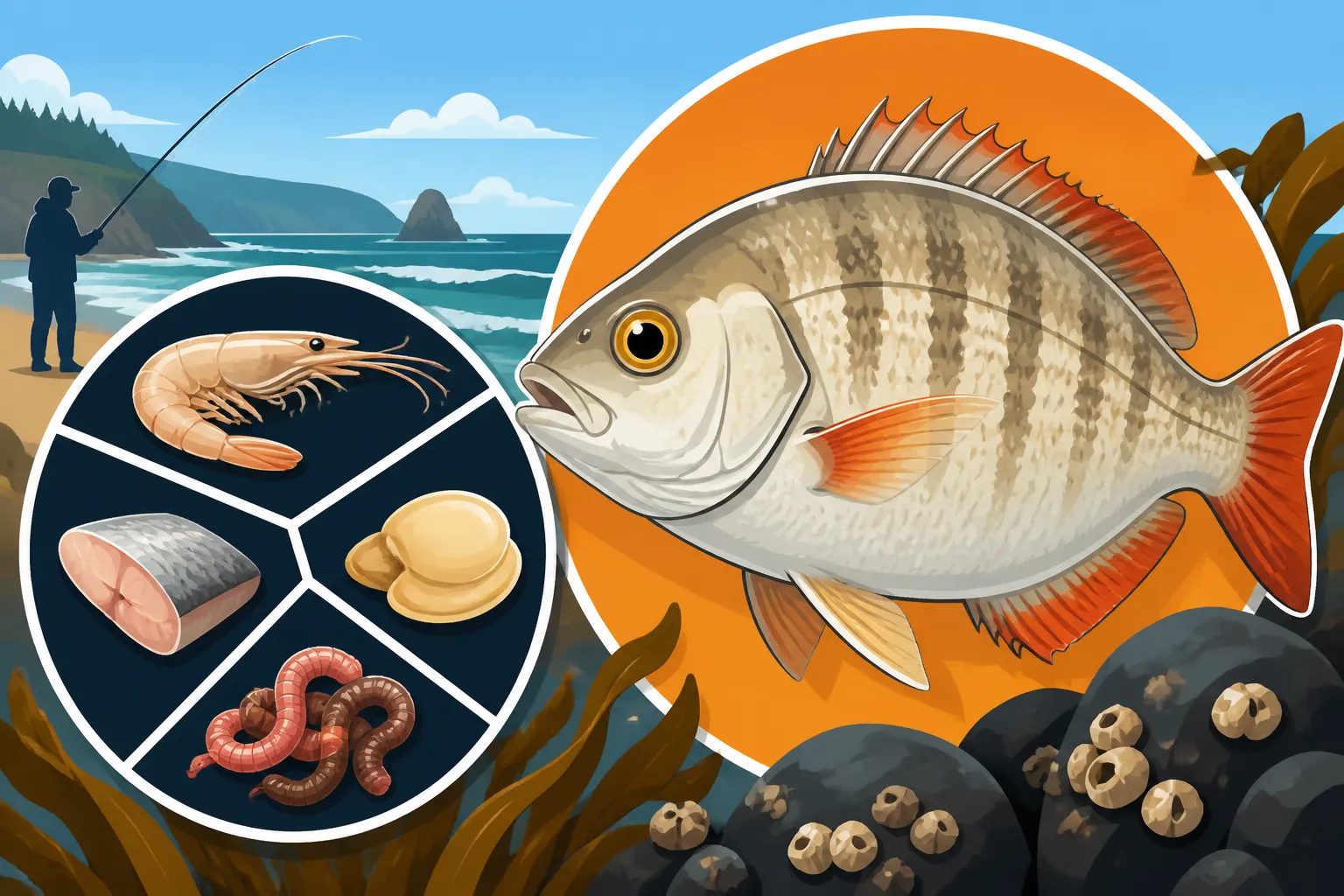
If there's one bait that's considered the absolute gold standard for redtail surfperch, it's the sand shrimp, often called ghost shrimp. These little critters are a natural food source for surfperch, living right in the same sandy environments. When a wave dislodges one, it's an irresistible meal for a hungry perch.
The key to sand shrimp's effectiveness lies in their natural appearance, scent, and texture. They look exactly like what the perch are already eating. Their scent is potent and natural, drawing fish in from a distance, and their firm yet juicy texture means they stay on the hook well while still being appealing to bite. You can often find them at local bait shops along the coast, or for the truly dedicated, you can pump them yourself from mud flats during low tide. When using them, thread the shrimp onto a small, sharp hook (size 4 or 6 is often perfect) leaving the tail free to flutter. Don't be shy about using a whole one if it's small enough, or a good chunk if they're larger.
Clam Necks (Piddock Clams or Razor Clams)
Clams, especially the tougher clam necks from species like piddock clams or razor clams, are another phenomenal bait for redtail surfperch. Surfperch are accustomed to feeding on bivalves and other mollusks, and the strong, briny scent of clam meat is a powerful attractant.
The main advantage of clam necks is their durability. Unlike softer clam meat, the necks are tough and stay on the hook through aggressive casts and strong currents. This means less re-baiting and more fishing time. You can often buy bags of clam necks from bait shops or even some larger grocery stores in coastal towns. If you're a clamer yourself, saving some necks from your Razor Clams on the Oregon Coast harvest is a great idea. Cut the clam neck into small, bite-sized pieces, roughly a half-inch to an inch long, and thread them onto your hook. The natural scent trail they leave in the water is a huge draw for surfperch.
Mackerel or Sardine Strips
While not a natural resident of the immediate surf zone, oily fish like mackerel or sardine are incredibly effective due to their potent scent. These fish are packed with natural oils that leach into the water, creating an irresistible chum slick that draws in hungry surfperch from a distance.
You can typically find frozen mackerel or sardines at almost any bait shop, and sometimes even at larger sporting goods stores. The trick here is to cut them into small, thin strips, about 1-2 inches long and a quarter-inch wide. You want them to be thin enough to flutter enticingly in the current but sturdy enough to stay on the hook. The scent is what truly sells this bait, and even a small piece can be highly effective. Some anglers will even pre-cut strips and soak them in a brine or special fish attractant overnight to enhance their drawing power. You might find tackle boxes or bait containers for this purpose on Amazon, making prep easier.
Artificial Baits and Scented Soft Plastics
While natural baits are generally king for redtail surfperch, artificial options have come a long way, especially those infused with scent. Soft plastic baits that mimic sand worms, small shrimp, or even tiny baitfish can be surprisingly effective, particularly when tipped with a bit of real bait or a powerful scent.
Brands like Berkley Gulp! Sandworms or Shrimp are popular choices. These artificial baits are designed to release a strong scent and often have a texture that fish find appealing. They offer the convenience of not needing refrigeration and being readily available. You can purchase a variety of these scented soft plastics on Amazon if your local shop is out. The key is to fish them slowly, just like you would natural bait, letting the current work them. Sometimes, a small piece of a Gulp! Sandworm on its own will do the trick, but often a small strip of mackerel or clam neck added to the hook with the artificial bait provides an extra boost of confidence and attraction. These are great for when you run out of live bait or want a more durable option for casting into rough surf.
Bait Presentation and Rigging for Success
Having the best bait in the world won't do you any good if you're not presenting it correctly. Redtail surfperch aren't particularly fussy once they find the bait, but getting it into their feeding zone and making it look natural is crucial.
The Classic Carolina Rig
The Carolina rig, or some variation of it, is arguably the most popular and effective setup for surfperch fishing. It’s simple, allows your bait to move naturally, and keeps it right on the bottom where surfperch feed.
Here’s how it works:
- Mainline: Tie a swivel to your main fishing line.
- Leader: To the other end of the swivel, tie a length of fluorocarbon or monofilament leader. This leader can be anywhere from 12 to 36 inches long, depending on how much natural movement you want your bait to have.
- Hook: Tie your hook (a simple baitholder or octopus hook in sizes 4 to 6 is ideal for surfperch) to the end of your leader.
- Weight: On your main line, above the swivel, slide a pyramid sinker or a Sputnik sinker. Pyramid sinkers are great for holding bottom in strong currents, while Sputnik sinkers have wires that dig into the sand, making them incredibly stable. The weight of your sinker will depend on the surf conditions, usually ranging from 1 to 4 ounces.
The beauty of this rig is that the weight holds your line in place, but your bait on the leader is free to drift and tumble with the waves, mimicking a natural food item. This is exactly what a redtail surfperch is looking for. For a deeper dive into techniques, exploring How to catch surfperch from the beach can offer even more insights into casting and reading the surf.
| Bait Type | Pros | Cons | Best Presentation |
|---|---|---|---|
| Sand Shrimp | Natural food, strong scent, irresistible | Can be fragile, harder to find/keep alive | Carolina rig, small hook |
| Clam Necks | Very durable, strong natural scent | Can be messy, needs proper cutting | Carolina rig, small chunks |
| Mackerel/Sardine | Potent oil slick, readily available | Can be soft, requires precise cutting | Carolina rig, thin strips |
| Scented Soft Plastics | Convenient, durable, good scent | Less natural movement than live bait, less potent than fresh bait | Carolina rig, slow retrieve |
Reading the Surf: Where to Cast
Knowing where to cast is just as important as what you're casting. Redtail surfperch don't just hang out anywhere in the surf. They actively seek out areas where food is concentrated and where they can feed with relative ease.
Look for features like troughs, which are deeper channels running parallel to the beach between sandbars. These are natural highways for fish and where food gets washed into. Rip currents can also be good, as they often create deeper cuts and bring food out. Also, pay attention to the "washes" – the areas where waves are consistently breaking. Sometimes, casting right into the lip of a breaking wave, letting your bait tumble into the trough behind it, can be incredibly effective. Don't be afraid to experiment with your casting distance. Sometimes they're right at your feet in the first wash, other times they're out past the second sandbar. Often, the best spots are indicated by small depressions or darker water where the waves seem to "disappear" for a moment.
Keep an eye on the tide as well. An incoming tide often pushes more food into the surf zone, making for excellent feeding conditions. When you combine the right bait with the perfect presentation in a prime feeding zone, your chances of success skyrocket. And remember, having a good Best rod for surfperch fishing on the Oregon coast will significantly enhance your casting distance and feel for those subtle bites.
Sourcing, Storing, and Enhancing Your Bait
Getting your hands on quality bait and keeping it fresh is key to successful surfperch fishing. There's nothing worse than showing up at the beach with bait that's spoiled or unusable.
Finding Fresh Bait
For sand shrimp, local coastal bait shops are your best bet. If you're near a major fishing hub like Newport or Depoe Bay, you'll likely find several options. Some anglers even prefer to pump their own ghost shrimp from estuaries or mud flats during low tide, which ensures peak freshness and saves some money. However, pumping takes time and specific conditions. Clam necks and mackerel/sardines are generally easier to source. Bait shops, sporting goods stores, and sometimes even larger supermarkets in coastal towns will carry frozen options. When buying frozen bait, always check for freezer burn and make sure the package is sealed tightly.
Proper Storage
Once you have your bait, proper storage is crucial.
- Sand Shrimp: If live, keep them in a bucket with aerated saltwater. If you plan to use them within a day or two, they can often survive in a cool, dark place. For longer storage, you can freeze them, but they will become softer.
- Clam Necks & Mackerel/Sardine: Keep these frozen until you're ready to use them. When you head out, put them in a cooler with ice. Only take out small portions at a time to prevent the rest from thawing too quickly. Thawed and refrozen bait loses its texture and effectiveness. Consider investing in a good bait cooler or a specialized bait wallet that can be kept on ice in your main cooler, many of which are available on Amazon.
Adding Scent and Attractants
While the baits themselves are already very effective, sometimes a little extra boost can make a difference, especially on slower days. Scented attractants, often in gel or spray form, can be applied to your bait. These products are designed to disperse a fish-attracting odor in the water.
Some popular options include Pro-Cure (shrimp, anchovy, or clam scents are good for surfperch) or similar fish attractants. A thin coating on your sand shrimp, clam piece, or mackerel strip can create an even stronger scent trail. Just remember, a little goes a long way. You want to enhance the natural appeal, not overpower it with an artificial smell. This is particularly useful if your bait isn't as fresh as you'd like or if you're using artificial soft plastics. Sometimes even just a dash of your favorite attractant can make a world of difference. You can also look for these specialized scents on Amazon to keep your tackle box well-stocked. Remember to always consult the Oregon Fishing Regulations Explained for any specific rules on scent use if you are in a different freshwater zone. For general surfperch on the coast, they are usually fine.
Ultimately, finding the best bait for redtail surfperch is about matching what they naturally eat and ensuring that your presentation is spot-on. With fresh bait, the right rig, and a good understanding of the surf, you'll be well on your way to a successful day of Surfperch Fishing from the Beach along Oregon's stunning coastline. Don't forget to grab your Oregon Fishing License Guide before you head out!
Disclaimer
This article is for general informational purposes only and does not constitute professional advice. Laws, prices and regulations vary by location and change over time. Consult a qualified professional for guidance on your specific situation.