Where are brown trout found in Oregon
Finding brown trout in Oregon can sometimes feel like chasing a ghost, especially for anglers used to the more ubiquitous rainbow and cutthroat trout. While not as widespread or abundant as their cousins, brown trout hold a special mystique, known for their size, their fierce fighting spirit, and their cunning nature. This guide will help you understand where these beautiful, often elusive, fish can be found across Oregon, delving into their preferred habitats and offering insights into tracking them down.
The Elusive Nature of Brown Trout in Oregon
Brown trout (Salmo trutta) aren't native to Oregon, but they've established themselves in specific niches where conditions are just right. Unlike the eager-to-bite hatchery rainbows or the territorial wild cutthroat, brown trout are often more wary and nocturnal, making them a thrilling challenge for dedicated anglers. Their presence in Oregon's waters is typically a result of historical stocking efforts, and they thrive in particular types of environments that cater to their unique preferences.
Habitat Preferences and Behavior
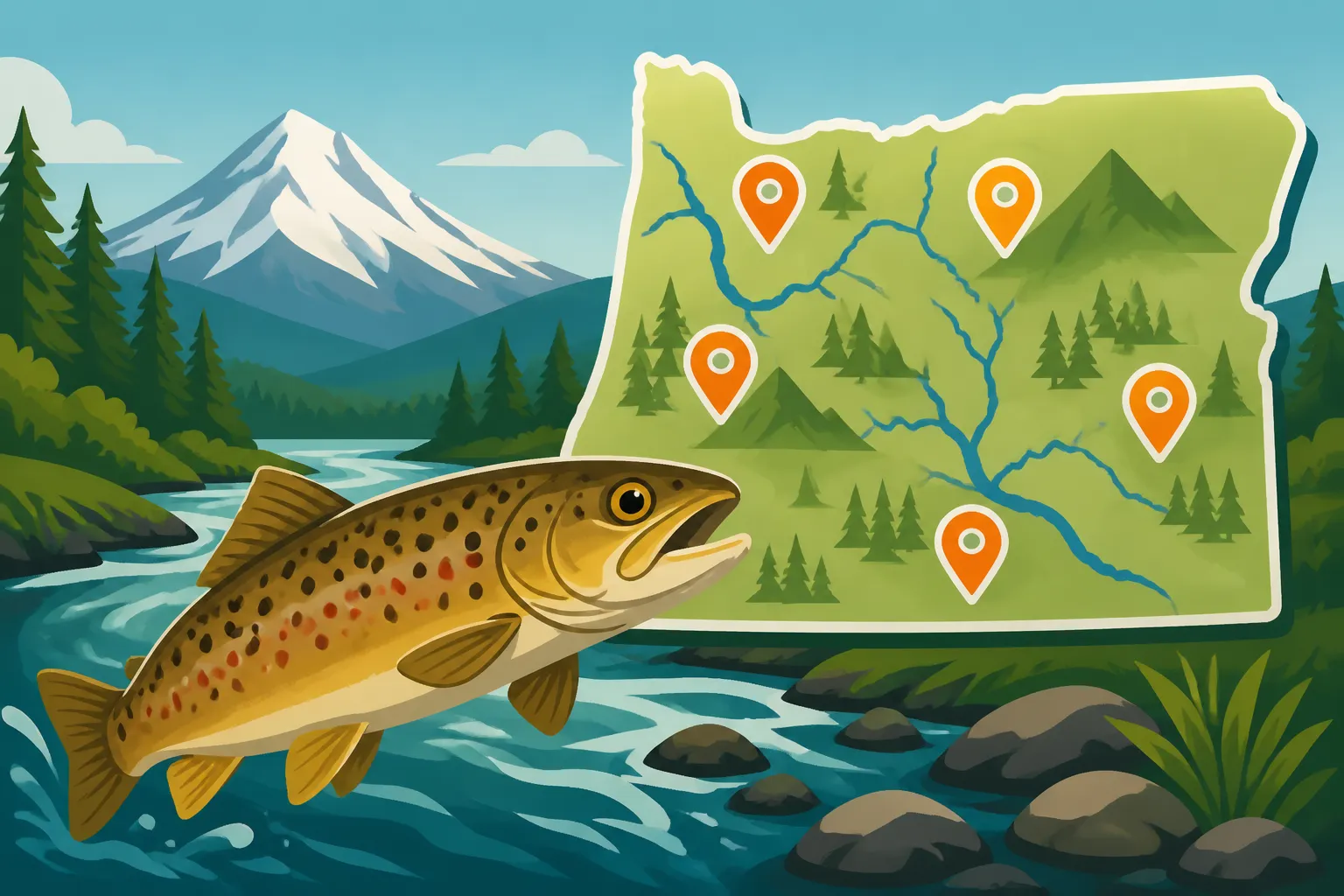
Brown trout, often distinguished by their striking golden-brown flanks adorned with red and black spots, are creatures of specific habits. They absolutely adore cold, clear, well-oxygenated water, often seeking out temperatures a bit cooler than what a rainbow might comfortably tolerate in the peak of summer. This means you'll usually find them in mountain streams, spring-fed rivers, and deeper, colder lakes and reservoirs.
What truly sets brown trout apart is their affinity for cover. Think big, dark hiding spots: deep pools, undercut banks, fallen trees, large boulders, and dense aquatic vegetation. They are ambush predators by nature, preferring to lurk in the shadows, waiting for an unsuspecting meal to drift by. This is why you often hear stories of big browns being caught near complex structure rather than in wide-open runs. They're also notoriously nocturnal, especially the larger specimens. Many a dedicated brown trout angler has spent countless hours fishing from dusk into the dark, understanding that the biggest fish often become most active under the cover of night. This stealthy behavior and preference for hidden lairs make finding them a detective's game, but a rewarding one.
Why They Aren't as Widespread as Other Trout
One of the main reasons brown trout aren't found in every stream and lake in Oregon, unlike the more pervasive rainbow trout, is their non-native status. They were introduced from Europe and have not been stocked as extensively or as broadly as rainbow trout, which are the backbone of many state stocking programs. While rainbows are often stocked in large numbers to provide "put-and-take" fisheries, brown trout populations, where they exist, are often wild, self-sustaining, or managed for trophy potential in specific locations.
Another factor is their specific ecological needs. Brown trout can be more sensitive to habitat degradation, requiring consistent cold water, ample cover, and a good forage base that can include smaller fish as they grow. They also compete with native trout species, so management decisions often prioritize native fish conservation, limiting extensive brown trout stocking to prevent adverse impacts. So, when you find a stream with a healthy population of browns, it's often a testament to that particular waterway's excellent habitat quality and specific management focus.
Key Regions and Rivers Where Brown Trout Thrive
While brown trout might not be everywhere, there are certainly some fantastic places in Oregon where you can consistently find them. These locations often share the characteristics browns love: cool water, plenty of structure, and a good food source.
Central Oregon Strongholds
When you talk about brown trout in Oregon, Central Oregon often comes up first, and for good reason. The region's spring-fed rivers and high-elevation lakes provide ideal conditions.
- Metolius River: This iconic river, near Camp Sherman, is a true gem. While it's largely a fly-fishing-only, catch-and-release fishery, it’s renowned for its stunning, wild redside rainbow trout and, yes, some impressive brown trout. The browns here are known for their size and are incredibly challenging to catch due to the river's crystal-clear waters and intense angling pressure. They often lurk in the deeper pools and under the thick mossy banks. Anyone interested in fly fishing for these beauties should definitely consult a Metolius River Fishing Guide for specific regulations and techniques.
- Crooked River: Downstream from Bowman Dam, the Crooked River is another celebrated Central Oregon fishery. While primarily known for its abundant redband trout, there's a healthy population of brown trout here too, particularly in the canyon sections. They tend to be found in the deeper, slower pools and around the larger rocks, often requiring a stealthy approach. Fishing here with nymphs or small streamers can be highly effective for browns. For more on this fishery, check out Crooked River trout fishing near Prineville.
- High Cascade Lakes: Many of the high-elevation lakes in the Cascades, particularly those on the eastern slope, host robust populations of brown trout. Lakes like East Lake and Paulina Lake near Bend are prime examples. These fish grow large in these fertile waters, often preying on kokanee salmon or other smaller baitfish. Fishing around rocky points, submerged structure, and drop-offs with trolling gear or large streamers can yield impressive results. Crane Prairie Reservoir also sees some nice browns, often taken incidentally by anglers targeting other species.
Southern and Eastern Oregon Gems
Moving south and east, you'll discover other pockets where brown trout have found a home.
- Rogue River and Tributaries: While the Rogue River is famous for its salmon and steelhead, some of its colder tributaries and upper sections hold brown trout, particularly in the Gold Hill and Grants Pass areas, and further upstream. These aren't as prevalent as other species, but dedicated trout anglers can find them in the deeper, more secluded pools, often requiring a hike to access. The browns here, much like their Central Oregon cousins, favor cooler water and heavy cover.
- Klamath Basin Lakes: The Klamath Basin, with its vast, nutrient-rich lakes, offers some exciting brown trout opportunities. Upper Klamath Lake, famous for its trophy redband trout, also has a population of substantial brown trout, though they are often overshadowed by the redbands. These fish can grow to impressive sizes, feeding on the abundant forage fish. Trolling large plugs or streamers can be effective, especially during cooler parts of the day or year.
- Eastern Oregon Streams: Some of the smaller, colder streams in Eastern Oregon, particularly in the Blue Mountains and Wallowa Mountains, might surprise you with small, wild populations of brown trout. These are often remote, pristine waters where the browns are truly wild and can be exceptionally wary. These smaller streams often require a more adventurous approach, with light tackle and a focus on presentation. Finding these spots often comes down to local knowledge or careful study of regional fishing reports.
Coastal and Willamette Valley Occurrences
While less common, brown trout can occasionally be found in specific, isolated locations in the Willamette Valley and even near the coast, typically in colder tailwaters or smaller, spring-fed streams that maintain low temperatures year-round. They are not a primary target species in most coastal rivers, which are dominated by salmon and steelhead, nor in the main stem of the Willamette. However, if a tributary offers the right conditions – cold, stable water temperatures, plenty of cover, and a good food supply – a small, localized population might persist. These are truly rare finds and often require diligent exploration and a bit of luck. Most anglers in these regions focus on Oregon Salmon Species Guide or Oregon Steelhead Guide for more consistent action.
| Region | Typical Brown Trout Habitat | Common Associated Species | Angling Strategy Tip |
|---|---|---|---|
| Central Oregon | Cold, clear, spring-fed rivers; deep, cold high lakes | Rainbow Trout, Bull Trout, Kokanee Salmon | Focus on structure, deep pools; often fly or light tackle |
| Southern Oregon | Colder river tributaries, upper river sections | Rainbow Trout, Steelhead, Chinook Salmon | Seek out secluded, shady spots; patience is key |
| Eastern Oregon | High mountain lakes and remote, cold streams | Rainbow Trout, Brook Trout, Cutthroat Trout | Explore remote areas; larger lakes may favor trolling |
| Willamette Valley | Very specific cold tailwaters or isolated springs | Rainbow Trout, Largemouth Bass, Smallmouth Bass | Highly localized; research specific coldwater refuges |
| Coastal Rivers | Extremely rare, usually incidental catches in cold tribs | Salmon, Steelhead, Cutthroat Trout | Not a primary target; focus on traditional coastal species |
Strategies for Locating Brown Trout
Okay, so you know where to start looking. But how do you pinpoint those elusive browns within a given river or lake? It comes down to understanding their behavior and reading the water effectively.
Reading the Water: Where They Hide
Brown trout are masters of concealment, and big browns are particularly adept at finding prime ambush points. When you're on the water, you need to think like a brown trout.
- Undercut Banks: These are classic brown trout hideouts. The current carves out a hollow beneath the bank, creating a dark, protected overhead cover where a big brown can sit, out of sight, and dart out to grab passing food. Casting accurately into these spots, letting your lure or fly drift naturally, is often the key.
- Log Jams and Fallen Trees: Any substantial woody debris in the water creates current breaks, eddies, and deep pockets – all irresistible to brown trout. These structures provide both shelter from predators and a feeding station. Approach these areas cautiously, as the fish can be easily spooked. You might lose some tackle, but that's often the price of admission for these prime spots.
- Deep Pools: While shallower runs hold active feeders, the largest brown trout often prefer the security of deep pools, especially those with boulders or other bottom structure. They'll hold near the bottom, only moving to feed or when feeling threatened. Fishing these pools thoroughly, with lures or weighted flies that get down deep, is essential.
- Current Seams and Riffles: While they love slack water for resting, browns are opportunistic feeders and will position themselves in current seams adjacent to faster water. These seams deliver a steady conveyor belt of insects and baitfish. During low light, they'll often move into the tails of riffles or the heads of pools to feed aggressively.
Best Times and Conditions
Timing your outing can dramatically improve your chances of encountering brown trout.
- Dawn and Dusk: As mentioned, larger brown trout are often most active during low-light conditions. The fading light provides them with a tactical advantage over their prey and makes them feel safer from aerial predators. Early mornings, just as the sun is beginning to peek over the horizon, and evenings, from sundown into darkness, are prime times. This is especially true for fishing with topwater presentations like dry flies or poppers.
- Overcast Days: Heavy cloud cover can extend these prime feeding windows throughout the day. Overcast conditions reduce light penetration into the water, making browns feel more comfortable moving out of their deep cover. A light, steady rain can also trigger a bite, washing insects and other food into the water.
- Cooler Seasons: While you can catch brown trout year-round, spring and fall often present the best opportunities. In spring, as waters warm slightly after winter, browns become very active, feeding heavily. Fall is also excellent, especially as they approach their spawning period (typically late fall). During this time, they can be exceptionally aggressive, striking at larger lures and flies. However, always be mindful of specific regulations for brown trout, especially during spawning seasons, as some areas may have restrictions or require Oregon Salmon and Steelhead Tag Requirements for other species you might encounter.
- Stable Weather: While a little rain can be good, extreme changes in weather, like a sudden cold front or a dramatic rise in river levels, can shut down the bite. Stable weather patterns, even if it's consistently cool or overcast, tend to keep fish more active and predictable.
Gear and Techniques for Pursuing Oregon Browns
Once you've zeroed in on likely brown trout water, having the right gear and employing smart techniques will make all the difference.
Recommended Tackle and Lures
Your tackle choice will depend heavily on the specific water you're fishing and the conditions, but versatility is key when pursuing browns. You can find a wide array of options whether you're browsing your local tackle shop or looking for specific brands and gear on platforms like Amazon.
- Spin Fishing: For streams and rivers, a light to medium-light spinning rod (6-7 feet) paired with a reel spooled with 4-8 lb monofilament or fluorocarbon is a great all-around setup.
- Spinners: Classic in-line spinners (like Mepps, Rooster Tail, or Panther Martin) in sizes #1-#3 are incredibly effective. Their flash and vibration mimic baitfish. If you're looking to stock up on a variety, Amazon has a huge selection, and it's easy to compare different brands and colors there.
- Spoons: Small casting spoons (like a Kastmaster or Little Cleo) can cover a lot of water and are great for deeper pools or when browns are feeding on smaller baitfish.
- Soft Plastics: Small grubs or swimbaits rigged on a light jig head can be deadly, especially when fished near structure.
- Crankbaits/Minnow Imitations: Small crankbaits or jerkbaits that imitate baitfish can provoke aggressive strikes, particularly in lakes or larger river sections. Look for natural patterns or those with a bit of flash.
- Fly Fishing: For many brown trout anglers, fly fishing is the preferred method, especially in clear, challenging waters like the Metolius. A 4-6 weight fly rod with a floating line for dries and nymphs, and a sink-tip line for streamers, will cover most situations.
- Streamers: When targeting larger browns, especially those feeding on baitfish, streamers are hard to beat. Patterns like Woolly Buggers, Sculpzillas, Zonkers, and Clouser Minnows can be very effective. Try different colors and sizes; a good selection is always helpful, and you can often find great value packs on Amazon.
- Nymphs: During the day, brown trout often feed on subsurface insects. Stonefly nymphs, Caddis larvae, Mayfly nymphs (like Pheasant Tail and Hare's Ear), and attractor patterns (like Prince Nymphs) are excellent choices. Dead-drifting them along current seams or near structure is a go-to technique.
- Dry Flies: While browns can be selective, they will rise to a well-presented dry fly, especially during hatches or in low-light conditions. General attractor patterns like stimulators or hoppers can work, as can specific mayfly and caddis imitations.
- Bait Fishing: In areas where it's permitted, bait can be highly effective, especially for larger, less active browns. Worms, powerbait, or even small baitfish (where legal) can entice strikes. Always check the Oregon Fishing Regulations Explained for specific bait restrictions in your chosen area, as many of the prime brown trout waters are fly-fishing-only or artificial lure only. For Best Bait for Oregon Trout Fishing more generally, worms are a classic choice.
Essential Tips for Success
Beyond the gear, a few key approaches can significantly increase your success rate when targeting brown trout.
- Stealth is Paramount: Brown trout are incredibly wary. Any sudden movements, loud noises, or bright clothing can spook them, especially in clear water. Approach likely holding spots quietly, keep a low profile, and cast accurately without disturbing the water.
- Vary Your Retrieve: Don't just cast and reel in at a consistent pace. Experiment with different retrieve speeds, pauses, and twitches. Often, a brown trout will strike during a pause or when a lure suddenly changes direction. For fly anglers, varying your strip speed with streamers is crucial.
- Fish During Low Light: Seriously, don't underestimate the power of fishing at dawn, dusk, or even into the night. Some of the biggest browns are caught when most other anglers are heading home. Consider investing in a good headlamp and learning to navigate your fishing spot safely in the dark.
- Target Structure Relentlessly: As discussed, brown trout are inextricably linked to cover. If you're not getting bites near logs, rocks, or undercut banks, you're likely not fishing where the big browns are hiding. Cast to these spots repeatedly and thoroughly.
- Handle with Care: Brown trout are a valuable and often self-sustaining resource. If you plan to release your catch, do so quickly and carefully. Use barbless hooks, minimize their time out of the water, and support them in the current until they swim away strongly. For more on safe release, check out Oregon Catch-and-Release Rules.
Chasing brown trout in Oregon is a journey, not just a fishing trip. It's about patience, observation, and a willingness to explore some of the state's most beautiful and challenging waters. Whether you're a seasoned fly angler or prefer spin fishing, the thrill of finally coaxing one of these magnificent, spotted predators from its lair is an experience you won't soon forget.
Disclaimer
This article is for general informational purposes only and does not constitute professional advice. Laws, prices and regulations vary by location and change over time. Consult a qualified professional for guidance on your specific situation.