What is the Oregon state record steelhead
The dream of hooking a true monster steelhead is something many Oregon anglers carry in their hearts. We've all heard the whispers of massive fish, the "one that got away" stories, and the pure determination it takes to land a steelhead that truly stands out. This guide will dive deep into the legendary Oregon state record steelhead, exploring not just the incredible fish itself, but the passion, dedication, and conservation efforts that surround these magnificent creatures in our state.
The Allure of the Oregon State Record Steelhead
There's a special kind of magic that surrounds steelhead fishing in Oregon. It's not just about catching fish; it's about the journey, the challenge, and the possibility of encountering a truly unforgettable specimen. The idea of a state record steelhead fuels that fire, inspiring countless anglers to brave the elements, hone their skills, and spend countless hours on the water.
Chasing Legends on Oregon's Rivers
Ask any dedicated steelhead angler, and they'll tell you about the obsession. It's the early morning drives in the dark, the feel of icy river water seeping into your waders, the painstaking effort to tie the perfect fly or rig the most enticing bait. It’s a relentless pursuit, often with many cold, fishless days, all for that single, explosive tug on the line that signals a magnificent steelhead is on the other end. For many, catching a "bragging size" steelhead is accomplishment enough, but the thought of a fish that could stand among the state's all-time greats? That's the stuff of legends, propelling anglers to explore every bend and riffle of Oregon's iconic steelhead rivers. The sheer power of these fish, their acrobatic leaps, and their relentless runs make them one of the most sought-after game fish in North America, and tales of truly immense ones become part of local angling lore.
The Official Record vs. Personal Best
It’s important to distinguish between the official state record and what most of us consider our "personal best." A personal best is that one fish you caught that was bigger, stronger, or simply more memorable than any other. It’s a moment etched in your memory, a benchmark against your own angling history. The official state record, however, is a different beast entirely. It's a meticulously documented catch, verified by the state fish and wildlife agency, that stands as the largest of its species ever recorded within Oregon's borders. This record isn't just about size; it's about adhering to a strict set of rules for weighing, measuring, and reporting to ensure its legitimacy. While your personal best is a story you share with friends and family, the state record is a historical marker, a testament to a truly extraordinary fish and a bit of luck combined with skill from the angler. Understanding this distinction is key to appreciating the significance of the Oregon state record steelhead.
Unpacking the Oregon State Record Steelhead
When we talk about state records, especially for a prized fish like steelhead, the details become fascinating. It’s not just a number; it’s a story of a momentous catch that has stood the test of time, a benchmark for all other anglers to aspire to.
The Current Record Holder and Its Story
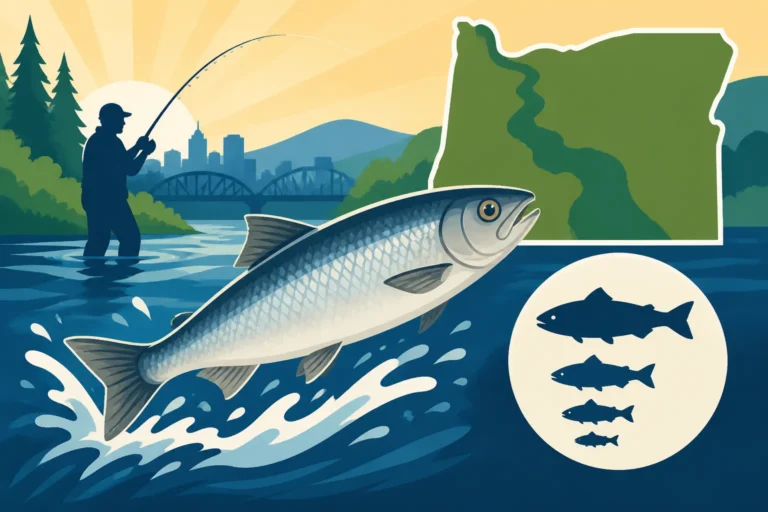
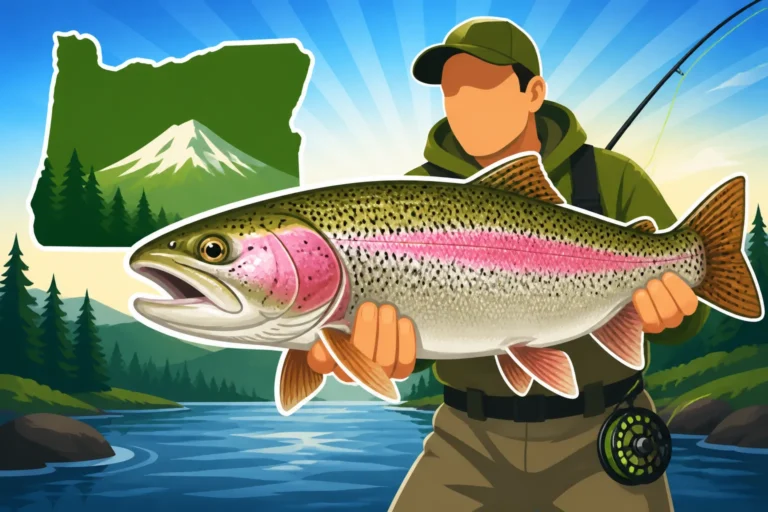
The Oregon state record for steelhead is a truly impressive specimen, a legendary fish that has held its place in the record books for decades. This colossal steelhead, a winter-run beauty, weighed in at a staggering 35 pounds, 8 ounces. It was caught by an angler named Roy A. Painter on January 29, 1970, from the famed Deschutes River. Imagine the sheer power of a fish of that size in the strong currents of the Deschutes! It speaks to the incredible potential of Oregon's waters and the resilience of these magnificent fish.
This record-setting catch wasn't just a matter of luck; it was likely the culmination of skill, patience, and perhaps being in the right place at the right time with the right presentation. While the specific details of the battle are now part of angling history, one can only imagine the fight such a massive steelhead would put up. It's a reminder that truly monumental fish still swim in our rivers, waiting for the dedicated angler to present that perfect cast or drift. The Deschutes River, known for its strong runs, has a history of producing exceptional steelhead, and this record certainly solidifies its reputation as a premier destination for those chasing giants. This record stands as a testament to the quality of Oregon's fisheries and the enduring appeal of the chase. You can learn more about fishing this iconic river in our guide, Deschutes River Fishing Guide.
How Records Are Verified
Catching a potential state record fish is one thing; getting it officially verified is another, often meticulous, process. It's not as simple as snapping a picture and calling it good. The goal is to ensure the integrity of the record book and prevent any disputes.
First and foremost, the fish must be weighed on a certified scale, usually at a grocery store, a fish processing plant, or a tackle shop that has scales regularly calibrated. These scales are designed to be accurate and are often stamped with a certification seal. Witnesses are usually required, often two or more, who can attest to the catch and the weighing process. The fish typically needs to be measured for length and girth, and detailed photographs from multiple angles are essential.
Beyond the physical measurements, accurate species identification is crucial. Steelhead, being a sea-run rainbow trout, can sometimes be confused with other large trout species, especially if it's not a fin-clipped hatchery fish. The Oregon Department of Fish and Wildlife (ODFW) has specific procedures and forms that need to be filled out, including information about the angler, the date and location of the catch, and the gear used. There might also be a requirement to submit a scale sample or fin clipping for scientific verification, especially if there's any doubt about the species or its wild versus hatchery origin. It's a rigorous process, but one that ensures the state record truly represents the largest, most accurately documented fish caught.
Where and How Giant Steelhead Are Caught in Oregon
Landing a steelhead of record proportions isn't just about luck; it's about knowing where to fish, understanding their habits, and employing effective techniques. Oregon offers a variety of environments that host these powerful fish, from wild coastal rivers to expansive inland systems.
Prime River Systems for Trophy Steelhead
Oregon is blessed with an abundance of rivers that host robust steelhead runs, and several are particularly renowned for producing larger-than-average fish. The Deschutes River, where the state record was caught, is a classic. Its cold, clear waters and strong currents are ideal for steelhead, offering rich foraging grounds that allow them to grow to impressive sizes. Anglers often focus on its lower sections, particularly during the winter and summer runs, hoping for that elusive giant.
Coastal rivers also hold immense potential. Rivers like the Rogue River in Southern Oregon are legendary for their winter steelhead, with some truly massive fish making their way upstream. The Umpqua River and its tributaries are also known for turning out big fish, as are smaller, rain-fed systems along the coast such as the Nestucca, Wilson, and Alsea rivers. These coastal systems can be challenging, often rising and falling with winter rains, but when conditions are right, they can reward persistent anglers with the fish of a lifetime. Success on these rivers often comes down to timing the runs and understanding how fish move through different water levels. Our article, Best Rivers to Fish in Oregon, provides more details on these and other fantastic fishing destinations.
Techniques and Gear for Record-Sized Fish
Targeting record-sized steelhead demands specific techniques and robust gear capable of handling the immense power of these fish. You can't just show up with any old rod and expect to land a 20-plus pounder, let alone a potential state record.
Drift Fishing is a cornerstone technique in many Oregon rivers. This involves using a weighted setup (often with a lead weight, a swivel, and a leader with bait or an artificial lure) to bounce along the river bottom, imitating natural food items. It requires a sensitive rod to feel subtle bites and a reel with a smooth drag system. Many anglers find high-quality drift fishing gear, including specialized lines and terminal tackle, readily available on platforms like Amazon, making it easy to prepare for a serious outing.
Float Fishing (or "bobber dogging") is another highly effective method, particularly in larger, deeper rivers. This technique uses a large, buoyant float to suspend bait or jigs at a precise depth, allowing them to drift naturally through prime holding water. A longer rod is often preferred for managing the float and setting the hook at a distance. Finding the right floats and jigs for varying water conditions is critical, and many experienced anglers regularly browse options on Amazon to stock their tackle boxes.
For the purists, Fly Fishing for steelhead, especially with spey rods, offers an incredible challenge and reward. Swinging flies through runs, or nymphing deeper pockets, requires specialized lines, rods, and a deep understanding of water currents and fish behavior. While not always the method for "record breaking" in terms of sheer numbers, the satisfaction of landing a massive steelhead on a fly rod is unparalleled. High-quality fly tying materials and even complete fly rod setups can be found from various retailers, including through searches on Amazon.
Regardless of the technique, the gear must be up to the task. This means a strong backbone in the rod, a reliable reel with excellent drag, and durable line – typically monofilament or braided line in the 12-20 pound test range, often with a fluorocarbon leader. Landing nets designed for large fish are also essential for safely bringing a potential record fish to shore. Remember, even with the best gear, the battle with a giant steelhead can be a test of endurance and skill. Before you head out, make sure you're familiar with Oregon Fishing Techniques for Beginners and perhaps even dive into How to Fly Fish in Oregon.
| Technique | Description | Typical Gear | Advantages | Considerations |
|---|---|---|---|---|
| Drift Fishing | Bouncing bait/lures along the river bottom with weights. | Medium-heavy spinning/casting rod, baitcasting reel, lead/slinky weights, beads, hooks, bait/yarn. | Highly effective for fish holding on the bottom; covers water efficiently. | Can get snagged easily; requires sensitive feel to detect bites. |
| Float Fishing | Suspending bait/jigs under a float at precise depths. | Longer, lighter action rod, spinning reel, large floats, jigs, bait. | Excellent for presenting in deep holes or slower currents; visible bite indicator. | Can be challenging in swift currents; requires specific float setup. |
| Fly Fishing | Presenting artificial flies using specialized fly rods and lines. | Fly rod (single-hand or spey), fly reel, various fly lines, flies (nymphs, streamers, dries). | Deeply engaging and challenging; often targets specific fish behavior. | Steep learning curve; can be less effective in certain high-water conditions. |
| Trolling/Boating | Covering large areas by dragging lures or bait from a moving boat. | Heavy trolling rods, level-wind reels, downriggers, divers, large plugs/spoons. | Great for covering vast stretches of water, especially large rivers or estuaries. | Requires a boat; can be expensive to equip; less "hands-on" feel for the fight. |
Beyond the Record: The Conservation Aspect
While the thrill of the chase and the dream of a record-setting fish are undeniable, responsible angling in Oregon extends far beyond personal ambition. It's about understanding and protecting the very resources that make these incredible experiences possible. Steelhead populations, particularly wild runs, face numerous challenges, and every angler plays a crucial role in their future.
Protecting Oregon's Steelhead Populations
The allure of a trophy steelhead often goes hand-in-hand with a deep respect for the fish and its habitat. Unfortunately, many steelhead populations, especially the wild, native runs, are under pressure from habitat loss, changing ocean conditions, and other environmental factors. This is why conservation is paramount. Practicing responsible catch-and-release is vital, particularly for wild steelhead, which are often distinguishable by an intact adipose fin (a small fleshy fin on their back). Many anglers will quickly photograph a wild fish and release it with minimal handling to ensure its survival and ability to spawn.
Beyond individual actions, supporting conservation organizations and advocating for healthy river ecosystems are crucial. This includes protecting riparian zones, advocating for fish passage improvements, and ensuring water quality. The future of Oregon’s steelhead fishing depends on a collective commitment to stewardship, ensuring that future generations can also experience the thrill of connecting with these powerful fish. Understanding Oregon Fishing Regulations Explained is a fundamental part of responsible angling and conservation.
Wild vs. Hatchery Steelhead and Their Role
One of the most important distinctions in Oregon steelhead fishing is that between wild and hatchery fish. Wild steelhead are fish that have spawned and reared in their natural river environment, completing their life cycle without human intervention. These are often the most prized by anglers due to their inherent strength and genetic diversity, and they are generally protected through catch-and-release regulations in many areas. Learning How to tell a wild steelhead from a hatchery steelhead is a fundamental skill for any responsible angler.
Hatchery steelhead, on the other hand, are raised in fish hatcheries and released into rivers to supplement runs, primarily for sport fishing opportunities. These fish are typically identifiable by a missing adipose fin, which is clipped off as juveniles before release. This "fin clip" allows anglers to easily differentiate them from wild fish, as regulations often permit the retention of hatchery steelhead while requiring the release of wild ones. Hatchery programs aim to reduce fishing pressure on wild populations by providing a harvestable surplus. Both types of steelhead play a role in Oregon's fisheries, but maintaining healthy wild populations is critical for the long-term sustainability of the species. Anglers buying their Oregon Combined Angling Tag Guide and Oregon Salmon and Steelhead Tag Requirements are contributing to the management of these valuable resources.
Disclaimer
This article is for general informational purposes only and does not constitute professional advice. Laws, prices and regulations vary by location and change over time. Consult a qualified professional for guidance on your specific situation.