How long do white sturgeon live
When you think about the creatures inhabiting Oregon's ancient rivers, few spark as much wonder and a sense of timelessness as the white sturgeon. These magnificent fish are true living fossils, often outliving generations of humans, making them incredibly unique and precious. It's natural to wonder, just how long do these behemoths actually live? This guide will dive deep into the incredible lifespan of Oregon's white sturgeon, exploring what makes them such long-lived species and how we can all help protect their future.
The Astonishing Lifespan of White Sturgeon
White sturgeon are often called "living dinosaurs" for a good reason. They are North America's largest and longest-lived freshwater fish, and their existence reminds us of a time long before modern society. Understanding their lifespan isn't just a fascinating biological fact; it’s crucial for their conservation and for the future of fishing in Oregon.
How Long Do They Really Live?
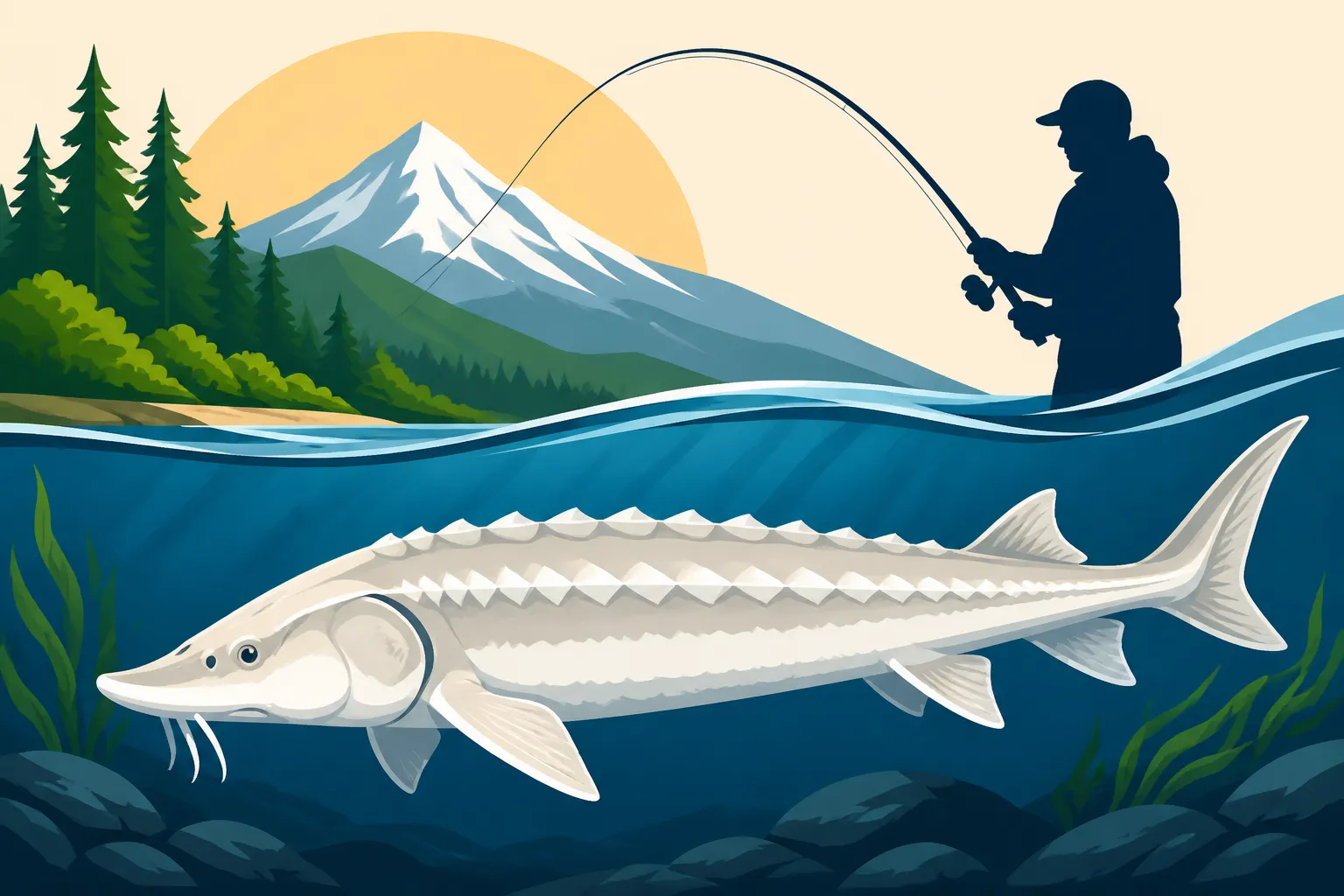
The sheer longevity of white sturgeon is truly remarkable. While many fish species live for just a few years, a white sturgeon can easily surpass a human lifespan. On average, you can expect white sturgeon to live anywhere from 50 to 80 years in the wild. However, that's just the average! The truly impressive specimens, those giant, wise old fish, have been known to live for well over a century, with some estimates putting their maximum lifespan at 150 years or even more. Imagine a fish that was swimming in the Columbia River when Oregon first became a state! It's an incredible thought, really. This extended lifespan contributes significantly to their ability to grow to truly colossal sizes, often stretching over ten feet long and weighing hundreds of pounds.
Think about the sheer number of seasons, floods, droughts, and changes these fish witness in their lifetime. They are survivors, adapted to endure through decades of river life. Their slow growth rate and late maturity are intrinsically linked to this long lifespan, ensuring that given the right conditions, they have ample opportunity to reproduce over many years. When you're out on the water, reeling in one of these magnificent creatures, remember you might be connecting with an elder that has seen more history than most of us can imagine. For more on these incredible fish, check out our Oregon Sturgeon Guide.
Factors Influencing Sturgeon Longevity
While white sturgeon are built for longevity, their actual lifespan can be heavily influenced by a range of factors, both natural and human-induced. A pristine environment with abundant food sources and stable water conditions is key. Rivers like the Columbia and Willamette, historically rich in salmon runs, provided an ideal buffet for growing sturgeon. A healthy ecosystem means less stress, better growth, and a higher chance of survival through their early, more vulnerable years. Pollution, on the other hand, can introduce toxins that stress their systems and shorten their lives.
Habitat quality also plays a massive role. Sturgeon need deep pools for resting and overwintering, and specific gravelly areas for spawning. Dams, for example, can fragment their habitat, blocking access to crucial spawning grounds and altering river flows, which can impact their ability to thrive and, consequently, their lifespan. Poaching and improper catch-and-release techniques also pose significant threats. These fish grow slowly, and removing a large, mature sturgeon from the population means losing decades of reproductive potential, which can take an incredibly long time to replace. It's why careful handling and understanding regulations are so vital, as we'll discuss later.
Age Determination Methods
So, how do scientists figure out just how old a white sturgeon is? It's not like they have birth certificates! Unlike trees with their rings, aging a fish isn't always straightforward, but with sturgeon, there are a few reliable methods. One common technique involves examining cross-sections of their fin rays, particularly the pectoral fin ray. These bony structures, much like tree rings, lay down annual growth rings (annuli). By carefully slicing and examining these under a microscope, scientists can count the rings to determine the fish's age. It's a bit like reading the history written within the fish's own body.
Another method, often used in conjunction with fin ray analysis, is examining the bony plates or "scutes" that run along their backs and sides. These scutes also show growth patterns that can indicate age. These techniques are non-lethal when performed by trained professionals, meaning the sturgeon can be aged and then safely returned to the water, ensuring that these long-lived creatures can continue their journey through the decades. This scientific insight is what allows us to truly grasp the incredible journey a sturgeon undertakes from a tiny egg to a magnificent, ancient river inhabitant.
Milestones and Growth Through the Decades
The life cycle of a white sturgeon is a slow, patient unfolding, reflecting its incredible longevity. Unlike many faster-growing fish, sturgeon take their time to mature, a strategy that has allowed them to persist for millions of years.
From Egg to Juvenile
The journey of a white sturgeon begins as a small, adhesive egg, often laid in turbulent, rocky areas of rivers during the spring and early summer. After hatching, the larval sturgeon are tiny and vulnerable, drifting with the current for a period before settling into calmer, deeper waters. Their growth during the juvenile stage is relatively slow compared to many other fish. For their first few years, they remain relatively small, feasting on insects and small crustaceans, slowly but surely gaining size.
During this period, they are highly susceptible to predation from other fish and birds, making these early years a critical bottleneck for survival. A healthy river ecosystem, free from excessive pollution and with ample hiding spots, is paramount for these youngsters to survive and grow. It's a long road from a tiny larva to a mature adult, requiring years of favorable conditions and a bit of luck. Providing clean water and protected nursery habitats is one of the most important things we can do to ensure these fish reach their full potential.
Reaching Adulthood and Reproductive Maturity
Here's where the sturgeon's unique life history really sets in. Unlike salmon, which mature and spawn relatively quickly, white sturgeon take a remarkably long time to reach reproductive maturity. Males typically don't start spawning until they are around 7 to 15 years old, while females take even longer, often not spawning until they are 15 to 20 years old, or even older for larger specimens. Think about that – a fish could be old enough to vote, go to college, or even start a family of its own before it ever gets to reproduce!
Even once mature, they don't spawn every year. Female sturgeon often spawn only once every 2 to 11 years, depending on their age, size, and environmental conditions. This infrequent spawning, combined with their late maturity, means that each successful spawning event and the survival of each large, reproductive adult is incredibly important to the overall population. It also explains why overfishing or removing mature breeders can have such devastating long-term impacts on sturgeon populations. This slow-and-steady reproductive strategy relies on individuals living for many decades to contribute to future generations. You can learn more about these requirements in Oregon Fishing Regulations Explained.
The Golden Years: Large, Old Sturgeon
As sturgeon age and mature, they continue to grow, albeit at a slower rate. These large, old sturgeon, often exceeding six to ten feet in length, are the true giants of the river. They are the wise elders, the most experienced breeders, and the genetic cornerstone of the population. Catching one of these ancient fish is often the highlight of an angler's lifetime, a true connection to the wild past of Oregon's waterways.
These magnificent fish play a vital ecological role. Their immense size allows them to influence their environment in ways smaller fish cannot, and their decades of survival mean they've passed on their robust genes. Encountering one is a humbling experience, a reminder of the raw power and resilience of nature. It’s also a powerful incentive to ensure they are handled with the utmost care if caught, so they can continue to live out their golden years and contribute to the health of the river. For anglers seeking such an experience, considering Sturgeon Guide Trips on the Columbia can offer unparalleled insight and a better chance at responsible interaction.
| Life Stage | Approximate Age Range | Key Characteristics |
|---|---|---|
| Egg | Days to weeks | Laid in rocky riverbeds, vulnerable to silt and predation. |
| Larva | Weeks to months | Tiny, drift with current, begin feeding on small organisms. |
| Juvenile | 1-7 years | Grow slowly, reside in calmer, deeper waters, increasing foraging. |
| Sub-Adult | 7-15 years | Growing rapidly, not yet reproductively mature. |
| Mature Adult Male | 7-15+ years | Begin infrequent spawning every few years. |
| Mature Adult Female | 15-20+ years | Begin infrequent spawning, often every 2-11 years. |
| Ancient Elder | 50-150+ years | Largest sizes, highly experienced breeders, vital to population. |
Protecting Oregon's Ancient Giants
The incredible lifespan of white sturgeon highlights why their conservation is so critical. A species that takes so long to mature and lives for so many decades is inherently vulnerable to human impacts, as recovery from population declines can take generations.
Conservation Challenges and Efforts
White sturgeon face a myriad of challenges, even in a state as environmentally conscious as Oregon. Habitat loss and degradation, primarily from dam construction that blocks migration routes and alters river flows, have severely impacted their populations in some areas. Pollution, even in seemingly small amounts, can accumulate over a sturgeon's long life and affect their health and reproductive success. Historically, commercial fishing once targeted these fish heavily, though those practices are now largely a thing of the past in many areas.
Today, conservation efforts in Oregon are multifaceted. Strict regulations are in place to manage recreational fishing, including slot limits that protect both the smallest, still-growing sturgeon and the largest, most valuable breeding adults. Research efforts continuously monitor populations, study their movements, and identify critical spawning and rearing habitats. Hatchery programs exist in some areas to supplement wild populations. Educational initiatives also play a huge role, informing anglers and the public about the importance of sturgeon and how to interact with them responsibly. For instance, knowing How old is a legal size white sturgeon before you ever cast a line is paramount.
Catch-and-Release Practices
Given their long lifespan and slow reproductive rate, proper catch-and-release is absolutely paramount for the health of white sturgeon populations, especially for larger fish. Many sturgeon fisheries in Oregon, particularly for the largest specimens, are strictly catch-and-release only. This isn't just a rule; it's an ethical responsibility. When you hook a sturgeon, you're interacting with a creature that could be older than your grandparents, a true historical artifact of the river.
The key to successful catch-and-release lies in minimizing stress and injury. Use appropriate heavy tackle to land the fish quickly, reducing the fight time. Avoid dragging the fish onto sharp, abrasive surfaces. If you must bring it out of the water for a quick photo, keep it as close to the water as possible and support its entire body weight. Never hold a large sturgeon vertically by its head or tail, as this can cause internal damage. Wet your hands before touching the fish to protect its slime coat, and remove hooks carefully and quickly. Barbless hooks are highly recommended to facilitate easy removal. The goal is to return the fish to the water strong and healthy, ready to continue its decades-long journey. For detailed guidance, consult How to catch and release sturgeon safely. Many anglers find gear like sturdy long-nosed pliers or de-hooking tools essential; a quick search on Amazon for "sturgeon de-hooker" will show you suitable options.
The Role of Anglers in Sturgeon Survival
As anglers, we have a unique and powerful role to play in the ongoing survival of white sturgeon. Beyond simply following regulations, we can be active stewards of the rivers. This includes advocating for habitat restoration, participating in volunteer clean-up efforts, and reporting any illegal poaching activities. Every time you correctly identify a sturgeon, measure it accurately against a Columbia River sturgeon slot limit explained, and release it with care, you are directly contributing to the species' future.
Furthermore, being an informed angler means staying up-to-date on Oregon Fishing Regulations Explained and sharing that knowledge with others. Spreading awareness about the incredible longevity and vulnerability of these fish helps foster a broader appreciation and sense of responsibility. By understanding that a sturgeon you catch today might have been alive during pivotal moments in history, you gain a deeper respect for these ancient river dwellers and become a more effective advocate for their protection. Consider carrying a dedicated sturgeon measuring tape, easily found on Amazon, to ensure accurate release measurements.
Remember, the opportunity to fish for white sturgeon in Oregon is a privilege, a chance to connect with one of nature's true marvels. Let's ensure these incredible, long-lived giants continue to thrive for centuries to come.
Disclaimer
This article is for general informational purposes only and does not constitute professional advice. Laws, prices and regulations vary by location and change over time. Consult a qualified professional for guidance on your specific situation.