How deep do lingcod live off Oregon
There's nothing quite like the thrill of feeling that powerful tug on your line, the unmistakable sign of a lingcod, one of Oregon's most aggressive and prized bottom dwellers. But if you've ever spent a day on the ocean wondering why you're not getting bites while the boat next to you is reeling in beasts, you might be asking yourself: just how deep do these elusive fish really live off our beautiful Oregon coast? It's a question that can stump even experienced anglers, and understanding their preferred depths is key to unlocking consistent success. This guide will dive deep into the lingcod's underwater world, helping you pinpoint where to drop your line for the best chances of a hook-up.
Understanding Lingcod Habitat and Depth Preferences off Oregon
Lingcod are fascinating creatures, known for their mottled camouflage and formidable mouths, perfectly adapted for ambushing prey in rocky environments. They aren't content to simply hang out at one static depth; their world is dynamic, influenced by structure, food, and even their reproductive cycle. Understanding this ebb and flow is the first step to becoming a more effective lingcod angler.
The Vertical Nature of Lingcod Life
Think of lingcod as the guardians of the rocky seafloor. They are almost exclusively found near some form of structure, whether it's a rocky reef, a submerged pinnacle, a kelp forest, or even a sunken shipwreck. This preference means their "depth" isn't just a number, but a range that follows these underwater features. You might find them relatively shallow, tucked into a rock crevice close to shore, or much deeper, holding tight to a prominent structure far offshore.
Their vertical distribution is also influenced by their age and size. Younger, smaller lingcod might be more prevalent in shallower, more protected rocky areas, where they can find smaller prey and avoid larger predators. As they grow, they tend to move to deeper, more expansive structures where bigger meals await, and where they can establish their own territories. It's a natural progression, like a young adult leaving home to find their own space.
Typical Depth Ranges for Lingcod
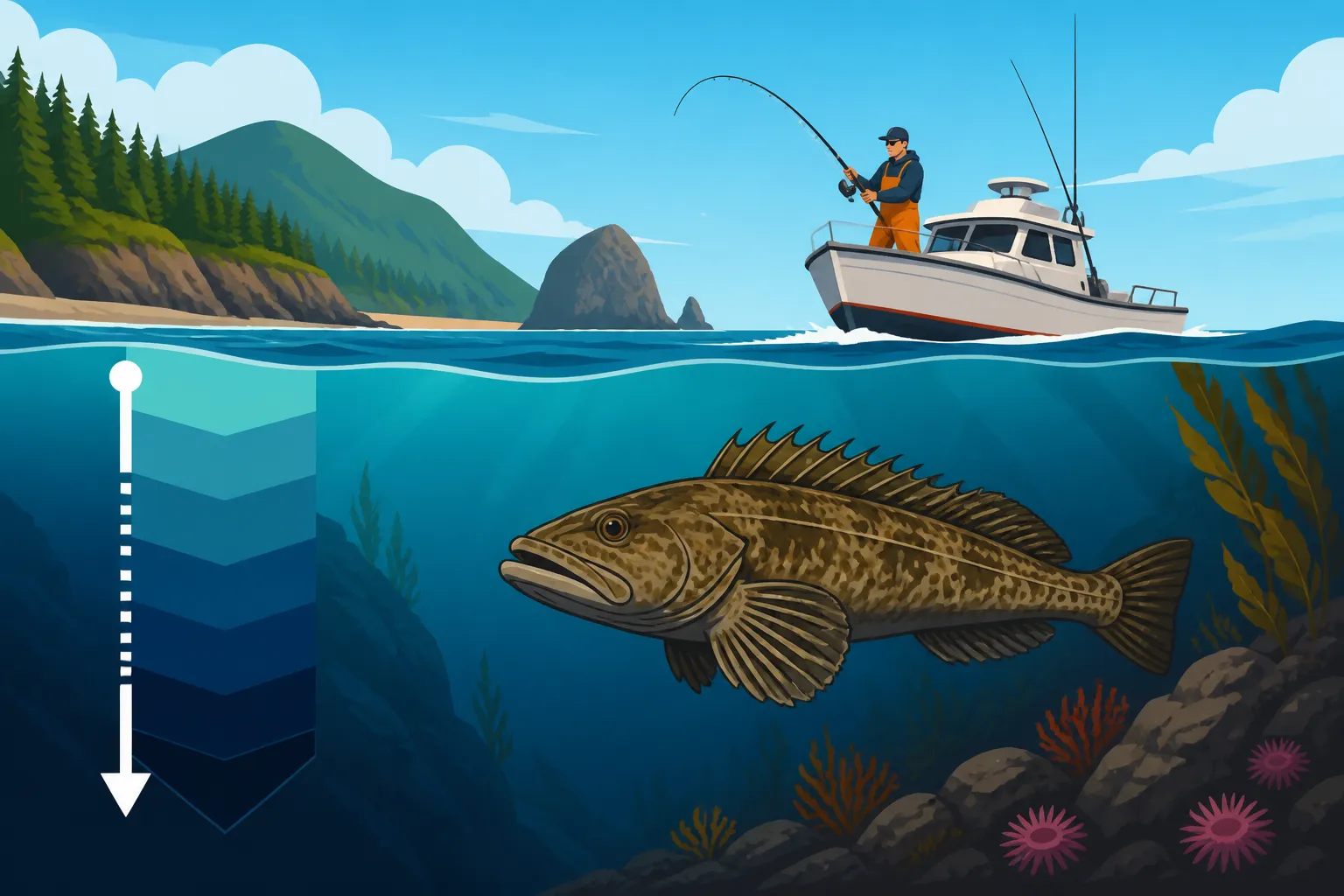
While lingcod can certainly be found across a broad spectrum of depths, there are some general ranges that anglers typically target off the Oregon coast. Nearshore, especially around prominent headlands, jetties, and accessible reefs, you might encounter lingcod in as little as 30 to 80 feet of water. These shallower spots are often accessible to smaller boats or even kayaks on calm days, offering exciting close-to-shore opportunities.
However, many anglers find their greatest success in the mid-depth range, roughly 80 to 200 feet. This is where the continental shelf often provides extensive rocky reefs, pinnacles, and other structures that are prime lingcod habitat. Further offshore, as the shelf drops away, you might find larger, older lingcod dwelling in depths exceeding 200 feet, sometimes pushing to 400 feet or more around significant underwater canyons or offshore banks. It really underscores the need to be prepared for various scenarios when you head out. For a comprehensive look at these feisty fish, check out our Lingcod off the Oregon Coast guide.
Factors Influencing Lingcod Depth in Oregon Waters
Lingcod aren't just randomly distributed; their depth choices are driven by fundamental needs: shelter, food, and reproduction. By understanding these influencing factors, you can make more informed decisions about where to fish and when.
The Role of Structure and Substrate
As mentioned, structure is paramount for lingcod. They are ambush predators, and those sharp teeth and camouflaged bodies are built for lying in wait. They need rocks, ledges, and crevices to hide, dart out from, and retreat to if threatened. Off the Oregon coast, this means targeting areas known for their rugged bottoms. Think about the rocky reefs stretching from Tillamook Head down to Cape Blanco, or the famous pinnacles and rockpiles found offshore from ports like Newport, Depoe Bay, and Garibaldi. These are not smooth, sandy bottoms; these are jagged, complex underwater landscapes that offer the perfect home for a lingcod.
Even seemingly subtle changes in the bottom topography, like a sudden drop-off or a scattered rock field in an otherwise flat area, can hold lingcod. They're looking for that edge, that place where they can blend in and surprise an unsuspecting prey fish. So, when you're on the water, pay close attention to your depth sounder for signs of "hard bottom" or significant changes in depth—these are usually good indicators.
Food Availability and Water Temperature
Like all predators, lingcod go where the food is. Their diet is diverse, including rockfish, greenling, herring, squid, and even smaller lingcod. If there's a congregation of baitfish or juvenile rockfish holding over a particular reef, you can bet that lingcod will be close by, actively feeding. This means that lingcod depth can sometimes be indirectly influenced by the depth patterns of their prey species. For example, if a certain type of baitfish is abundant at a specific depth zone, lingcod might temporarily shift to that depth to capitalize on the easy meals.
Water temperature also plays a role, though lingcod are quite resilient across a range of ocean temperatures found off Oregon. They generally prefer cooler, more stable temperatures. Extreme fluctuations, or areas with very warm surface water, might push them a bit deeper to find more comfortable conditions. However, the influence of food availability often trumps minor temperature variations in their typical range.
Spawning Behaviors and Seasonal Shifts
The urge to reproduce is a powerful driver, and it significantly impacts lingcod depth. Lingcod typically spawn during the winter months, from roughly December through March, depending on the specific location and water temperatures. During this period, female lingcod move into shallower, rocky areas to lay their egg masses. These nests are then diligently guarded by the male lingcod, who will aggressively defend them from predators.
This spawning behavior means you're more likely to find adult lingcod in shallower depths (often 20-80 feet) during the winter months than you might in the summer. They seek out protected crevices and ledges for their nests, often in areas with strong current flow to oxygenate the eggs. Once spawning and nest guarding are complete, the males will eventually move back to their deeper, more typical foraging grounds. Understanding these Oregon Fishing Season Dates and Limits can help you time your trips for maximum success.
Practical Tips for Targeting Lingcod at Various Depths
Now that we understand why lingcod choose certain depths, let's talk about how to actually get them on the hook. Different depths require different strategies, gear, and a keen understanding of ocean conditions.
Shallow Water Lingcod Tactics (Under 80 feet)
Fishing for lingcod in shallower water can be incredibly exciting, as the fights are often more vigorous, and you might even get a visual on the fish before it's at the boat. These are the depths where you can really feel every head shake and tail kick.
When targeting lingcod under 80 feet, especially near prominent rocky shorelines, jetties, or smaller reefs, lighter tackle can sometimes be effective. Jigs in the 2-4 ounce range are often sufficient to get down, and a medium-heavy spinning or casting rod with 30-50 lb braided line will give you plenty of power. Swimbaits, both soft plastics on lead heads and hard-bodied swimbaits, are fantastic choices, as are metal jigs. You can cast these lures towards rocky structure from a boat, kayak, or even shore (if conditions allow for casting into deep enough, snaggy areas). Live bait, such as herring or sand shrimp, fished on a lead-head jig or a mooching rig, can also be deadly. Remember, these areas are often snaggy, so be prepared to lose some gear! For more on different fishing methods, our Oregon Fishing Techniques for Beginners article has a good overview.
Mid-Depth Strategies (80-200 feet)
This mid-depth range is often considered the prime zone for Oregon lingcod, where you can encounter both good numbers and larger fish. Here, the currents can be stronger, and getting your lure or bait down efficiently is crucial. This is where a good fish finder really shines, helping you locate specific rockpiles, ledges, and schools of baitfish.
Heavier jigs, typically ranging from 6-12 ounces (or even more depending on current and drift speed), are the workhorses here. Large lead-head jigs rigged with substantial soft plastic swimbaits (6-10 inches) are incredibly effective, as are heavy metal jigs. Another popular technique is using cut bait (like herring, squid, or even pieces of mackerel) on a heavy mooching or dropper rig. When drift fishing, let your line out until you feel the bottom, then reel up a few feet. Bounce your lure or bait just above the structure, constantly monitoring your depth. The key is to stay in the strike zone without getting constantly snagged on the bottom. You can find a huge variety of tackle options suitable for these depths on Amazon, from durable braided lines to a vast selection of jigs and swimbait bodies.
Deep Water Challenges and Techniques (Over 200 feet)
While not as commonly targeted by recreational anglers due to the increased effort, deeper water certainly holds impressive lingcod. The challenges here are significant: heavier weights, stronger currents, greater line drag, and the physical exertion of retrieving from such depths.
To effectively fish in depths exceeding 200 feet, you'll need robust gear. Rods should be heavy-duty, designed for deepwater jigging or bait fishing, and paired with conventional reels capable of holding hundreds of yards of heavy braided line (60-80 lb test is common). Jigs will often need to be 12 ounces or more, or you'll rely on large sinkers with bait rigs. Electric reels, while an investment, can make deepwater fishing much more enjoyable, saving your arms and shoulders. When fishing this deep, precise boat control to stay over structure is paramount, and a good GPS plotter with detailed bathymetry is invaluable. Remember to understand Oregon Fishing Regulations Explained before heading out, especially for bag limits and specific gear restrictions at certain depths.
Essential Gear and Conservation for Oregon Lingcod
Having the right tools for the job is essential, but equally important is understanding how to be a responsible angler. Lingcod are a valuable resource, and we want to ensure healthy populations for future generations.
Recommended Rods, Reels, and Line
For general Oregon lingcod fishing, you'll want a sturdy setup.
- Rods: Look for rods rated for 20-50 lb or even 30-80 lb line, with a fast to moderate-fast action. A length of 6'6" to 8' is typical. Shorter rods (6-7 feet) offer more leverage for fighting heavy fish from the boat, while longer rods can be beneficial for casting from shore or for a bit more feel when jigging.
- Reels: Durable conventional reels are often preferred for their cranking power and line capacity, especially in deeper water. Spinning reels can work for shallower applications but might struggle with very heavy weights and large fish. Ensure your reel has a smooth, strong drag system.
- Line: Braided line is almost a must for lingcod fishing. It has minimal stretch, offering incredible sensitivity to detect bites and feel the bottom, and its thinner diameter cuts through the water better, reducing drag from current. A 50-65 lb braided main line is a good all-around choice. You'll typically use a fluorocarbon or monofilament leader of 40-80 lb test, often a few feet long, connected to your braided line with a strong knot or swivel. You can browse a fantastic selection of these fishing essentials on Amazon, comparing different brands and features to find what suits your style and budget.
Baits and Lures That Attract Lingcod
Lingcod are aggressive, and they'll strike a wide variety of offerings.
- Jigs: Heavy metal jigs (like 'iron' jigs or knife jigs) are very popular. Soft plastic swimbaits, rigged on heavy lead heads (often 4-16 ounces), are also incredibly effective. Colors like white, chartreuse, motor oil, and dark patterns that mimic rockfish are usually good bets.
- Natural Bait: Whole or cut bait can be irresistible. Squid, herring, mackerel, sardine, and even pieces of rockfish (where legal) can be fished on a lead-head jig, a dropper loop rig, or a spreader bar. Live bait, if you can get it, is often the most productive, with live herring or small rockfish being top choices. For more ideas on what to use, check out our Oregon Bait and Lure Guide.
Sustainable Practices and Regulations
Fishing for lingcod is a fantastic experience, but it's crucial to practice responsible angling to help maintain healthy populations.
- Know the Regulations: Always, always check the current Oregon Fishing Regulations Explained before you head out. Regulations on bag limits, size limits, and seasons can change. For instance, there's usually a minimum size limit for lingcod, and sometimes specific seasons for retention. Our Oregon Daily Bag Limits Explained post provides further clarity.
- Barotrauma Awareness: When you bring lingcod up from deep water (typically over 60-80 feet), they can suffer from barotrauma, where the gases in their swim bladder expand. This makes it difficult for them to swim back down if released. If you're planning to release a fish from deeper water, consider using a descending device or a venting tool. These tools help release the gas, allowing the fish to swim back to depth and increasing its survival chances.
- Careful Handling: Lingcod have formidable teeth, so handle them with extreme care. A good pair of fish pliers or a lip-gripping tool is essential for safety. Minimize their time out of the water, especially if you intend to release them.
By being informed about their habits, equipped with the right gear, and committed to sustainable fishing practices, you'll significantly increase your chances of having a successful and rewarding lingcod fishing adventure off the magnificent Oregon coast.
Disclaimer
This article is for general informational purposes only and does not constitute professional advice. Laws, prices and regulations vary by location and change over time. Consult a qualified professional for guidance on your specific situation.