Coho Salmon in Oregon
Ah, the majestic Coho salmon! If you've spent any time on Oregon's rivers or coastline, you know the thrill of seeing that silver flash, or maybe you've heard the stories of acrobatic battles from fellow anglers. But let's be honest, figuring out the ins and outs of Coho fishing – from identifying them correctly to knowing where and when they'll bite, and especially navigating those ever-changing regulations – can feel like a labyrinth. This guide is here to untangle that complexity, offering you a clear, comprehensive look at catching Coho salmon in our beautiful state.
The Allure of Coho Salmon in Oregon Waters
There’s something truly special about Coho salmon that captures the heart of many an Oregon angler. Perhaps it's their incredible fighting spirit, their dazzling appearance, or the anticipation they bring to our rivers and estuaries each year. They are a beloved part of Oregon's rich fishing heritage, offering exciting opportunities for both seasoned veterans and newcomers alike.
A Silver Flash in the River
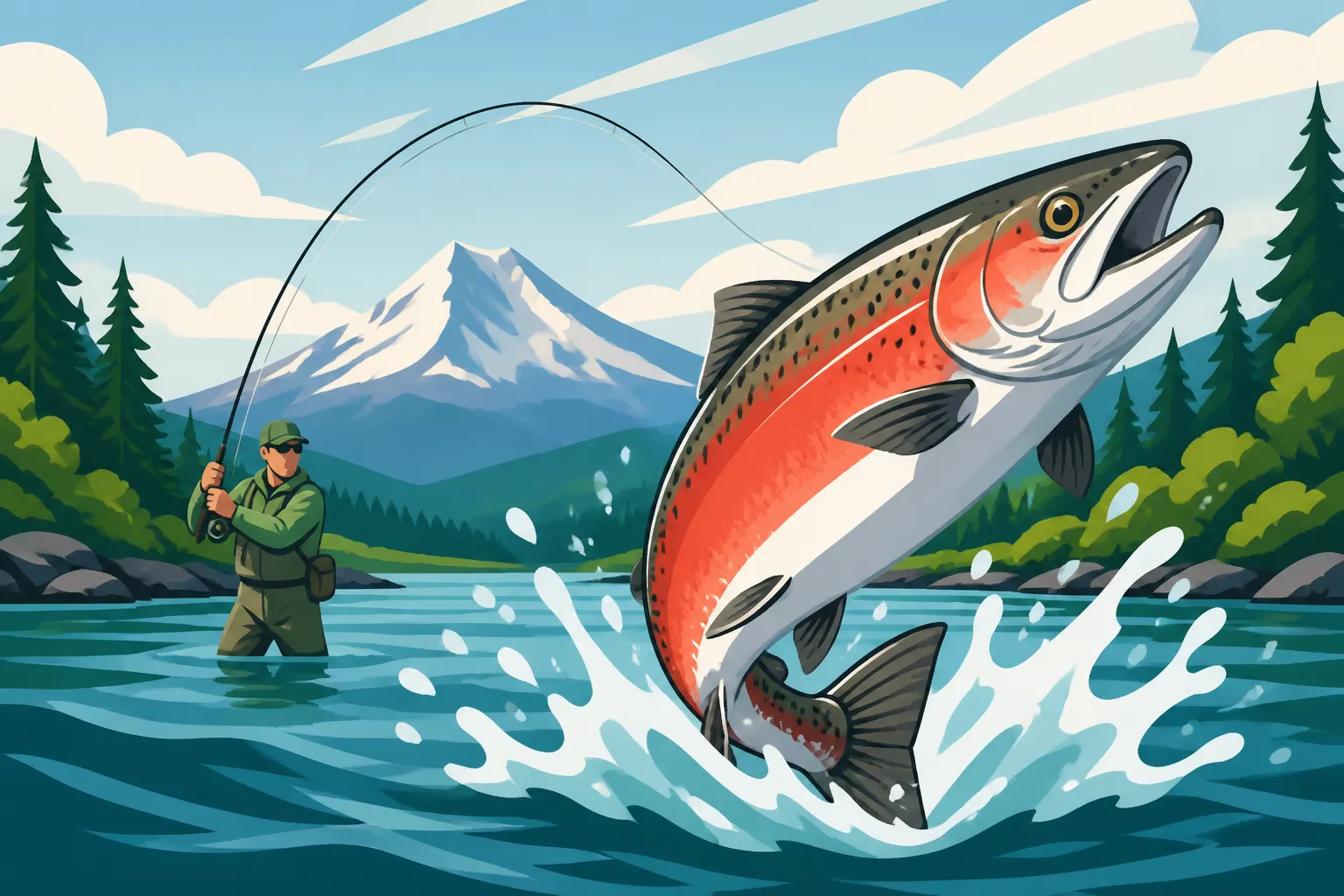
Coho salmon, affectionately known as "silver salmon" for their brilliant, chrome-bright scales when fresh from the ocean, are a true spectacle. They typically range from 6 to 12 pounds, though you can certainly hook into a trophy pushing 20 pounds or more, especially in a good run. What they might lack in sheer size compared to their King salmon cousins, they more than make up for in sheer athleticism. These fish are renowned for their aggressive takes and their acrobatic fights, often leaping clear out of the water, shaking their heads violently in an attempt to throw the hook.
Imagine a crisp autumn morning, the air carrying the scent of damp leaves, and suddenly, your rod bends over, the line screams, and a flash of silver erupts from the water. That's the Coho experience right there – pure adrenaline and excitement. They're a favorite among sport fishers because they offer such an engaging and dynamic challenge. Their energy and unpredictability make every encounter memorable, ensuring that you’ll have a great story to tell, whether you land the fish or it wins its freedom with a spectacular leap.
Life Cycle and Spawning Habits
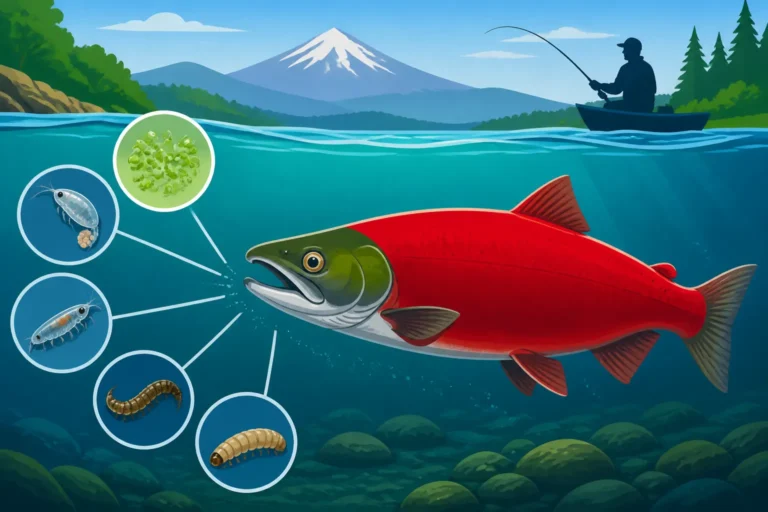
Like all Pacific salmon, Coho are anadromous, meaning they begin their lives in freshwater, migrate to the ocean to grow and mature, and then return to their natal rivers to spawn and complete their life cycle. It's an epic journey, fueled by an instinct that’s nothing short of miraculous. Most Coho spend about a year in freshwater streams, growing from tiny alevins to parr, feeding on insects and small crustaceans, and honing their survival skills. They then undergo a physiological transformation, becoming smolts, which are ready to venture into the vast Pacific Ocean.
Out in the ocean, Coho spend typically one to two years feasting and growing fat, building the energy reserves they’ll need for their arduous return journey. When the time is right, usually from late summer through fall, these magnificent fish begin their migration back to the freshwater systems of Oregon. They navigate incredible distances, often overcoming significant obstacles like strong currents, rapids, and predators, driven by the innate urge to reproduce. Once they reach their spawning grounds – often small, clear tributary streams with gravel bottoms – the females dig redds (nests), deposit their eggs, and the males fertilize them. After this incredible act of perpetuation, the adult Coho, having expended all their energy, will die, contributing vital nutrients back to the river ecosystem. The health of these freshwater habitats is absolutely crucial for the survival of Coho juveniles, providing the nursery grounds where the next generation will begin its incredible journey.
Identifying Coho Salmon: What to Look For
When you're out on the water, especially during the peak salmon runs, it's easy to get excited and maybe even a little confused. With several species of salmon and various steelhead runs making their way up Oregon's rivers, knowing exactly what you've hooked is crucial, not just for bragging rights, but for adhering to specific regulations. The good news is, Coho salmon have some pretty distinct features once you know what to look for.
Key Physical Characteristics
Fresh from the ocean, Coho salmon are often called "silvers" for a very good reason. They are strikingly bright, with a vibrant metallic silver body that gradually darkens as they move into freshwater and approach spawning. A key identifier for Coho is the presence of small, scattered spots primarily on the upper lobe of their caudal (tail) fin, and typically along their back. Unlike Chinook salmon, which often have spots covering both lobes of their tail, Coho tend to have a clearer, unspotted lower lobe.
Another critical feature to examine is their gum line. If you can safely get a look inside their mouth, Coho typically have a white or pale gum line, especially on the lower jaw, which contrasts sharply with the often entirely black gum line of a Chinook. Their snout also tends to be more pointed than the blunter snout of a Chinook. The tail itself is generally less forked than that of a Chinook and can appear slightly squared off or even a little convex in some individuals. As they progress upstream and get closer to spawning, their appearance undergoes a dramatic transformation. Males in particular can develop a pronounced hooked jaw (kype) and their silver bodies turn a brilliant, fiery red on the sides, with darker backs and heads. Females will also change color, though often less intensely, taking on darker, reddish-brown hues. This coloration is a clear sign of their readiness to spawn.
Differentiating from Other Salmon and Steelhead
Distinguishing Coho from other salmon species, especially Chinook, is probably the most common challenge. As mentioned, the gum line is a major giveaway: How to identify a hatchery Chinook versus wild Chinook provides more detail, but generally, white gums indicate Coho, while black gums point to Chinook. Chinook also tend to be larger, more robust fish with a deeper body shape. Sockeye salmon, while also present in some Oregon waters, are less frequently encountered by most anglers and turn a distinctive bright red with green heads during spawning, making them fairly easy to differentiate.
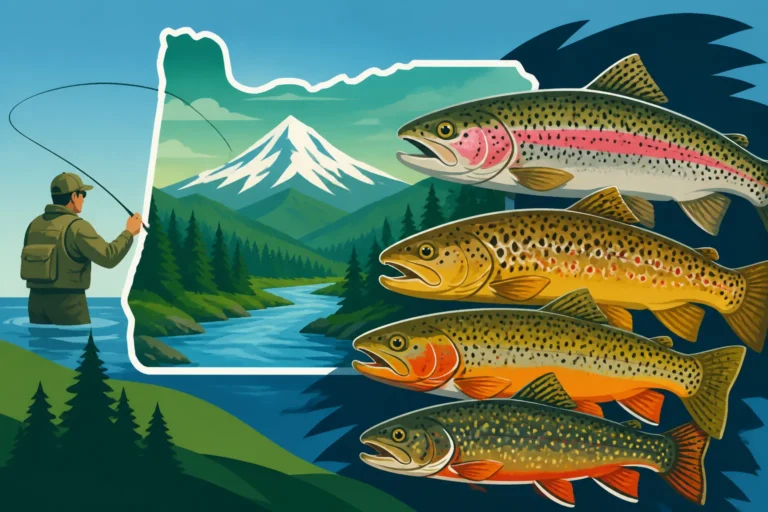
Then there's the steelhead, which is essentially a rainbow trout that migrates to the ocean. Steelhead often retain a more pronounced "rainbow" stripe along their sides, even in their ocean-run phase, and their spots are usually more uniform and spread out over their entire body, including the tail. Telling a Coho apart from a steelhead is critical because regulations for these two species are often very different, especially concerning wild fish. Steelhead often have an adipose fin present (if wild), whereas many hatchery Coho will be adipose fin-clipped. Knowing these distinctions is not just academic; it directly impacts whether you can legally retain your catch, making a quick, accurate identification on the water absolutely essential for responsible angling. You don't want to accidentally keep a wild steelhead when you thought you had a hatchery Coho, or vice versa, so take your time and learn these key characteristics.
Coho Seasons and Where to Find Them in Oregon
One of the most exciting aspects of Coho fishing in Oregon is the anticipation of their return each year. Timing is everything when it comes to intercepting these migrating beauties, and knowing where to be at the right when can make all the difference between a memorable day and a quiet one. Oregon offers diverse opportunities, from the vast ocean to winding coastal rivers and even some surprising inland spots.
Ocean and Coastal River Runs
The journey for Coho typically begins in the ocean, where they are targeted by recreational and charter boats before they even enter the river mouths. Ocean Coho fishing can be fantastic, offering fast action when the schools are located. These fish are chrome bright and full of fight, often taking trolled gear such as flashers with bait or spoons. After their ocean stint, the Coho begin their push into Oregon's numerous coastal rivers. This migration typically kicks off in late summer and continues through the fall, with peak runs often occurring from September into October, though this can vary annually based on water levels and temperatures.
Oregon's coastal rivers are legendary for their fall Coho runs. Think of iconic waterways like the Nehalem, Trask, and Wilson Rivers in the Tillamook Bay area, or further south, the Siletz, Alsea, Siuslaw, Umpqua, and Coquille Rivers. Each river system has its own nuances, with Coho holding in different pools, runs, and tidewater sections depending on the stage of the run and the river conditions. The lower Columbia River and its tributaries, while famous for Chinook, also see significant Coho returns, especially in the mainstem and larger feeders like the Cowlitz and Lewis on the Washington side, and the Willamette on the Oregon side. For deeper dives into specific locations, you might want to check out resources like Oregon Coast Fishing Spots or Columbia River Fishing Guide. These guides can help you pinpoint areas that are historically productive, but always remember that Coho are migratory, so they're on the move!
Inland Fisheries and Lake Stocking
While Coho are primarily known for their anadromous runs, there are some unique situations and historical efforts related to Coho in Oregon's inland waters. Occasionally, landlocked populations of Coho can develop in certain reservoirs or lakes, particularly those with conditions suitable for their survival and where they might have been stocked or somehow isolated from ocean access. These fish don't typically grow to the same size as their ocean-going counterparts, but they can still provide an interesting angling opportunity.
However, the most common inland interaction with Coho outside of the lower river systems would be specific stocking programs. Oregon Department of Fish and Wildlife (ODFW) has, in the past, released Coho smolts into various waterways, including some larger lakes, with the intent of bolstering returns or creating unique recreational fisheries. It’s always best to consult the most current ODFW stocking schedules and fishing regulations for any specific lake or reservoir, as these programs can change and are highly localized. For the vast majority of anglers, the most reliable and exciting Coho action will be found in the estuaries and lower river stretches of the coastal systems and the lower Columbia, where the fresh-from-the-ocean "silvers" make their triumphant return. While inland Coho might be a rare treat, the real game is usually found closer to the saltwater entry points.
Essential Gear and Techniques for Coho Fishing
Tackling Coho salmon requires a thoughtful approach to your gear and a mastery of a few key techniques. These fish are powerful, and they can be particular, so having the right tools for the job can make all the difference between a successful outing and a frustrating one. Let's break down what you'll need and how to use it.
Rods, Reels, and Line Choices
For Coho, you'll want a rod that offers a good balance of power for fighting these strong fish and sensitivity for detecting subtle bites. A medium-heavy to heavy power rod, typically 8 to 10 feet in length, with a moderate-fast to fast action, is a solid choice. This allows for long casts with various lures and baits, while also providing the backbone to handle hard-fighting salmon. If you're planning to troll from a boat in an estuary, a slightly shorter, more robust downrigger rod might be appropriate. For spinning setups, brands like Shimano or Penn offer reliable reels that can handle the drag necessary for Coho. For baitcasting setups, a good quality level-wind reel with a strong drag system is essential.
When it comes to line, many anglers opt for a main line of braided superline, ranging from 20 to 50 lb test. Braid offers incredible strength, sensitivity, and a smaller diameter for its breaking strength, allowing for better casting distance and less resistance in current. Because braid is so visible, it's almost always paired with a fluorocarbon leader, usually 15 to 30 lb test, depending on water clarity and the size of the fish you're targeting. Fluorocarbon is nearly invisible in water and has excellent abrasion resistance, which is crucial when fighting fish in rocky or woody areas. Having a variety of leader strengths on hand is always a good idea, allowing you to adapt to changing conditions and fish preferences. Many anglers find great deals on these line types, especially quality fluorocarbon leaders, on platforms like Amazon.
Baits, Lures, and Flies That Entice Coho
Coho salmon can be aggressive eaters, and they respond well to a variety of offerings. When it comes to bait, cured salmon roe is an absolute classic. The natural scent and vibrant color can be irresistible to migrating salmon. Shrimp, especially coon stripe shrimp, are another highly effective bait, often fished under a float or drifted in current. For anglers who prefer lures, spinners are a perennial favorite. Sizes #3 to #5 in bright colors like chartreuse, pink, orange, or green, often with silver or gold blades, can be incredibly effective. Spoons, such as the famous Pixee and similar designs, also shine, especially when retrieved with an erratic action. Twitching jigs, often in pink, chartreuse, or black, are gaining popularity, particularly for aggressive Coho in shallower water. For more specific lure recommendations, refer to Best Lures for Oregon Salmon Fishing.
Fly anglers also have excellent opportunities for Coho. Large, flashy streamer patterns, often tied in chartreuse, pink, blue, or black, are very effective. Intruder-style flies, with their articulated bodies and flowing materials, can mimic baitfish and provoke aggressive strikes. The key with flies, as with lures, is to match the presentation to the water conditions and the fish's mood. Sometimes a fast, erratic retrieve works best, while other times a slow, swinging presentation is key. Having a diverse selection of baits, lures, and flies, along with a keen eye for what the fish are responding to, will maximize your chances.
Popular Fishing Methods for Coho
The method you choose for Coho fishing will largely depend on the specific location and conditions. In estuaries and the lower river sections, particularly from a boat, trolling is a highly effective technique. This involves slowly motoring while dragging lures or bait, often behind flashers or dodgers that attract attention. The speed and depth are critical, so having a good understanding of your electronics and current conditions is important.
As Coho move further upstream into the rivers, drift fishing becomes incredibly popular. This involves presenting your bait or lure (often cured roe, shrimp, or small jigs) to the fish by allowing it to "drift" naturally with the current, either suspended under a float (float fishing) or bouncing lightly along the bottom with lead (bottom bouncing). This method closely mimics how natural food sources would move downstream. For deeper dives into this, articles like Bobber and Jig Technique for Oregon Salmon can provide excellent insights.
Plunking is another effective method, particularly for bank anglers in areas with strong current. This involves anchoring a heavy weight to the bottom, often with a large spin-n-glo or a cluster of salmon eggs on a leader, and letting the current do the work. The scent and vibration attract fish as they migrate upstream. Finally, twitching jigs has become a favorite, especially in shallower, slower-moving water. Anglers cast a lead-head jig and then impart a "twitch-twitch-pause" retrieve, making the jig dart and dance, often provoking explosive strikes from nearby Coho. Each of these methods has its time and place, and a versatile angler will be familiar with several to adapt to whatever the river throws their way.
Oregon Coho Regulations and Conservation Efforts
Fishing for Coho salmon in Oregon isn't just about the thrill of the catch; it's also about being a responsible steward of the resource. Understanding and adhering to the specific regulations is paramount, and it plays a critical role in the ongoing conservation efforts to ensure healthy Coho populations for future generations.
Understanding Bag Limits and Size Restrictions
The Oregon Department of Fish and Wildlife (ODFW) establishes detailed regulations for Coho salmon, and these can change annually based on forecasted returns, conservation needs, and agreements with tribal and federal agencies. It is absolutely essential that every angler check the current ODFW Sport Fishing Regulations booklet or website before heading out. Relying on last year's rules or word-of-mouth can lead to serious fines and penalties. For a comprehensive overview, you can refer to Oregon Fishing Regulations Explained.
Typically, regulations will specify daily bag limits (how many fish you can keep in a 24-hour period), possession limits (how many you can have in your cooler or at home), and sometimes size restrictions (minimum or maximum lengths). A crucial aspect of Coho regulations, and salmon fishing in general, is the distinction between hatchery and wild fish. To help conserve wild populations, many areas have rules requiring the release of wild Coho, while allowing retention of fin-clipped hatchery fish. Hatchery Coho are typically marked with an adipose fin clip – a small fleshy fin located between the dorsal fin and the tail is removed when they are smolts. How to identify a hatchery Chinook versus wild Chinook can offer further insights into fin clips. Anglers are responsible for correctly identifying their catch and knowing whether it's a legal hatchery fish or a protected wild one. This often means carefully examining the fish before deciding to retain or release it. Additionally, be aware of "anti-snagging" rules that define legal hook positions and fishing methods, aimed at ensuring fair pursuit of fish.
The Importance of Conservation
The continued health of Oregon's Coho salmon populations depends heavily on robust conservation efforts, and every angler plays a part. Wild Coho face numerous challenges, including habitat loss and degradation from logging, development, and pollution; barriers to migration like culverts and dams; and the impacts of climate change on ocean conditions and water temperatures. For example, some fish passage issues, like those addressed along the Deschutes River Fishing Guide, are directly related to salmon and steelhead survival.
Conservation initiatives often focus on habitat protection and restoration, such as restoring riparian zones, removing outdated culverts, and ensuring adequate water flows. Selective fisheries, which encourage the release of wild fish, are a critical management tool. Catch-and-release practices for wild Coho, even in areas where some wild fish retention might be allowed, help reduce impact on these sensitive populations. Learning to properly handle fish you intend to release – minimizing air exposure, using wet hands, and supporting their body – is a vital part of ethical angling. Beyond regulations, understanding the broader ecological picture, the interconnectedness of rivers, estuaries, and the ocean, helps foster a deeper appreciation for Coho and promotes a mindset of responsible stewardship. This commitment ensures that the silver flash of a Coho will continue to grace Oregon's waters for generations to come.
Tips for a Successful Coho Salmon Outing
Landing Coho salmon consistently isn't just about having the right gear; it's about understanding their behavior, knowing when and where to present your offerings, and being prepared for the conditions you'll encounter on the water. A little planning and local knowledge can go a long way.
Timing Your Trip and Reading the Water
One of the biggest factors in Coho success is timing. While their general runs occur from late summer through fall, the exact peak can vary year to year and river to river, heavily influenced by rainfall and water levels. Early season Coho in the estuaries or lower rivers are often chrome-bright and aggressive. Later in the season, as more rain arrives and rivers rise, fish push further upstream. Keeping an eye on river flow rates, water clarity, and temperature reports can give you a significant advantage. A rising, slightly colored river after a rain often signals a fresh push of fish. Too clear and low, and fish might be spooky; too high and muddy, and they might be hard to find. Checking local fishing reports or talking to bait shops can provide valuable real-time information.
For estuary fishing, understanding the tides is paramount. Incoming tides often bring fresh fish into the system, and fishing around the tide changes can be very productive. Dawn and dusk are almost always prime times for salmon fishing, as fish tend to be more active and less wary during lower light conditions. Be prepared to start early! It's not uncommon for the best bite to happen in the first hour or two after sunrise. Knowing where the fish are likely to hold – behind structure, in seams, or in deeper pools – will help you "read the water" more effectively. This intuitive skill comes with experience, but consciously looking for these features will accelerate your learning. For more general timing information, guides like Oregon Fishing Season Dates and Limits can provide a good overview.
Safety and Etiquette on the Water
Safety should always be your top priority when fishing for Coho, especially in rivers with strong currents or when operating a boat. If you're wading, always use a wading staff and wear appropriate waders that fit well. Many anglers opt for self-inflating PFDs (Personal Flotation Devices) when wading in deeper or faster water, and they are legally required on boats for certain age groups. Always let someone know where you're going and when you expect to return. The weather in Oregon can change rapidly, so be prepared for rain, wind, and sudden drops in temperature. Layered clothing is your best friend.
Beyond personal safety, practicing good etiquette on the water is crucial for a pleasant experience for everyone. This means respecting other anglers' space – don't crowd someone who's already fishing a hole. If you're drift fishing, try to maintain a reasonable distance behind the angler upstream from you and be mindful of your presentation so you don't swing your gear into their line. If you're on a boat, be aware of bank anglers and give them a wide berth. Dispose of all trash properly, leaving no trace behind. When you land a fish, especially if it's a wild one you intend to release, handle it with care: keep it in the water as much as possible, use wet hands, and revive it gently until it swims away strongly. These practices ensure the health of the fish and foster a positive community of anglers. For more insights on general rules, you might find Oregon Fishing Rules for Kids and Seniors helpful, as it often touches on basic good practices.
Where the Wild Coho Roam: Top Oregon Rivers
Oregon is blessed with a network of rivers that are vital arteries for Coho salmon. While specific runs and conditions vary, certain rivers consistently stand out as prime destinations for those seeking these magnificent silver fighters. Knowing these key waterways can help you plan your adventures and increase your chances of success.
Coastal River Gems for Coho Anglers
When anglers talk about Coho in Oregon, the conversation inevitably turns to the state's incredible coastal rivers. These shorter, steeper systems, fed by abundant rainfall, offer fantastic spawning and rearing habitat for Coho. The Nehalem River in the north is a perennial favorite, known for its strong fall Coho runs, particularly in the lower estuary and up through its mainstem and tributaries. Anglers here find success with trolling, drift fishing, and plunking. Just south, the Trask and Wilson Rivers, flowing into Tillamook Bay, are also Coho powerhouses. They offer diverse opportunities from tidewater to upper river sections, drawing large numbers of fish, especially after the first significant fall rains.
Further down the coast, rivers like the Siletz, Alsea, and Siuslaw consistently produce good Coho returns. The Siletz, known for its pristine waters, offers beautiful fishing grounds, while the Alsea and Siuslaw provide excellent options closer to the ocean, particularly for boat anglers in their estuaries. Even further south, the Umpqua River and its tributaries, and the smaller Coquille River, offer southern Oregon anglers some great Coho action. Each of these rivers has its own charm and favored fishing spots, often detailed in local tackle shops or community forums. Consulting a general guide like Oregon Fishing Spots by Region can give you an even broader picture of where to focus your efforts. These coastal rivers are not just fishing destinations; they are vital ecosystems, and the Coho salmon are a testament to their health and beauty.
Columbia River Basin Coho Opportunities
While the Columbia River often gets the spotlight for its massive Chinook runs, it also offers significant Coho salmon opportunities, especially in its lower stretches and certain tributaries. The mainstem Columbia itself, particularly below Bonneville Dam, can see impressive numbers of Coho pushing upstream from late summer into fall. Anglers often target these fish by trolling in the larger expanses of the river or by drift fishing from shore or boat in the current seams. These Coho are typically fresh from the ocean, incredibly strong, and put up an excellent fight.
Beyond the mainstem, several Oregon tributaries to the Columbia, while not as historically Coho-centric as the coastal rivers, can offer localized opportunities. The Willamette River, for instance, sees a Coho run, though often overshadowed by its Spring Chinook. These fish tend to enter the lower Willamette and then disperse into its numerous tributaries, offering unique fishing experiences closer to urban areas like Portland and Salem. Similarly, other smaller streams that feed the lower Columbia or its larger tributaries might have smaller, localized Coho returns. These opportunities might require more research and scouting but can offer a quieter, more intimate fishing experience away from the busier mainstem. Always check the specific regulations for the Columbia River and its tributaries, as they can be complex and differ from coastal river rules. For more general details, Oregon and Washington License Reciprocity on the Columbia provides important licensing info for cross-state angling, which is often relevant in this massive river system.
Coho Culinary Delights and Preservation
So, you've successfully identified your hatchery Coho, navigated the regulations, and had an incredible fight. Now comes one of the best parts: preparing your catch for the table! Coho salmon are not only exciting to catch but are also absolutely delicious, offering a rich, flavorful meat that's a true culinary delight.
From River to Table: Preparing Your Catch
Coho salmon are prized for their firm, orange-red flesh, which is rich in healthy omega-3 fatty acids. To ensure the best eating quality, proper handling of your catch from the moment it's landed is crucial. The first step is to dispatch the fish quickly and humanely. A swift blow to the head or a technique called "ike-jime" (a spike to the brain) is ideal, minimizing stress and preserving meat quality. Next, bleeding the fish thoroughly is highly recommended. You can do this by cutting the gills or the artery under the throat and allowing the fish to bleed out in cool water or a cooler. This removes any residual blood, which can impart an "off" flavor.
Once bled, get your Coho on ice as quickly as possible. A cooler filled with ice is indispensable. The colder you keep the fish, the better the quality of the meat will be. Back home, you can fillet your Coho into beautiful, skin-on or skin-off portions. Remove the pin bones with a pair of pliers, and you're ready to cook. Coho is incredibly versatile: it's fantastic baked, grilled, broiled, pan-seared, or smoked. Its flavor profile stands up well to a variety of seasonings, from simple salt and pepper and a squeeze of lemon to more elaborate marinades. Many anglers also like to cure and smoke their Coho, creating a truly unforgettable treat.
Preserving Your Catch for Future Enjoyment
While a fresh Coho dinner is hard to beat, you'll often catch more fish than you can eat in one sitting. Proper preservation ensures you can enjoy your harvest for months to come. Freezing is the most common method, and doing it correctly will prevent freezer burn and maintain flavor. The best way to freeze salmon fillets is to vacuum seal them. A good quality vacuum sealer removes all air, preventing oxidation and preserving the texture and taste of the fish. If you don't have a vacuum sealer, you can use the "water bath" method: place fillets in freezer bags, fill with water to cover the fish, and squeeze out as much air as possible before sealing and freezing. The ice block created will protect the fish from air exposure.
Another popular method of preservation is smoking and canning. Smoked salmon, whether hot-smoked or cold-smoked, is a delicious delicacy. Many people then pressure can their smoked salmon, creating shelf-stable jars that are perfect for gifts or emergency meals. Canned salmon can be used in salads, sandwiches, or as a standalone snack. Remember to label all your frozen or canned fish with the date it was caught and processed, so you can easily track its freshness. Taking the extra steps to properly handle and preserve your Coho will ensure that the joy of the catch extends far beyond your day on the water, providing you with delicious meals and memories for a long time.
Comparison: Coho Salmon vs. Chinook Salmon
To help you distinguish between two of Oregon's most popular salmon species, here's a quick comparison.
| Feature | Coho Salmon (Oncorhynchus kisutch) | Chinook Salmon (Oncorhynchus tshawytscha) |
|---|---|---|
| Common Nickname | Silver Salmon | King Salmon, Blackmouth, Tyee |
| Average Size | 6-12 lbs; up to 20+ lbs | 10-50 lbs; often 30+ lbs, can exceed 70 lbs |
| Gum Line Color | White or pale gums on the lower jaw | Entirely black gum line |
| Spots on Tail | Spots mainly on the upper lobe of the tail fin | Spots on both upper and lower lobes of the tail |
| Body Shape | More slender, torpedo-shaped | More robust, deeper body, thicker caudal peduncle |
| Spawning Color | Males bright red, females darker with red flanks | Males dark red/maroon, females dark olive/brown |
| Peak Run Timing | Late summer to fall (Sept-Oct generally) | Spring (April-June) and Fall (Aug-Oct) runs |
| Fight Style | Acrobatic, jumpers, fast runs | Powerful, deep, sustained runs |
| Fin Clip | Often adipose fin-clipped (hatchery) | Often adipose fin-clipped (hatchery) |
This table provides a quick reference, but remember that individual fish can vary, and environmental factors can influence appearance. Always double-check current regulations for fin-clipped requirements and retention rules. Oregon Combined Angling Tag Guide might also be helpful to understand what tags you need for different species.
Disclaimer
This article is for general informational purposes only and does not constitute professional advice. Laws, prices and regulations vary by location and change over time. Consult a qualified professional for guidance on your specific situation.