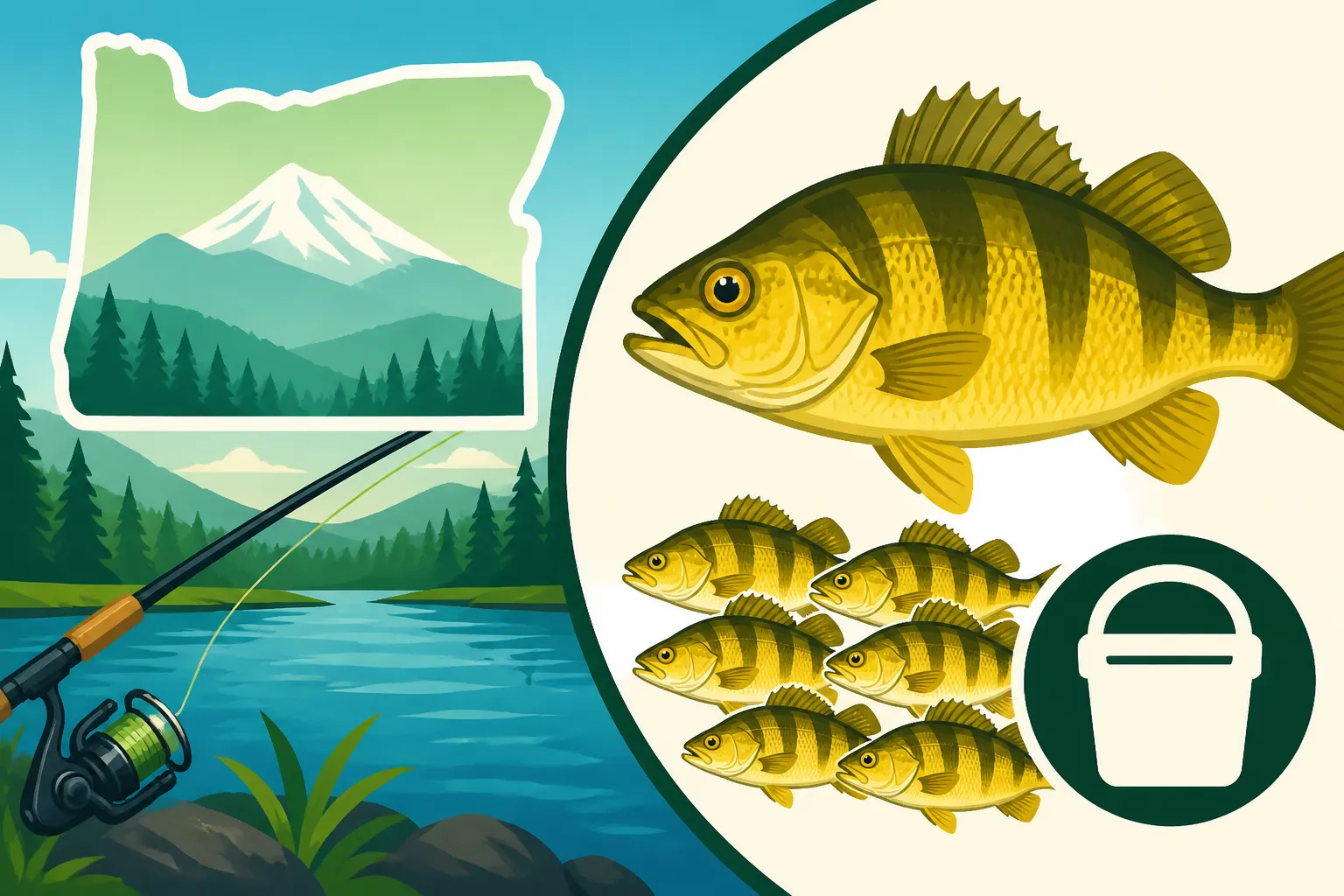
What is the daily limit for yellow perch in Oregon
There's nothing quite like a day out on the water, feeling that tell-tale tug on your line, and pulling in a stringer of feisty yellow perch. They're a fantastic fish for anglers of all ages and skill levels, offering consistent action and a delicious meal. However, the world of fishing regulations can sometimes feel like a tangled mess of monofilament, and figuring out the exact daily limit for a species like yellow perch in Oregon can leave even seasoned veterans scratching their heads. This guide is here to untangle that confusion, explain Oregon's approach to these popular panfish, and help you understand exactly what you can keep.
Understanding Oregon's Approach to Yellow Perch Regulations
When it comes to yellow perch, Oregon's fishing regulations have a unique flavor compared to some other popular game fish. While you might find strict limits on salmon, steelhead, or even certain trout species, the rules for panfish like yellow perch often reflect a different management philosophy. It’s not just about protecting individual fish, but sometimes about managing entire ecosystems.
Why Yellow Perch Regulations Might Surprise You
Many anglers are accustomed to seeing very specific, often low, daily bag limits for prized species. Think about the careful limits on Oregon Salmon Species Guide or the precise rules for Oregon Steelhead Guide. These limits are put in place to ensure sustainable populations, protect wild runs, and manage harvest pressure on species that face significant conservation challenges. Yellow perch, however, often fall into a different category. They're prolific spawners, adaptable, and can, in some systems, even become overabundant, outcompeting native species for food and habitat.
Because of their ability to reproduce quickly and thrive in a variety of environments, the Oregon Department of Fish and Wildlife (ODFW) sometimes encourages harvest of yellow perch, especially in certain lakes and reservoirs where they aren't native or where their populations are booming. This isn't always the case, but it's why you might encounter rules that seem incredibly generous, or even non-existent, compared to what you'd expect for other fish. It’s a conservation strategy aimed at balancing ecosystems, rather than solely preserving a particular species. This distinction is crucial to understanding why the limits are what they are.
General Statewide Rules for Panfish
So, let's get down to brass tacks: what's the general deal with yellow perch? For many years, and still in many waters across the state, yellow perch in Oregon have no daily bag limit. That's right, you read that correctly. For a substantial number of lakes, ponds, and reservoirs, if you're targeting yellow perch, you can often keep as many as you can legally catch. This is a common regulation for "warmwater game fish" or "panfish" in certain areas, particularly where ODFW wants to promote their harvest.
This isn't a license to waste fish, of course. Ethical angling always dictates that you only keep what you will use and properly care for your catch. However, it does mean that if you hit a school of hungry perch in a lake with no specified limit, you could potentially fill your cooler. This generosity often extends to other panfish as well, like bluegill and crappie, which also have robust populations in many of Oregon's warmwater fisheries. But remember, "no daily limit" isn't a blanket statement for all fish in all waters; it's specific to certain species and locations.
How ODFW Manages Perch Populations
The Oregon Department of Fish and Wildlife (ODFW) employs a nuanced approach to managing yellow perch and other warmwater species. Unlike the intensive management required for anadromous fish like salmon and steelhead, which involves complex run timing, hatchery programs, and international treaties, perch management is more localized. ODFW biologists monitor perch populations in various waters through netting, electrofishing surveys, and angler reports. If a particular lake shows signs of an overabundance of perch, where they're stunting in size or negatively impacting other species, ODFW might continue or even strengthen the "no limit" policy.
Conversely, if a fishery is managed for trophy-sized perch or if perch populations become stressed for some reason (though this is less common with yellow perch), specific limits might be introduced or changed. This adaptive management means that what was true last year might have a slight tweak this year, emphasizing the need to consult the most current regulations. They're constantly evaluating the health of these fisheries to ensure that angling opportunities remain excellent while maintaining ecological balance.
Navigating Specific Waterbodies and Their Exceptions
While the general rule for yellow perch often leans towards a very generous or even unlimited daily bag, it's absolutely critical to understand that this is not universal. Oregon's fishing regulations are highly site-specific, meaning the rules for one lake might be completely different from a river just a few miles away. This can be a source of frustration for anglers, but it’s designed to protect the unique ecosystems of each body of water.
Common Scenarios and Potential Variations
The most common scenario you'll encounter is indeed the "no daily limit" for yellow perch in many of Oregon's warmwater lakes and reservoirs. Think of popular spots like Tenmile Lakes near Coos Bay, or parts of the John Day River, where perch populations are thriving. These are often places where perch were introduced, are not native, or are simply so abundant that heavy harvest doesn't threaten the population. In fact, removing a good number of these fish can sometimes benefit the overall health of the fishery by reducing competition for food and space, allowing other species to grow larger.
However, there are exceptions. Sometimes, in certain smaller ponds or specific management zones, you might find a specific daily limit imposed. This could be to protect a newly established population, to manage for larger fish size, or as part of broader "mixed bag" limits that apply to all panfish in a particular area. For instance, some community fishing ponds designed for families might have a universal "10 panfish per day" rule, regardless of species, to spread the catch among more anglers. It's less common for perch specifically to have a low limit, but it's not impossible, particularly if they are being managed as a more premium sport fish in a confined body of water. Always check the rules for the specific body of water you intend to fish.
Checking the Latest Regulations for Your Fishing Spot
This is perhaps the single most important piece of advice: always check the current Oregon Sport Fishing Regulations for the specific body of water you plan to fish. Relying on old information or hearsay is a surefire way to accidentally break the rules. ODFW publishes a comprehensive regulation booklet annually, and it's your bible for understanding what's allowed. You can typically find a digital version on the ODFW website, or pick up a physical copy at most license vendors, like sporting goods stores, or even some Walmarts.
When you look it up, don't just skim. Find the section for the specific river, lake, or reservoir you're visiting. Look under the "Warmwater Game Fish" or "Panfish" category. The regulations will explicitly state if there's a daily limit for yellow perch, and if so, what that number is. If it doesn't mention a specific limit for yellow perch in that particular water, and it falls under the general warmwater regulations, it's likely "no daily limit." But never assume. A quick check can save you a potential fine and ensure you're fishing responsibly. You'll also want to look for Oregon Fishing Season Dates and Limits for other species you might encounter.
The Importance of Local Knowledge and Resources
Beyond the official regulations, tapping into local knowledge can be incredibly valuable. Bait and tackle shops near your chosen fishing spot are treasure troves of information. The folks who work there are often avid anglers themselves, and they hear about regulation changes, local nuances, and what's biting where, almost as soon as it happens. They can confirm the specific limits for the waters they serve and offer tips on techniques or current conditions.
Online fishing forums and local angling groups on social media are also excellent resources. Just be sure to cross-reference any information with the official ODFW regulations, as anecdotal information, while helpful for tactics, isn't always 100% accurate regarding the law. Connecting with the local angling community can also point you to less-known but productive perch fisheries, helping you expand your horizons beyond the most popular spots.
Practical Tips for a Successful and Compliant Perch Fishing Trip
Alright, so you've got the lowdown on the daily limits for yellow perch in Oregon – or often, the delightful lack thereof! Now, let's talk about putting that knowledge into practice to have a truly successful and enjoyable trip. Catching yellow perch is usually pretty straightforward, which makes them such a great target, but a few pointers can make all the difference.
Essential Gear and Techniques for Perch
One of the beautiful things about yellow perch fishing is that you don't need a boatload of expensive, specialized gear. They're not picky! A simple spinning rod and reel combo, something light to medium-light, is perfect. You'll want to spool it with 4 to 8-pound test monofilament or fluorocarbon line. Light tackle makes the fight much more fun and allows for better bait presentation.
For bait, yellow perch are opportunistic feeders. Worms, especially nightcrawlers cut into pieces, are absolute perch magnets. Small minnows, pieces of shrimp, or even corn can also work wonders. If you're into artificials, tiny jigs tipped with a grub or a piece of worm, small spinners, or even little spoons can be incredibly effective. The key is often small and flashy, or smelly and natural.
A simple rig:
- Bobber Rig: A small slip bobber, a few split shot weights to get your bait down, and a size 6 or 8 hook. This is fantastic for fishing suspended fish or over weed beds.
- Bottom Rig: A small bell sinker (1/8 to 1/4 ounce) at the bottom, with one or two snelled hooks (size 6-8) tied above it on short leaders. This keeps your bait near the bottom where perch often forage.
Don't forget a pair of needle-nose pliers for hook removal, a small cooler with ice to keep your catch fresh (especially if you're taking advantage of those generous limits!), and perhaps a pair of gloves if you're sensitive to their spiny dorsal fins. You can find excellent, affordable gear on platforms like Amazon if you're looking to stock up before your trip.
Ethical Angling and Conservation Practices
Even with a "no daily limit" regulation, responsible angling is paramount. This means only keeping what you will truly consume and not wasting fish. If you find yourself catching more than you can reasonably eat or process, consider switching to catch-and-release, or moving to a different spot. Releasing fish safely involves minimizing handling, especially out of the water, and using barbless hooks or crushing the barbs on your hooks to make removal easier.
Another crucial aspect of ethical angling is preventing the spread of aquatic invasive species. Always clean, drain, and dry your boat, waders, and gear between fishing trips to different water bodies. This simple practice helps protect Oregon's precious aquatic ecosystems from threats like New Zealand mud snails or invasive aquatic plants that can hitch a ride on your equipment. Education on Oregon Fishing Regulations Explained and careful adherence helps maintain healthy fisheries for everyone.
Planning Your Trip Beyond the Daily Limit
Your perch fishing adventure isn't just about the fish count; it's about the entire experience. Oregon offers a diverse range of fishing opportunities, from peaceful high mountain lakes to expansive reservoirs and slow-moving rivers. Think about the kind of experience you want. Are you looking for a quiet day of solitude, or a bustling family outing? Many lakes that hold abundant yellow perch are also excellent places for a picnic, kayaking, or wildlife viewing.
Consider the time of year and day. Perch are often most active during cooler parts of the day, like early mornings and late evenings, or during cooler seasons like spring and fall. However, in deep reservoirs, they can be caught year-round. Always check local weather conditions and water temperatures. Having a comfortable chair, plenty of water, snacks, and sun protection (even on cloudy Oregon days!) will make your outing much more enjoyable. And remember, the thrill of the catch is only part of the fun; the time spent outdoors in Oregon's beautiful landscapes is truly priceless. You might even consider bringing a good Amazon guide book for local flora and fauna!
Beyond the Catch: Enjoying Your Yellow Perch
So, you've had a fantastic day on the water, you've adhered to the daily limits (or the generous lack thereof!), and now you have a cooler full of beautiful yellow perch. This is where the real reward comes in – preparing and enjoying your catch. Yellow perch are renowned for their delicate, flaky, and delicious white meat, making them a favorite table fare for many anglers. There's nothing quite like the taste of freshly caught fish you've harvested yourself.
Cleaning and Preparing Your Perch
Cleaning yellow perch is a relatively straightforward process, especially with a bit of practice. Their scales are fairly small, but their dorsal fin has sharp spines, so be careful! Most anglers choose to fillet perch, discarding the head and bones, leaving just the boneless meat.
Here's a basic filleting process:
- Rinse and Stabilize: Rinse the fish to remove any loose scales or debris. Place it on a clean cutting board. Some people like to use a fillet board with a clamp to hold the tail.
- First Cut: Make a cut behind the pectoral fin and gill plate, down to the backbone, but don't cut through it.
- Backbone Slice: Turn your knife and run it along the backbone, all the way to the tail. Keep the knife blade flat against the bones.
- Skinning: Once the fillet is detached from the backbone, place it skin-side down. Starting from the tail end, slide your knife between the skin and the meat, wiggling the knife back and forth while pulling the skin taught with your other hand. This takes a bit of practice but gets easier.
- Remove Rib Bones: Most perch fillets will have a small row of pin bones along the lateral line. You can either cut a small "V" shape around them to remove them, or use a pair of specialized fish tweezers to pull them out.
Once filleted, give your beautiful, boneless perch fillets a final rinse in cold water and pat them dry with paper towels. They are now ready for cooking! Proper cleaning and care ensure the best flavor. Having a sharp fillet knife, perhaps one you ordered from Amazon, makes the process much smoother and safer.
Delicious Ways to Cook Yellow Perch
Yellow perch are incredibly versatile in the kitchen. Their mild flavor and firm texture make them suitable for a wide variety of cooking methods. My personal favorite is pan-frying, which creates a wonderfully crispy exterior and tender, flaky interior.
Classic Pan-Fried Perch:
- Dredge: In a shallow dish, mix equal parts all-purpose flour and cornmeal, adding a good pinch of salt, black pepper, and perhaps some garlic powder or paprika.
- Coat: Lightly dredge each perch fillet in the flour/cornmeal mixture, shaking off any excess.
- Fry: Heat about 1/4 to 1/2 inch of oil (vegetable, canola, or peanut oil works well) in a heavy-bottomed skillet over medium-high heat. Once the oil is shimmering, carefully place the fillets in the hot oil. Don't overcrowd the pan.
- Cook: Cook for 2-4 minutes per side, depending on the thickness, until golden brown and cooked through. The fish should flake easily with a fork.
- Serve: Remove to a plate lined with paper towels to drain excess oil. Serve immediately with a squeeze of fresh lemon, tartar sauce, or a side of coleslaw.
Beyond pan-frying, you can also bake, broil, or grill perch fillets. They also make fantastic fish tacos or a light, refreshing fish salad. The key is not to overcook them, as their delicate flesh can dry out quickly. Whatever method you choose, you'll be enjoying one of Oregon's finest and most accessible culinary treasures. Make sure to share some with friends and family, and perhaps inspire them to get out and discover the joy of Oregon Fishing Techniques for Beginners themselves!
Disclaimer
This article is for general informational purposes only and does not constitute professional advice. Laws, prices and regulations vary by location and change over time. Consult a qualified professional for guidance on your specific situation.