Are bluegill good to eat?
It's a common question for many anglers, especially those new to the sport or looking to diversify their catch: "Are bluegill good to eat?" You’ve heard tales of their abundance and fighting spirit, but when it comes to bringing them home for dinner, some folks are hesitant. Let me tell you, if you're overlooking bluegill as a prime table fish, you're truly missing out on a delicious and readily available resource here in Oregon. This guide will take you through everything you need to know about why bluegill are a fantastic meal, how to prepare them, and some mouth-watering ways to enjoy your catch.
The Verdict on Bluegill as Table Fare
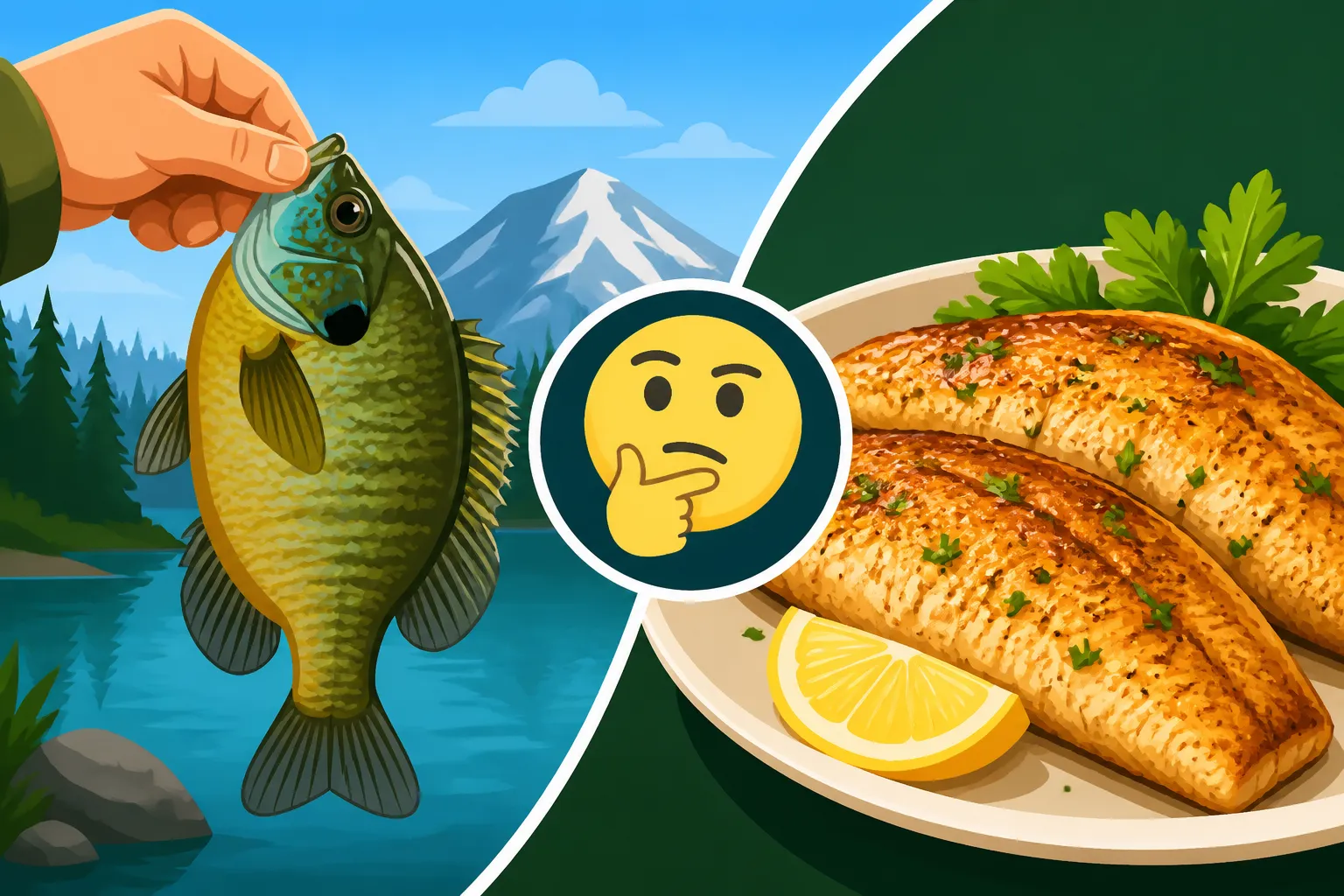
Let's cut right to the chase: yes, bluegill are absolutely good to eat! In fact, they are considered by many to be one of the finest-tasting freshwater panfish out there. They might be small, but what they lack in size, they more than make up for in flavor and quality. For families looking for an easy and rewarding fishing experience that culminates in a tasty meal, bluegill are practically unbeatable.
Flavor Profile and Texture
When you catch and clean a bluegill, you'll immediately notice its firm, bright white flesh. This isn't a mushy fish by any stretch. Cooked bluegill offers a wonderfully mild, sweet flavor that’s incredibly clean. It’s not overly "fishy," which makes it a fantastic option even for those who are a bit particular about seafood. The texture is delicate and flaky, almost melt-in-your-mouth tender, especially when cooked fresh.
Think of it like this: if you enjoy other freshwater panfish like crappie or perch, you'll likely love bluegill. They share that signature lean, white meat characteristic. Smaller bluegill might present a bit of a challenge with tiny bones if you don't fillet them properly, but larger specimens (often called "hand-sized" or "dinner plate" bluegill) are much easier to work with and yield generous, boneless fillets. The clean, sweet taste is a result of their diet, which often consists of insects, small crustaceans, and aquatic vegetation found in cleaner waters. This makes them a staple for many anglers and families across the country, and Oregon is no exception.
Nutritional Benefits
Beyond their delightful taste, bluegill also offer some excellent nutritional benefits. They are a very lean protein source, meaning they are low in fat and calories while still packing a punch of essential nutrients. A serving of bluegill can provide a good amount of protein, which is crucial for muscle repair and growth, along with various vitamins and minerals such as B vitamins, phosphorus, and selenium.
For folks watching their diet or simply looking for healthy meal options, bluegill fit the bill perfectly. Because they are typically caught in freshwater lakes, ponds, and slower-moving rivers, they also tend to have lower levels of contaminants compared to some larger, longer-lived fish species. Of course, it's always wise to check local consumption advisories for any specific body of water you're fishing in, but generally speaking, bluegill are a smart and healthy choice for the dinner table. It’s a great way to enjoy a meal you’ve personally harvested, adding to the satisfaction of the experience.
Sourcing and Preparing Your Oregon Bluegill
Part of the beauty of bluegill fishing in Oregon is how accessible and abundant these fish are. And once you've got them, preparing them for cooking is a skill that's easy to master, making that fresh catch even more rewarding.
Where to Catch Bluegill in Oregon
Oregon is blessed with a fantastic variety of fishing opportunities, and bluegill are no exception. These little fighters thrive in the warmer, shallower waters of many of our lakes, ponds, and slow-moving rivers and sloughs. You're likely to find them congregating around structures like submerged logs, weed beds, docks, or lily pads – anywhere they can find cover and food. They are often found in conjunction with other species, so you might be targeting Oregon Panfish Guide and end up with a mix.
Many smaller, community-stocked ponds across the Willamette Valley and into Central Oregon are teeming with bluegill, making them perfect spots for a family outing. Reservoirs in Eastern Oregon can also hold impressive populations. They are relatively easy to catch, often biting on simple baits like worms, crickets, or small artificial lures. This makes them an excellent target for beginners and kids. If you're wondering about general locations, exploring resources like Best Places to Fish in Oregon can point you towards waters that often hold bluegill alongside other popular species. Remember, even if you’re just doing catch-and-release, it's still fun to hook into these feisty fish!
Cleaning and Filleting Made Easy
Now, I know what some of you are thinking: "They're so small! Isn't it a huge hassle to clean them?" And while it's true that a dozen bluegill might take a little longer to clean than one large salmon, the process itself is straightforward and definitely worth the effort. For smaller bluegill, many anglers choose to simply scale and gut them, cooking them whole. The skin gets wonderfully crispy when fried, and the meat easily flakes off the bones.
However, for those hand-sized bluegill, filleting is the way to go to get those beautiful, boneless pieces of white meat. All you need is a sharp fillet knife (you can find some great options on Amazon), a cutting board, and maybe a pair of fish-cleaning gloves to get a good grip.
Here's a simplified breakdown:
- Scaling: Use a fish scaler or the back of your knife to scrape off scales from tail to head under running water.
- Gutting: Make a shallow cut from the vent to the gills on the belly, remove the entrails, and rinse thoroughly.
- Filleting (Optional but recommended for larger fish):
- Lay the fish flat on its side. Make a cut behind the gill plate, down to the backbone.
- Turn your knife blade flat and run it along the backbone towards the tail, separating the fillet from the rib cage.
- Flip the fillet over and carefully cut the skin off.
- Repeat on the other side.
Practice makes perfect! You'll get faster with each fish. If you're new to cleaning fish, watch a few online tutorials; it’s easier than it sounds. Having a good, sharp knife and maybe even a cleaning mat from Amazon can make all the difference.
Delicious Ways to Cook Bluegill
Once your bluegill are clean and ready, the culinary possibilities are pretty exciting! Their mild flavor makes them incredibly versatile, though frying remains a perennial favorite.
Classic Frying Techniques
When people think of eating bluegill, they often picture them pan-fried or deep-fried, and for good reason! This cooking method truly highlights their delicate texture and mild flavor.
- Pan-Frying: This is probably the most common and beloved method. You'll want to get a good skillet (cast iron works wonderfully) hot with a generous amount of oil or butter.
- Breading: Many anglers prefer a simple cornmeal crust. Mix cornmeal with a little flour, salt, pepper, garlic powder, and maybe a dash of paprika. Dredge your whole, gutted bluegill (or fillets) in this mixture.
- Cooking: Fry the fish for about 3-5 minutes per side, depending on thickness, until golden brown and cooked through. The skin will crisp up beautifully, and the meat inside will be tender and flaky. The key is not to overcrowd the pan, which can lower the oil temperature and lead to soggy fish.
- Deep-Frying: For a crispy, golden-brown experience reminiscent of a classic fish fry, deep-frying is excellent.
- Breading: Use a similar cornmeal or seasoned flour dredge, or even a beer batter for extra crunch.
- Cooking: Heat oil to around 350-375°F. Fry the bluegill (whole or fillets) for just a few minutes until they float and are golden. Again, avoid overcrowding.
Both methods produce incredibly flavorful results. Serve them hot with a squeeze of fresh lemon, a side of tartar sauce, and maybe some coleslaw or hushpuppies for a truly classic angler's meal. You’ll be surprised at how quickly these little fish disappear from the plate!
Beyond the Fryer: Alternative Cooking Methods
While frying is fantastic, don't limit your bluegill culinary adventures! Their delicate nature lends itself well to several other cooking methods.
- Grilling: If you have larger fillets, grilling can be a wonderful option. Brush the fillets with olive oil, season with salt, pepper, and herbs, and place them in a grilling basket or directly on a clean, oiled grill grate over medium-high heat. Cook for just a few minutes per side until they flake easily. The smoky flavor from the grill adds a fantastic dimension.
- Baking/Broiling: For a hands-off approach, baking or broiling bluegill fillets is super easy. Place seasoned fillets on a baking sheet. You can add a pat of butter or a drizzle of olive oil, or even a light breadcrumb topping. Bake at 375°F for 10-15 minutes, or broil for 5-7 minutes, until cooked through. This method keeps the kitchen cleaner and is perfect for a weeknight meal.
- Fish Tacos: Flaked, seasoned bluegill makes for incredible fish tacos. Simply cook the fillets (fried, baked, or grilled), then flake the meat and pile it into warm tortillas with your favorite toppings like shredded cabbage, salsa, and a creamy sauce. This is a fresh, vibrant way to enjoy your catch. You can even find cookbooks on Amazon dedicated to fish recipes that might inspire you!
Because bluegill are so lean, they cook quickly regardless of the method. The trick is to avoid overcooking, which can dry out the delicate flesh. Aim for that perfect flaky tenderness, and you’ll be a happy angler and chef.
Recipe Ideas and Pairings
The simplicity of bluegill flavor means it pairs well with a variety of seasonings and side dishes. You don't need to get overly fancy to make them shine.
- Simple Seasoning: A sprinkle of salt, fresh cracked black pepper, and a squeeze of lemon juice is often all you need. For a little more kick, try a blend of garlic powder, onion powder, and a touch of cayenne or paprika. Fresh dill or parsley also complement the fish beautifully.
- Citrus and Herbs: A classic combination that never fails. Before cooking, marinate your fillets briefly in lemon juice, olive oil, and chopped fresh herbs like parsley, chives, or thyme. This infuses a bright, fresh flavor into the fish.
- Creamy Sauces: A simple tartar sauce is a natural partner for fried bluegill. For baked or grilled fillets, consider a light butter-lemon-caper sauce or a creamy dill sauce.
- Side Dishes: Classic pairings include french fries, coleslaw, roasted vegetables, or a fresh green salad. For a heartier meal, serve with rice pilaf or mashed potatoes.
Imagine a warm summer evening in Oregon, fresh bluegill you caught earlier that day, crispy and golden, served with a big bowl of garden salad and some homemade tartar sauce. It's not just a meal; it's an experience that truly connects you to the outdoors and the bounty of our local waters.
Common Concerns and Best Practices
While bluegill are an excellent choice for the table, there are a few things to keep in mind to maximize your enjoyment and ensure responsible harvesting.
Size Matters: Maximizing Your Catch for the Table
One of the most frequent comments you'll hear about eating bluegill is about their size. It’s true, many bluegill are on the smaller side. If you're aiming for fillets, you'll want to target larger bluegill, generally those that are 7 inches or more. These "dinner plate" sized fish yield a decent fillet that's much easier to work with and minimizes the bone issue. Smaller fish are usually best cooked whole, where the bones are easier to manage after cooking.
If you specifically want larger bluegill, consider slightly larger baits or lures. While they'll still hit a worm, sometimes a small spinner or jig can entice the bigger, more aggressive fish. Fishing in areas with slightly deeper water around cover might also yield larger specimens, as the smaller ones tend to hang out in the very shallow, protected areas. It also helps to know your local waters. Some lakes are known for producing larger panfish, so do a little research before you head out. Don't forget to check Oregon Daily Bag Limits Explained to ensure you're harvesting within legal parameters.
Water Quality and Consumption Safety
As with any fish you plan to eat, being mindful of the water quality where you're fishing is paramount. Bluegill are often found in ponds and lakes, which can sometimes have different water quality characteristics than fast-moving rivers. Generally, bluegill are considered safe to eat from most healthy, accessible waters in Oregon. However, some bodies of water, particularly those near urban or agricultural areas, might have specific fish consumption advisories.
It's always a good practice to check the Oregon Health Authority or Oregon Department of Fish and Wildlife websites for any current advisories related to mercury or other contaminants in specific lakes or rivers. These advisories are usually clearly posted and provide guidance on how much of certain fish species can be safely consumed. For the most part, bluegill from cleaner, well-managed waters are a fantastic and safe source of protein. This is a general rule of thumb for all fish species, whether you're bringing home a pan-sized bluegill or a trophy salmon, so staying informed is key.
Sustainable Harvesting
One of the fantastic things about bluegill is their prolific nature. They reproduce quickly and can often overpopulate a body of water if not kept in check, leading to stunted growth. This means that, in most cases, harvesting bluegill is actually beneficial for the overall health of the fishery. It helps thin out populations, allowing the remaining fish to grow larger. This is why you'll often find generous bag limits for panfish like bluegill, unlike some more regulated species.
Of course, always adhere to the current Oregon Fishing Regulations Explained set by the Oregon Department of Fish and Wildlife. These regulations are designed to ensure healthy fish populations for everyone to enjoy for years to come. When you go fishing, make sure you have your Oregon Fishing License Guide in hand, as well as any necessary endorsements. By being a responsible angler and harvesting bluegill for food, you're not only providing a delicious meal for yourself and your family but also contributing to the ecological balance of Oregon's freshwater ecosystems. It's a win-win!
Disclaimer
This article is for general informational purposes only and does not constitute professional advice. Laws, prices and regulations vary by location and change over time. Consult a qualified professional for guidance on your specific situation.