Prineville Reservoir Fishing Guide
Staring out at the vast, shimmering waters of Prineville Reservoir, it's easy to feel a mix of excitement and overwhelm. You might be wondering where to even begin, what fish are biting, or what secret spots locals frequent. This comprehensive guide will cut through the guesswork, offering you the insider knowledge to make your fishing trip to Prineville Reservoir a truly rewarding and unforgettable experience.
Unveiling the Charms of Prineville Reservoir for Anglers
Prineville Reservoir, nestled in the high desert landscape of Central Oregon, is a gem for anglers seeking diverse fishing opportunities. Unlike some of the more famous, trout-only waters, this reservoir offers a fantastic mix of warmwater and coldwater species, making it a year-round destination. It’s a place where you can switch from chasing feisty smallmouth bass to patiently targeting a plump rainbow trout, often on the same day. However, its expansive nature, with over 3,000 acres of water and 60 miles of shoreline, can be a bit daunting if you're not familiar with its nuances. Understanding its unique characteristics is the first step to unlocking its full potential.
A Central Oregon Fishing Oasis
Located just a short drive east of the town of Prineville, and not too far from Bend, Prineville Reservoir is a man-made lake formed by the damming of the Crooked River. The surrounding landscape is a stunning blend of juniper-dotted hills, dramatic rock formations, and arid high desert beauty, which alone is worth the trip. The reservoir’s depths vary, with some areas dropping significantly, while numerous coves, submerged structures, and rocky points offer excellent habitat for various fish species. It’s this varied underwater topography that creates so many productive fishing spots, catering to different techniques and angler preferences. The water levels can fluctuate throughout the year, especially during irrigation season, which can change how and where you fish. Keeping an eye on those levels, often reported by the Oregon Department of Fish and Wildlife (ODFW), is a smart move before planning a trip.
Beyond the Fish: Recreational Amenities
Prineville Reservoir isn't just a fishing destination; it's a full-fledged recreational hub, which is great news for families or those who want to blend fishing with other outdoor activities. The Prineville Reservoir State Park offers two developed campgrounds, designated swimming areas, and convenient boat ramps, making it incredibly accessible for day-trippers and longer stays. There are also primitive camping areas available around the reservoir for those who prefer a more rustic experience. The amenities mean you can comfortably bring the whole family, set up camp, and have plenty to do when the fish aren't biting, or if some members of your group aren't keen on fishing all day. This blend of angling potential and recreational convenience is a big part of what makes it one of the premier Central Oregon Fishing Spots.
Prime Targets: Fish Species of Prineville Reservoir
One of the biggest draws to Prineville Reservoir is the incredible diversity of fish species available. You're not just limited to one type of fishing here. Depending on the season and your preferred technique, you can target hard-fighting bass, delicious panfish, or beautiful trout. Knowing what's available and what each species prefers will significantly increase your chances of success. It's a true multi-species lake, offering something for every angler.
Smallmouth Bass: The Reservoir's Crown Jewel
Without a doubt, smallmouth bass are the most popular and abundant game fish in Prineville Reservoir, often considered the Oregon Bass Fishing Guide's dream. These aggressive, hard-fighting fish thrive in the rocky, often clear waters of the reservoir. They love structure, so look for them around submerged rock piles, ledges, points, and even flooded timber, especially in the Crooked River arm of the reservoir. The smallmouth here grow to impressive sizes, with many anglers reporting catches in the 3-5 pound range, and bigger trophies certainly exist. They are incredibly fun to catch on light tackle, offering acrobatic jumps and powerful runs. Unlike some other fisheries, the smallmouth population in Prineville is robust, and the regulations often encourage harvest to help balance the ecosystem, so you can feel good about keeping a few for the table.
Rainbow Trout: A Coldwater Pursuit
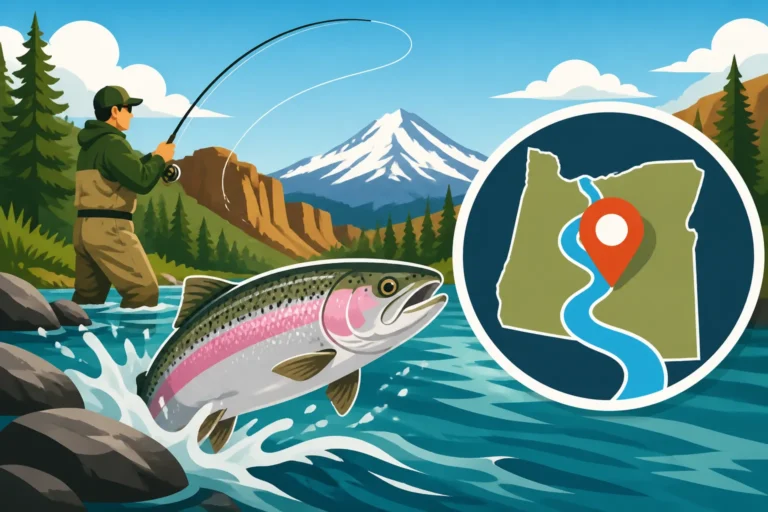
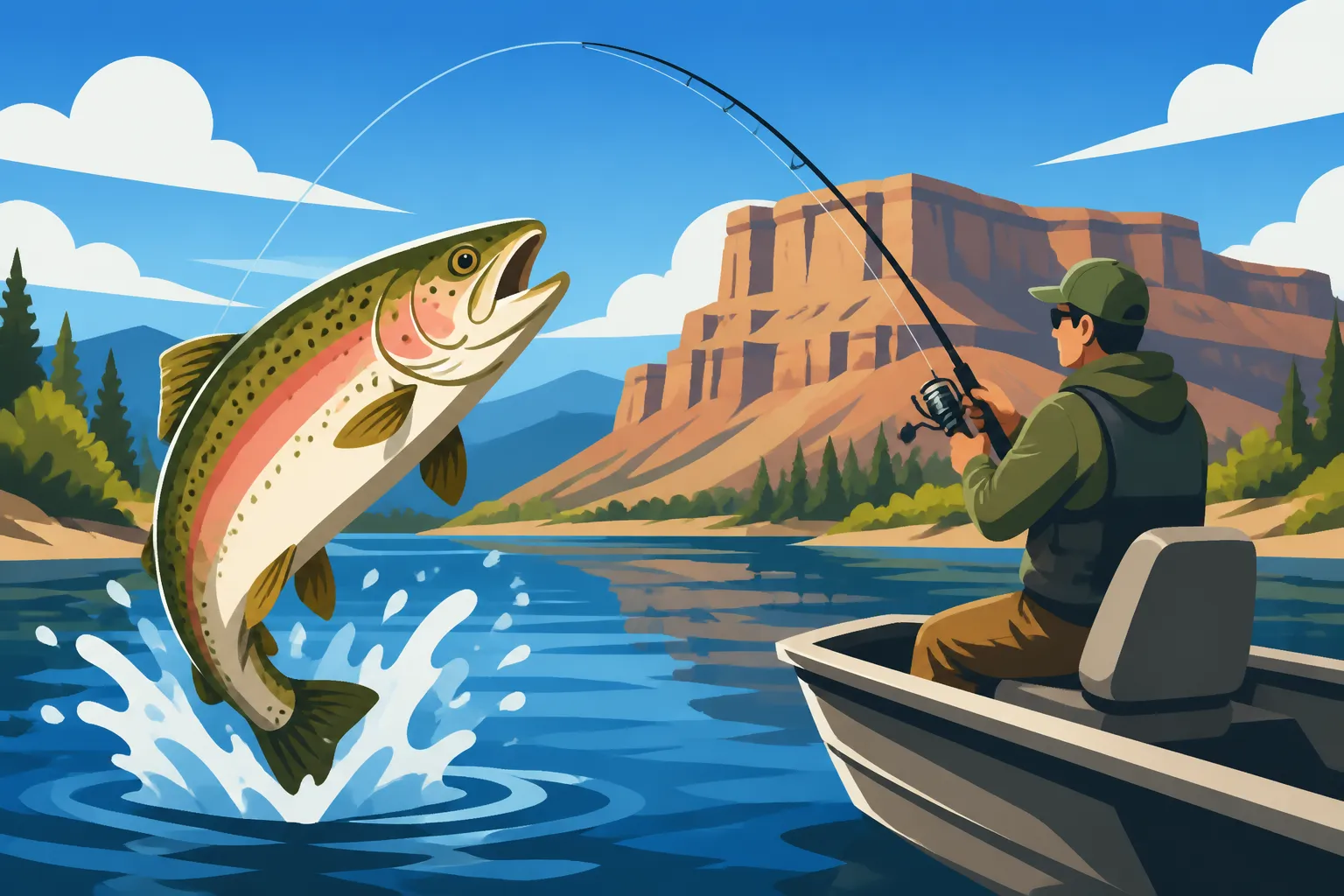
While smallmouth bass might steal the spotlight, Prineville Reservoir also boasts a healthy population of rainbow trout, thanks to regular stocking by the ODFW. These trout offer a different kind of angling challenge and are a fantastic option, especially during the cooler months when bass might be less active. You'll find both holdover trout that have grown large and newly stocked fish. They tend to cruise the open waters, but also congregate around inlets where fresh water flows in, or near rocky points during feeding times. Trolling with various lures or still-fishing with bait are popular and effective methods. The trout here are known for their vibrant colors and tasty flesh, making them a rewarding catch. If you’re looking to refine your trout game, you might want to check out some Oregon Trout Fishing Techniques.
Other Notable Catches: Panfish and More
Beyond the main attractions, Prineville Reservoir offers a rewarding experience for those targeting panfish and other warmwater species. Black crappie are very abundant, especially in the spring and early summer when they move into shallower coves to spawn. They are fantastic table fare and can provide fast-paced action, perfect for kids or beginners. Look for crappie around submerged brush, timber, or weed lines. Brown bullhead catfish also inhabit the reservoir, offering a strong fight and a delicious meal, often biting well into the evening or at night. Largemouth bass, though less numerous than smallmouth, are present in the muddier, shallower areas, particularly in the upper reaches of the Crooked River arm. Walleye, while not heavily stocked, have also been reported, offering a unique opportunity for those targeting this toothy predator. This incredible variety truly makes Prineville Reservoir a comprehensive Oregon Warmwater Fish Species hotspot, ensuring there’s always something new to cast for.
| Species | Primary Habitat | Best Season | Common Techniques | Notes |
|---|---|---|---|---|
| Smallmouth Bass | Rocky points, ledges, coves | Spring, Summer | Jigs, crankbaits, soft plastics, topwater | Aggressive fighters, often abundant. |
| Rainbow Trout | Open water, inlets, dam area | Spring, Fall, Winter | Trolling, still fishing with bait, flies | Stocked regularly, good for eating. |
| Black Crappie | Submerged brush, timber, coves | Spring, Early Summer | Jigs, minnows, small spoons | Excellent table fare, fast action. |
| Brown Bullhead Catfish | Milder currents, muddy bottoms | Summer, Night | Worms, stink bait | Strong pull, good for evening fishing. |
| Largemouth Bass | Shallow, weedy coves | Spring, Summer | Spinnerbaits, jigs, plastic worms | Less common than smallmouth, target in quiet areas. |
The Sweet Spot: When to Fish Prineville Reservoir
Knowing what to fish for is only half the battle; knowing when to fish can make or break your trip. Prineville Reservoir offers productive fishing throughout the year, but the prime times vary greatly depending on the species you're targeting. Seasonal patterns, water temperatures, and even daily light conditions play a huge role in fish activity. It's not just about showing up; it's about timing your visit to coincide with the best bite for your chosen quarry.
Spring: The Wake-Up Call
Spring is arguably the most exciting time to fish Prineville Reservoir. As water temperatures begin to rise, dormant fish become active, and many species move into shallower waters for spawning. This is prime time for smallmouth bass, which become very aggressive as they prepare for and engage in their spawning rituals, typically from late April through June. They'll be found cruising rocky banks, points, and shallow flats, making them vulnerable to a variety of presentations. This is also a fantastic period for black crappie, as they congregate in large schools in warm, protected coves with submerged brush or timber, often just a few feet below the surface. A light jig with a slow retrieve can lead to non-stop action. Rainbow trout also become more active, feeding heavily on insects and smaller baitfish as the water warms, making them easier to target near inlets and along the dam face. If you're looking for consistent action and a chance at multiple species, spring is hard to beat. It’s truly one of the Best Time of Year to Fish in Oregon.
Summer: Early Mornings and Late Evenings
Summer fishing at Prineville Reservoir can be fantastic, but it requires a bit more strategy due to warmer water temperatures and increased recreational boat traffic. During the heat of the day, fish tend to move to deeper, cooler waters, or seek refuge in shady, structured areas. This means your best bet for smallmouth bass and largemouth bass will be during the early morning hours, just after sunrise, and in the late evening, leading up to and after sunset. Topwater lures can be incredibly effective during these low-light periods, offering thrilling blow-ups. For trout, focus on the deepest parts of the reservoir, or fish early and late, perhaps trolling at greater depths. Catfish really come alive in the summer, especially at night, making it an excellent time to target them with smelly baits from shore. While the midday bite can be slow, those willing to adjust their schedule will find plenty of opportunities. If you're planning a trip, checking with local guides or resources like FishingBooker can provide up-to-the-minute reports on what's biting.
Fall and Winter: The Unsung Heroes
Don't overlook Prineville Reservoir in the cooler months! Fall brings a renewed vigor to the fishery as water temperatures begin to drop, and fish go on a feeding frenzy to bulk up for winter. Smallmouth bass remain active and can be caught shallower as they chase baitfish. Rainbow trout fishing often picks up significantly in the fall, as they become more active throughout the day, especially near creek mouths and along the dam. Trolling or casting spoons and spinners can be very productive. As winter sets in, the fishing pressure significantly decreases, offering a serene experience for those brave enough to bundle up. While ice fishing is not common or generally recommended due to fluctuating ice conditions, open water fishing for trout can still be excellent, especially around the main channel and deeper areas. The colder water makes the trout less finicky and often more concentrated. This is also a great time to experiment with slow-moving baits or jigs for a variety of species.
Mastering the Cast: Techniques and Gear for Prineville Reservoir
Successfully fishing Prineville Reservoir isn't just about showing up; it's about understanding the specific techniques and gear that give you an edge for each species. The varied habitats and fish preferences demand a versatile approach, from finesse presentations for finicky bass to robust setups for deep-water trout. Having the right tools and knowing how to use them can significantly elevate your success rate and overall enjoyment.
Smallmouth Bass Strategies
For Prineville's abundant smallmouth bass, versatility is key. When they are aggressive in spring and fall, targeting rocky points and submerged structures with crankbaits that mimic baitfish (like Rapala or Strike King models) can be incredibly effective. Cast parallel to shorelines or over underwater humps, varying your retrieve speed until you find what triggers a bite. As the water warms in summer, or when bass are pressured, a more finessed approach often works wonders. Drop shot rigs with small worms or creature baits, fished vertically over deep structure, can entice hesitant bass. Another excellent option is jig fishing, using football jigs or grub-tailed jigs hopped along the bottom, especially near rocky ledges. Don't forget topwater lures like poppers or walk-the-dog baits during low-light hours in summer; the explosive strikes are unforgettable. For beginners, getting insights from experienced anglers or booking a local guide through platforms like FishingBooker can provide invaluable hands-on learning for How to Fish for Smallmouth Bass in Oregon.
Trout Tactics
Catching rainbow trout in Prineville Reservoir often involves different methods. Trolling is a popular and effective technique, especially for covering large expanses of open water. Use small spoons (like Dick Nite or Wedding Ring spinners), flashers, or even dodgers paired with a worm or PowerBait. Vary your trolling speed and depth until you start getting bites. A depth finder is a huge asset here to locate schools of trout and determine their feeding depth. For bank anglers, still fishing with bait is a classic and productive method. Rig up a sliding sinker, a swivel, a leader, and a hook baited with PowerBait (chartreuse or rainbow glitter are popular colors), marshmallows, or a worm, letting it sit on the bottom. Fishing near inlets or along the dam face are usually good starting points. Fly anglers can also find success, particularly in the spring and fall, by casting streamers or nymph patterns near the banks or river inlets. Remember, some Oregon Trout Fishing Techniques can be specifically adapted to reservoir conditions for better results.
Panfish and Catfish Techniques
For black crappie, simplicity often wins. In spring, when they’re shallow, a simple setup with a small jig (1/32 to 1/16 oz) tipped with a small plastic grub (chartreuse, white, or black) or a tiny minnow under a bobber is deadly. Cast towards submerged brush, downed trees, or docks, and retrieve slowly. For higher numbers, search for schools using your fishfinder or by slowly moving around the coves. For brown bullhead catfish, a more robust approach is needed. These bottom feeders respond well to still fishing with pungent baits like nightcrawlers, chicken livers, or specially prepared "stink baits" fished on the bottom with a simple Carolina rig or ledger rig. Fish these baits in slower current areas, muddy flats, or deeper holes, especially during the evening and night. A medium-heavy rod with 10-20 lb test line will handle even the largest bullheads. Prineville is truly a hotbed for Oregon Panfish Guide enthusiasts and catfishing fanatics alike.
Navigating Prineville Reservoir: Access and Amenities
Getting onto and around Prineville Reservoir is generally straightforward, but knowing the specific access points, boat ramps, and available facilities can save you a lot of time and frustration. Whether you’re launching a big boat, putting in a kayak, or simply looking for a good bank fishing spot, understanding the lay of the land is essential. The reservoir is well-equipped for visitors, making it a comfortable destination for anglers of all stripes.
Boat Ramps and Marinas
The primary access point for boaters is through Prineville Reservoir State Park, which offers multiple well-maintained boat ramps suitable for various sizes of watercraft. The main boat ramp near the park office is concrete and generally usable even during lower water conditions, though it's always wise to check current water levels before heading out. There’s ample parking for trailers, and facilities like restrooms are readily available. The park also features a marina with moorage slips, fuel, and a small store for bait, tackle, and snacks, which can be a real lifesaver if you forget something or run out on the water. Another popular spot is the Jasper Point Boat Launch on the west side of the reservoir, which also provides good access and facilities, often being a little less crowded during peak times. Both locations make it easy to launch your boat and start exploring the vast fishing grounds.
Bank Fishing Hotspots
Not everyone has a boat, and that's perfectly fine! Prineville Reservoir offers some excellent opportunities for bank anglers, especially for rainbow trout, crappie, and catfish. The dam face area near the state park office is a perennial favorite for trout, particularly in spring and fall. There's often good access along the riprap, and you can cast out into deeper water. For crappie, explore the numerous coves within Prineville Reservoir State Park and Jasper Point. Look for areas with submerged brush or downed trees, especially in spring. These shallower, protected waters warm up quickly and attract panfish. Many stretches of the shoreline, particularly those with rocky outcroppings and points, can be good for smallmouth bass if you’re willing to hike a bit. Don't be afraid to walk around and observe; often, the best bank spots are found by exploring away from the main boat launch areas. Just be mindful of private property lines and respect the natural environment.
Camping and Lodging Options
For those looking to extend their fishing adventure, Prineville Reservoir offers a variety of camping options to suit different preferences. The Prineville Reservoir State Park Campground provides developed campsites with amenities like restrooms, showers, and some with electrical hookups, perfect for RVs and families. Reservations are highly recommended, especially during peak season. Nearby, the Jasper Point Campground also offers developed sites with similar amenities and is another excellent choice. For a more rustic experience, there are several dispersed camping areas managed by the Bureau of Land Management (BLM) around the reservoir's perimeter. These sites are typically first-come, first-served and offer a more primitive, wild camping feel, often with direct access to quiet fishing spots. If camping isn't your style, the nearby city of Prineville offers a range of motels and vacation rentals, providing a comfortable base camp just a short drive from the reservoir.
Essential Regulations and Conservation for Prineville Reservoir
Fishing in Prineville Reservoir, like anywhere else in Oregon, comes with a set of rules and guidelines designed to protect the fishery and ensure sustainable angling for future generations. Understanding these regulations is not just about avoiding penalties; it's about being a responsible angler and contributing to the health of this fantastic resource. Before you cast a line, always make sure you're up-to-date on the latest ODFW rules. For a general overview, it's always good to consult the Oregon Fishing Regulations Explained.
Licensing and Endorsements
First and foremost, you will need a valid Oregon fishing license. This is non-negotiable for anyone aged 12 and older. You can purchase these online through the ODFW website, at authorized license agents like sporting goods stores, or even some local tackle shops in Prineville. There are various types of licenses available, from annual resident and nonresident licenses to daily or multi-day options, depending on your needs. For instance, if you're only visiting for a short period, an Oregon 1-Day Fishing License might be suitable. Ensure you choose the correct license for your residency and the duration of your trip. While not typically required for most of the main fishing at Prineville Reservoir, if you were to venture into other specific areas of the state or target certain anadromous species like salmon or steelhead, you might also need additional tags or endorsements, such as the Oregon Combined Angling Tag Guide. It’s always best to check the current ODFW Sport Fishing Regulations booklet or website, as rules can change annually.
Daily Bag Limits and Size Restrictions
Prineville Reservoir has specific daily bag limits and sometimes size restrictions for different fish species, which are crucial to follow. For smallmouth bass, the regulations often encourage harvest due to their abundant population and impact on other species, so check the current limits carefully. Typically, you might be allowed a generous number, and sometimes there's a specific slot limit (e.g., release all fish within a certain size range, but keep those smaller or larger) designed to promote a healthy size structure. Rainbow trout also have daily bag limits, usually a smaller number, and sometimes minimum size restrictions to protect younger fish. Crappie often have very liberal bag limits, reflecting their prolific nature and the ODFW's desire to manage their population. For other species like catfish or largemouth bass, specific rules apply. Always consult the most current ODFW regulations for the Central Zone (which Prineville Reservoir is part of) to ensure you are compliant. These rules help manage the fishery and promote sustainable angling practices, ensuring the reservoir remains a productive fishing spot for years to come.
Catch-and-Release Practices
While Prineville Reservoir allows for the retention of many fish, practicing proper catch-and-release techniques is vital, especially for species you intend to let go or for fish that fall outside the legal harvest limits. Proper handling minimizes stress and injury to the fish, significantly increasing its chances of survival. Always try to land fish quickly, use a net if possible, and handle them with wet hands to protect their slime coat. If you're going to take a photo, do it swiftly and support the fish horizontally. Use barbless hooks, or crimp down barbs on your hooks, as this makes removal much easier and less damaging. For deep-hooked fish, it's often best to cut the line as close to the hook as possible rather than trying to rip it out. These practices align with broader Oregon Catch-and-Release Rules and contribute to the overall health and vitality of the reservoir's fish populations. Being mindful of these practices ensures that future anglers, perhaps even those looking for a guide through FishingBooker, will continue to enjoy the fantastic fishing Prineville has to offer.
Disclaimer
Fishing inherently carries risks, including but not limited to adverse weather conditions, wildlife encounters, and personal injury. Always prioritize safety, understand and follow all local, state, and federal regulations, and be aware of your surroundings. This guide provides general information and recommendations, but conditions and regulations can change. Always consult the official Oregon Department of Fish and Wildlife (ODFW) resources for the most current rules and advisories before your trip.