How to Fish for Smallmouth Bass in Oregon
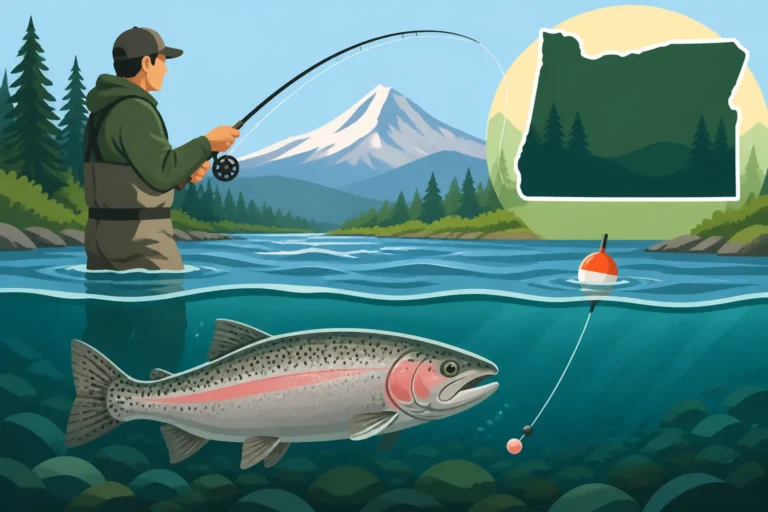
The rush of the river, the quiet anticipation as your lure hits the water, and then that sudden, aggressive strike – few things in Oregon fishing are as exhilarating as tangling with a feisty smallmouth bass. While salmon and steelhead often steal the spotlight, a growing number of anglers are discovering the incredible sport smallmouth offer, especially in the warm summer months when other fisheries might be slow. If you've ever felt that frustration of slower days on your favorite trout stream or wanted a hard-fighting fish that's readily available and often encouraged for harvest, then this guide is for you. We’re going to dive deep into everything you need to know to successfully fish for smallmouth bass in Oregon, from where they live to the best lures and techniques to hook into these acrobatic fighters.
Understanding Oregon's Smallmouth Bass Landscape
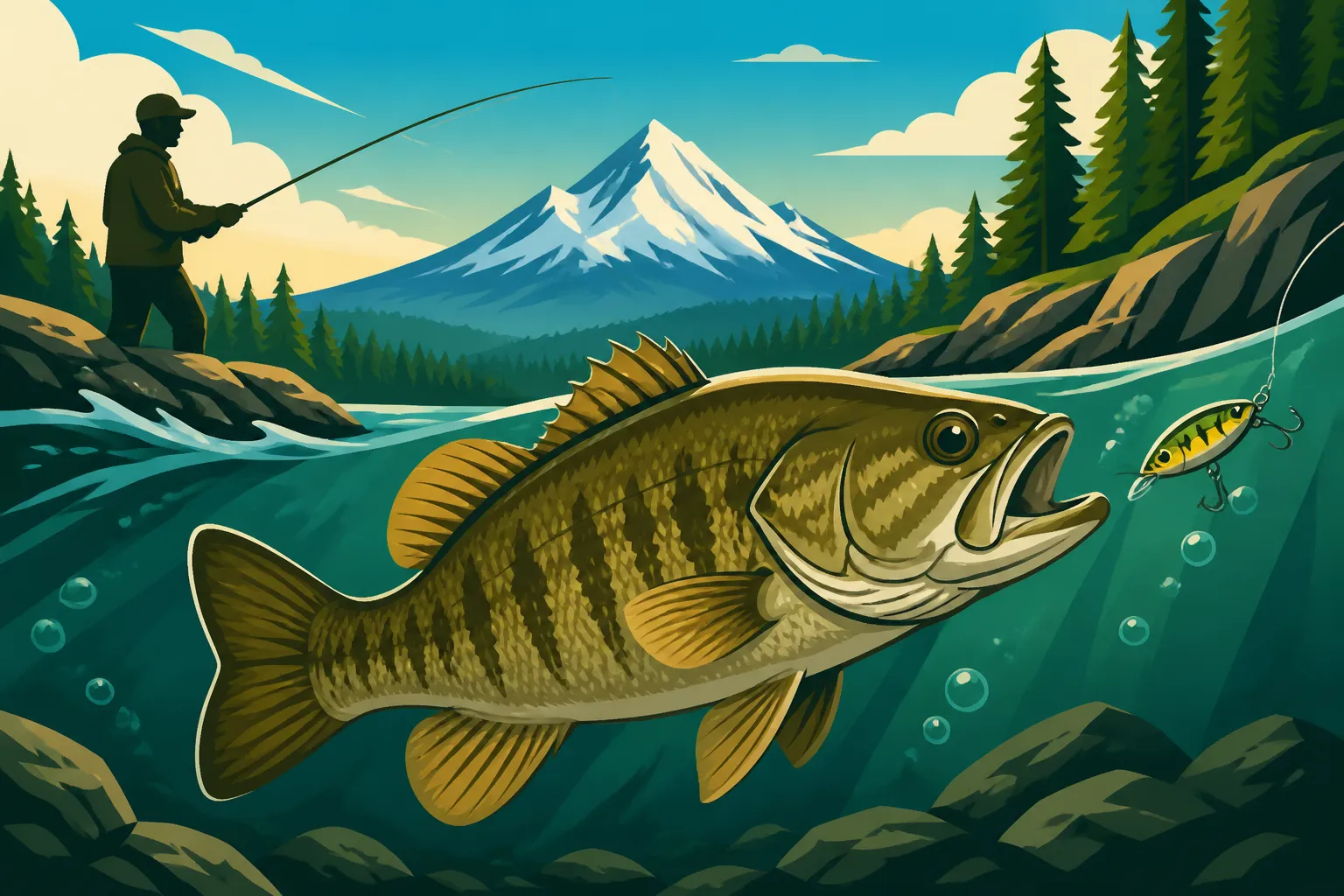
Smallmouth bass, often called "bronzebacks" for their distinctive coloration, are a blast to catch. They're known for their powerful fights, often leaping clear of the water, making them a favorite among sport fishermen. However, their presence in some Oregon waters also comes with ecological considerations, which is why understanding where they are found and why they're often encouraged for harvest is crucial for any responsible angler.
Where Smallmouth Bass Thrive in Oregon
While not native to Oregon, smallmouth bass have established healthy populations in several key river systems and reservoirs across the state. They prefer clear, cool to warm waters with rocky or gravelly bottoms, often congregating around structure like submerged logs, rock piles, or current breaks.
One of the most renowned smallmouth fisheries in Oregon is the John Day River. This river system, particularly its middle and lower sections, offers incredible opportunities for both boat and bank anglers. The John Day is relatively remote in many stretches, providing a wild and scenic fishing experience where smallmouth grow to impressive sizes. It's a truly iconic spot if you're looking for a dedicated smallmouth trip. Another significant fishery is the Columbia River and its tributaries. From the main stem of the Columbia, especially in the slower, warmer sections and its many backwaters, to lower stretches of rivers like the Willamette and the Deschutes, smallmouth have found a home. These larger rivers provide vast amounts of habitat, and you can often find excellent concentrations of fish. Reservoirs like Prineville Reservoir in Central Oregon are also hotspots, offering different fishing dynamics compared to flowing water. These stillwater environments allow smallmouth to grow large and provide diverse structures, from rocky points to submerged timber, perfect for ambushing prey.
Why Smallmouth Bass are a Focus in Oregon
Unlike many of Oregon's native salmon and steelhead, smallmouth bass are considered an introduced species. While they offer fantastic angling, their presence can sometimes impact native fish populations, particularly juvenile salmonids and trout, by competing for food and habitat or even preying on them. Because of this, the Oregon Department of Fish and Wildlife (ODFW) generally encourages anglers to harvest smallmouth bass, especially in certain river systems where conservation of native species is a priority.
This unique management approach means that often, there are very liberal or even no daily bag limits for smallmouth bass in many Oregon waters. For anglers, this translates into a fantastic opportunity to enjoy a productive day of fishing without the strict catch-and-release rules often associated with native species. It's a chance to fill a cooler with some delicious fish, as smallmouth bass are quite tasty. However, it's always critical to consult the most current Oregon fishing regulations booklet, as rules can vary by water body and change seasonally. Knowing the local guidelines ensures you're fishing responsibly and in line with conservation efforts. You can often find details on specific areas in the comprehensive Oregon Fishing Regulations Explained guide.
Essential Gear for Smallmouth Bass Fishing
You don't need a boatload of specialized gear to start catching smallmouth, but having the right setup can definitely improve your success and overall enjoyment. Smallmouth are feisty, and their fighting style can put some serious stress on lighter tackle, so investing in a balanced setup is a smart move.
Rods, Reels, and Line Choices
When it comes to smallmouth, you want a rod that offers a good blend of sensitivity for detecting subtle bites and enough backbone to handle those aggressive strikes and powerful runs. A medium to medium-heavy power spinning or casting rod, typically in the 6'6" to 7'6" range, is ideal. The action should lean towards "fast" or "extra-fast" to ensure you can set the hook quickly and accurately. For instance, a 7-foot medium-heavy rod with a fast action is a great all-around choice for tossing a variety of smallmouth lures. If you're using lighter baits or fishing clearer water where finesse is key, you might opt for a medium-power rod.
Matching your rod with a quality reel is equally important. A spinning reel in the 2500-3000 size range is perfect for most smallmouth applications, providing smooth drag and enough line capacity. For those who prefer baitcasting, a reel with a good braking system and a gear ratio around 6.4:1 to 7.1:1 offers versatility for different techniques. Don't cheap out on the reel; a smooth drag system is critical when a big smallmouth decides to make a run under a log.
Line choice significantly impacts your presentation and fighting power. For general smallmouth fishing, 8 to 12-pound test monofilament or fluorocarbon is a solid choice. Monofilament offers good knot strength and stretch, which can be forgiving. Fluorocarbon, on the other hand, is nearly invisible underwater, has less stretch for better sensitivity, and sinks, making it excellent for bottom-contact baits. Braided line, in the 15-20 pound test range, is also a popular option, especially when fishing around heavy cover. Its zero-stretch characteristic provides incredible sensitivity and hook-setting power. If you go with braid, always tie on a fluorocarbon leader (6-10 lb test) using a knot like the FG or Double Uni to provide that invisibility at the lure. You can find a wide selection of these lines and reels on Amazon.
Lure Selection for Oregon Smallmouth
Smallmouth bass are opportunistic feeders, and they'll strike a wide array of lures. Having a diverse tackle box will allow you to adapt to different water conditions, depths, and fish moods.
One of the most effective lure categories for smallmouth is crankbaits. Shallow-diving crankbaits that mimic crawfish or baitfish are deadly in rivers and along rocky shorelines. Look for colors like brown, orange, and natural greens. Medium-diving crankbaits are excellent for reaching fish in slightly deeper pools or along submerged ledges. Another must-have is soft plastic baits. Grubs, tubes, and creature baits rigged on a jig head or Texas-rigged are incredibly versatile. Tube jigs, in particular, are smallmouth magnets, especially when bounced along the bottom in current. Colors like green pumpkin, brown, and black are perennial favorites.
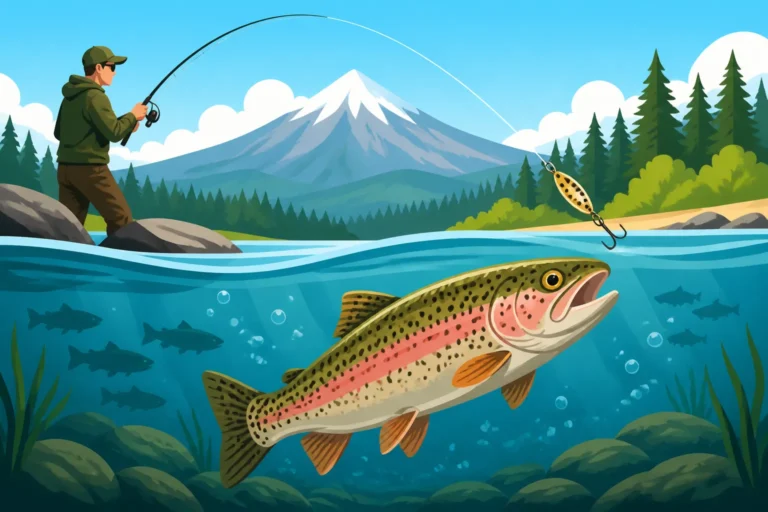
Topwater lures provide some of the most exciting smallmouth action. Poppers, walk-the-dog baits, and buzzbaits can trigger explosive strikes, especially during low-light conditions or when fish are active near the surface. Spinners and spinnerbaits are also incredibly effective, particularly in stained water or when you need to cover a lot of ground. Their flash and vibration can draw fish from a distance. Don't forget small jerkbaits and swimbaits, which can imitate injured baitfish and work well in clear water. Having a few different sizes and colors of these core lure types will prepare you for almost any smallmouth scenario in Oregon's diverse waters. You can often find great value packs on Amazon.
Terminal Tackle and Accessories
Beyond the main lures, a few essential terminal tackle items and accessories will round out your smallmouth setup. Jig heads are crucial for soft plastic baits; have a variety of weights (1/8 oz to 1/4 oz being most common) and hook sizes (1/0 to 2/0). Swivels and snaps can be useful for quickly changing lures, but many anglers prefer to tie directly to the lure or use a high-quality snap without a swivel to minimize hardware.
Hooks are important, especially when Texas rigging soft plastics. Worm hooks in sizes 1/0 to 3/0 are standard. Sinkers, like bullet weights, are needed for Texas rigs to get your bait down to the fish. A good pair of pliers or multi-tool is indispensable for cutting line, removing hooks, and making minor adjustments. You'll also want a sturdy pair of clippers for braid and mono.
Finally, consider a landing net, especially if you're targeting larger smallmouth or plan on practicing catch and release. A net minimizes stress on the fish and makes it easier to handle them safely. Polarized sunglasses are also a game-changer; they cut glare, allowing you to see submerged structure and cruising fish that you'd otherwise miss. A comfortable fishing vest or tackle bag will keep all your essentials organized and easily accessible. For those longer trips, a good cooler for harvested fish is also essential, especially if you plan to enjoy some fresh smallmouth for dinner.
Top Techniques for Targeting Smallmouth Bass
Smallmouth bass are incredibly adaptable, and successful angling often means adjusting your techniques to the specific environment you're fishing – be it a flowing river, a still lake, or a crowded bank. Understanding how to present your bait effectively in different scenarios is key to consistently catching these bronzebacks.
River and Stream Strategies
Fishing for smallmouth in rivers and streams is often about reading the current and identifying ambush points. Smallmouth in rivers are very current-oriented; they'll position themselves just out of the main flow, using the current to bring food to them while conserving energy. Look for current seams, eddies behind rocks, submerged logs, undercut banks, and gravel bars. These are prime locations where smallmouth will hold.
One of the most effective techniques in rivers is drift fishing with jigs and soft plastics. Rig a tube jig or a grub on a jig head (adjusting weight for current speed) and cast upstream, allowing the bait to tumble naturally downstream with the current, mimicking a distressed crawfish or baitfish. Pay close attention to your line for any subtle taps or pauses, which indicate a strike. Another great strategy is to throw shallow-diving crankbaits that bump off rocks and logs. The erratic deflection can trigger aggressive reaction strikes. Work these baits across current seams or along rocky shorelines. Spinnerbaits are also fantastic for covering water quickly and drawing strikes, especially in stained water or on overcast days. Focus on casting to the upstream side of structure and retrieving your lure past it, giving the smallmouth a chance to dart out and grab it. The Drift Fishing Techniques for Oregon Rivers guide can provide more specific insights into this effective method.
Lake and Reservoir Approaches
Lakes and reservoirs present a different challenge than rivers, often requiring you to cover more water and explore different depth zones. Smallmouth in these environments often relate to deeper structure and transition areas.
When fishing lakes and reservoirs, start by targeting points, humps, ledges, and rocky reefs. These are natural congregation areas for smallmouth. Drop-shotting is an incredibly effective technique here, especially in clear water or when fish are holding deep. This involves tying a hook directly to your main line with a weight below it, allowing your bait (usually a small soft plastic worm or minnow imitation) to suspend at a specific depth and quiver enticingly with minimal rod movement. Another productive method is fishing jig-and-pig combinations (a jig with a soft plastic trailer) or heavy football jigs along the bottom, mimicking crawfish. Slowly drag or hop these baits over rocky terrain. For active fish, trolling crankbaits or casting lipless crankbaits can be a great way to cover large areas and find schools of fish. In the early morning or late evening, or on cloudy days, don't shy away from throwing topwater lures around shallow cover or along rocky shorelines; the explosive strikes are unforgettable.
Bank Fishing and Wading Tactics
You don't need a boat to have a stellar smallmouth day in Oregon. Many rivers and even parts of reservoirs offer excellent bank fishing and wading opportunities. The key is to be mobile and observant.
For bank anglers, focus on areas where the current slows down, like eddies, bends in the river, or just downstream from rapids. Look for accessible stretches with plenty of submerged rocks, logs, or undercut banks. Casting parallel to the bank can be very effective, allowing your lure to stay in the strike zone longer. Spinners, small crankbaits, and weighted soft plastics are excellent choices for bank fishing, as they cast well and can be worked effectively from a stationary position. The Best Bank Fishing Spots Near Portland Oregon article might have some crossover suggestions if you're looking for accessible locations.
Wading offers a distinct advantage, allowing you to get closer to prime holding water that might be inaccessible from the bank. Always prioritize safety: wear a wading belt, non-slip wading boots, and use a wading staff in unfamiliar or fast-moving water. When wading, approach slowly and stealthily to avoid spooking fish. Cast upstream and work your lure downstream through productive seams and pockets. You can also cast across the current to the opposite bank and retrieve, covering water as you go. Focus on the same types of structure as boat anglers – rock piles, current breaks, and drop-offs. Being able to access these areas on foot often puts you right where the fish are hiding, giving you a distinct advantage without the need for a boat.
Prime Seasons and Conditions for Smallmouth Bass
Understanding the seasonal patterns and preferred conditions of smallmouth bass is crucial for consistent success. Their behavior, feeding habits, and location can change dramatically throughout the year, primarily influenced by water temperature and their spawning cycle.
Spring and Pre-Spawn Tactics
Spring is arguably one of the most exciting times to target smallmouth bass in Oregon. As water temperatures begin to rise, typically reaching the mid-40s to low-50s Fahrenheit, smallmouth start to become more active after their winter lethargy. This is the pre-spawn period, and fish will begin migrating from their deeper wintering holes to shallower staging areas, often congregating in large numbers. They are focused on feeding heavily to build energy for the upcoming spawn, making them very aggressive.
During pre-spawn, look for smallmouth in transition areas: the mouths of bays, points leading into coves, and areas where deeper water meets shallower flats with rocky bottoms. In rivers, they'll often move into slower pools and eddies adjacent to fast current. Effective techniques for this period include slow-rolling spinnerbaits or suspending jerkbaits around staging areas. These baits can elicit powerful reaction strikes from aggressive fish. Jigs, especially those with crawfish-imitating trailers, worked slowly along the bottom are also incredibly productive. As water temperatures climb into the mid-50s, smallmouth will start to cruise even shallower. Keep an eye out for darker, rocky areas that absorb sunlight, as these spots will warm up first and attract hungry bass.
Summer and Post-Spawn Activity
Summer truly shines for smallmouth bass fishing in Oregon. After the spawn, which typically occurs when water temperatures reach the mid-60s, smallmouth enter a post-spawn recovery period, followed by a sustained period of aggressive feeding throughout the warmer months. While they might be a bit lethargic immediately after spawning, they quickly rebound and become highly active.
During the summer, smallmouth bass will spread out and actively hunt for food. In rivers, they'll relate closely to current, often holding in or near riffles, rapids, and oxygenated water. In lakes and reservoirs, they can be found at a variety of depths, from shallow weed lines in the early mornings and evenings to deeper humps and main lake points during the heat of the day. This is prime time for a wide range of lures. Topwater baits like poppers and walk-the-dogs can be devastating during low light, providing thrilling surface strikes. Crankbaits, both shallow and deep divers, will mimic the abundant baitfish. Soft plastics, such as tubes, grubs, and creature baits, are always a reliable choice, especially when fished on jig heads. The energetic fights of summer smallmouth, often punctuated by acrobatic jumps, make this an incredibly rewarding season for anglers. If you're wondering about other fish that are active during this season, check out our guide on Best Time of Year to Fish in Oregon.
Fall Fishing for Aggressive Biters
As the cooler temperatures of fall set in and the days shorten, smallmouth bass enter another intense feeding period. Similar to pre-spawn, they are trying to put on weight for the lean winter months ahead. This can lead to some truly fantastic fishing, with bass often schooling up and aggressively chasing down bait.
In the fall, smallmouth will often follow baitfish as they move from shallower summer haunts to deeper main lake or river channel areas. Look for them concentrated around rocky points, ledges, and transition zones where they can ambush schools of shad, minnows, or crawfish. Crankbaits that dive to the depth of the baitfish schools, lipless crankbaits, and large jerkbaits are particularly effective during this time. The key is to match the hatch, offering lures that mimic the size and color of the local forage. Spinnerbaits and umbrella rigs (where legal) can also be highly effective for covering water and locating aggressive schools of fish. Fall can offer some of the biggest smallmouth of the year, as they are at their heaviest and most robust. The cooler weather also often means fewer anglers on the water, providing a more serene and productive fishing experience.
Reading the Water and Smallmouth Behavior
Becoming a consistently successful smallmouth angler isn't just about having the right gear; it's about understanding the fish and their environment. Learning to "read the water" – interpreting what the surface and submerged features tell you – is a skill that will dramatically increase your catch rates.
Identifying Productive Cover and Structure
Smallmouth bass are ambush predators; they love to hide in or near structure and cover, waiting for an unsuspecting meal to swim by. Understanding what constitutes good smallmouth habitat is paramount.
Structure refers to changes in the bottom contour of a lake or river, such as points, humps, ledges, drop-offs, and channel swings. These topographical changes create natural highways and holding areas for fish. For example, a rocky point extending into a lake provides a natural ambush point, especially if there's a steep drop-off nearby. In rivers, current breaks created by large rocks, downed trees, or bends in the river are essentially smallmouth magnets. These spots offer a place to rest out of the main current while still having easy access to passing food.
Cover refers to objects on the structure or bottom that provide concealment or shade, such as submerged logs, boulders, weed beds, brush piles, or even dock pilings. Smallmouth will often tuck right up against these features. In rivers, large boulders creating eddies are classic smallmouth lies. Along lake shores, fallen trees, large rock piles, or isolated weed patches can hold significant numbers of fish. When you see a combination of good structure and good cover – say, a rocky point with a submerged log on its edge, or a deep ledge with a dense patch of weeds – you've likely found a prime smallmouth hangout. Pay extra attention to these "fishy" looking areas.
Understanding Smallmouth Feeding Habits
Smallmouth bass are primarily piscivores, meaning they feed on other fish, but they're also opportunistic and will readily consume crawfish, insects, and even frogs. Their diet influences their location and how they respond to different lures.
Their preference for crawfish is particularly strong, especially in rocky environments. This is why lures that mimic crawfish, like tube jigs, soft plastic creature baits, and crankbaits in reds, oranges, and browns, are so effective. Smallmouth will forage for crawfish among rocks and gravel, so presenting your lure to mimic a scurrying or defensive crawfish can be incredibly enticing. They're also keen predators of baitfish such as minnows, sculpins, and juvenile salmonids. Jerkbaits, swimbaits, and silver or white colored spinners and crankbaits can effectively imitate these prey items.
Smallmouth are visual hunters, especially in clear water, which is common in many Oregon smallmouth fisheries. This means lure color, profile, and action are very important. However, they also rely on their lateral line to detect vibrations, particularly in stained or turbid water. This is where lures with strong vibration, like spinnerbaits and lipless crankbaits, excel. Observing what's in the water – whether it's minnows darting around, crawfish shedding, or insect hatches – can give you valuable clues about what the smallmouth are currently feeding on and help you choose the most effective lure.
Adapting to Water Conditions
Water conditions, including temperature, clarity, and flow (in rivers), are major factors influencing smallmouth behavior and your fishing approach. Successful anglers constantly adapt to these variables.
Water Temperature: We've already touched on how temperature dictates seasonal patterns, but it also affects daily behavior. In colder water (below 50°F), smallmouth are often lethargic and prefer slower presentations. Jigging, dragging soft plastics, or slowly working suspending jerkbaits can be most effective. As water warms (55-75°F), they become much more active and aggressive, readily chasing down faster moving lures like crankbaits, spinnerbaits, and topwaters. In very hot water, they may seek deeper, cooler refuge or become most active during low-light hours.
Water Clarity: In clear water, which is often the case in the John Day River or many Oregon reservoirs, smallmouth have excellent visibility. This means finesse presentations with natural colors and fluorocarbon leaders are often best. Smaller lures and more subtle actions can be key. Conversely, in stained or murky water, fish rely more on vibration and profile. Brighter colors (chartreuse, orange), larger lures, and baits with more flash and thumping action (spinnerbaits, lipless crankbaits) will help fish find your offering.
Current Flow (Rivers): In rivers, current is everything. During periods of high flow, smallmouth will seek refuge in slack water, behind large obstructions, or in deeper, slower pools. They'll expend less energy fighting current and more energy ambushing prey. During low flow, they may spread out more, but still relate to subtle current seams and deeper oxygenated riffles. Adjusting jig weights to match the current, using lures that can be worked efficiently without getting swept away, and targeting appropriate holding lies are crucial for river fishing success. Understanding these dynamics will make you a much more versatile and effective smallmouth angler.
Conservation and Responsible Angling
While smallmouth bass are often encouraged for harvest in Oregon due to their non-native status, responsible angling practices are still paramount. This includes understanding the local regulations, practicing proper catch-and-release when appropriate, and being mindful of the broader ecological impact.
Catch and Release Best Practices
Even if you plan to keep some smallmouth, there will undoubtedly be times when you'll release fish – either undersized ones, those you don't intend to eat, or simply to ensure the sport continues for future generations. Proper catch and release minimizes stress and injury, giving the fish the best chance of survival.
First and foremost, use appropriate tackle. While smallmouth are aggressive, using excessively heavy gear can exhaust them, especially in warmer water. Try to land fish quickly without "playing" them to exhaustion. Once landed, minimize the time the fish is out of the water. If possible, keep the fish in the water while you remove the hook. Use a pair of needle-nose pliers or a de-hooking tool to remove hooks swiftly and gently. If the fish is deeply hooked, especially in the gills or throat, it's often best to cut the line as close to the hook as possible rather than tearing the hook out, as this can cause more damage. Avoid touching the fish's eyes or gills. If you must handle the fish, wet your hands first to protect its slime coat, which is vital for disease prevention. Hold the fish horizontally, supporting its belly, and avoid hanging it vertically by the jaw, which can damage its spine and internal organs. Finally, if the fish seems lethargic, hold it gently in the water, facing into the current (if in a river), until it regains its strength and can swim away on its own. For more general advice, consider reading our article on Oregon Catch-and-Release Rules.
Understanding Oregon Regulations
As mentioned, smallmouth bass regulations in Oregon can be quite liberal, but they are not uniform across the entire state. It is the angler's responsibility to know and abide by the rules for the specific body of water they are fishing. Ignoring these rules can lead to fines and penalties, not to mention impacting the resource.
Before heading out, always consult the current year's Oregon Sport Fishing Regulations booklet, available online through the ODFW website, or at most license vendors. This guide details bag limits, size restrictions (if any), and special rules for specific zones or rivers. For example, while many areas have no bag limit for smallmouth, some specific water bodies, or sections of larger rivers, might have different rules. Pay close attention to the "General Regulations" section as well as the "Zone Regulations" that apply to your chosen fishing spot. Don't forget to ensure you have a valid Oregon Fishing License Guide and any necessary endorsements. Ignorance of the law is never an excuse, and game wardens are diligent in ensuring compliance.
Managing Invasive Species Impact
The encouragement to harvest smallmouth bass in Oregon stems directly from their status as an introduced, and in some areas, invasive species. While they provide excellent sport, unchecked populations can pose a threat to native fish species.
Smallmouth bass compete with native fish like trout and juvenile salmon and steelhead for food and habitat. They can also directly prey on the eggs and fry of these native species. This is why, in areas critical for salmonid recovery, ODFW often promotes the harvest of smallmouth. By removing smallmouth bass from these ecosystems, anglers contribute to balancing the ecosystem and giving native fish a better chance to thrive. This doesn't mean you can't enjoy catching them – quite the opposite! It means you can have a great day on the water, fill your cooler, and know that you're actively participating in a conservation effort. So, next time you hook into a bronzeback, remember the role you play in managing Oregon's diverse aquatic environments.
Disclaimer
Fishing regulations and conditions in Oregon can change. Always consult the latest Oregon Department of Fish and Wildlife (ODFW) regulations before heading out. Safety should always be your top priority when on the water.