Central Oregon Fishing Spots
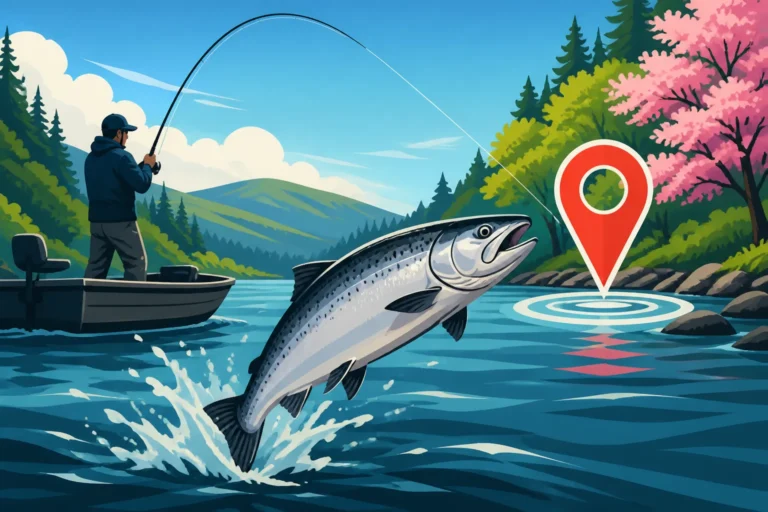
Oh, the allure of Central Oregon for an angler! It's a feeling many of us know well – poring over maps, dreaming of pristine rivers and glassy lakes, but then getting utterly bogged down trying to figure out where to even start. With so many incredible fishing spots scattered across this stunning region, it can feel like a daunting task to pinpoint the perfect place for your next cast. This comprehensive guide is here to cut through the confusion, offering a deep dive into Central Oregon's best fishing locations, what makes them special, and how to make the most of your time on the water.
Why Central Oregon is a Fishing Paradise
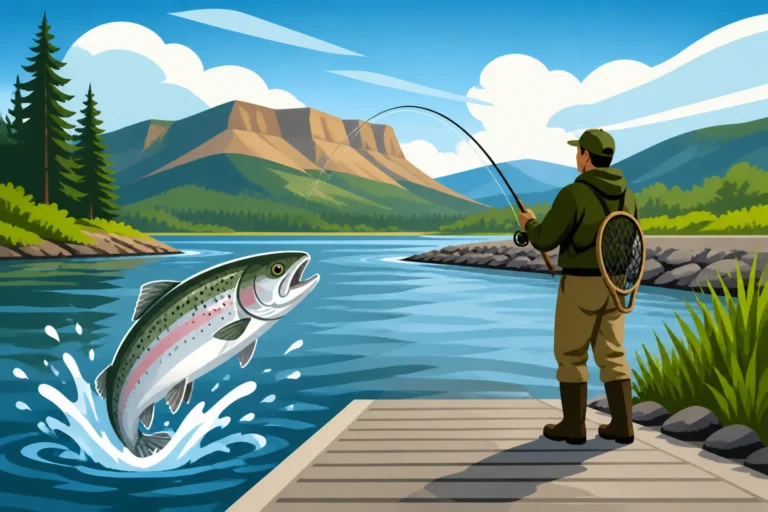
Central Oregon isn't just a pretty face with its majestic Cascade peaks, high desert landscapes, and Ponderosa pine forests. It's a genuine treasure trove for anyone who loves to fish, offering an astonishing variety of angling experiences that truly stand out. From the roaring waters of famous rivers to tranquil alpine lakes, the diversity here is what keeps anglers coming back year after year. It's a place where every season brings new opportunities and different species to pursue.
Diverse Fisheries: Rivers, Lakes, and Reservoirs
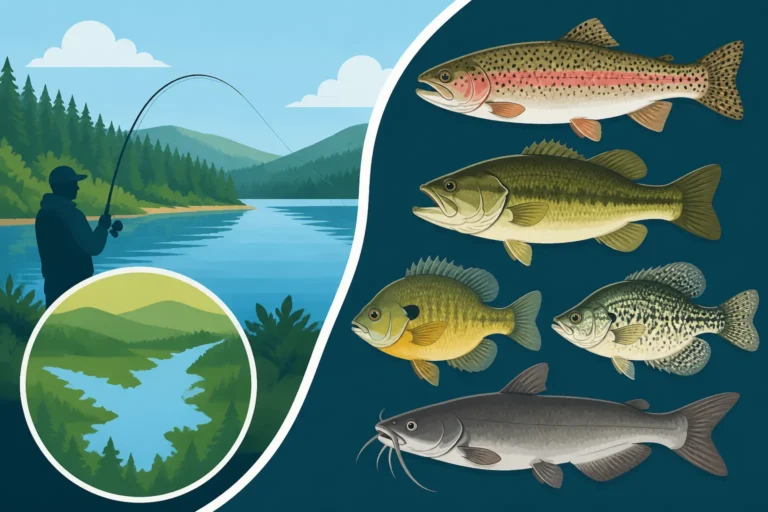
What truly sets Central Oregon apart is the sheer range of water bodies available to explore. You've got your world-renowned rivers, like the Deschutes, famous for its wild steelhead and redband trout, offering challenging but incredibly rewarding fly-fishing experiences. Then there are the smaller, intimate streams, perfect for a quiet day chasing native cutthroats. Beyond the moving water, the region boasts an impressive collection of lakes, ranging from expansive reservoirs like Crane Prairie and Wickiup, known for their trophy-sized trout and kokanee, to the serene, high-mountain lakes that require a hike to access but promise unparalleled solitude and beauty. This incredible mix means that whether you prefer casting a fly from the bank, trolling from a boat, or still-fishing with a bobber, there's a perfect spot waiting for you.
Each type of fishery presents its own unique charm and challenges. The fast-flowing rivers demand precise casting and an understanding of hydraulics, while the vast reservoirs require different strategies, often involving boat control and sonar to locate schools of fish. Even the tiny mountain lakes have their own secrets, often holding eager brook trout or elusive cutthroat in incredibly clear, cold waters. This diversity ensures that regardless of your skill level or preferred style of fishing, Central Oregon offers endless opportunities to learn, grow, and connect with nature in a truly special way. It's not just about catching fish; it's about experiencing the wild beauty of Oregon in all its glory.
Stunning Scenery and Accessibility
Beyond the fish, the backdrop for your angling adventure in Central Oregon is simply breathtaking. Imagine casting your line with Mount Bachelor or Three Sisters towering in the distance, or watching an osprey dive for a fish as the sun sets over a tranquil reservoir. The scenery here is more than just pretty; it's an integral part of the fishing experience, providing a sense of peace and wonder that enhances every moment on the water. This natural beauty isn't just for those willing to venture deep into the wilderness; many prime fishing spots are surprisingly accessible, often just a short drive from charming towns like Bend, Sisters, or Sunriver.
While some of the most remote high-mountain lakes certainly demand an adventurous spirit and a good pair of hiking boots, countless fantastic fishing spots are easily reached by car, offering convenient access for families, seniors, or anyone with limited mobility. Many popular lakes and rivers feature well-maintained boat ramps, developed campgrounds, and accessible fishing platforms, making it easier for everyone to enjoy what Central Oregon has to offer. This blend of stunning, wild landscapes with practical accessibility creates an inviting atmosphere, drawing both seasoned anglers and first-timers alike to discover the magic of fishing in this remarkable corner of Oregon.
Iconic Rivers for Central Oregon Anglers
When you talk about fishing in Central Oregon, the conversations inevitably turn to its legendary rivers. These waterways are the lifeblood of the region, carving through high desert canyons and lush forests, offering some of the most sought-after freshwater angling experiences in the Pacific Northwest. From the powerful Deschutes to the delicate Metolius, each river has its own character and special appeal.
The Mighty Deschutes River: Steelhead, Trout, and More
Ah, the Deschutes! This river is practically synonymous with Central Oregon fishing, and for good reason. It's a true gem, renowned worldwide for its incredible wild redband rainbow trout and an equally impressive run of summer steelhead. Stretching from its headwaters in the Cascade Lakes all the way to the Columbia River, the Deschutes offers a variety of fishing environments. The upper river, above Bend, winds through high desert landscapes, offering fantastic dry fly opportunities for trout. Below Bend, especially through the iconic canyons, is where the magic really happens for those seeking a true wilderness experience.
Fishing the Deschutes isn't just about the catch; it's about the entire immersive journey. Many anglers choose to float sections of the river, camping along the banks as they pursue aggressive redbands and powerful steelhead. The Maupin Oregon fishing access points are a popular start for multi-day trips. For steelhead, the lower Deschutes is legendary, particularly from Warm Springs down to the Columbia. These fish are known for their strength and aerial acrobatics, providing an exhilarating fight. If you're planning a trip, definitely look into the Oregon Steelhead Guide for more specific techniques and timing. Remember, understanding the Oregon Fishing Season Dates and Limits for the Deschutes is crucial, as regulations can vary significantly depending on the section of the river and target species. It's a challenging river, yes, but the rewards—a beautiful fish in hand, surrounded by rugged beauty—are absolutely worth it.
The Crooked River: A Fly Fisher's Dream
For many fly anglers, the Crooked River, particularly its "trophy section" below Bowman Dam, is a slice of heaven. This isn't a river for big, brutish fish; instead, it's known for its abundant, feisty redband trout that rise eagerly to a well-presented fly. What makes the Crooked so special is its consistent flows and prolific insect hatches, making it an ideal year-round destination, even when other rivers might be blown out or too cold. It’s also incredibly accessible, with numerous pull-offs and trails making it easy to hop from one promising riffle to the next.
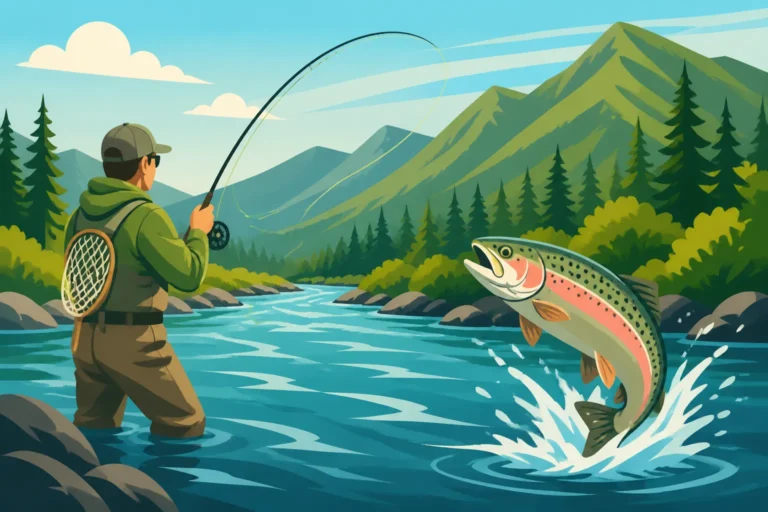
While the trout here generally range from 8 to 14 inches, don't let their size fool you. They are incredibly strong for their stature and will put a bend in your rod. The river's clear water and open banks make it perfect for sight fishing and honing your casting skills. You'll often find yourself wading in its gentle currents, enjoying the quiet solitude and the rhythm of the cast. For those looking to refine their Oregon Trout Fishing Techniques, the Crooked River offers a fantastic classroom. It’s a place where patience, observation, and a delicate presentation truly pay off, making it a favorite for many who appreciate the finer points of fly fishing.
The Metolius River: Pristine Waters and Challenging Trout
The Metolius River is another jewel in Central Oregon's crown, but it's a completely different experience from the Deschutes or Crooked. This spring-fed river emerges from the ground already cold and clear, flowing northward through a stunning, heavily forested canyon. Its crystal-clear waters are home to beautiful rainbow, brown, and bull trout. However, the Metolius is notoriously challenging. Due to its clarity and the often spooky nature of its fish, it demands the utmost in stealth, delicate presentations, and precise fly selection.
Much of the Metolius is designated as fly-fishing only, and often with specific tackle restrictions, so make sure to check the current Oregon Fishing Regulations Explained before heading out. Anglers here often spend more time observing than casting, waiting for hatches and meticulously matching the insects. It’s not a river for numbers, but for the quality of the experience and the beauty of the fish you might encounter. If you're looking for a peaceful, contemplative day of fishing where your skills are truly put to the test, and you don't mind the possibility of a "fishless" day in exchange for breathtaking scenery and a chance at a truly wild, wary trout, the Metolius is an absolute must-visit. For an even deeper dive into this unique waterway, our How to Fly Fish the Metolius River guide is an invaluable resource.
Premier Lakes and Reservoirs for Trophy Fish
While Central Oregon's rivers draw anglers with their wild trout and steelhead, the region's lakes and reservoirs are where many go in search of truly impressive fish. These larger bodies of water, often nestled in volcanic landscapes or fed by glacial melt, offer diverse habitats for a variety of species, from massive rainbow trout to landlocked salmon and hard-fighting bass. They’re perfect for boat anglers, but also offer plenty of bank fishing opportunities.
Crane Prairie Reservoir: Home of Giant Rainbows
Crane Prairie Reservoir is perhaps Central Oregon's most famous stillwater fishery, legendary for its colossal rainbow trout. These "crane bows" often reach impressive sizes, with fish over 20 inches being common and true trophy-sized fish pushing towards the double digits in weight not unheard of. The reservoir's shallow, nutrient-rich waters, dotted with standing dead timber (known as "ghost trees"), create an ideal environment for trout to grow large on a diet of insects, leeches, and abundant minnows. It's a unique and visually striking place to fish, though navigating the submerged trees requires caution.
Anglers here often target these behemoths using a variety of techniques, from trolling with large streamers and plugs to fly fishing with leech patterns or chironomids under indicators. The best time to fish Crane Prairie is typically in the spring and fall when water temperatures are cooler and the fish are more active in the shallows. Summer can be productive too, especially at dawn and dusk. For specific tactics, diving into Oregon Trout Fishing Techniques will give you a good head start on how to approach these big, wily fish. Whether you're casting from a float tube, drift boat, or a powerboat, Crane Prairie offers the chance at a true fish of a lifetime, making it a bucket-list destination for many.
Lake Billy Chinook: Kokanee, Bull Trout, and Sockeye
Lake Billy Chinook is a massive, deep reservoir formed by the confluence of the Deschutes, Metolius, and Crooked rivers. This unique hydrographic feature creates a diverse fishery that is vastly different from other Central Oregon lakes. It’s particularly famous for its incredible kokanee salmon population, offering some of the best fishing for these landlocked sockeye in the state. Beyond kokanee, the lake is also home to elusive bull trout, which are a protected species and must be released, but offer a thrilling challenge for dedicated anglers. It also supports some native rainbow trout and smallmouth bass.
Kokanee fishing here is typically done by trolling with downriggers, using small dodgers and hoochies or wedding rings. The Oregon Salmon Species Guide can provide insights into these feisty, delicious fish. Bull trout, on the other hand, often require specialized techniques, usually involving large streamers or plugs, and their pursuit is as much about the hunt as the catch. It’s crucial to know the specific regulations for bull trout, as they are protected, so always consult the most current Oregon Fishing Regulations Explained. Lake Billy Chinook is a vast body of water, and having a good boat with sonar is almost essential for success, especially for locating the deeper schools of kokanee. The sheer size and depth make it an exciting, albeit sometimes challenging, place to explore.
East and Paulina Lakes: Twin Volcanic Wonders
Nestled within the Newberry National Volcanic Monument, East Lake and Paulina Lake are two breathtakingly beautiful sister lakes, each offering distinct fishing opportunities. These high-elevation lakes are caldera lakes, meaning they formed in the collapsed craters of volcanoes, giving them unique underwater structures and rich aquatic life. Paulina Lake is the larger of the two, known for its trophy brown trout and kokanee salmon. Anglers often troll for these species, and the browns can grow to impressive sizes, offering a powerful fight.
East Lake, while smaller, is equally productive and offers a more diverse fishery. It holds rainbow trout, kokanee, and even Atlantic salmon (a non-native species stocked by ODFW). Fly fishing can be excellent here, particularly for rainbow trout around the many shoals and weed beds. Both lakes are typically ice-free from late May through October, offering prime summer and early fall fishing. The stunning volcanic landscape, complete with obsidian flows and hot springs, adds an extra layer of magic to a day on these twin wonders. These are fantastic spots for a multi-day camping and fishing trip, combining excellent angling with spectacular natural beauty.
Wickiup Reservoir: Large Trout and Kokanee
Wickiup Reservoir is another immense body of water on the Deschutes River system, known for its expansive shallow flats and abundant insect life, which contribute to its reputation for producing large trout and healthy kokanee salmon. Like Crane Prairie, it's often characterized by standing timber, providing excellent fish habitat but requiring careful navigation. Wickiup is particularly popular in spring and fall for its rainbow and brown trout, which can reach substantial sizes.
The kokanee fishery here is also very strong, offering consistent action for anglers who enjoy trolling. The sheer size of Wickiup means there's always a new cove or channel to explore. Early season, when the lake first opens to fishing after ice-out, can be phenomenal for trout as they move into shallower water to feed. It's a fantastic destination for those with a boat, offering plenty of room to roam and diverse habitats to target. Whether you're chasing the strong fight of a rainbow or the steady tug of a kokanee, Wickiup Reservoir delivers an expansive and rewarding Central Oregon fishing experience.
Hidden Gems and Lesser-Known Spots
While the famous rivers and large reservoirs understandably draw a crowd, Central Oregon is also dotted with countless smaller, quieter fishing spots that offer a different kind of reward. These hidden gems are perfect for those seeking solitude, a more intimate connection with nature, or just a peaceful day away from the bustling popular areas. They often require a bit more effort to reach, but the tranquility and unique angling experiences they offer are truly priceless.
High Cascade Lakes: Adventure and Solitude
Deep within the Cascade Mountains, accessible by forest roads or scenic hiking trails, lies a network of pristine high-elevation lakes. These aren't your easily-accessed roadside attractions; many require a good hike, often several miles, to reach. But for the adventurous angler, the effort is amply rewarded. These lakes, fed by snowmelt and mountain springs, are often incredibly clear and hold populations of eager brook trout, feisty rainbow trout, and sometimes even elusive cutthroat. The fish might not be massive, but they are wild, beautiful, and readily caught on small spinners, flies, or even a simple worm under a bobber.
The experience of fishing these high lakes is as much about the journey and the stunning alpine environment as it is about the fish. Imagine hiking through old-growth forests, wildflowers blooming, and then emerging at a secluded lake, its surface reflecting the surrounding peaks. There’s a profound sense of peace and accomplishment that comes with catching a wild trout in such a pristine, remote setting. Before you go, though, always check trail conditions and be prepared for changing mountain weather. A great resource for exploring these spots would be the Oregon Fishing Zones Explained section in the regulations, as specific rules can apply to these unique high-country waters.
Small Streams and Ponds: Family-Friendly Fun
Not every fishing trip needs to be a hardcore expedition for trophy fish. Central Oregon also boasts a delightful array of small streams and community ponds that are perfect for a more relaxed outing, especially with kids or for beginner anglers. These spots are often regularly stocked by the Oregon Department of Fish and Wildlife (ODFW) with hatchery rainbow trout, providing consistent action and a high chance of success. This makes them ideal for introducing youngsters to the joys of fishing, where immediate gratification often seals the deal on a lifelong passion.
Locations like Shevlin Park Pond in Bend, or various small ponds around Sunriver, are fantastic examples. They offer easy bank access, often with picnic areas and restrooms, making them incredibly family-friendly. Simple bait-and-bobber setups with worms, PowerBait, or corn are usually all you need. These spots are less about landing a monster and more about creating memories, teaching basic fishing skills, and enjoying the outdoors together. If you're wondering, "Do kids need a fishing license in Oregon?" the answer is generally yes for those 12 and older, but there are specific age requirements, so it's always best to check the current rules. These smaller waters provide a stress-free environment to enjoy the sport, making them true hidden gems for accessible, enjoyable fishing.
Targeting Specific Species in Central Oregon Waters
One of the great joys of fishing in Central Oregon is the sheer variety of fish species available. Each species presents its own unique challenges and rewards, requiring different approaches, techniques, and locations. Knowing what you're targeting can help you fine-tune your strategy and increase your chances of a successful day on the water.
Chasing Redband Trout and Rainbows
Central Oregon is a dream destination for trout anglers, primarily due to its robust populations of redband trout and hatchery-stocked rainbows. Redband trout are a subspecies of rainbow trout native to the arid interior regions of the Pacific Northwest, and they are highly prized for their wild beauty and spirited fight. They thrive in the cold, clear waters of rivers like the Deschutes and Crooked, feeding on aquatic insects, small baitfish, and nymphs. Targeting them often involves technical fly fishing, using dry flies to match hatches or nymphing techniques in deeper runs.
Rainbow trout, both wild and hatchery-stocked, are also abundant. The hatchery fish are commonly found in accessible lakes and ponds, making them perfect for beginners and family outings. They are often less picky, readily biting on worms, PowerBait, or small spinners. Wild rainbow trout, particularly in the larger reservoirs like Crane Prairie and Wickiup, grow to impressive sizes and demand more skill. For detailed strategies on how to catch these beautiful fish, our Oregon Trout Fishing Techniques guide is packed with invaluable information. Whether you're after the subtle art of matching a hatch for a wild redband or simply enjoying the thrill of a stocked rainbow tugging on your line, Central Oregon's trout fisheries offer endless opportunities.
Hooking into Kokanee and Bull Trout
Beyond the classic trout species, Central Oregon is also famous for its kokanee salmon and the elusive bull trout. Kokanee are landlocked sockeye salmon, known for their brilliant red spawning colors and delicious flesh. They are plankton feeders and are typically found in the deeper, colder waters of large reservoirs like Lake Billy Chinook, Wickiup, East Lake, and Paulina Lake. Trolling is the most popular and effective method for kokanee, using specialized gear like dodgers, flashers, and small lures (often called "wedding rings" or "hoochies") tipped with corn or scent. The challenge often lies in finding the schools, which can be done with sonar, and then presenting your gear at the correct depth.
Bull trout, on the other hand, are an entirely different beast. These stunning char are native to the region, and due to their protected status, they are strictly catch-and-release in most waters, including Lake Billy Chinook where they can grow quite large. They are apex predators, feeding on other fish, so targeting them requires larger lures or streamers that imitate baitfish. Their pursuit is less about numbers and more about the challenge of finding and successfully landing one of these magnificent, federally protected fish. Always double-check the Oregon Fishing Regulations Explained for specific rules regarding bull trout, as they are very stringent. Encountering a bull trout is a special moment, a testament to the wildness of Central Oregon's aquatic ecosystems.
Battling Smallmouth Bass
While trout and salmon often get the spotlight, Central Oregon also offers some fantastic warmwater fishing, particularly for smallmouth bass. These aggressive, hard-fighting fish have become well-established in certain rivers and reservoirs, much to the delight of many anglers. The John Day River is particularly well-known for its smallmouth bass population, offering incredible float trips where you can catch dozens of these feisty fish in a day. You'll also find them in sections of the Deschutes River and reservoirs like Lake Billy Chinook and Prineville Reservoir.
Smallmouth bass are incredibly fun to catch on light tackle. They readily strike a variety of lures, including spinnerbaits, crankbaits, jigs, and soft plastics that mimic crawfish or baitfish. Fly anglers can also have a blast with poppers and streamer patterns. What makes smallmouth so appealing is their aggressive nature and acrobatic fights; they often leap from the water when hooked. The good news for anglers is that in many Central Oregon waters, particularly where they are considered non-native, there are liberal bag limits or even no limits on smallmouth, encouraging anglers to harvest them to reduce their impact on native species. If you're looking for consistent action and a great fight, definitely explore the smallmouth opportunities in Central Oregon, and our Oregon Bass Fishing Guide can provide even more detail on how to target them effectively.
Essential Gear and Techniques for Central Oregon
Embarking on a fishing adventure in Central Oregon means being prepared for a variety of conditions and target species. Having the right gear and understanding the most effective techniques can dramatically improve your success and enjoyment on the water. It's not just about what you use, but how you use it in this unique environment.
Fly Fishing vs. Spin Fishing Considerations
Central Oregon truly shines as a fly fishing destination, particularly on its famed rivers like the Deschutes, Metolius, and Crooked. Fly fishing allows for a delicate presentation, which is often crucial for wary wild trout and steelhead in clear waters. For these rivers, a 4- to 6-weight fly rod is generally suitable for trout, while a 7- to 9-weight is needed for the powerful steelhead. Essential fly gear includes a good selection of nymphs, dry flies (to match local hatches), and streamer patterns. Learning How to Fly Fish in Oregon is a fantastic skill to develop for this region.
However, spin fishing is by no means second-class and is often more accessible for beginners or those targeting specific species in larger waters. For trout in lakes and reservoirs, a light to medium-light spinning rod (6-7 feet) paired with a reel spooled with 4-8 lb test line is versatile. Small spinners, spoons, PowerBait, and worms are all effective. For bass and kokanee, slightly heavier gear might be preferred. Spin fishing is also an excellent option for targeting smallmouth bass in the John Day and Deschutes rivers. Ultimately, the choice often comes down to personal preference and the specific water body and species you're pursuing. Many anglers carry both setups to maximize their options throughout the day.
Seasonal Strategies and Best Baits/Lures
Understanding the seasons and tailoring your approach accordingly is paramount in Central Oregon. Each time of year offers different opportunities and challenges:
- Spring (March-May): This is prime time for trout in rivers as insect hatches begin. Nymphing is often very productive, transitioning to dry flies as temperatures warm. Reservoirs like Crane Prairie and Wickiup also start to open up, offering excellent fishing for large trout after ice-out, often with trolling or large streamers.
- Summer (June-August): High mountain lakes become fully accessible and offer fantastic fishing for brook and rainbow trout, often with dry flies. The Deschutes River comes alive with summer steelhead and continues to offer excellent trout fishing. Warmwater species like smallmouth bass are highly active in rivers and reservoirs, responding well to topwater lures and crankbaits.
- Fall (September-November): Many consider fall the best time of year to fish in Oregon. The vibrant foliage adds to the beauty, and fishing remains strong. Steelhead runs peak on the Deschutes. Trout fishing in rivers and lakes remains excellent, with fish actively feeding before winter. Kokanee in reservoirs also become more aggressive.
- Winter (December-February): While challenging, winter fishing can be rewarding. The Crooked River offers consistent nymphing for redband trout. Some lakes might offer ice fishing if conditions allow, typically for trout and kokanee. It's a time for solitude and patience, often rewarding anglers with surprisingly active fish on milder days.
As for specific baits and lures, PowerBait and worms are always reliable for stocked trout. For wild trout and steelhead, a diverse fly box is essential. Spin anglers will find success with Rooster Tails, Panther Martin spinners, small spoons (like Dick Nites or Kastmasters), Rapala plugs, and various soft plastic jigs. For kokanee, specialized dodgers and wedding rings are key. Always consult local tackle shops for the most current information on what's working best, as conditions can change rapidly.
Planning Your Central Oregon Fishing Adventure
A successful fishing trip in Central Oregon is about more than just knowing where the fish are; it's about preparation, understanding the local rules, and making informed decisions about how you want to experience the region. A little planning goes a long way in ensuring a memorable and fruitful adventure.
When to Go: Seasons and Weather
Choosing the right time to visit Central Oregon for fishing depends heavily on what you want to catch and your preferred style of fishing. As we touched on earlier, each season has its distinct advantages. Spring and fall are often considered prime times for river trout and steelhead, offering pleasant weather and active fish. Summer opens up the high-mountain lakes and brings warmwater species to life, but can also mean more crowds on popular waters. Winter offers solitude and unique opportunities like ice fishing, but demands preparedness for cold weather.
Beyond the general seasons, always keep an eye on the local weather forecast and river conditions. Snowmelt can cause rivers to run high and muddy in spring, while summer heat can make trout fishing slower during midday. Checking water levels and temperatures is a good habit. Online resources provided by the Oregon Department of Fish and Wildlife (ODFW) and local guide services often provide up-to-date reports. For a broader perspective on timing your trip, you might find our article on the Best Time of Year to Fish in Oregon particularly useful, as it covers statewide seasonal patterns.
Licenses, Regulations, and Local Knowledge
This is perhaps the most critical part of planning any fishing trip to Oregon. You absolutely need an Oregon Fishing License Guide before you cast a line, regardless of whether you're a resident or non-resident. Licenses can be purchased online through the ODFW website, at most sporting goods stores like Bi-Mart or Dick's Sporting Goods, or even at some local fly shops in towns like Bend. Make sure you understand the different license types and any necessary endorsements, such as the Columbia River Basin Endorsement if you plan to fish certain parts of the Deschutes that connect to the Columbia, or a Combined Angling Tag for certain salmon and steelhead species.
Beyond the general license, fishing regulations in Oregon, particularly in Central Oregon, can be complex and vary significantly by water body, species, and even time of year. Always carry a copy of the current Oregon Fishing Regulations Explained (available online or as a booklet) and check specific zone regulations. For instance, sections of the Deschutes and Metolius rivers have special fly-fishing-only or catch-and-release rules. Failing to comply can lead to hefty Oregon Fishing Violations and Penalties. Don't rely solely on what you hear; verify rules yourself. Tapping into local knowledge from tackle shops and guides is also invaluable for understanding current hot spots and effective techniques.
Hiring a Guide: Making the Most of Your Trip
For many, especially those new to Central Oregon or looking to target a specific species like Deschutes steelhead or Metolius trout, hiring a local fishing guide can be an absolute game-changer. A good guide isn't just someone who knows where the fish are; they are seasoned experts who understand the nuances of the local waters, current conditions, effective techniques, and crucial safety protocols. They can provide all the necessary gear, transport you to prime spots, and most importantly, teach you invaluable skills and insights that would take years to acquire on your own.
When considering a guide, look for reputable services that are licensed and insured. Websites like FishingBooker can be a great place to start your search, offering a comprehensive list of local guides and their specialties. Don't be shy about asking questions about their experience, what's included in the trip, and what you should expect. Our Oregon Fishing Guide Services and How to Choose an Oregon Fishing Guide articles offer even more detailed advice on selecting the right professional for your adventure. Whether it's a full-day float trip down the Deschutes or a technical walk-and-wade on the Crooked, a skilled guide can transform a good fishing trip into an unforgettable one, vastly increasing your chances of success and deepening your appreciation for Central Oregon's incredible fisheries.
Disclaimer
The information provided in this guide is for general informational purposes only and is subject to change. Fishing regulations, season dates, and license requirements in Oregon are set by the Oregon Department of Fish and Wildlife (ODFW) and can be modified at any time. It is always the angler's responsibility to consult the most current official ODFW regulations before fishing. We are not liable for any misinterpretation or outdated information.