Best fishing spot for shore anglers without a boat
It's a common frustration, isn't it? You're itching to cast a line in Oregon's incredible waters, but you don't own a boat, and charter trips aren't always in the cards. The good news is that Oregon, with its diverse landscapes and abundant fisheries, offers a fantastic array of opportunities for shore anglers. This comprehensive guide is designed to cut through the noise and show you exactly where and how to find success fishing from the bank, a pier, or a dock, proving you don't need a vessel to reel in some amazing catches.
Understanding the Shore Angler's Challenge in Oregon
Oregon is a fishing paradise, but for many, the mental image often involves a drift boat floating down a river or a charter heading out into the Pacific. This can make shore anglers feel a bit overlooked, as if all the best spots are reserved for those with expensive equipment. It’s a valid concern, and navigating the vast regulations and locations to find genuinely good bank access can feel like a daunting task.
The Boat Barrier and Accessibility Issues
Let's face it, not everyone has the luxury of owning a boat, a drift boat, or even a kayak. And even if you do, sometimes you just want to grab a rod and walk to a prime spot without the hassle of launching, retrieving, and cleaning. The "boat barrier" refers to this feeling that all the prime fishing locations are out of reach without a vessel. You might drive past stunning rivers or expansive lakes and see boats dotted across the water, wondering if there's any way for you to get in on the action. This struggle is real, especially in areas where private land lines the banks or where currents are too strong for safe wading. Finding public access points with parking, trails, and safe casting zones is key, and it often requires a bit of local knowledge or dedicated research.
Moreover, certain types of fishing, like deep-sea halibut or offshore tuna, are inherently boat-dependent. This can lead to a sense of exclusion for those sticking to shore. However, Oregon's diverse ecosystems mean there are plenty of species that thrive close to shore and are perfectly catchable from the bank. It's about shifting your focus from what you can't do to the incredible opportunities that are readily available to you. Don't forget that even for major trips, sites like FishingBooker, while primarily for charters, can sometimes highlight specific bays or river sections that are popular, leading you to investigate nearby shore access points independently.
Key Factors for Successful Shore Angling
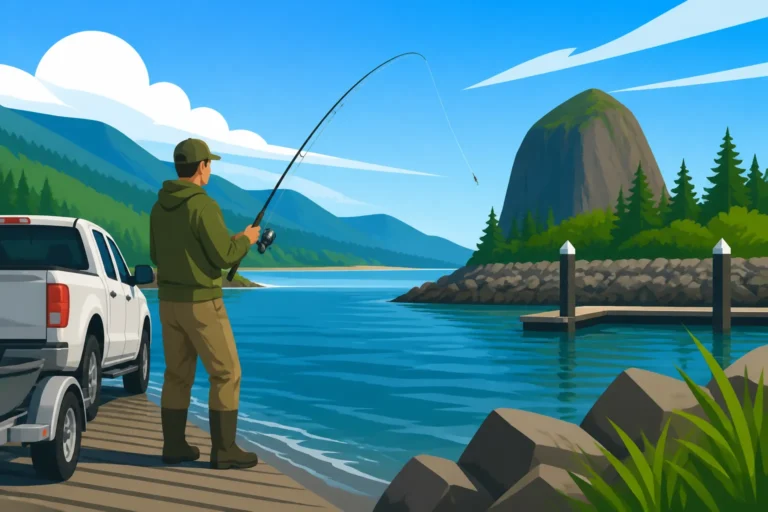
So, how do you stack the odds in your favor when you're restricted to terra firma? It comes down to understanding a few critical factors that make a location genuinely shore-angler friendly. First and foremost is public access. You need a place where you can legally and safely cast a line without trespassing or endangering yourself. This includes designated fishing piers, docks, state park access points, boat launches (where bank fishing is permitted), and public easements along rivers and lakes. Researching these access points beforehand can save you a lot of wasted time and frustration.
Secondly, look for features that attract fish close to shore. Structure is your best friend: submerged logs, rock piles, weed beds, drop-offs, current seams, and even bridge pilings. These features provide cover, ambush points, and feeding grounds for various species. In rivers, pay attention to eddies, slower currents, and tail-outs of riffles. In lakes and reservoirs, focus on points, coves, and areas where feeder creeks enter. The time of day and year also plays a huge role; fish often move closer to shore during dawn and dusk, or during specific seasons like trout stocking season or salmon runs. A little planning with the Oregon Department of Fish and Wildlife (ODFW) stocking schedule can dramatically increase your chances of success.
Top Shore Fishing Spots in Western Oregon (Near Population Centers)
If you're in or around Oregon's most populated areas, you're actually in luck! Western Oregon, particularly the Willamette Valley and the Coast, offers numerous accessible and productive shore fishing locations. These spots are perfect for a quick evening trip or a relaxed weekend outing without needing to travel too far from home.
Urban Escapes: Portland Metro and Willamette Valley
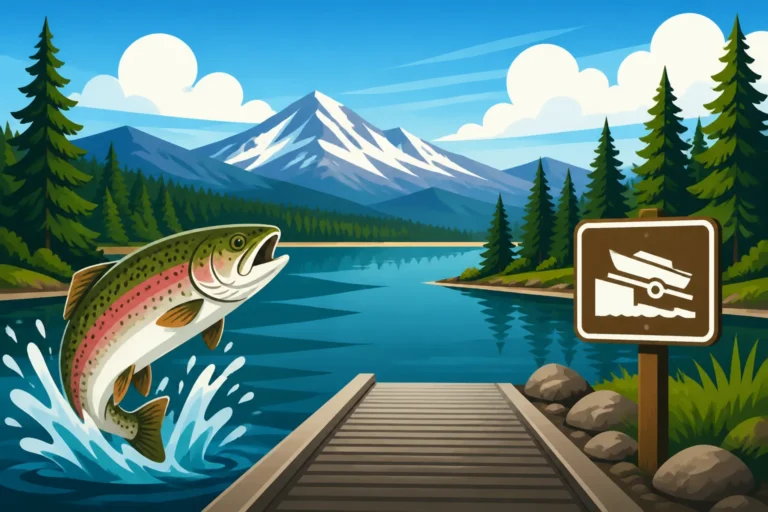
Living near Portland or Salem doesn't mean you're limited to just city parks. There are fantastic opportunities for a variety of species within a short drive. One standout example is Henry Hagg Lake Fishing Guide. Located near Forest Grove, Hagg Lake is an absolute gem for shore anglers, offering ample bank access, numerous designated fishing areas, and even some accessible fishing docks. You can target rainbow trout, smallmouth bass, largemouth bass, and crappie here. The lake is regularly stocked with trout, making it a highly reliable spot, especially in spring and fall. Weekends can get busy, but there's enough shoreline to find your own space.
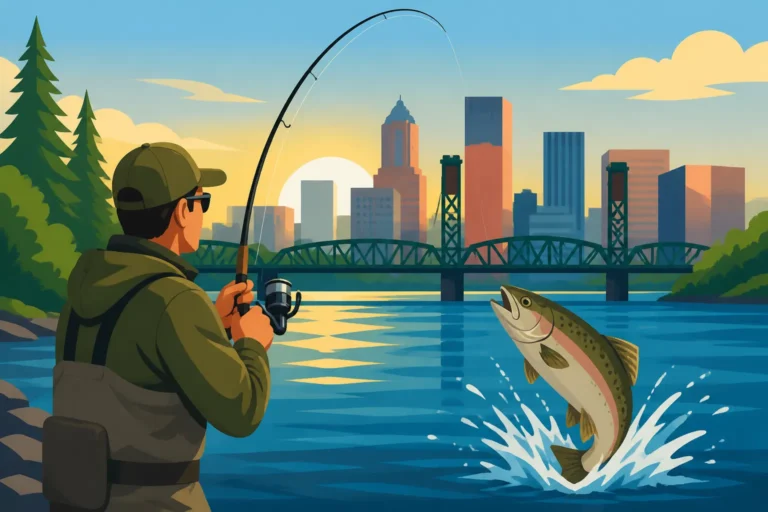
Another excellent option is the Willamette River Fishing Guide itself, especially within the greater Portland and Salem areas. While much of the river is best fished by boat, there are several public parks and boat launches that offer good bank access. Try places like Willamette Park in Portland, various access points in Wilsonville, or the parks in Salem. During the spring and fall, these areas can be productive for spring Chinook salmon, fall Chinook, and steelhead, though you'll need to check the specific regulations for open seasons and gear restrictions, and have your Oregon Combined Angling Tag Guide in order. Smallmouth bass and various panfish are also abundant throughout the river system and can provide consistent action from shore. Even places like the Multnomah Channel, a slow-moving arm of the Willamette and Columbia, has bank access points that can be great for catfish and warmwater species.
Coastal Opportunities: Bays and Beaches
The Oregon Coast isn't just for stunning views; it's a treasure trove for shore anglers looking for a different kind of experience. The numerous bays and estuaries provide sheltered waters perfect for targeting diverse species, while the open beaches offer a unique challenge.
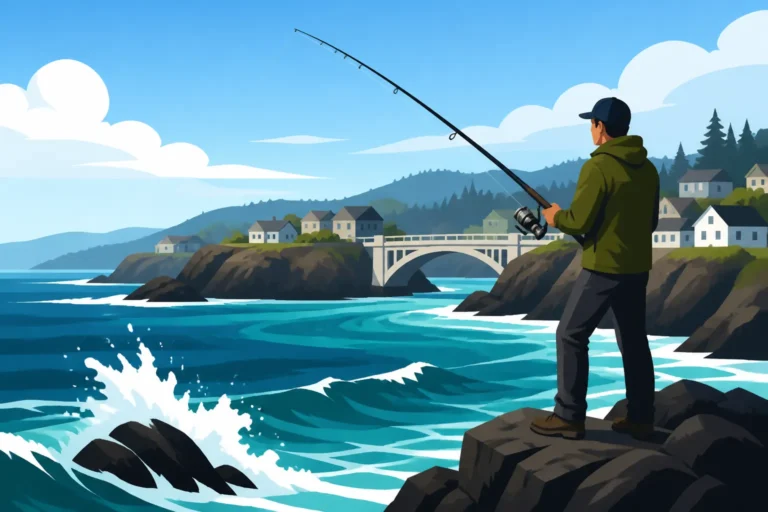
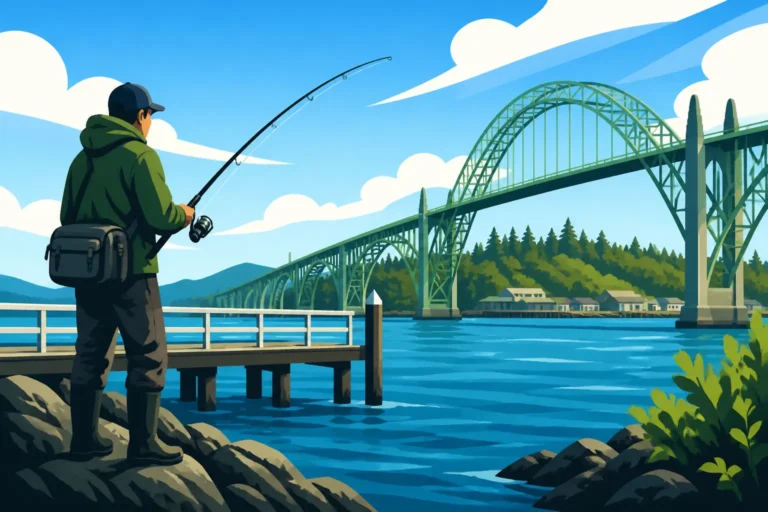
For bay fishing, locations like Yaquina Bay Fishing Guide in Newport and Tillamook Bay Fishing Guide are phenomenal. In Yaquina Bay, you'll find several fishing piers, including the popular Newport Bayfront pier, which allow you to target rockfish, greenling, flounder, and even Dungeness crab. Remember, if you're crabbing or clamming, you'll need an Oregon shellfish license cost for crabbing and clamming in addition to your general fishing license. Tillamook Bay also has excellent public docks and bank access, particularly around Garibaldi and Bay City. Here, you can cast for salmon during their runs, or focus on bottom fish and crab. Tidal currents are a major factor in these bays, so checking tide tables is crucial for successful outings.
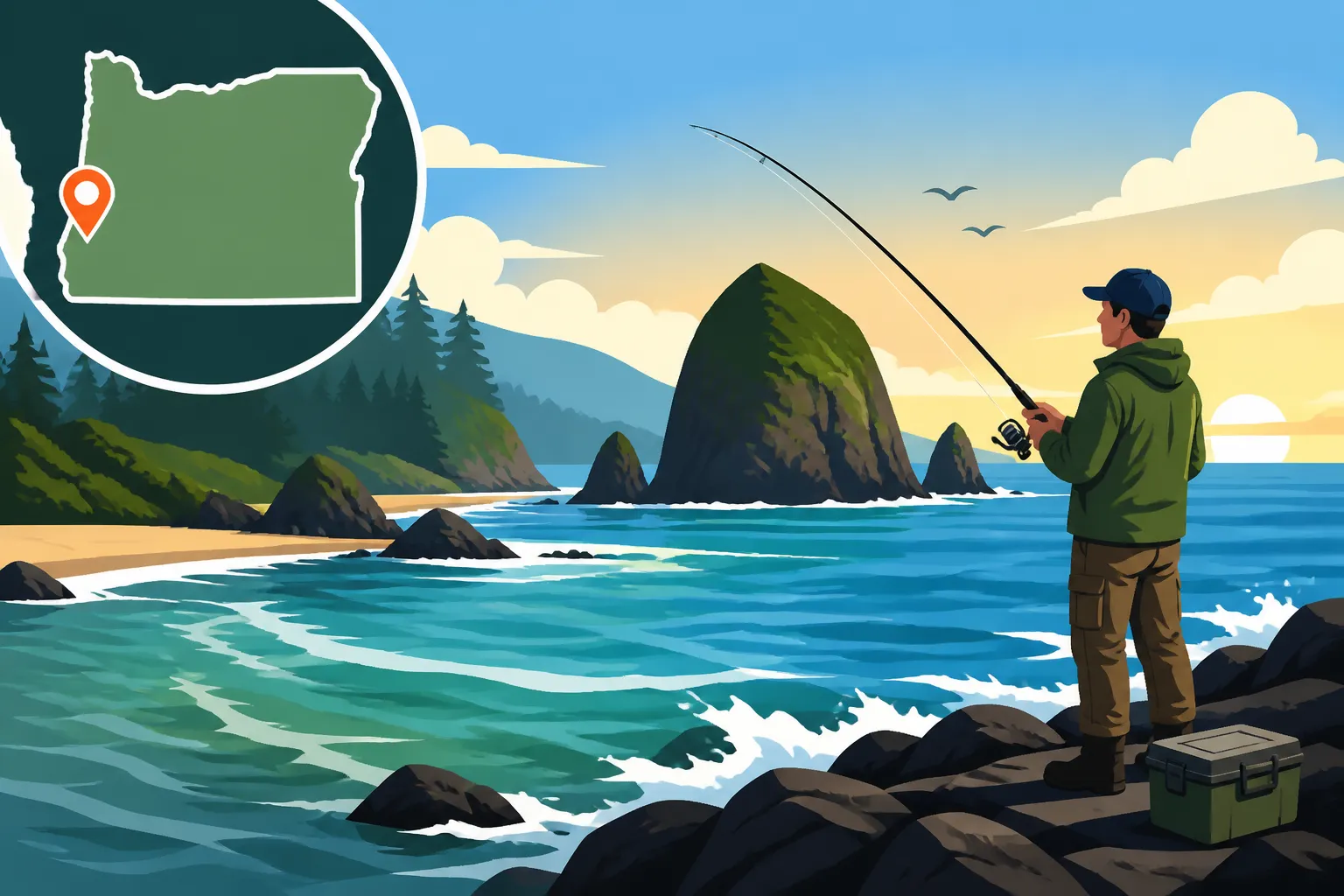
If you're after something a bit more adventurous, surf fishing for redtail surfperch is an incredible experience. Beaches from Fort Stevens State Park near Astoria all the way down to Brookings offer excellent opportunities. Look for areas with deeper gutters and structure created by waves. You'll need a stout surf rod, some pyramid sinkers, and bait like sand shrimp, clam necks, or Gulp! sandworms. Early mornings and late evenings, especially around high tide, are often the most productive. The beauty of surf fishing is the sheer vastness of the coastline; you can almost always find a stretch of beach to yourself. Just be sure to always keep an eye on the waves and your surroundings.
Central and Eastern Oregon Hidden Gems for Shore Anglers
Don't let the thought of rugged terrain deter you from exploring Central and Eastern Oregon from shore. While some areas are indeed remote, there are many accessible lakes, reservoirs, and river sections that provide outstanding bank fishing experiences, often with fewer crowds than their western counterparts.
High Lakes and Reservoirs with Easy Access
Central Oregon is famous for its stunning Cascade lakes and vast reservoirs, many of which offer excellent shore access. While some of the more remote high mountain lakes require a hike, others are easily reachable by car and have plenty of bank fishing opportunities. Crane Prairie Reservoir trophy trout fishing, known for its massive rainbow trout, kokanee, and even brook trout, has numerous campgrounds and day-use areas with extensive shoreline. The shallow, weedy nature of much of the reservoir makes it prime habitat for fish feeding close to the banks, especially in the early morning and late evening. Look for access points around the Quinn River arm or near the Crane Prairie Dam.
Another fantastic option is Prineville Reservoir. This high desert reservoir near the city of Prineville boasts good populations of smallmouth bass, largemouth bass, rainbow trout, and even crappie. The state park and various BLM (Bureau of Land Management) access points offer plenty of shoreline, including rocky banks, sandy coves, and designated fishing areas. Early spring and late fall can be particularly productive for bass from shore, while trout stocking keeps anglers happy throughout the warmer months. For anglers looking to understand which species are in season, checking the Oregon Fishing Seasons Explained is always a smart move. Sites like FishingBooker sometimes list guides who fish these waters, and reviewing their fishing reports can sometimes clue you into popular bank fishing spots even if you're not booking a trip.
River Banks for Trout and Smallmouth Bass
When it comes to rivers in Central and Eastern Oregon, you can find some incredible opportunities for trout and smallmouth bass right from the bank. The Crooked River trout fishing near Prineville is a renowned fly-fishing destination, but it also provides excellent spin-fishing opportunities for bank anglers, especially in the easily accessible sections. Below Bowman Dam, the river flows through a scenic canyon with numerous public access points and trails. Here, wild redband rainbow trout are the main target, and you can often sight-fish them in the clear waters. Keep your presentations subtle, as these fish can be wary.
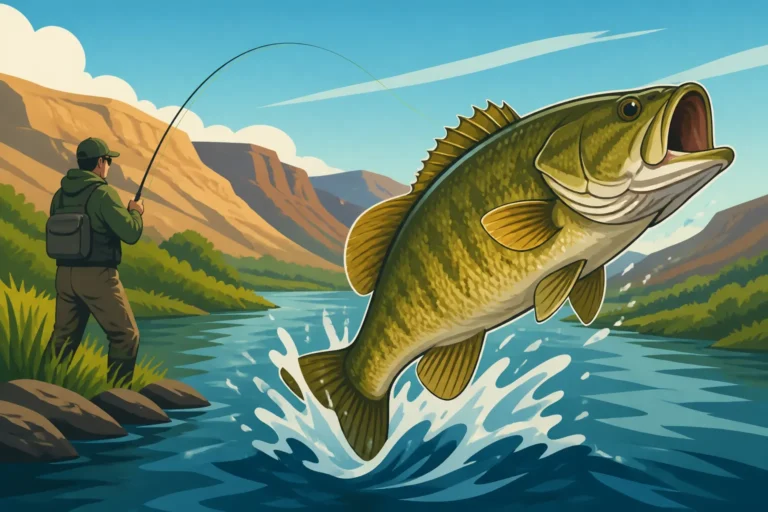
Further east, the John Day River smallmouth bass fishing is legendary. While popular with drift boaters, there are several public access points, particularly in the lower and middle sections, where you can walk in and target aggressive smallmouth. Look for rocky stretches, current breaks, and eddy lines. Smallmouth bass are incredibly fun to catch from shore, and they're often eager to strike at a variety of lures and baits. Access points near Cottonwood Bridge or Picture Gorge offer good starting points. Always be mindful of private property along the river and respect local signage. This river is a fantastic example of a fishery where shore anglers can truly excel.
Essential Tips and Gear for Oregon Shore Fishing
Okay, you've got some spots in mind. Now, let's talk about making sure you're ready to hit the bank with confidence. Shore fishing, while simpler than boat fishing, still benefits immensely from a bit of preparation and the right approach.
Basic Gear Setup for Versatility
The beauty of shore fishing is that you don't need a boatload of specialized gear. A versatile setup will cover most situations you encounter in Oregon. For general freshwater fishing (trout, bass, panfish), a medium-light spinning rod, around 6 to 7 feet long, paired with a matching spinning reel spooled with 6-10 lb test monofilament or braided line is perfect. This setup gives you enough backbone for bigger fish but is sensitive enough for lighter bites. For coastal surfperch, you'll want a longer, heavier surf rod, typically 9-12 feet, capable of casting heavy weights and handling surf conditions.
As for tackle, keep it simple but diverse. For trout, pack a variety of PowerBait, worms, small spinners (like Mepps or Rooster Tails), and small spoons. For bass, bring soft plastics (worms, jigs), crankbaits, and spinnerbaits. If you're targeting salmon or steelhead from shore, you might need heavier gear and specialized lures like Brad's Wigglers, larger spinners, or cured eggs, always remembering to check specific regulations on bait and tackle for the river you're on, especially regarding Oregon barbless hook requirements. Don't forget essentials like pliers, a net (especially if targeting larger fish), a tackle box, and a comfortable backpack to carry it all. A multi-tool and a small first-aid kit are always wise additions to your kit.
Reading the Water and Seasonal Considerations
Mastering shore fishing isn't just about finding the right spot; it's about understanding the water in front of you. "Reading the water" means looking for clues that indicate where fish might be holding or feeding. In rivers, this could be a slower current seam next to a faster one, an eddy behind a rock, or a deep pool where fish can rest. In lakes, look for points that extend into the water, submerged structures, or areas where birds are actively feeding. Often, fish will be where food is abundant or where they can find cover from predators or strong currents.
Seasonal considerations are also paramount. For instance, trout stocking ramps up in spring and fall, making those seasons prime for easy shore fishing in many lakes and ponds. During the heat of summer, trout often retreat to deeper, cooler waters, making dawn and dusk the best times to target them from shore, or focusing on cool-water springs. Salmon and steelhead runs are highly seasonal, and you'll need to consult the Oregon Fishing Regulations Explained and specific river forecasts to know when and where these fish are likely to be accessible from the bank. For example, knowing the Spring Chinook Season Timing in Oregon can help you plan trips to places like the Willamette River.
Always pay attention to current conditions like water clarity, temperature, and recent rainfall. Heavy rains can blow out rivers, making them unfishable from shore, while clear, low water might require lighter lines and more subtle presentations. Don't forget to purchase your Oregon Fishing License Guide before you head out, and keep it accessible, whether it's a printed copy or on your phone, as wardens do check.
Summary of Top Shore Fishing Locations
Here's a quick reference table for some of the best shore angling spots in Oregon:
| Location | Region | Target Species | Best Season (Shore) | Key Features for Shore Anglers |
|---|---|---|---|---|
| Henry Hagg Lake | Willamette Valley | Rainbow Trout, Smallmouth Bass, Largemouth Bass, Crappie | Spring, Fall, Summer (early/late) | Multiple docks, ample public bank access, stocked regularly |
| Willamette River | Willamette Valley | Smallmouth Bass, Chinook Salmon, Steelhead, Panfish, Catfish | Year-round (species dependent) | Urban parks, boat launches with bank access, diverse fishing |
| Yaquina Bay (Newport) | Oregon Coast | Rockfish, Flounder, Greenling, Dungeness Crab | Year-round | Public piers, jetties, accessible bayfront |
| Tillamook Bay | Oregon Coast | Chinook Salmon, Rockfish, Dungeness Crab | Fall (Salmon), Year-round (Crab) | Public docks (Garibaldi, Bay City), extensive shoreline |
| Oregon Coast Beaches | Oregon Coast | Redtail Surfperch | Year-round | Miles of public beach access, gutters, wave structure |
| Crane Prairie Reservoir | Central Oregon | Rainbow Trout, Kokanee, Brook Trout | Spring, Fall, Summer (early/late) | Numerous campground access points, shallow weedy banks |
| Prineville Reservoir | Central Oregon | Smallmouth Bass, Largemouth Bass, Rainbow Trout, Crappie | Spring, Fall, Summer (bass) | State park access, rocky banks, sandy coves |
| Crooked River (below Bowman Dam) | Central Oregon | Redband Rainbow Trout | Spring, Summer, Fall | Public trails, consistent flows, fly/spin fishing from bank |
| John Day River | Eastern Oregon | Smallmouth Bass | Spring, Summer, Fall | Public access points, rocky banks, current breaks |
Disclaimer
The information provided in this guide is for general informational purposes only. Fishing regulations in Oregon can change frequently based on species, location, and season. Always consult the most current Oregon Department of Fish and Wildlife (ODFW) regulations, special advisories, and emergency closures before heading out. It is the angler's responsibility to know and follow all applicable rules and laws.