How to find holding water for steelhead
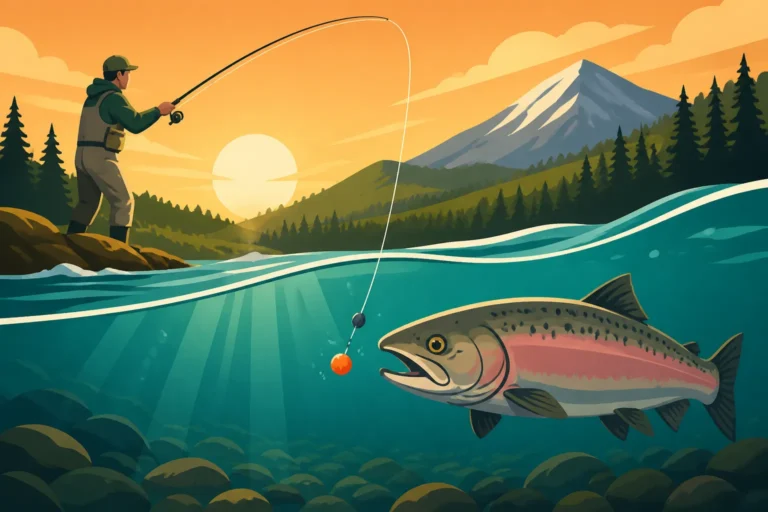
Let's be real: Few things are as frustrating for an angler as standing on the banks of a beautiful Oregon river, knowing steelhead are somewhere in that water, but having absolutely no idea where. It’s like searching for a needle in a watery haystack, and it can leave you feeling defeated. This guide is all about equipping you with the knowledge to "read the water" and consistently identify those crucial holding spots where steelhead choose to rest, feed, or stage.
Understanding Steelhead Behavior and Habitat Preferences
Steelhead are incredible fish, but they aren't just swimming aimlessly. Their movements and resting spots are dictated by a blend of instinct, energy conservation, and survival. To find them, you need to think like them, understanding their journey and what makes a particular piece of river irresistible.
The Nature of Steelhead Runs and Their Journey Upriver
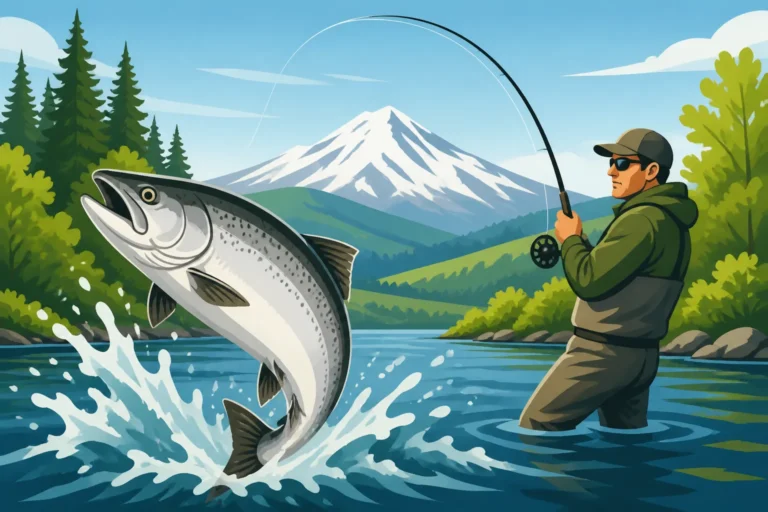
Imagine a steelhead's life cycle. These are ocean-going rainbow trout, true anadromous wonders, that return to freshwater to spawn. This journey upriver can be incredibly long and arduous, demanding immense energy. Because of this, steelhead aren't constantly battling the strongest currents. Instead, they’re masters of efficiency, using the river's contours to their advantage. They travel in bursts, then find sanctuary to rest and conserve energy before their next push upstream.
This means that while they're on the move, they'll primarily stick to the main current seams and channels, but when they stop, they're looking for prime "holding water." This isn't just any calm spot; it's a place that offers a balance of protection from predators, an easy current to rest in, and often, proximity to a food source. They're not just taking a nap; they're strategically positioning themselves for safety and opportunity. Understanding the different runs, such as the powerful spring and fall Chinook, or the more elusive summer and winter steelhead, each with their unique timing and river preferences, is key to success on Oregon’s diverse waters.
Key Environmental Factors Influencing Steelhead Location
Steelhead are highly sensitive to their environment. Water temperature, oxygen levels, light penetration, and river structure all play critical roles in where they choose to hold. For instance, cold, well-oxygenated water is paramount, especially during warmer months or lower flows. If the water gets too warm or stagnant, they'll seek out cooler, more aerated pockets.
Light is another huge factor. Steelhead, especially wild fish, are often wary of direct sunlight and can be more active in lower light conditions—think dawn, dusk, or overcast days. This is why you'll often find them tucked under cover or in deeper, shaded spots when the sun is high. They’re constantly balancing the need for safety with the need to be accessible to food. It's a complex puzzle, but with practice, you'll start seeing the river through a steelhead's eyes, and that's when the magic truly happens for your Oregon fishing adventure.
Decoding the River: Identifying Prime Holding Water Structures
Okay, so you know steelhead are looking for comfort and safety. But what does that actually look like in a churning river? This is where "reading the water" becomes an art form. You're looking for specific features that provide relief from the main current and offer a good vantage point for potential food.
Pools, Runs, and Riffles: What to Look For
Rivers aren't uniform; they're a mosaic of different water speeds and depths, often categorized into pools, runs, and riffles.
- Pools: These are typically deeper, slower-moving sections of the river. They offer excellent resting areas, especially for steelhead that have just completed a strenuous sprint up a rapids. Think of a deep, dark pool downstream of a turbulent section of river – that's prime real estate. However, not all parts of a pool are equally productive. Steelhead often hold near the "head" of the pool where the faster water enters, or along the deeper seams where the current slows. The tail of a pool, where the water begins to speed up again into a run, can also be a significant staging area. These deep pockets provide not only sanctuary but also thermal refuge during fluctuating water temperatures.
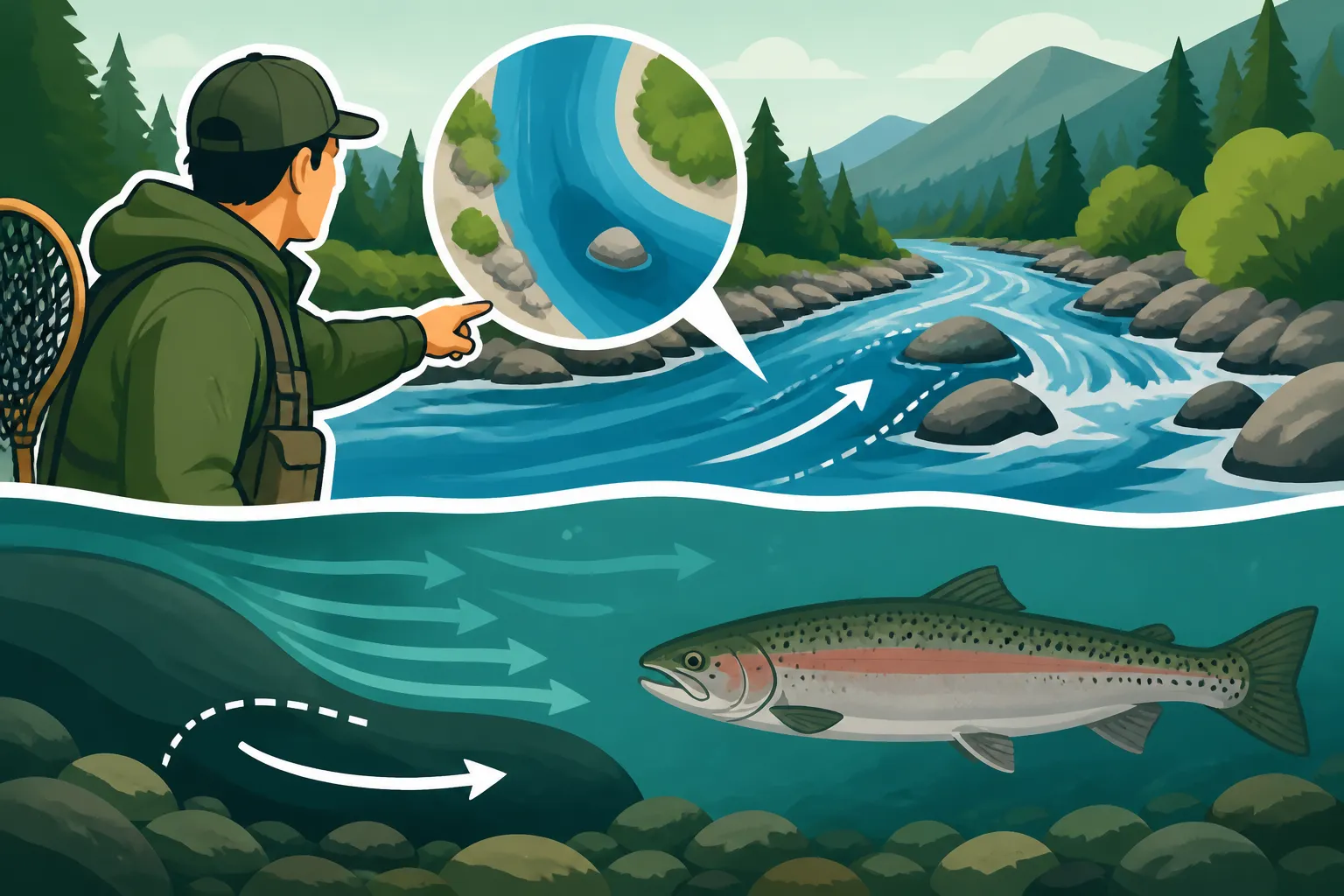
- Runs: These are sections of moderately fast-moving water, usually with a consistent depth. They serve as both travel lanes and feeding lanes. Steelhead will often hold in the slower edges of a run, or behind submerged obstacles, darting out into the main current to intercept drifting insects or baitfish. A good run will have a "current seam," where faster water meets slower water. These seams are conveyor belts of food, and steelhead will sit just out of the main force, waiting. Pay close attention to subtle depressions or larger rocks in runs – these create micro-eddies where a steelhead can rest while still being close to the food source.
- Riffles: These are shallow, fast-moving sections, often characterized by turbulent, broken water. While steelhead don't typically hold in the middle of a fast riffle, the water immediately downstream or upstream of a riffle can be extremely productive. Downstream, the riffle churns up oxygen and dislodges food, creating a rich feeding zone. Upstream, a deeper trough before the riffle can be a staging area before the fish push through the turbulent section. The broken surface of a riffle also offers visual cover, making steelhead feel safer from aerial predators.
Seams, Eddies, and Current Breaks: The Subtle Nooks
Beyond the big classifications, the devil is in the details. The subtle variations in current are often where the fish are.
- Current Seams: These are perhaps the most important features to identify. A seam is literally where two different currents meet, often visible as a line or ripple on the surface. These are food delivery highways. Steelhead will position themselves just outside the fastest part of the seam, in the slightly slower water, expending minimal energy while waiting for food to drift by. Look for these seams along banks, around large rocks, or where a tributary joins the main river. The trick is to present your lure or fly right in that seam, or just ahead of it, allowing it to drift naturally into the fish's strike zone.
- Eddies and Back Eddies: An eddy is a swirling current, usually created by a large obstruction (like a boulder or log jam) or an indentation in the bank, where water flows upstream or in a circular motion. Steelhead love eddies. They offer a complete break from the main current, allowing them to rest in peace. Larger eddies can hold multiple fish. A back eddy, specifically, is a spot where the current turns back upstream, bringing food right to the fish. Fishing the edge of an eddy, where it transitions into the main current, is often highly effective.
- Current Breaks: These are any features that disrupt the main flow of the river, creating a calmer spot. This could be a large submerged boulder, a fallen log, an undercut bank, or even a subtle depression on the riverbed. These breaks allow steelhead to escape the relentless force of the current with minimal effort. Think about it: why fight the current when you can tuck behind something and let the food come to you? Often, the bigger the current break, the more potential holding water it creates. You can use gear you find on sites like Amazon, such as polarized sunglasses, to help you spot these underwater structures.
Cover and Structure: Safety in the River
Steelhead are not just looking for an easy ride; they're also looking for protection. Safety from predators—both aerial (eagles, osprey) and aquatic (seals, otters)—is a primary concern.
- Submerged Obstacles: Large rocks, boulders, and downed trees or log jams provide both current breaks and visual cover. Steelhead will often sit directly behind or alongside these features. If you see a large log jam, especially one with deep water around it, fish every seam and eddy it creates. Remember that fishing near logs can be tricky, as snags are common, but the reward can be significant.
- Undercut Banks: These are bank sections where the current has eroded the soil beneath the surface, creating a hollowed-out overhang. Undercut banks offer excellent overhead cover and a deep, dark sanctuary from direct sunlight and predators. They are especially productive in slower, deeper sections of rivers. Fish will often hug these banks so tightly that you need to be precise with your casts.
- Deep Water: While not a "structure" in itself, deep water inherently provides cover. The deeper a fish can go, the safer it generally feels. Long, deep pools, especially those with varying bottom contours, are classic steelhead holding zones. However, deep doesn't always mean slow. A fast-moving, deep channel can still be a travel corridor, but the deep pockets within it will be where fish rest. When considering Oregon Fishing Seasons Explained, you'll find that deep water often becomes even more crucial during certain times of the year, like extreme heat or cold.
Seasonal and Weather Considerations for Locating Steelhead
The river is a living, breathing thing, constantly changing with the seasons and the whims of the weather. A spot that was prime holding water in the summer might be completely barren in winter, and vice-versa. Adapting your "water reading" skills to these variations is paramount.
How Seasons Impact Steelhead Holding Patterns
Each season brings unique challenges and opportunities for steelhead anglers, profoundly influencing where these fish decide to hold.
- Winter Steelhead: During the colder months, water temperatures plummet. Steelhead become less active, conserving energy in the frigid water. They tend to seek out deeper, slower pools, often congregating in these spots. They might still hold in the deeper, softer seams of runs, but they won't be in the fast, turbulent water. Look for them in the "winter lies"—deep, slow pockets where they can minimize effort. These areas provide thermal stability and a break from the often-stronger winter flows. If you're wondering How to Fish for Winter Steelhead on the Oregon Coast, understanding these cold-water holding patterns is your first step.
- Summer Steelhead: As temperatures rise, steelhead become more active, but also more sensitive to warm water. They’ll seek out cooler, more oxygenated water. This often means faster, well-aerated riffles and the heads of pools where fresh, cool water is entering. Undercut banks with shade are also prime real estate. During warm spells, don't overlook areas where cooler tributaries enter the main stem, creating a thermal refuge. They might also move into the deeper parts of larger pools during the heat of the day, moving shallower to feed during lower light periods. For example, on a river like the Deschutes, understanding How to Fish for Summer Steelhead on the Deschutes requires a keen eye for these cooler, faster pockets.
The Influence of River Flow and Clarity
River flow and clarity are perhaps the most dynamic variables, capable of completely changing a steelhead's preferred habitat overnight.
- High Flows: When the river is high and running fast, steelhead will move out of the main current. They'll hug the banks, tuck behind large boulders, or move into calmer side channels and eddies. The inside bends of rivers often offer slower water during high flows. Access to these spots might be more limited, but the fish will be concentrated. This is when those deep, slow pools and large back eddies become even more important. Understanding How river flow affects steelhead fishing is critical for safety and success.
- Low Flows: Conversely, during low water periods, steelhead can become incredibly spooky. They’ll seek out the deepest, darkest holes and areas with maximum cover. Shallow runs that were productive during normal flows might be barren. Stealth becomes absolutely crucial. Fishing early or late in the day can also be more productive in low light. These conditions also make clarity a factor.
- Clarity: Clear water often makes fish more wary. They'll seek heavier cover or deeper water. Conversely, slightly turbid water (often called "steelhead green") can make fish feel more secure and more willing to venture out from cover. If the water is chocolate milk, fishing can be very tough as they can't see your presentation, but a slight stain can be ideal. You'll definitely want to check the current conditions before heading out, as Oregon Fishing Regulations Explained often includes details on when certain waters might close due to extreme conditions.
Practical Tips for Scouting and Approaching Steelhead Water
Knowing what to look for is one thing; actually doing it on the river is another. Steelhead fishing often requires patience, observation, and a good dose of stealth.
Reading the Water from Afar
One of the biggest mistakes new anglers make is rushing into the water. Before you even think about making a cast, take a few minutes (or even longer) to observe the river.
- Elevated Vantage Points: If possible, try to view the water from a higher elevation – a bridge, a hillside, or even just standing on a bank slightly above the river. This gives you a much better perspective on current breaks, seams, and depth changes that are invisible from water level. You’ll be surprised what you can spot when you’re looking down into the water.
- Polarized Sunglasses: These are not just a fashion accessory; they are an absolute necessity for reading water. Polarized lenses cut through the glare on the water's surface, allowing you to see into the depths and identify submerged structures, rocks, and changes in the riverbed. A good pair of polarized sunglasses, easily found on Amazon, will improve your ability to spot potential holding water dramatically. Without them, you're essentially fishing blind in many situations.
- Watch the Current: Look for subtle changes in the surface texture of the water. Smooth, glassy water often indicates deeper, slower sections. Ripples and boils might mean submerged obstacles or strong currents. Pay attention to how debris (leaves, foam) floats downriver – it will highlight current seams and eddies. Where the debris collects or swirls, a steelhead might be holding just below.
- Look for "Walkways": Steelhead often travel predictable paths. Think about what path of least resistance a fish would take to move from one pool to the next. These "walkways" will often be along the softer edges of the main current, or through specific channels. Once you identify these, you can anticipate where they might pause to rest or feed.
Stealth and Presentation: Don't Spook the Fish
Steelhead are incredibly wary creatures. Your approach to the water can make or break your chances of success.
- Low Profile: Avoid standing high on the bank, silhouetted against the sky. Crouch low, use natural cover, and move slowly and deliberately. If you can see the fish, chances are it can see you, especially in clear, shallow water.
- Quiet Footwork: Heavy footsteps on the bank or wading carelessly can send vibrations through the water that will alarm fish. Walk softly, especially when approaching a promising spot.
- First Cast Counts: Often, the first cast into a prime holding lie is your best chance. Steelhead can be curious, but also quickly spooked. Make sure your first cast is well-placed, lands softly, and drifts naturally into the target zone. Whether you're drift fishing, swinging a fly, or pulling plugs, a subtle presentation is always best. For those new to the game, learning some Oregon Fishing Techniques for Beginners can help refine this crucial skill.
- Wading Strategy: If wading, move upstream whenever possible. This minimizes the disturbance you create downstream and allows you to present your offering to undisturbed fish. If you must wade downstream, do so with extreme caution, moving slowly and observing the water ahead of you. Be mindful of depth and current; a good pair of waders, like those you might find on Amazon, will keep you comfortable and safe. Remember, if you're asking Do you need waders for Oregon river fishing?, the answer is almost always yes for serious river angling.
By combining an understanding of steelhead behavior with careful observation and a stealthy approach, you'll dramatically increase your chances of finding and hooking these magnificent fish in Oregon's beautiful rivers. It's a skill that takes time to develop, but every trip out will sharpen your eye and deepen your connection with the water.
Here's a quick summary of key holding water types:
| Holding Water Feature | Description | Why Steelhead Use It | Best Fishing Strategy |
|---|---|---|---|
| Deep Pools | Slow, deep sections of river, often after rapids. | Resting, thermal refuge, safety from predators. | Slow, deep presentations (drift, nymphing, bait). Fish the "head" and "tail." |
| Current Seams | Where fast and slow currents meet, often visible on surface. | Efficient feeding lanes, minimal energy expenditure, food delivery. | Drift bait/lures/flies naturally along the seam. |
| Eddies/Back Eddies | Swirling water created by obstructions or bank indentations. | Complete rest from current, food delivery, safe haven. | Cast into the main current and let it swing into the eddy's edge. |
| Undercut Banks | Eroded banks creating an overhang. | Overhead cover, shade, deep sanctuary from predators. | Precise casts under the bank, allowing drift along its length. |
| Large Obstructions | Boulders, logs, log jams (submerged or visible). | Current breaks, visual cover, ambush points for food. | Fish behind and along edges, anticipating fish in the calmer water. |
| Tailouts of Pools | Where a deep pool transitions into a faster run or riffle. | Staging area before moving upstream, opportunistic feeding. | Cover systematically with drifts or swings, often shallower than pool center. |
| Heads of Riffles | Just below fast, turbulent water where it deepens slightly. | Oxygenated water, dislodged food, active feeding zone. | Short drifts, active retrieving lures or flies. |
Disclaimer
This article is for general informational purposes only and does not constitute professional advice. Laws, prices and regulations vary by location and change over time. Consult a qualified professional for guidance on your specific situation.