Do you have to release wild steelhead in Oregon?
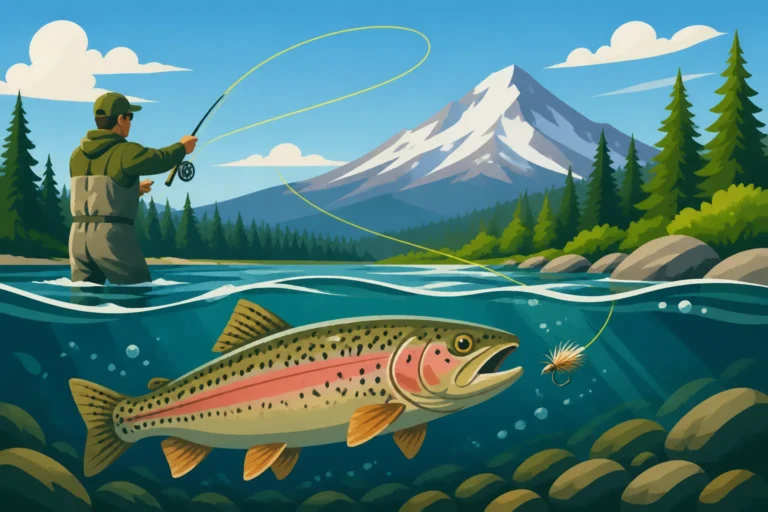
There's a moment many of us anglers have faced: you're out on a beautiful Oregon river, the water is just right, and suddenly, your rod bends hard. You fight it, heart pounding, only to bring a stunning steelhead to the net – but then you see it. No clipped adipose fin. It's a wild one. That immediate thrill can quickly turn into a moment of hesitation, wondering, "Can I keep this beauty, or do I have to release it?" This guide is here to clear up that confusion, diving deep into Oregon's regulations regarding wild steelhead and how to ensure you're doing right by these magnificent fish.
Understanding Oregon's Wild Steelhead Regulations
Let's get right to the heart of the matter: in most cases, yes, you absolutely have to release wild steelhead in Oregon. This isn't just a suggestion; it's a critical conservation measure enshrined in state law, reflecting the Oregon Department of Fish and Wildlife (ODFW)'s efforts to protect and restore declining wild steelhead populations. The rules are in place because wild steelhead are facing numerous challenges, from habitat loss to environmental changes, making every spawning fish incredibly valuable for the future of the species.
The Crucial Difference: Wild vs. Hatchery Steelhead
The entire premise of these regulations hinges on your ability to distinguish between a wild steelhead and a hatchery-raised one. It's not always intuitive, especially for new anglers, but it’s absolutely vital to learn.
Wild steelhead are naturally reproduced in rivers and typically have all their fins intact. They are genetically adapted to their specific river systems and are the backbone of future generations. Hatchery steelhead, on the other hand, are raised in fish hatcheries and released into rivers to supplement fishing opportunities. To differentiate them from wild fish, hatchery steelhead undergo a process called "fin clipping" where a small fin, usually the adipose fin (a small, fleshy fin located between the dorsal fin and the tail fin), is removed when they are juveniles. This process is painless for the fish and leaves a clear mark.
So, when you land a steelhead, the first thing you need to do, before anything else, is check for that missing adipose fin. If it's there, the fish is wild, and it must be released unharmed. If the adipose fin is absent, it's a hatchery fish, and in areas where retention is allowed, you can choose to keep it. This identification is non-negotiable and something every angler targeting steelhead in Oregon must master. You can find more detailed information on How to tell a wild steelhead from a hatchery steelhead.
The Rationale Behind Catch-and-Release for Wild Steelhead
The policy of mandatory catch-and-release for wild steelhead isn't about making fishing harder; it's a scientifically-backed strategy to preserve a precious resource. Wild steelhead populations have faced significant declines across many river systems in Oregon over the past several decades. These fish undertake incredible migrations, sometimes traveling hundreds of miles from the ocean to their natal spawning grounds, navigating dams, habitat degradation, and fluctuating environmental conditions.
Each wild steelhead that successfully spawns contributes vital genetic diversity and strengthens the population's resilience. Removing even a single wild fish can have a disproportionately negative impact on a small, vulnerable run. By requiring their release, ODFW aims to maximize the number of wild steelhead that make it back to their spawning beds, ensuring that there are future generations for all of us to appreciate, even if we can't always take them home for dinner. This commitment to conservation is a cornerstone of responsible angling and helps maintain the health of Oregon’s unique aquatic ecosystems.
Regional Variations in Steelhead Regulations
While the general rule of releasing wild steelhead holds true for most of Oregon, it’s crucial to understand that specific regulations can vary significantly depending on the river system, time of year, and even particular sections of a river. Oregon's fishing regulations are highly dynamic and localized, reflecting the unique biological needs of different fish runs and habitat conditions.
For example, on some rivers, certain stretches might be entirely catch-and-release for all steelhead (wild and hatchery), while others might allow retention of hatchery fish during specific seasons. The Deschutes River, a famous steelhead fishery, often has very specific rules that dictate gear, bait, and whether hatchery retention is permitted. Similarly, coastal rivers might have different seasonal openings and bag limits for hatchery steelhead runs, with wild fish always being catch-and-release.
It is absolutely imperative to consult the current ODFW Sport Fishing Regulations booklet or their website before every fishing trip. This is not a "set it and forget it" situation, as regulations can change mid-season due to emergency closures, run forecasts, or other factors. Always check for updates, especially if you're venturing to a new river or region. For a broader overview, you can always refer to the Oregon Fishing Regulations Explained and Oregon Fishing Season Dates and Limits. Knowing your fishing zone, as outlined in Oregon Fishing Zones Explained, is also paramount.
Practicing Safe Catch-and-Release Techniques
Since the vast majority of your encounters with wild steelhead will require their safe release, mastering proper catch-and-release techniques is just as important as knowing the regulations. The goal is to minimize stress and injury to the fish, giving it the best possible chance of survival and successful spawning.
Minimizing Stress During the Fight
The fight itself can be incredibly stressful for a fish, especially powerful species like steelhead. Prolonged fights, particularly in warmer water, can lead to lactic acid buildup and exhaustion, making the fish more susceptible to post-release mortality.
To reduce this stress, try to use appropriately sized tackle for the fish you're targeting. Don't use ultralight gear if you know there's a good chance of hooking a larger, feisty steelhead. Fight the fish firmly but fairly, bringing it to hand as quickly and efficiently as possible without horsing it in. If you're fishing from a boat, try to position yourself to land the fish without dragging it across shallow, abrasive areas. Remember, your objective is to admire and release, not to exhaust the fish to the point of no return. Using a good quality fishing rod and reel that can handle the fight, perhaps one from a trusted brand you can find on Amazon, makes a big difference.
Proper Landing and Handling
Once you've fought the fish close, how you land and handle it makes all the difference.
- Net Choice: Invest in a rubber or knotless mesh landing net. These nets are much gentler on the fish's delicate slime coat, fins, and scales compared to traditional knotted nylon nets, which can strip away protective slime and cause abrasions. You can easily find high-quality rubber landing nets on Amazon.
- Keep It Wet: The most critical rule is to keep the fish in the water as much as possible. A fish out of water isn't breathing. If you must lift it for a quick photo, do so gently, support its full body weight, and get it back into the water immediately. Avoid dragging it onto rocks or dry ground.
- Wet Hands: Always wet your hands thoroughly before touching the fish. Dry hands can remove the fish's protective slime layer, leaving it vulnerable to infection and disease.
- Avoid the Gills: Never grab a steelhead by the gills. This is one of the most sensitive and vital parts of the fish and grabbing it here can cause severe internal damage.
- Support the Body: If you must lift a fish, support its weight horizontally with one hand under its belly and the other gently gripping the tail wrist. Never hold a large fish vertically by the jaw or tail alone, as this can damage its internal organs and spine.
The Right Way to Unhook and Release
Speed and precision are key when it comes to unhooking and releasing a wild steelhead.
- Barbless Hooks: In many Oregon waters, barbless hooks are already mandatory for steelhead. Even where they aren't, using barbless hooks is an excellent practice for catch-and-release. They cause less damage and are much easier and quicker to remove. You can either buy barbless hooks or crimp down the barb on your existing hooks with a pair of pliers. For more details, see Do you need barbless hooks for steelhead in Oregon?.
- Forceps or Pliers: Have a good pair of long-nosed pliers or hemostats (forceps) readily accessible. These tools allow you to quickly remove hooks without having to put your hands inside the fish's mouth, which is safer for both you and the fish. Many quality options are available on Amazon.
- Quick Release: With the fish still in the water, use your forceps to gently back out the hook. If the hook is deeply set and cannot be easily removed without causing significant damage, it's often better to cut the line as close to the hook as possible. The hook will usually rust out or dislodge over time.
- Revive the Fish: Once unhooked, gently hold the fish upright in the water, facing upstream into the current. Allow water to flow over its gills until it regains strength and can swim away under its own power. Never simply toss a lethargic fish back into the current; take the time to ensure it's strong enough to survive.
The Consequences of Failing to Release Wild Steelhead
Ignoring Oregon's wild steelhead regulations isn't just a minor oversight; it carries serious repercussions, both legally and ethically.
Penalties for Violations
Oregon takes its fishing regulations very seriously, particularly when it comes to protected species like wild steelhead. If you are caught retaining a wild steelhead where it is prohibited, you could face:
- Significant Fines: Penalties can range from hundreds to thousands of dollars, depending on the severity of the violation and whether it's a first offense.
- License Suspension: Your Oregon fishing license and any tags or endorsements could be suspended for a period, potentially for years. This means no fishing for you in Oregon.
- Confiscation of Gear: Your fishing gear, including your rod, reel, and even your boat, could be confiscated.
- Criminal Charges: In more severe or repeated cases, violations could lead to criminal charges, potentially impacting your record.
Game wardens from the Oregon State Police are out there, and they are diligent. They have the authority to check your catch, your license, and ensure compliance. It's simply not worth the risk. For a full breakdown of what happens if you break the rules, check out Oregon Fishing Violations and Penalties.
Ethical Considerations and Broader Impact
Beyond the legal penalties, there's a strong ethical component to releasing wild steelhead. Anglers are often seen as stewards of the environment, and respecting conservation laws helps uphold that image. Keeping a wild steelhead, even unintentionally, diminishes the wild population's ability to reproduce and recover. It sends a message that individual gain outweighs the collective health of the ecosystem.
By adhering to catch-and-release, you contribute directly to the health of Oregon's river systems and the survival of an iconic species. You help ensure that future generations of anglers will also have the opportunity to experience the thrill of catching these incredible fish. It’s about being a responsible member of the angling community and recognizing the broader ecological impact of your actions.
Looking Ahead: Protecting Oregon's Steelhead for the Future
The fate of Oregon's wild steelhead populations relies heavily on the conscious actions of anglers and the public. Understanding and adhering to regulations is just the starting point; actively contributing to conservation efforts helps secure a future for these remarkable fish.
Supporting Conservation Efforts
There are many ways anglers can go beyond simply following the rules to support steelhead conservation. Consider joining local conservation groups, participating in river clean-up events, or advocating for stronger habitat protections. Organizations like Trout Unlimited or the Native Fish Society are actively involved in promoting sustainable fisheries and restoring critical habitats. These groups often work directly with ODFW and other agencies to ensure responsible management. Even something as simple as reporting suspicious activity or habitat concerns to ODFW can make a difference. Every little bit of effort adds up to a healthier environment for steelhead and all aquatic life.
Staying Informed on Evolving Regulations
As mentioned, Oregon's fishing regulations are not static. They change in response to fish population data, environmental conditions, and management strategies. It is your responsibility as an angler to stay up-to-date.
- ODFW Website: The official ODFW website is your primary source for the most current regulations, emergency closures, and fish stocking reports.
- Regulation Booklets: Pick up a physical copy of the Oregon Sport Fishing Regulations booklet wherever you buy your Oregon Fishing License Guide or gear. Read it thoroughly.
- Local Bait Shops: Local tackle and bait shops are invaluable resources. They often have the most current information on local conditions and any recent regulation changes.
- Subscription Services: Sign up for email alerts or newsletters from ODFW or local fishing organizations to receive real-time updates directly.
By being informed and proactive, you can ensure your fishing adventures are always compliant, ethical, and contribute positively to the long-term health of Oregon's magnificent wild steelhead populations.
Summary of Wild vs. Hatchery Steelhead Identification
To help solidify the critical difference, here's a quick reference table:
| Feature | Wild Steelhead | Hatchery Steelhead |
|---|---|---|
| Adipose Fin | Present and intact (small fleshy fin) | Absent (clipped off during juvenile stage) |
| Fins | Often perfect and undamaged | May show wear, erosion, or deformities from hatchery rearing |
| Coloration | Typically more vibrant and varied, adapting to natural environment | Can be paler or more uniform |
| Body Shape | Generally more streamlined, well-proportioned | May appear slightly different, sometimes stockier |
| Retention | Mandatory Catch-and-Release (in most areas) | Retention Allowed (where permitted by regulations) |
Always remember, when in doubt, release the fish. It's the safest bet for the fish and for you.
Disclaimer
The information provided in this guide is for general informational purposes only and is not a substitute for the official Oregon Department of Fish and Wildlife (ODFW) regulations. Fishing regulations can change frequently. Always consult the most current ODFW Sport Fishing Regulations prior to any fishing activity to ensure compliance. Failure to do so may result in fines or penalties.