Float Fishing Techniques for Steelhead
Many anglers in Oregon find themselves frustrated with traditional steelhead fishing methods, often struggling to consistently connect with these elusive, hard-fighting fish. The sheer power of Oregon's rivers, combined with the steelhead's subtle takes, can make it feel like you're constantly guessing. This guide will take a deep dive into float fishing techniques, a highly effective and incredibly rewarding method that puts more steelhead on the end of your line by presenting your bait or lure naturally in the water column, giving you the edge you need to conquer these magnificent fish.
Understanding Float Fishing for Steelhead in Oregon
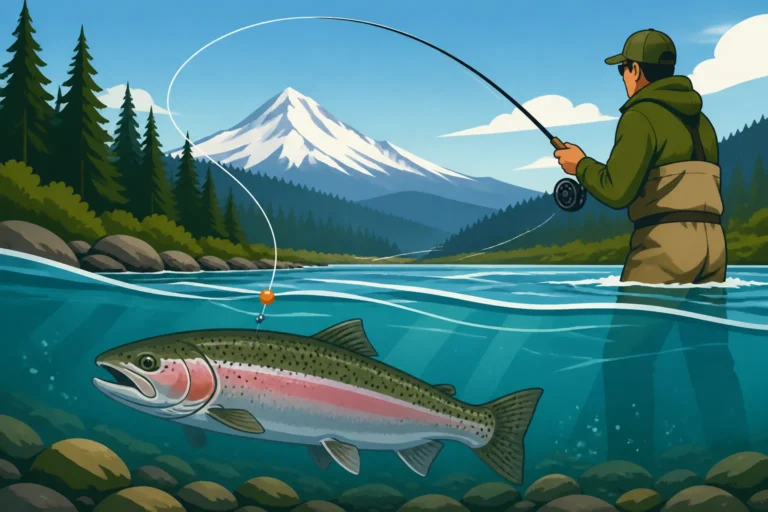
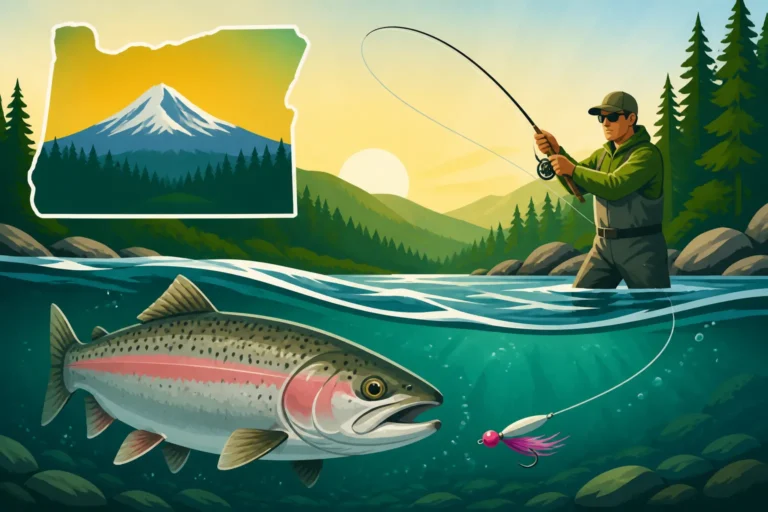
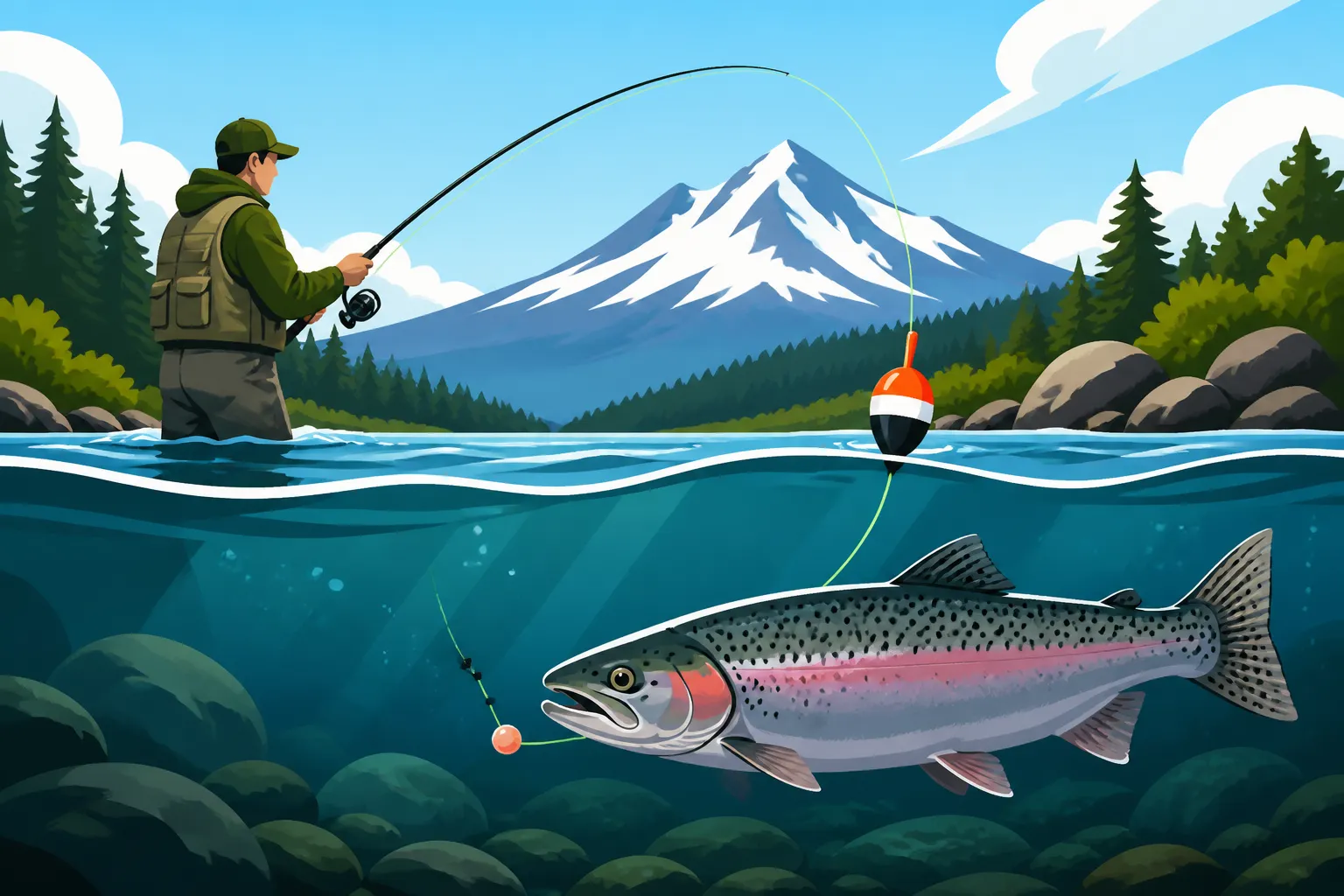
Float fishing, often simply called "bobber dogging" by seasoned anglers, is a highly effective technique for targeting steelhead in Oregon's diverse river systems. It's essentially using a float (or bobber) to suspend your bait or lure at a controlled depth, allowing it to drift naturally with the current, directly into the strike zone where steelhead often hold. This method shines because it mimics the natural movement of food sources, making your presentation irresistible while giving you immediate visual feedback when a fish bites.
Why Float Fishing Excels for Oregon Steelhead
One of the biggest advantages of float fishing for steelhead, particularly in the challenging waters of Oregon, is its unparalleled ability to present bait in a natural, controlled manner. Steelhead are ambush predators, often holding in seams, pockets, and behind structure, waiting for food to drift by. With float fishing, you can achieve a truly "drag-free" drift, meaning your bait moves at the same speed as the current, without being pulled unnaturally by your line. This natural presentation is key. Imagine a juicy cluster of salmon eggs tumbling downstream – that's exactly what you're trying to replicate. Unlike bottom-bouncing methods, which can snag easily or present unnaturally if not perfectly weighted, a properly set up float rig keeps your offering suspended and visible to the fish, even in turbulent water. It also allows you to cover a lot of water efficiently, systematically working through a run.
Another crucial benefit is the visual strike indicator. That little bobber dancing on the surface tells you exactly when a fish has taken your bait, often before you even feel the tug. This immediate feedback is invaluable, especially for subtle biters or in cold water conditions where a steelhead might just mouth the bait. For those new to steelhead fishing, or even veterans looking for a consistent edge, watching that float dip, pause, or disappear is an exhilarating experience that removes much of the guesswork from strike detection. This is particularly useful when fishing productive rivers like the Clackamas or the Sandy, where steelhead can be notoriously finicky.
The Basic Principles of Float Fishing
At its core, float fishing relies on a few fundamental principles. First, you need a float that is perfectly matched to the amount of weight you're using. The goal is for the float to be sensitive enough to detect the slightest bite, but buoyant enough to suspend your bait at the desired depth. Think of it like a finely tuned instrument – too much weight and it sinks, too little and it's easily pushed around, hindering sensitivity. Second, depth control is paramount. You need to adjust your float stopper so your bait is drifting just above the river bottom, or at the exact depth where steelhead are holding. This often means your leader length, from the float to your hook, could be anywhere from a few feet to over twenty feet, depending on the water depth.
Finally, the drift itself is everything. A truly natural drift is achieved by casting slightly upstream and "mending" your line as it drifts downstream. Mending involves lifting a loop of line off the water and repositioning it upstream, effectively removing any slack or drag that would pull your float unnaturally. This technique is often refined through practice and keen observation of water currents. Understanding how the water moves, identifying current seams and eddies, and anticipating where a steelhead might be lurking, all contribute to a successful drift. It's a dance between angler and river, and mastering it will dramatically increase your success rate.
Essential Gear for Oregon Steelhead Floaters
Having the right equipment can make all the difference between a frustrating day of tangles and missed bites, and a rewarding day of bent rods. Float fishing for steelhead requires a specific setup designed to handle heavy flows, long casts, and powerful fish. Don't skimp on quality here; reliable gear will serve you well season after season on Oregon's challenging rivers.
Rods and Reels for Optimal Performance
For float fishing, you're generally looking for a longer, more forgiving rod. A typical float rod for steelhead in Oregon will be anywhere from 10 to 13 feet in length, with a medium-light to medium-heavy action. The extra length is a huge advantage for several reasons: it helps with line control, allowing you to mend your line more effectively and keep it off the water, which reduces drag. It also provides a softer tip to absorb the shock of a steelhead's powerful head shakes, preventing break-offs, while still having enough backbone to fight and land larger fish. Brands like Lamiglas, Shimano, and G. Loomis offer excellent purpose-built float rods. When shopping on Amazon, you'll find a wide selection of these specialized rods.
Matching this with a reliable spinning reel, typically in the 2500-4000 series size, is common. A good reel will have a smooth drag system, which is absolutely critical when fighting a steelhead that decides to peel line off in a hurry. You'll want a reel that can hold a decent amount of line, usually 200 yards or more of your chosen mainline. While baitcasting reels can be used, spinning reels are generally more beginner-friendly for float fishing, offering easier casting and less backlashing. For those serious about their gear, investing in a high-quality reel from a reputable manufacturer will pay dividends in terms of longevity and performance.
Line, Floats, and Terminal Tackle
Your line choice is fundamental. Many anglers prefer a braided mainline, often 15-30 lb test, for its low stretch and sensitivity. This allows for solid hooksets and better feel, even with a long length of line out. A high-visibility braid, like bright yellow or green, also helps you track your line and mend effectively. To this, you'll attach a fluorocarbon leader, typically 8-15 lb test, known for its invisibility underwater and abrasion resistance. A good rule of thumb is to have your leader slightly lighter than your mainline, acting as a "fuse" if you get snagged, saving your more expensive braid. More details on different line types and their applications can be found in our guide on Oregon Bait and Lure Guide.
The float itself is arguably the most crucial piece of terminal tackle. You'll encounter various styles: traditional round bobbers, slip floats, fixed floats, and center-pin specific floats. For most Oregon steelhead fishing, a slip float is preferred. These floats slide freely up and down your mainline, stopping at a small knot (float stop) that you can easily adjust to change your fishing depth. Choose floats with bright, contrasting colors at the top for maximum visibility in varied light and water conditions. The size of your float should correspond to the amount of weight it needs to suspend – you want it to sit low in the water, exposing just the brightly colored tip, indicating high sensitivity.
For weights, a selection of split shot or slinky weights will be necessary. Slinky weights, made from parachute cord filled with lead shot, are excellent for river fishing as they snag less often than traditional lead weights. They should be rigged in a "shot pattern" from your float down to your hook, with heavier weights closer to the float and smaller ones closer to your bait. This creates a natural presentation where the bait drifts slightly ahead of the weight. You'll also need quality swivels to prevent line twist and sturdy hooks appropriate for the size of steelhead you're targeting – typically sizes #2 to 2/0, depending on your bait.
Baits and Lures for Steelhead Success
The effectiveness of float fishing is largely dependent on what you're presenting at the end of your line. Steelhead in Oregon respond well to a variety of natural baits and artificial lures. One of the most classic and consistently productive baits is cured salmon eggs, either in small clusters or single eggs. Brands like Pautzke's Bait provide excellent curing solutions for preparing your own eggs. Sand shrimp, either whole or in pieces, are another top choice, especially in coastal rivers. These natural baits offer scent and a familiar food source that steelhead find hard to resist.
For artificials, small jigs (1/8 to 1/4 ounce) tipped with a piece of bait or a small plastic worm are incredibly effective. Colors like pink, chartreuse, and cerise often provoke strikes. Soft plastic baits, such as Berkley PowerBait Eggs or small worm imitations, can also be fished under a float. Don't forget small spinners or spoons, which can be fished slowly under a float in certain situations, though this is less common for pure float fishing. Experimentation is key; what works one day might not work the next, so always have a variety of options ready in your tackle box, easily found on Amazon for quick restocks. Knowing what works best in different seasons and water conditions is part of mastering Oregon Steelhead Fishing Techniques.
Rigging Your Float Fishing Setup for Success
Properly rigging your float fishing setup is critical for achieving that perfect, natural drift that steelhead can't resist. A poorly rigged setup will lead to frustrating tangles, missed bites, and ultimately, fewer fish. Take your time with this step, as precision here directly translates to success on the water.
Step-by-Step Rigging Guide
Let's walk through the standard float fishing rig.
- Mainline to Float Stop: Start by threading your mainline (braid is common) through a small bobber stop. These can be tiny rubber stoppers, braided string knots, or even simple dental floss knots. This stop is crucial because it sets your fishing depth. After the bobber stop, thread on a small bead; this protects the knot on your float from abrasion.
- Adding the Float: Next, slide your slip float onto the mainline. It should move freely. After the float, add another small bead to protect the bottom of the float from the swivel.
- Attach the Swivel: Tie a strong barrel swivel or a three-way swivel to the end of your mainline using a Palomar or Uni knot. This swivel serves multiple purposes: it prevents line twist, acts as the attachment point for your leader and weights, and for a three-way swivel, allows you to easily change out your weight system.
- Leader to Swivel: To the other end of the swivel (or one of the remaining eyes on a three-way), tie your fluorocarbon leader. The length of your leader will vary greatly depending on water depth and clarity, but a good starting point is usually 3-6 feet.
- Adding Weights: This is where the magic happens for the drift. Attach your weights to the leader above your hook. The ideal setup is a "shot pattern" where you have a cluster of heavier split shot or a slinky weight closer to the swivel, and then progressively smaller split shot spaced out down the leader towards the hook. This ensures your bait or lure drifts slightly ahead of your weight, mimicking a natural, tumbling presentation. The total weight should be just enough to cock your float so only its brightly colored tip is visible above the water, maximizing sensitivity.
- Attaching the Hook: Finally, tie your hook to the end of your leader. Ensure your knots are strong and neat. Double-check everything, from the security of your bobber stop to the sharpness of your hook.
Common Rigging Mistakes and How to Avoid Them
One of the most frequent mistakes anglers make is using too much or too little weight for their float. If you use too much, your float will sink or sit too low, making it difficult to detect subtle bites and causing it to hang up on the bottom easily. If you use too little, your float will be pushed around by every ripple, making it hard to see a true bite, and your bait won't get down to the strike zone effectively. Always match your weight to your float's buoyancy. A quick test in calm water near the bank can help you gauge if your float is sitting correctly.
Another common issue is an imbalanced shot pattern or not spacing out your weights properly. If all your weight is in one clump, your bait will plummet to the bottom unnaturally, rather than drifting slowly. Spacing out the weights helps your bait "swim" more naturally. Additionally, using swivels that are too small or weak can lead to break-offs, especially when a powerful steelhead hits. Always use high-quality swivels that match the strength of your line.
Finally, knot tying is often overlooked. Weak knots are the angler's nemesis. Practice reliable knots like the Palomar, Uni, or Improved Clinch until you can tie them confidently and correctly, even with cold hands. A small knot-tying tool can be a lifesaver, and there are many affordable options available on Amazon that can help ensure your knots are consistently strong.
Master the Cast and Drift
Once your gear is properly rigged, the real art of float fishing comes into play: mastering the cast and, more importantly, the drift. A perfect drift is the difference between watching fish swim by and getting that exhilarating take down. This involves understanding the river, controlling your line, and reacting quickly.
Casting and Presentation Strategies
When casting for steelhead with a float rig, accuracy and stealth are paramount. You want to cast slightly upstream and across the current, aiming to land your float in the desired current seam or pocket where you suspect steelhead are holding. The goal is to avoid spooking the fish with a heavy splash, so a smooth, controlled cast is essential. The longer rods typically used in float fishing really aid in this, allowing for effortless, lob-like casts that softly present your rig.
As soon as your float hits the water, you need to begin managing your line. This isn't a "cast and forget" method. Immediately after the cast, close your bail and retrieve any slack line until you have a direct connection to your float. However, you don't want to create tension that pulls the float unnaturally. The ideal presentation is a "drag-free" drift, where your float and bait move at the exact same speed as the surrounding current, as if nothing is attached to them. This natural movement is incredibly enticing to a steelhead.
Reading Water and Mending Your Line
Reading the water is a skill developed over time, but there are key indicators to look for. Steelhead often hold in areas where fast current meets slower water – these are called current seams. They'll also be found behind large rocks, submerged logs, or in deeper pools where they can rest out of the main current but still have access to food drifting by. Look for changes in water color, ripples, and eddies, as these often signal structure or depth changes below. Pay attention to where other anglers are catching fish, and don't be afraid to ask for tips on specific holding lies. Our guide on Best Rivers to Fish in Oregon often details prime holding waters.
Mending your line is the critical technique for achieving a drag-free drift. As your float drifts downstream, the current will inevitably pull on your mainline, creating a "belly" in your line that will drag your float unnaturally. To combat this, you need to "mend" by lifting your rod tip and flipping a loop of line upstream of your float. This effectively repositions your line, removing the belly and allowing your float to continue its natural drift. You may need to mend multiple times during a single drift, especially on longer runs or in varying currents. It's a continuous process of adjusting and reacting to the river. Practice will make this fluid and instinctive. The key is to mend just enough to remove drag without pulling your float forward or backward.
Prime Oregon Rivers for Float Fishing Steelhead
Oregon boasts an incredible array of rivers that are perfect for float fishing steelhead. From the famed coastal rivers to the expansive Columbia River Basin, each offers unique challenges and rewards. Knowing when and where to go can significantly increase your chances of success.
Coastal River Hotspots
Oregon's coastal rivers are legendary for their winter steelhead runs, and float fishing is a top technique here. Rivers like the Nestucca, Wilson, Siletz, and Alsea are prime examples. These rivers typically see their biggest runs from December through March, with peak fishing often in January and February. The character of these rivers, with their riffles, runs, and deeper pools, lends itself perfectly to float fishing. Anglers often target slower seams and tail-outs of pools, where steelhead will rest before moving upstream.
For instance, the Wilson River, known for its consistent hatchery returns, can be a fantastic spot. You'll often find anglers spread out along popular sections, drifting salmon eggs or jigs. The water conditions can change rapidly with winter rains, so being adaptable with your weight and float depth is crucial. On the Nestucca, particularly its lower stretches, the runs are often quite deep, requiring longer leader setups. Our Winter Steelhead Run Timing in Oregon guide offers specific monthly insights for these waters. Remember, coastal rivers often require specialized gear for battling strong currents and sometimes large, powerful fish.
Inland River Opportunities
While coastal rivers get a lot of attention, Oregon's inland rivers offer fantastic float fishing opportunities, particularly for summer steelhead. The Deschutes River, especially the lower section from Maupin down to the Columbia, is world-renowned for its summer steelhead fishery. Here, float fishing with jigs, small plastic worms, or even natural baits like crickets can be incredibly effective. The season typically runs from July through October, with August and September often being prime time. The water is generally clearer and flows are more consistent, demanding a more refined and stealthy approach. You can read more about targeting these fish in How to Fish for Summer Steelhead on the Deschutes.
Another inland gem is the upper Willamette River and its tributaries like the McKenzie and Santiam. While perhaps not as famous for steelhead as the Deschutes, they still offer good opportunities, especially during the late winter and spring. The larger size of the Willamette often means longer drifts and finding subtle current breaks where fish might hold. Float fishing for spring Chinook on the Willamette is also a popular pursuit, using similar techniques but often with larger baits and heavier tackle. Understanding Oregon Fishing Season Dates and Limits for these varied species and locations is paramount.
Columbia River Basin Prospects
The mighty Columbia River and its tributaries also present float fishing chances for steelhead, particularly during the summer and fall runs. Anglers often target tributary mouths where steelhead peel off the main river to begin their upstream migrations. The areas around the mouth of the Deschutes and Hood River can be productive. While the main stem Columbia can be challenging due to its sheer size and boat traffic, float fishing can be effective from shore in certain areas or from a boat working specific seams and eddies.
One notable tributary is the Klickitat River on the Washington side (with proper reciprocal licensing), which sees strong steelhead runs that can be accessed by float fishing. The key here is often longer drifts and sometimes heavier floats and weights to handle the deeper, faster flows. Paying attention to water temperature and clarity is vital, as these can drastically impact where steelhead choose to hold. Knowing about Oregon and Washington License Reciprocity on the Columbia is essential if you plan to fish both sides of the river.
| River Type | Prime Season | Key Features | Typical Baits/Lures | Avg. Leader Length (feet) |
|---|---|---|---|---|
| Coastal Rivers | Winter (Dec-Mar) | High flows, varied depth, hatchery/wild runs | Salmon eggs, sand shrimp, jigs | 6-15 |
| Deschutes River | Summer (Jul-Oct) | Clearer water, consistent flows, strong hatchery runs | Jigs, plastic worms, crickets | 3-8 |
| Willamette & Tribs | Late Winter/Spring | Larger water, varied structure | Salmon eggs, jigs, soft plastics | 8-20 |
| Columbia River Tribs | Summer/Fall | Large, powerful water, tributary mouths | Salmon eggs, jigs, shrimp | 10-25 |
Common Challenges and Troubleshooting
Float fishing for steelhead can be incredibly effective, but it's not without its challenges. Like any fishing technique, it requires patience, adaptability, and the ability to troubleshoot common issues that arise on the water.
Dealing with Snags and Break-Offs
Snags are an inevitable part of river fishing, especially when you're trying to present your bait just above the bottom. When your float disappears and doesn't resurface, it often means you're snagged. The first thing to do is not pull directly back. Instead, try to work your line loose by walking upstream or downstream, changing the angle of your pull. Sometimes, a series of short, sharp tugs can dislodge your weight. If all else fails, a steady, strong pull will usually result in a break-off at your leader, which is why having a lighter leader than your mainline is a smart strategy. This saves your main braid and the rest of your rig.
To minimize snags, always be mindful of the river bottom. If you're constantly snagging, it might mean your float is set too deep, or you're drifting through an area with too much submerged structure. Adjust your float stop to shorten your leader, or try a different run with a cleaner bottom. Using slinky weights instead of traditional split shot can also significantly reduce snags, as they tend to roll over obstructions more easily. Carrying extra pre-tied leaders and weights is also a must, so you can quickly re-rig and get back to fishing.
Missed Bites and Subtle Takes
One of the most frustrating things in float fishing is a missed bite – that moment your float dips, you set the hook, and come up empty. Sometimes this is due to the fish simply bumping the bait or not committing fully. Other times, it's a matter of timing. A general rule of thumb is to wait for the float to either completely disappear, or to make a definitive move and then hold submerged. A slight dip that immediately resurfaces could be a bump or the bait hitting bottom.
However, steelhead can be incredibly subtle, especially in cold water or if they're "finicky." Their take might just be a slight twitch of the float, a subtle pause in its drift, or even just sitting lower than usual. If you suspect a bite, don't hesitate too long. A quick, firm sweep of the rod tip is usually enough to set the hook. Overthinking it can lead to more missed fish.
If you're getting lots of bumps but no solid takes, consider downsizing your bait or hook, or changing your presentation. Sometimes a smaller, more natural offering is all it takes. Also, ensure your hook is super sharp – a dull hook won't penetrate a steelhead's tough mouth effectively. Using a hook sharpener regularly is a good habit.
Adapting to Varying Water Conditions
Oregon's rivers are dynamic, and water conditions can change dramatically due to weather, dam releases, or seasonal shifts. What worked yesterday might not work today.
- High, Murky Water: In high, turbid water, steelhead often move closer to the banks and into slower, calmer pockets to escape the main current. They rely more on scent, so natural baits like cured salmon eggs or sand shrimp tend to be more effective. Use larger, brighter floats for visibility, and bolder colored jigs (like hot pink or chartreuse). Fish shallower than you might expect, as fish will be pushed out of the main channel.
- Low, Clear Water: In low, clear conditions, steelhead become much warier. This is when stealth is paramount. Downsize your leader (e.g., to 8lb or 10lb fluorocarbon), use smaller floats, and present smaller, more natural-looking baits or jigs in subdued colors. Long, drag-free drifts are absolutely essential. Fish during low light conditions (dawn and dusk) when fish are less spooky. Your approach to the river bank should also be careful, avoiding heavy footsteps or shadows.
- Cold Water: In cold water, steelhead are less active and their bites can be extremely subtle. Slow your presentation down, ensure your bait is drifting as naturally as possible, and be extra vigilant for any unusual movement of your float. Sometimes, simply letting your bait soak in a likely holding lie for an extended period can trigger a bite from a lethargic fish.
- Fast Current: In fast current, you'll need heavier weights to get your bait down to depth quickly, and a larger, more buoyant float to handle the strong pull. Mending becomes even more critical to maintain a drag-free drift. Consider using a float with a longer stem for better stability in turbulent water.
By understanding these common challenges and having a plan to address them, you can significantly improve your success rate and truly enjoy the art of float fishing for steelhead in the incredible rivers of Oregon.
Disclaimer
Fishing regulations, seasons, and licensing requirements can change frequently. Always consult the most current Oregon Department of Fish and Wildlife (ODFW) regulations before heading out on the water. This guide is for informational purposes only and does not supersede official ODFW publications.