Willamette Valley Fishing Spots
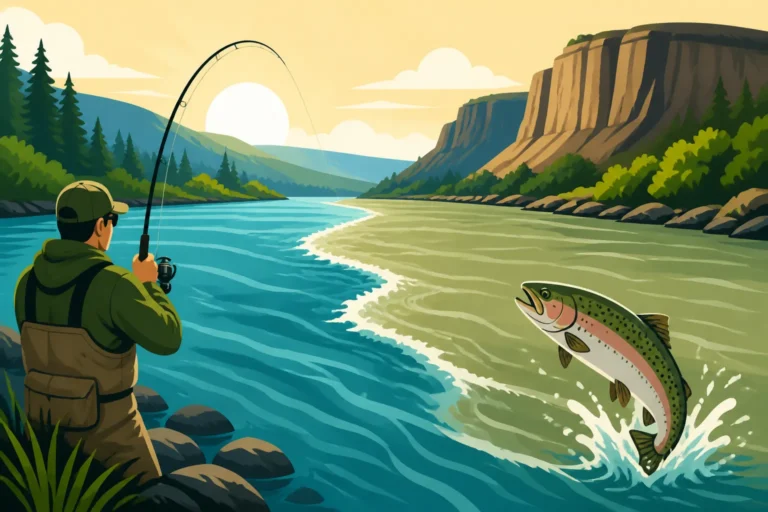
Fishing in Oregon's Willamette Valley can sometimes feel a bit overwhelming, with so many rivers and lakes, and an incredible diversity of fish species. It's easy to get lost in the sheer number of options or wonder where to even begin. This comprehensive guide will cut through the confusion, helping you understand the prime fishing spots, the best times to go, and exactly what you'll need to make your Willamette Valley angling dreams a reality.
Understanding the Willamette Valley's Unique Fishery
The Willamette Valley, a sprawling and fertile region nestled between the Coast Range and the Cascade Mountains, isn't just known for its vineyards and farms; it's a true gem for anglers. This valley is the lifeblood of many of Oregon's most iconic fisheries, offering an incredible array of opportunities from tranquil lake fishing for trout and bass to thrilling river battles with salmon and steelhead. But it's not always as straightforward as casting a line; understanding the nuances of these diverse waters is key to a successful trip.
The Heart of Oregon's Waterways
At the core of the Willamette Valley's fishing scene is the mighty Willamette River itself, a vast artery that flows north for over 180 miles, eventually joining the Columbia River near Portland. This river, along with its numerous tributaries like the Santiam, McKenzie, Clackamas, and Sandy, forms an intricate network of freshwater habitats. These rivers are fed by snowmelt from the Cascades and rainfall from the Coast Range, creating dynamic ecosystems that change with the seasons. The constant flow of nutrient-rich water supports robust populations of both migratory and resident fish species. It's a system where every bend, riffle, and deep hole can hold a treasure, but knowing which ones to target at which time is the real art.
For many years, industrial pollution posed significant challenges to the Willamette River and its tributaries. However, dedicated conservation efforts and improved regulations have led to a remarkable comeback in water quality and fish populations. While challenges remain, the Willamette River today is a much healthier ecosystem, supporting diverse fish species and offering fantastic angling opportunities within minutes of major population centers like Portland, Salem, and Eugene. This recovery is a testament to the resilience of nature and the commitment of Oregonians to their precious waterways.
Diverse Habitats and Species
What makes the Willamette Valley truly special for fishing is the sheer variety of habitats available. You've got everything from wide, slow-moving mainstem rivers perfect for boat fishing, to smaller, faster-flowing tributaries ideal for wading and fly fishing. Beyond the rivers, numerous lakes and reservoirs punctuate the landscape, each offering its own unique fishing experience. Think deep, cold reservoirs in the foothills of the Cascades, teeming with trout and kokanee, or shallower, warmer lakes in the valley floor that are prime for bass and panfish.
This ecological diversity translates directly into a fantastic array of fish species to target. You could be chasing chrome-bright winter steelhead in a coastal tributary one day, and the next, be battling a feisty smallmouth bass in a warm, rocky river stretch. The Willamette Valley is home to significant runs of Chinook and coho salmon, prized for their size and fighting prowess. Then there are the various trout species, from wild cutthroat and rainbow trout in smaller streams to heavily stocked rainbows in many lakes and ponds. And let's not forget the abundant warmwater species like largemouth and smallmouth bass, crappie, bluegill, and perch that provide exciting action, especially during the warmer months. It's this fantastic mix that keeps anglers coming back, always with something new to learn or a different challenge to tackle.
Premier Rivers for Anglers in the Willamette Valley
When you think of fishing in the Willamette Valley, the rivers are often the first thing that come to mind, and for good reason. These waterways are the arteries of the region, pumping life into the landscape and offering some of the most exciting and diverse angling opportunities anywhere in Oregon. Each river has its own unique character, its own rhythms, and its own special appeal to different kinds of anglers. Let's dive into some of the major players you'll want to explore. If you're looking for more general information, our guide on the Best Rivers to Fish in Oregon provides a broader overview.
The Mighty Willamette River
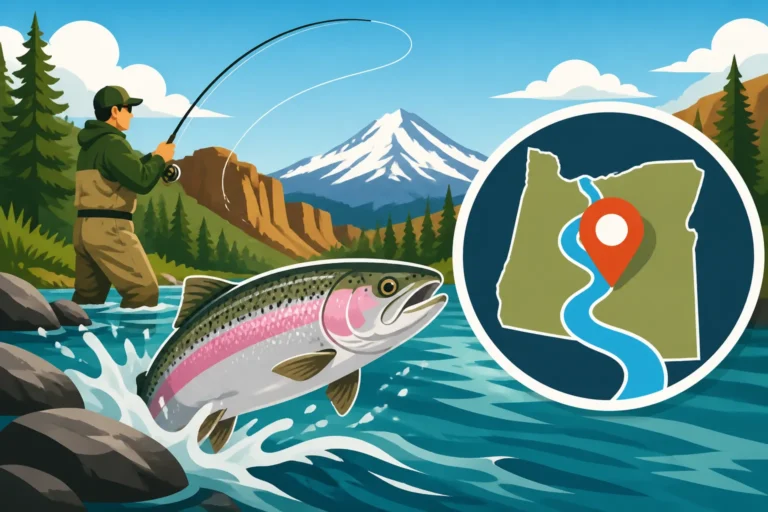
The Willamette River is truly the backbone of the valley's fishery. Stretching from its headwaters in the Coast Range and Cascades all the way to its confluence with the Columbia, it's a massive, diverse system. The mainstem Willamette is perhaps best known for its incredible salmon runs, particularly the spring Chinook, which migrate upriver in impressive numbers each year, drawing anglers from all over the Pacific Northwest.
Targeting Spring Chinook and Fall Salmon Runs
Spring Chinook salmon are the undisputed kings of the Willamette. These powerful fish begin entering the river system in late winter and early spring, providing an early-season thrill for eager anglers. They're notoriously hard fighters and absolutely delicious on the table. Most anglers targeting spring Chinook do so from boats, back-trolling divers with bait (like Brad's Super Baits or cut-plug herring) or various plugs and spinners. Popular stretches for these runs include the area around Oregon City, the Portland harbor, and upstream towards Salem and even Eugene. The Willamette River in downtown Portland is a fantastic place to hook into one of these beauties, often right within sight of skyscrapers. As the season progresses into summer and fall, you'll find fall Chinook and coho salmon pushing upriver, offering excellent bank fishing opportunities in addition to boat fishing. These later runs can be targeted with similar techniques, though jigging and bobber-dogging can also be very effective, especially in areas with good current.
Sturgeon and Warmwater Fishing Opportunities
Beyond salmon, the Willamette River is also a fantastic place to fish for white sturgeon. While retention seasons are often limited and specific to certain zones, catch-and-release sturgeon fishing is available year-round in many areas. These prehistoric giants offer an incredible fight and a truly unique angling experience. Fishing for sturgeon typically involves heavy tackle, a sturdy boat, and large baits like lamprey, smelt, or even squid, fished on the bottom in deep holes. Always check current regulations for retention opportunities, as they can change frequently. Furthermore, the slower, warmer sections of the Willamette, particularly downstream from Corvallis, are prime for warmwater species. You'll find good populations of smallmouth bass, largemouth bass, channel catfish, and various panfish. These species offer consistent action, especially during the summer months, and can be caught using a variety of techniques from casting crankbaits and soft plastics to fishing with worms and bobbers. The diverse offerings of the Willamette make it a truly versatile river for anglers of all stripes.
The Santiam River System: North and South Forks
The Santiam River system, consisting of the North Santiam and South Santiam rivers, flows out of the Cascade Mountains and converges near Jefferson before joining the Willamette River. These rivers are renowned for their incredible beauty and diverse fishing opportunities, particularly for steelhead and salmon.
Steelhead and Salmon Fishing on the North Santiam
The North Santiam River is a highly popular destination, especially for winter and summer steelhead. The winter steelhead run typically begins in late fall and peaks from December through March, offering some challenging but rewarding fishing in cold, often high water. Anglers here often employ drift fishing with bait (roe, worms), jigs, or small plugs. Fly fishing for winter steelhead can also be productive for experienced anglers, particularly in lower flows. Summer steelhead arrive later in the spring and provide fantastic action through the summer months. These fish are often more aggressive and can be targeted with an array of techniques, including fly fishing with dries and nymphs, drift fishing, and casting spinners or spoons. Spring Chinook also push into the North Santiam, creating excellent opportunities in late spring and early summer. The river offers numerous access points, from dedicated boat launches to popular bank fishing spots near towns like Mill City and Stayton. Remember to check local closures and bait restrictions, as parts of the North Santiam can have specific rules.
The South Santiam's Diverse Fishery
The South Santiam River, while perhaps less famous than its northern counterpart for steelhead, still offers excellent fishing. It's particularly known for its spring Chinook salmon run, which can be very strong. The spring Chinook often hold in deeper pools and can be caught by boaters back-trolling or by bank anglers using bobber and jig setups or drift gear. Beyond salmon, the South Santiam also supports good populations of resident rainbow trout and cutthroat trout, which can be targeted with light spinning gear or fly fishing outfits throughout the warmer months. These fish respond well to small spinners, worms, and an assortment of dry flies, nymphs, and streamers. The river's character varies from fast-flowing, rocky stretches in its upper reaches to wider, slower sections closer to its confluence with the North Santiam. Popular access points are found near towns like Lebanon and Waterloo. For those interested in the full spectrum of Oregon's river fishing, consulting a guide like Best Rivers to Fish in Oregon can provide even more regional insights.
The Clackamas River: A Portland Angler's Gem
Just a stone's throw from Portland, the Clackamas River is a favorite among local anglers for its consistent runs of salmon and steelhead. It's a beautiful, dynamic river that flows out of the Cascade foothills and joins the Willamette, offering a true wild river feel despite its proximity to urban areas. This makes it a fantastic option for a day trip without having to travel too far.
Consistent Steelhead and Salmon Runs
The Clackamas River is perhaps most celebrated for its strong winter and summer steelhead runs. Winter steelhead typically arrive from late November through March, providing a challenging but rewarding fishery. Anglers often use drift fishing techniques with bait, jigs, or small plugs, especially in the larger, mainstem sections. Fly fishing can be excellent in certain stretches during lower flows, with nymphing being a popular and productive method. Summer steelhead begin to show up in late spring and offer fantastic action throughout the summer, often becoming more aggressive and willing to chase lures or rise to dry flies. Spring Chinook salmon are another major draw, making their way up the Clackamas in spring and early summer. These powerful fish can be targeted from boats back-trolling or from the bank using various bait and lure presentations. There are many boat launches and bank access points along the river, especially around Carver, Barton, and Estacada. Remember to stay informed about emergency regulations and check for specific gear restrictions in certain areas.
Trout and Scenic Fishing Opportunities
Beyond the anadromous species, the Clackamas River also provides excellent opportunities for resident trout. Wild rainbow trout and cutthroat trout can be found throughout the system, particularly in the upper reaches and cooler tributaries. These trout offer consistent action for fly anglers and light tackle enthusiasts. Small spinners, spoons, worms, and a variety of dry flies and nymphs will entice these eager biters. The Clackamas is known for its stunning natural beauty, with forested banks and clear, cold water, making any fishing trip a scenic outdoor experience. It's an ideal river for wading anglers, with many accessible stretches providing ample casting room. Before heading out, always consult the Oregon Department of Fish and Wildlife (ODFW) regulations, as specific sections of the Clackamas may have different rules regarding bait, tackle, and bag limits. Understanding Oregon Fishing Regulations Explained can save you a lot of hassle.
The Sandy River: Wild Steelhead and Salmon Runs
The Sandy River, flowing down from Mount Hood and joining the Columbia River, is another premier fishing destination within easy reach of the Portland metropolitan area. It's known for its wild, untamed character and its significant runs of anadromous fish, offering a different challenge compared to some of the valley's more developed waterways.
Prized for Winter and Summer Steelhead
The Sandy River boasts strong runs of both winter and summer steelhead, making it a year-round destination for dedicated steelheaders. Winter steelhead typically enter the river from November through March, offering a challenging fishery for strong, often wild fish. Drift fishing with roe, worms, or jigs is a common and effective technique, as is side-drifting from a boat. Fly anglers will find success nymphing in slower seams and pools. Summer steelhead arrive in late spring and stay through the summer, providing exhilarating dry fly and nymph fishing opportunities, especially in the river's upper stretches where the water is colder and clearer. These acrobatic fish are a true test of skill. Targeting summer steelhead on the Deschutes, for instance, requires specific strategies, but many of those Oregon Steelhead Fishing Techniques also apply to the Sandy.
Spring Chinook and Coho Salmon Opportunities
In addition to steelhead, the Sandy River also sees strong runs of spring Chinook salmon, which typically make their way upriver in May and June. These powerful fish can be caught by boaters back-trolling plugs, divers, and bait, or by bank anglers using various bait and lure presentations in accessible holes. Coho salmon also enter the Sandy in late summer and fall, offering another exciting salmon fishery. These silver bullets are known for their aggressive strikes and aerial acrobatics. The Sandy River's character varies dramatically from its lower, wider sections near the Columbia to its narrower, faster-flowing upper reaches. There are numerous public access points, including parks and boat launches, that make it relatively easy to get on the water. However, portions of the Sandy are managed for wild fish, and specific regulations regarding retention, gear, and bait can be quite stringent. Always check the latest ODFW sport fishing regulations before you go, paying close attention to any special wild fish rules to ensure you're fishing legally and ethically.
Productive Lakes and Reservoirs
While the Willamette Valley's rivers rightly get a lot of attention, its numerous lakes and reservoirs are equally fantastic fishing destinations. These stillwater bodies offer a different kind of angling experience, often more relaxed and family-friendly, but still capable of producing trophy-sized fish. From high-mountain retreats to expansive valley impoundments, there's a lake for every preference and every target species. If you're generally interested in stillwater angling, our guide to the Best Lakes to Fish in Oregon can offer broader insights.
Detroit Lake: High Mountain Angling
Nestled in the Cascade Mountains, Detroit Lake is one of Oregon's most popular reservoirs, drawing visitors for its stunning scenery and excellent fishing. While it's primarily known as a recreation hub, its fishing can be exceptional, especially for kokanee and trout. Unfortunately, the area has faced significant challenges from recent wildfires, but the fishing opportunities are slowly rebounding.
Kokanee Salmon and Trout Fishery
Detroit Lake is a premier destination for kokanee salmon, which are landlocked sockeye salmon known for their delicious taste and spirited fight on light tackle. Kokanee fishing here is typically done by trolling with small dodgers, flashers, and lures or bait (like corn or maggots) at specific depths, which can vary throughout the season. These schooling fish often move around, so a good fish finder is invaluable. The best times for kokanee are usually spring and early summer. Beyond kokanee, Detroit Lake also supports a healthy population of rainbow trout, which are regularly stocked by ODFW. These trout provide consistent action for anglers using powerbait, worms, or small spinners from the bank, or by trolling plugs and wedding ring spinners from a boat. The trout fishery is popular year-round, with good ice fishing opportunities in colder winters when the lake freezes over. While recent years have seen the area recover from devastating wildfires, the resilience of nature and dedicated restoration efforts mean the fishery continues to improve.
Seasonal Strategies and Access
Access to Detroit Lake is generally good, with several public boat ramps and campgrounds managed by the U.S. Forest Service and Oregon State Parks. However, it's crucial to check current conditions, as fire recovery efforts can impact access to certain areas or facilities. During peak summer months, the lake can get quite busy with recreational boaters, so early morning or late evening fishing can be more peaceful and productive. In the spring, as the lake fills with snowmelt, the water is cold, and fish are often found closer to the surface. As summer progresses, the thermocline sets up, and kokanee and trout will seek out cooler, deeper water. Winter fishing, whether from shore or through the ice (when safe), can yield impressive catches for hardy anglers. Always be aware of weather changes in the mountains, as conditions can shift rapidly. For specific seasonal timing and tactics, understanding Best Time of Year to Fish in Oregon can help fine-tune your Detroit Lake plans.
Henry Hagg Lake: Warmwater Species Haven
Henry Hagg Lake, officially Scoggins Valley Park, is a large reservoir located in the foothills of the Coast Range, west of Forest Grove. Unlike many high-mountain lakes, Hagg Lake warms up considerably in the summer, making it an absolute paradise for warmwater species, though it also offers decent trout fishing.
Excellent Bass and Panfish Action
If you're into bass fishing, Hagg Lake is one of the top spots in the Willamette Valley. It boasts a thriving population of largemouth bass, with many fish in the 2-5 pound range and the potential for much larger trophies. Anglers target largemouths with a variety of techniques, including casting crankbaits, spinnerbaits, plastic worms, and jigs around submerged structure, weed lines, and rocky points. Topwater lures can be incredibly exciting during low light conditions in summer. Smallmouth bass are also present, especially in rocky areas. Beyond bass, Hagg Lake is a panfish paradise. You'll find abundant populations of crappie, bluegill, and yellow perch, which provide fantastic, fast-paced action, especially for kids and beginners. These panfish can be caught with simple setups like a bobber and a worm or small jigs tipped with bait. During late spring and early summer, crappie often school up in shallow areas, making them easy targets. It's a great spot for teaching kids Oregon Fishing Techniques for Beginners.
Trout Stocking and Seasonal Tips
While warmwater species dominate, ODFW regularly stocks Henry Hagg Lake with rainbow trout, particularly in the cooler months of spring and fall. These stocked trout provide excellent opportunities for bank anglers using powerbait, worms, or small spinners. Trolling small spoons and wedding ring spinners from a boat can also be very effective for trout. The trout fishing tends to slow down significantly in the heat of summer as the water temperatures rise, pushing the trout into deeper, cooler zones or making them less active. Hagg Lake has multiple boat launches and ample shoreline access, including several accessible fishing piers. It's a popular spot for families, with picnic areas and other recreational amenities. Due to its popularity, it can get busy on weekends, so consider fishing on weekdays or during off-peak hours for a more tranquil experience. Before heading out, always check the ODFW stocking schedule and the current fishing regulations, as limits and rules can apply to different species.
Fern Ridge Reservoir: Bass and Panfish Mecca
Fern Ridge Reservoir, located just west of Eugene, is another sprawling impoundment in the Willamette Valley that offers incredible warmwater fishing. It's much shallower than Detroit Lake and features extensive areas of submerged vegetation and timber, creating ideal habitat for a variety of species.
Abundant Largemouth Bass Fishery
Fern Ridge is widely regarded as one of Oregon's premier largemouth bass fisheries. The reservoir's shallow, nutrient-rich waters and abundant cover allow bass to thrive and grow to impressive sizes. Anglers regularly report catches of largemouths in the 3-6 pound range, with true trophy potential. The key to success here often involves fishing the extensive weed beds, lily pads, and submerged timber. Popular techniques include flipping and pitching jigs or soft plastics into heavy cover, Texas-rigging worms, casting spinnerbaits, and working topwater frogs or poppers over the lily pads during summer. The bass fishing really heats up from late spring through fall, offering consistent action. Tournament anglers frequently visit Fern Ridge, a testament to its quality bass fishery.
Crappie, Perch, and Catfish
Beyond largemouth bass, Fern Ridge Reservoir is also an exceptional destination for panfish, particularly crappie and yellow perch. These schooling fish provide fast and furious action, making it a fantastic spot for family outings or for anglers looking to fill a cooler. Crappie often congregate around submerged brush piles, timber, and docks, and can be caught using small jigs (like Bobby Garland's or similar plastics) under a bobber, or by slow trolling tiny crankbaits. Yellow perch are also abundant and readily take small jigs, worms, or pieces of nightcrawler. Additionally, the reservoir supports a healthy population of brown bullhead catfish, which can be targeted on the bottom using smelly baits like chicken livers or commercial stink baits, especially in the evenings. Access to Fern Ridge is excellent, with multiple boat launches and shoreline fishing opportunities. However, due to its shallow nature, water levels can fluctuate significantly throughout the year, especially late in the summer, which can impact access and fishing patterns. Always check current water levels before planning a trip, particularly if you intend to launch a boat.
Targeting Key Fish Species in the Valley
The Willamette Valley truly is an angler's playground, offering a remarkable diversity of fish species. From the powerful, migratory giants of the rivers to the feisty residents of its lakes, there's a target for every preference. Understanding what's available and when is crucial to maximizing your chances of a successful and enjoyable outing.
Salmon and Steelhead: Kings of the River
When most people think of Oregon fishing, salmon and steelhead immediately come to mind. The Willamette Valley rivers are prime destinations for these iconic anadromous fish, offering thrilling battles and the reward of some of the finest eating fish around.
Chinook and Coho Salmon Runs
The Willamette Valley is famous for its Chinook and coho salmon runs. Spring Chinook, often called "springers," are particularly prized for their firm, red meat and incredible fighting ability. These fish begin their migration into the Willamette and its tributaries (like the Clackamas and Santiam) in late winter and spring, peaking around May and June. Anglers typically target them from boats, back-trolling plugs, divers with bait (such as herring or cured roe), or large spinners in deeper holes and travel lanes. Bank anglers also find success in specific areas, often using bobber and jig or drift fishing setups. As the season progresses into late summer and fall, coho salmon and fall Chinook make their way upriver. Coho are known for their aggressive strikes and aerial acrobatics, often hitting spinners, spoons, or flies with gusto. Fall Chinook are often larger and more numerous, providing excellent opportunities, especially on the lower Willamette and its confluence with the Columbia. Familiarizing yourself with Oregon Salmon Fishing Techniques will significantly boost your success rates.
Winter and Summer Steelhead
Steelhead, the sea-run form of rainbow trout, are another major draw to the Willamette Valley's rivers. You'll find both winter and summer steelhead, each offering a distinct fishing experience. Winter steelhead, robust and powerful, enter the rivers from late fall through spring, often when conditions are cold and wet. They provide a challenging but highly rewarding fishery. Popular techniques include drift fishing with cured roe, worms, or jigs; casting spoons or spinners; and fly fishing with nymphs or streamers. The Clackamas, Sandy, and North Santiam rivers are prime winter steelhead destinations. Summer steelhead arrive in late spring and stay through the warmer months, often holding in faster, oxygenated water. These fish are generally more aggressive and can be targeted with a wider array of techniques, including fly fishing with dry flies, nymphs, or swung flies; float fishing with jigs; or casting small spinners and spoons. The Deschutes River (though slightly outside the core Willamette Valley, it's a major Oregon steelhead river) is famous for its summer steelhead, and many of those Oregon Steelhead Fishing Techniques are applicable to other valley rivers as well. Always check local regulations, as many rivers have specific rules for wild vs. hatchery steelhead and may require barbless hooks.
Trout: Rainbows, Cutthroat, and Stocked Opportunities
Trout fishing in the Willamette Valley offers a more relaxed yet consistently rewarding experience, catering to anglers who prefer lighter tackle or the finesse of fly fishing. From wild, stream-dwelling fish to regularly stocked lakes, there's a trout fishery for everyone.
Wild Trout in Tributaries
Many of the smaller tributaries flowing into the main Willamette River system, as well as the upper reaches of the larger rivers like the Clackamas and Santiam, hold healthy populations of wild rainbow trout and coastal cutthroat trout. These fish, often smaller but incredibly beautiful, are a delight to catch on light spinning gear or fly rods. They thrive in the colder, clearer waters of these streams, often hiding in riffles, runs, and under undercut banks. Fly fishing with small dry flies, nymphs, and emergers can be exceptionally productive, especially during insect hatches. For spin anglers, small inline spinners (like Rooster Tails or Mepps) and tiny spoons are excellent choices. Exploring these smaller waters offers a wonderful opportunity for solitude and a chance to connect with a more pristine fishing experience. Always practice responsible catch-and-release when targeting wild trout to help sustain these delicate populations.
Stocked Trout in Lakes and Ponds
For more consistent action and often larger fish, the Willamette Valley has numerous lakes and ponds that are regularly stocked with hatchery rainbow trout by ODFW. Lakes like Henry Hagg Lake, Detroit Lake, and many smaller community ponds around cities like Salem, Eugene, and Portland receive frequent plants of catchable-sized rainbows. These stocked fish are often eager biters and provide fantastic opportunities for anglers of all ages and skill levels. Bank fishing is incredibly popular, with anglers using baits like PowerBait, worms, or salmon eggs fished off the bottom with a slip sinker, or suspended under a bobber. Trolling small lures or wedding ring spinners from a boat or kayak can also be very effective. These stocked lakes are often perfect for introducing kids to fishing, offering a high chance of success. Checking the ODFW stocking schedule is a smart move, as fresh plants often lead to hot fishing. For more detailed advice, check out our guide on Oregon Trout Fishing Techniques.
Warmwater Species: Bass, Crappie, and Perch
While salmon, steelhead, and trout often steal the spotlight, the Willamette Valley's warmwater fisheries are vibrant and often overlooked. These species provide abundant action, especially during the warmer months, and can be found in many of the valley's lakes, reservoirs, and slower river sections.
Largemouth and Smallmouth Bass
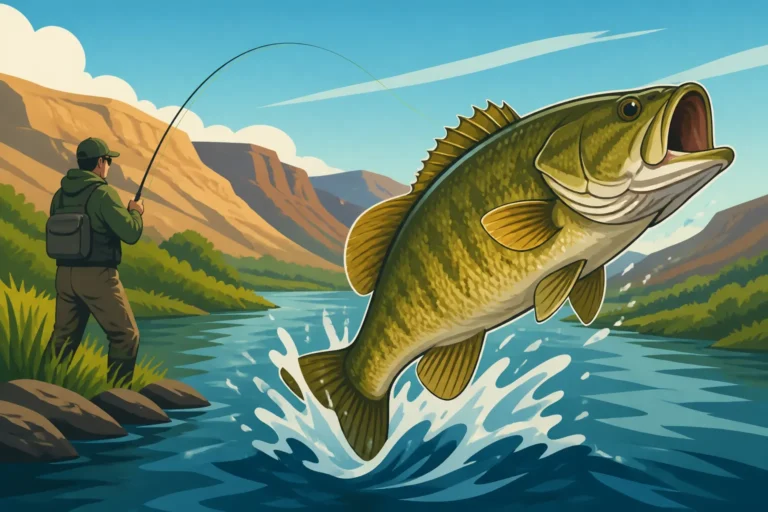
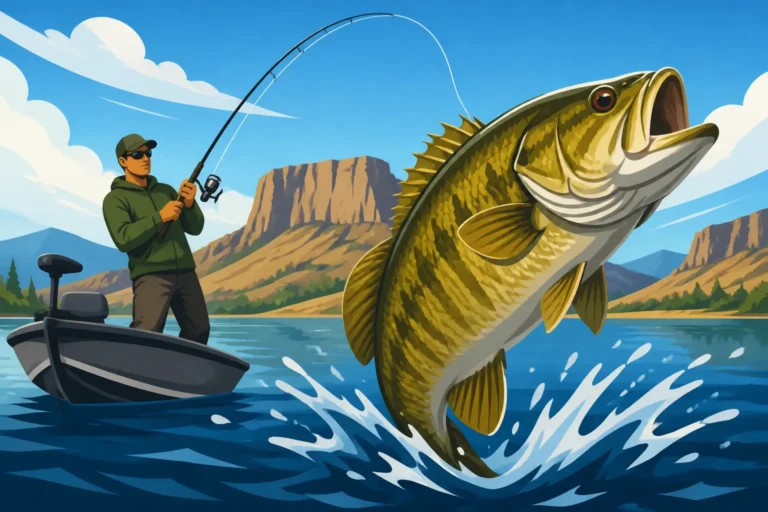
The Willamette Valley is home to excellent largemouth and smallmouth bass fishing. Largemouth bass thrive in the warmer, shallower, and often weedier waters of lakes like Fern Ridge Reservoir and Henry Hagg Lake. These ambush predators love to hide in cover, making techniques like flipping jigs, Texas-rigging soft plastics, and casting spinnerbaits or topwater frogs incredibly effective. Early morning and late evening, especially in summer, can offer explosive topwater action. Smallmouth bass, on the other hand, prefer rocky bottoms and flowing water, making them common targets in the lower Willamette River and some of its larger, warmer tributaries. They are notorious fighters, often jumping and pulling hard. Lures like crankbaits, tubes, grubs, and jigs are excellent for smallmouth. Both species offer incredible sport and are often abundant, making for a fun day on the water.
Crappie, Bluegill, and Yellow Perch
For consistent action and a great family fishing experience, you can't beat the panfish in the Willamette Valley. Crappie, bluegill, and yellow perch are abundant in many of the region's lakes and reservoirs, particularly Henry Hagg Lake and Fern Ridge Reservoir. These species are relatively easy to catch and provide continuous entertainment, making them perfect for beginners or young anglers. Crappie are often found in schools around submerged timber, brush piles, and docks. They readily bite small jigs (1/32 to 1/16 oz) tipped with a small plastic grub or a live minnow, fished under a bobber. Bluegill are often found in shallower, vegetated areas and will eagerly hit tiny worms, crickets, or small pieces of PowerBait. Yellow perch, identifiable by their distinct vertical stripes, are also schooling fish that respond well to small jigs, worms, or minnows fished near the bottom. These fish are not only fun to catch but are also excellent table fare. Many local anglers rely on these species for consistent catches throughout the year.
Navigating Seasonal Fishing Opportunities
One of the great joys of fishing in the Willamette Valley is the year-round potential for action. However, what you fish for and how you approach it changes dramatically with the seasons. Understanding these cycles is crucial for a successful trip, ensuring you're targeting the right species at the right time. Being prepared for seasonal shifts is key, as highlighted in our general guide to the Best Time of Year to Fish in Oregon.
Spring: Chinook and Trout Beginnings
Spring in the Willamette Valley is a season of awakening, both for nature and for the angler. As snowmelt swells the rivers and temperatures begin to rise, new opportunities emerge, particularly for prized salmon and active trout.
Spring Chinook Fever
Late winter rolls into spring, and the legendary spring Chinook salmon begin their arduous journey up the Willamette River and its major tributaries like the Clackamas and Santiam. This is arguably the most anticipated fishery in the valley, drawing crowds of dedicated anglers. These powerful, pristine fish are a challenging but incredibly rewarding catch. Early in the season, when water temperatures are still cool, they might be found holding in deeper, slower pools. As spring progresses, they become more active, moving through known travel lanes. Most successful spring Chinook anglers employ boat-based techniques, back-trolling with divers and bait (like cured herring or salmon roe) or various plugs and wobblers. Bank anglers also find success in specific areas with good current, often using bobber and jig or heavy drift gear. The period from April to June is generally prime, but always keep an eye on river conditions and ODFW updates for specific run timing.
Trout Stocking and Early Season Action
Spring also marks the beginning of consistent trout fishing, especially in the valley's numerous stocked lakes and ponds. As water temperatures warm just enough, ODFW begins its regular stocking program, planting thousands of catchable-sized rainbow trout. This provides fantastic, high-success opportunities for families and beginners. Lakes like Henry Hagg Lake and community ponds become excellent destinations. Anglers using PowerBait, worms, or small spinners from the bank or small boats will find eager biters. Fly anglers can also find success on smaller streams for wild trout as insect hatches begin to emerge. The spring weather can be unpredictable, with sunny days giving way to rain, so always be prepared for changing conditions. This season is truly a kick-off for the angling year, full of promise and the thrill of fresh fish.
Summer: Steelhead, Bass, and Lake Fishing
Summer brings long, warm days to the Willamette Valley, shifting the focus of many anglers towards the exciting world of summer steelhead, aggressive bass, and productive lake fishing. This is a time when the waters are often clearer, and fish are actively feeding.
Summer Steelhead and River Wading
As river levels drop and water clarity improves, summer steelhead become a prime target in rivers like the Clackamas, Sandy, and North Santiam. These acrobatic fish are often more aggressive than their winter counterparts and provide incredible sport. Many anglers enjoy the challenge of fly fishing for summer steelhead, using classic dry flies, nymphs, or spey techniques. Spin anglers find success with small spinners, spoons, or float fishing with jigs. Wading becomes much more accessible and enjoyable in the summer, allowing anglers to cover more water and reach prime holding lies. The longer daylight hours also mean more time on the water, often with beautiful, warm weather. It's a fantastic time for a more active, on-foot approach to river fishing.
Topwater Bass and Lake Fun
Summer is undoubtedly prime time for warmwater species in the Willamette Valley's lakes and reservoirs. Largemouth and smallmouth bass become incredibly active as water temperatures peak. This is when topwater fishing can be explosive, with bass smashing frogs, poppers, and walking baits in the early mornings and late evenings. During the heat of the day, they'll retreat to cover, making techniques like flipping and pitching jigs or soft plastics into weed beds and submerged timber highly effective. Lakes like Fern Ridge Reservoir and Henry Hagg Lake offer exceptional bass fishing throughout the summer. Additionally, panfish like crappie, bluegill, and yellow perch are abundant and provide consistent action. They are often found schooling up around structure, eager to bite small jigs, worms, or crickets. Summer lake fishing is often a relaxed, family-friendly affair, perfect for picnics and introducing kids to the joys of fishing.
Fall: Coho, Fall Chinook, and Sturgeon
As the crisp air of autumn settles over the Willamette Valley, a new wave of angling opportunities arrives. Fall is a spectacular time to be on the water, with vibrant foliage and strong runs of salmon, alongside lingering sturgeon and trout.
Coho and Fall Chinook Salmon
The cooler temperatures and increased rain often trigger the migrations of coho and fall Chinook salmon into the Willamette River and its tributaries. Coho, often called "silvers," are known for their aggressive strikes and acrobatic fights, making them a favorite among many anglers. They readily hit spinners, spoons, and flies. Fall Chinook are often the largest salmon of the year, providing a powerful battle. Techniques for both species include trolling, drift fishing with bait, or casting jigs and lures from the bank. The lower Willamette River, especially around its confluence with the Columbia, can be incredibly productive during this time. Checking specific run timing and regulations is vital, as salmon seasons can be complex and vary by river section.
Sturgeon and Trout Action
While sturgeon can be targeted year-round, fall offers excellent opportunities, especially for catch-and-release fishing on the Willamette River. These prehistoric giants provide an unforgettable tug-of-war. For those seeking these colossal fish, heavy tackle and baits like lamprey or squid fished on the bottom are the standard. Always adhere strictly to catch-and-release guidelines for sturgeon and handle them with care. Beyond salmon and sturgeon, trout fishing remains strong in stocked lakes and ponds as water temperatures cool, often leading to more active fish. Stream trout fishing in smaller tributaries can also be excellent, as fish prepare for winter. The fall colors add an extra layer of beauty to any fishing trip, making it a truly picturesque time to be out on the water.
Winter: Hardy Steelhead and Trout
When winter descends upon the Willamette Valley, many fair-weather anglers might pack away their gear, but for the dedicated few, it ushers in the heart of the winter steelhead season and surprisingly good trout fishing. This is a season for the hardy, but the rewards can be immense. For more options, explore our guide on Oregon Winter Fishing Options.
Winter Steelhead Challenge
Winter steelhead are arguably the most challenging and rewarding fish to pursue in the Willamette Valley. These chrome-bright beauties enter rivers like the Clackamas, Sandy, and North Santiam during the colder, rainier months from November through March. They are powerful, resilient fish that test an angler's patience and skill. Techniques typically involve drift fishing with cured roe, worms, or jigs; float fishing; or casting heavier spoons and spinners. Fly anglers also find success nymphing or swinging flies in slower seams. Success often hinges on reading the water, understanding fish holding patterns in cold water, and being prepared for inclement weather. A truly successful winter steelhead trip is a badge of honor among Oregon anglers, offering a profound sense of accomplishment.
Coldwater Trout Opportunities
Even in the depths of winter, trout fishing can be surprisingly good, especially in the valley's stocked lakes and ponds. While wild trout in rivers may become less active, hatchery rainbow trout in stillwaters often remain catchable, particularly during mild spells. Anglers using traditional baits like PowerBait, worms, or even corn can find success. Fishing slowly and presenting bait near the bottom are often key tactics. Some of the larger reservoirs, like Detroit Lake (when conditions allow for safe access), can also offer ice fishing opportunities for trout and kokanee during particularly cold winters, though this is less common in the core valley. Winter fishing provides a peaceful, often solitary experience, with the added benefit of potentially hooking into a fresh, hard-fighting fish when many others are indoors.
Essential Gear and Techniques for Willamette Valley Success
Stepping out onto the riverbanks or launching a boat into a Willamette Valley lake requires more than just a sense of adventure; it demands the right gear and an understanding of effective techniques. The diversity of fishing opportunities means there's no single "one-size-fits-all" approach. Being prepared with the right tools and knowledge can make all the difference between a frustrating day and a memorable catch.
Rods, Reels, and Line Choices
Having the right tackle for your target species is paramount. Using gear that's too light can lead to broken lines and lost fish, while gear that's too heavy can diminish the sport.
River Fishing Setups (Salmon and Steelhead)
For salmon and steelhead in the Willamette Valley's rivers, you'll generally want more robust gear. A medium-heavy to heavy power spinning or baitcasting rod, typically 8 to 10.5 feet long, is a good starting point. Longer rods help with casting distance and line control, especially when drift fishing or float fishing. Pair this with a strong reel (size 3000-5000 for spinning, or a level-wind baitcaster with a good drag system) spooled with 15-20 lb monofilament or braided line. Many anglers prefer braided main lines (30-50 lb test) for their sensitivity and strength, often adding a 10-20 lb fluorocarbon or monofilament leader. This setup provides the power needed to fight strong, often large fish in current, while also allowing for sensitive bite detection. For those who enjoy back-trolling from a boat, shorter, stiffer trolling rods (7-8 feet) with line counter reels are often preferred, allowing precise lure placement and depth control.
Lake and Warmwater Setups (Trout, Bass, Panfish)
For lake fishing and targeting warmwater species or trout, lighter tackle is usually more appropriate and more fun. A medium-light to medium power spinning rod, 6 to 7.5 feet long, is versatile for most lake applications. Pair this with a smaller spinning reel (size 1000-2500) spooled with 6-10 lb monofilament or fluorocarbon line, or 10-20 lb braided line with a lighter leader. This lighter setup allows for casting smaller lures and baits, and the increased sensitivity makes detecting subtle bites much easier. For panfish like crappie and bluegill, an ultra-light rod (5-6 feet) with a tiny spinning reel and 2-4 lb test line provides maximum sport. When targeting bass specifically, you might want a slightly stiffer medium-heavy rod for casting heavier lures and extracting fish from cover, but a versatile medium action rod will handle most situations.
Bait, Lures, and Flies: What Works When
The choice of what to put on the end of your line is just as critical as your tackle. Different fish species respond to different presentations, and success often comes from knowing which to deploy when. A comprehensive Oregon Bait and Lure Guide can further illuminate your choices.
Effective Baits for Salmon, Steelhead, and Trout
For salmon and steelhead, bait is often king, especially in river systems where it's allowed. Cured salmon roe (roe bags or clusters) is a classic and highly effective bait, particularly for winter steelhead and spring Chinook. Sand shrimp and prawns are also excellent choices. Worms, especially nightcrawlers, are versatile and work well for both salmon, steelhead, and trout. For stocked trout in lakes, prepared baits like PowerBait (in various colors and forms), corn, or a simple worm under a bobber are incredibly effective. Live minnows, where legal, can also be deadly for larger trout and bass. Always check regulations as bait restrictions can vary greatly by river and season, especially on designated "fly-only" or "artificial lures only" waters.
Lures for Aggressive Fish
Lures are fantastic for covering water and triggering aggressive strikes. For salmon and steelhead, popular choices include inline spinners (like Blue Fox or Mepps), wobbling plugs (Brad's KillerFish, FlatFish, Kwikfish), spoons (Little Cleo, Steelhead Spoons), and jigs (marabou jigs under a float). For bass, the options are vast: crankbaits (diving or shallow-running), spinnerbaits, plastic worms (Texas-rigged or Carolina-rigged), jigs, and topwater lures (frogs, poppers, walking baits) are all highly effective depending on the season and water conditions. For trout, smaller spinners, spoons, and tiny crankbaits work well, especially when trolling. Panfish will hit small jigs, tiny crankbaits, or even micro-spoons. Experimentation with color and retrieval speed is often key to finding what fish are keying in on that day.
Fly Fishing for the Finesse Angler
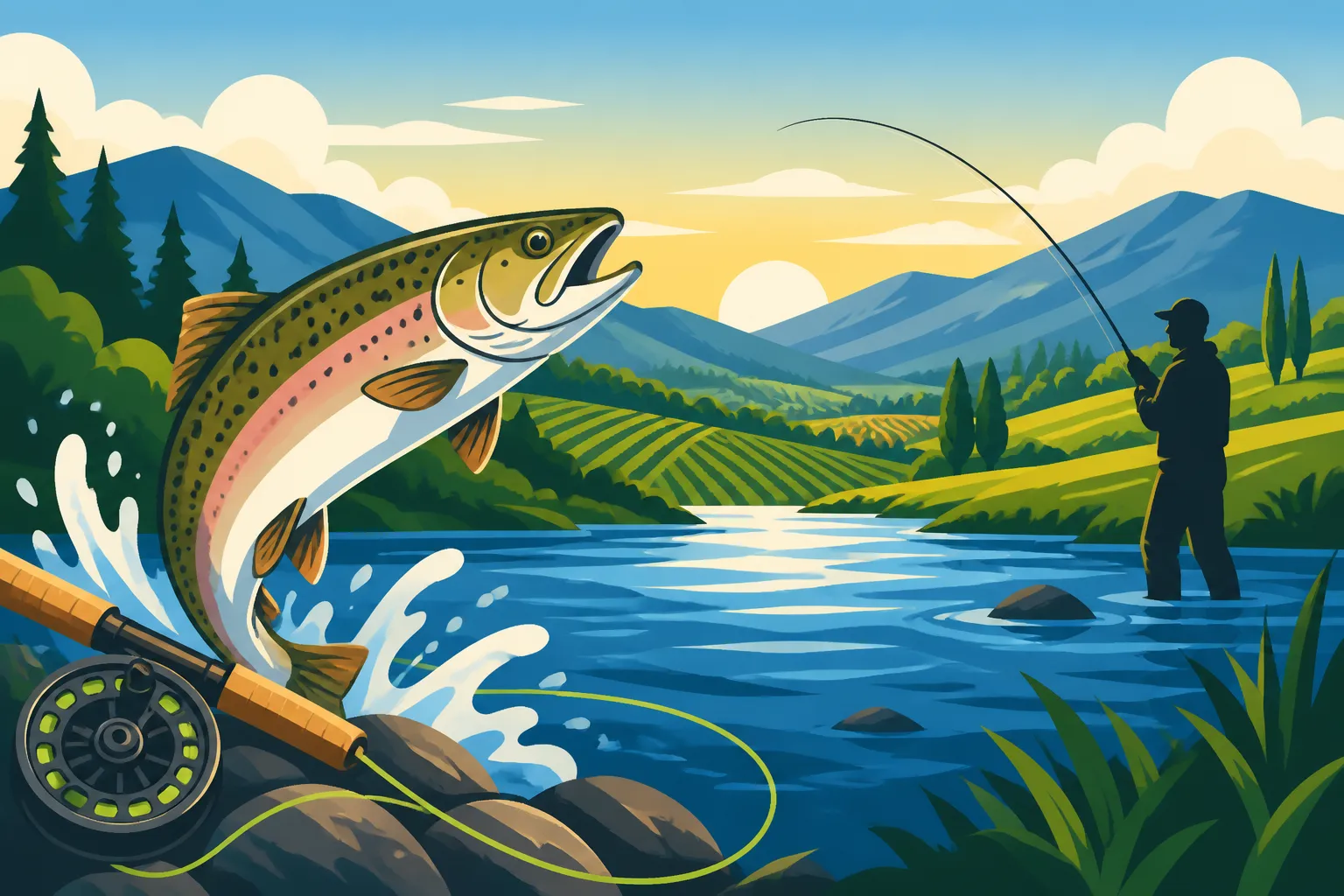
Fly fishing offers a unique and often highly rewarding approach, particularly for trout and steelhead. For river trout, a 3-5 weight fly rod is ideal, allowing delicate presentations of dry flies (for hatches), nymphs (for subsurface feeding), or small streamers. Popular fly patterns vary with the season and insect activity but often include various mayfly, caddisfly, and stonefly imitations. For steelhead, a heavier 7-9 weight single-hand rod or a two-hand spey rod is often used. Nymphing with indicators, swinging traditional wet flies or spey flies, and even skating dry flies (for summer steelhead) are common techniques. Understanding the specific hatches and water conditions is crucial for fly fishing success. Many parts of the Willamette Valley offer excellent fly fishing opportunities, from the famous Metolius River (just outside the valley but a key Oregon fly destination) to smaller, less-pressured streams.
Bank Fishing vs. Boat Fishing Strategies
The Willamette Valley offers diverse access options, catering to both anglers with boats and those who prefer to fish from shore. Each approach has its own advantages and considerations.
Maximizing Bank Fishing Opportunities
Bank fishing is often the most accessible and budget-friendly way to fish. Many rivers and lakes in the Willamette Valley offer excellent bank access through public parks, boat launches, and dedicated fishing areas. For rivers, look for areas with current breaks, deep holes, confluence points, and submerged structure where fish might hold or rest. Casting spinners, spoons, or drift fishing with bait under a float are highly effective from the bank for salmon and steelhead. For lakes, target areas with access to deeper water, points, submerged weed lines, or structure like docks and fallen trees. Bank fishing for stocked trout is incredibly popular, using PowerBait or worms on the bottom. When bank fishing, stealth is often important, especially in clear water. Consider your casting distance, backcasting room, and the approach to the water's edge. Some excellent bank fishing spots near Portland, for example, can be surprisingly productive if you know where to look.
Advantages of Boat Fishing
Boat fishing opens up a whole new world of opportunities, allowing anglers to cover vast amounts of water and access areas unreachable from shore. This is particularly advantageous on large rivers like the Willamette and large reservoirs like Detroit Lake or Fern Ridge. Boats allow for specific techniques such as back-trolling for salmon, trolling for kokanee and trout in lakes, or precisely navigating bass boats into prime bass habitat. A good fish finder is invaluable for locating submerged structure, baitfish schools, and target species. When boat fishing, safety is paramount: always wear a life jacket, check weather forecasts, and ensure your boat is properly equipped and maintained. Navigating current, particularly on the Willamette River, requires experience and caution. Charter services are also an option for those without a boat or wanting to learn specific techniques, and you can easily find options through platforms like FishingBooker.
Understanding Oregon's Fishing Regulations and Licenses
Before you even think about wetting a line in the Willamette Valley, it's absolutely critical to understand and abide by Oregon's fishing regulations. These rules are in place to manage fish populations, ensure sustainable fishing, and provide fair access for everyone. Ignoring them can lead to hefty fines and a ruined day, so a little homework goes a long way. Our comprehensive Oregon Fishing License Guide is an excellent starting point for any angler.
General License Requirements and Endorsements
The first and most fundamental requirement for fishing in Oregon, regardless of where you are in the Willamette Valley, is a valid fishing license. Almost everyone 14 years or older needs one.
Who Needs a License and How to Get One
In Oregon, anyone 14 years of age or older must possess a valid angling license to fish for, take, or angle for any fish or shellfish. This applies to both residents and non-residents. Children under 14 can generally fish without a license, though specific rules might apply to certain tags or areas, so it's always best to consult the ODFW regulations. There are various types of licenses available, including annual licenses, multi-day licenses (like an Oregon 1-Day Fishing License), and combination licenses. You can purchase your Oregon fishing license online through the ODFW website, at authorized license agents (like sporting goods stores or even some grocery stores), or at ODFW offices. Buying an Oregon fishing license online vs in person is a personal preference, but online usually offers instant access to your license. It's important to remember that licenses expire at the end of the calendar year (December 31st), regardless of when you purchased them, except for multi-day licenses which are valid for the specified consecutive days.
Understanding Tags and Endorsements
Beyond the base angling license, many popular fisheries in the Willamette Valley require additional tags or endorsements. For instance, if you plan to target salmon, steelhead, or sturgeon, you'll need to purchase an Oregon Combined Angling Tag. This tag covers your reporting requirements for these species and allows you to retain them within the legal limits. The Oregon Combined Angling Tag Guide explains this in detail. Shellfish licenses are required if you plan to go crabbing or clamming, even if you already have an angling license. An Oregon Ocean Endorsement is needed if you plan to fish for species like halibut, tuna, lingcod, or rockfish in the ocean, though this might not apply directly to Willamette Valley river fishing, it's crucial if you head to the coast. The Columbia River Basin Endorsement is another vital requirement if you plan to fish in the Columbia River or its tributaries (including the lower Willamette and Sandy Rivers) for salmon, steelhead, or sturgeon. Always check which tags and endorsements apply to your specific fishing plans to avoid any costly surprises.
Catch Limits, Size Restrictions, and Zone Specifics
Navigating the daily bag limits, size restrictions, and specific zone regulations can sometimes feel like solving a puzzle, but it's essential for legal and sustainable fishing. These rules are designed to protect fish populations and ensure healthy fisheries for the future.
Daily Bag and Possession Limits
Oregon fishing regulations include specific daily bag limits and possession limits for various species. A daily bag limit refers to the maximum number of fish you can harvest in a single day, while a possession limit refers to the maximum number of fish you can have in your possession (including those at home, in your cooler, or in your vehicle). For example, there might be a daily bag limit of two hatchery steelhead, but a possession limit of six. These limits vary significantly by species, waterbody, and even by time of year. For instance, the Oregon Daily Bag Limits Explained will show how trout, salmon, bass, and panfish all have different rules. It's not uncommon for special regulations to be put in place for specific river sections during certain salmon or steelhead runs, so checking the ODFW fishing regulations booklet or website immediately before your trip is always the smartest move.
Size Restrictions and Fin Clipping
Many species also have size restrictions, meaning fish must be within a certain length range to be legally retained. This is particularly true for salmon, steelhead, and sturgeon, where slot limits (e.g., must be between 38 and 54 inches for sturgeon) or minimum size limits are common. These rules help protect juvenile fish and large, spawning adults. Another critical aspect to understand is fin clipping. Most hatchery-origin salmon and steelhead in Oregon are marked with an adipose fin clip (the small, fleshy fin on their back, behind the dorsal fin, is removed). This allows anglers to distinguish between hatchery fish (which can often be retained) and wild fish (which are frequently required to be released under Oregon Catch-and-Release Rules). Always be sure you can correctly identify an adipose fin clip before retaining a fish, as keeping a wild fish where retention is prohibited can result in significant penalties.
Zone-Specific Regulations and Emergency Updates
The Willamette Valley is divided into various fishing zones, and regulations can differ between them, and even within different sections of the same river. For instance, the lower Willamette River, being part of the Columbia River Basin, often has different rules than the upper Willamette or its smaller tributaries. There can be specific regulations regarding bait use, barbless hook requirements (e.g., Oregon barbless hook requirements for steelhead), gear restrictions, and even specific closed sections or seasons for certain species. Furthermore, emergency regulations are common, especially for salmon and steelhead, due to fluctuating run sizes or environmental conditions. These emergency changes are announced by ODFW and can override the printed regulations. Always check the ODFW website or their fishing hotline for the latest updates before you head out, and a platform like FishingBooker will often provide links to these official resources when booking a trip. Ignoring these details can quickly turn an enjoyable day into a legal headache, potentially leading to fines or even confiscation of gear.
Planning Your Ultimate Willamette Valley Fishing Adventure
Embarking on a fishing trip in the Willamette Valley is an exciting prospect, but a little planning goes a long way in ensuring a smooth and successful outing. From understanding how to access the water to deciding if a guided trip is right for you, preparation is key to maximizing your enjoyment and success.
Access Points and Facilities
Knowing where you can legally and conveniently access the rivers and lakes is fundamental to any fishing plan. The Willamette Valley offers a wealth of options, but understanding amenities and potential restrictions is important.
Public Access and Boat Launches
Throughout the Willamette Valley, the Oregon Department of Fish and Wildlife (ODFW), State Parks, and various county and city parks provide numerous public access points for anglers. For river fishing, these often include boat launches (both paved and undeveloped), gravel bars suitable for wading access, and designated bank fishing areas. On the Willamette River, for example, you'll find excellent launches near Portland, Salem, and Eugene. Similarly, rivers like the Clackamas, Sandy, and Santiam have multiple points for both boaters and bank anglers. For lakes and reservoirs such as Detroit Lake, Henry Hagg Lake, and Fern Ridge Reservoir, there are typically multiple boat ramps, ample parking, and often designated fishing piers or accessible shoreline. Many of these sites offer restrooms, picnic areas, and other amenities, making them suitable for family outings. However, it's always wise to check current conditions and access availability, especially after heavy rains or during periods of low water, which can affect ramp usability.
Permits, Parking, and Considerations
While many public access points are free, some state parks or managed recreation areas may require a parking fee or a specific pass (like the Oregon State Parks Day-Use Pass or Northwest Forest Pass, if in national forest areas). Always look for signage at the access point to determine if a permit is needed. Parking can also be a challenge at popular spots during peak fishing seasons or on weekends, so arriving early is often a good strategy. When selecting an access point, consider the type of fishing you plan to do. If you're wading, look for gentle slopes and clear entry points. If you're launching a boat, ensure the ramp is suitable for your vessel and there's adequate maneuvering space. For those exploring more remote areas, always inform someone of your plans and estimated return time. Many online resources and mapping tools can help you pinpoint specific access locations and their associated facilities, allowing you to plan your day efficiently.
Considering a Guided Trip
For many anglers, especially those new to the Willamette Valley or targeting specific species, hiring a fishing guide can be an invaluable investment. A professional guide offers expertise, safety, and a higher chance of success.
Benefits of Hiring a Local Expert
Local fishing guides are intimately familiar with the waters they fish. They know where the fish are holding, what they're biting on, and the most effective techniques for the current conditions. This localized knowledge, often accumulated over decades, is incredibly valuable. A guide will typically provide all the necessary gear (rods, reels, bait, lures), handle the boat operation, and offer instruction tailored to your skill level. This eliminates the need for you to invest in specialized equipment or spend hours scouting unfamiliar waters. For species like spring Chinook, steelhead, or sturgeon, where success often depends on nuanced presentations and specific locations, a guide can drastically increase your catch rates. They also keep up with real-time fishing reports and emergency regulations, ensuring you're fishing legally and effectively. If you're looking to learn new techniques or simply want a stress-free day on the water, a guided trip is an excellent option. You can often find reputable guides through platforms like FishingBooker, which lists many experienced outfitters in the Willamette Valley region.
Choosing the Right Guide and What to Expect
When selecting an Oregon fishing guide, look for someone who is licensed, insured, and has a strong reputation. Online reviews and personal recommendations are excellent resources. Clarify what's included in the trip price (e.g., gear, bait, snacks, fish cleaning), what you need to bring (e.g., fishing license, appropriate clothing, food/drinks), and the expected duration of the trip. Always discuss your target species and preferred fishing style to ensure the guide's expertise aligns with your expectations. Most guides operate drift boats or powerboats, depending on the river and target species. They'll instruct you on casting, hooking, and landing fish, and often share insights into the local ecosystem. While a guide can significantly increase your chances, remember that fishing is never a guarantee. The joy is often in the experience, the learning, and the time spent on the beautiful waters of the Willamette Valley. Tipping your guide is customary and appreciated for good service, typically 15-20% of the trip cost.
Disclaimer
Fishing inherently involves risks, including those associated with water conditions, weather, and wildlife. Always prioritize safety by wearing appropriate gear, checking forecasts, and understanding your skill limitations. Adhere strictly to all Oregon Department of Fish and Wildlife (ODFW) regulations, including licensing, catch limits, and gear restrictions. Regulations can change frequently, so consult the most current ODFW Sport Fishing Regulations before each outing. The information provided in this guide is for general informational purposes only and should not be considered legal advice or a substitute for official ODFW publications.