Fishing the Willamette River in downtown Portland
For many anglers, the idea of fishing in the heart of a bustling city like Portland might seem counterintuitive. You might picture polluted waters, scarce fish, and nothing but concrete and crowds. But for those who know, the Willamette River, right through downtown, offers a surprisingly vibrant and accessible fishing experience. This guide will peel back the urban facade, revealing the rich opportunities available and equipping you with the knowledge to successfully fish this unique stretch of water.
The Surprising Bounty of Downtown Willamette Fishing
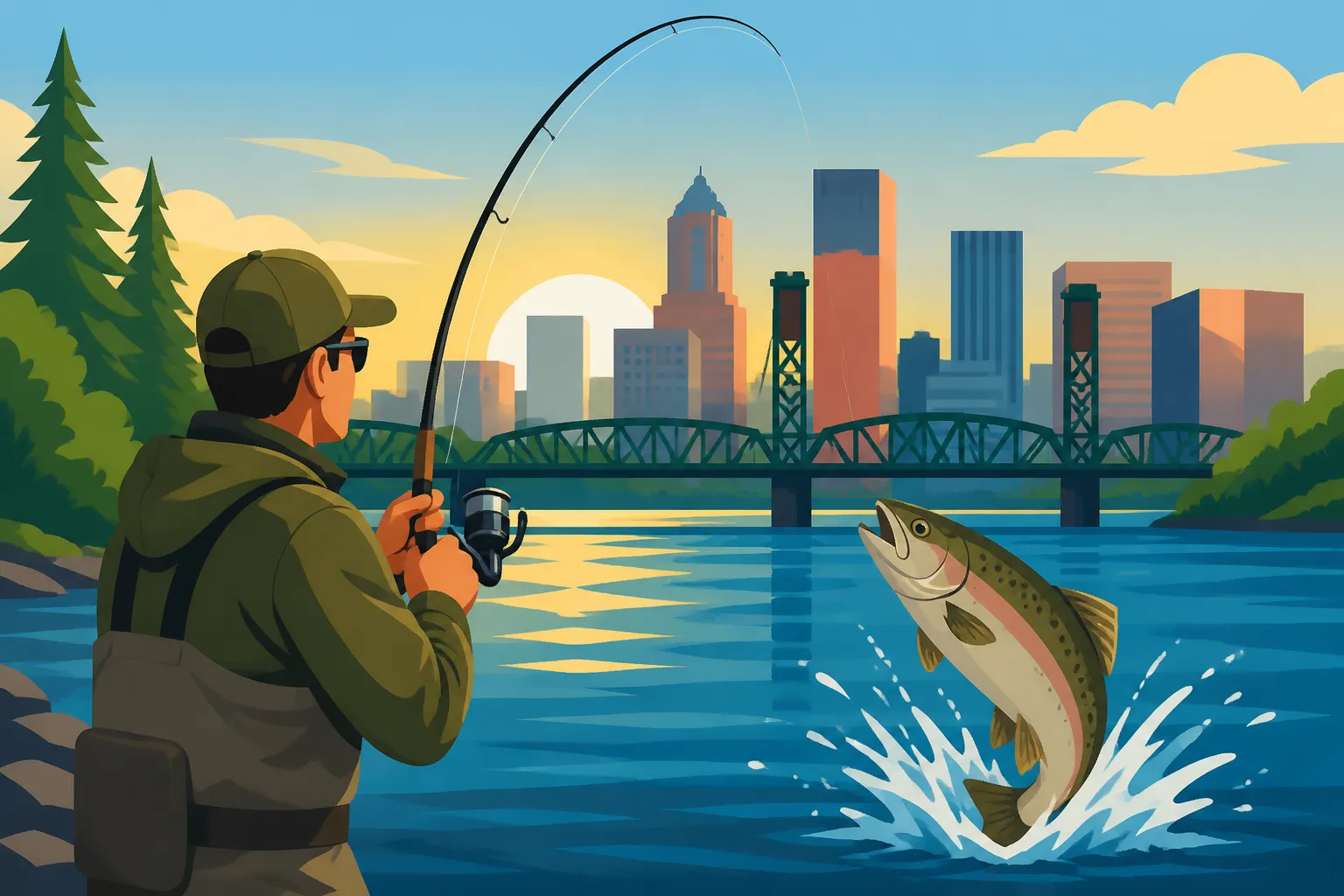
It's easy to dismiss the Willamette River as it flows through Portland, thinking it's just a polluted artery of commerce. However, over decades, significant environmental efforts have dramatically improved its health. This isn't just a picturesque waterway; it's a living ecosystem, and many species of fish thrive in or migrate through its downtown sections, offering anglers a unique blend of urban adventure and rewarding catches. The juxtaposition of casting a line with city skyscrapers in the background is an experience all its own.
Key Fish Species You'll Encounter
The Willamette River through downtown Portland is a true migratory highway, especially for some of Oregon's most prized game fish. During their seasonal runs, you can target various salmon and steelhead species, making for truly exciting angling opportunities right in the city. Beyond the anadromous species, the river also supports a healthy population of resident fish that provide year-round action.
For many, the pinnacle of Willamette River fishing is the pursuit of salmon. Spring Chinook, often called "springers," make an impressive journey up the river, offering a fantastic fishery from late spring into summer. These powerful fish are highly sought after for their fighting ability and delicious table fare. Later in the year, you'll see Fall Chinook and Coho salmon making their way up, providing even more opportunities. Beyond salmon, steelhead also utilize the Willamette, though often in smaller numbers and typically as they pass through on their way to tributary streams further upstream. The chance to hook into one of these magnificent fish, with the city skyline as your backdrop, is truly something special.
While the migratory fish get most of the attention, the downtown Willamette also holds a strong population of warmwater species. Smallmouth bass are particularly abundant and offer exciting light-tackle action. These feisty fish are known for their aggressive strikes and acrobatic fights, making them a favorite for anglers looking for consistent bites. Additionally, various panfish species like crappie and perch can be found, especially in calmer backwater areas or near docks, providing excellent opportunities for casual fishing or introducing kids to the sport. Don't forget the American Shad, which make a massive run up the river in late spring and early summer, providing fast and furious action for those targeting them. This diverse ecosystem means there's almost always something to target, no matter the season or your preferred fishing style.
Understanding Water Quality and Seasonal Changes
The perception of the Willamette River's water quality has shifted dramatically over the years. Thanks to concerted efforts like the "Big Pipe" project, which reduced combined sewer overflows, and ongoing environmental stewardship, the water quality has significantly improved. While it's still an urban river and caution should always be exercised regarding consumption, the conditions are vastly better than decades ago, allowing fish populations to rebound and thrive. Anglers can fish with greater confidence, knowing that the river is a cleaner, healthier environment.
Seasonal changes play a huge role in what you'll find and how you'll fish the Willamette. The timing of salmon and steelhead runs is critical, with different species peaking at various points throughout the spring, summer, and fall. For instance, the prime time to learn How to Fish for Spring Chinook on the Willamette is usually from April to June. As the water warms in summer, the bass fishing heats up, and shad runs become a major draw. Cooler water temperatures in fall and winter can shift focus to different techniques and species, although salmon and steelhead remain targets during their respective seasons. Always check the current Oregon Fishing Season Dates and Limits before heading out to ensure you're fishing legally and targeting active species.
Moreover, river conditions such as flow rate and clarity are heavily influenced by rainfall and snowmelt from the Cascade and Coast Range mountains. After heavy rains, the river can become high and murky, making fishing challenging, especially for sight-dependent species or those requiring clean scent trails. Conversely, periods of low flow and clear water can make fish more wary but also more concentrated in certain areas. Monitoring river gauges and local fishing reports is crucial for planning a successful trip. The constantly changing environment means that adapting your approach based on real-time conditions is a key skill for any Willamette River angler.
Prime Fishing Locations Along the Downtown Stretch
Fishing the Willamette River through downtown Portland offers a unique urban angling experience. The city provides numerous access points, from bustling waterfront parks to quieter, tucked-away piers. Knowing where to go and how to access these spots is key to making the most of your time on the water.
Accessible Piers and Docks
For those without a boat, the downtown piers and public docks are your best friends. These spots offer fantastic bank access and often put you right over deeper water where fish might congregate. The Tom McCall Waterfront Park, running along the west bank of the river, has several sections with public fishing access, including floating docks that are perfect for casting. Imagine reeling in a strong Oregon Salmon Species Guide while watching river traffic pass by! These docks are particularly popular during the spring Chinook run.
Another excellent spot is the area around the Oregon Museum of Science and Industry (OMSI) on the east bank. There are public docks and ample bank access here, often less crowded than the central Waterfront Park. These locations are great for a family outing, offering paved paths, restrooms, and often a chance to see large migratory fish jumping. When planning your trip, consider using a platform like FishingBooker to find local guides who might offer trips directly from these accessible points, providing all the gear and expertise needed for a successful day. The convenience of these urban fishing locations makes them incredibly appealing for both seasoned anglers and beginners alike.
Bank Fishing Hotspots
Beyond the main docks, there are various stretches of riverbank that offer productive fishing opportunities. While much of the downtown core is developed, there are still natural and improved bank areas to explore. Just south of downtown, near the Ross Island Bridge and further down towards Oaks Bottom Wildlife Refuge, you'll find more natural bank access. These areas can be excellent for targeting resident species like Oregon Bass Fishing Guide or even the occasional steelhead. The quieter environment here allows for a more traditional bank fishing experience, away from the immediate city bustle.
On the east side, stretching north from the Morrison Bridge towards the Steel Bridge, you can find various riprap and rocky sections that provide cover for fish. These spots are less formal than the public docks but can be incredibly productive, especially during periods of higher water when fish seek refuge along the banks. Anglers here often use heavier gear to contend with strong currents and potential snags. It's a great place to experiment with different casting angles and depths, finding where the fish are holding. Always be mindful of private property and urban regulations when exploring these bankside spots.
Kayak and Small Boat Access
For those with kayaks, canoes, or small motorboats, the Willamette River opens up even more possibilities. Launching from various public ramps along the river, you can access areas that are unreachable from the bank, allowing you to cover more water and target fish holding in mid-river channels or along less accessible shorelines. The ability to drift through productive stretches, especially during salmon and steelhead runs, gives you a significant advantage. This also allows you to explore the rich diversity of the Willamette River Fishing Guide beyond the immediate downtown core.
Public boat ramps like the one at Swan Island (slightly north of downtown) or the public ramp in Milwaukie (south of downtown) provide easy access. From a boat, you can target the main river channel, which is often where migratory fish like salmon hold as they push upstream. Trolling or anchoring and bait fishing are popular methods from a boat, allowing you to present your offerings effectively in the current. Remember to always be aware of commercial and recreational boat traffic, especially in the busy downtown section. Safety should always be your top priority, with appropriate life vests and navigation lights. You might even find specialized guided trips on FishingBooker that focus on small boat or kayak fishing for a truly immersive experience.
| Location | Primary Access Type | Target Species | Best Season | Notes |
|---|---|---|---|---|
| Tom McCall Waterfront Park | Pier/Bank | Spring Chinook, Shad, Smallmouth Bass | Spring/Summer | Central, busy, good amenities. |
| OMSI Docks/Bank | Pier/Bank | Spring Chinook, Shad, Smallmouth Bass | Spring/Summer | East bank, often less crowded. |
| Ross Island Bridge (South) | Bank | Smallmouth Bass, Trout, Steelhead | Year-round (seasonal) | More natural, quieter bank access. |
| Riprap (Morrison to Steel) | Bank | Smallmouth Bass, Perch | Year-round | Rocky areas, good cover, watch footing. |
| Mid-River Channels (Boat) | Boat/Kayak | Salmon, Sturgeon, Steelhead | Seasonal runs | Requires boat, aware of traffic. |
Essential Techniques and Gear for Urban Anglers
Fishing in an urban environment like downtown Portland means adapting your techniques and gear to match the unique conditions. From navigating currents to dealing with boat traffic and specific species, having the right approach is crucial for success on the Willamette.
Bait and Lure Recommendations
When targeting Spring Chinook and other salmon species, bait fishing often proves highly effective. Cured salmon eggs, herring, or anchovies are classic choices, often presented on a dropper loop or under a float. The scent trail they leave is irresistible to these powerful fish as they migrate. For lure fishing, Spin-N-Glos, Brad's Killerfish, or wobblers in bright colors like chartreuse, pink, or orange can also entice strikes. These are often trolled from a boat or swung from the bank in current seams. Don't be afraid to experiment with different sizes and colors, as fish preferences can change day by day. You can find more specific recommendations in an Oregon Bait and Lure Guide.
For smallmouth bass and panfish, a different approach is warranted. Soft plastic grubs, tubes, and crankbaits that mimic baitfish are excellent choices for bass. Small spinners, jigs, or even a simple worm under a bobber work wonders for panfish. Light line is often best for these species, allowing for more natural presentations and better bite detection. When the American Shad are running, small, brightly colored darts or tiny spoons fished on light spinning gear can lead to incredibly fast action. The key is to match the hatch or offer something that effectively triggers a strike from the particular species you're pursuing.
Rod and Reel Setups
For salmon and steelhead, you'll need a robust setup capable of handling powerful fish and strong currents. A medium-heavy to heavy action spinning or baitcasting rod, typically 8 to 10 feet long, is a good choice. This length helps with casting distance from the bank and provides leverage when fighting fish. Pair it with a reel spooled with 15-25 pound monofilament or braided line, ensuring you have enough line capacity for long runs. A good quality drag system is non-negotiable, as these fish will test your gear to its limits.
When switching to smallmouth bass and panfish, a lighter setup is much more enjoyable and effective. A medium-light to medium action spinning rod, around 6 to 7 feet long, is ideal. Spool your reel with 6-10 pound monofilament or braided line, and consider a fluorocarbon leader for added stealth. This lighter gear allows for more delicate presentations, better feel for subtle bites, and still provides plenty of fight for these energetic fish. Having a versatile setup or two can greatly enhance your ability to target different species effectively without having to carry an entire tackle shop with you.
Navigating Regulations and Ethical Practices
Fishing the Willamette River, especially within city limits, comes with its own set of rules and unwritten etiquette. Understanding these aspects is not just about avoiding fines; it's about being a responsible angler and contributing to the health of the fishery and the enjoyment of everyone sharing the space.
Must-Have Licenses and Endorsements
First and foremost, if you're 12 years or older, you absolutely need an Oregon Fishing License Guide to fish in Oregon waters. This isn't just a suggestion; it's a legal requirement. Depending on what you plan to catch, you might also need additional tags or endorsements. For instance, if you're hoping to keep a salmon or steelhead, you'll need an Oregon Combined Angling Tag Guide. This tag is crucial for tracking your catch and ensuring you adhere to specific limits. Without the proper documentation, you could face hefty fines and confiscation of your gear and catch.
It's also important to be aware of any specific regulations that might apply to the Willamette River itself or certain sections. While much of the river falls under general statewide rules, localized emergency closures or special regulations can be enacted. Always check the latest Oregon Fishing Regulations Explained from the Oregon Department of Fish and Wildlife (ODFW) before you head out. These regulations cover everything from daily bag limits and size restrictions to gear requirements (e.g., barbless hooks for certain species or areas). Ignorance of the law is not an excuse, and game wardens regularly patrol urban waterways.
Respecting the Urban Environment and Fellow Anglers
Fishing in a busy urban area means you'll likely be sharing the space with many other people – fellow anglers, walkers, cyclists, and tourists. Practicing good etiquette and respecting the environment is paramount. Always be mindful of your casting space, ensuring you don't endanger others with errant hooks or lines. Give other anglers ample room, especially if they were there first. A friendly nod or a brief chat is often appreciated, but avoid overcrowding or interfering with someone else's fishing spot.
Beyond social etiquette, environmental responsibility is critical. Pack out everything you pack in, and then some. Leave no trace of your presence – no discarded fishing line, bait containers, or food wrappers. Monofilament line, in particular, is a significant hazard to wildlife, so dispose of it properly in designated recycling bins or take it home. If you're using bait, ensure you're not introducing non-native species or disposing of live bait in the river, which can disrupt the ecosystem. Finally, if you're practicing catch and release, do so quickly and carefully, minimizing stress on the fish. By being a respectful and responsible angler, you help ensure that fishing the Willamette River remains a positive and sustainable experience for everyone.
Disclaimer
The information provided in this guide is for general informational purposes only. Fishing regulations, seasons, and conditions can change rapidly. Always consult the official Oregon Department of Fish and Wildlife (ODFW) regulations and local advisories before engaging in any fishing activities. Adherence to all applicable laws and safety guidelines is the sole responsibility of the individual angler.