Best fishing spot for tiger muskie in Oregon
There’s nothing quite like the thrill of chasing a true apex predator in freshwater, and for many anglers, the elusive tiger muskie in Oregon offers that unparalleled challenge. If you’ve heard whispers of these toothy hybrids and dreamt of a bent rod and a monstrous fight, but felt overwhelmed trying to pinpoint where exactly to find them, you're not alone. This comprehensive guide is here to cut through the confusion and lead you directly to Oregon's undisputed king of muskie fishing, offering insights into their behavior, the best locations, and the essential tactics you'll need for success.
The Allure of Oregon's Tiger Muskie: A Unique Angling Challenge
Chasing tiger muskie isn't just fishing; it's a dedicated pursuit, a test of patience, and ultimately, a battle of wits and strength. These fish are a true anomaly in Oregon's waters, offering a completely different experience from the more common trout or salmon.
What Makes Tiger Muskie So Special?
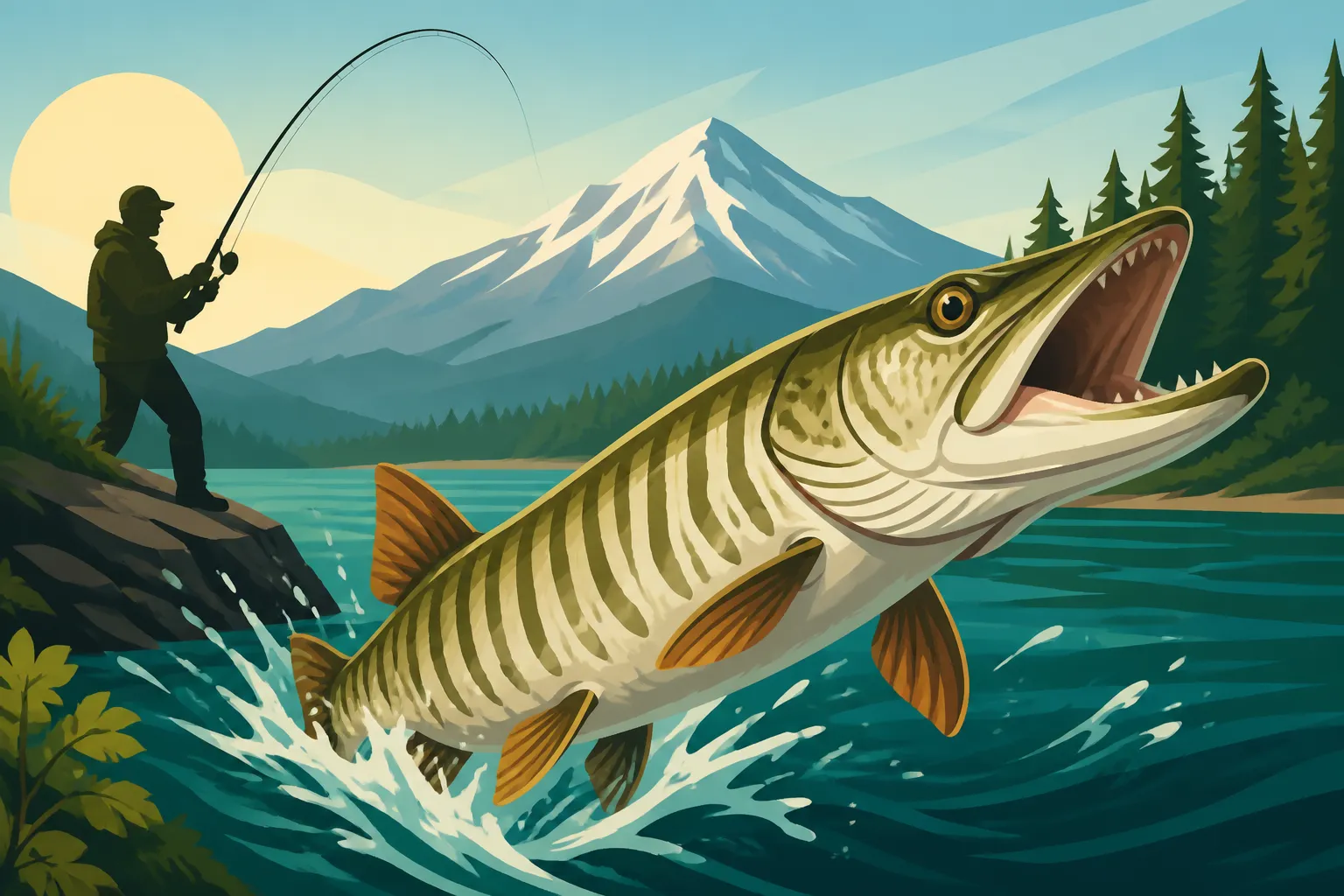
Tiger muskie (which are a sterile hybrid of northern pike and muskellunge) are, simply put, incredible fish. Their striking appearance, with dark, irregular vertical bars over a lighter body, gives them their distinctive "tiger" stripes, making every catch a visual trophy. But it's not just their looks; it's their demeanor. These fish are ambush predators, known for their aggressive strikes and powerful, often acrobatic, fights. They possess an incredible amount of power and stamina, often making several long runs and head shakes that will test your gear and your resolve. For an angler, hooking into one feels less like catching a fish and more like wrestling a submerged log that suddenly decides to take off like a torpedo. They’re called the "fish of 10,000 casts" for a reason, but that challenge is precisely what draws so many dedicated enthusiasts to their pursuit. It’s a game of persistence, and the reward of landing one of these magnificent creatures is truly unforgettable.
Understanding Their Habitat Preferences
Tiger muskie, like their parent species, are masters of their environment. They thrive in relatively large, cool to cold water reservoirs and lakes that offer a rich forage base. Think about places with abundant populations of kokanee, squawfish (now known as northern pikeminnow), or suckers – these are their primary food sources. They prefer areas with structural complexity: submerged timber, weed lines, rock piles, sudden drop-offs, and points are all prime ambush locations. These structures allow them to hide, conserve energy, and dart out quickly to engulf unsuspecting prey. While they can be found in open water chasing schools of baitfish, they often relate closely to cover, especially during brighter daylight hours or when water temperatures are less than ideal. Understanding these preferences is crucial because it helps you narrow down where to focus your efforts within a large body of water, increasing your chances of an encounter. Their patience as a predator means they can lie in wait for extended periods, only exploding into action when the perfect opportunity arises.
The Premier Tiger Muskie Destination: Oregon's Lake Billy Chinook
When it comes to tiger muskie in Oregon, there's one name that dominates every conversation: Lake Billy Chinook. This incredible reservoir in Central Oregon is not just a good spot; it is the destination for anyone hoping to tangle with these formidable fish.
Why Lake Billy Chinook is THE Spot
Lake Billy Chinook is a confluence of three distinct rivers – the Deschutes, Crooked, and Metolius – forming a sprawling, deep reservoir with diverse habitats, making it an ideal environment for tiger muskie to thrive. The sheer size and depth of the lake, combined with its varied underwater structure, create a perfect hunting ground. The lake is managed by the Oregon Department of Fish and Wildlife (ODFW) specifically for tiger muskie, with stocking efforts aimed at maintaining a healthy population.
The success of the muskie fishery here is also tied to the abundant forage base. The lake is teeming with kokanee salmon, rainbow trout, and various other baitfish, providing a consistent food supply for growing muskie. This rich ecosystem means the fish here are well-fed and grow to impressive sizes, offering anglers a genuine shot at a trophy. The unique geological features, from submerged canyon walls to expansive flats, provide endless opportunities for these ambush predators to lie in wait. Whether you're targeting depths or shallower bays, Lake Billy Chinook has a spot for them. The unique blend of cool, clear water from the Metolius and the warmer, more nutrient-rich waters of the Deschutes and Crooked creates diverse zones that appeal to muskie throughout the seasons. If you're looking for a dedicated guide to help you navigate this vast water, sites like FishingBooker can connect you with experienced local captains who specialize in Lake Billy Chinook's tiger muskie.
Key Areas and Access Points
Navigating Lake Billy Chinook can be a bit daunting for the uninitiated due to its massive size and complex arms. However, knowing some key areas can significantly boost your success.
- The Deschutes Arm: This section is often a favorite due to its numerous points, submerged rock formations, and channels. Look for areas where the main channel narrows or where feeder creeks enter, creating current breaks. The lower end of the Deschutes Arm, closer to the main body of the reservoir, can be particularly productive as fish move between deeper and shallower zones. Access to the Deschutes Arm can be found via the Cove Palisades State Park, which offers boat ramps and day-use areas.
- The Crooked River Arm: This arm is generally shallower and has more visible structure, including standing timber and brushy banks. It can be excellent during the spring and fall when muskie are more active in shallower water. Focus on the edges of weed beds and submerged wood. The Crooked River Arm is also accessible through Cove Palisades, with ramps providing direct entry.
- The Metolius Arm: While famous for its pristine, cold waters and native trout, the lower end of the Metolius Arm, where it meets the main lake, can also hold muskie, especially deeper. The colder water here might hold fish during hotter summer months. This area is more often explored by boat due to the rugged canyon walls and limited shore access.
- Main Lake Body and Canyons: Don't overlook the expansive main body of the lake and the deeper sections of the canyons. Muskie will roam here, especially when targeting schools of kokanee. Utilize your electronics to find submerged islands, humps, and sudden depth changes.
Shore fishing opportunities for muskie are limited due to the steep canyon walls, so a boat is highly recommended for effectively covering water. Cove Palisades State Park is the primary access point, offering multiple boat ramps, campgrounds, and amenities. Always check with the park or local ODFW resources for the most up-to-date information on lake levels and access. For a more detailed look at the area, you might want to check out our /lake-billy-chinook-fishing-guide article.
Best Times to Target Tiger Muskie at Billy Chinook
Timing is everything when it comes to tiger muskie. While they can be caught year-round, certain seasons and times of day offer significantly better odds.
- Spring (April – June): As water temperatures begin to rise after the long winter, muskie become increasingly active. They move into shallower bays and flats, often near spawning areas for other fish, making them more accessible. Early spring can be fantastic, especially on overcast days.
- Summer (July – August): This can be a challenging time, as muskie often retreat to deeper, cooler waters during the heat of the day. However, early mornings, late evenings, and even night fishing can be highly productive. Look for them around structure near deep water access points. Consider trolling deeper diving crankbaits or large swimbaits during these periods.
- Fall (September – November): This is arguably the best time of year for trophy tiger muskie. As water temperatures cool, muskie go on a feeding frenzy, bulking up for winter. They can be found cruising shallower points and flats, aggressively striking larger baits. The "fall bite" is legendary among muskie anglers.
- Winter (December – March): While difficult, dedicated ice anglers (when safe ice permits, which is rare on Billy Chinook) or boaters can find success. Muskie will be sluggish, holding tight to deep structure. Slow, deliberate presentations are key.
No matter the season, remember that muskie are often most active during periods of low light – dawn, dusk, and overcast days. Pay attention to weather fronts, as a stable period following a cold front can often trigger a bite. Understanding /best-time-of-year-to-fish-in-oregon generally can also give you broader insights into local conditions.
Essential Gear and Techniques for Tiger Muskie Success
Catching tiger muskie isn't something you can do with your average trout rod. These fish demand specialized, heavy-duty gear and a particular approach.
Rods, Reels, and Line: Heavy-Duty Setup
Forget delicate ultralight gear; muskie fishing requires serious horsepower.
- Rods: You'll need a heavy to extra-heavy power casting rod, typically 7'6" to 9' in length. The extra length aids in casting large lures, making long sweeps for figure-eights at the boat, and absorbing the shock of powerful head shakes. Look for rods specifically designed for muskie or large swimbait fishing.
- Reels: A sturdy baitcasting reel with a high line capacity and a smooth, powerful drag system is crucial. Reels in the 300 to 400 size are common. Gear ratios around 5.1:1 or 6.1:1 are good, offering a balance of power for big baits and retrieve speed. Brands like Daiwa, Shimano, and Abu Garcia make excellent options that stand up to the abuse.
- Line: Braided line is almost universally preferred due to its strength, sensitivity, and lack of stretch. Choose 65 to 100 lb test line; anything less is asking for trouble. A strong leader is absolutely non-negotiable. Fluorocarbon leaders of 80-130 lb test or wire leaders are essential to prevent their razor-sharp teeth from cutting your line. Always use a high-quality snap swivel to connect your lure to the leader.
Lures and Baits That Get Their Attention
Tiger muskie are opportunistic and will strike a variety of large presentations. The key is "large" – think baits that might seem ridiculously big for other species.
| Lure Type | Description | Best Use |
|---|---|---|
| Bucktail Spinners | Large, inline spinners with flashy blades and bucktail skirts. | All-around muskie catcher, effective in various conditions, particularly when fish are active. Good for covering water quickly. |
| Crankbaits | Large, diving plugs that imitate baitfish; available in various depths. | Trolling or casting to deeper structure, points, and drop-offs. Excellent for triggering reaction strikes. |
| Jerkbaits | Elongated, lipless plugs designed for erratic, darting movements. | Mimics wounded baitfish. Best with a stop-and-go retrieve, allowing the bait to suspend. Great for provoking strikes from wary fish. |
| Swimbaits | Soft plastic or hard-bodied lures designed to imitate natural baitfish. | Slow, realistic retrieves near structure or over suspended baitfish schools. Can be very effective for larger, more selective muskie. |
| Topwater Lures | Poppers, walk-the-dog baits, and prop baits that work on the surface. | Exciting action during low light or when muskie are active in shallow water. The explosive surface strike is unforgettable. |
| Glide Baits | Single-jointed hard baits that "glide" side-to-side on a retrieve. | Subtler presentation than bucktails or crankbaits, excellent for clear water or pressured fish. Requires a specific retrieve cadence. |
Don't be afraid to experiment with colors and sizes. Natural baitfish patterns are always a good starting point, but bright "attractor" colors like chartreuse or firetiger can also be deadly, especially in stained water or on darker days. For general tips on large lure selection, some of the advice from our /best-lures-for-oregon-salmon-fishing can be adapted to other large predatory fish.
Mastering the Retrieve and Presentation
Beyond just throwing a big bait, how you retrieve it makes all the difference. Muskie are notorious for following a lure right to the boat, only to turn away at the last second. This is where the "figure-eight" comes in. As your lure approaches the boat, sweep your rod tip in a wide figure-eight pattern directly alongside or just under the surface next to your boat. This keeps the lure in the water and can often trigger a strike from a curious follower.
Vary your retrieve speed and cadence. Sometimes a fast, erratic retrieve works, while other times a slow, methodical approach with pauses is more effective. When casting to structure, make sure your lure spends as much time as possible in the "strike zone" – the area immediately adjacent to where a muskie might be hiding. Precision casting and boat positioning are key to hitting those prime ambush points. Remember, muskie fishing is as much about patience as it is about aggression. You might cast for hours without a sniff, only to have a violent strike when you least expect it. Persistence is often the key to answering the question of /how-long-does-it-take-to-catch-a-tiger-muskie.
Navigating the Regulations and Conservation Efforts
Fishing for tiger muskie in Oregon isn't just about the thrill; it's also about responsibility. These are a unique and valuable fishery, and adhering to regulations and practicing conservation is paramount.
Oregon's Specific Tiger Muskie Rules
The Oregon Department of Fish and Wildlife (ODFW) manages the tiger muskie fishery at Lake Billy Chinook with specific regulations designed to protect and enhance the population. It's absolutely crucial that you know and understand these rules before you even hit the water.
A general statewide angling license is required, along with a valid Combined Angling Tag. For tiger muskie specifically, there is often a strict catch-and-release policy in place. This means you must release all tiger muskie unharmed immediately after catching them. It's a critical rule that ensures the continued growth and health of the population. The ODFW monitors this fishery closely, and regulations can change, so always consult the most current /oregon-fishing-regulations-explained booklet or the ODFW website before each trip. There might be specific length limits or other guidelines for handling, so pay close attention. Remember, conservation is key for future generations to enjoy this incredible fishery. Failing to follow regulations can result in significant /oregon-fishing-violations-and-penalties.
Responsible Angling for a Thriving Fishery
Given that tiger muskie are often large, powerful fish with formidable teeth, practicing responsible angling is even more important.
- Safety First: Always carry long-nosed pliers, jaw spreaders, and a large net with a rubberized mesh (to protect their slime coat). These tools are essential for safe unhooking and handling.
- Minimize Out-of-Water Time: Tiger muskie are very susceptible to stress when out of the water. Handle them quickly and gently. Get your measurement and a quick photo if you desire, but prioritize getting them back into the water as fast as possible.
- Proper Release: Support the fish horizontally with both hands (one supporting the belly, the other on the tail C-clamp style). Avoid holding them vertically by the jaw, as this can damage their internal organs. If the fish is sluggish, hold it gently in the water, facing into a slight current, until it regains its strength and swims away on its own.
- Barbless Hooks: While not always mandated for muskie, using barbless hooks or crimping down barbs on your lures can make unhooking easier and reduce harm to the fish. This aligns with general /oregon-catch-and-release-rules that protect fragile fisheries.
- Educate Others: Share your knowledge of responsible muskie handling with fellow anglers. A healthy fishery relies on everyone's commitment to conservation.
The ODFW has invested significantly in establishing and maintaining the tiger muskie population at Lake Billy Chinook. By following these guidelines, you're directly contributing to the success and sustainability of this unique angling opportunity. Respecting the fish and their environment ensures that the thrill of tiger muskie fishing remains a vital part of Oregon's angling landscape for years to come. If you're planning your first trip, consider checking out resources on FishingBooker for guides who are well-versed in proper catch and release techniques for muskie.
Hooking into an Oregon tiger muskie is more than just a fishing trip; it's an adventure into the heart of a unique freshwater challenge. Lake Billy Chinook stands as the undisputed gem for this pursuit, offering anglers the chance to test their skill and patience against one of the most formidable predators in the state. From understanding their habitat to mastering the right gear and techniques, and always adhering to strict conservation practices, every aspect of the journey makes that eventual strike all the more rewarding. So, gear up, hit the water, and prepare for the fight of a lifetime – that next cast could just be the one that connects you with Oregon's magnificent tiger muskie.
Disclaimer
This article is for general informational purposes only and does not constitute professional advice. Laws, prices and regulations vary by location and change over time. Consult a qualified professional for guidance on your specific situation.