Best technique for bank fishing without a boat
Oh, the age-old dilemma of the passionate angler without a boat! You stand on the shore, watching those lucky souls zip by in their fancy vessels, wondering if you're truly missing out on all the best fishing spots. It’s a common frustration, feeling limited by dry land when the fish seem to be taunting you from the middle of the lake or the far bank of a river. But let me tell you, fellow angler, you absolutely do not need a boat to have an incredibly successful and rewarding fishing experience in Oregon. In fact, some of the most satisfying catches come from mastering the art of bank fishing. This comprehensive guide is all about empowering you to dominate the shoreline, transforming those seemingly limiting factors into strategic advantages and helping you reel in some fantastic fish without ever needing to launch a boat.
Understanding Your Bank Fishing Environment
When you're bound to the bank, your "reach" is limited, but your observation skills become paramount. Instead of thinking about what you can't do, focus on what you can do: observe, analyze, and strategically place your cast. It's about becoming a detective of the water, and Oregon's diverse waterways offer plenty of clues for the keen eye.
Reading the Water Without a Depth Finder
Since you don't have fancy sonar bouncing signals off the bottom, you've got to use your eyes and a bit of common sense to decipher what's going on beneath the surface. Look for changes in water color, ripples, and currents.
- Currents and Eddies: In rivers and streams, fish often hide from strong currents, conserving energy. Look for seams where faster water meets slower water, or eddies behind rocks, logs, or points. These are natural resting and feeding areas where baitfish might be swept by, and bigger fish will be waiting. A good eddy can be a goldmine.
- Depth Changes: While you can't see depth, you can infer it. Watch where the water color changes – darker water often indicates deeper sections. Look for drop-offs along the bank; sometimes you can see the bottom disappear quickly. A steep bank on land often means a steep drop-off underwater. Conversely, a gradually sloping bank might suggest a shallower, more uniform bottom.
- Subsurface Structure: Even if you can't see the bottom clearly, keep an eye out for tell-tale signs of underwater structure. A swirling current might indicate a submerged rock or log deflecting water. A sudden calm patch in a rippled area could be a deeper hole. Learning to "read" the water is one of the most crucial skills for a bank angler, and it's a skill that only improves with practice and keen observation.
Identifying Fish Holding Spots from Shore
Fish are creatures of habit and comfort, always looking for food, shelter, and favorable conditions. From the bank, you can pinpoint these prime locations with a bit of practice.
- Logs, Rocks, and Submerged Debris: Any kind of structure breaks the current and offers cover for fish. A large log that's fallen into the water, a cluster of rocks, or even old tires (unfortunately common in some areas) can be magnets for fish. Predators like bass, trout, and steelhead love to ambush prey from behind such cover.
- Weed Lines and Aquatic Vegetation: Healthy weeds provide oxygen, food sources (insects, small fish), and protection. The edges of weed beds, or pockets within them, are excellent places for fish to hang out. Be prepared for snags, but the rewards can be worth it.
- Drop-offs and Channels: Where shallow water abruptly transitions to deeper water, you'll often find fish. These "highways" offer easy access to different depths, perfect for patrolling fish. Look for these transitions visually or by carefully probing with your cast.
- Overhanging Trees and Bushes: These offer shade, which is crucial on sunny days, and often drop insects and other food into the water. Casting close to these can be very productive, especially for trout.
- Inflows and Outflows: Any spot where a smaller stream or culvert flows into a larger body of water, or where water exits, can concentrate fish. The incoming water might bring food, cooler temperatures, or oxygen, while outflowing water can create feeding lanes.
Accessing Prime Bank Fishing Locations in Oregon
Oregon is a treasure trove of fishing opportunities, and many are incredibly accessible from shore. You don't need to bushwhack for miles to find great spots, though a little exploration never hurts!
- Public Access Points: Oregon State Parks, BLM lands, and National Forests often have designated fishing access points, trails, and day-use areas. These are fantastic for families and those looking for easy access. Places like the Willamette River in Portland or various sections of the Deschutes offer great bank access. Always check local regulations, as some areas might have specific rules for access or fishing. For example, knowing Where to find the Oregon fishing regulations booklet is always a good starting point.
- State Parks and Day-Use Areas: Many of Oregon's beautiful state parks are situated on lakes, rivers, or the coast, offering fantastic bank fishing. Think of spots around Detroit Lake, Henry Hagg Lake, or even coastal bays like Yaquina Bay. These often have paved paths, restrooms, and clear areas to cast.
- Trail Access: For those willing to walk a bit, countless trails wind along Oregon's rivers and lakes, opening up a multitude of secluded bank fishing spots. The Metolius River, for instance, has miles of accessible trail, though much of it is fly-fishing only. The Rogue River also boasts extensive trail systems that provide incredible bank access. Just remember proper trail etiquette and pack out what you pack in. You can discover some amazing places by looking into resources like Oregon Fishing Spots by Region.
- City Parks and Urban Waterways: Don't overlook the fishing opportunities right in the middle of our cities! Many urban parks have ponds or river access that are regularly stocked with trout or hold resident warmwater species. These are perfect for a quick trip or for introducing kids to fishing.
Essential Gear for the Shore-Bound Angler
Being mobile and efficient is key when you're bank fishing. You can't just run to the boat's tackle box for every little thing. Having the right, compact gear setup will make your day much more enjoyable and productive.
Rods and Reels for Versatile Bank Fishing
Your rod and reel are your direct connection to the fish, and choosing wisely for bank fishing can make a big difference.
- Spinning Rods and Reels: For most bank anglers, a spinning setup is the go-to. They are versatile, easy to cast, and handle a wide range of lures and baits.
- Length: A medium-light to medium action rod between 6.5 and 8 feet is often ideal. Shorter rods (6-7 ft) are great for tight casting quarters, while longer rods (7-8 ft) provide better casting distance, especially when you need to reach that distant seam or structure from the bank.
- Action: A moderate-fast action is a good all-rounder, offering enough backbone for a good hookset but enough flex to cast lighter lures and absorb the shock of a fighting fish.
- Reel Size: A 2500-3000 series spinning reel is a common choice, providing enough line capacity and smooth drag for most Oregon freshwater species. Load it with 8-12 lb monofilament or fluorocarbon, or 15-20 lb braided line with a fluorocarbon leader for sensitivity and strength.
- Baitcasting Rods and Reels: While a bit more challenging to master for beginners, baitcasting setups offer excellent control for precise casting and can handle heavier lines and lures, especially useful when targeting larger fish or fishing in areas with dense cover. They excel at accurate flips and pitches into tight spots.
- Telescopic or Travel Rods: If you hike to remote spots or have limited space, a telescopic or multi-piece travel rod can be a lifesaver. Modern versions are surprisingly sensitive and strong, easily stashed in a backpack. You can find some excellent, compact options on platforms like Amazon that are perfect for discreet transport.
Tackle Box Must-Haves for Bank Fishing
Forget the massive boat-sized tackle box. When you're on foot, every ounce counts. A small backpack or shoulder bag with essential tackle is your best friend.
- Hooks: A variety of sizes (from small #8 bait holders for trout to larger 1/0-3/0 worm hooks for bass or even salmon) and styles (EWG, octopus, treble hooks) will cover most situations. Oregon Bait and Lure Guide can give you more ideas for specific species.
- Weights/Sinkers: A selection of split shot, sliding egg sinkers, and pencil weights will allow you to adjust to different currents and depths. Having a few heavier weights is crucial for getting your bait down in faster river currents.
- Swivels and Snaps: Barrel swivels help prevent line twist, especially with spinners. Snap swivels make changing lures quick and easy.
- Lures: This is where you can get creative!
- Spinners: Rooster Tails, Mepps, and Blue Fox are classics for trout, steelhead, and even smallmouth bass.
- Spoons: Kastmasters, Little Cleos, and Daredevils are versatile for casting distance and attracting various species.
- Soft Plastics: Grubs, worms, and creature baits on jig heads are deadly for bass and panfish.
- Jigs: Bucktail jigs, marabou jigs, and rubber-legged jigs can be fantastic for steelhead, salmon, and bass, especially when paired with a good scent.
- Hard Baits: Small crankbaits or jerkbaits can be great for covering water in search of aggressive fish.
- Terminal Tackle Organizer: A small, clear plastic tackle box with adjustable dividers is perfect for keeping everything organized and easily visible.
Comfort and Safety Gear for a Day on the Bank
Don't let discomfort or an unexpected mishap cut your fishing trip short. Prioritizing comfort and safety will allow you to focus on the fishing.
- Waders and Wading Boots: If you're fishing rivers or streams, good waders (chest or hip) can extend your reach dramatically, allowing you to get past shallow snags or into better casting positions. Neoprene waders are great for colder Oregon waters, while breathable models are comfortable in warmer weather. Wading boots with good grip are essential for safety on slippery rocks.
- Portable Chair or Pad: A lightweight folding chair or a simple foam pad can make a long day of waiting for a bite much more bearable. Some anglers even use a five-gallon bucket, which doubles as gear storage.
- Sun Protection: Oregon weather can be unpredictable, but sun exposure is always a risk. A wide-brimmed hat, sunglasses (polarized ones help you see into the water!), and sunscreen are non-negotiables.
- Rain Gear: Always, always have rain gear. Even on a sunny morning, a typical Oregon afternoon can surprise you with a downpour. A lightweight, packable rain jacket and pants will save the day.
- First-Aid Kit: A basic first-aid kit with bandages, antiseptic wipes, pain relievers, and any personal medications is a must. Minor cuts from hooks or scrapes on rocks are common.
- Multi-Tool/Pliers: Essential for cutting line, removing hooks, and making minor repairs. Many good quality options are available on Amazon.
- Water and Snacks: Staying hydrated and fueled is crucial, especially if you're hiking to your spot.
- Net or Lip Grippers: A landing net with a long handle is incredibly helpful for safely landing fish from the bank, especially if you're planning on Oregon Catch-and-Release Rules. Lip grippers are excellent for bass.
Top Techniques for Successful Bank Fishing
Now that you've got your gear dialed in and understand your environment, let's talk about the techniques that will put fish on your line from the bank. Each method has its time and place, and mastering a few will make you a far more adaptable angler.
The Art of Still Fishing (Bait Fishing)
Sometimes, the simplest approach is the most effective. Still fishing involves presenting a natural bait and waiting for the fish to come to you. It's often highly effective and relaxing.
- Rigging:
- Bottom Rig: This is classic. Tie on a small swivel, then a 1-3 foot leader, followed by a hook. Above the swivel, use a sliding egg sinker heavy enough to hold bottom. This allows the fish to pick up the bait without feeling the weight of the sinker.
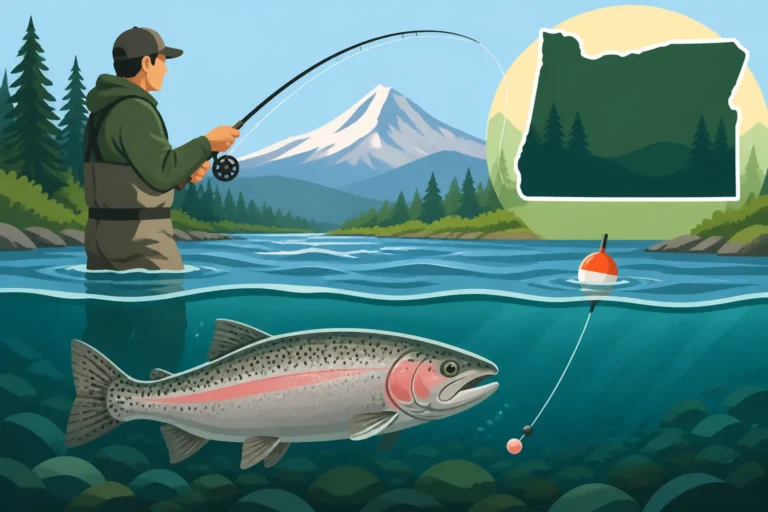
- Bobber Rig: For fishing shallower water or just off the bottom, a simple bobber rig works wonders. Attach a bobber (slip bobbers are great for adjusting depth quickly) a few feet above your hook, with a split shot or two just above the hook to help it sink.
- Casting and Waiting: Cast your bait to likely looking spots – near structure, along current seams, or where you've seen fish activity. Then, patience is your best friend. Watch your line or bobber for any signs of a bite. Keep your rod in a holder or on a bank stick, allowing you to relax while being ready to grab it at a moment's notice.
- Popular Baits in Oregon:
- Worms: The universal bait. Nightcrawlers or garden worms work for almost anything, especially trout, bass, and panfish.
- PowerBait/Dough Bait: A go-to for stocked rainbow trout in Oregon's lakes and ponds. Different colors and scents can make a big difference. Check out tips in How to Catch Trout in Stocked Oregon Lakes.
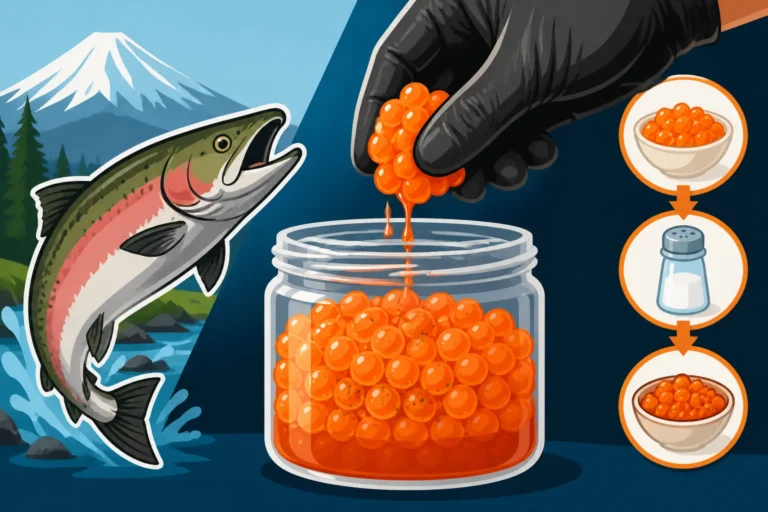
- Salmon Eggs: Effective for trout and smaller steelhead in rivers.
- Corn: Surprisingly effective for trout, especially in heavily fished areas.
- Live Minnows: If legal in your area (always check regulations!), these are excellent for targeting larger predatory fish like bass, walleye, or even larger trout.
Covering Water with Lures (Spinning and Casting)
For a more active approach, casting and retrieving lures allows you to cover more water and actively search for fish. This is particularly effective for predatory species that strike out of aggression or hunger.
- Retrieve Techniques:
- Steady Retrieve: Simply cast out and reel in at a consistent pace. Vary your speed to see what triggers a bite.
- Stop-and-Go: Reel a few cranks, pause, reel a few cranks. This erratic action can mimic a wounded baitfish and often draws strikes.
- Jerking/Twitching: Especially effective with jerkbaits or soft plastics, sharp rod movements can make your lure dart and flash.
- Bottom Bouncing: For jigs or soft plastics on a jig head, allow the lure to sink to the bottom, then lift and drop it, simulating a bottom-feeding creature or an injured baitfish. This is a classic method for smallmouth bass and sturgeon.
- Lure Types and Targeting:
- Spinners and Spoons: Excellent for covering water quickly, particularly in rivers and lakes for trout, salmon, and steelhead. They create flash and vibration that fish can't resist.
- Jigs: Highly versatile. Small jigs for panfish and trout, larger jigs for steelhead and salmon. They can be tipped with bait or fished solo.
- Soft Plastics: Mimic worms, crawfish, or baitfish. Rigged weedless, they can be cast into heavy cover where other lures would snag. Great for bass.
- Crankbaits and Jerkbaits: Excellent for imitating baitfish and provoking aggressive strikes. Different diving depths allow you to target various parts of the water column.
- Fan Casting: A great strategy for bank fishing. Cast your lure to one side, reel it in, then cast slightly further over, covering a fan-shaped area in front of you. This ensures you're presenting your lure to as many potential fish as possible.
Float Fishing and Slip Bobber Rigs
Float fishing, especially with a slip bobber, combines the best of still fishing and active lure presentation. It allows you to present bait or a jig at a precise depth, often in current, with great visibility.
- Advantages:
- Precise Depth Control: You can set your bait or lure to drift at a specific depth, targeting fish that are holding just off the bottom or suspended in the water column.
- Natural Presentation: The current carries your rig naturally, mimicking a free-floating food source.
- Visual Strike Indication: The bobber acts as a clear indicator of a bite.
- Setup: A slip bobber rig involves a bobber stop (a small piece of string or rubber on your main line), a bead, the slip bobber itself, another bead, a weight (often a pencil weight or a few split shots), a swivel, and a leader with your hook or jig. The bobber stop allows you to easily adjust the fishing depth.
- Applications: In Oregon, this technique is incredibly effective for steelhead and salmon in rivers, as well as for trout and panfish in lakes. For river fishing, it allows your bait or jig to drift naturally downstream, covering prime holding water. For more specific guidance, look at Bank Fishing Techniques for Oregon Rivers.
Light Tackle and Finesse Bank Fishing
Sometimes, the fish are finicky, or the water is clear and calm. This is when downsizing your gear and refining your presentation can make all the difference.
- When to Downsize: When fishing pressure is high, water is clear, or fish are sluggish (e.g., after a cold front), smaller baits, lighter lines, and more subtle presentations are often necessary.
- Subtle Presentations:
- Small Jigs and Plastics: Tiny jig heads tipped with micro grubs, tube baits, or small worms can entice wary fish.
- Weightless Rigs: Wacky-rigged worms or unweighted soft plastics have a very natural fall that can be irresistible to bass and even large trout.
- Fly Fishing from the Bank: If you're into fly fishing, a smaller rod (4-6 weight) with a delicate presentation can be deadly, especially on rivers like the Metolius or smaller trout streams. This takes practice, but the rewards are immense.
- Line Choice: Lighter fluorocarbon leaders (4-6 lb test) are nearly invisible underwater and offer good sensitivity. Using a light braid main line with a fluorocarbon leader is a popular and effective setup.
Adapting to Different Oregon Waters
Oregon's fishing opportunities are incredibly diverse, from roaring coastal rivers to placid high mountain lakes, and of course, the vast Pacific Ocean. Each environment calls for a slightly different approach when you're restricted to the bank.
Bank Fishing Rivers and Streams
Rivers and streams require you to think about current, structure, and the migratory patterns of fish.
- Reading the Current: Focus on those current seams, eddies, and slower pockets mentioned earlier. Fish won't fight a strong current if they don't have to.
- Utilizing Structure: Look for large rocks, downed trees, bridge pilings, or sharp bends in the river. These are all places fish will congregate.
- Species-Specific Tactics:
- Trout: In smaller streams, simple worm and bobber setups, small spinners, or fly fishing with nymphs and dry flies can be very effective. In larger rivers, trout will also hit lures meant for steelhead.
- Steelhead and Salmon: These powerful migratory fish are often targeted with drift fishing (using an indicator and weight to bounce bait or jigs along the bottom), float fishing, or casting larger spinners and spoons. You'll need to understand their run timing; Oregon Salmon and Steelhead Tag Requirements and Oregon Steelhead Fishing Techniques are good resources to check.
- Smallmouth Bass: Often found in rocky river sections, they love jigs, crankbaits, and soft plastics. They'll hide behind boulders and ambush prey.
Bank Fishing Lakes and Reservoirs
Lakes and reservoirs present a different set of challenges, often requiring longer casts and a focus on submerged features.
- Depth and Contours: Look for points, coves, submerged humps, or old creek channels. These are transition areas where fish will move between shallow feeding grounds and deeper holding water.
- Weed Lines and Drop-offs: As discussed, these are prime areas. Cast parallel to a weed line or along a visible drop-off to keep your lure in the strike zone longer.
- Finding Concentrations: In larger bodies of water, fish can be spread out. Trolling motor users have an advantage here, but from shore, you'll want to focus on known hotspots, especially where access points naturally funnel fish, like around boat ramps (if fishing is allowed) or public docks.
- Targeting Species:
- Trout: Lakes are often stocked with rainbow trout, making them excellent spots for PowerBait, worms, or small spinners. In deeper lakes, target areas near drop-offs or cooler water.
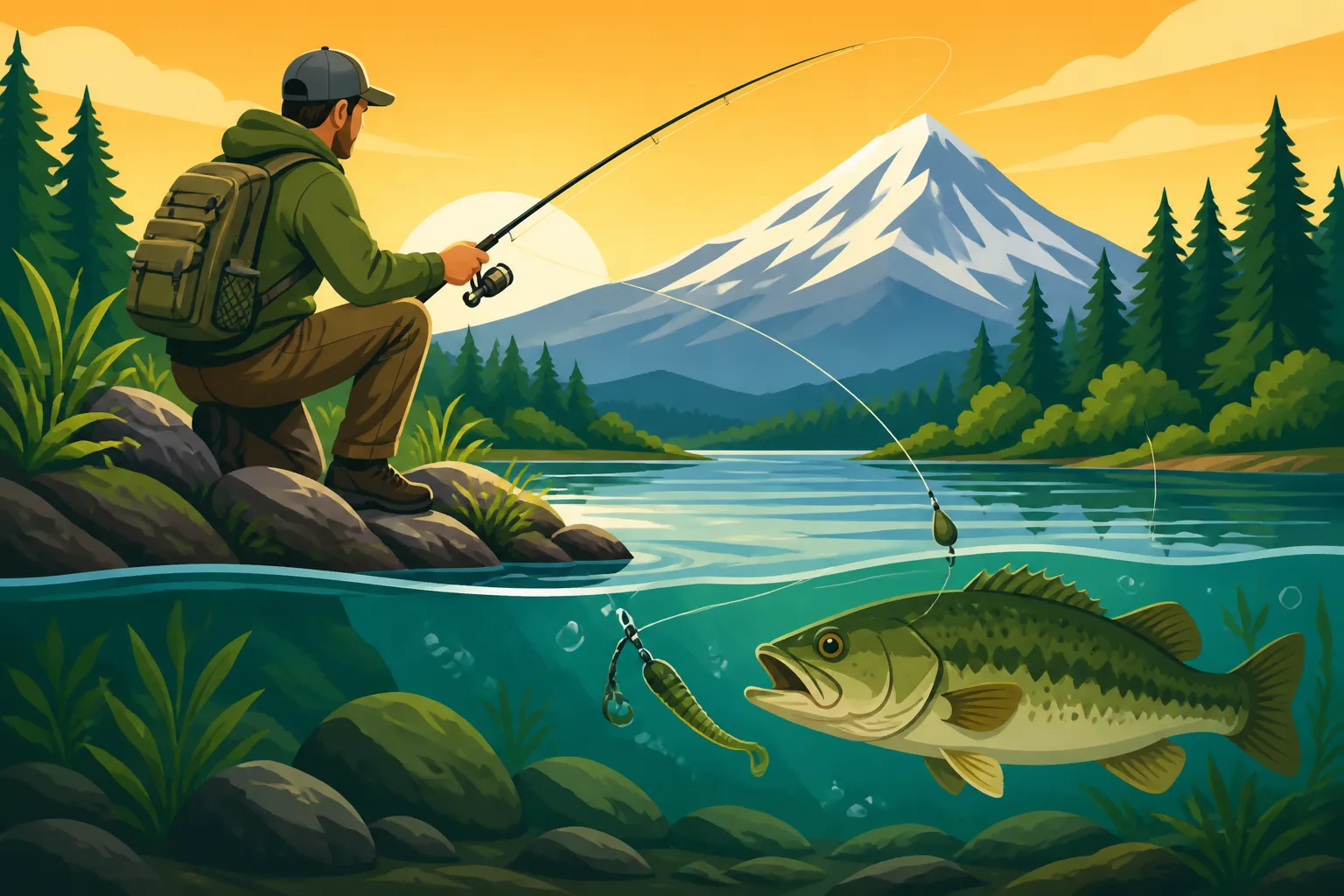
- Bass (Largemouth & Smallmouth): Look for cover like lily pads, submerged timber, or rocky points. Soft plastics, crankbaits, and spinnerbaits are effective.
- Panfish (Crappie, Bluegill, Perch): These often congregate in schools near structure or weed beds. Small jigs, worms under a bobber, or tiny spinners work well.
Crabbing and Clamming from Shore (Coastal Opportunities)
Oregon's coastline offers incredible opportunities beyond just finfish! With the right techniques and gear, you can harvest delicious Dungeness crab and various clams right from the beach or docks, all without a boat.
- Crabbing from Docks or Piers: Many coastal towns like Newport, Garibaldi, and Charleston have public docks or piers where crabbing is popular.
- Gear: You'll need crab pots or ring nets (often available for rent at local shops), a heavy lead line, and bait (chicken, fish carcasses, or specifically formulated crab bait). You can find reliable crab rings and equipment on Amazon.
- Technique: Bait your pots/rings, drop them off the dock, and check them regularly (every 20-30 minutes for rings, longer for pots). Remember to always measure your crabs and release females and undersized males.
- Regulations: Always check the Oregon Crabbing Season Timing and size limits. You'll also need an Oregon Shellfish License.
- Clamming on the Beach: Razor clamming on open sandy beaches (like those near Seaside or Charleston) is a thrilling experience, and bay clamming (cockles, butter clams, steamers) in estuaries is also popular.
- Gear: For razor clams, you'll need a clam gun or shovel, a bucket or mesh bag, and rubber boots. For bay clams, a shovel or rake is sufficient.
- Tides: Clamming is best done during low tides, especially minus tides, which expose more of the clam beds.
- Technique: For razor clams, look for "shows" – dime to quarter-sized holes in the sand. Dig quickly! For bay clams, simply dig in muddy or sandy areas of estuaries.
- Regulations: Daily limits and seasons vary by species and location. Always check current regulations and marine biotoxin closures before you go. Oregon Fishing Regulations Explained will cover these specifics.
| Technique/Gear | Best for | Typical Locations | Key Advantage for Bank Anglers |
|---|---|---|---|
| Still Fishing | Trout, Panfish, Catfish | Lakes, Slow Rivers, Ponds | Relaxing, simple, effective with bait |
| Lure Casting | Bass, Trout, Steelhead, Salmon | Rivers, Lakes, Reservoirs | Active, covers water, triggers strikes |
| Float Fishing | Steelhead, Salmon, Trout | Rivers, Deeper Lake Sections | Precise depth control, natural drift |
| Crabbing/Clamming | Dungeness Crab, Various Clams | Coastal Docks/Piers, Sandy Beaches | Unique harvest opportunity from shore |
Embracing the bank angler's mindset means focusing on observation, strategic casting, and adapting your techniques to the environment. Oregon's waters are abundant, and with a bit of knowledge and the right gear, you'll find that not having a boat is hardly a limitation at all. You'll be surprised at the incredible variety and quality of fish you can catch. So grab your rod, pack your bag, and head out to explore the amazing shorelines Oregon has to offer!
Disclaimer
This article is for general informational purposes only and does not constitute professional advice. Laws, prices and regulations vary by location and change over time. Consult a qualified professional for guidance on your specific situation.