How to bobber fish for steelhead
There's nothing quite like the thrill of chasing steelhead, but for many anglers, the endless casting and retrieving of traditional methods can feel like a guessing game, leaving you wondering if your lure is even in the strike zone. It’s frustrating to feel disconnected from the action, especially when these magnificent fish are notoriously finicky. This guide is dedicated to demystifying one of the most effective and often overlooked techniques for connecting with these elusive beauties: bobber fishing. We'll dive deep into everything you need to know to successfully present your offering right where steelhead are holding, helping you turn those frustrating blank days into memorable catches.
What is Bobber Fishing for Steelhead?
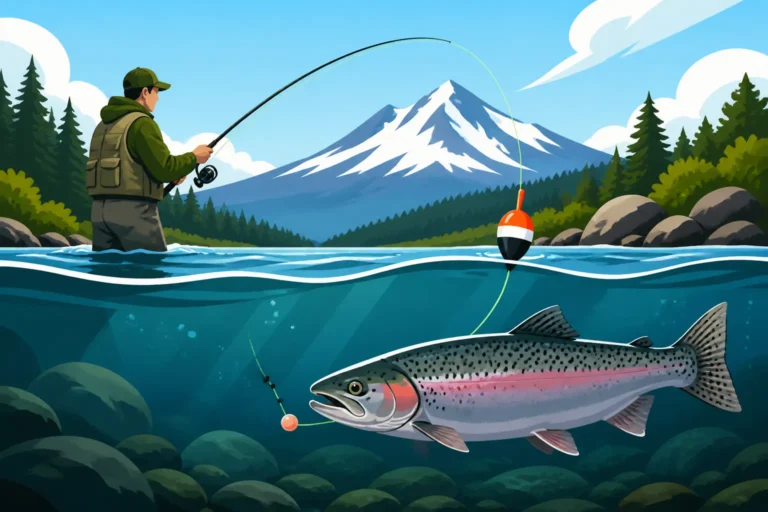
Bobber fishing, often referred to as float fishing when targeting steelhead, is a highly effective and incredibly engaging method that allows you to present your bait or lure naturally in the water column. Unlike drift fishing where your line often drags the bottom or spinner fishing where you're constantly retrieving, float fishing keeps your offering suspended at a precise depth, drifting downstream with the current in a much more lifelike manner. It’s like giving your bait a gentle, unhindered ride right into a steelhead's waiting mouth. Many anglers discover this technique after struggling with other methods, finding it brings a newfound precision and enjoyment to their pursuit.
Understanding the Basics of Float Fishing
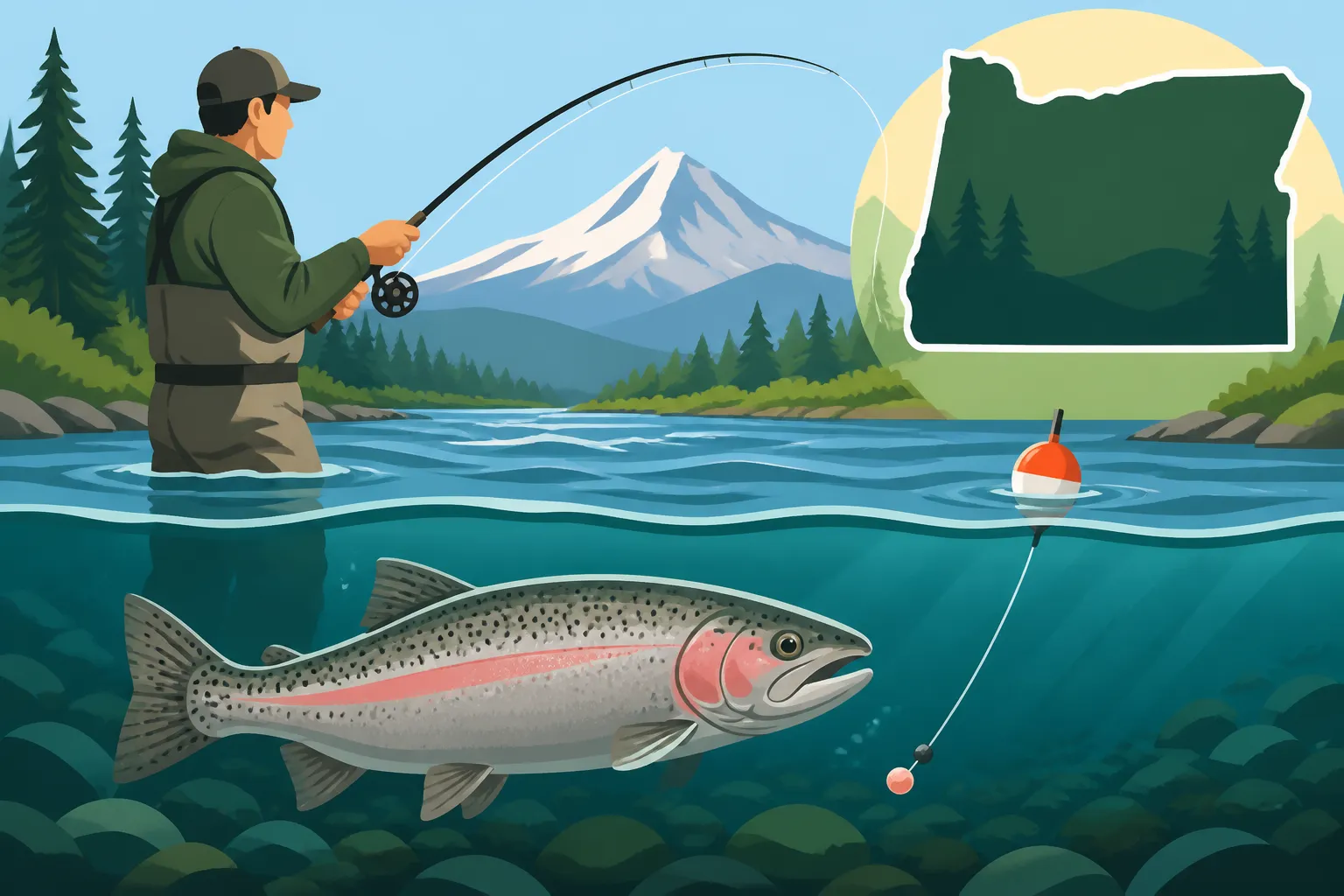
At its core, float fishing involves a few key components working together. You have a float (or bobber) that indicates bites and helps suspend your offering. Below the float, you'll have some weight to get your bait down quickly and keep it at the desired depth, a swivel to prevent line twist, a leader, and finally, your hook with bait or a jig. The magic happens as this entire rig drifts downstream, mimicking a natural food item floating effortlessly in the current. It takes the guesswork out of depth control, letting you focus on reading the water and anticipating that subtle tug or disappearance of your float.
The critical difference between traditional bobber fishing for panfish and float fishing for steelhead lies in the equipment and presentation. For steelhead, you're looking for sensitive, properly weighted floats that offer minimal resistance to a biting fish. You'll also use longer, more powerful rods to manage longer drifts and fight larger, stronger fish. The goal is a perfect, drag-free drift that looks completely natural, making it irresistible to a hungry steelhead.
Why It Works So Well for Steelhead
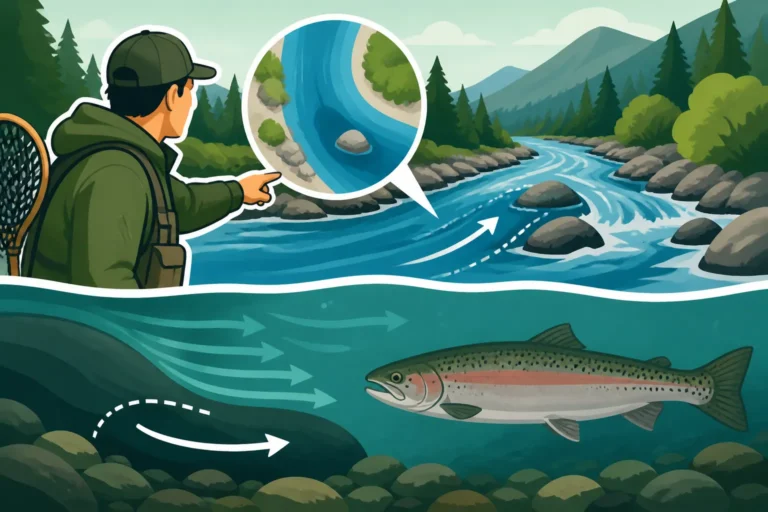
Steelhead, particularly in rivers, are often found in seams, current breaks, and pools where they can hold without expending too much energy, waiting for food to drift by. They're opportunistic feeders, and a perfectly presented, free-drifting offering is exactly what they're looking for. The float fishing technique excels here because it allows you to precisely control the depth and speed of your bait. You can set your float to suspend your offering just above the bottom, where steelhead often cruise, or at mid-depth if they're holding higher in the water column.
Furthermore, the visual strike indication provided by the float is incredibly satisfying. Instead of feeling a subtle tap on your line, you get to watch your float suddenly dip, dive, or skate across the water, signaling a take. This visual cue can be particularly helpful in noisy water or when fishing with gloves in cold weather, where feeling bites might be difficult. It also keeps you engaged and focused, making every drift an exciting anticipation of that telltale movement. Whether you're targeting winter steelhead on the coast or summer steelhead in rivers like the Deschutes, this method consistently proves its worth.
Essential Gear for Bobber Fishing Steelhead
Having the right tackle is paramount when you're setting out to bobber fish for steelhead. It's not about having the most expensive gear, but rather the right tools for the job that will enhance your success and overall enjoyment. Trying to use a flimsy trout rod or an oversized saltwater setup for this technique will only lead to frustration and missed opportunities. Let’s break down what you’ll need to assemble a proper steelhead float fishing rig.
Rod and Reel Setup
For float fishing steelhead, you'll want a longer, sensitive rod, typically between 9 to 13 feet in length, with a medium-light to medium action. These longer rods provide several advantages: they allow for better line control during long drifts, absorb the shock of a powerful steelhead run, and aid in casting lighter rigs with precision. A popular choice among many anglers is a rod specifically designed for float or "noodle" fishing, known for its soft tip and strong backbone. Brands like Lamiglas and Fenwick offer excellent options that strike a balance between sensitivity and power. For instance, a 10'6" medium-light spinning rod is a fantastic all-around choice for many Oregon rivers.
Pair your rod with a reliable spinning reel in the 2500-4000 series size. It should have a smooth drag system, which is crucial for fighting strong steelhead, and a good line capacity. Spool your reel with 10-15 lb test monofilament or braided line. Many anglers prefer high-visibility braided line, like PowerPro or Seaguar, for its sensitivity and casting distance, adding a fluorocarbon leader for stealth. However, if you're just starting out, a good quality 12 lb monofilament line like Maxima Ultragreen, available on Amazon, is very forgiving and effective. Remember, your reel's drag is your best friend when a steelhead decides to run for cover!
Floats and Weights
The float is your primary indicator and depth control. For steelhead, you'll typically use specific "steelhead floats" or "drift floats" that are designed to be highly visible and sensitive. These come in two main types: fixed and slip floats.
- Fixed Floats: These are pegged directly onto your main line at a set depth. They're great for shallower water (up to about 6-8 feet) where you don't need to adjust your depth frequently.
- Slip Floats: These are the workhorses for deeper water. They "slip" up and down your main line, stopping at a pre-set bobber stop. This allows you to fish depths far greater than your rod length, making casting much easier. Brands like Raven and Drennan offer excellent slip floats that are perfectly balanced for steelhead.
When it comes to weighting your float rig, the goal is to "shot the float" properly. This means adding just enough weight so that only the tip of your float is visible above the water. This provides maximum sensitivity, so even the most subtle bite registers. Common weights include split shot, often pinched onto your leader, or specialized "slinky weights" (a piece of lead chain encased in paracord) which are excellent for snaggy bottoms as they tend to roll over obstructions. The choice of weight often depends on current speed and depth, but a good starting point is to use enough split shot distributed along your leader to balance your float perfectly.
Hooks, Leaders, and Swivels
The business end of your rig needs to be robust enough to handle a powerful fish, yet subtle enough not to spook it.
You'll typically use a fluorocarbon leader, which is nearly invisible underwater, in the 8-12 lb test range. The length of your leader can vary, but 2-4 feet is a common starting point. Fluorocarbon leaders are essential because steelhead have excellent eyesight, especially in clear water.
Attach your leader to your main line using a high-quality barrel swivel or a small, strong snap swivel. This prevents line twist, which can be a major headache when you're drifting your rig repeatedly. A small, black swivel (size 10-14) is usually sufficient and less visible to fish.
For hooks, offset or straight-shank octopus hooks in sizes #1 to #4 are popular. The size will depend on your chosen bait or lure. When using soft plastic beads, specialized "bead hooks" that allow the bead to slide freely above the hook are often preferred. Ensure your hooks are sharp – a dull hook can mean the difference between a landed fish and a heartbreaking miss. You can find a wide variety of these specialized hooks, leaders, and swivels easily on Amazon.
Bait and Lure Options
What you present under that bobber is just as crucial as the setup itself. Steelhead are often enticed by offerings that mimic their natural food sources or provide an irresistible visual appeal.
- Salmon Eggs: Cured salmon eggs are a classic steelhead bait, offering a natural scent and appearance. Clusters of eggs, often tied in small mesh bags, are highly effective.
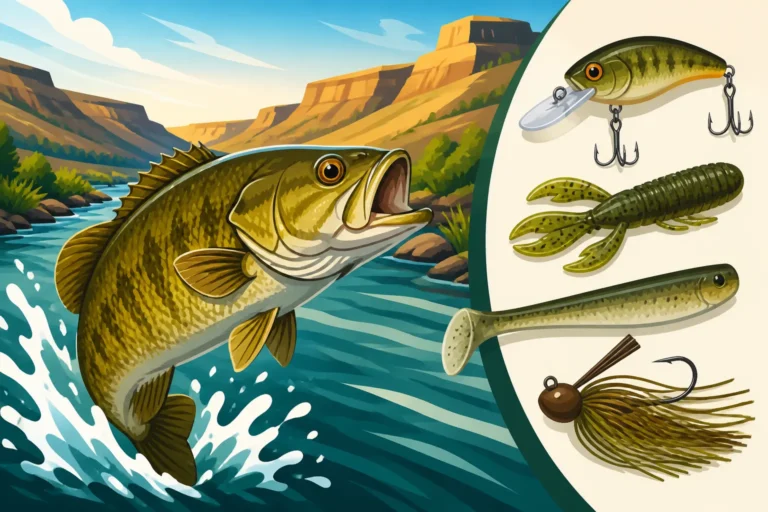
- Beads: Soft plastic beads, resembling salmon or steelhead eggs, have become incredibly popular. They come in various colors and sizes, allowing you to match the natural egg spawn in the river. You typically slide the bead up your leader, pegging it 1.5 to 2 inches above a small, bare hook.
- Jigs: Small, weighted jigs, often tipped with a piece of worm, shrimp, or a scented soft plastic, can be deadly under a float. Marabou jigs in colors like pink, cerise, or chartreuse are particularly effective. These are excellent when you need to "fish heavy" in faster currents.
- Worms/Shrimp: Pieces of nightcrawlers or small cured shrimp can also be effective, especially when steelhead are more focused on scent.
Experimentation is key! What works one day might not work the next, so having a selection of these options will increase your chances of success. A great resource for checking effective options is to talk to local tackle shops or consult an Oregon Bait and Lure Guide.
Mastering the Bobber Fishing Technique
Now that you've got your gear sorted, let's talk about putting it all into action. Bobber fishing isn't just about throwing a float in the water; it's a refined technique that, once mastered, will significantly improve your steelhead game. The key is understanding how to rig your setup, cast precisely, control your drift, and react to that telltale bite.
Rigging Your Setup for the River
A proper rig ensures your bait presents naturally and you can detect bites. If you're using a slip float, thread your main line through a bobber stop (a small piece of string or rubber that you can slide up and down your line to set your depth), then thread the line through the float itself. After the float, tie on a small barrel swivel. To the other end of the swivel, tie your fluorocarbon leader. Then, attach your hook.
Next, you need to add your weight. If you're using split shot, pinch them onto your leader, generally starting about 12-18 inches above your hook. The exact placement and amount of weight will depend on the current and the desired sink rate. If using a slinky weight, attach it to a dropper line off your swivel or use a sliding system. The goal is to distribute the weight so that your float stands up perfectly in the water, with only its brightly colored top visible. This maximizes sensitivity and helps your bait get to the strike zone quickly without plummeting.
Casting and Achieving a Perfect Drift
Casting with a long float rod can take a little practice, especially if you're used to shorter rods. Use a smooth, arcing motion, allowing the length of the rod to do the work. The goal is to make a precise cast upstream and slightly across the current, so your float and bait land gently without splashing too much.
Once your rig is in the water, the real art begins: achieving a perfect, drag-free drift. This means your float and bait are moving at the exact same speed as the current, without your main line pulling the float faster or slower. To do this, you'll need to "mend" your line. As your float drifts downstream, your main line can create a bow in the current, causing drag. To correct this, you'll lift your rod tip and flip the slack line upstream, repositioning it so it's directly in line with your float. This constant adjustment ensures your bait looks completely natural. Mastering this technique is crucial for success, especially when targeting wary steelhead. It's often a skill best learned by watching experienced anglers or consulting an Oregon Steelhead Fishing Techniques guide.
Detecting Bites and Setting the Hook
This is where the excitement truly builds! A steelhead bite on a float rig can be anything from a subtle dip of the float to a complete disappearance. Sometimes, the float might just hesitate, or slowly begin to drift sideways against the current. These are all indicators that a fish has picked up your bait.
The most common and definitive sign is when your float suddenly plunges underwater or shoots sideways. When this happens, it's time to set the hook! Don't hesitate. Lift your rod sharply and smoothly, sweeping it upstream or to the side, to drive the hook home. Avoid a jerky, violent yank; a firm, upward sweep with a long float rod is usually all it takes. Remember, these fish have tough mouths, so a good hook set is vital. If your float just twitches or pauses, it might be a subtle bite or hitting bottom. Wait for a more definitive pull before setting the hook.
Fighting and Landing a Steelhead
Once you've hooked a steelhead, hold on! These fish are renowned for their powerful runs, aerial acrobatics, and relentless fighting spirit. Keep your rod tip high, pointed towards the fish, using the bend of the rod to absorb the shock of its runs. This "cushioning" prevents your line from snapping and your hook from pulling free. Let your reel's drag do its job; don't try to stop a screaming run by clamping down on the spool.
When the fish surges, let it take line. When it pauses, gain line back steadily. Pump the rod by lifting and then reeling down. Keep constant pressure on the fish, guiding it away from snags, logjams, or heavy current. As the steelhead tires, try to bring it into shallower, calmer water. If you're fishing with a partner, they can use a net. If you're alone, you might need to beach the fish gently or use a Boga Grip for lip-landing, especially if you're planning on a Catch-and-Release Rules scenario. Always handle steelhead with wet hands and minimize their time out of water, particularly if you're releasing them.
Tips for Success and Common Challenges
Float fishing for steelhead can be incredibly rewarding, but like any technique, it comes with its nuances and potential frustrations. Learning to adapt to different conditions and troubleshoot common issues will greatly increase your enjoyment and success on the water. No two days are ever exactly alike when you're chasing steelhead, so flexibility is key.
Reading the Water for Steelhead
One of the most crucial skills in steelhead fishing is knowing where to cast. Steelhead aren't randomly distributed throughout a river; they hold in specific types of water that offer them shelter, current breaks, and access to food. When float fishing, you'll want to target these "holding water" spots. Look for:
- Seams: The visible line where fast current meets slower water. Steelhead often sit in the slower water, darting into the faster current to grab passing food.
- Tailouts of Pools: The shallower, faster water at the downstream end of a deep pool. Fish will often stage here before moving upstream.
- Heads of Pools: The deeper, slower water at the upstream end, where fresh fish might rest after navigating rapids.
- Current Breaks: Anything that disrupts the main flow – large rocks, submerged logs, undercut banks, or even subtle changes in depth. These provide calm pockets where steelhead can conserve energy.
- Walks and Riffles: Areas of consistent, moderate current over a gravel bottom. Steelhead will often travel through or hold in these areas.
Understanding How to find holding water for steelhead is a game-changer. Don't waste your time casting into dead water; focus your efforts on prime real estate.
Adjusting Depth and Presentation
River conditions are constantly changing, and what worked an hour ago might not work now. Being able to quickly adjust your depth and presentation is vital. If you're not getting bites, the first thing to check is often your depth. Are you hitting bottom too often, indicating you're too deep? Or are you not hitting bottom at all, meaning your bait might be suspended too high above the fish? Adjust your bobber stop accordingly. For a slip float, this is as simple as sliding the bobber stop up or down your line.
Consider also the speed of your drift. In faster water, you might need to add slightly more weight to get your bait down effectively. In slower water, less weight might give your offering a more natural, subtle presentation. Sometimes, simply changing the color of your bead or jig can trigger a strike. It’s all about experimentation and paying attention to what the river is telling you.
Dealing with Snags and Line Twist
Let's be realistic: if you're fishing near the bottom where steelhead often hold, you're going to get snagged. It's an inevitable part of the game. To minimize frustration and lost gear, consider using a lighter leader than your main line. This way, if you snag, you'll ideally only break off your hook and leader, saving your float and main line. Many anglers will also use slinky weights or small pencil leads, which are less prone to snagging than split shot.
Line twist is another common nuisance, especially with spinning reels and repeated casting. Using a good quality barrel or snap swivel between your main line and leader is your first line of defense. Periodically checking your line for twists and stripping out a long section to let it unwind in the current can also help. Some anglers will even use a dedicated line untwister. Dealing with these minor annoyances promptly prevents them from escalating into major headaches.
When and Where to Bobber Fish for Steelhead
Bobber fishing for steelhead is effective year-round in Oregon, provided you're targeting the right run and location.
- Winter Steelhead: During the colder months, when rivers are often high and murky, float fishing is particularly deadly. It allows you to present bait slowly and deliberately in the often-slower holding water along river edges. This is a prime technique for coastal rivers for Winter Steelhead Run Timing in Oregon.
- Summer Steelhead: In clearer, lower water, a more subtle approach might be needed, but float fishing still excels, especially with beads or small jigs. You might fish lighter leaders and smaller presentations. Rivers like the Deschutes are perfect for Summer Steelhead Run Timing on the Deschutes.
Consulting an Oregon Fishing Seasons Explained guide and staying updated on local Oregon Fishing Regulations Explained will give you the most current information on where and when to target these magnificent fish. Remember, always be aware of your surroundings and respectful of other anglers on the water.
| Component | Recommended Spec | Why It Matters |
|---|---|---|
| Rod | 9-13 ft, Medium-Light to Medium | Superior line control, shock absorption, casting distance |
| Reel | 2500-4000 series Spinning | Smooth drag for fighting fish, good line capacity |
| Main Line | 10-15 lb Braided or Mono | Sensitivity (braid), forgiveness (mono), casting |
| Leader | 8-12 lb Fluorocarbon, 2-4 ft long | Nearly invisible, good abrasion resistance |
| Float | Sensitive Slip or Fixed Float | Accurate bite indication, precise depth control |
| Weight | Split Shot or Slinky Weights | Balances float, gets bait to depth, minimizes snagging |
| Swivel | Size 10-14 Barrel Swivel | Prevents line twist |
| Hooks | #1 to #4 Octopus or Bead Hooks | Strong, sharp, appropriate for bait |
| Bait/Lure | Salmon Eggs, Beads, Jigs | Natural presentation, scent, visual appeal |
Disclaimer
Fishing regulations can change frequently. Always check the latest Oregon Department of Fish and Wildlife (ODFW) regulations before heading out on the water. This guide is for informational purposes only and does not supersede official regulations.